8 Fall Vegetables North Carolina Gardeners Can Still Plant Before Thanksgiving
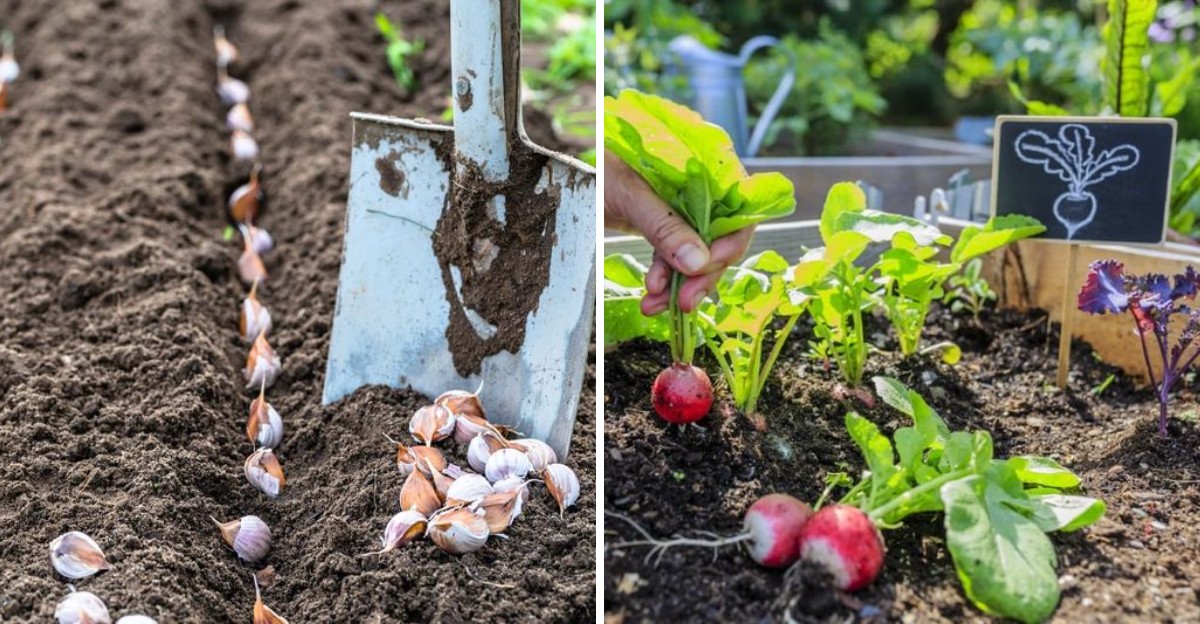
The pumpkins have left the porch, woodsmoke is in the air, and your garden beds are starting to look like a ghost town. Most North Carolina gardeners hang up the trowel right about now and call it a season.
Here is the plot twist: the garden is not finished with you yet. Cool nights and mild days create a sweet spot for certain crops, and a few of them taste better after a light frost sneaks across their leaves.
Plants that go in now grow slowly through the cold months, so think of this as planting a delicious head start rather than a quick fix.
A handful of smart seeds, cloves, and transplants today can put greens on your plate through winter and spring, with garlic and onions rewarding your patience by early summer.
1. Garlic Gives North Carolina Gardens A Slow, Tasty Payoff
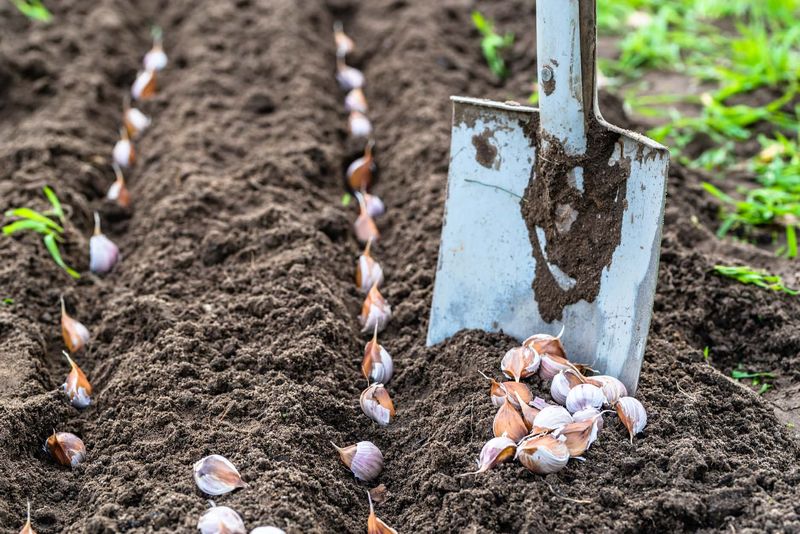
Few crops reward patience quite like garlic. You tuck single cloves into the ground in fall, and by early summer each one has turned into a full, fragrant bulb.
Across North Carolina, late September through early November is the usual garlic planting window, and October is the sweet spot for many gardeners. Push each clove about two inches deep with the pointy end facing up.
Space them roughly four to six inches apart so the bulbs have room to swell.
Softneck types like Inchelium Red are popular in the warmer Piedmont and coastal areas. Hardneck varieties such as Music are especially well suited to cooler areas, though they are grown across the state.
Hardnecks also send up curly flower stalks called scapes, which taste amazing in stir fries and pesto.
Cover your rows with three or four inches of shredded leaves or straw. That blanket keeps the soil temperature steady and holds back weeds.
Green shoots will pop up within a few weeks and stay small through the cold months.
Fun fact: garlic needs a chilly spell to form those tidy, separate cloves. Without winter cold, you often get one big round bulb instead.
Feed the plants with a little nitrogen fertilizer in late winter as growth picks up. Stop watering in late May, and harvest when about half the leaves turn brown.
Let the bulbs cure in a shady, airy spot for two or three weeks before storing them.
2. Spinach Shrugs Off North Carolina Chills
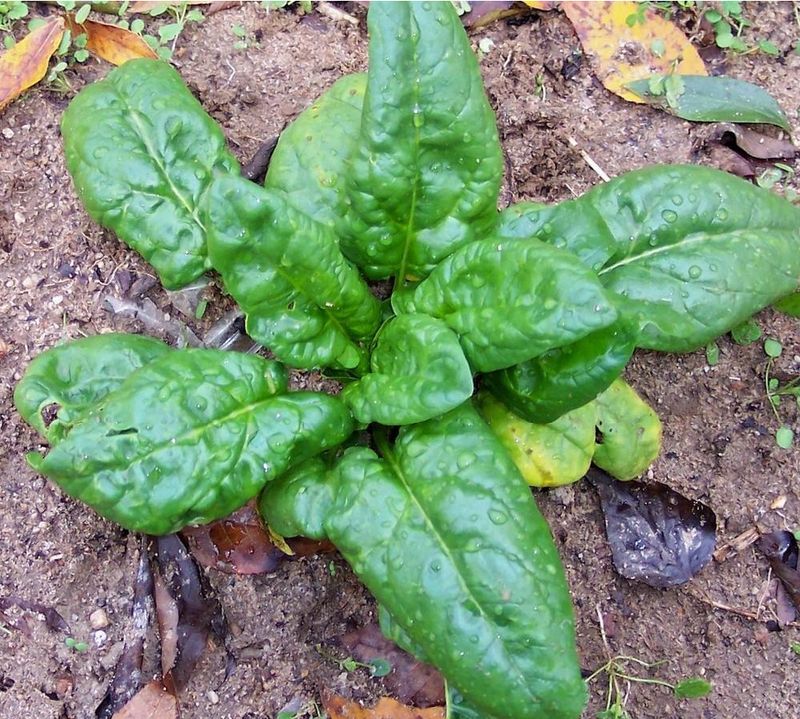
Popeye had the right idea. Spinach is a good source of iron and vitamins, and it happens to be one of the toughest greens you can grow in cold weather.
Seeds sprout best when the soil is cool. NC State sources point to September through early or mid-October as the main window for sowing spinach directly into beds.
Later sowings can still work in milder parts of the state, especially under row cover, but growth is slow in cold soil. Expect most of that harvest in late winter and early spring.
Plant seeds about half an inch deep and thin seedlings to four inches apart.
Your North Carolina Garden Changes Every Week. Your Plan Should Too.
Gardening in North Carolina changes quickly throughout the season. Every Friday you’ll receive a simple weekly plan showing exactly what to plant, prune, fertilize, harvest, and protect so you never miss the right timing.
Savoy types with crinkly leaves, such as Bloomsdale, handle frost especially well. Smooth leaf varieties are easier to wash, so they work nicely for salads.
Pick whichever style your family enjoys most.
Plants that get established before the coldest weeks often sit quietly through winter. Then they burst back with fresh growth as soon as the days lengthen in February.
That early spring flush is sweet, tender, and packed with flavor.
A simple row cover gives spinach a cozy boost. Lightweight fabric traps warmth from the soil and blocks harsh winds.
You can buy it at most garden centers, and it lasts several seasons.
Harvest outer leaves when they reach three or four inches long. Leave the center growing so the plant keeps producing.
Cold actually makes spinach sweeter, because the plant stores sugar to protect itself. Toss a handful into soups, omelets, or smoothies for an easy health boost.
3. Kale Keeps North Carolina Plates Green All Winter
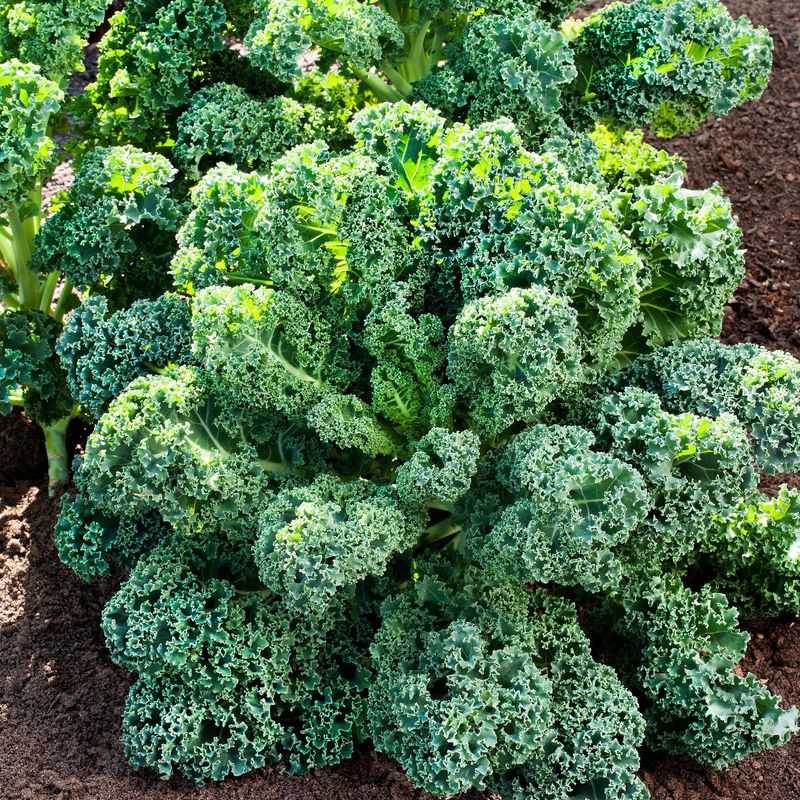
Ask any Southern grandmother about cold weather greens, and she will likely smile and point to the kale patch. It is one of the hardiest vegetables around and grows happily through frosty nights.
Here is the honest timing note. NC State guidance puts fall kale transplants in the ground from August through mid-September, so a November planting starts late.
Seeds are too slow this far into fall, so transplants are your best bet if you are planting now. Many nurseries still carry kale flats into early November.
Late transplants grow slowly through the coldest months and will mostly give you a harvest in late winter and spring. Plants set out earlier can keep producing from late fall into the following spring.
Set the young plants about twelve to eighteen inches apart in a sunny bed.
Curly kale like Winterbor holds up beautifully to ice and wind. Lacinato, also called dinosaur kale, has bumpy blue green leaves and a richer flavor.
Red Russian kale has purple tinged stems and stays tender longer.
Water transplants well for the first two weeks while roots settle in. After that, kale needs only about an inch of water a week.
Mulch around the base to keep the soil moist and warm.
Here is a tasty tip worth remembering. A light frost turns some of the starch in kale leaves into sugar, so winter kale tastes milder than summer kale.
Pick the lower, bigger leaves first and work your way up the stem. Kale chips, hearty soups, and warm salads will keep your kitchen busy for months.
4. Radishes Bring Speedy Wins To North Carolina Beds
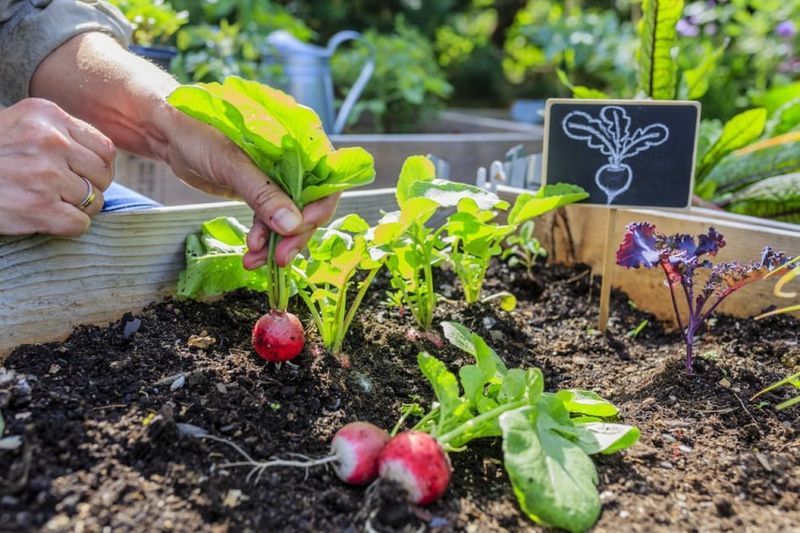
Got kids who want quick results? Radishes are the sprinters of the vegetable world, and some varieties go from seed to snack in about a month.
Cool temperatures help radishes form crisp, mild roots. Hot weather tends to make them woody and spicy, so fall really is their favorite season.
Gardeners in milder parts of the state may be able to sow seeds into November, though growth slows as the soil cools.
Plant seeds half an inch deep and about one inch apart in loose soil. Thin them to two inches once the first leaves appear.
Crowded radishes grow all tops and tiny roots, so do not skip that step.
Cherry Belle and French Breakfast are classic picks that size up fast. Daikon radishes take longer but grow huge, white roots that can help loosen heavy clay soil.
Some gardeners plant daikon just to break up tough ground for spring crops.
Keep the soil evenly moist while roots form. Uneven watering can cause cracks and splits in the radishes.
A quick drink every few days usually does the trick during dry spells.
Check your crop often once it nears the harvest date. Radishes left in the ground too long can turn pithy and hollow inside.
Slice them thin for salads, roast them with butter, or pickle them for a zippy topping on tacos and sandwiches.
5. Collards Carry Tradition Forward
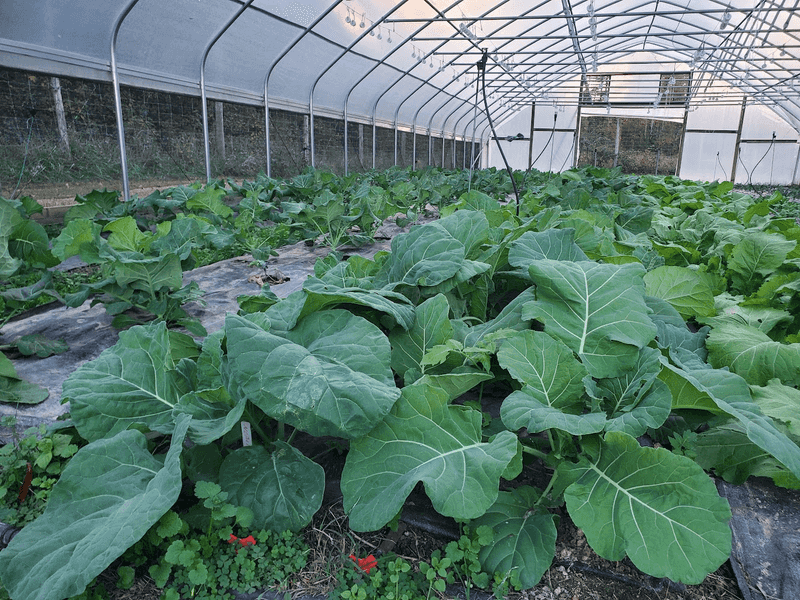
New Year’s Day in the South calls for collard greens, and growing your own makes that meal extra special. Folks say the green leaves stand for money and good luck in the coming year.
Collards have deep roots in North Carolina history. Ayden, a small town in Pitt County, even hosts a collard festival every September.
That kind of love tells you how well this crop fits local gardens.
One timing note matters here. NC State guidance puts fall collard transplants in the ground from mid-August through mid-September.
Plants set out later will get off to a slow start, overwinter fairly small, and produce most of their leaves in spring.
Transplants still give you the best head start this late in the season. Set plants about eighteen inches apart in soil enriched with compost.
Collards are heavy feeders, so a side dressing of fertilizer a month after planting helps a lot.
Georgia and Vates are two dependable varieties. Both handle cold snaps well and produce big, broad leaves.
Champion is another solid choice with a slightly more compact shape.
Keep an eye out for cabbage worms, the small green caterpillars that chew holes in the leaves. They come from both moths and butterflies, and row covers keep the adults from laying eggs on your plants.
Hand picking also works fine for small gardens.
Frost improves the flavor, turning the leaves sweeter and more tender. Start harvesting the bottom leaves once they are about the size of your hand.
Simmer them low and slow with onions and a smoked turkey wing, and your holiday table will feel like home.
6. Onion Sets Settle Into North Carolina Soil
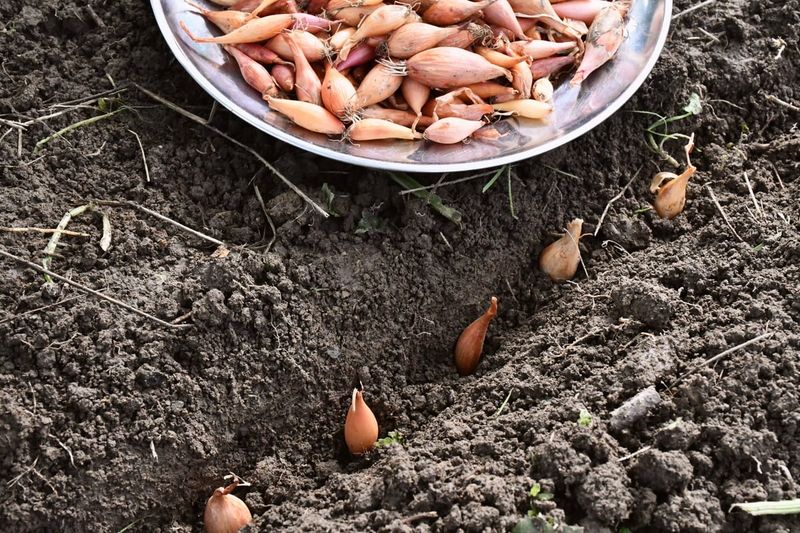
Onions might seem like a spring crop, but fall planting gives them a big head start. Plants that grow roots now are ready to bulk up quickly once warm days return.
NC State sources point to September or October as the time to put out onion sets and transplants for a harvest the following spring. Planting much later leaves less time for roots to settle in before the coldest weather.
The trick is choosing the right type for your area. Short day onions such as Texas Grano and Granex form bulbs when days are about twelve hours long and are commonly grown in the South.
Check NC State Extension’s variety recommendations for your region before you buy, since day length needs can vary across the state.
Plant onion sets or transplants about one inch deep and four inches apart. Keep the pointed tips just at or slightly above the soil.
Firm the dirt gently around each one so they stay upright.
Granex onions are the same kind grown in Vidalia, Georgia. That means you can grow sweet onions with that mild flavor right in your own yard.
A thick layer of straw helps protect young onions through cold snaps. Pull weeds by hand often, because onions have shallow roots and dislike competition.
Water whenever the top inch of soil feels dry.
In spring, feed plants with a nitrogen fertilizer every few weeks until bulbs start forming. Harvest in late May or June once the tops flop over.
Let the onions dry in a warm, airy spot before you trim and store them for months of cooking.
7. Lettuce Loves North Carolina’s Mild Autumn Days
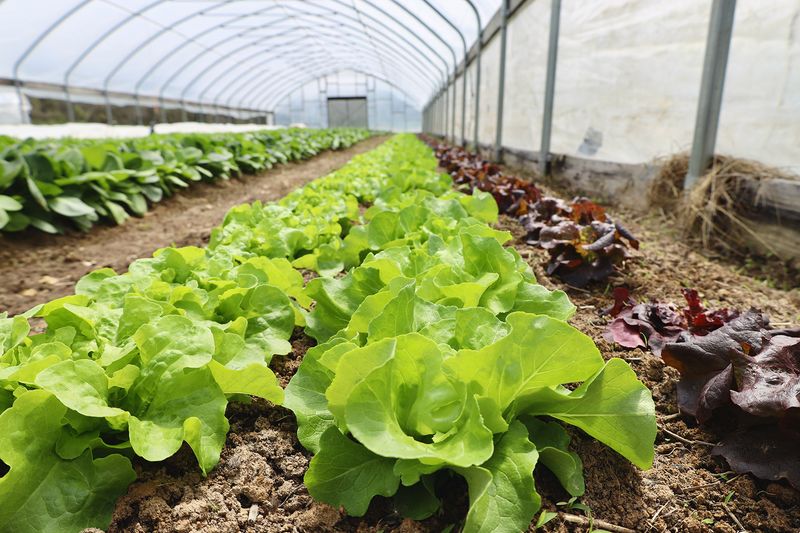
Nothing beats a fresh salad picked minutes before dinner. Lettuce thrives in cool weather, and fall gives you some of the crispest, sweetest leaves of the year.
NC State sources suggest seeding fall lettuce around late September. Later sowings in warmer parts of the state can still work with some protection, but growth will be slow as days shorten and soil cools.
Loose leaf types are the quickest and most forgiving. Varieties like Black Seeded Simpson and Red Sails can be ready to snip in about forty five days under good growing conditions.
Lettuce seeds need light to sprout, so barely cover them with soil. Press them gently into the surface and keep the bed damp.
Transplants make life easier if you are running short on time.
Hard freezes can harm lettuce, so plan for some protection. A simple hoop tunnel made with PVC pipe and row cover fabric works wonders.
Some gardeners even use an old window over a wooden box to build a mini cold frame.
Try the cut and come again method for long harvests. Snip the outer leaves an inch above the base, and new leaves will grow back from the center.
One planting can feed your family for weeks.
Mix several colors and textures in one bed for a pretty garden and an even prettier salad bowl. Speckled Trout Back, an old heirloom, has green leaves dotted with red spots that kids think look like freckles.
8. Fava Beans Add A Fun Twist To North Carolina Gardens
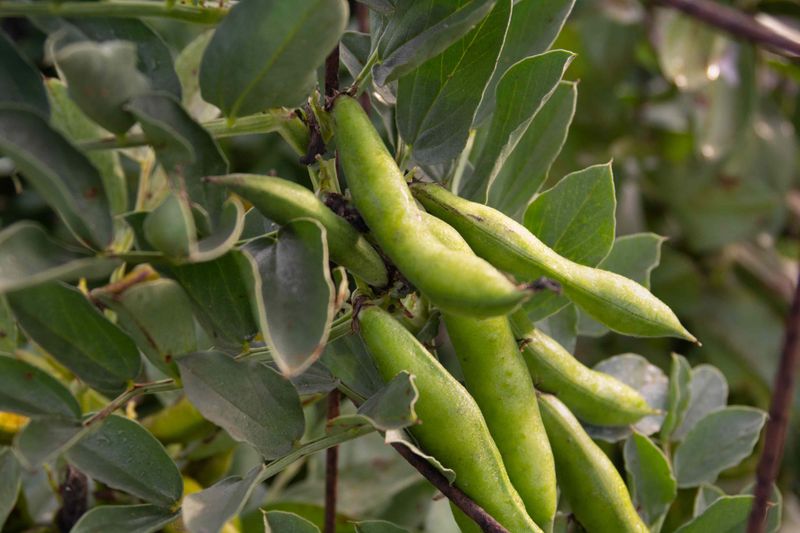
Most beans hate the cold, but fava beans are the rebels of the bean family. People in ancient Mediterranean cultures grew them thousands of years ago, and they still feel right at home in chilly soil.
Favas grow upright and sturdy, reaching two to four feet tall. Their white and black flowers have a delicate, almost orchid-like look.
Bees visit them on warm winter afternoons, which brings a little life to a quiet garden.
In the coastal plain and Piedmont of North Carolina, fall sowing typically happens in October into early November. Check with your local Extension office for the best date in your area.
Soak the seeds overnight first to speed up sprouting. Push each seed about two inches deep and six inches apart.
Aquadulce Claudia is a widely recommended cold tolerant choice for fall planting because it handles winter weather so well.
Mountain gardeners may want to wait until early spring instead.
As a bonus, fava beans are legumes, so they add nitrogen to the soil. When you clear the bed in spring, the ground will be richer for tomatoes or peppers.
Many gardeners grow favas just for that soil boost.
Pods are ready in late spring when they feel plump and the beans inside are bright green. Shell them, blanch them briefly, and pop off the outer skins.
Toss them with olive oil, lemon, and a pinch of salt for a fresh spring treat.