The One Thing North Carolina Camellia Shrubs Need Right Now To Set Up A Strong Fall And Winter Bloom
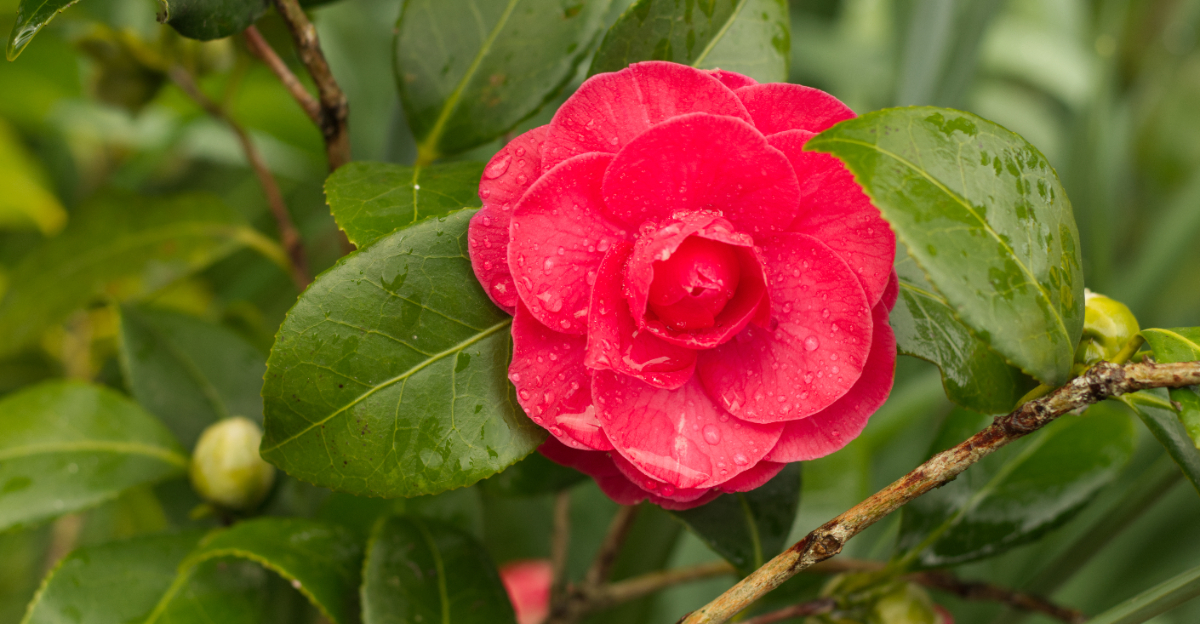
Camellias are one of the few shrubs in North Carolina that deliver genuine color during fall and winter, which makes protecting that bloom cycle more important than most summer care decisions get treated.
What happens to a camellia right now, during the weeks that feel far removed from its blooming season, directly determines the quality and quantity of flowers that open when almost nothing else in the landscape is performing.
There is one specific thing these shrubs need during this window, and skipping it produces noticeably fewer, smaller blooms during the exact season when camellia flowers matter most. The task is simple.
The timing, however, is more precise than most North Carolina gardeners realize.
1. Steady Deep Watering Is The One Thing
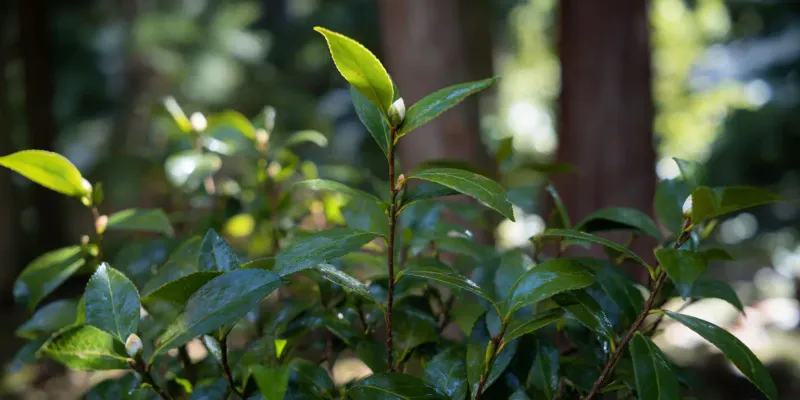
Camellias have a secret life in late summer. While your shrub sits quietly in the yard looking perfectly fine, it is actually doing something remarkable underneath those waxy green leaves.
Flower buds are forming right now, and every single one of them depends on one thing above all else: a steady, reliable supply of water reaching deep into the soil.
North Carolina summers are no joke. Heat builds fast, rain can disappear for weeks at a time, and the soil dries out faster than most gardeners expect.
Camellias are not drought-tolerant plants. NC State University makes that very clear.
When moisture gets inconsistent during late summer, bud development slows down or stalls, and gardeners often do not realize anything went wrong until the bloom season arrives and the show is disappointing.
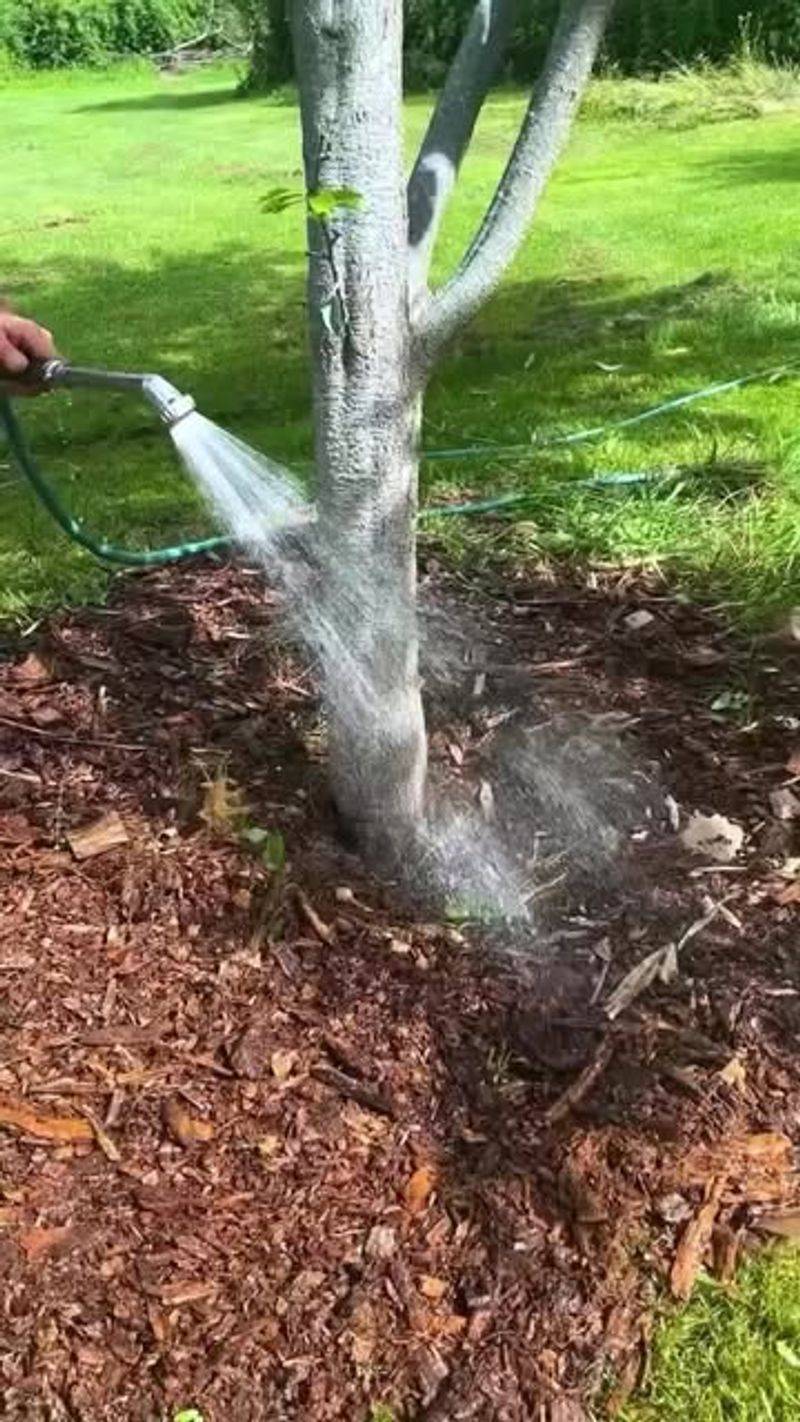
The fix is not complicated, but it does require paying attention. Deep, slow watering around the base of the shrub is what keeps those buds growing strong.
A quick splash from the hose every few days is not enough. You want moisture moving all the way down to where the roots actually live, several inches below the surface.
Think of it as giving your camellia a long, satisfying drink rather than just wetting the top of the soil. When the root zone stays consistently moist through August and September, the shrub holds onto its buds and builds the energy it needs.
That investment now pays off in a gorgeous display of blooms when fall and winter finally arrive.
2. Buds Are Being Set Before The Show Begins
Most gardeners think of camellia season as the moment flowers open in fall or winter. But the real action starts months earlier, hidden in plain sight.
Right now, while temperatures are still high and the garden feels more like midsummer than anything close to bloom time, your camellia is quietly setting the buds that will become those beautiful flowers.
Sasanqua camellias, which are one of the most popular types in North Carolina, bloom in late fall and early winter. Japonica camellias typically follow later in winter and into early spring.
Both types begin forming their flower buds well before the season cools, which means the care decisions you make in July, August, and September directly shape how well the shrub performs when it finally blooms.
Your North Carolina Garden Changes Every Week. Your Plan Should Too.
Gardening in North Carolina changes quickly throughout the season. Every Friday you’ll receive a simple weekly plan showing exactly what to plant, prune, fertilize, harvest, and protect so you never miss the right timing.
Consistent moisture is the foundation of strong bud set. When a camellia experiences dry spells during this critical window, it may drop buds or simply form fewer of them.
The shrub prioritizes survival when resources are tight, and bloom production takes a back seat. That is the last thing any gardener wants after waiting all year for those flowers.
Watering deeply and regularly through late summer gives the plant what it needs to commit fully to bud development. You are essentially telling the shrub that conditions are stable and it is safe to invest energy in flowering.
The earlier you start paying attention to soil moisture, the better the results will be when camellia season finally arrives in your North Carolina garden.
3. Dry August Soil Can Reduce Bloom Strength
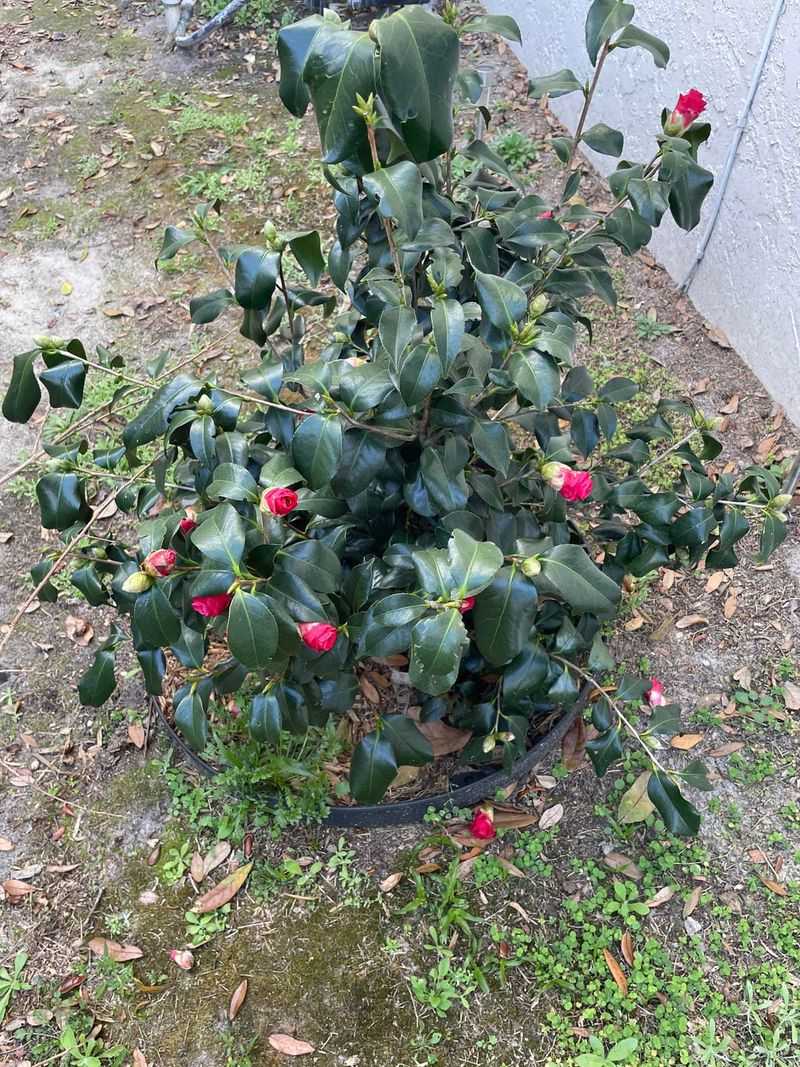
August in North Carolina can be brutal. Temperatures stay high, humidity hangs heavy in the air, and stretches without rain are common across much of the state.
For camellia shrubs, this combination creates real pressure at exactly the wrong time. The soil dries out, roots struggle to pull up moisture, and the flower buds that were forming so well just weeks earlier begin to suffer.
NC State University guidance specifically notes that drought stress in August and September can interfere with flowering on Camellia japonica, reducing bloom the following season. That is not a small detail.
It means that even if your shrub looks perfectly healthy on the outside, dry conditions during this window are quietly working against the bloom show you are hoping to see.
Shallow roots make camellias especially sensitive to surface drying. Shrubs growing in full sun, competing with nearby tree roots, or planted in sandy soil face even greater risk.
These are the plants that need the most attention in August, not just the ones that look stressed or wilted.
Checking soil moisture regularly is the smartest habit you can build right now. Push a finger or a wooden dowel a few inches into the soil near the drip line of the shrub.
If it comes out dry or barely damp, it is time to water. Do not wait for the leaves to look droopy or dull.
By the time visible stress appears, the buds have already felt the impact. Catching dryness early keeps the bloom season strong and the shrub happy all the way through fall.
4. Deep Watering Works Better Than Light Sprinkling
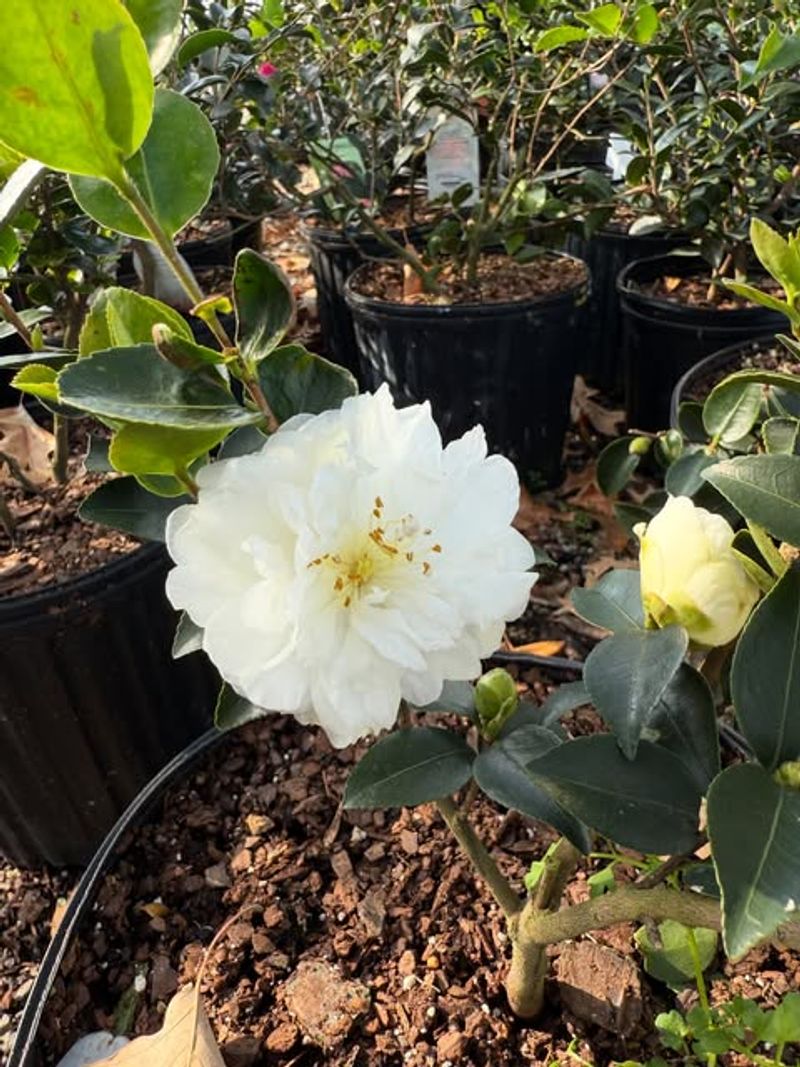
Picture this: you give your camellia a quick spray with the hose every couple of days, the surface of the soil looks damp, and you feel good about it. But a few inches down, the root zone is still completely dry.
That is one of the most common watering mistakes gardeners make, and camellias pay the price for it during bloom season.
Surface sprinkling encourages roots to stay shallow, chasing the moisture at the top of the soil. Shallow roots are more vulnerable to heat and dry spells.
Deep, slow watering is the method that actually builds a strong root system. When water soaks down several inches into the soil, roots follow it downward and become more stable and better equipped to handle dry stretches between watering sessions.
The goal is to water the soil, not the leaves or the flower buds. Wet foliage can invite fungal issues, and wet buds are not doing any good for the plant.
Aim the water low, at the base of the shrub, and let it soak in slowly. A soaker hose or a slow trickle from a regular hose left in place for thirty to forty-five minutes works beautifully.
Watering around the drip line, which is the outer edge of the canopy, is especially effective because that is where the most active roots tend to be. Give the water time to move down through the soil before you move on.
One thorough, deep watering session is worth far more than several quick passes, and your camellia will show you the difference come bloom season.
5. Mulch Helps The Water Last Longer
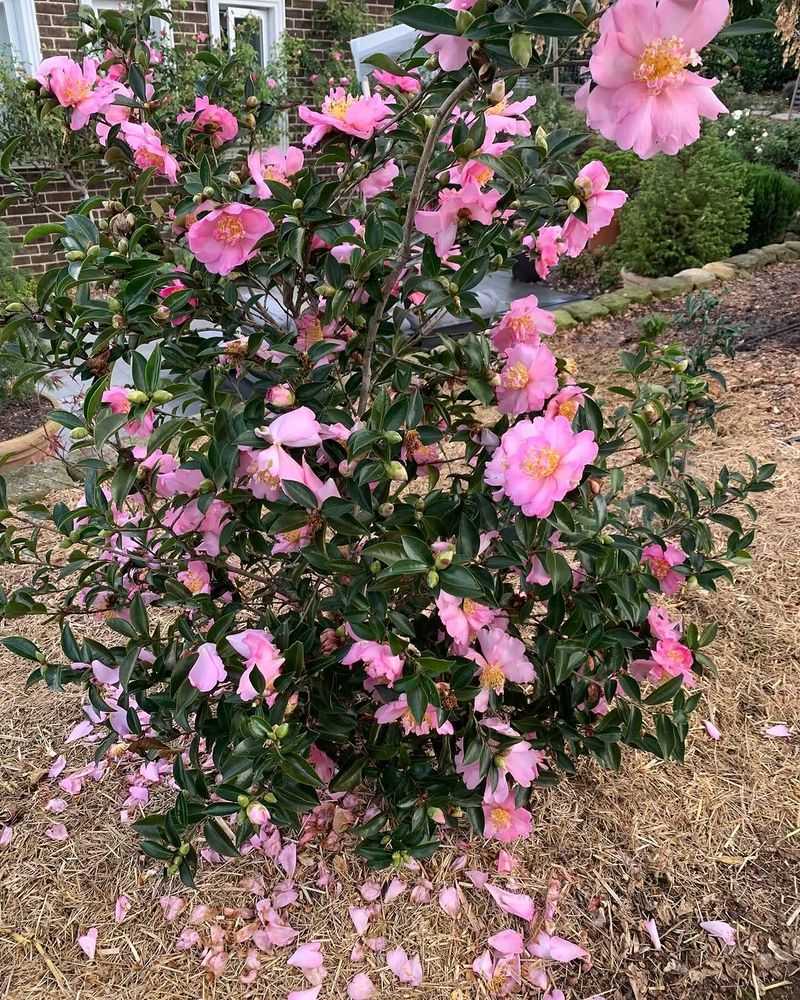
Watering deeply is only half of the equation. Once that moisture is in the soil, your next job is to keep it there as long as possible.
That is where mulch becomes one of the most valuable tools in your camellia care routine, especially during the heat of a North Carolina summer.
A two to three inch layer of organic mulch spread around the base of the shrub acts like a blanket over the soil. It slows evaporation, keeps the root zone cooler during hot days, and helps the soil stay more evenly moist between watering sessions.
Pine straw is a classic choice in North Carolina and works wonderfully for camellias. Shredded bark, leaf mold, and composted leaves are also excellent options that break down over time and improve the soil beneath.
Even moisture is the goal here. Camellias do not love swings between soaking wet and bone dry.
Mulch smooths out those swings by holding water in the soil longer and reducing the temperature spikes that cause rapid drying.
The result is a more stable root environment, which directly supports bud development through the critical late summer window.
One important detail to remember: always keep mulch pulled back a few inches from the base of the trunk. Mulch piled against the bark can trap moisture against the wood and lead to problems over time.
Keep it spread out to the drip line and away from the trunk itself. That simple habit protects the shrub while letting the mulch do its best work right where the roots need it most.
6. Even Moisture Does Not Mean Soggy Soil
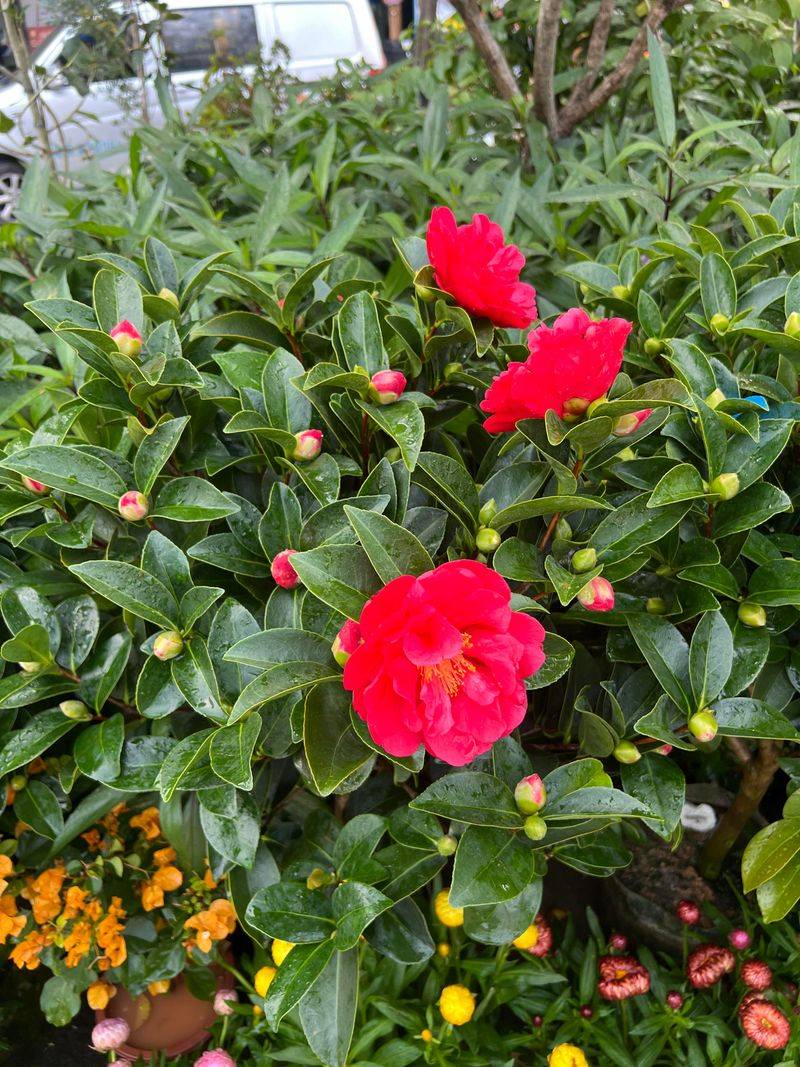
Here is something that trips up a lot of camellia growers: hearing that camellias need consistent moisture and then overwatering to be safe.
Keeping a shrub evenly moist is not the same as keeping it constantly wet, and understanding that difference is key to healthy roots and a strong bloom season.
Camellias thrive in moist, well-drained, acidic soil. That last part matters a lot.
Well-drained means water moves through the soil at a reasonable pace rather than pooling around the roots. When roots sit in waterlogged soil for extended periods, oxygen gets cut off and root health declines fast.
A stressed root system cannot support strong bud development, no matter how much water is present.
The right approach is to water deeply when the root zone is starting to dry out, then let the soil move toward the drier side before watering again.
Checking moisture a few inches below the surface gives you a much more accurate picture than looking at the top of the soil. If it feels damp and cool down there, the shrub is fine. If it feels dry, it is time to water.
Sandy soils drain quickly and may need more frequent watering. Clay soils hold moisture longer but can become waterlogged if overwatered.
Knowing your soil type helps you adjust the schedule to fit real conditions rather than following a rigid calendar. The goal is always the same: keep the root zone consistently moist, never dried out, and never drowning.
That balance is what camellias need to build and hold their flower buds through late summer.
7. Skip Late Pruning And Heavy Feeding
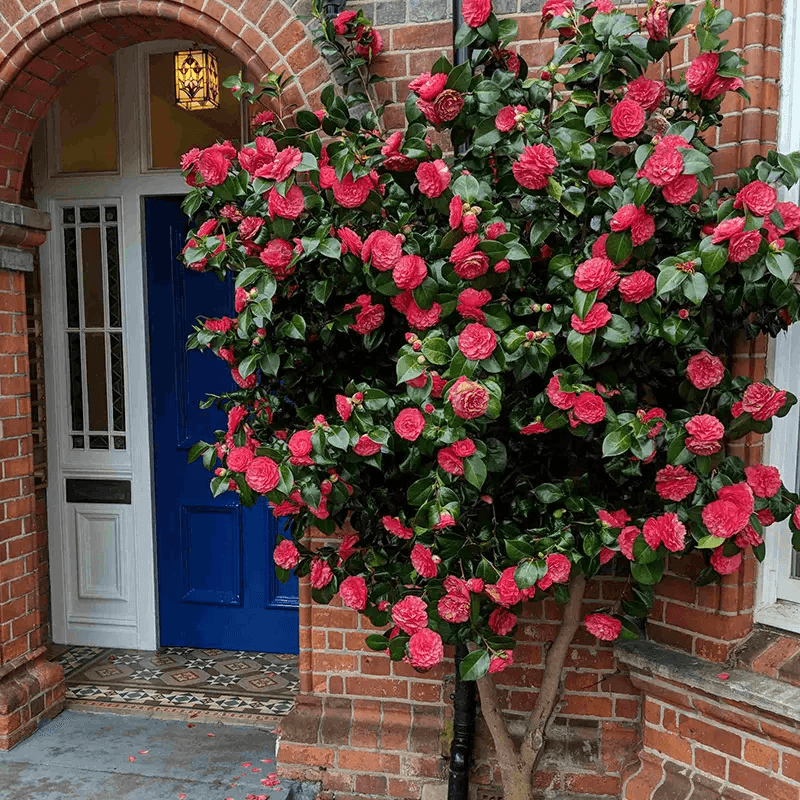
Watering is the star of the show right now, and everything else should take a back seat. Two of the most common mistakes gardeners make in late summer are reaching for the pruning shears too early and pushing the shrub with heavy fertilizer.
Both of these habits can work directly against the bloom season you are trying to build.
Camellias set their flower buds on the current season’s growth. Pruning in late summer or fall removes branches that are already carrying those buds, which means cutting away the very blooms you have been waiting for.
NC State recommends pruning camellias soon after they finish blooming if pruning is needed at all. That timing protects the next season’s buds and keeps the shrub shaped without sacrificing flowers.
Heavy fertilizer applications in summer can push a flush of new leafy growth. That sounds positive, but tender new growth late in the season uses energy that the shrub would otherwise direct toward maturing its flower buds.
It can also make the plant more sensitive going into the cooler months. A light, balanced feeding in early spring is the better approach for most established camellias in North Carolina.
Right now, the most powerful thing you can do is also the simplest. Water deeply and consistently, spread a fresh layer of mulch to hold that moisture in place, and leave the shrub alone to do what it does best.
The buds are already forming. Your job is to protect them, not interrupt the process.
Give your camellia steady moisture through late summer and it will reward you with a bloom season worth every bit of the effort.