Why Snapdragons Planted In Fall Often Outshine Spring Ones In North Carolina
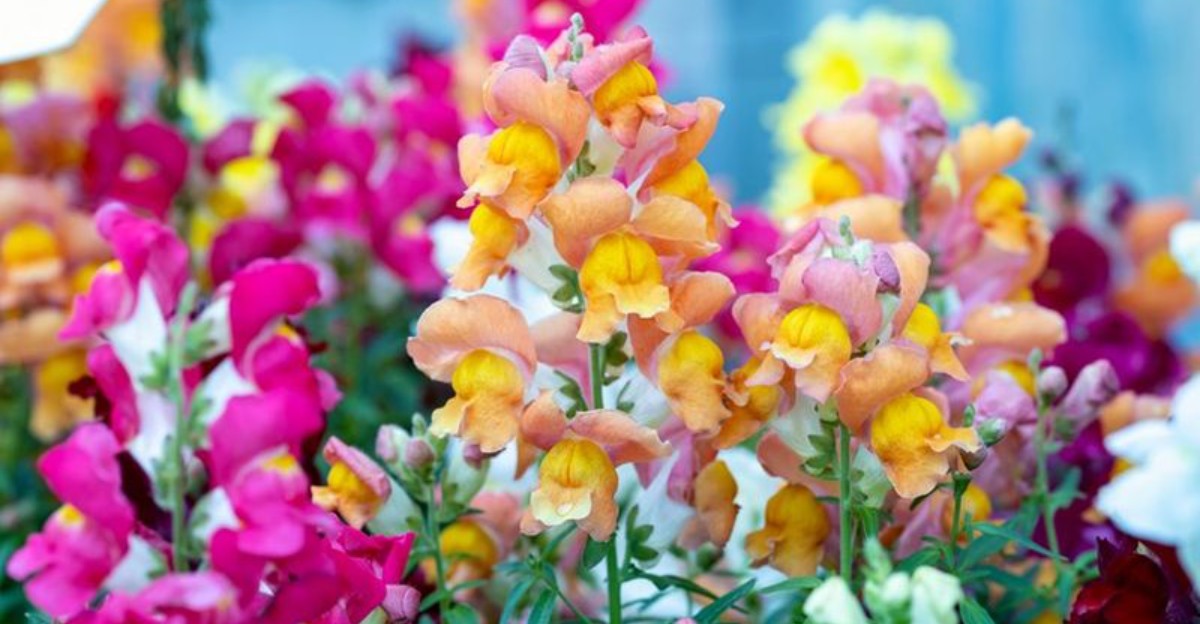
Most gardeners plant snapdragons in spring and then watch them fade when summer heat arrives. Fall planting flips that script. In North Carolina, snapdragons put down roots through the cool months.
When spring arrives, they are already established and ready to push out tall flower spikes. Spring-planted ones are still finding their footing. That head start often shows in bigger plants and earlier blooms.
Snapdragons also handle cool weather far better than many people expect, so they keep growing even when the nights turn cold.
The result is often a spring display that beats anything planted in March. If you have never tried them in fall, it is a surprising change. A small planting now can be the best-looking part of next spring’s garden.
1. Roots Grow Strong Through Fall And Winter
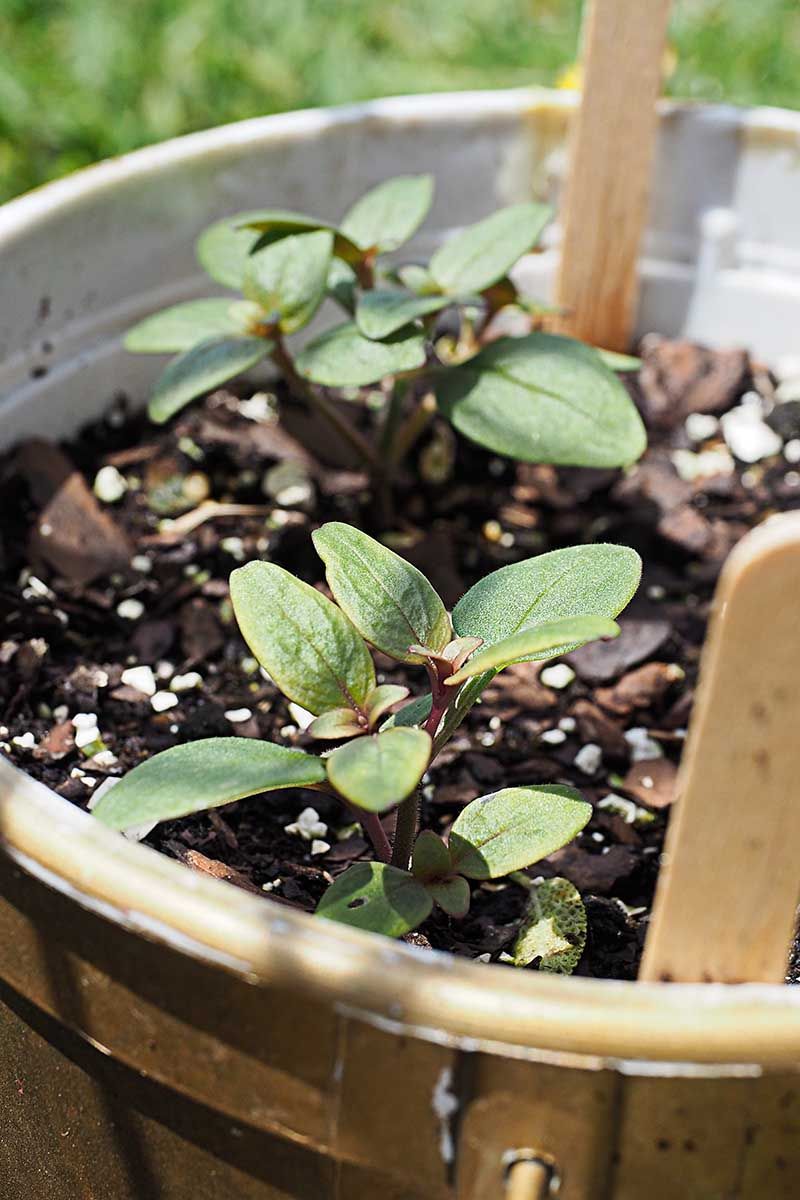
Underground, a lot is happening while your garden looks sleepy. Snapdragons (Antirrhinum majus) planted in fall spend the cool months quietly building a strong root system.
The tops may barely change from December to February, but the roots keep stretching deeper into the soil.
That hidden growth pays off in a big way. By the time spring arrives, a fall-planted snapdragon has a wide network of roots ready to pull up water and nutrients.
All that support lets the plant push out fast new growth and loads of flowers once the weather warms.
A spring transplant, on the other hand, starts with a small root ball that came straight from a nursery pot.
Getting started is simple. Plant your snapdragons in September or October so they have several weeks of mild weather to settle in. Pick a spot with full sun, since these flowers need at least six hours of light each day to stay compact and bloom well.
Well-drained soil is a must, because soggy ground in winter can cause root rot. Water regularly for the first few weeks while the plants get established. After that, check the soil every few days and water when the top inch feels dry.
A light layer of mulch, about two inches of shredded leaves or pine straw, helps keep the soil temperature steady and protects the roots during cold nights.
North Carolina gives snapdragons a real advantage here. In the Piedmont and Coastal Plain, the soil rarely freezes deeply, even during chilly stretches.
That means roots can keep growing through much of winter, giving your plants a head start that spring transplants simply cannot match.
2. They Bloom Earlier In Spring
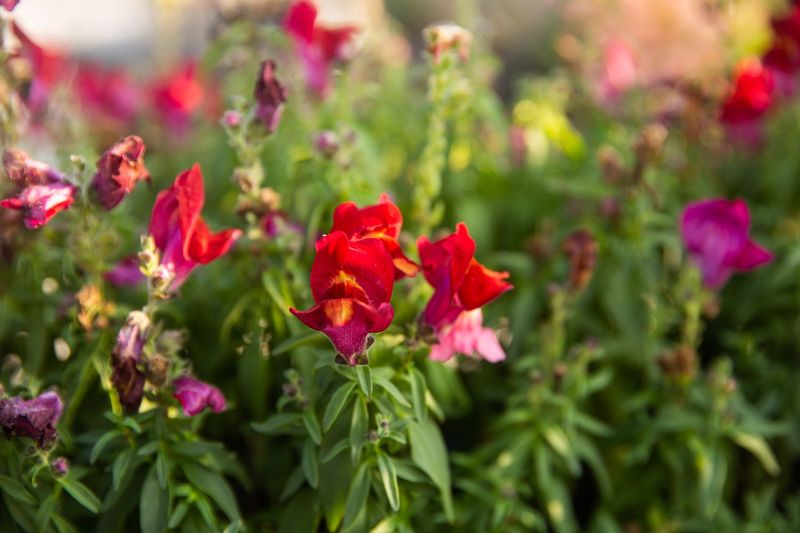
Imagine walking outside in March and finding snapdragon spikes already bursting with color. That happy surprise is common for gardeners who plant in fall. While neighbors are just shopping for spring flowers, your beds are already putting on a show.
The reason is all about readiness. Overwintered snapdragons are fully settled in their spot, with roots and leaves in place. As soon as the days get longer and temperatures climb a little, they start growing and forming flower buds.
Spring transplants need time to adjust to their new home first, and that adjustment period can take several weeks before blooms appear.
Your North Carolina Garden Changes Every Week. Your Plan Should Too.
Gardening in North Carolina changes quickly throughout the season. Every Friday you’ll receive a simple weekly plan showing exactly what to plant, prune, fertilize, harvest, and protect so you never miss the right timing.
So what can you expect? Fall plantings often begin flowering in early spring, right alongside daffodils, tulips, and other spring bulbs. The mix of tall snapdragon spikes with bright bulb flowers looks wonderful in borders and containers.
Spring plantings usually start blooming later, sometimes not until late April or May.
A few tips can help your early bloomers shine. Clear away winter debris around the plants in late February so new shoots get plenty of sun. Give them a gentle feeding with a balanced fertilizer as fresh growth appears.
Keep an eye out for aphids, which sometimes show up on tender spring growth, and rinse them off with a strong spray of water.
In North Carolina, that early start is a huge bonus. Every extra week of spring bloom counts, because summer heat is never far away.
Giving your snapdragons a running start means they can flower longer and more freely before hot weather slows them down.
3. Overwintered Plants Grow Fuller With More Flower Spikes
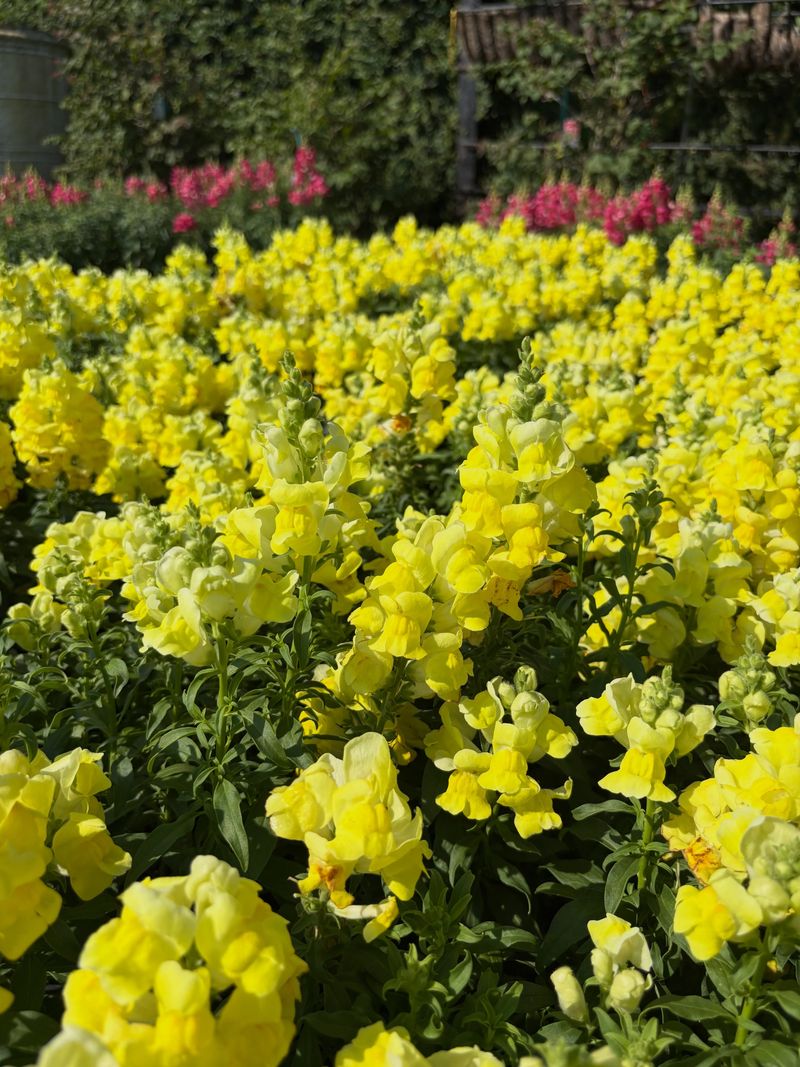
Bigger really is better when it comes to snapdragons. A plant that spends the whole winter in your garden often grows into a wide, bushy clump by spring. Compare it to a fresh spring transplant, and the difference can be striking.
Time is the secret ingredient. Fall-planted snapdragons have months to branch out and fill in. Every one of those branches can produce its own flower spike, so a well-grown overwintered plant may carry many blooms at once.
A young spring transplant has had far less time to branch, so it usually carries fewer spikes in its first flush.
You can encourage even more branching with one easy trick. When your young plants are about four to six inches tall in fall, pinch off the growing tip just above a set of leaves. This small step tells the plant to send out side shoots instead of one main stem.
More shoots mean more flowers later. Give your plants room to spread, too. Space them about eight to twelve inches apart, depending on the variety. Keep weeds pulled, since weeds compete for water, food, and light.
A layer of mulch helps hold back weeds and keeps the soil moist, which supports steady growth all season.
North Carolina’s long cool season makes this possible. With mild falls, gentle winters in much of the state, and a slow warm-up in early spring, snapdragons get plenty of time to develop.
The reward is a garden full of plump, flower-packed plants that look like they came from a magazine cover.
4. Spring Plantings Run Into Heat Sooner
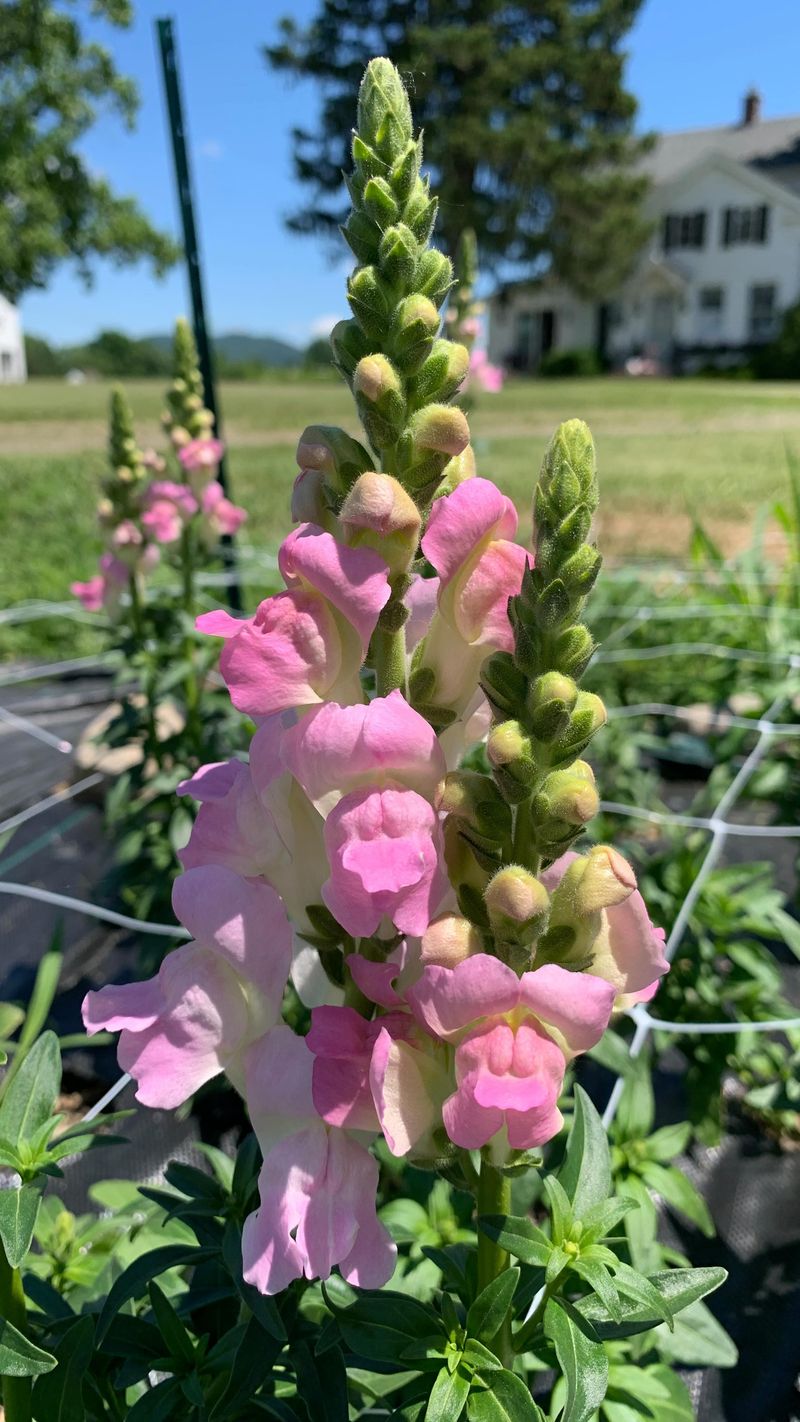
Hot weather is the biggest enemy of a snapdragon. These flowers love cool days and chilly nights, and they slow down quickly once the thermometer climbs. When summer heat settles in, they often stop blooming and start to decline.
That creates a real problem for spring plantings. A snapdragon set out in April needs time to grow before it flowers, and by the time it reaches full bloom, warm weather may already be close.
Many spring transplants end up with only a few weeks of peak flowering before heat cuts the season short.
Fall plantings play the game differently. They use the cool months of autumn to settle in and even bloom, then take full advantage of early spring for a big flush of flowers. By the time the heat shows up, they have already given you weeks and weeks of color.
It is like getting a head start in a race against the calendar. If you do plant in spring, a few steps can help. Set plants out as early as possible, right after your last frost date. Choose a spot that gets some afternoon shade, and water deeply during warm spells.
Mulch will keep roots cooler, too. Still, even with good care, spring snapdragons usually cannot keep up with fall ones.
Timing matters a lot in North Carolina. Hot weather often arrives quickly in May, especially in the Piedmont and Coastal Plain, where temperatures can jump into the upper 80s or higher. Planting in fall is the smartest way to beat that early summer squeeze.
5. Snapdragons Handle Cold Better Than Many Expect
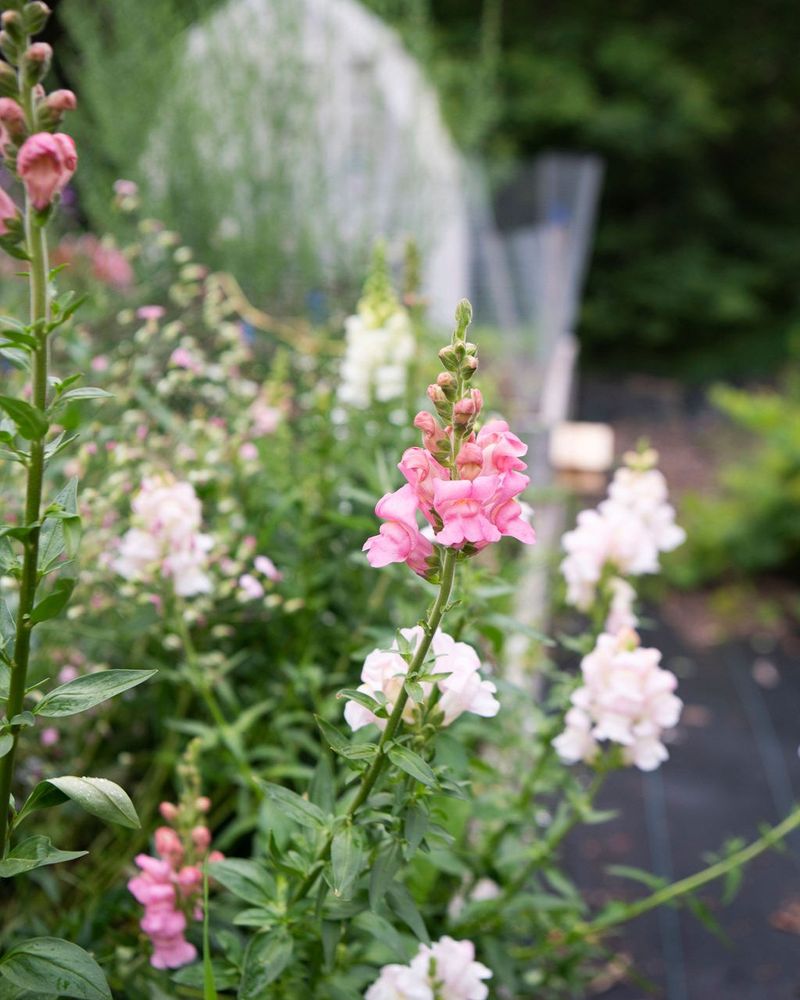
Plenty of gardeners worry that winter will wipe out their snapdragons. Good news: these tough little plants are much hardier than they look. They shrug off light frosts and handle many freezes without much fuss.
Established plants are the strongest. A snapdragon with a good root system can often make it through winter in the Piedmont and Coastal Plain with little more than a few damaged leaves.
Some foliage may turn purple or look a bit rough after a hard freeze, but the plant usually bounces back once the weather warms.
A little protection goes a long way. Choose a planting spot sheltered from harsh winter winds, such as near a fence, wall, or hedge. Spread mulch around the base of each plant to keep the roots insulated.
When the forecast calls for a severe cold snap, especially temperatures in the teens, cover plants with frost cloth overnight and remove it once things warm up.
Late winter is the time for a quick cleanup. Trim away any brown or damaged leaves so the plant can focus energy on healthy new growth. Be gentle and avoid cutting into the green stems at the center, since that is where spring shoots will come from.
Across most of North Carolina, fall planting is a reliable choice. Things are a bit different in the coldest Mountain areas, where long, deep freezes can be too much for snapdragons.
Gardeners at higher elevations may have better luck planting in early spring or growing them in containers that can be moved to shelter.
6. Fall Plantings Give A Bonus Round Of Blooms
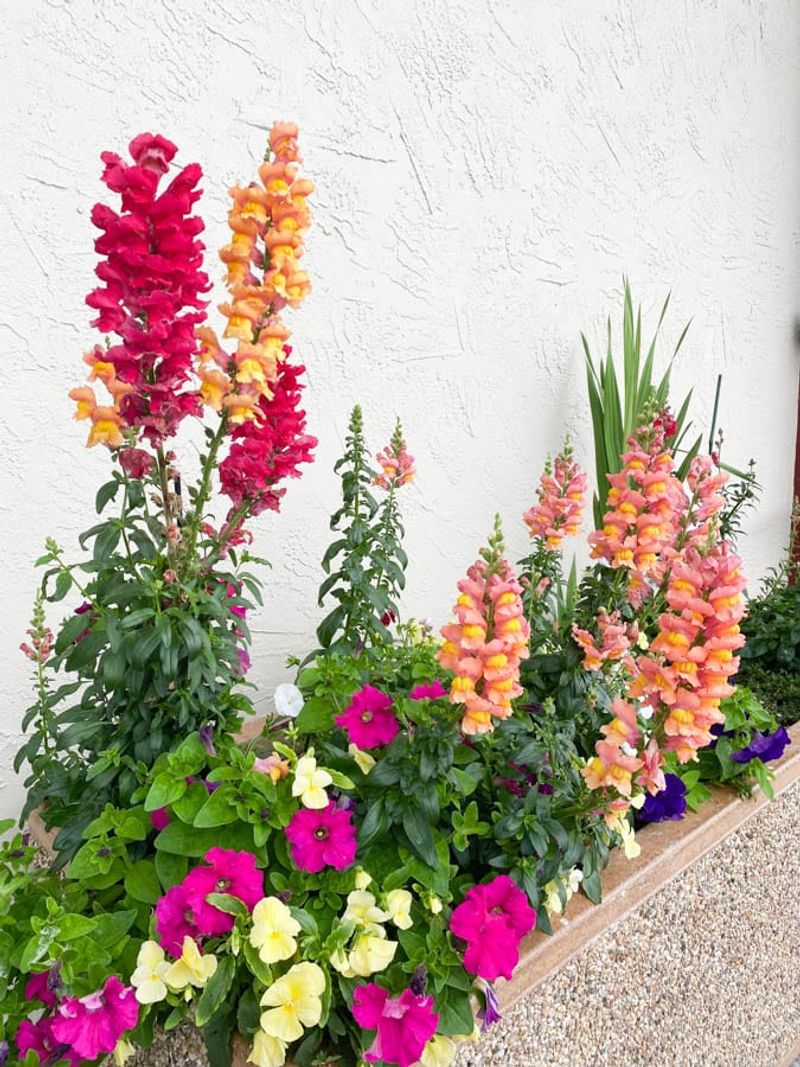
Who would turn down two flower shows for the price of one? Snapdragons planted in early fall often do exactly that. They bloom in autumn, take a winter break, then come back for an even bigger performance in spring.
Here is how it works. Plants set out in September usually have enough warm days to form buds before cold weather settles in. You get a round of fall color through October and November.
As temperatures drop, the plants slow down and rest. Then, when spring arrives, they wake up and bloom again, often much more heavily than they did in fall.
Deadheading keeps the fall show going. Snip off flower spikes once most of the blooms have faded, cutting just above a set of healthy leaves. That simple step pushes the plant to make side shoots with new buds.
During the coldest weeks of winter, leave the plants alone and let them rest. Once spring growth starts, pick up the snips again.
Removing spent spikes regularly will keep fresh flowers coming for weeks. It also stops the plant from putting energy into seeds, which means more blooms for you.
North Carolina gardeners love this double feature. Fall snapdragons look wonderful in beds and porch containers alongside pansies, violas, and mums.
Their upright spikes add height that pairs nicely with the low, rounded shapes of those other cool-season favorites.
Toss in a few ornamental cabbages or kale, and your autumn display will brighten the whole yard until spring brings round two.
7. Cool Weather Helps Flowers Last Longer
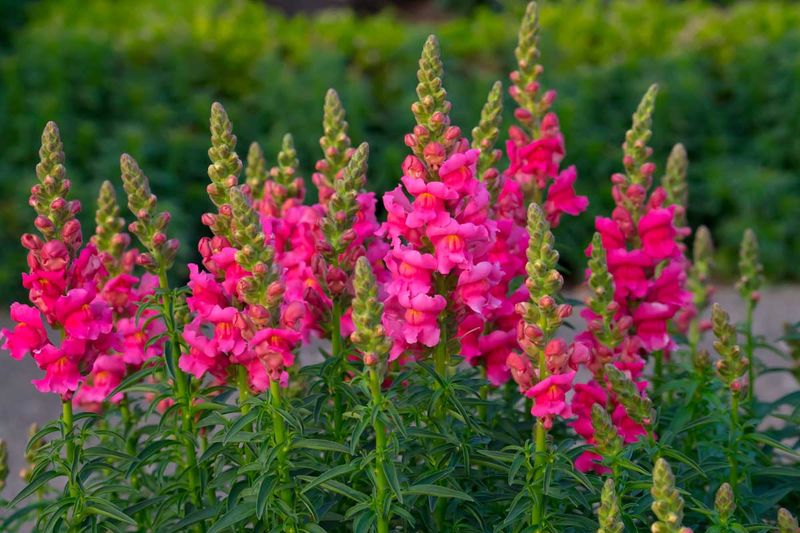
Ever notice how a bouquet wilts faster on a hot day? Snapdragon flowers follow the same rule. Blooms that open during cool weather tend to stay fresh longer, both on the plant and in a vase.
Heat speeds everything up. Flowers open faster, fade faster, and drop faster when temperatures soar. In cool weather, each bloom unfolds slowly and holds its color for days.
Plants that are not stressed by heat also grow sturdier stems, so spikes stand up straight instead of flopping over.
Good care in spring helps you make the most of this. Water consistently during dry spells, aiming for about an inch per week, and soak the soil deeply instead of giving quick sprinkles. Feed lightly with a balanced fertilizer when new growth begins.
Too much fertilizer can cause floppy, leafy growth, so a little goes a long way. Cutting at the right moment makes a big difference for bouquets.
Snip spikes when the lower flowers have just opened and the upper buds are still closed. The rest of the buds will keep opening in the vase over the next several days.
Change the water every couple of days, and your arrangement can stay lovely for a week or more.
In North Carolina, early spring offers perfect conditions. Days are mild, nights are cool, and the sun is bright but not harsh.
Fall-planted snapdragons are already at full size during this sweet spot, so their flowers open in ideal weather. Spring transplants often miss much of that window and bloom as things heat up.
8. Overwintered Plants Make Better Cut Flowers
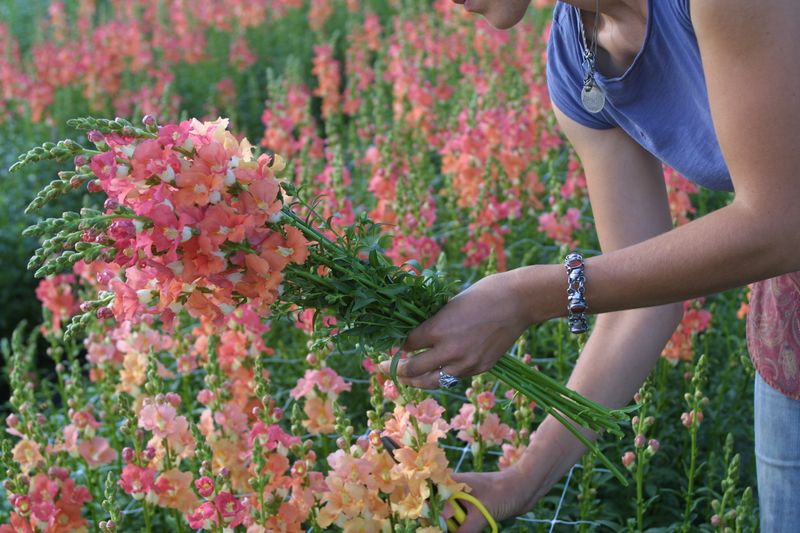
Talk to almost any flower farmer in the South, and you will hear the same advice: plant snapdragons in fall.
Growers who sell bouquets at farmers markets know that overwintered plants produce the longest, strongest stems. Home gardeners can use the same strategy for their own arrangements.
Strong roots are behind those impressive stems. A well-established plant has stored up plenty of energy over winter. In spring, it pours that energy into tall, sturdy flower spikes that can reach two to three feet on the right varieties.
Spring transplants often produce shorter, thinner stems because they are still building their roots.
Variety choice matters, too. Look for tall types bred for cutting, such as the Rocket, Potomac, or Chantilly series. Chantilly snapdragons even have open, butterfly-shaped blooms that look elegant in a vase.
Because tall stems can bend in wind or heavy rain, give them support with horticultural netting stretched over the bed or with sturdy stakes.
Harvesting well keeps flowers fresh. Cut stems in the morning, when plants are cool and full of water. Carry a bucket with you and place stems in water right away.
Strip off lower leaves that would sit underwater, then let the bucket rest in a cool spot for a few hours before arranging.
Across North Carolina, snapdragons are a spring favorite for both backyard gardeners and small flower farms.
Their bright spikes add height and color to bouquets for Easter, Mother’s Day, and spring weddings. With a fall planting, you can fill your own vases with blooms worthy of a florist shop.