9 Fall Vegetables To Plant After Removing Tomato Plants
Everything you grew just ended, but nothing here is finished. Pulling those roots out changes everything beneath your feet. Empty ground never stays empty for long.
Nutrients sit there, waiting for whatever you plant next. Cooler air will unlock flavors you have not tasted. Nothing about this shift means you should slow down. Something is already forming beneath your feet right now.
Timing alone decides how much you gain from here. Waiting costs you chances you will never get back. Underneath, momentum keeps building without asking your permission. Nobody warns you how fast things can shift here.
Change rarely announces itself before it grabs your garden. Your garden holds more potential than you realize today. Real transformation starts the moment you decide to act.
Patience will not build what your speed can achieve. Every choice you make now shapes your table later. Whatever comes next will not wait for you.
1. Spinach
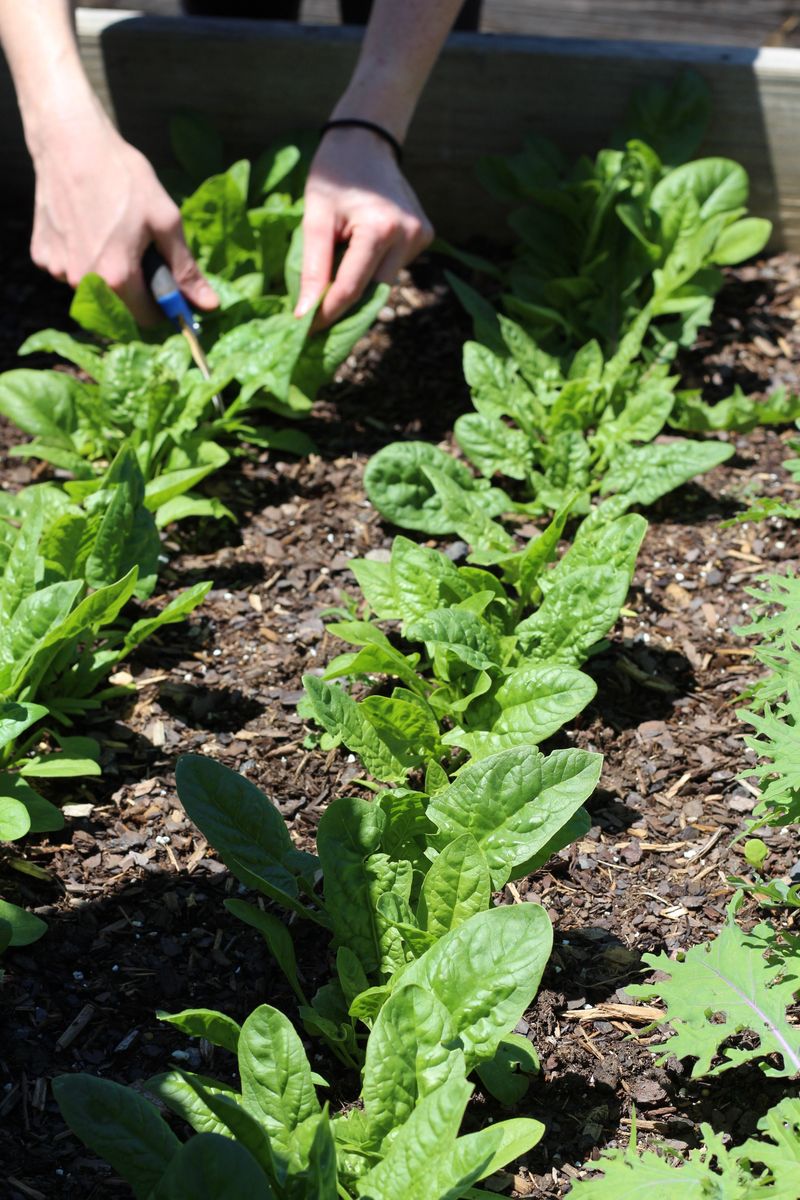
Spinach thrives when the air gets crisp and the days get shorter. Unlike summer crops that bolt in the heat, spinach actually gets sweeter after a light frost.
Planting spinach after removing tomato plants gives it exactly the kind of loose, fertile ground it loves. Scatter seeds about half an inch deep and water them in well.
Germination happens fast in cool soil, often within a week. You can start harvesting outer leaves in as little as four to six weeks after sprouting.
Choose a variety like Bloomsdale Long Standing or Tyee for the best cold tolerance. These types hold up through hard frosts and keep producing into late fall.
One smart trick is to sow spinach in waves, two weeks apart. That way you get a steady supply instead of one giant harvest all at once.
Spinach needs about one inch of water per week, which fall rains often provide naturally. Less work for you, more growth for your plants.
Planting fall vegetables like spinach in your old tomato beds makes great use of leftover nutrients in the soil. Your garden stays productive, and your dinner plate stays colorful long after the first frost rolls through.
2. Lettuce
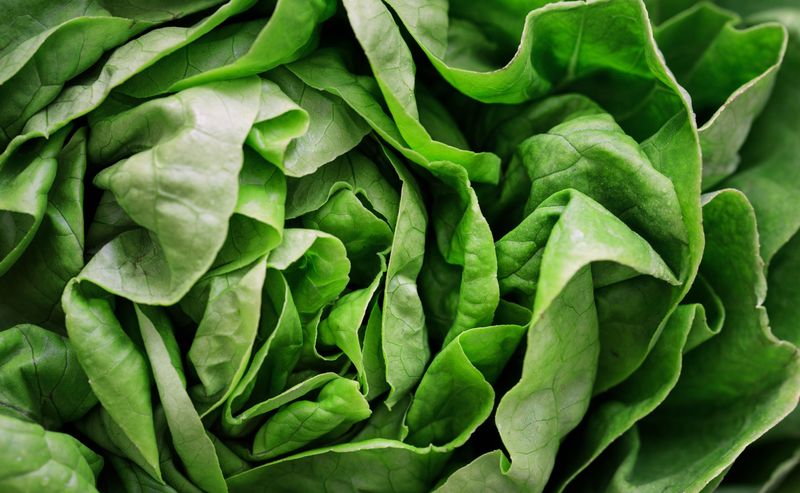
Lettuce is one of the easiest fall crops to grow, and it matures faster than almost anything else in a cool garden. Six weeks from seed to salad is very much on the table.
After your tomatoes come out, loosen the soil a bit and rake it smooth. Lettuce seeds are tiny, so a fine, even seedbed helps them germinate evenly.
Sprinkle seeds thinly across the surface, then press them lightly into the soil. Cover with just a dusting of dirt since lettuce needs light to sprout well.
Varieties like Black Seeded Simpson, Buttercrunch, and Red Sails all handle cool temperatures well. Mix a few types together for a colorful, ready-made salad blend.
Lettuce does not like hard freezes, but a simple row cover or cold frame can extend the harvest by several weeks. A little protection goes a long way in late fall.
Water consistently to keep the soil moist but not soggy. Dry soil causes lettuce to turn bitter, which ruins all your effort.
Harvesting is easy: just snip outer leaves and the plant keeps growing from the center. Growing fall vegetables like lettuce in your old tomato space means fresh greens keep showing up on your table when you least expect it.
3. Garlic
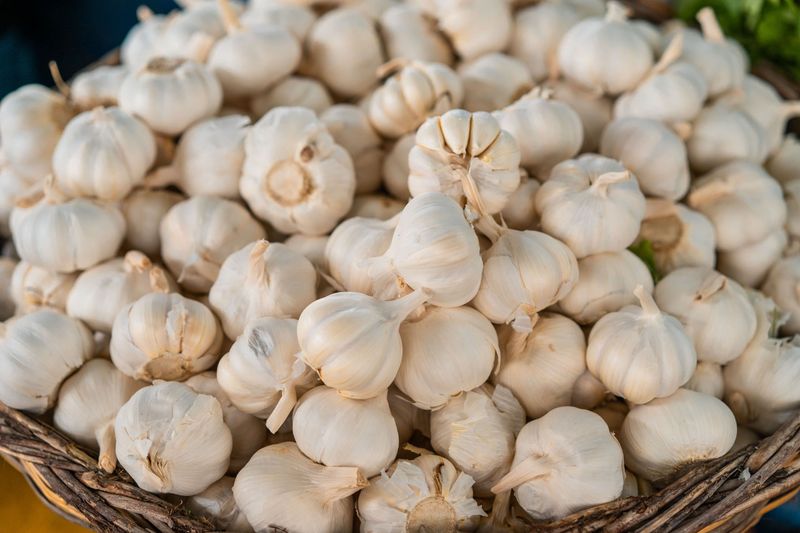
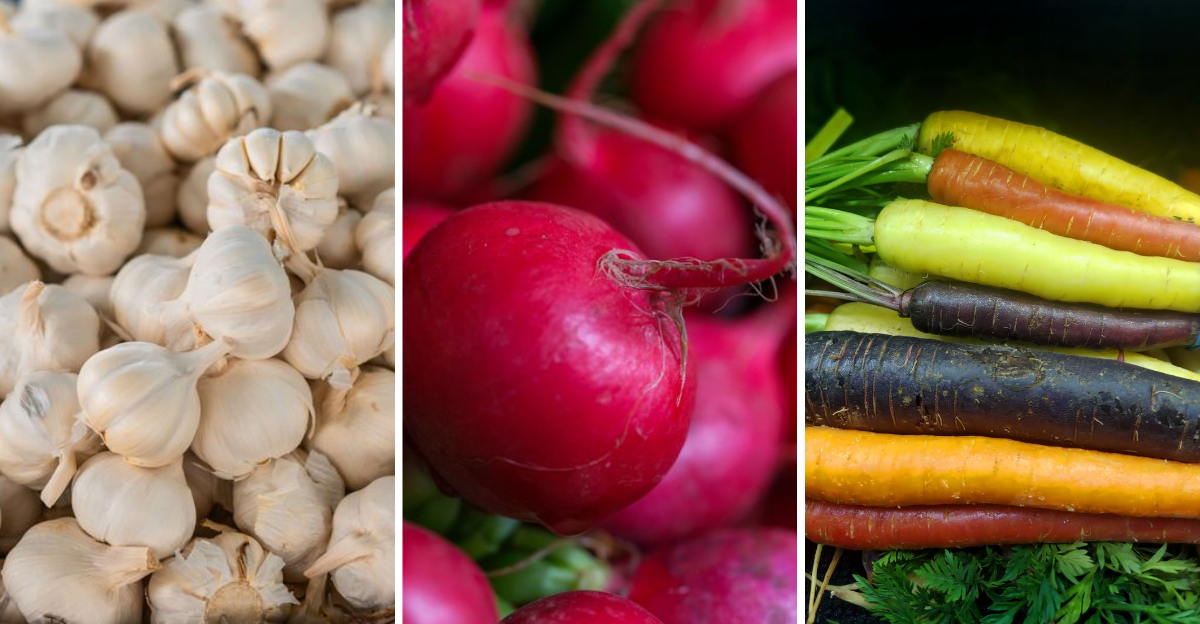
Garlic is a low-maintenance, high-reward crop for the fall garden. You plant it in autumn, forget about it all winter, and by early summer you have a full harvest waiting underground.
After pulling out tomato plants, garlic is one of the best crops to tuck into that warm, worked soil. Break apart a bulb and press individual cloves about two inches deep, pointed side up.
Space them six inches apart in rows. They will sprout green shoots before the ground freezes, then go dormant and wake up strong in spring.
Garlic loves the same well-draining, nutrient-rich soil that tomatoes prefer. That means your old tomato bed is practically built for it.
Add a layer of mulch after planting to protect the cloves from hard freezes. Straw works great and keeps moisture locked in during dry winter spells.
Hardneck varieties like Rocambole and German Red do especially well in cold climates. Softneck types are better if your winters stay mild.
Garlic is also believed to help deter certain pests, offering some benefit to nearby fall vegetables planted in the same garden. Planting it after tomatoes is not just practical, it is actually a smart crop rotation move that benefits your soil long-term.
4. Kale
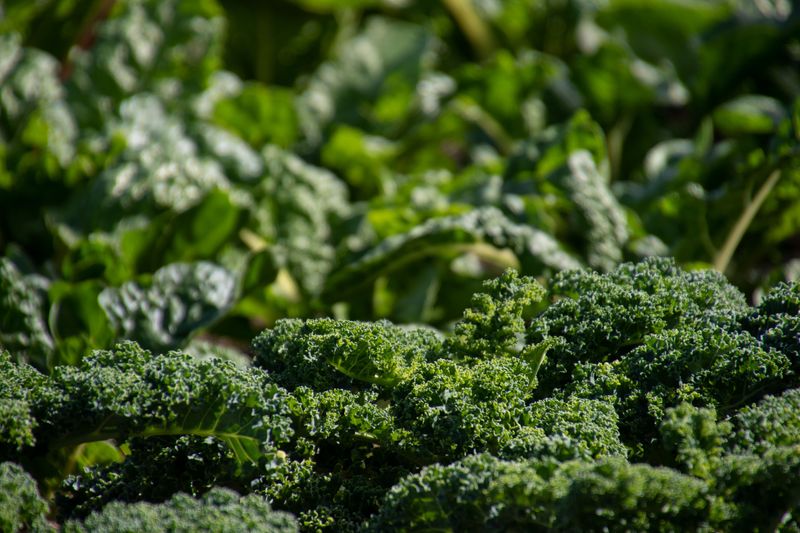
Kale is one of the most cold-hardy vegetables in the fall garden lineup. It tolerates frost and cold rain well, and tends to taste better after temperatures drop below freezing.
Planting kale after pulling out tomatoes is a brilliant move because kale is a heavy feeder that benefits from leftover tomato fertilizer in the soil. Give it a spot with full sun and it will reward you generously.
Direct seed or transplant young starts about 18 inches apart. Kale grows tall, so give each plant enough room to spread its leaves wide.
Curly kale varieties like Winterbor are known for strong cold tolerance and can generally withstand temperatures well below freezing. Lacinato kale, also called dinosaur kale, has a slightly milder flavor and a gorgeous dark green color.
Harvest leaves from the bottom of the plant upward, always leaving the growing center intact. This method keeps the plant producing fresh leaves for months.
Kale is loaded with vitamins K, A, and C, making it one of the more nutritious crops you can grow. Eating it raw in salads or cooking it into soups are both great options.
Among all the fall vegetables you can plant after tomatoes, kale offers the longest harvest window. It keeps going until the ground freezes solid.
5. Radishes
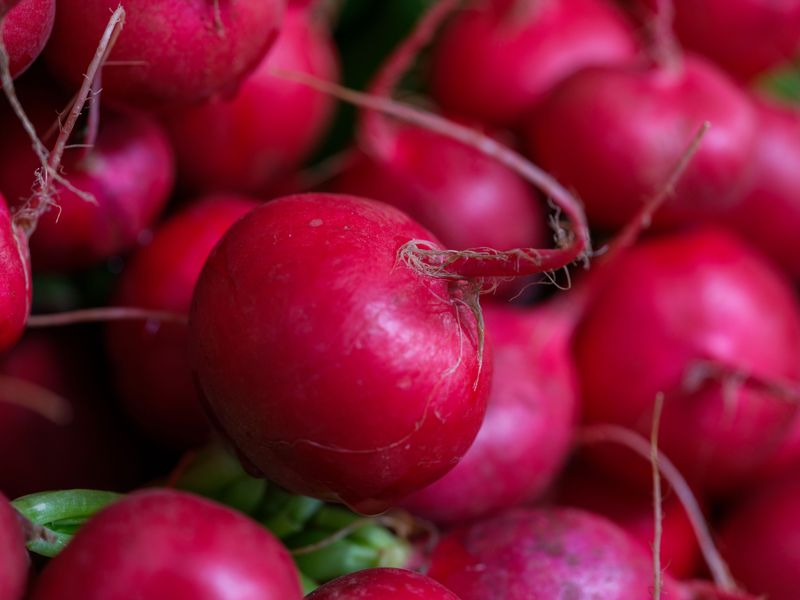
Radishes are among the fastest-growing vegetables you can plant. They go from seed to harvest in as little as three weeks, which makes them perfect for filling empty garden space fast.
After you yank out the tomato plants, radishes are the first crop you should consider dropping in. They ask for almost nothing and deliver fast, crunchy results.
Sow seeds about half an inch deep and one inch apart in rows. Thin them to two inches apart once sprouts appear so the roots have room to swell.
French Breakfast and Cherry Belle are two reliable fall varieties that handle cool soil with ease. Both mature quickly and stay crisp without getting pithy in the cold.
Radishes also double as a soil helper. Their roots break up compacted earth and create pathways for water and nutrients to reach deeper layers.
Water them regularly because dry spells make radishes hot and woody. Consistent moisture is the secret to getting that mild, crisp bite everyone loves.
You can tuck radishes between slower-growing fall vegetables as a space-saving trick. By the time the kale or carrots need more room, the radishes are already done and gone.
Few crops reward impatient gardeners as quickly as radishes do. Pull one out three weeks after planting, and you’ll see why radishes are a fall-garden favorite.
6. Carrots
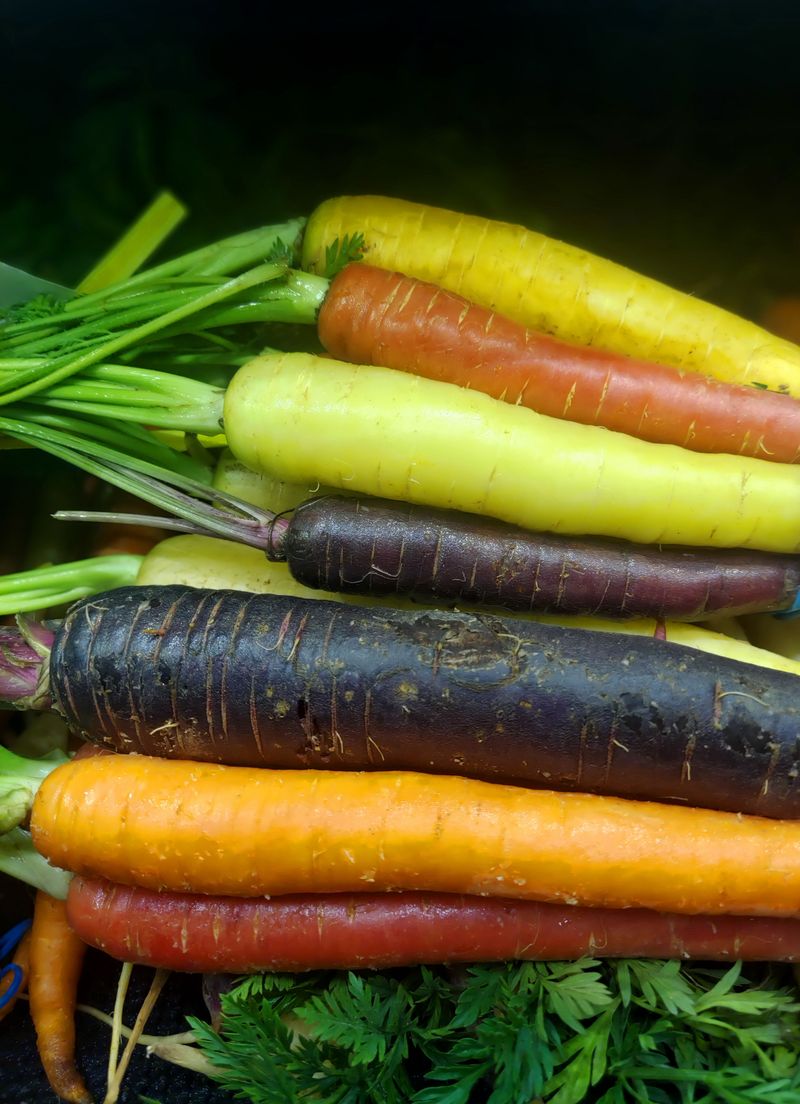
Carrots grown in fall have a natural advantage over summer ones. Cool soil triggers the roots to convert starches into sugars, making them noticeably sweeter at harvest time.
After removing tomato plants, loosen the soil at least 12 inches deep before sowing carrot seeds. Carrots need loose, rock-free ground to grow straight and full-sized.
Sow seeds about a quarter inch deep in rows six inches apart. Thin seedlings to three inches apart once they reach two inches tall so roots develop properly.
Nantes and Chantenay varieties are great fall choices because they are compact and tolerate cold soil better than longer types. Both store well in the ground through light frosts.
Carrots take 70 to 80 days to mature, so timing matters. Count backward from your first expected hard freeze to figure out the best planting window in your area.
One pro tip is to leave carrots in the ground after a frost and harvest them gradually. The cold intensifies their sweetness with every passing week.
Keep soil evenly moist during germination since carrot seeds dry out fast. Once established, they are fairly low-maintenance and practically take care of themselves.
Among fall vegetables, carrots are often considered one of the more rewarding crops to grow. Many gardeners find pulling a sweet, homegrown carrot on a cool October morning especially rewarding.
7. Swiss Chard
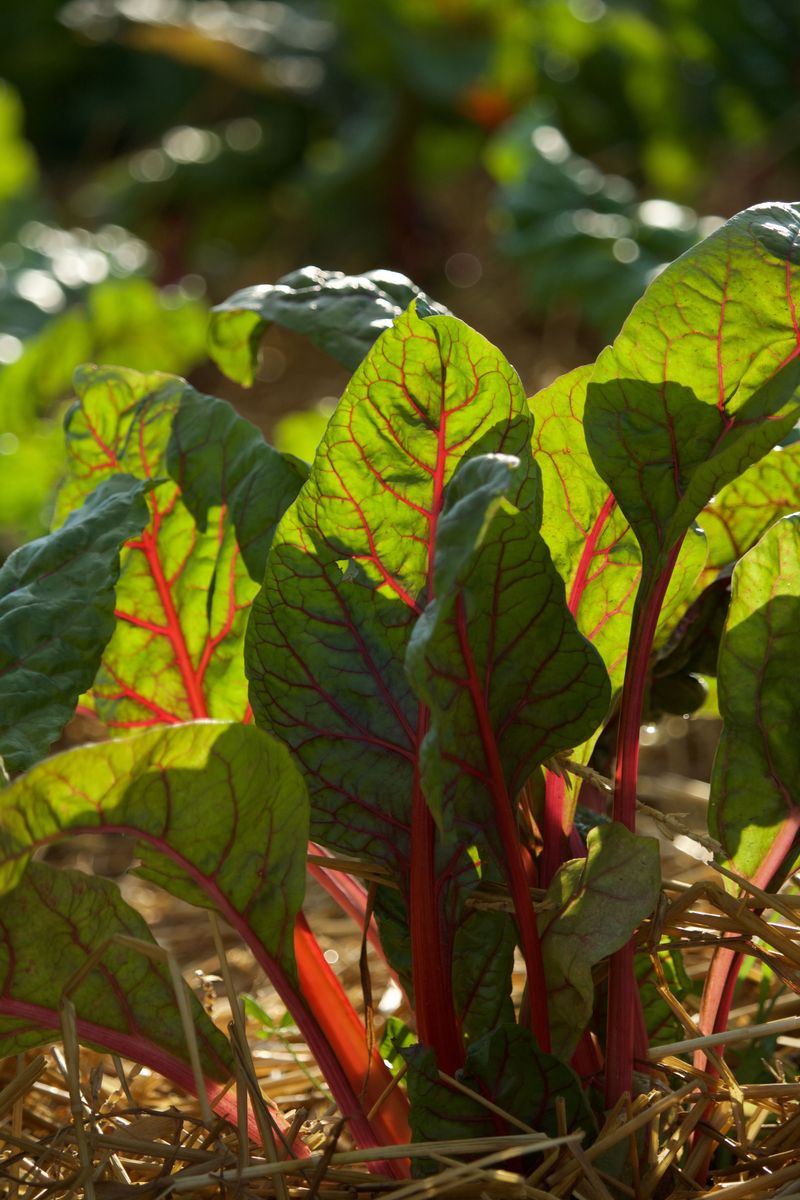
Swiss chard brings serious color to a fall garden. Its stems come in red, yellow, orange, and white, adding vivid color to any garden bed.
After clearing out tomato plants, Swiss chard fits right into that open space with minimal fuss. It grows fast, handles light frosts, and produces leaves for weeks on end.
Plant seeds about half an inch deep and six inches apart. Thin to 12 inches once plants are a few inches tall so each one gets enough light and airflow.
Rainbow chard blends are especially fun because every plant looks slightly different. The bright, almost neon stems often catch the eye of even picky eaters.
Harvest outer leaves regularly and the plant keeps pushing out new growth from the center. Consistent picking actually encourages the plant to produce more, not less.
Swiss chard generally tolerates light freezes without much protection, though exact limits vary by variety and conditions. Throw a row cover over it during hard freezes and it bounces right back.
Both the leaves and stems are edible, which means less waste and more cooking options. Saute the stems like celery and use the leaves like spinach for a two-in-one vegetable experience.
Swiss chard shows that fall vegetables can be both practical and visually striking. It can keep adding color to the garden well into November.
8. Turnips
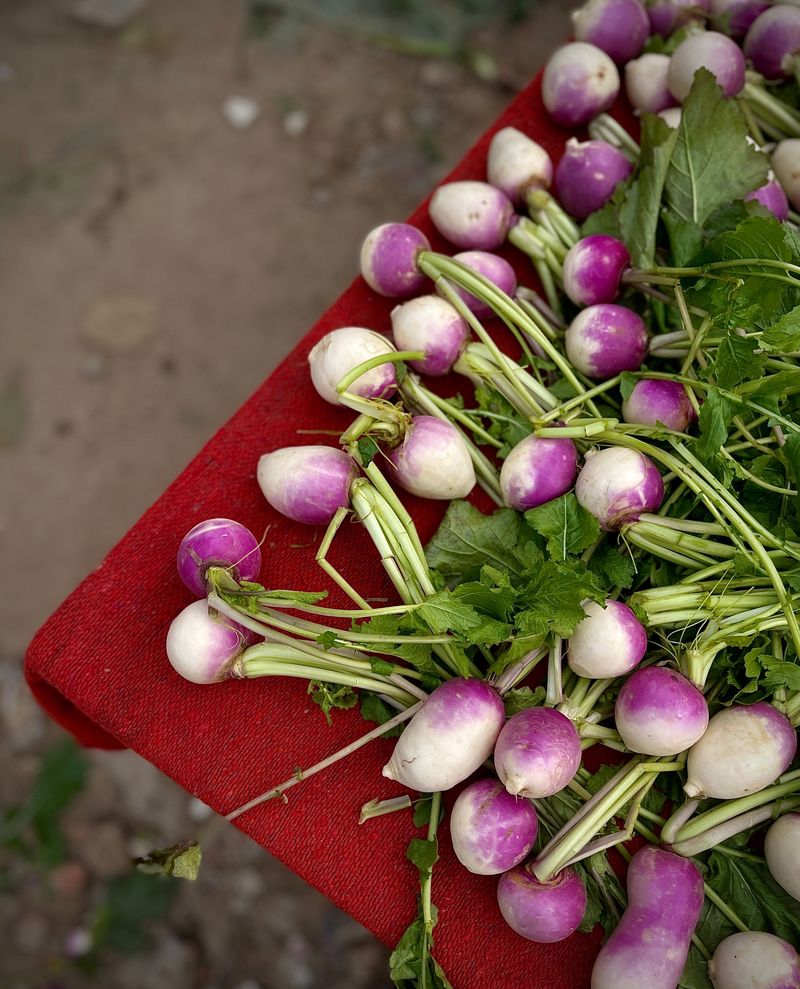
Turnips are an often-overlooked but rewarding fall vegetable for any home garden. They grow fast, tolerate cold well, and give you two harvests in one: the root and the greens.
After pulling out tomato plants, turnips are a fantastic choice for making use of that warm, worked-up soil. Sow seeds directly about a quarter inch deep and one inch apart.
Thin plants to four to six inches apart once they sprout. Crowded turnips produce small, misshapen roots, so giving them space is non-negotiable.
Purple Top White Globe is the classic home garden variety that most people recognize. It matures in about 60 days, which makes fall timing very workable in most growing zones.
The greens that sprout from turnip tops are tender, slightly peppery, and packed with nutrients. Harvest them young for the best flavor and texture in stir-fries or soups.
Turnips actually improve in flavor after a frost or two. Cold temps convert their starches to sugars, giving the roots a sweeter, milder taste than summer-grown ones.
They also store well in a cool basement or garage for several weeks after harvest. That makes them a practical crop for anyone trying to extend their homegrown food supply.
Planting turnips in your old tomato bed keeps the soil active and your garden producing. It is a simple swap with surprisingly satisfying results.
9. Arugula
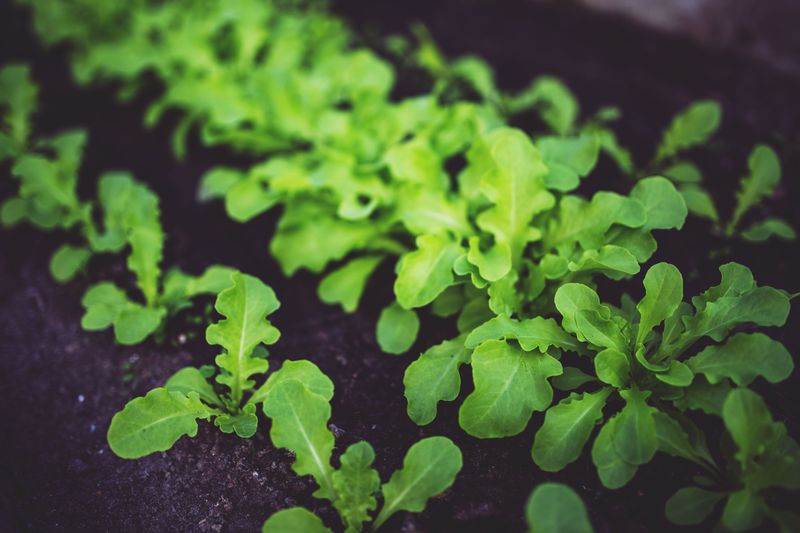
Arugula is a bold, peppery green that adds a sharp kick to fall salads. Its sharp, peppery flavor stands out among cool-season greens.
Once the tomatoes are gone, arugula can be in the ground within the same afternoon. Scatter seeds thinly across the soil surface and press them in lightly with your palm.
No need to cover them deeply since arugula needs light to germinate well. A light misting of water is all it takes to get things started.
Germination happens in as little as five to seven days in cool soil. You will be harvesting tender baby leaves within three to four weeks of planting.
Arugula is one of those fall vegetables that practically grows itself. It needs minimal fertilizer, handles light frosts without flinching, and bounces back after being cut down to the base.
Cut-and-come-again harvesting works beautifully with arugula. Snip leaves an inch above the soil and the plant regrows in about two weeks, giving you multiple rounds of fresh greens.
Flavor peaks when leaves are young and small. Older leaves get more intensely spicy, which some people love and others find overwhelming.
Arugula pairs well with roasted fall vegetables, citrus dressings, and aged cheeses. Planting it after tomatoes is a simple, low-effort way to keep your fall garden productive.