This Fragrant Pennsylvania Herb Outperforms Mulch Near The Foundation
Most Pennsylvania homeowners put mulch along the foundation and consider the job done. It looks tidy, it retains moisture, and it’s the standard low maintenance solution that nobody thinks to question.
But mulch near a Pennsylvania foundation has a side effect that most homeowners never consider.
It creates exactly the kind of moist, sheltered conditions that roaches, slugs, and other unwanted foundation visitors find most appealing, right at the point where your home is most vulnerable to them finding a way in. There’s a better option. And it smells wonderful.
One fragrant Pennsylvania herb has been gaining quiet attention from homeowners who have started replacing foundation mulch with it, and the results make a compelling case.
It covers the ground effectively, handles the specific conditions right up against a Pennsylvania foundation, and naturally deters the pest insects that mulch tends to attract.
It also transforms a purely functional landscape strip into something that smells genuinely beautiful every time you walk past it.
Drought tolerant, low maintenance, and available at most Pennsylvania nurseries without any difficulty.
Creeping Thyme Creates A Living Groundcover
Walk past a bed of creeping thyme on a warm afternoon and you will understand immediately why gardeners love it. The moment you brush against it, a clean, herby scent fills the air.
Unlike a layer of wood chip mulch that just sits there looking brown, creeping thyme is alive, growing, and changing with the seasons.
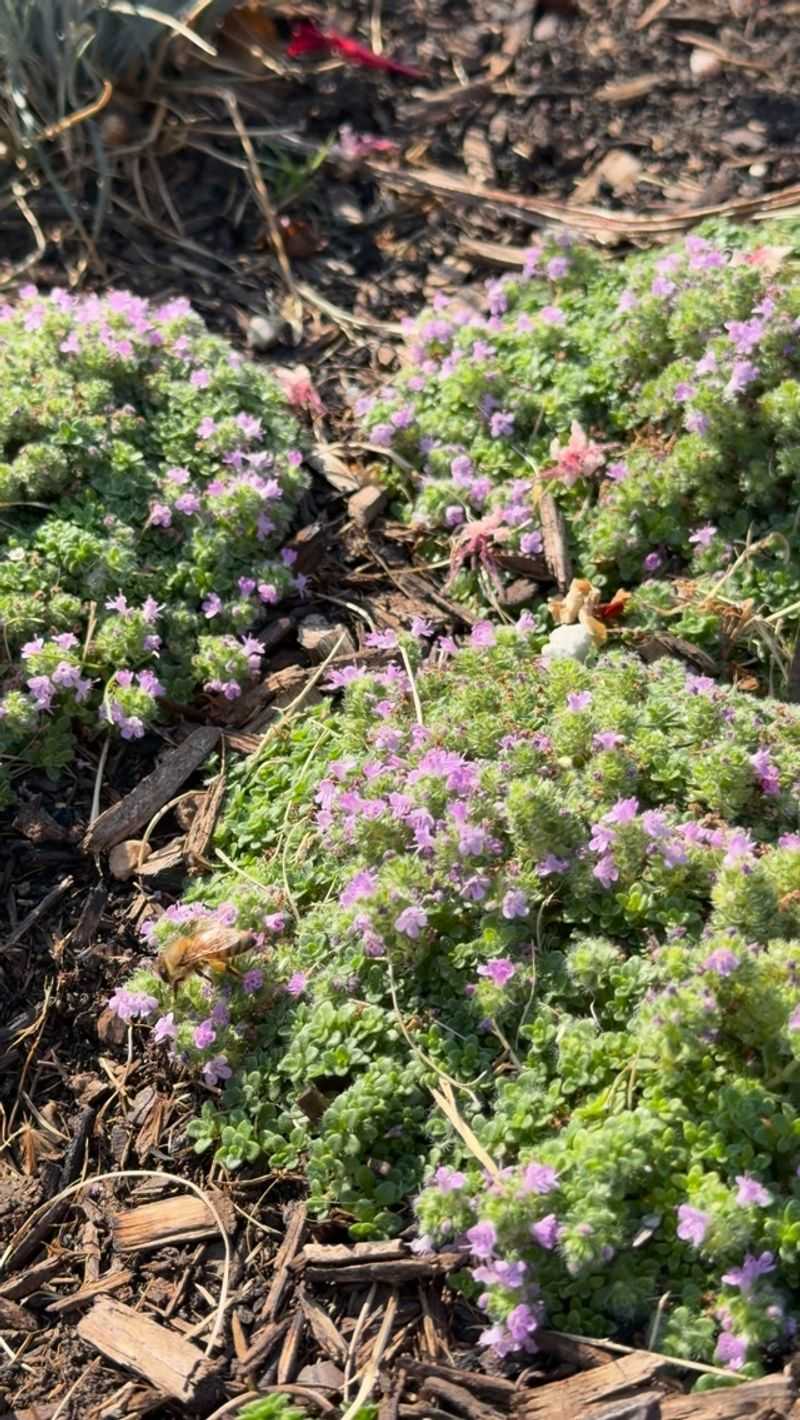
Creeping thyme, known scientifically as Thymus serpyllum, grows very low to the ground, usually only two to four inches tall. It spreads outward by sending out side shoots that root as they go.
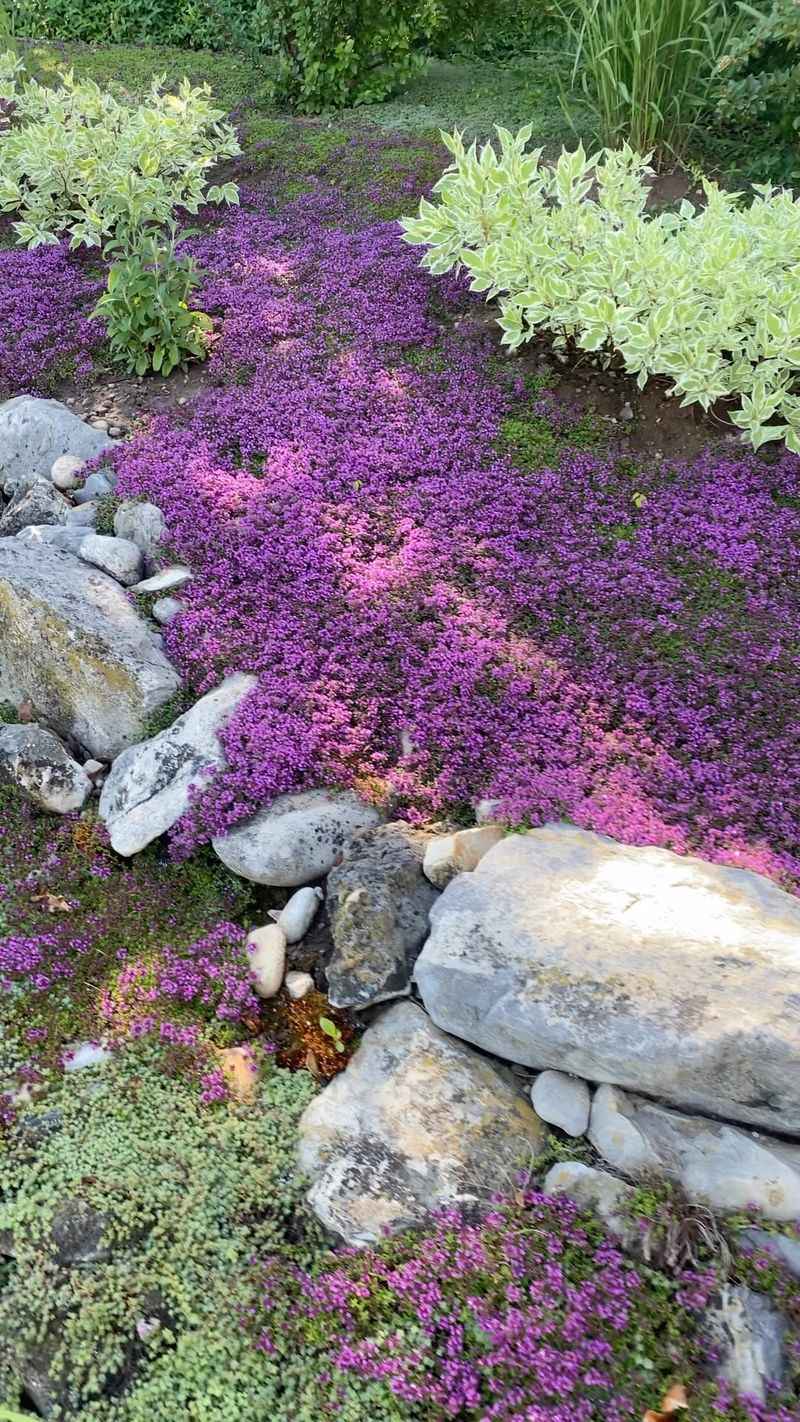
Over time, it forms a thick, dense mat that covers bare soil completely. That mat is what makes it so useful near a home’s foundation.
Bare soil along a foundation is an open invitation for weeds and erosion. Mulch helps, but it breaks down, washes away, and has to be replaced.
Creeping thyme, once established, holds its ground season after season without needing replacement. It keeps the soil covered and looking intentional rather than neglected.
The foliage itself is attractive even when the plant is not blooming. Small, dark green oval leaves stay on the plant through much of the year.
In Pennsylvania, creeping thyme is semi-evergreen, meaning it keeps some color even through mild winters. That gives your foundation bed a tidy, finished appearance for more months than plain mulch ever could.
Planting it is straightforward. You can start with small plugs or nursery transplants spaced about six to twelve inches apart.
Within one to two growing seasons, the plants will knit together into a solid, fragrant carpet that looks far more interesting than bare mulch ever did.
It Handles Hot, Dry Foundation Beds
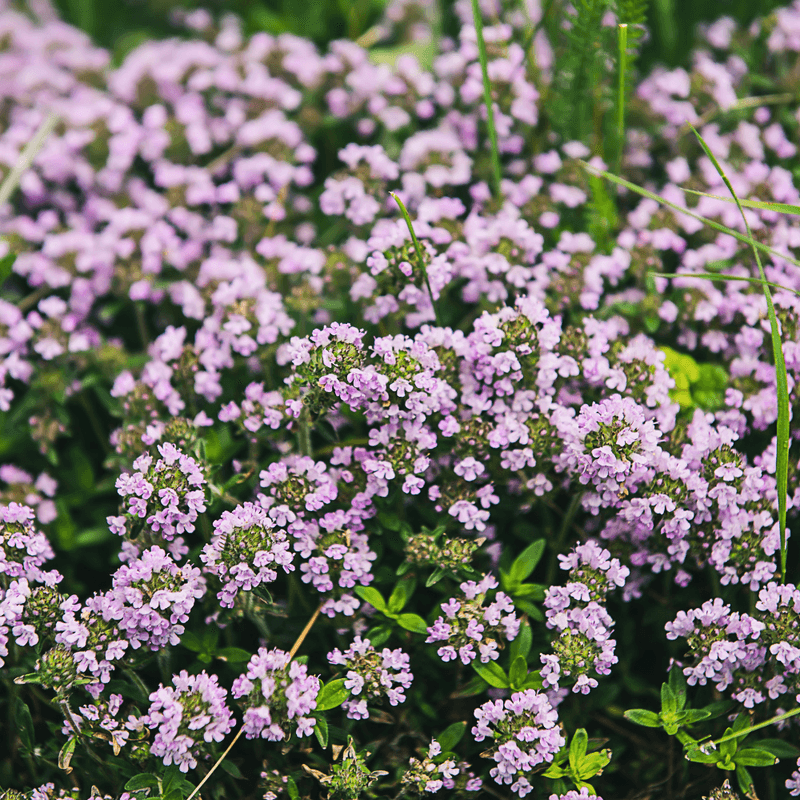
Foundation beds are some of the toughest spots in any yard. They often sit in full sun, receive heat reflected off the house wall, and stay dry because roof overhangs block rain.
Most plants struggle in these conditions. Creeping thyme, though, was practically built for exactly this kind of environment.
Your Pennsylvania Garden Changes Every Week. Your Plan Should Too.
Gardening in Pennsylvania changes quickly throughout the season. Every Friday you’ll receive a simple weekly plan showing exactly what to plant, prune, fertilize, harvest, and protect so you never miss the right timing.
Originally from the rocky, sun-baked hillsides of Europe and the Mediterranean region, creeping thyme evolved in places where water is scarce and temperatures run high.
That heritage makes it naturally suited to hot, dry spots that would stress out most flowering plants or groundcovers.
Pennsylvania summers can be intense, and a south- or west-facing foundation bed can feel almost desert-like by July.
Once creeping thyme gets established, which usually takes one full growing season, it becomes remarkably tolerant of dry spells. Its small leaves have a waxy coating that helps reduce moisture loss.
The plant’s root system also reaches down efficiently to find whatever water is available in the soil below the surface.
You will likely need to water new transplants regularly during their first summer to help them get settled. After that, supplemental watering becomes much less necessary.
In fact, overwatering established creeping thyme is a bigger risk than underwatering it. The plant prefers to be on the dry side rather than sitting in soggy ground.
Compared to mulch, which does not adapt to conditions at all, creeping thyme actively responds to its environment. It slows growth during dry stretches and bounces back quickly after rain.
That resilience makes it a far more reliable long-term solution for challenging foundation beds than any bag of mulch you could haul home from the garden center.
Good Drainage Is Essential
Here is something that surprises a lot of new creeping thyme growers: this plant is tougher in heat and drought than it is in wet soil. Poor drainage is genuinely the biggest threat to creeping thyme’s success.
If water pools near your foundation after a heavy rain, that is a warning sign you need to address before planting.
Creeping thyme roots are very sensitive to prolonged moisture. When the soil stays wet for too long, the crown of the plant, which is the area right at soil level where the stems meet the roots, can begin to rot.
Crown rot spreads quickly and can take out entire sections of your groundcover planting before you even notice something is wrong. Prevention is much easier than trying to fix the problem after it starts.
Before planting, check how water moves through your foundation bed. After a normal rain, walk out and look at the area an hour later.
If you see standing water or very soggy soil, you have a drainage issue. You may need to add coarse sand, pea gravel, or a layer of grit to the top several inches of soil to improve how quickly water moves through.
Raised beds or slightly mounded planting areas also help. Even raising the soil level by three to four inches can make a significant difference in how fast it drains.
Creeping thyme planted in well-drained, even sandy soil will outperform plants set in heavy clay every single time. Good drainage is not just helpful for creeping thyme. It also protects your foundation itself.
Water that sits near a foundation can cause long-term structural problems. Improving drainage benefits both your plants and your home at the same time.
It Helps Fill Spaces Where Weeds Start
Weeds are opportunists. They move into any bare patch of soil they can find, especially in warm, sunny spots like foundation beds.
Mulch helps slow them down, but gaps form as mulch settles and breaks down. Those gaps are exactly what aggressive weeds are waiting for.
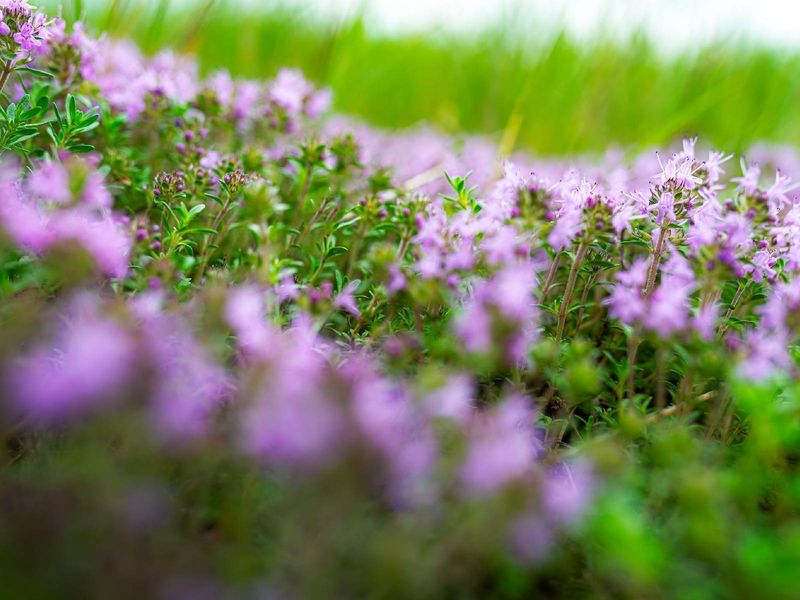
Creeping thyme takes a different approach by simply not leaving gaps for weeds to use. As creeping thyme spreads, it shades the soil surface beneath it. Most weed seeds need light to sprout.
When a dense mat of thyme blocks that light, many of those seeds never get the signal to germinate. Over time, a well-established planting of creeping thyme can noticeably reduce the number of weeds you have to pull from your foundation bed.
During the first season, while your creeping thyme is still filling in, weeds can still pop up between young plants. Stay on top of them during that establishment period.
Pull them by hand or use a small hand hoe to clear them out before they get large. Once the thyme knits together into a solid mat, your weed-pulling sessions will become much shorter and less frequent.
It is worth noting that creeping thyme is not completely weed-proof. Very persistent weeds like dandelions or grass can still push through in spots, especially along the edges of the planting.
Keeping the borders tidy and pulling any invaders early prevents them from spreading deeper into your thyme bed.
Think of creeping thyme as a living mulch that fights back. Mulch sits passively and waits for weeds to find its gaps.
Creeping thyme actively grows to close those gaps, making your foundation bed easier to maintain with each passing season.
Its Flowers Bring In Pollinators
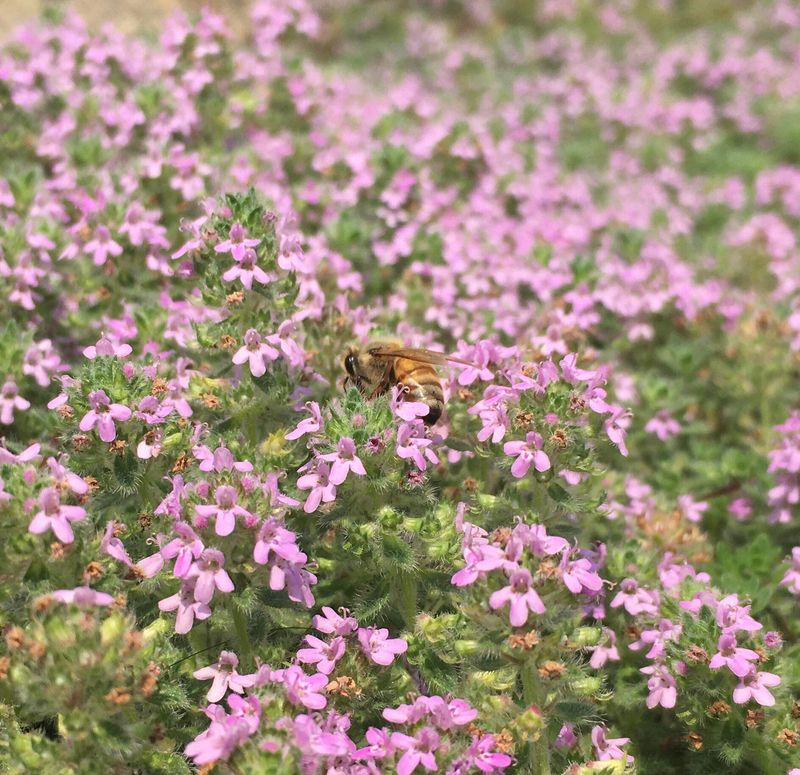
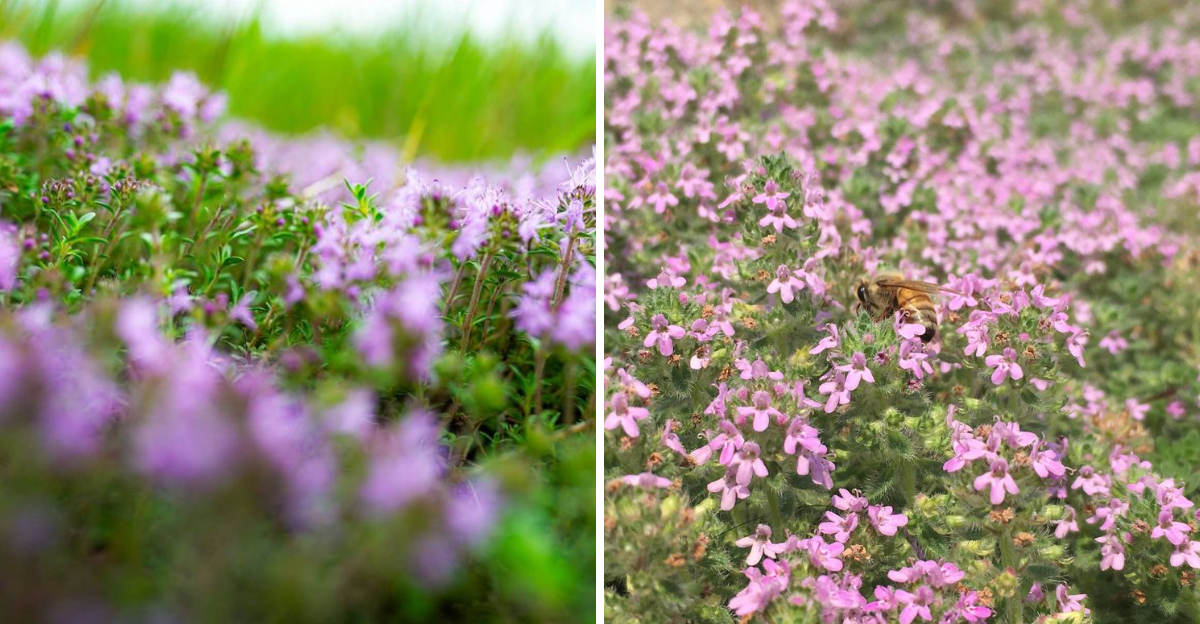
Every summer, something wonderful happens in a creeping thyme bed. The plant explodes into bloom, covering itself in tiny flowers that range from soft pink and lavender to deeper purple depending on the variety.
The whole area suddenly buzzes with activity as bees, butterflies, and other beneficial insects move in to take advantage of the nectar.
Pollinators are essential to a healthy garden. Without them, many of your vegetables, fruits, and flowering plants would produce far less.
Creeping thyme in bloom is like putting out a welcome sign for every bee in the neighborhood. Honeybees are especially drawn to it.
Gardeners who grow thyme near vegetable beds often notice better pollination and higher yields in their food gardens during thyme’s bloom season.
The blooming period for creeping thyme in Pennsylvania typically runs from late spring into midsummer, roughly May through July depending on weather and variety.
During that window, the plant transforms your foundation bed from a simple groundcover into a colorful, fragrant, wildlife-friendly garden feature. The visual impact alone is far beyond anything a flat layer of mulch could offer.
After the blooms fade, you can give the plant a light trim with garden shears to tidy it up and encourage fresh, compact growth. Do not cut too deeply into the woody stems.
Just shear off the spent flower tops to keep the mat looking neat going into late summer and fall. Plain mulch cannot do any of that. It cannot bloom, attract wildlife, or add seasonal color.
Creeping thyme brings genuine ecological value to your yard, not just a tidy appearance, and that makes a real difference for the broader garden ecosystem around your home.
Use It Where Foot Traffic Is Light

Creeping thyme is tough, but it does have limits. One thing to understand before you plant it is that it handles occasional foot traffic fairly well, but it is not meant for areas where people walk every single day.
Knowing where to place it makes the difference between a thriving planting and a patchy, worn-out mess.
Along a home’s foundation, creeping thyme is usually an excellent fit. Most people do not walk directly through foundation beds on a regular basis.
The occasional step while pruning shrubs or cleaning windows is fine. That kind of light, infrequent contact actually releases the plant’s fragrance, which is one of its most enjoyable qualities.
Stepping lightly on creeping thyme sends a pleasant herby scent into the air around you. Rock gardens are another ideal setting. The plant tucks itself between stones beautifully, softening hard edges and filling gaps with green and color.
Along the edges of garden paths, where people might occasionally brush the border but not walk directly on the plant, creeping thyme also performs very well.
Where you want to avoid relying on it is in high-traffic corridors, like a side yard shortcut or a path that children or pets use constantly.
Repeated heavy pressure breaks down the stems and thins the mat. Over time, heavy traffic creates bare patches that weeds are quick to colonize.
If you want a ground-level plant for a high-traffic area, look into harder-wearing options like buffalo grass or flagstone with small plants between the stones.
Save your creeping thyme for spots where it can spread freely and be appreciated for its fragrance, color, and texture without being worn down before it has a chance to shine.