Fall Vegetables To Start Seeding In July For A Strong Autumn Harvest In Arizona
It always feels good when a garden is full, but it can also make you think the season is almost over.
After weeks of watering, pulling weeds, and working through the heat, it is easy to believe there is nothing left worth planting.
Many people stop adding new crops because they assume every good opportunity has already passed. That feeling shows up every summer, even for people who enjoy spending time outside.
Looking at the calendar can make it seem like you waited too long, and that can be surprisingly discouraging.
That is often when the biggest opportunity gets overlooked. A little planning now can make a big difference later.
There is still plenty of time to plant. Gardeners across Arizona can start the right vegetables now and enjoy a strong autumn harvest when cooler weather finally arrives.
1. Carrots Need A Long Growing Window Before Fall
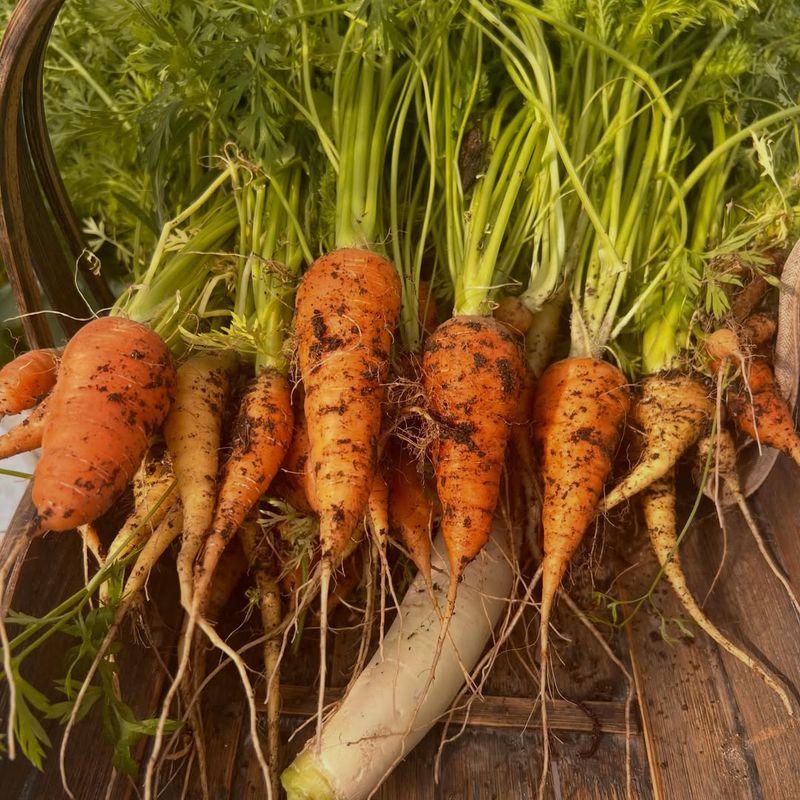
Carrots are slow. That is the honest truth about them.
Most varieties need 70 to 80 days from seed to harvest, so July planting lines up almost perfectly for an October or November pull.
Sandy, loose soil works best. Compacted clay causes forked or stubby roots, which is frustrating after months of waiting.
Raised beds with amended soil give you much better results in desert gardens.
Sow seeds about a quarter inch deep. Keep the soil surface consistently moist until germination happens, which can take 10 to 14 days.
Dry soil during that window slows sprouting significantly.
Chantenay and Danvers varieties tend to handle heavy or clay-leaning soils better than Nantes types. Shorter varieties often perform better when soil depth is limited.
Thin seedlings to about two inches apart once they reach a couple of inches tall. Crowded carrots produce weak, spindly roots.
Thinning feels wasteful, but it makes a real difference in final size and quality.
Water deeply but less frequently as plants mature. Consistent moisture throughout the season reduces cracking.
Mulching around the bed helps retain moisture and keeps soil temperatures steadier as fall approaches.
2. Bush Beans Can Still Be Sown In Late July
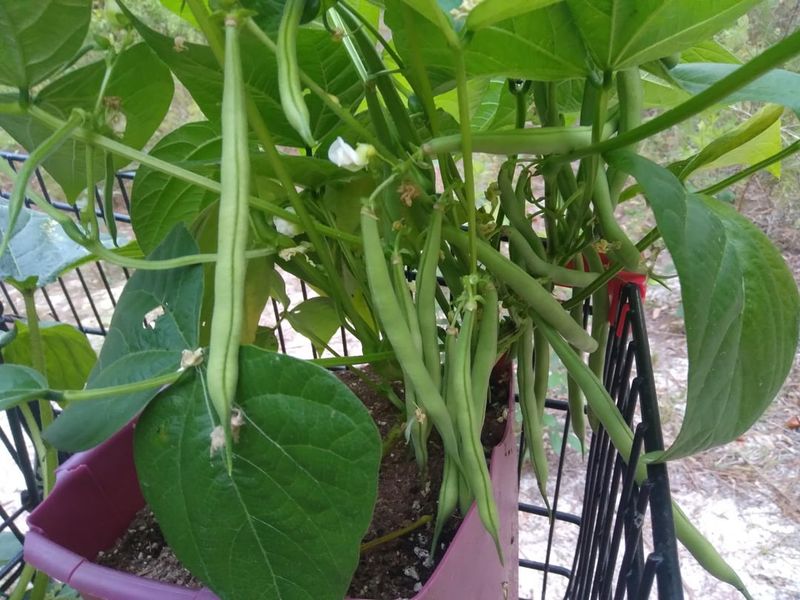
Most gardeners assume bean season is over by midsummer. Not quite.
Bush beans mature in roughly 50 to 60 days, which means a late July planting can realistically produce a harvest before nights get too cold.
Plant seeds about an inch deep and four to six inches apart. Bush beans do not need support structures, which makes them easier to manage than pole varieties.
Rows spaced about 18 inches apart allow good airflow.
Heat during germination can be challenging in late July. Keeping the soil moist and using a light layer of straw mulch helps protect seeds from scorching surface temperatures.
Shade cloth over young seedlings for the first couple of weeks can improve survival rates.
Provider and Contender are two varieties known for tolerating warmer germination conditions. Check seed packet days-to-maturity carefully before purchasing.
Bush beans fix nitrogen in the soil, which is a bonus for your fall garden beds. Rotating them into a new spot each season keeps soil health in better shape over time.
Your Arizona Garden Changes Every Week. Your Plan Should Too.
Gardening in Arizona changes quickly throughout the season. Every Friday you’ll receive a simple weekly plan showing exactly what to plant, prune, fertilize, harvest, and protect so you never miss the right timing.
Watch for spider mites during hot, dry stretches. A strong spray of water knocks them back without chemicals.
Consistent watering also reduces mite pressure noticeably.
3. Swiss Chard Stays Productive Through Changing Weather
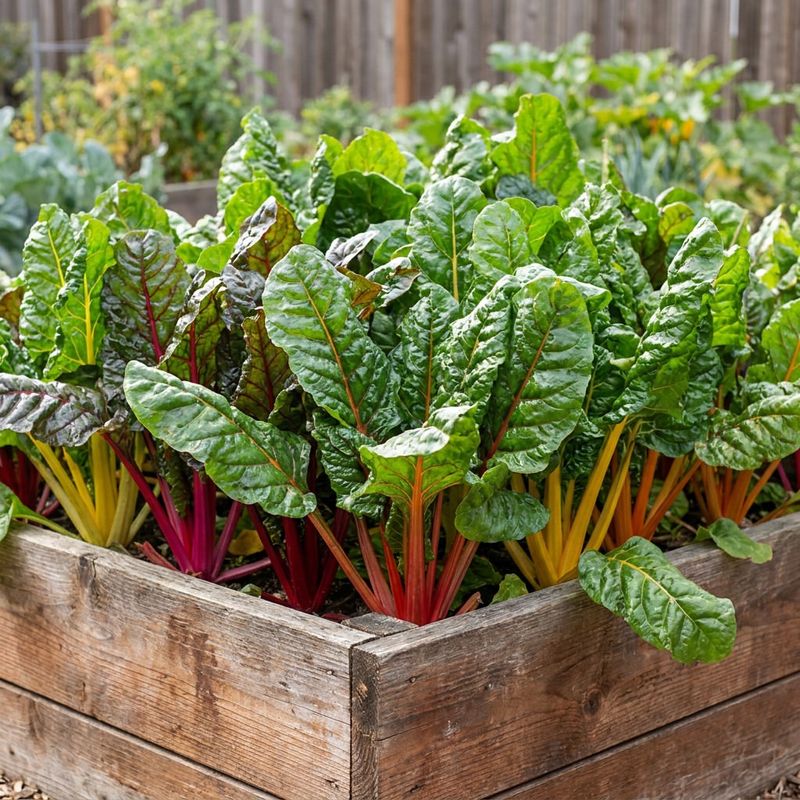
Swiss chard might be the most forgiving leafy green you can grow in a desert fall garden. It handles both lingering heat and mild frost better than most other greens, which makes it extremely practical for gardeners in the low desert.
Sow seeds about half an inch deep and space plants around six inches apart after thinning. Chard seeds are actually clusters, so multiple sprouts often emerge from one spot.
Thin to the strongest seedling early.
Bright Lights and Rainbow varieties produce colorful stems that make the garden look great and taste just as good. Flavor stays mild and slightly earthy, without the bitterness some leafy greens develop in heat.
Harvest outer leaves as the plant grows rather than pulling the whole plant. New leaves keep emerging from the center, giving you a continuous supply over many weeks.
Chard handles irregular watering better than lettuce or spinach, though consistent moisture produces more tender leaves. Letting the soil dry out completely causes leaves to turn tough and fibrous.
Pests are generally less of a problem with chard than with other greens. Leafminers occasionally appear, but picking affected leaves and disposing of them usually keeps the problem manageable without heavy intervention.
4. Radishes Mature Faster Than Most Fall Crops
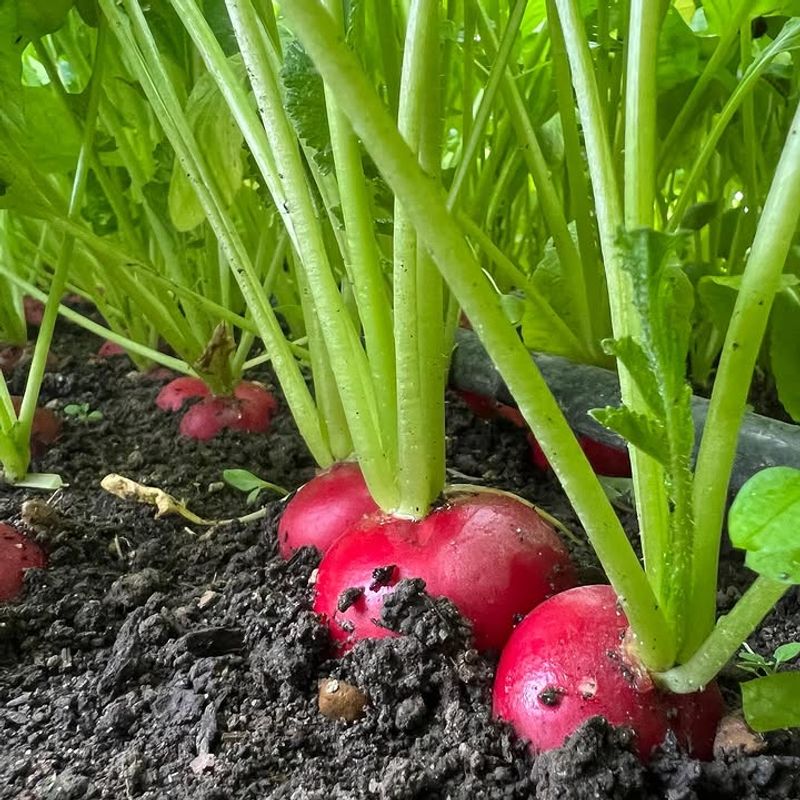
Radishes are the sprinters of the vegetable garden. Some varieties go from seed to table in under 25 days, which means you could realistically get multiple harvests between now and late fall.
Plant seeds about half an inch deep and one inch apart in rows. Thin to two inches once seedlings appear.
Crowded radishes bolt quickly or produce small, pithy roots instead of the crisp, round bulbs you want.
Cherry Belle and Early Scarlet Globe are reliable quick-maturing varieties. French Breakfast is a slightly longer variety but produces a milder, more elongated root that many gardeners prefer raw.
Radishes actually improve as temperatures cool. Roots grown in warm soil tend to turn sharp and peppery fast.
Cooler fall conditions produce sweeter, crisper radishes with better texture.
Direct sun and consistent moisture matter most. Uneven watering leads to cracking and a pithy interior.
Water regularly and lightly rather than deeply and infrequently for best results.
Radishes also work well as row markers for slower crops like carrots. Plant them alongside carrot rows to mark where seeds were sown.
By the time radishes are harvested, carrots are just getting established and filling in the space naturally.
5. Kale Gains Better Flavor As Temperatures Drop
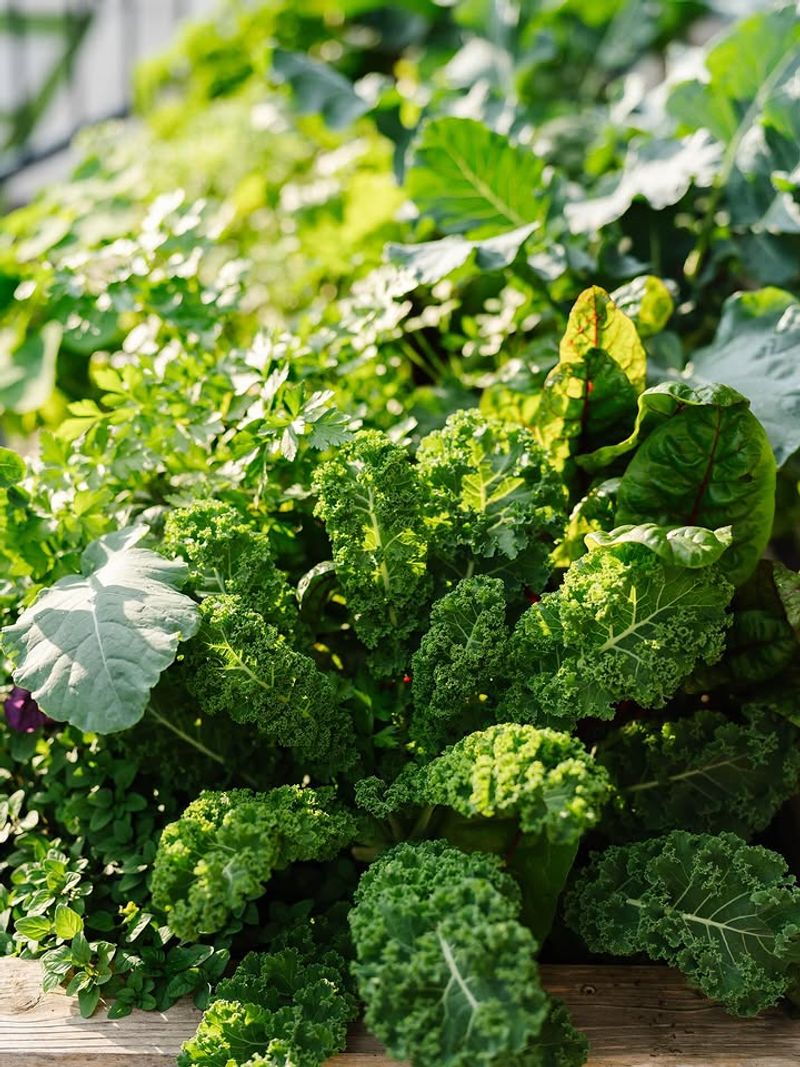
Kale planted in July will be a completely different vegetable by November. Heat makes kale taste bitter and tough.
Cold snaps, even mild ones, trigger the plant to convert starches into sugars, which noticeably sweetens the leaves.
Sow seeds about a quarter inch deep. Space plants 12 to 18 inches apart after thinning.
Kale grows into a fairly large plant, and crowding reduces airflow, which can invite fungal problems during cooler, more humid fall conditions.
Lacinato kale, also called Dinosaur kale, tends to handle heat better during the early growth phase than curly varieties. Starting with a heat-tolerant variety gives seedlings a better chance during August and early September.
Harvest lower leaves first and let the plant keep growing upward. Kale can produce harvestable leaves for several months if managed this way.
One plant can feed a household regularly through the entire fall season.
Aphids sometimes cluster on the undersides of leaves. Check plants weekly and rinse them off with water.
Catching infestations early keeps populations from spreading across the whole bed.
Kale is also surprisingly nutritious. Rich in vitamins K, A, and C, it earns its reputation as a practical and productive green for home gardeners looking to grow food with real nutritional value.
6. Beets Form Their Best Roots In Cooling Soil
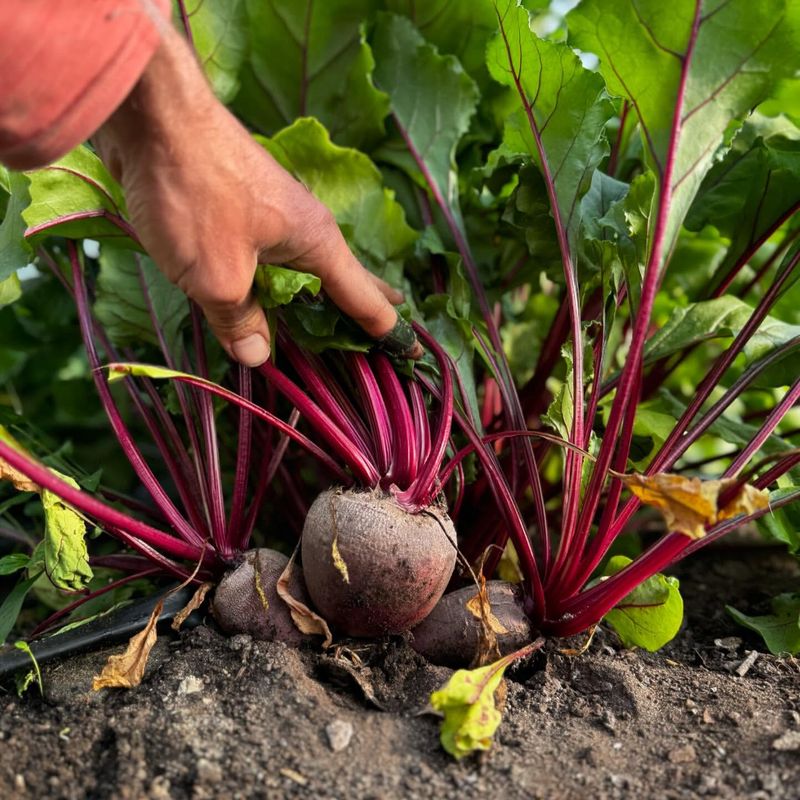
Beets are one of those vegetables that reward patience. Planted in July, they spend weeks quietly developing in the heat before autumn temperatures arrive and trigger strong root development underground.
Sow seeds about half an inch deep and space them two inches apart in rows. Beet seeds are also clusters, similar to chard, so thinning is necessary.
Thin to the strongest plant once seedlings reach about three inches tall.
Detroit Dark Red and Chioggia are two varieties that perform reliably in desert fall gardens. Chioggia has a beautiful candy-cane interior pattern and a slightly milder flavor than traditional red beets.
Consistent moisture is critical during root development. Irregular watering causes the roots to crack or develop a tough, woody texture.
Mulching over the bed helps maintain even soil moisture without constant manual watering.
Beet greens are edible too. Harvesting a few outer leaves as the plant grows does not significantly impact root development and gives you a bonus leafy green for salads or cooking.
Soil pH matters more with beets than with some other crops. Slightly acidic to neutral soil, around 6.0 to 7.0, produces the best results.
Adding compost before planting generally keeps pH in a workable range for most desert garden soils.
7. A Second Cucumber Planting Is Still Possible
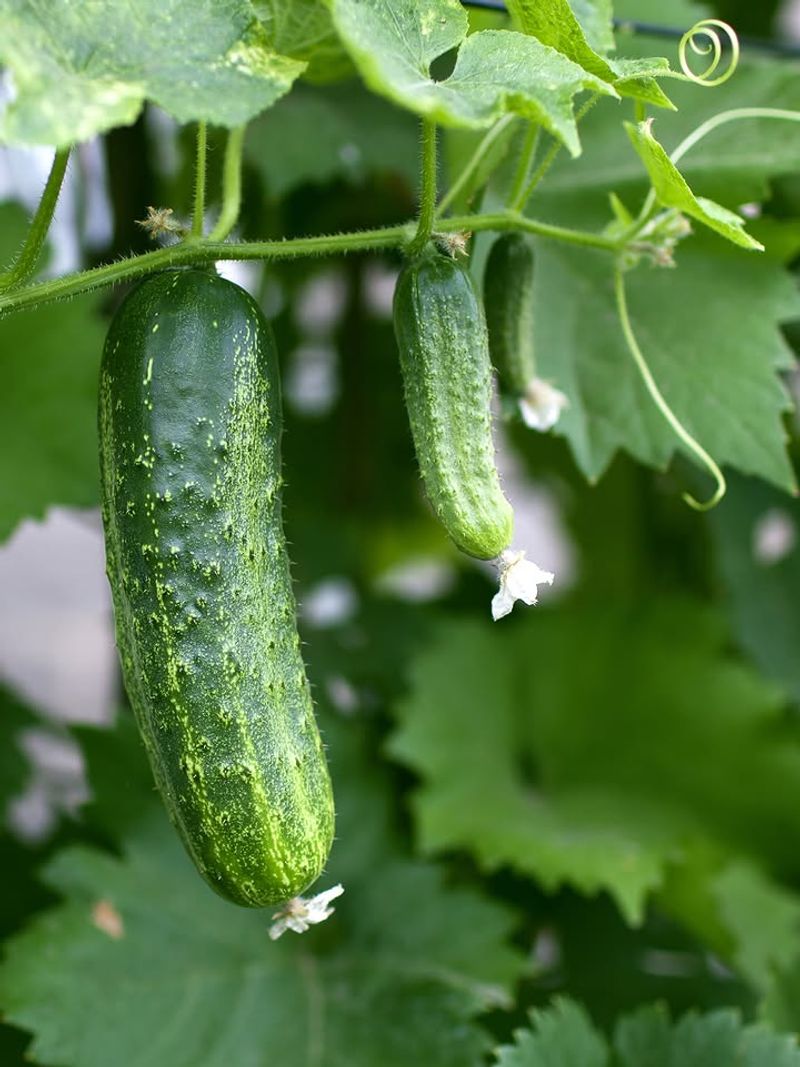
A lot of gardeners give up on cucumbers after their spring planting fades out. Starting a second round in late July can actually produce a solid fall crop before nighttime temperatures drop below 50 degrees Fahrenheit.
Cucumbers are warm-season crops, so they still germinate well in July heat. Seeds go in about an inch deep.
They sprout fast, sometimes in just four or five days, when soil temperatures stay above 70 degrees.
Bush Pickle and Spacemaster are compact varieties that work well in smaller garden spaces. Marketmore 76 is a reliable slicer that produces consistently over a long harvest window.
Set up a trellis before planting. Vertical growing keeps fruit off the soil, reduces disease pressure, and makes harvesting much easier.
Cucumbers grown on the ground tend to develop rot spots where they contact moist soil.
Water deeply and consistently. Cucumbers are about 95 percent water, and irregular irrigation leads to bitter-tasting fruit.
Drip irrigation works particularly well for keeping moisture levels steady without wetting the foliage.
Harvest cucumbers frequently. Leaving overripe fruit on the vine signals the plant to slow down production.
Picking every two to three days encourages the plant to keep flowering and setting new fruit through the fall growing window.
8. Summer Squash Still Has Time For One More Crop
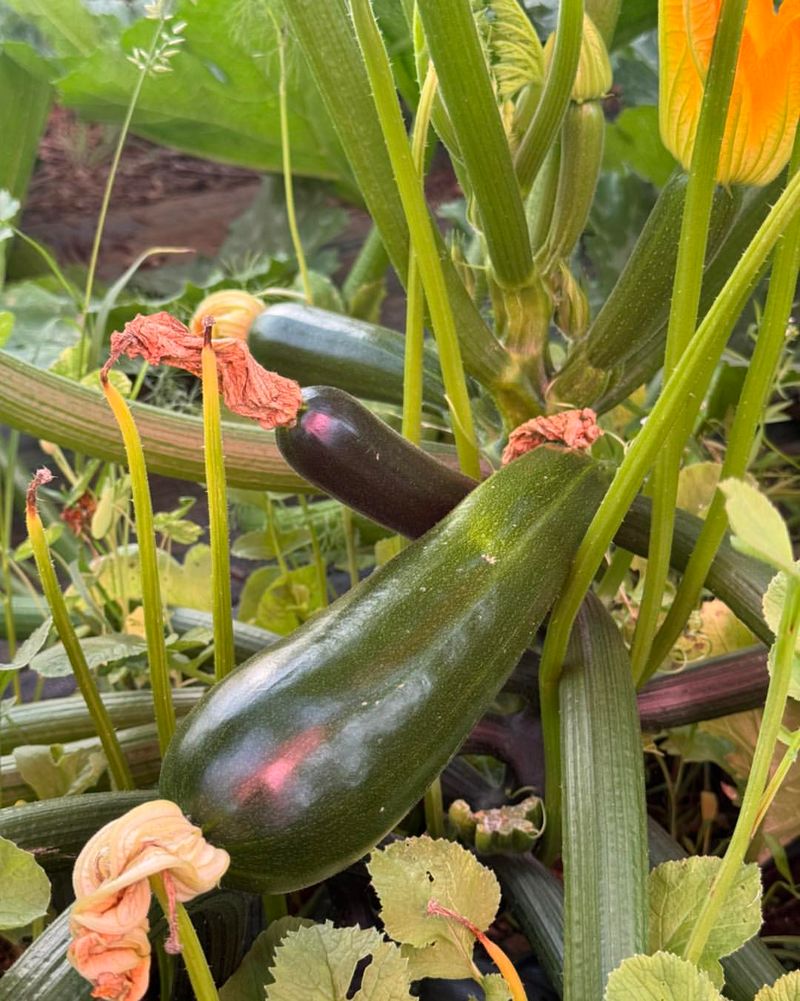
Summer squash moves fast. From seed to first harvest usually takes about 50 days, which means a late July planting can start producing in mid to late September when temperatures finally start backing off.
Plant seeds about an inch deep and at least 24 inches apart. Squash plants spread aggressively.
Giving them space upfront prevents the crowding that leads to powdery mildew and poor air circulation.
Black Beauty zucchini and Yellow Crookneck are two varieties that perform well in desert heat during establishment and then produce generously as fall arrives. Both mature quickly and tend to be consistent producers.
Squash plants need pollinators to set fruit. If you notice lots of flowers but no fruit forming, hand pollination with a small paintbrush helps transfer pollen from male to female flowers.
Early morning works best for this.
Water at the base of the plant rather than overhead. Wet foliage in warm conditions invites fungal issues.
Drip irrigation or careful hand watering keeps leaves dry while roots stay consistently hydrated.
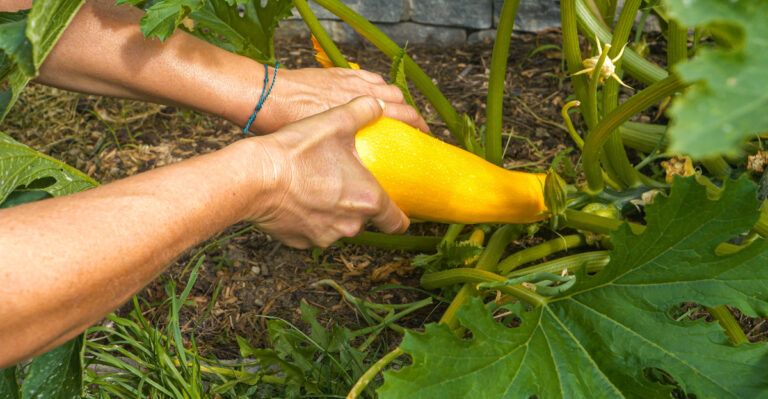
Harvest squash when fruits are still young and tender, around six to eight inches long for zucchini. Leaving them to grow oversized reduces plant energy and results in fewer total fruits over the season.
9. Turnips Grow Quickly Once Extreme Heat Eases
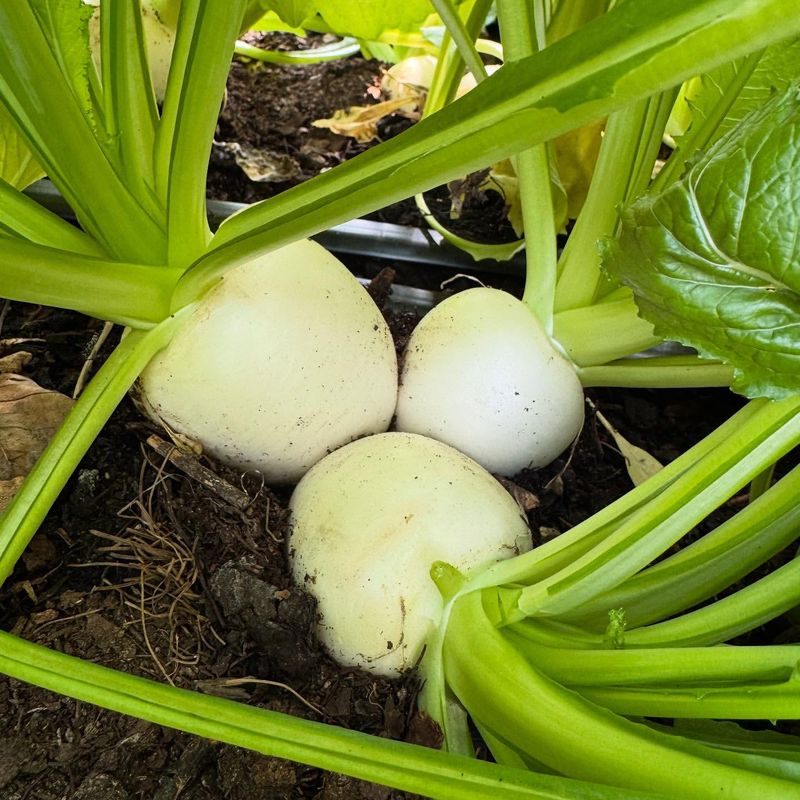
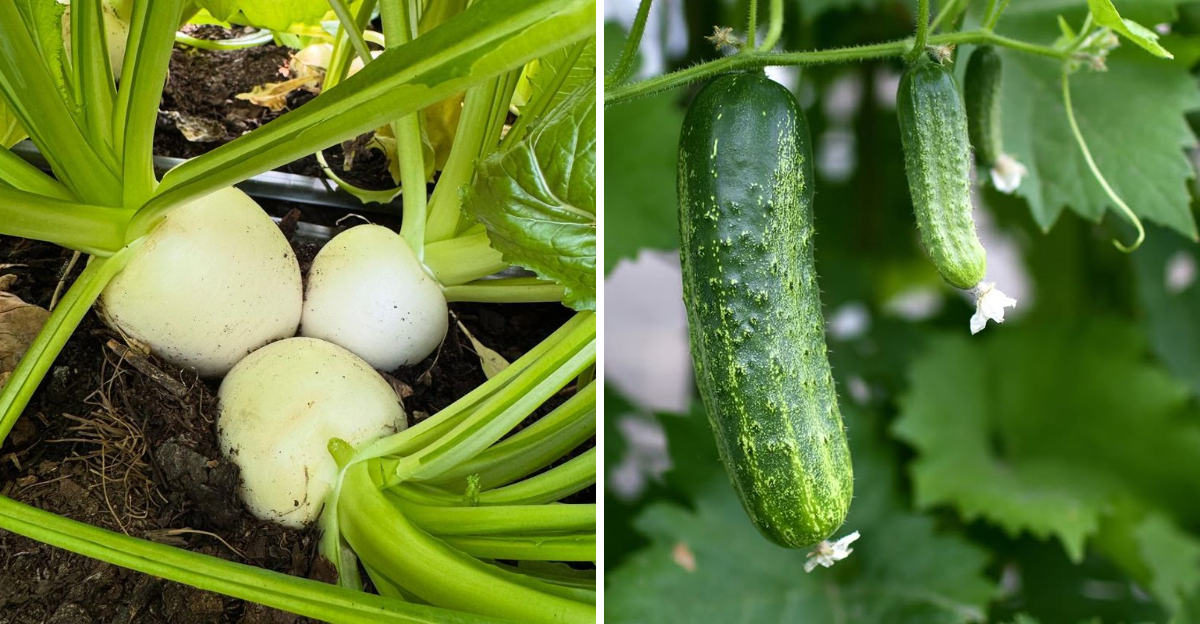
Turnips do not get nearly enough credit. They mature in as little as 40 to 60 days, tolerate light frost, and produce both edible roots and nutritious greens from the same plant.
Direct sow seeds about a quarter inch deep in late July or early August. Turnips do not transplant well, so starting them directly in the ground where they will grow is the right approach.
Purple Top White Globe is a classic variety that performs reliably and stores well after harvest. Hakurei is a Japanese salad turnip with a sweeter, milder flavor that can be eaten raw without cooking.
Turnip greens are worth harvesting too. Young leaves are tender enough for salads, while older ones work well sauteed or braised.
Getting two food sources from one plant is a real advantage in a small garden.
Thin seedlings to four to six inches apart. Crowded plants produce poorly shaped, undersized roots.
Removing weaker seedlings early gives remaining plants room to develop properly.
Root quality improves noticeably as fall temperatures settle in across the low desert. Cooler soil produces sweeter, denser roots compared to those grown in lingering summer heat.
Timing the harvest right makes a meaningful difference in flavor and texture at the table.