Why Pennsylvania Bamboo Rules Matter Before Rhizomes Reach A Neighbor’s Yard

Pennsylvania bamboo trouble usually starts quietly.
One week the yard looks neat. The next, green shoots appear near the fence, then another pops up in a neighbor’s bed like it arrived with a legal question attached.
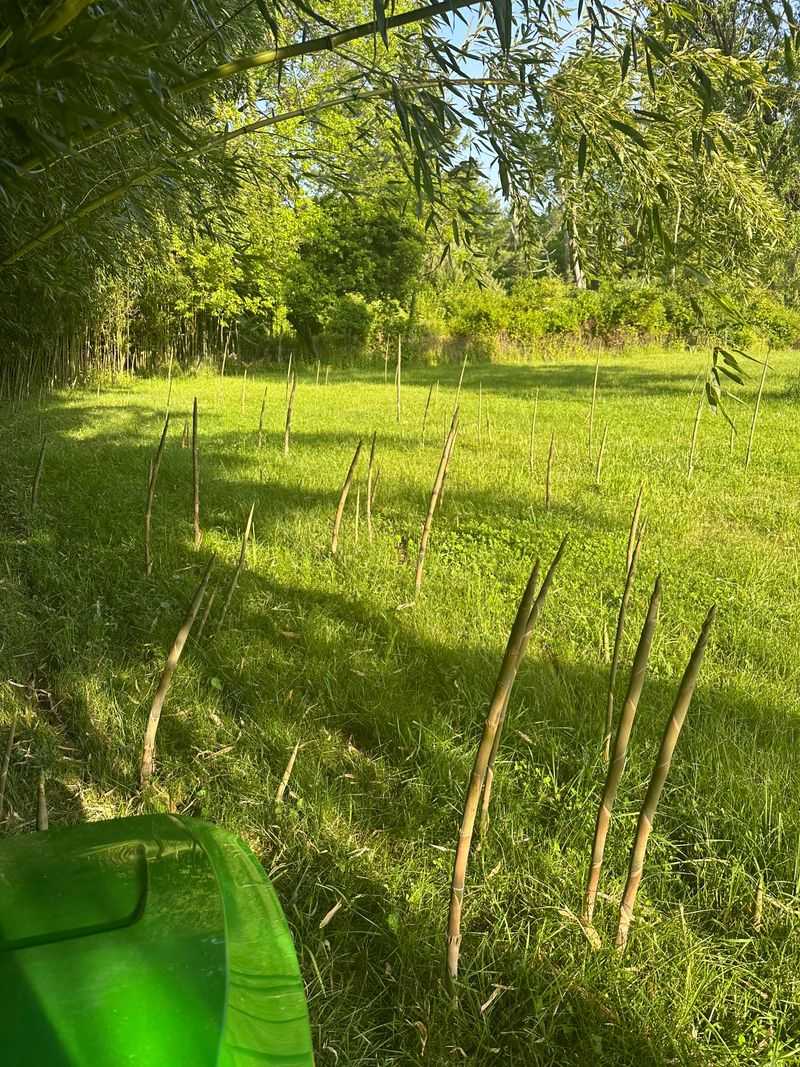
That is the problem with running bamboo. The real movement happens underground, where rhizomes can travel long before anyone notices a shoot above the soil.
By the time the plant crosses a property line, the issue is no longer just a landscaping choice. It can become a neighbor dispute, a township complaint, or an expensive removal project.
Pennsylvania makes this especially tricky because bamboo rules are local, not statewide.
One borough may have a specific ordinance. Another township may rely on nuisance rules. A rural property may face different expectations from a tightly packed suburban lot.
So what should a homeowner know before planting bamboo, or before an existing patch starts wandering?
Start with local rules, property lines, barriers, setbacks, and a serious plan for keeping rhizomes where they belong.
1. Local Ordinances Can Control Planting
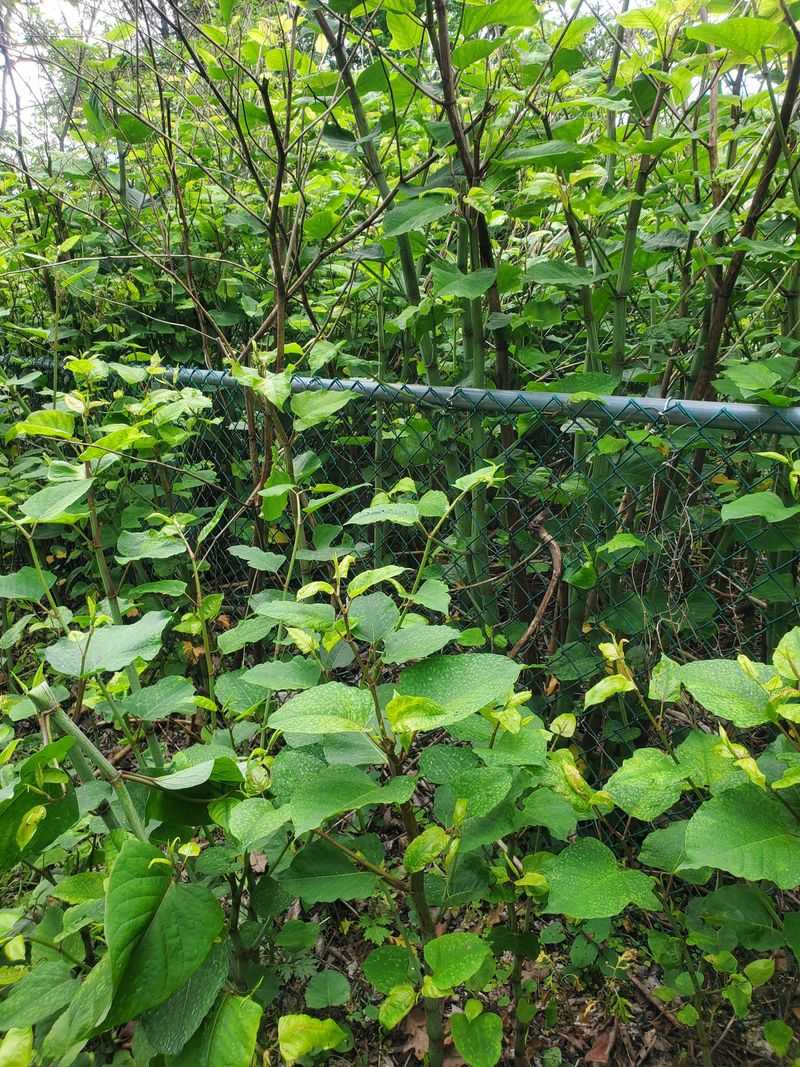
A bamboo problem can begin with a plant tag, but it can end with a township letter.
That is why Pennsylvania homeowners need to start at the local level before a single cane goes into the ground.
The state does not give every homeowner one simple bamboo rule to follow. Local governments often decide what is allowed, how bamboo must be contained, and what happens once it spreads beyond the yard.
That can create real surprises.
One township may restrict running bamboo near property lines. Another may require a containment barrier. Another may treat spreading bamboo under a general nuisance ordinance instead of naming the plant directly.
The wording changes, but the risk stays the same: a homeowner can be held responsible once the plant causes trouble outside the intended planting area.
Before buying bamboo, contact the township office, borough hall, or local zoning department. Ask about bamboo rules, invasive plant language, nuisance codes, and property-line requirements.
Municipal code websites can help, but a direct call gives clearer answers.
Save whatever you find. A printed ordinance, a dated email, or a written note from the township gives you a record of what you checked before planting. That paper trail may feel boring now, but it can become very useful later.
Bamboo is exciting in the nursery pot. Local rules decide how exciting it gets after the rhizomes start traveling.
2. Property Lines Change The Stakes
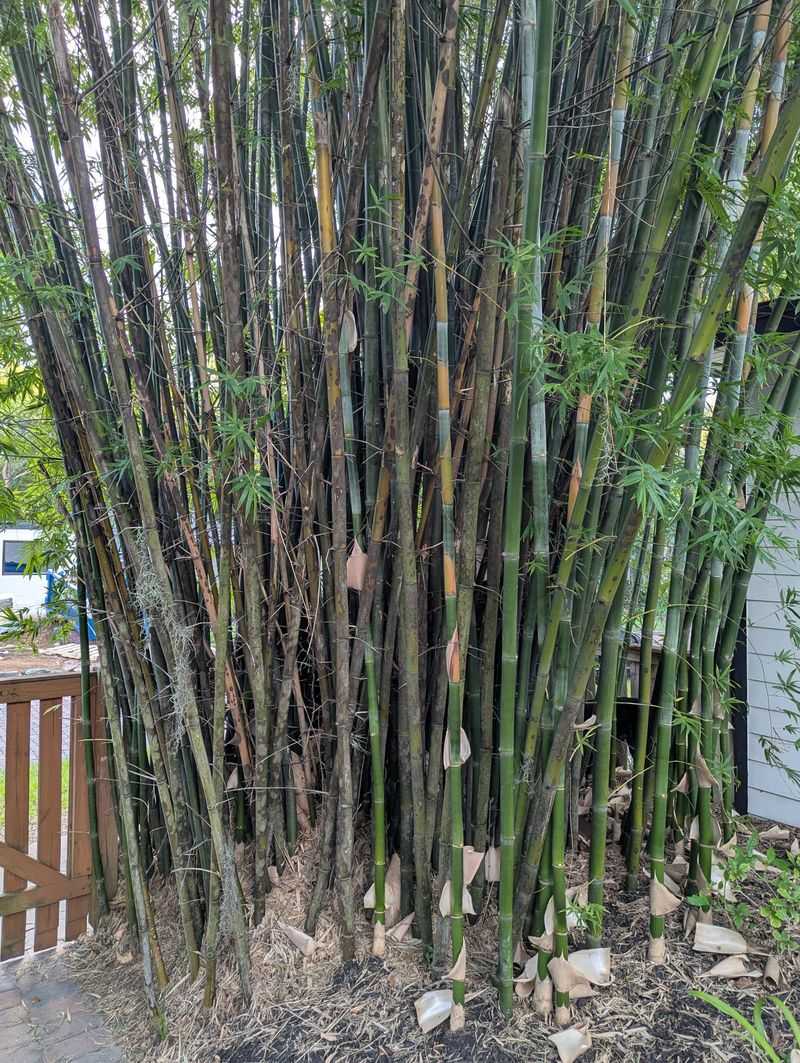
A running bamboo rhizome does not care where your survey pins sit.
That is exactly why property lines matter so much in Pennsylvania neighborhoods. A plant that stays inside your yard is one issue.
A plant that sends shoots into a neighbor’s flower bed, vegetable patch, driveway edge, or foundation planting becomes a shared problem fast.
The awkward part is timing.
By the time a neighbor sees shoots on their side of the fence, the underground growth may already be several feet beyond the original clump.
Removal becomes harder. Tempers can rise. What began as a privacy screen can suddenly feel like an invasion.
Your Pennsylvania Garden Changes Every Week. Your Plan Should Too.
Gardening in Pennsylvania changes quickly throughout the season. Every Friday you’ll receive a simple weekly plan showing exactly what to plant, prune, fertilize, harvest, and protect so you never miss the right timing.
That is not a great look for any plant.
Homeowners are often expected to control growth that starts on their property. Even when no bamboo-specific ordinance exists, a neighbor may still complain under nuisance, trespass, or property-maintenance rules.
Local officials may get involved once the plant creates damage, safety issues, or repeated complaints.
A better move starts before the conflict.
Walk the fence line. Know the exact property boundary. Keep running bamboo far from shared edges, and explain your containment plan to nearby neighbors. A calm conversation early can prevent an angry conversation later.
Document that conversation with a simple message afterward. Friendly, boring records are surprisingly useful.
Once bamboo crosses a property line, the plant stops being just a garden feature. It becomes a boundary issue, and boundary issues rarely stay relaxed for long.
3. Rhizomes Travel Under Fences
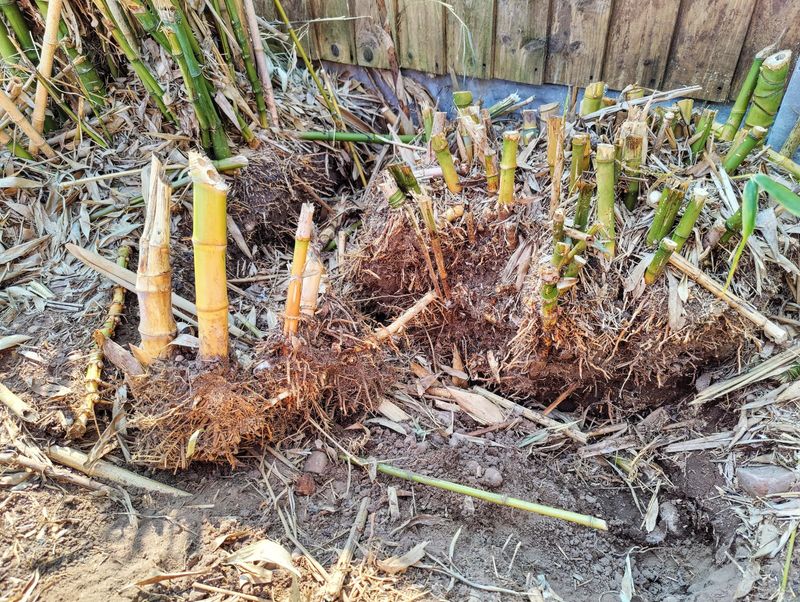
A privacy fence may block a view, but it will not stop bamboo.
That is one of the most expensive misunderstandings homeowners make with running bamboo. The visible canes grow upward, but the real spread comes from underground rhizomes that move sideways through the soil.
A wooden fence, chain-link fence, vinyl panel, or decorative border offers almost no resistance.
The rhizomes simply go beneath.
In Pennsylvania’s moist soils, especially where beds are loose and well watered, running bamboo can move faster than people expect.
A planting that looked contained one spring may send shoots into a neighboring yard the following season. The first visible shoot is usually not the beginning of the problem. It is the announcement.
Fence-line plantings are especially risky.
They look useful because bamboo creates fast privacy, but that same placement gives rhizomes very little distance to travel before they reach another property.
Once the plant escapes, digging it out can require work on both sides of the fence, which immediately complicates access, cost, and responsibility.
Keep running bamboo well inside your own yard rather than using the fence as a planting guide.
A generous setback gives you room to monitor the soil and cut wandering rhizomes before they leave your property. Pair that distance with a real barrier, not wishful thinking.
Fences are good for dogs, views, and awkward neighbor eye contact. Bamboo rhizomes need something much tougher.
4. Barriers Need Real Depth
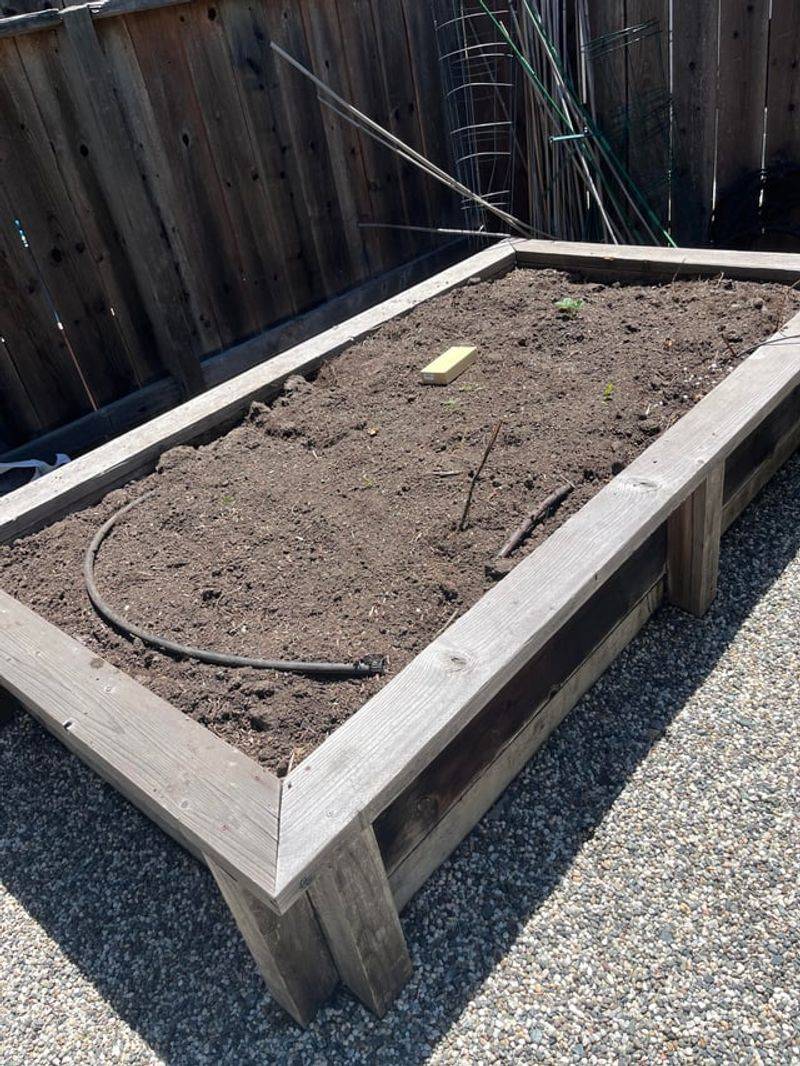
A shallow strip of plastic edging is not a bamboo barrier.
Running bamboo needs serious containment, and that means a barrier designed for rhizomes, not a decorative border from the flower-bed aisle.
Thin edging placed a few inches down may look tidy, but rhizomes can slide under it, around it, or through weak seams.
Real containment usually involves a heavy, high-density barrier installed deep enough to block underground travel.
Many bamboo containment systems call for a barrier that reaches roughly two feet or more into the soil, with the top edge left slightly above ground. That exposed lip matters because it lets you spot rhizomes that hit the barrier and try to climb over.
Installation details matter too.
Seams need tight overlap. Corners need care. Gaps near driveways, sidewalks, fences, or utility areas can become escape routes. A barrier with one weak point is like a locked gate beside an open door.
Check the barrier at least twice a year.
Spring and late summer inspections help catch rhizomes before they become someone else’s problem. Look along the top lip, around seams, and near any place where soil has settled. Cut and remove rhizomes that try to cross.
Take photos during installation and after inspections. Keep receipts for the barrier material and any contractor work.
That level of recordkeeping may seem dramatic for a plant, but running bamboo has a talent for turning casual gardeners into accidental paperwork people.
5. Roadways May Have Setbacks
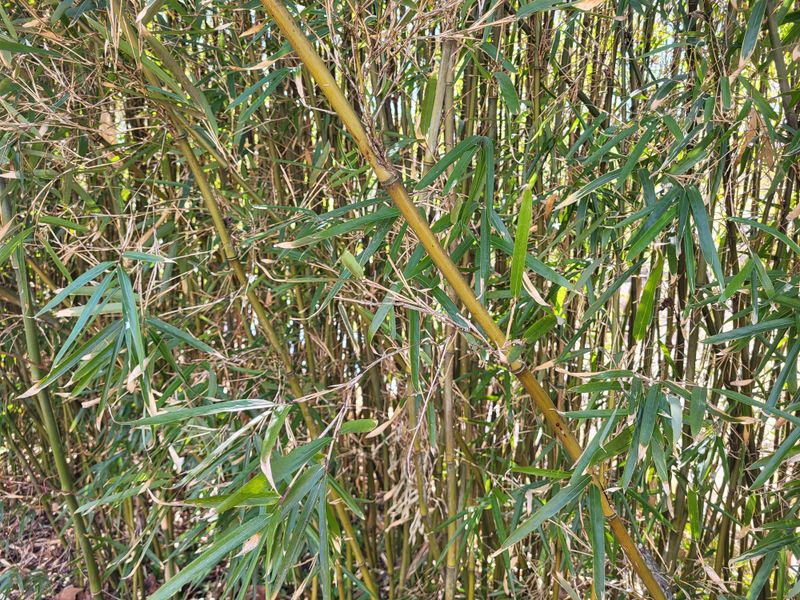
A neighbor’s garden is not the only place bamboo can cause trouble.
Road edges, sidewalks, drainage swales, utility easements, and public rights-of-way can raise the stakes quickly.
Many Pennsylvania homeowners do not know exactly where private property ends and public responsibility begins. That invisible line can matter a lot once bamboo starts moving.
Rhizomes that travel toward sidewalks may create uneven surfaces. Shoots can pop up near curbs, storm drains, or public walkways.
Dense growth can block sight lines, crowd a sidewalk, or interfere with maintenance crews. Even without a bamboo-specific rule, those problems may fall under public safety or property-maintenance codes.
That means the township may care sooner than expected.
A plant near the street-facing edge of a yard needs extra caution. Check setback rules before planting. Ask the zoning office about rights-of-way, utility easements, and distance requirements.
County mapping tools can help, but local staff can often explain the practical boundary better.
Do not trust the curb, sidewalk, or fence line as proof of ownership. Public rights-of-way often extend farther into a front yard than the eye suggests.
Planting bamboo too close to that zone can create a problem that is harder to solve than a backyard escape.
Keep bamboo far from pavement, drains, and street edges.
A privacy screen should not become a sidewalk hazard. Bamboo already has enough attitude without involving public works.
6. Township Notices Can Get Expensive
A formal notice from the township can turn bamboo from a landscape issue into a money issue overnight.
The process varies from one Pennsylvania municipality to another, but it often follows the same general pattern.
A complaint is filed. An inspection may happen. A written notice arrives with a deadline for correction. Miss that deadline, and the problem can grow faster than the plant.
That is where costs start stacking up.
Removal contractors are not cheap, especially once rhizomes spread under fences, patios, sidewalks, or neighboring beds.
Some municipalities can require cleanup, containment, or abatement. In serious cases, unpaid costs may be billed back to the property owner through local enforcement procedures.
That is a very expensive lesson for a privacy plant.
A notice should never sit unopened on the counter. Contact the code office quickly, ask what specific section applies, and request the required steps in writing. Keep every message, photo, receipt, and contractor estimate.
A calm response helps.
Arguing that the bamboo was there when you bought the house may not solve the compliance issue. Local officials usually care about the current condition and the current owner’s responsibility.
The best defense is prevention: know the rule, contain the plant, inspect regularly, and keep records.
Bamboo does not need much help creating chaos. Ignoring official mail just hands it a clipboard and a budget.
7. Neighbor Disputes Start Underground
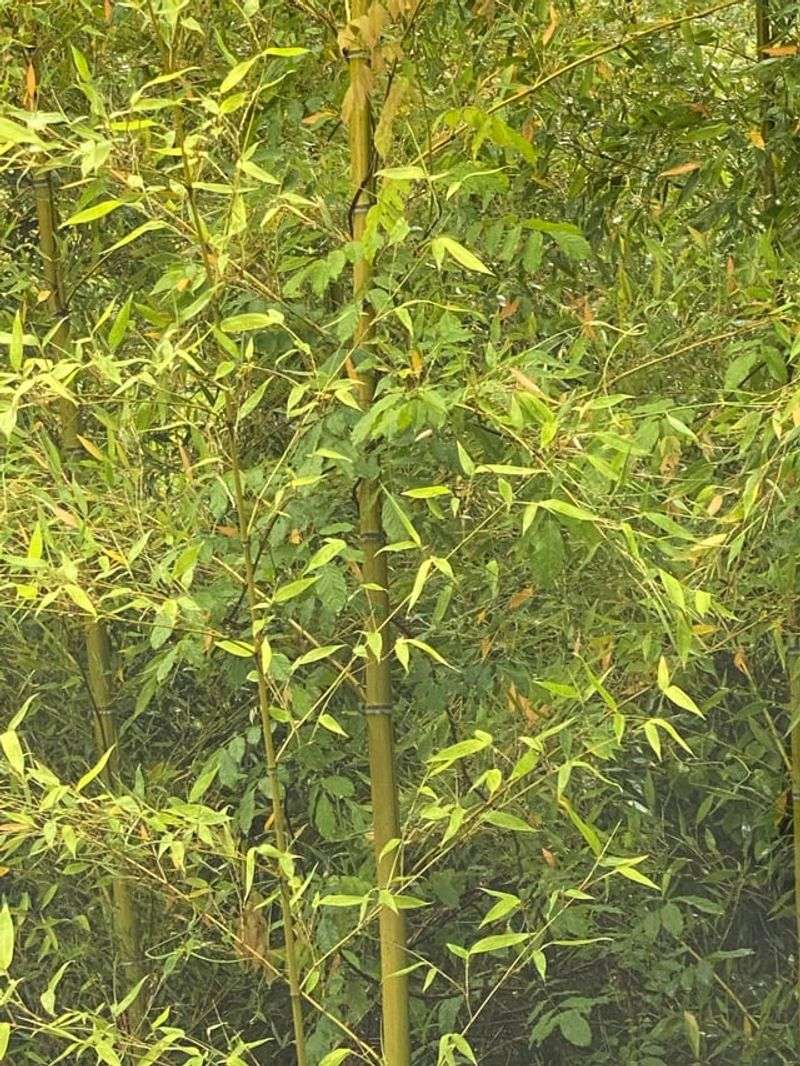
By the time a neighbor knocks on your door, the bamboo conversation may already be tense.
Nobody enjoys finding mystery shoots in a flower bed they did not plant. The frustration gets worse once removal requires digging, repeated cutting, or pulling rhizomes from under shrubs and fences.
Running bamboo has a special talent for making nice people sound very tired. That is why communication matters before the first complaint.
Tell nearby neighbors about any running bamboo already planted close to shared boundaries. Show them the containment area.
Explain how often you inspect it. Ask them to let you know right away when they notice shoots on their side.
That invitation does two things.
It shows good faith, and it gives you a chance to act while the problem is still small. One early shoot is easier to address than a full patch that has settled into another yard.
Once a dispute begins, keep the tone calm and the records clear. Photograph affected areas. Write down dates.
Respond to messages in writing. Avoid sidewalk arguments, fence-line shouting, or dramatic declarations about plant ownership.
The goal is to solve the problem, not win the most stressful garden argument on the block.
Offer a practical plan, such as inspection, removal, barrier repair, or professional help when needed. A neighbor who sees action is more likely to stay cooperative.
Bamboo spreads underground. Bad feelings spread above ground. Both need containment.