Fallen Persimmons In Georgia Yards May Attract Coyotes Closer To Homes
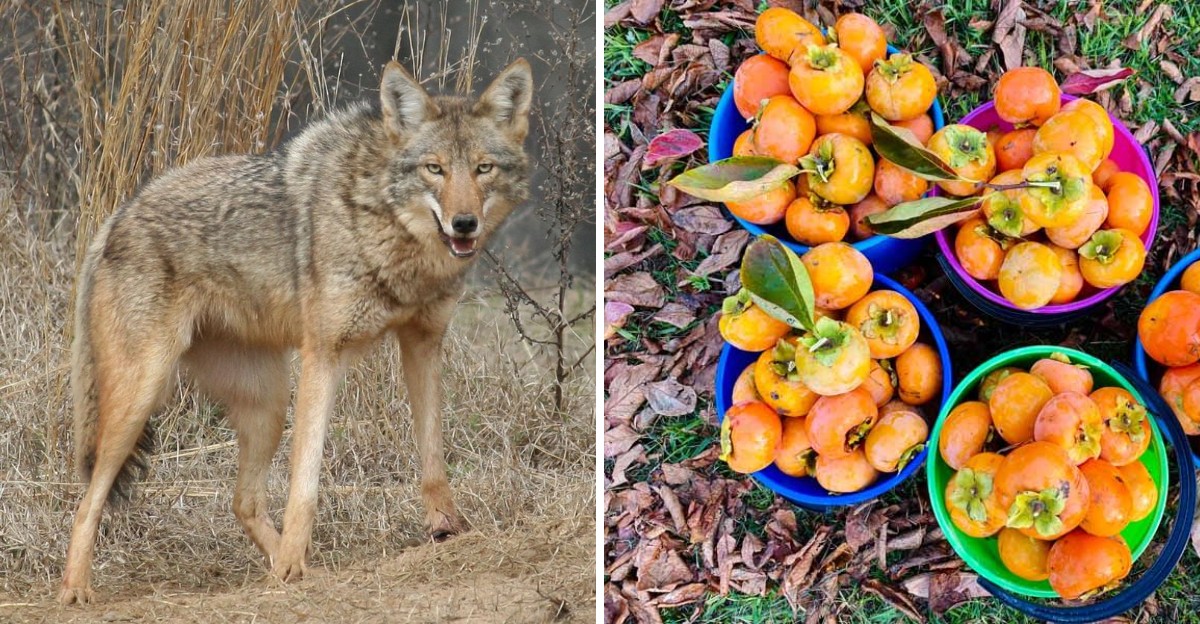
Ripe persimmons dropping beneath a backyard tree might attract more than the usual birds and squirrels looking for an easy meal.
Coyotes are opportunistic feeders, and fallen fruit can become part of their diet when available. A tree producing plenty of ripe persimmons may give them another reason to explore nearby properties.
That possibility deserves attention if wildlife already travels through your neighborhood.
In Georgia, persimmons ripen during fall, when fallen fruit can accumulate beneath trees. Leaving it scattered across the ground may attract various animals, including coyotes searching for food.
Collect ripe fruit regularly rather than allowing large amounts to build up.
You do not need to remove a healthy persimmon tree to discourage unwanted wildlife visits.
Managing fallen fruit and other accessible food sources can make your property less appealing to animals searching for an easy meal.
1. Coyotes Wandering Closer To The House Often Have A Food Reason
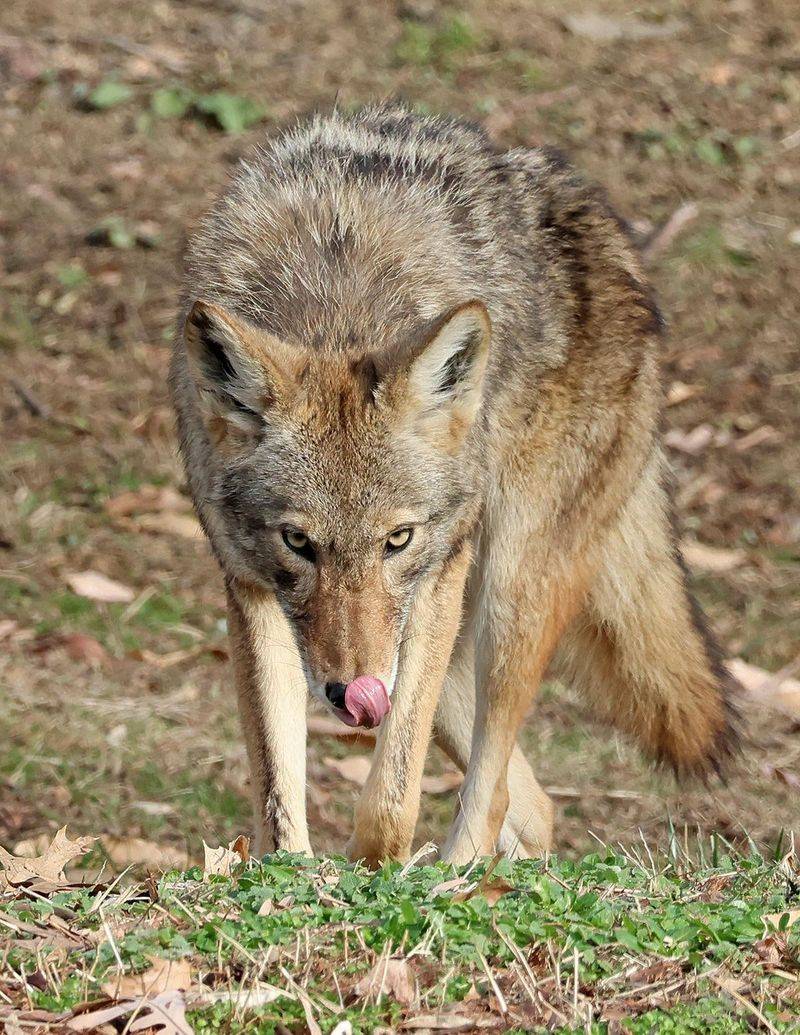
Hunger usually explains a coyote that seems a little too comfortable near your porch. These animals spend much of their time searching for meals, and they tend to follow whatever is easiest to find.
Food sources around homes can include pet food left outside, open trash cans, bird seed, and ripe fruit on the ground.
Coyotes are adaptable eaters that take advantage of what each season offers. Around houses, that often means small rodents, rabbits, insects, and fruit that nobody bothered to pick up.
Rodents matter here too, since spilled seed and fallen fruit can draw mice and rats that coyotes like to hunt.
Across Georgia, coyotes now live in rural farmland, suburbs, and even parts of big cities like Atlanta. Seeing one cross your yard does not automatically mean it is a problem animal.
A coyote that keeps returning to the same spot, though, has likely found something worth coming back for.
Take a slow walk around your property and look at it the way a hungry animal might. Check under fruit trees, near feeders, and beside trash bins for anything edible.
Removing those easy meals will not guarantee coyotes stay away, since they may still pass through while traveling.
Fewer rewards, however, usually mean shorter visits and less reason to linger near the house.
2. Fruit Makes Up A Real Part Of Their Fall Menu
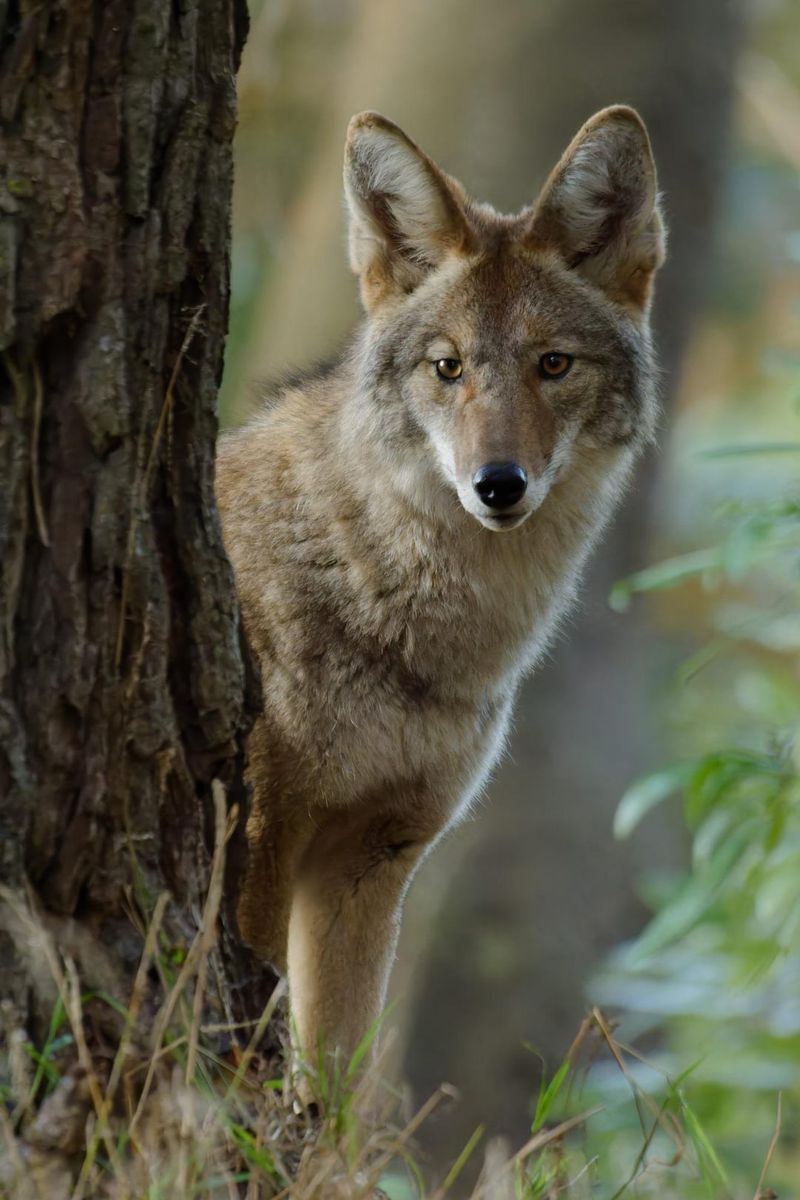
Meat-eater is only half the story. Coyotes are omnivores, and wildlife experts note that fruit can become a large share of their diet in late summer and fall.
Persimmons, wild grapes, blackberries, and other soft fruits are common choices when they ripen.
Native persimmons usually soften and drop from early fall into winter, depending on the tree and the weather. Those sugary fruits offer easy calories at a time when coyotes are building up energy reserves.
Picture an animal that can eat dessert without chasing it.
Fruit on the ground requires no hunting effort at all, which makes it an appealing snack for a coyote passing through. In Georgia, persimmon trees grow along field edges, fencerows, and in plenty of backyards.
Diet can shift a lot from place to place and year to year. A big fruit crop may lead coyotes to eat more of it, while a poor crop pushes them toward other foods.
Your Georgia Garden Changes Every Week. Your Plan Should Too.
Gardening in Georgia changes quickly throughout the season. Every Friday you’ll receive a simple weekly plan showing exactly what to plant, prune, fertilize, harvest, and protect so you never miss the right timing.
Gardeners sometimes notice fruit vanishing overnight and blame deer or raccoons first.
Those animals may be responsible, but a coyote could be part of the crowd too. Looking for tracks or droppings near the tree can help you figure out who is visiting before you decide what to change.
3. Scat Packed With Large Seeds Often Reveals A Persimmon Eater
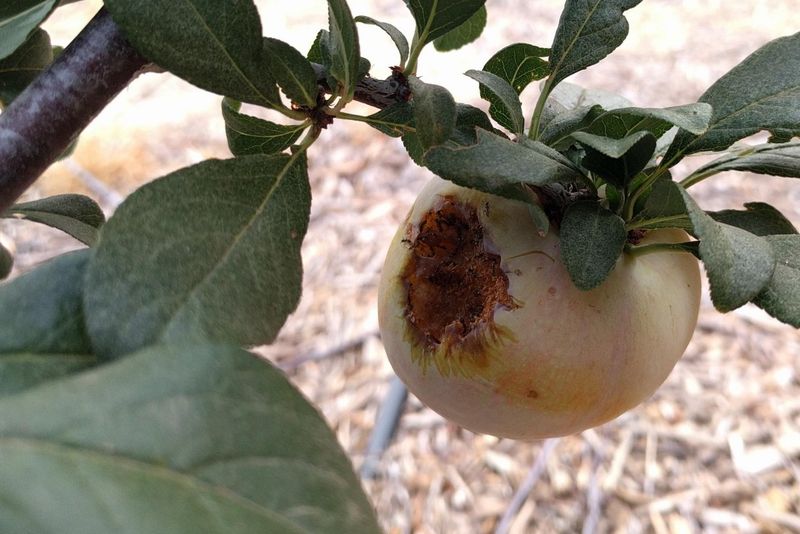
Droppings tell stories that tracks sometimes miss. When coyotes eat persimmons, their scat often fills with flat, brown seeds that pass through mostly whole.
Spotting a pile like that near your tree is one of the clearest hints a fruit eater has stopped by.
Coyote scat is usually rope-shaped with tapered ends, and it often sits in the open on paths, trails, or driveways. Coyotes seem to leave droppings in visible spots, which may help them communicate with other coyotes.
Persimmon seeds are fairly large and smooth, so they stand out easily.
Raccoons, opossums, and foxes also eat persimmons, so seeds alone will not prove a coyote was there. Size, shape, and location give better clues when you look at them together.
Gloves are a smart idea if you plan to move or clean up any droppings.
Wild animal scat can carry parasites and germs, so avoid touching it with bare hands and keep pets from sniffing around it. Wash up afterward, even if you used a shovel.
Homeowners in Georgia sometimes find these seed-heavy piles in late fall when native persimmons are dropping steadily.
Noting where and how often they appear can show you whether visits are occasional or happening every night.
4. Native And Asian Persimmons Both Drop Fruit Through Fall
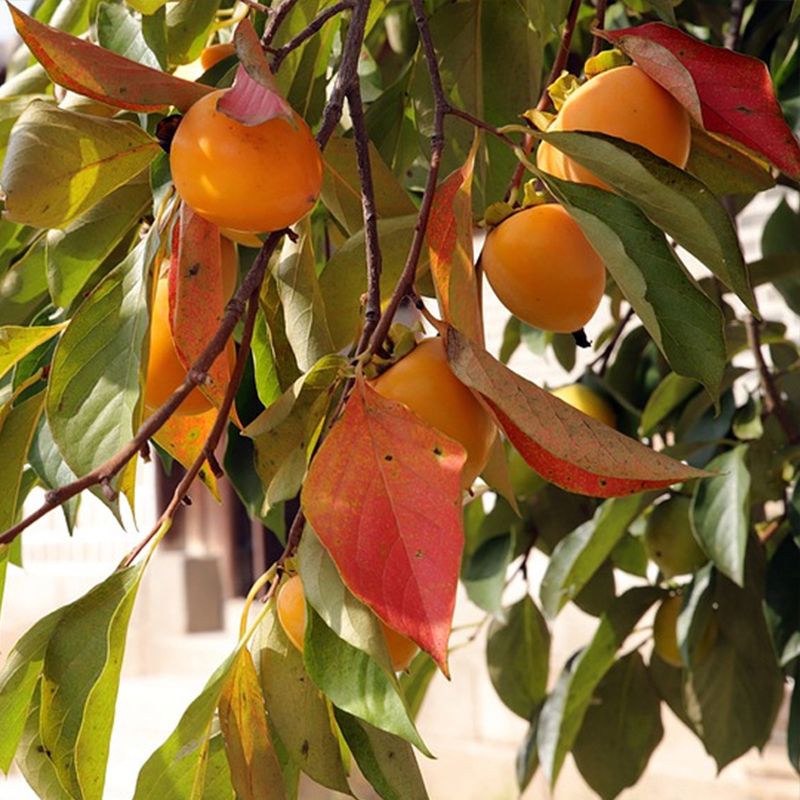
Two kinds of persimmon trees show up in Southern yards, and both can feed wildlife. American persimmon is the native tree that grows wild across much of the eastern United States.
Asian persimmons, often called Japanese or Oriental persimmons, are planted for their larger fruit.
Native fruits are small, about an inch or two across, and are usually very astringent until they turn soft. Many of them hang on until they ripen fully and drop, sometimes lasting into early winter.
Asian types grow bigger fruit that ripens mainly in fall, with timing that varies by variety.
Some Asian varieties, like Fuyu, can be eaten while still firm. Others, such as Hachiya, need to soften before they lose their pucker.
Either way, any fruit left to fall and rot on the lawn becomes fair game for animals.
Across Georgia, fruit timing shifts with location, so a tree in the north Georgia mountains may run on a different schedule than one near Savannah. Weather each year also plays a role in when fruit softens and drops.
Knowing which tree you have helps you plan your cleanup.
Harvesting Asian persimmons on time and picking up native fruit as it falls can cut down on the pile that tempts night visitors.
5. Gathering Fallen Fruit Every Few Days Reduces The Temptation
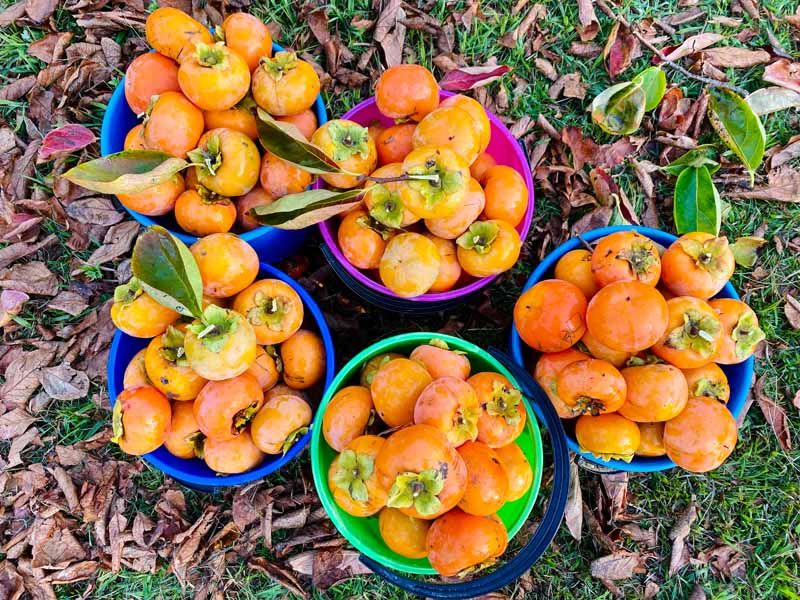
A bucket and ten minutes can do more than any gadget. Picking up dropped persimmons regularly is one of the simplest ways to make your yard less inviting to coyotes and other animals.
How often you need to collect depends on how fast your tree is dropping fruit.
During peak drop, checking every day or two keeps the pile small. Later in the season, when fewer fruits fall, a pass every few days may be enough.
Wear gloves, since soft persimmons get messy and may attract wasps or bees.
Overripe fruit can ferment on the ground, and stinging insects sometimes gather around it on warm days. Move carefully and scan the grass before reaching down.
Collected fruit should go somewhere animals cannot easily reach.
A sealed trash bin works well, while an open compost pile may simply move the buffet to a new corner of the yard. If you compost, a closed bin is usually a better choice.
Harvesting edible fruit before it drops also helps, especially with Asian varieties that ripen on the branch.
Gardeners in Georgia who stay consistent through the fall often notice fewer droppings and less overnight fruit loss. Results can vary, though, because neighbors with untended trees may still draw animals into the area.
6. Raccoons And Opossums Often Show Up For The Same Feast
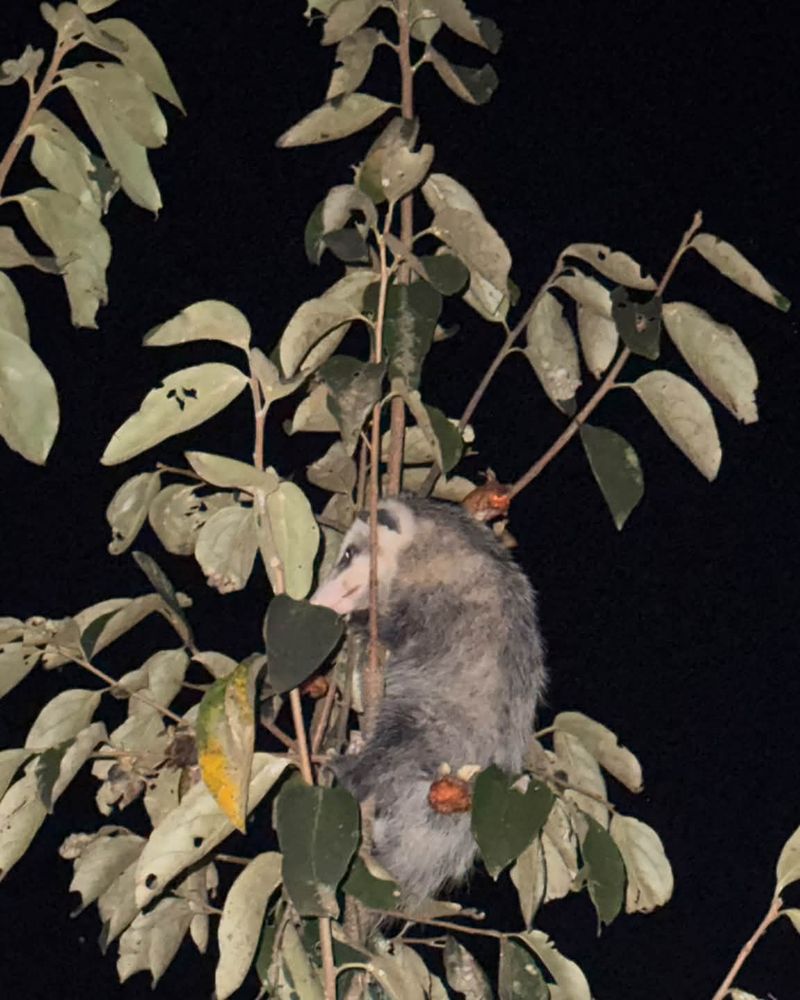
Coyotes are rarely the only guests at a persimmon party. Opossums are famous for loving ripe persimmons, and raccoons are just as quick to grab soft fruit off the ground.
Deer, foxes, and even some birds join in too.
Many folks in the South grew up hearing that possums love persimmons, and that old saying holds up well. These animals climb, sniff, and forage at night, so you may only see the leftovers in the morning.
Bite marks, scattered peels, and tracks in soft dirt can hint at who stopped by.
Raccoon prints look like tiny hands, while opossum tracks show a thumb-like toe on the back foot. Coyote prints look more like a dog’s, with an oval shape and visible claw marks.
Small mammals feeding under a tree can draw coyotes in a second way.
A coyote might come for the fruit and stay to hunt the rodents or other small animals already there. Cleaning up fallen fruit can lower activity from the whole group at once.
Here in Georgia, a trail camera aimed at your tree can be a fun way to learn which animals visit after dark.
Just remember to admire them from a distance and avoid feeding or handling any wildlife you see.
7. Run-Ins With People Near Fruit Trees Are Rare
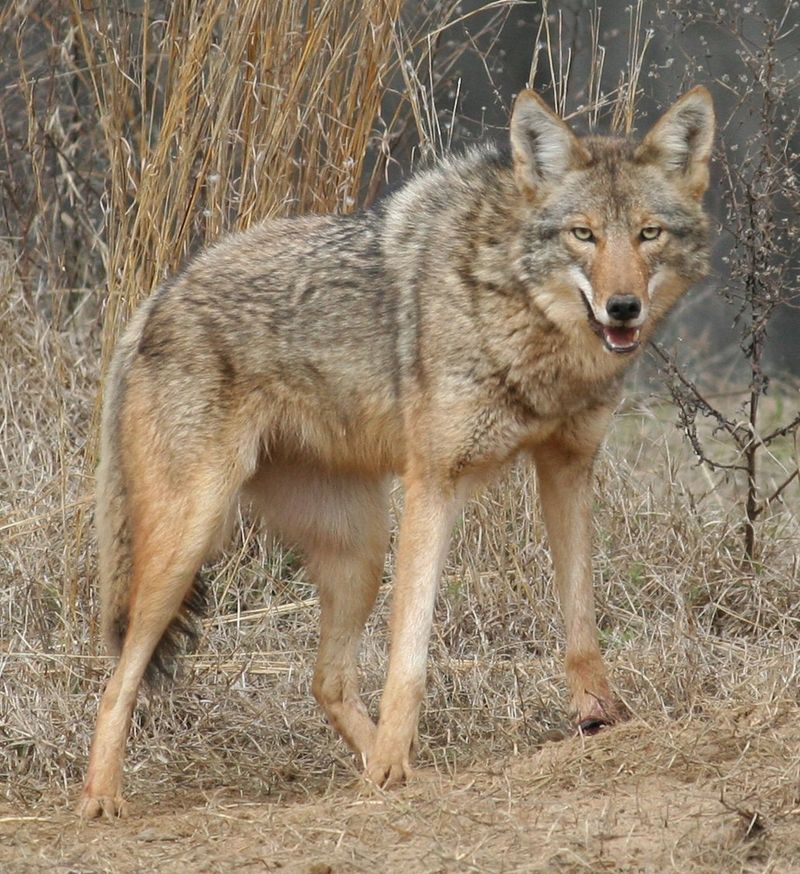
Fear tends to outrun the facts with coyotes. Attacks on people are very uncommon, and most coyotes go out of their way to avoid human contact.
A coyote eating fruit under your tree is usually just looking for a quick meal before moving on.
Problems become more likely when animals lose their natural caution. Feeding coyotes on purpose, or leaving food out night after night, can teach them to link people with easy meals.
Small pets face more risk than adults do, especially cats and little dogs left outside alone.
Keeping pets indoors at night or supervising them in the yard is a practical step. A fenced area helps too, though coyotes can sometimes jump or dig under fences.
If you spot a coyote nearby, make yourself look big and make noise.
Clapping, shouting, or spraying a hose can encourage it to leave and remind it that people are not friendly. Wildlife agencies call this hazing, and it works best when neighbors do it consistently.
Georgia’s Department of Natural Resources offers guidance for homeowners who see coyotes acting bold or unusually comfortable.
For most yards, though, steady fruit cleanup and a little awareness keep things calm. Enjoy your persimmons and let the wildlife stay wild.