The May Pruning Trick That Keeps Florida Flowers Blooming Longer
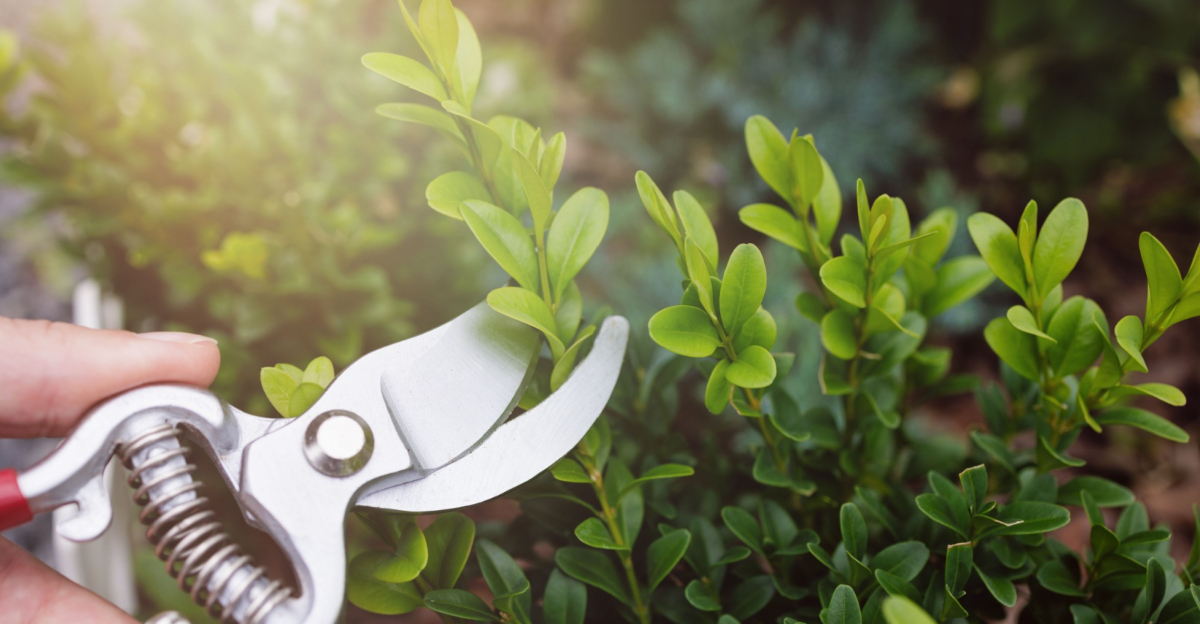
May in Florida is when flower beds start acting like they drank an extra iced coffee. The sun hangs around longer, the heat turns up, and suddenly those neat little plants are stretching, leaning, and reaching for attention.
Cute? Sometimes. Messy? Very.
Before summer rain and sticky humidity move in, light tip pruning can help selected flowering plants grow fuller instead of flopping all over the place. Think of it as a tiny haircut with big garden energy.
Florida’s sandy soils and fast spring growth make timing important, so this is not a chop-happy moment.
A gentle trim in mid to late May can encourage bushier growth, support more balanced stems, and help the flower show last a bit longer.
1. Light Tip Pruning For Florida Gardeners
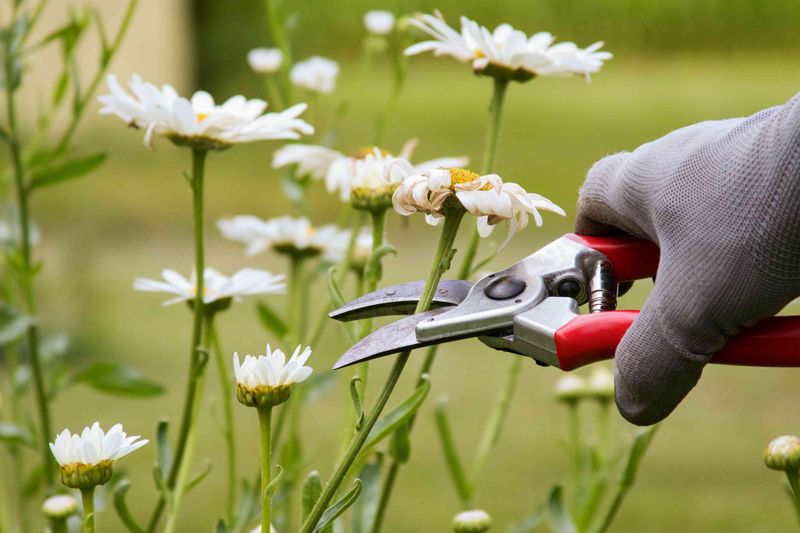
Soft new growth at the tips of flowering stems is one of the most overlooked opportunities in a Florida garden. When you remove just the very top portion of a stem, the plant often responds by sending out two or more side shoots from just below the cut.
Over time, that means more stems, more buds, and a fuller-looking plant rather than a tall, floppy one.
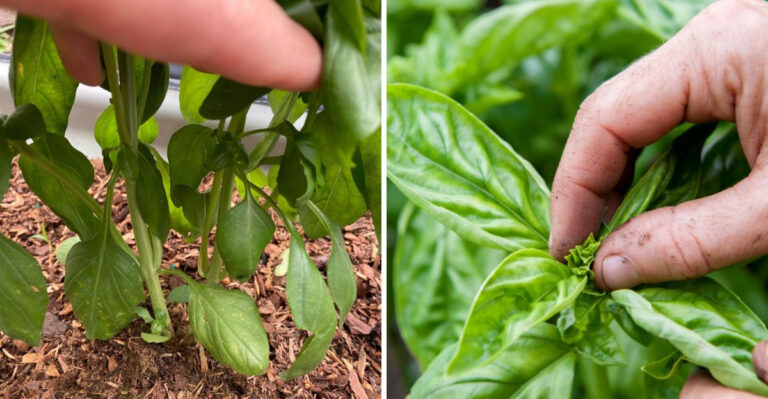
Light tip pruning is not the same as cutting a plant back hard. The goal is to remove only the soft, tender growing tip, usually no more than a few inches of new growth.
Cutting into older, woody stems is a different process entirely and not what this technique is about.
Florida’s warm spring temperatures encourage fast, sometimes uneven growth in mixed flower beds. Some stems race ahead of others, leaving a garden looking unbalanced by mid-May.
A quick pass with clean, sharp hand pruners can bring things back into proportion without stressing the plant.
This approach works best on selected herbaceous perennials and soft-stemmed flowering plants that have not yet set buds. Plants already covered in flower buds, newly transplanted into the landscape, or showing signs of stress may not be the right candidates.
Keeping the cuts light, clean, and targeted is what separates a helpful trim from one that sets a plant back during Florida’s demanding warm season.
2. Mid To Late May As A Natural Pruning Window
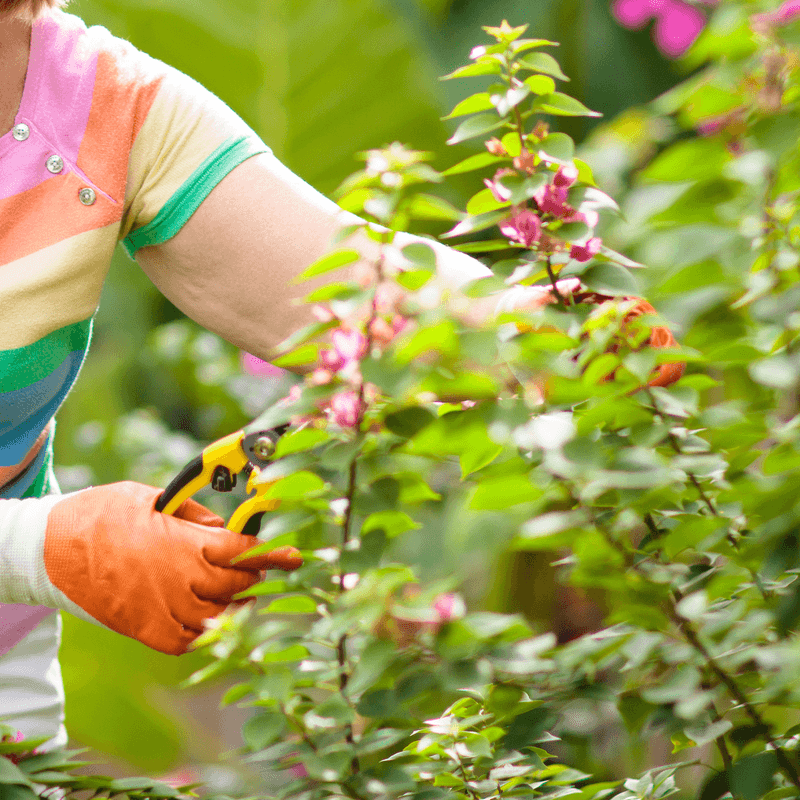
By the third week of May, Florida’s daylength has stretched noticeably longer, and afternoon temperatures are climbing into the upper 80s across much of the state.
Many flowering perennials have been actively growing since late winter, and some are starting to look stretched and uneven as they reach toward the sun.
This window, from roughly mid to late May, lines up with a period when many warm-season perennials have put out enough new growth to benefit from a light trim but have not yet committed to full bud development.
Catching plants at this stage gives them time to branch out and recover before the heat of June and July arrives.
Florida’s sandy soils drain quickly, which means plants often push growth in short, energetic bursts after rain or irrigation.
Your Florida Garden Changes Every Week. Your Plan Should Too.
Gardening in Florida changes quickly throughout the season. Every Friday you’ll receive a simple weekly plan showing exactly what to plant, prune, fertilize, harvest, and protect so you never miss the right timing.
That growth pattern can lead to stems that are tall but weak, especially in cottage-style beds or pollinator gardens where plants are allowed to grow freely.
A gentle tip prune during this natural window can help redirect that energy into side branching.
Timing matters more than precision here. Gardeners who wait too long into June may find that their plants are already budding heavily or that summer heat makes recovery slower.
Mid to late May offers a practical, low-risk moment to step in with light pruning on selected plants before Florida’s intense summer season shifts the growing rhythm entirely.
3. Florida Plants That Respond Well To Tip Pruning
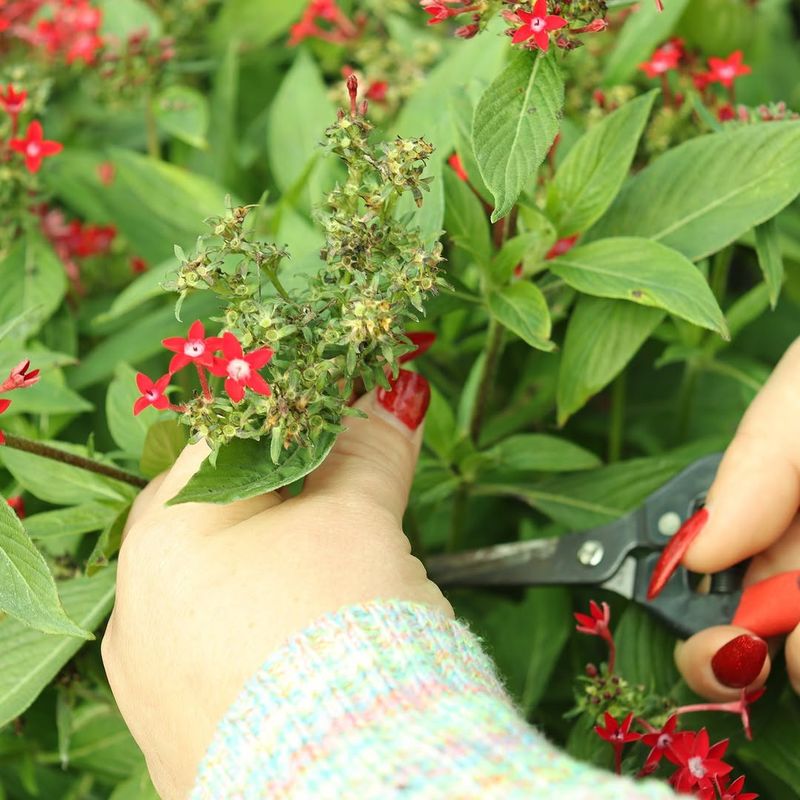
Not every flowering plant in a Florida landscape is a good fit for tip pruning, but several popular ornamental choices tend to respond with fuller, bushier growth when their growing tips are lightly removed in May.
Pentas, blue porterweed, firebush, and native salvia are among the plants that gardeners often see branching out nicely after a gentle cutback.
Soft-stemmed herbaceous perennials and semi-woody flowering shrubs with a naturally upright or spreading habit tend to be the most responsive.
These plants have active growth nodes just below the stem tips, and removing the tip encourages those nodes to activate and push new side shoots.
Plants that are naturally compact, already heavily budded, or prone to slow recovery in summer heat are generally better left alone.
Newly planted specimens that are still establishing roots in Florida’s sandy soil may also struggle to bounce back quickly if pruned before they are settled in.
Pollinator gardens and cottage-style beds in Florida often include a mix of fast-growing perennials that can become uneven by mid-May.
A selective approach, trimming only the plants that are visibly stretching or getting leggy while leaving others untouched, tends to give the most satisfying results.
The goal is not a uniform cutback across the whole bed but rather a thoughtful, plant-by-plant decision based on what each stem actually needs at that moment in the growing season.
4. The Right Spot For Each Pruning Cut
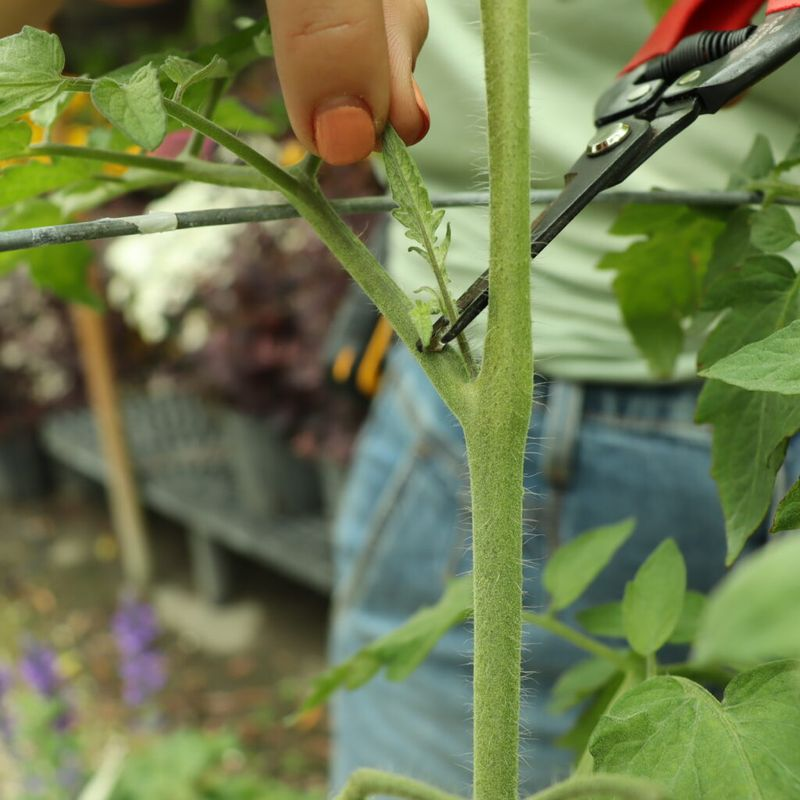
Where you make the cut matters just as much as when you make it. On most flowering perennials, the best spot for a tip pruning cut is just above a leaf node, which is the point on the stem where a leaf or pair of leaves attaches.
Cutting here encourages the plant to send new growth out from that node rather than leaving a bare stub.
A clean cut at a slight angle helps moisture run off the wound rather than sitting on the exposed stem surface, which can reduce the chance of fungal issues in Florida’s humid conditions.
Sharp bypass pruners make a cleaner cut than dull blades, and keeping tools clean between plants is a simple habit that supports overall plant health.
Aim to remove only the soft, actively growing tip, typically the top two to four inches of new growth on most herbaceous perennials.
Going further down into older, firmer stem tissue moves away from tip pruning and into a heavier cutback that may take longer to recover from in warm-season Florida conditions.
Some gardeners find it helpful to step back and look at the whole plant before making any cuts. Identifying which stems are visibly longer than the rest, and focusing the trim on those, keeps the plant looking balanced without over-pruning.
A light touch, guided by what the plant actually looks like rather than a fixed measurement, tends to produce the most natural and appealing results in Florida flower beds.
5. New Growth After May Pruning
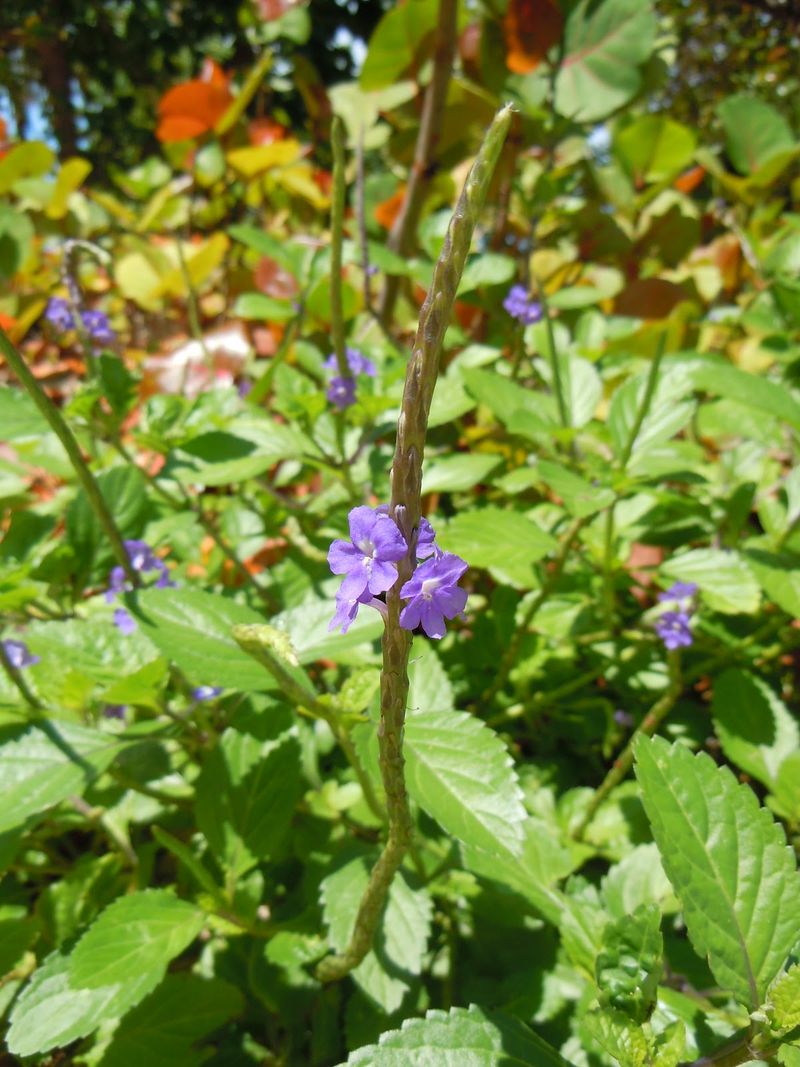
Within a week or two of a light tip pruning in May, many Florida gardeners start to notice small, bright green side shoots pushing out from the nodes just below where the cut was made.
That new growth is a sign that the plant redirected its energy outward rather than continuing to push height, which is exactly the response tip pruning is meant to encourage.
The branching that follows a well-timed trim often results in a fuller canopy of stems by the time the plant reaches its next flowering cycle.
More stems generally mean more potential bloom sites, which is why this technique is sometimes described as a way to extend or multiply the flower display rather than delay it.
Florida’s warm temperatures and regular summer rainfall support fairly quick recovery in healthy, established plants.
Keeping the soil consistently moist but not waterlogged in the days following pruning helps new growth get a strong start, especially in sandy soils that dry out quickly between rain events or irrigation cycles.
Gardeners may also notice that the new side shoots tend to be slightly shorter and sturdier than the original stem that was removed. That compact, sturdy growth habit can make the plant more wind-resistant as Florida’s summer storm season approaches.
Watching those first new shoots emerge is one of the more satisfying parts of the process, a visible signal that the plant is responding well and building toward a fuller, longer-lasting bloom display.
6. Common Tip Pruning Mistakes To Avoid
One of the most frequent missteps gardeners make with tip pruning is cutting too far down into the stem. Removing only the soft growing tip is very different from cutting a plant back by one-third or more.
Going too deep can remove too much active growth at once and slow recovery significantly, especially as summer heat builds across Florida.
Pruning plants that are already covered in buds is another situation worth reconsidering. When a plant has committed its energy to bud development, removing those stems can reduce the immediate bloom display without guaranteeing a better one later.
Tip pruning tends to work best before heavy budding begins, which is part of why the May timing matters.
Using dull or dirty cutting tools can introduce problems that have nothing to do with pruning technique. Rough, torn cuts leave more surface area exposed to Florida’s humid air and the fungal issues that can come with it.
Wiping blades with a diluted cleaning solution between plants takes only a moment and can prevent the spread of disease through a mixed bed.
Pruning every plant in a bed at the same time is also worth avoiding. A staggered approach, trimming some plants in early May and others a week or two later, can create a more continuous bloom display rather than a gap followed by a flush.
Applying this technique selectively, rather than treating it as a universal rule for every flowering plant in the landscape, is what tends to give Florida gardeners the best results.