Feeding Deer in Your North Carolina Yard? Check This Before You Put Out Corn
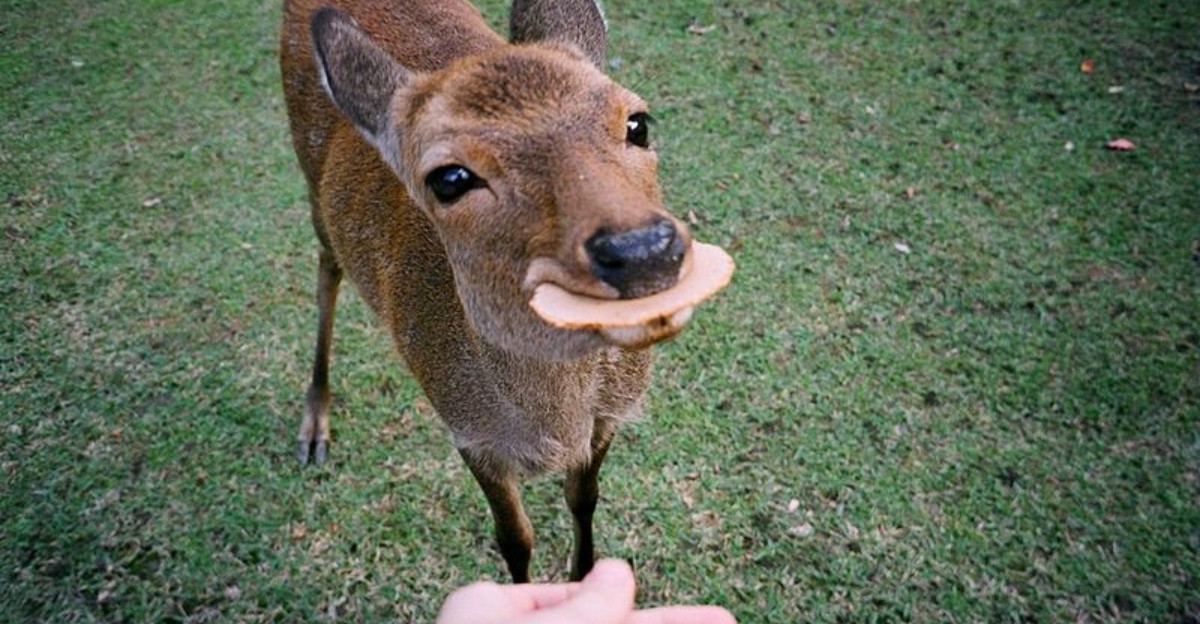
A pile of apples on your lawn can be perfectly legal one week and against the rules the next. It all depends on your county and the date on the calendar.
I was honestly shocked when I learned that. Deer feeding rules here shift with bear seasons, disease zones, and even what you put in the bucket. A bag of sweet feed and a bag of plain corn are not treated the same way.
You probably love those quiet moments when a doe tiptoes out of the tree line at dusk. I do too, and I get the urge to set out a snack for her. Plenty of folks across North Carolina feel the same pull every fall and winter.
So what does the law actually say about that bucket of corn in your garage? The answer is more layered than most neighbors realize.
1. That Bucket Of Deer Corn Comes With Fine Print
Most people assume feeding deer is either fully allowed or fully banned. North Carolina sits somewhere in between, and the details matter a lot.
The North Carolina Wildlife Resources Commission, often called the NCWRC, does not have a blanket statewide ban on feeding deer in your yard.
That surprises many homeowners. However, the agency has rules about what kind of food you use, where you live, and what time of year it is.
Those three factors decide whether your snack station is legal. Plain corn in one county might be fine, while the same corn in another county could break the rules for part of the year. Sugary or oily treats can also cross a legal line in many places.
I like to think of it as a recipe with three ingredients. Food type, location, and season all have to line up before you put anything out. Miss one, and you could be in trouble.
On top of the legal side, wildlife biologists strongly discourage feeding deer even where it is allowed. Legal and wise are not the same thing here. The next sections break down each rule so you can see exactly where your yard falls.
2. Plain Corn, Apples, And Persimmons Usually Get A Pass
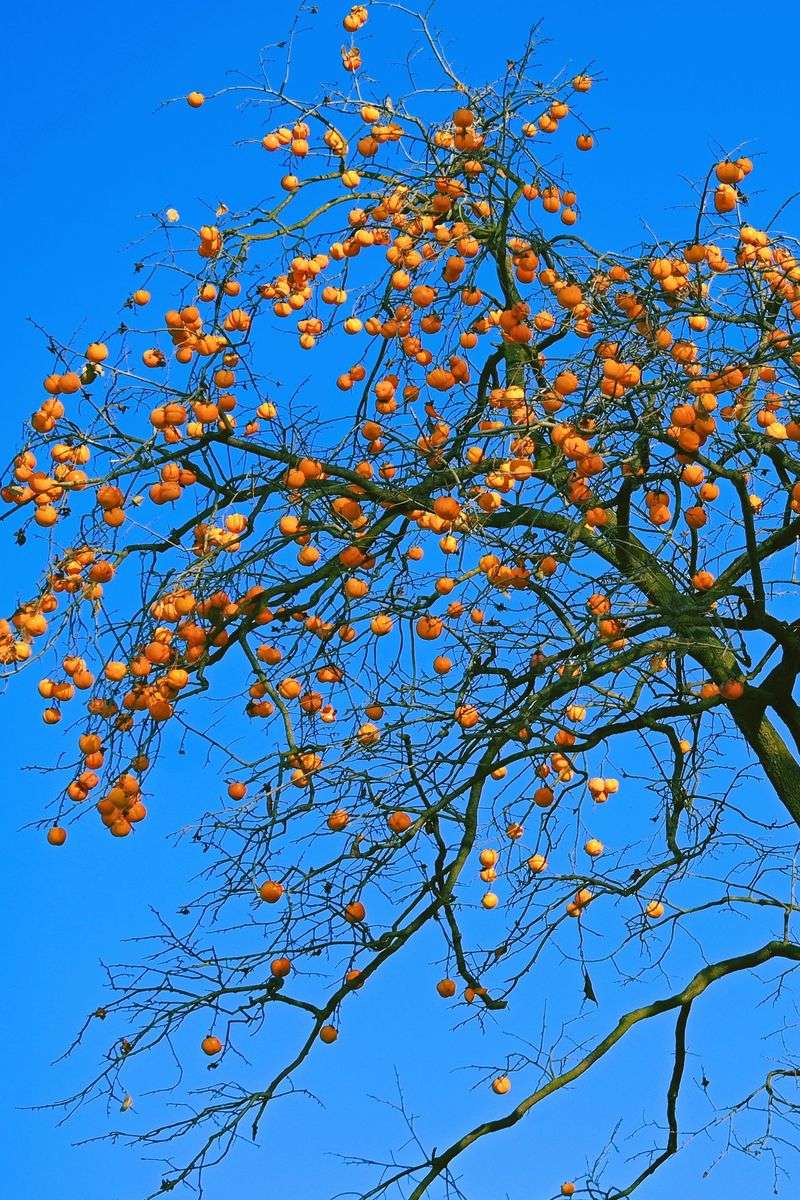
Raw, unprocessed food is the dividing line in state rules. In most of the state, you can legally put out natural plant material that has not been changed from its raw form.
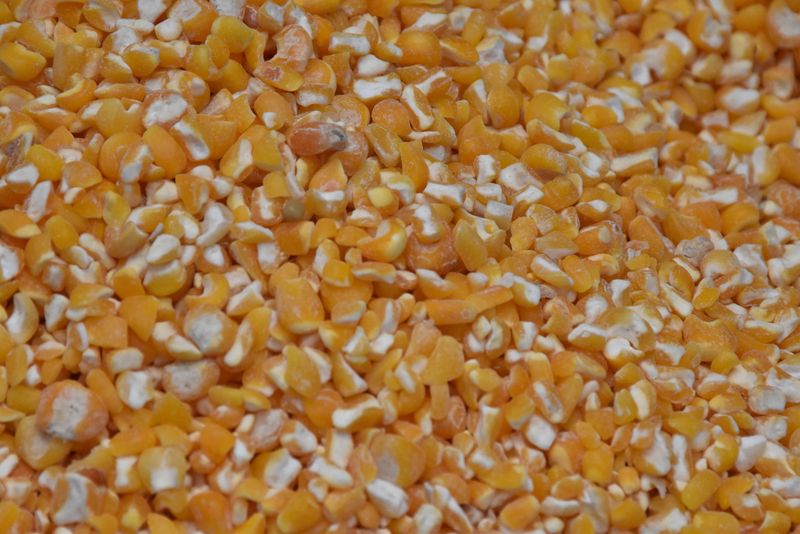
That includes whole or shelled corn, soybeans, apples, and persimmons. These foods count as “not modified from its raw components,” which is the phrase the regulations use.
Hunters rely on this same rule when they bait deer during open seasons where baiting is allowed.
Fun fact for fruit lovers. Native American persimmons ripen in fall and are a favorite natural deer food, so a persimmon tree in your yard already does the feeding for you.
Before you celebrate, a few warnings apply. Even legal raw foods are off-limits during certain months in disease management areas, which we will cover soon.
Local rules, homeowner associations, and some town ordinances may also restrict feeding wildlife. My advice is simple.
Check your county against the current NCWRC regulations digest each year, since the lists change. A two-minute look at the official website can save you a headache, a fine, and an awkward chat with a wildlife officer.
3. Sweet Feed And Peanut Butter Can Draw Black Bears Into Trouble
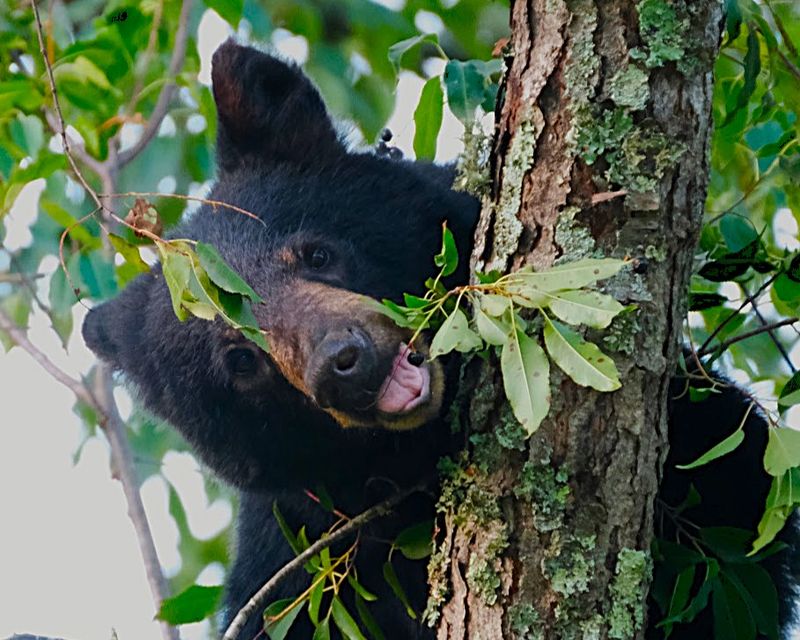
Bears love a sweet snack even more than deer do. That simple fact shapes one of the strictest feeding rules in the state.
It is unlawful to use processed food products as bait in any part of North Carolina with an open black bear season.
Processed means food that has added sugar, syrup, salt, oil, or similar enhancements. Peanut butter, sweet feed blends, molasses mixes, and many store-bought deer attractants fall into this group.
Here is the twist many people miss. Black bear seasons now cover a large share of the state, including much of the piedmont near Charlotte. So this rule applies in far more places than it did years ago.
Why the strict line? Processed foods draw bears into neighborhoods, and a bear that learns your yard means dinner can become a real problem. Relocating or removing those bears is often the outcome, which nobody wants.
Before buying a colorful bag labeled deer treat, flip it over and read the ingredients. If you see sugar, oil, salt, or flavoring, leave it on the store shelf. Plain raw foods are the only safe legal bet in bear country.
4. Chronic Wasting Disease Zones Change The Feeding Calendar
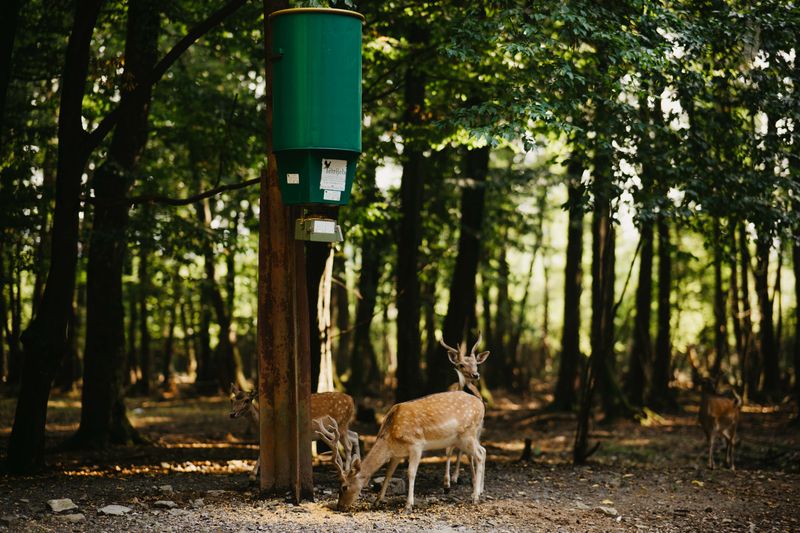
Chronic Wasting Disease, or CWD, was first confirmed in North Carolina deer in 2022. Since then, the rules in certain counties have tightened quite a bit.
CWD is a contagious brain disease in deer, elk, and moose. It has no cure or vaccine, and it spreads through saliva, urine, and feces. Feeding piles bring deer nose to nose, which is the perfect setup for spreading it.
In designated CWD Management and Surveillance Areas, placing bait or food to gather wildlife is prohibited from January 2 through August 31. Minerals and salt licks are banned there all year.
Bird feeders are generally allowed as an exception, as long as they are not meant to attract deer.
Counties tied to these restrictions for the 2026-2027 season include places like Cumberland, Forsyth, and Edgecombe, among others. The list is updated as testing finds new cases, so it can grow.
Personally, I keep a bookmark to the NCWRC CWD page. If your county appears on it, the safest choice is to skip deer feeding altogether. Helping slow this disease matters far more than a few evenings of close-up deer watching.
5. Friendly Deer Can Turn Pushy Around People And Pets
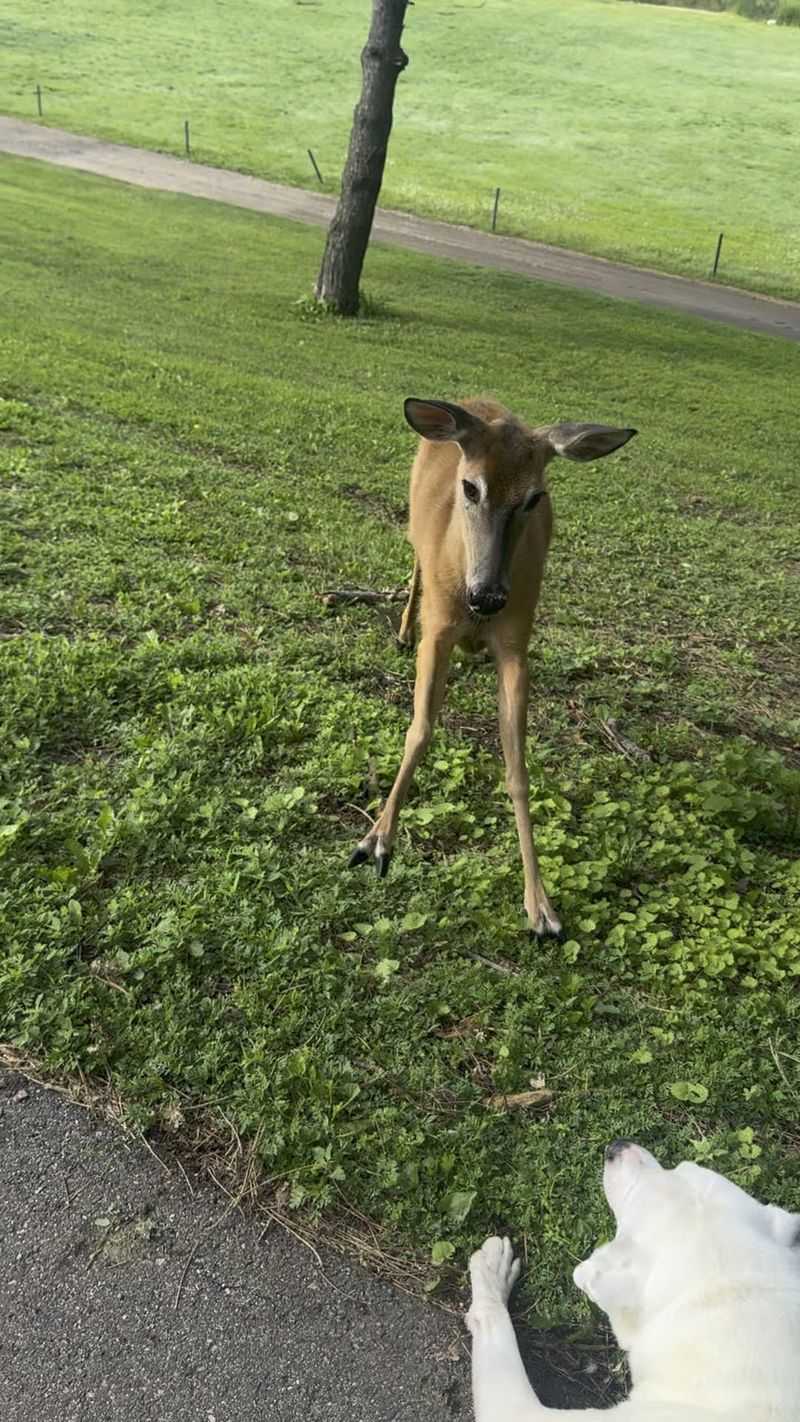
A doe eating from your hand sounds sweet until a buck shows up in November with other ideas. Wild animals that lose their fear of people can become unpredictable fast.
When deer link humans with food, they hang around homes, driveways, and play areas. Bucks in the fall rut get bold and territorial. Does protecting fawns in late spring will stomp at dogs and sometimes at people.
North Carolina has seen cases where habituated deer injured people and pets. In those situations, the deer were often euthanized afterward. That is a heartbreaking outcome that started with good intentions.
Fed deer also cross roads more often to reach your yard. More crossings can mean more collisions, and North Carolina already ranks high nationally for deer-vehicle crashes.
Your neighbors may notice more deer munching their hostas and tulips too. I find it helps to remember that distance is a kindness.
Watching from a window or porch keeps deer wild and keeps your family safe. If a deer is acting aggressive near your home, call the NC Wildlife Helpline at 866-318-2401 for guidance rather than handling it yourself.
6. A Deer Stomach Struggles With Sudden Piles Of Corn
Deer have a four-chambered stomach packed with tiny microbes. Those microbes are tuned to the foods deer eat each season, like twigs, acorns, and leafy plants.
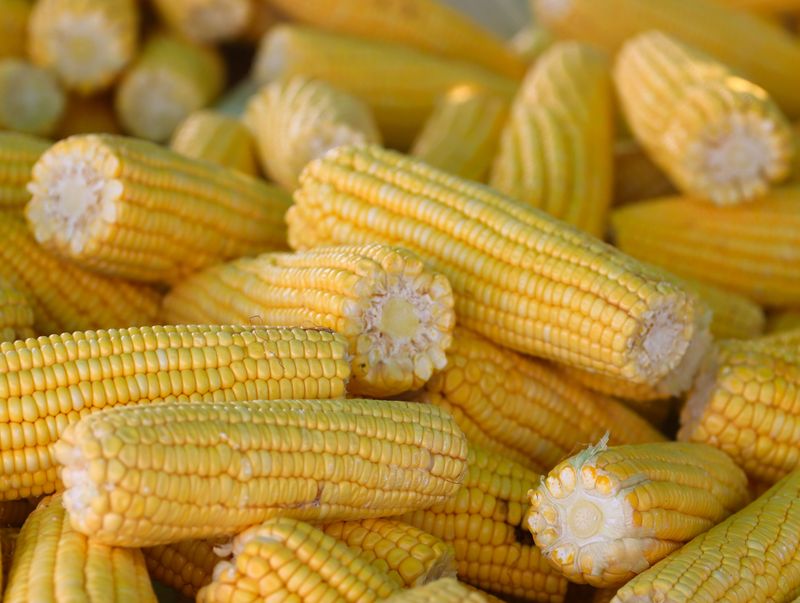
Toss a big pile of corn into that system, and trouble can follow. Corn is high in starch and low in fiber. A sudden switch can cause acidosis, a condition where the stomach turns too acidic, leading to bloating, diarrhea, and dehydration.
Winter makes this worse. Deer shift their gut microbes to handle woody browse in cold months, and they need weeks to adjust to new foods. Well-meaning winter feeding has caused serious illness in deer in several states.
Crowding adds another layer. Deer packed around one feeding spot share saliva and droppings, which helps spread diseases like CWD. Fights at feeders also stress weaker animals.
Wildlife biologists agree that healthy deer handle winter well on their own. Their bodies store fat in fall and slow down to save energy. Stepping back really is the caring choice here, even when a skinny-looking deer tugs at your heart during a cold snap.
7. Illegal Baiting Penalties Can Cost More Than A Feed Bag
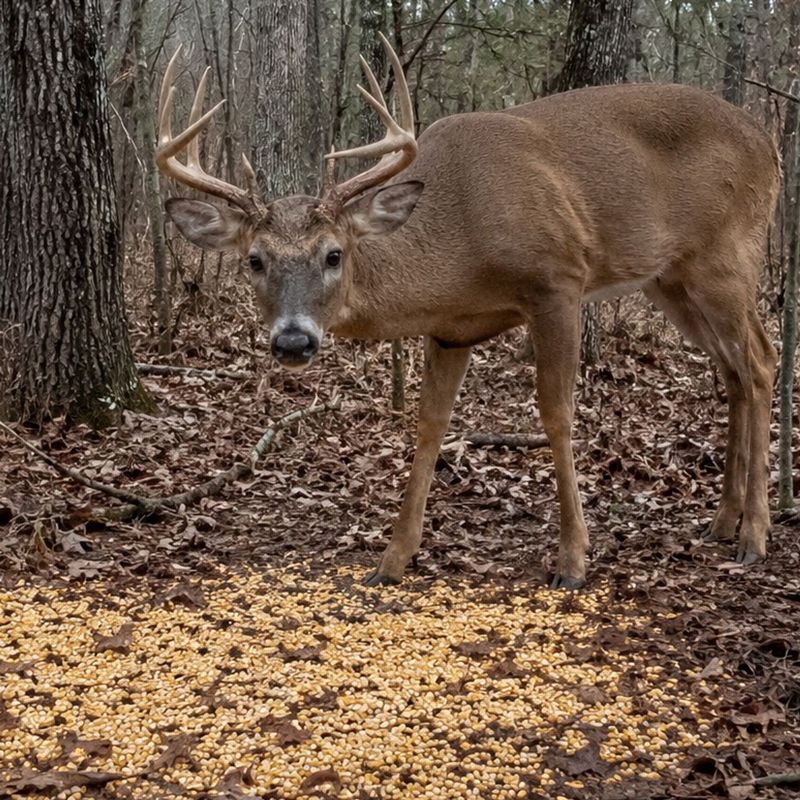
Nobody plans to break wildlife law with a bucket of corn. Still, wildlife officers enforce these rules, and penalties are real.
Violating baiting and feeding regulations in North Carolina is generally treated as a misdemeanor.
Consequences can include fines, court costs, and, for hunters, possible loss of hunting privileges. Repeat or serious cases can bring stiffer punishment under state law.
Hunters face extra risk. Hunting over processed bait in bear areas, or over any bait in restricted CWD zones during closed periods, can lead to charges. Officers often check for bait piles, salt blocks, and mineral licks during patrols.
Homeowners are not off the hook either. A mineral block in a CWD county is a violation even if you only wanted photos for your trail camera. Ignorance of the rule rarely works as a defense.
My tip is to treat the yearly NCWRC Regulations Digest like a seed catalog you actually read. It is free online and lists the current counties and dates.
When in doubt, a quick call to your local wildlife officer or the Commission will settle the question before it becomes costly.
8. Native Oaks And Shrubs Feed Deer The Way Nature Intended
My favorite way to enjoy deer is letting the yard do the work. Native plants offer food and cover without the legal or health worries of a feed pile.
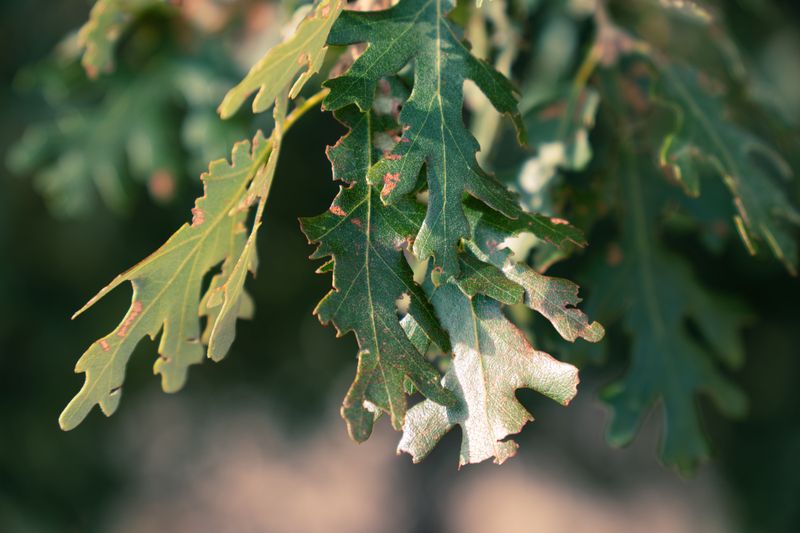
Oaks are the champions here. White oaks and other native oaks drop acorns each fall, a top natural food for deer. American persimmon, wild plums, and native blackberries add fruit to the menu.
For browse, try native shrubs like American beautyberry, arrowwood viburnum, and spicebush.
Their berries and leaves also feed songbirds and pollinators, so you get a lively yard all year. Skip invasive options like autumn olive and Bradford pear, even though deer eat them.
Of course, deer will happily nibble your vegetable garden too. Keep a fence around tomatoes and beans, and place the wildlife-friendly plants near the woods edge instead.
Fall and early winter are great times to plant trees and shrubs across most of the state. Cooler air and steady rain help roots settle in before summer heat.
Check with your county extension office or the NC Native Plant Society for picks suited to your region, and enjoy the show from your porch.