Fertilize These Florida Plants In May For A Lush Summer Garden
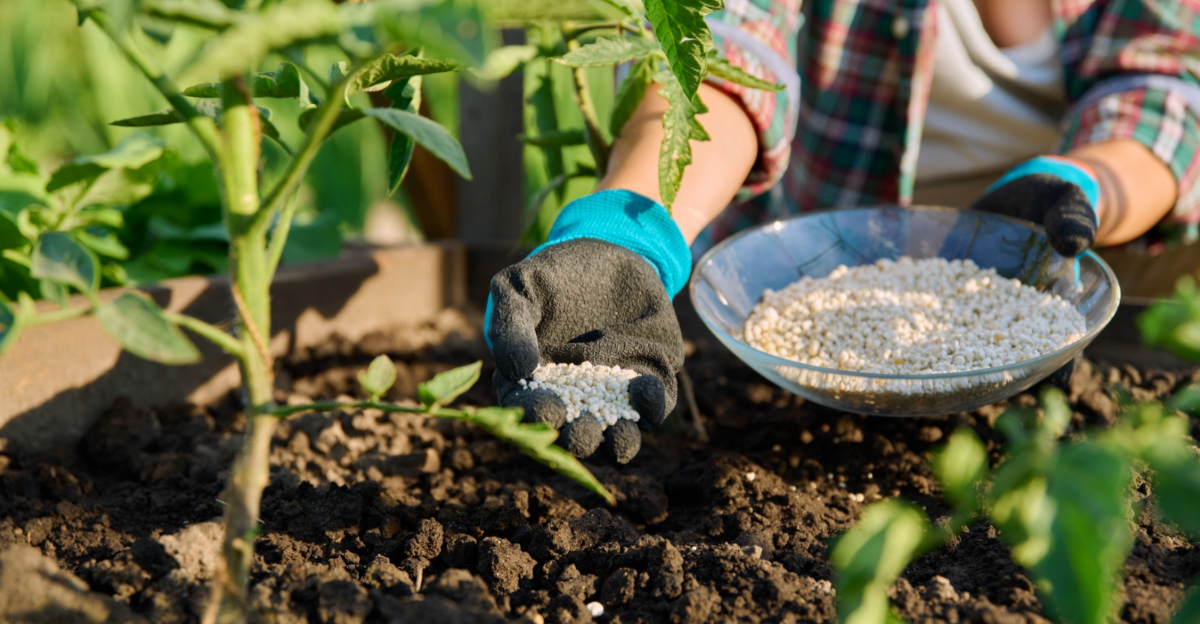
May turns a Florida garden into a full-speed growth party, and every plant seems to show up with an appetite. The sun gets stronger, the soil warms fast, and new leaves start popping out like they got a calendar reminder.
This is a smart month to think about fertilizer, but the trick is not to feed everything the same way.
Lawns, citrus, palms, vegetables, shrubs, roses, and patio containers each have their own needs, and Florida’s sandy soil, summer rain, and local fertilizer rules add a little extra drama.
Fun, right? A careful May feeding can help support stronger summer growth, brighter color, and healthier plants, as long as the fertilizer fits the plant, the label, and the season.
1. Lawn Grasses After Full Spring Green-Up
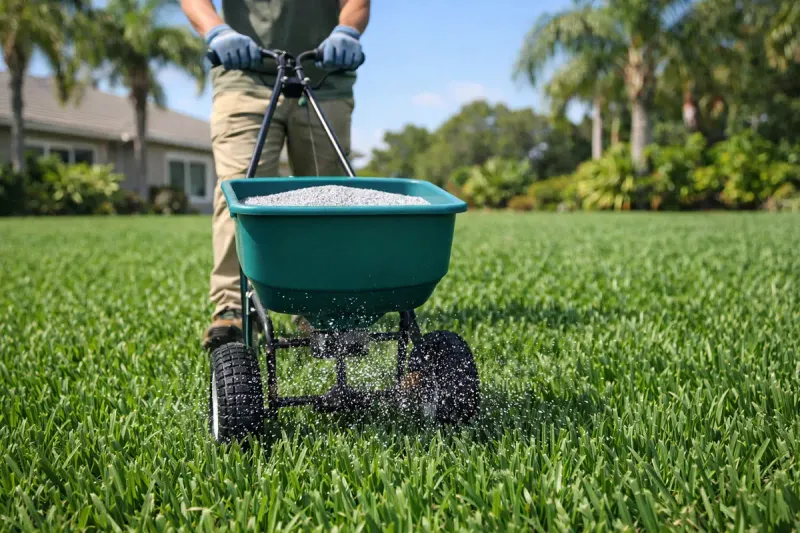
Once your Florida lawn has fully greened up after the cooler months, it may be ready for its first real feeding of the warm season.
St. Augustine, Zoysia, Bahia, and Centipede are the most common warm-season grasses grown across Florida, and each one has slightly different fertilizer needs.
Knowing which grass you have is the first step before reaching for any bag of fertilizer.
In May, warm-season grasses are actively growing, which means they can use nutrients more efficiently than they could in cooler months.
A slow-release nitrogen fertilizer is typically recommended for Florida lawns because it feeds more gradually and reduces the chance of nutrient runoff into local waterways.
Sandy Florida soils drain quickly, which makes slow-release products especially useful.
Before applying anything, check whether your Florida county has a fertilizer blackout period or local ordinance that restricts lawn feeding during certain months. Some counties limit applications ahead of or during the rainy season.
Always follow the product label for rates and timing, and avoid applying fertilizer right before heavy rain is expected to reduce runoff and keep nutrients where your lawn actually needs them.
2. Citrus Trees Following Their Fertilizer Schedule
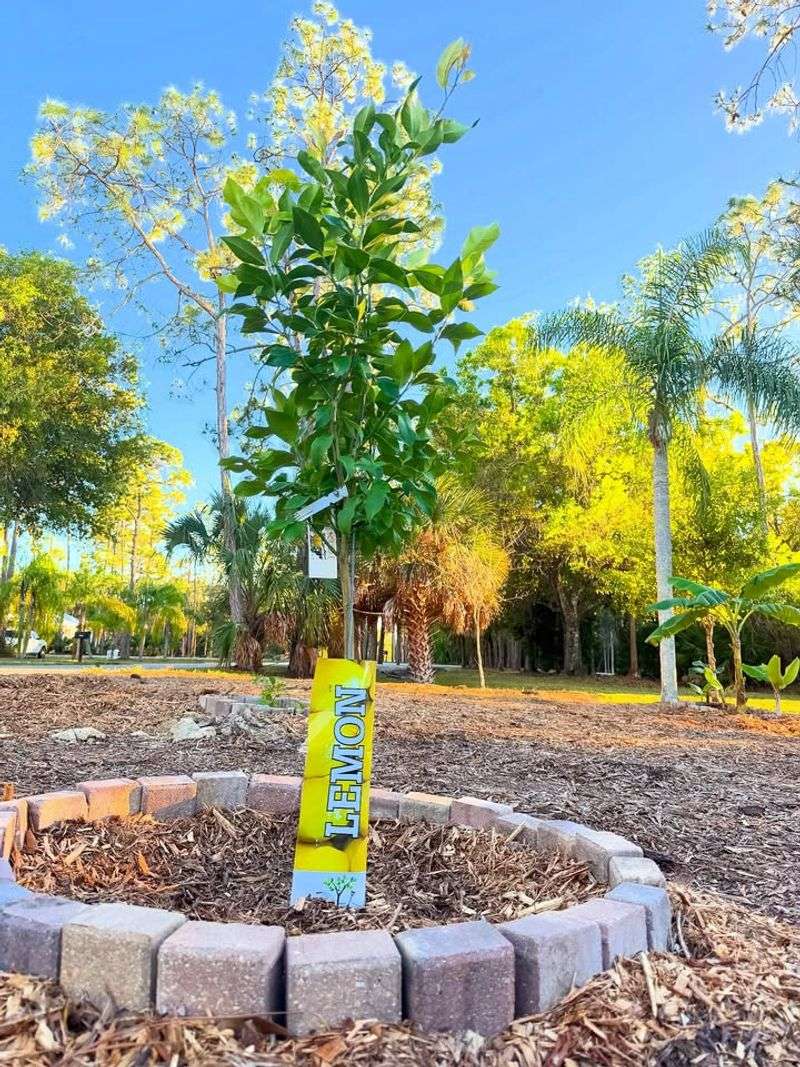
Citrus trees in Florida tend to follow a fairly predictable fertilizer schedule, and May often falls right in line with the second or third feeding of the year depending on the tree’s age and size.
Young trees and mature trees have different needs, so checking the recommended schedule for your specific citrus type is a good habit to build early in the season.
Florida’s warm temperatures and high humidity create conditions where citrus trees grow vigorously in spring and early summer.
Feeding them with a fertilizer formulated specifically for citrus helps supply the nitrogen, phosphorus, potassium, and micronutrients these trees rely on.
Magnesium and iron deficiencies are common in Florida’s sandy, alkaline soils, and a citrus-specific blend can help address those gaps.
Spread fertilizer evenly under the canopy and slightly beyond the drip line, avoiding direct contact with the trunk. Water it in well after applying, especially if rain is not expected soon.
Overfertilizing citrus can lead to excessive leafy growth at the expense of fruit production, so sticking to label rates and your tree’s actual growth stage matters more than guessing.
Your Florida Garden Changes Every Week. Your Plan Should Too.
Gardening in Florida changes quickly throughout the season. Every Friday you’ll receive a simple weekly plan showing exactly what to plant, prune, fertilize, harvest, and protect so you never miss the right timing.
3. Palms With A Palm-Special Fertilizer
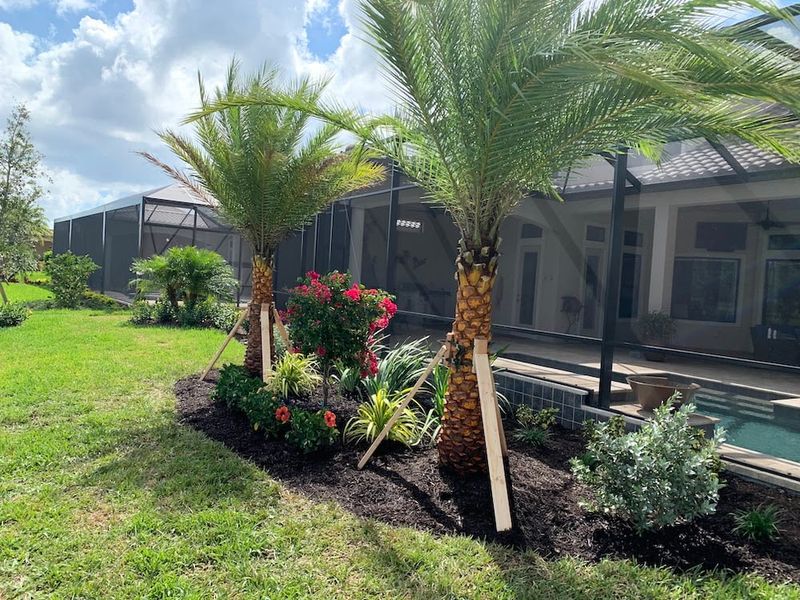
Sandy Florida soil is notorious for lacking the micronutrients that palms need to stay healthy, and May is a good time to give them a boost before the intense summer heat arrives.
Palms have very specific nutritional requirements that set them apart from most other landscape plants.
Using a fertilizer labeled specifically for palms is not just a suggestion, it is genuinely important for keeping them healthy long-term.
A quality palm fertilizer typically contains nitrogen, potassium, magnesium, and manganese in the right ratios for Florida growing conditions.
Potassium deficiency is especially common in Florida palms and shows up as frizzled or discolored fronds.
Applying the wrong type of fertilizer, such as a high-nitrogen lawn product, can actually make nutrient imbalances worse rather than better.
Spread the fertilizer evenly under the canopy and a bit beyond, following label directions for the amount based on the size of your palm.
Slow-release formulas work well because they feed gradually over several months, which suits the steady growth pace of most palms.
Avoid piling fertilizer against the trunk, and water the area after application to help nutrients move into the soil where the roots can reach them.
4. Hibiscus After The Spring Growth Flush
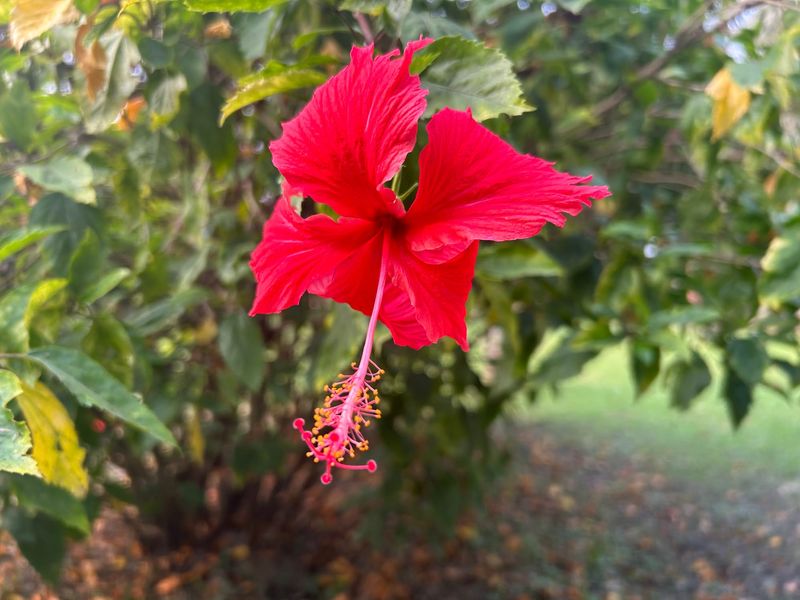
Few plants say “Florida garden” quite like a hibiscus covered in big, colorful blooms. After the spring growth flush, hibiscus plants are often primed and ready to respond well to fertilizing in May.
The key is supporting continued flowering without pushing so much leafy growth that the plant puts its energy into foliage instead of blooms.
Tropical hibiscus, which is the most commonly grown type in Florida landscapes, responds well to a balanced fertilizer that includes micronutrients.
Iron and manganese are especially important in Florida because alkaline or sandy soils can limit how well these nutrients are absorbed.
A fertilizer with chelated micronutrients or one designed for tropical flowering plants can help keep the foliage deep green and the flowers coming through summer.
Feeding hibiscus every four to six weeks during the growing season is a common approach, but the exact timing and rate should follow the specific product you are using.
Avoid overfertilizing with high-phosphorus products, as hibiscus generally does not need heavy phosphorus feeding.
Water the plant thoroughly before and after applying fertilizer, especially during warm May days, to help prevent root sensitivity and support healthy uptake of nutrients.
5. Ixora With Slow-Release Fertilizer And Micronutrients
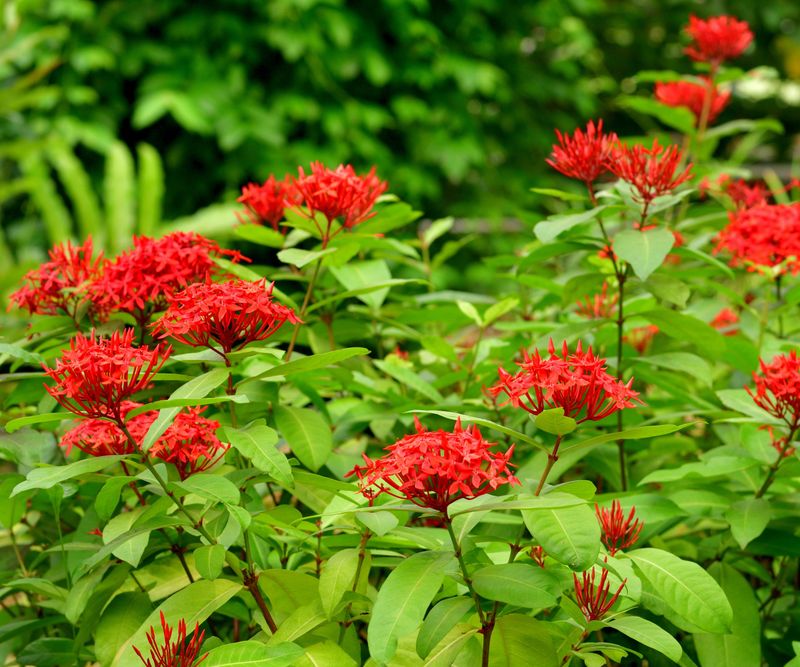
Ixora is one of the most popular flowering shrubs in Florida, and it has a well-known sensitivity to alkaline soils and nutrient deficiencies. The classic sign of trouble is yellowing leaves with green veins, a symptom that points to iron or manganese deficiency.
May is a practical time to address this with the right fertilizer before summer stress sets in.
A slow-release fertilizer formulated for acid-loving plants or specifically for ixora works well in Florida landscapes. These blends are designed to lower the soil pH slightly over time and supply the micronutrients that sandy, high-pH Florida soils tend to lack.
Applying a product that combines slow-release macronutrients with chelated iron and manganese can make a noticeable difference in leaf color and overall plant health.
Spread the fertilizer evenly around the base of the shrub according to label directions, and water it in well afterward.
Ixora planted near concrete foundations or driveways may struggle more with high pH because lime from concrete can leach into the surrounding soil.
If your ixora has persistent yellowing despite fertilizing, a soil test can help identify whether pH adjustment or additional amendments might be needed alongside your regular feeding routine.
6. Bougainvillea With Light Feeding Only If Needed
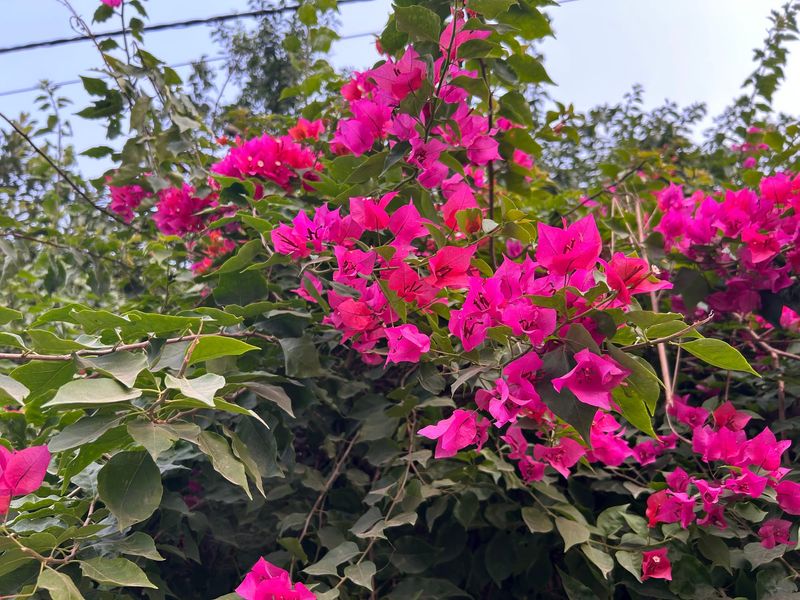
Bougainvillea has a reputation for thriving on a little neglect, and that reputation is well earned. One of the most common mistakes Florida gardeners make with bougainvillea is overfeeding it.
Too much nitrogen encourages lush, leafy growth while actually reducing the vivid floral display that makes this plant so eye-catching in Florida landscapes.
If your bougainvillea is actively growing and blooming well heading into May, it may not need fertilizer at all.
However, if the plant looks pale, growth has slowed noticeably, or it has been a long time since any feeding, a light application of a balanced or low-nitrogen fertilizer can be appropriate.
Look for products with a relatively higher middle and last number on the label, meaning more phosphorus and potassium relative to nitrogen, to encourage blooms over foliage.
Apply fertilizer sparingly and always follow the label rate.
Bougainvillea growing in the ground in Florida’s sandy soil may benefit from an occasional feeding, but container-grown plants may need more frequent attention since nutrients flush out of pots faster.
Avoid fertilizing a stressed or drought-affected plant, and make sure the plant has adequate water before and after any feeding to support healthy nutrient absorption without stressing the roots.
7. Warm-Season Vegetables Still Producing
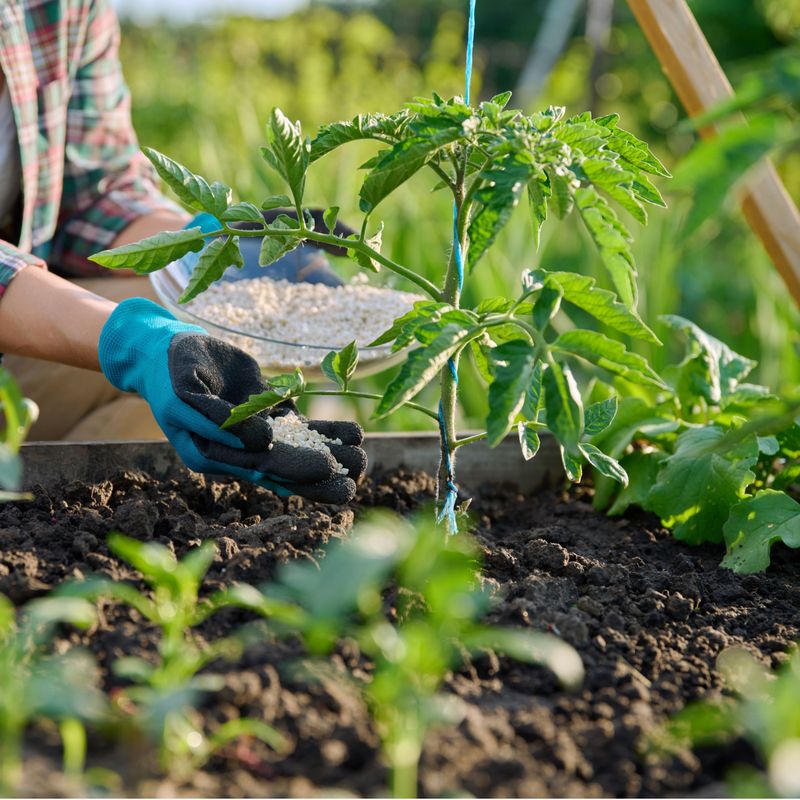
Growing vegetables in Florida during late spring means working with a narrowing window before summer heat makes production difficult for many crops.
If your tomatoes, peppers, squash, or other warm-season vegetables are still actively flowering and producing in May, keeping up with fertilization can help extend that productive stretch a little longer.
Vegetables are heavy feeders, and Florida’s sandy soil does not hold nutrients well, so regular feeding during the growing season is often necessary.
A balanced vegetable fertilizer applied according to label directions can support steady growth and continued fruit production.
Side-dressing with granular fertilizer or using a water-soluble product are both common approaches that work well in home gardens.
As May progresses and temperatures climb, pay attention to signs that your plants are starting to struggle with the heat. Fertilizing a heat-stressed vegetable plant will not fix the underlying problem and could make things worse.
Focus your feeding on plants that are still vigorous and productive, water consistently to help nutrient uptake, and plan to transition to fall vegetables once summer fully takes hold.
Florida’s fall vegetable season is often just as rewarding as spring, so thinking ahead keeps the garden going year-round.
8. Container Plants And Hanging Baskets
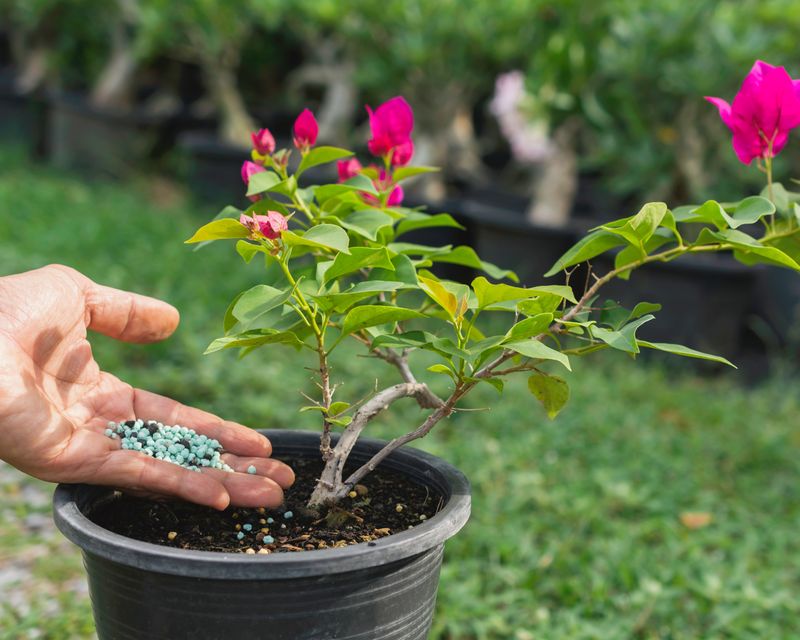
Container plants and hanging baskets have a very different relationship with fertilizer compared to plants growing in the ground.
Every time you water a pot, some nutrients flush out through the drainage holes, which means container plants can run low on nutrients much faster than landscape plants in garden beds.
May in Florida brings warm temperatures and stronger sun that speed up both plant growth and water evaporation, making regular feeding even more relevant.
A water-soluble fertilizer applied every one to two weeks is a common and practical approach for containers and hanging baskets during the active growing season.
Slow-release granular fertilizers mixed into the potting mix at planting or top-dressed later can also provide a steady background level of nutrition.
Many gardeners use a combination of both methods to keep container plants looking their best through the warm months.
Choose a fertilizer appropriate for the type of plants you are growing, since flowering plants, foliage plants, and edible herbs may have slightly different nutritional preferences.
Avoid fertilizing a dry, wilted container plant without watering it first.
A thorough watering before feeding helps the roots absorb nutrients without risk of fertilizer burn, which can be more likely during the warm Florida spring and early summer period.
9. Mango And Avocado Trees Based On Growth Stage
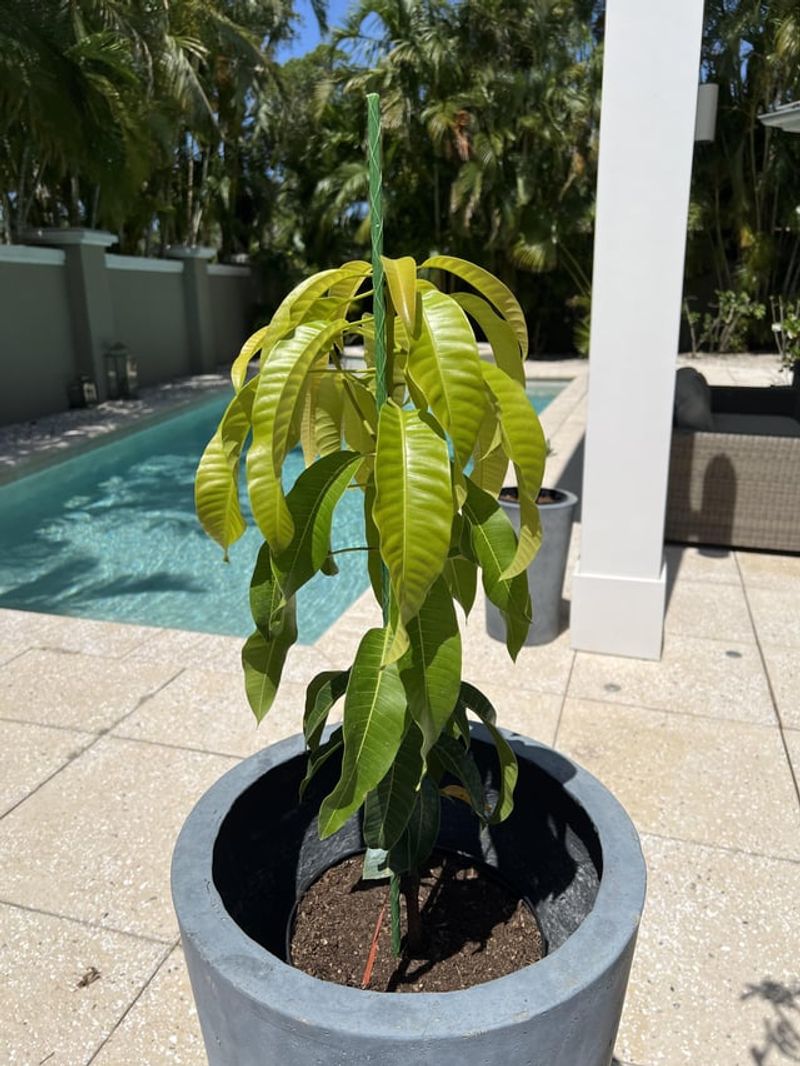
Mango and avocado trees are two of the most beloved tropical fruit trees grown in South and Central Florida, and both have fertilizer needs that are closely tied to their growth stage rather than just the calendar date.
In May, some trees may be finishing up a flowering cycle while others are pushing out a new flush of leaves, and the right feeding approach depends on what stage your specific tree is in.
For mango trees, fertilizing after fruit set or during a vegetative flush is generally more appropriate than feeding during active flowering. Avocado trees also benefit from feeding during active growth flushes.
A fertilizer formulated for tropical fruit trees works well for both, supplying the nitrogen, potassium, and micronutrients these trees need in Florida’s sandy, low-nutrient soils.
Young trees need more frequent feeding than mature, established trees. Spread fertilizer evenly under the canopy out to and slightly beyond the drip line, and water it in well.
Avoid heavy nitrogen applications right before or during fruit development, as this can affect fruit quality.
Checking local University of Florida extension recommendations for your specific county and tree age is a practical way to fine-tune your fertilizing approach for the best results.
10. Ornamental Shrubs Showing Active Spring Growth
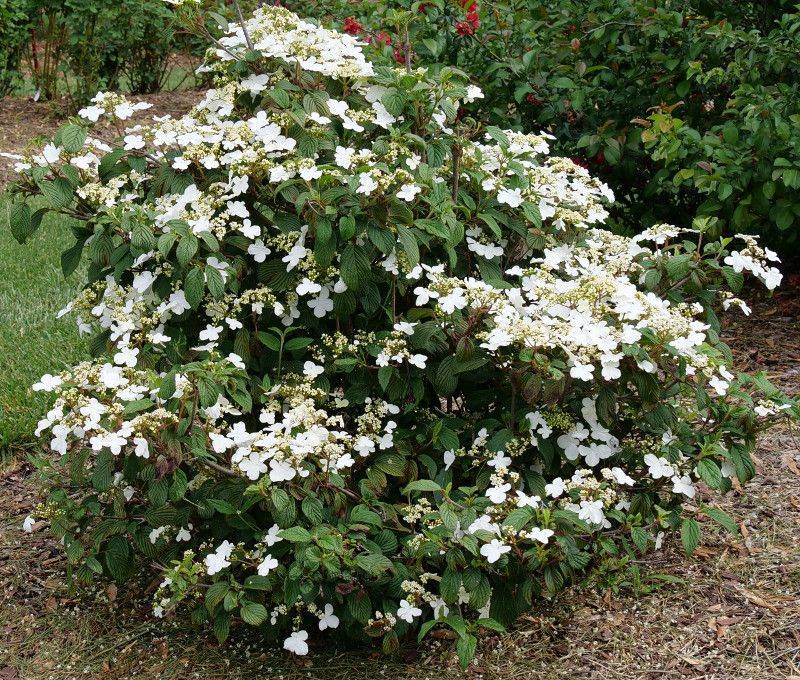
Walking through a Florida yard in May and spotting fresh, bright green tips pushing out from your ornamental shrubs is a good signal that the plants are in an active growth phase.
When shrubs are actively growing, they are generally better positioned to take up and use fertilizer than when they are dormant or stressed.
That makes May a reasonable window for feeding many common Florida landscape shrubs.
Shrubs like viburnum, ligustrum, podocarpus, and Indian hawthorn are widely used in Florida landscapes and can benefit from a slow-release fertilizer application in spring.
A balanced granular product applied around the drip line and watered in well is a straightforward approach.
Avoid piling fertilizer directly against the stems or trunk, and follow the label rate based on the size and spread of the shrub.
Not every ornamental shrub needs the same fertilizer, so paying attention to how your plants look is more useful than following a rigid schedule. Pale foliage, slow growth, or reduced flowering can suggest the plant would benefit from feeding.
However, some shrubs in established Florida landscapes with good organic matter in the soil may need less supplemental fertilizer than newer plantings in poor sandy soil.
Observing your plants closely helps you make smarter decisions.
11. Roses On Their Monthly Feeding Schedule
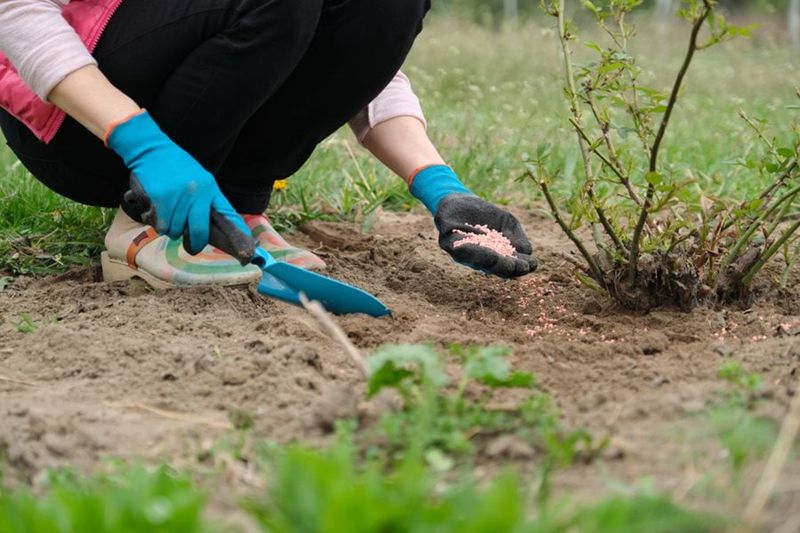
Roses grown in Florida have a reputation for being demanding, but gardeners who stay consistent with feeding and care are often rewarded with flushes of blooms through much of the year.
May falls right in the middle of the warm-season growing window, and roses that are actively putting out new growth and buds can benefit from a scheduled feeding at this time.
A fertilizer formulated for roses typically contains a good balance of nitrogen for leafy growth, phosphorus for root and bloom development, and potassium for overall plant strength.
Many Florida rose growers feed their plants on a monthly schedule during the growing season, adjusting slightly based on how the plants look and how much rainfall has occurred.
Heavy rain can leach nutrients from sandy Florida soil more quickly than in other parts of the country.
Apply rose fertilizer according to the product label, and water the plant well before and after feeding.
Avoid fertilizing roses that are showing signs of stress from drought, pest pressure, or disease, as feeding a struggling plant will not address the root cause of the problem.
Keeping roses mulched helps retain soil moisture, moderate soil temperature, and reduce the frequency of watering needed during warm Florida spring and summer months.