Why You Should Plant Peppermint Near Your Entryway In Georgia
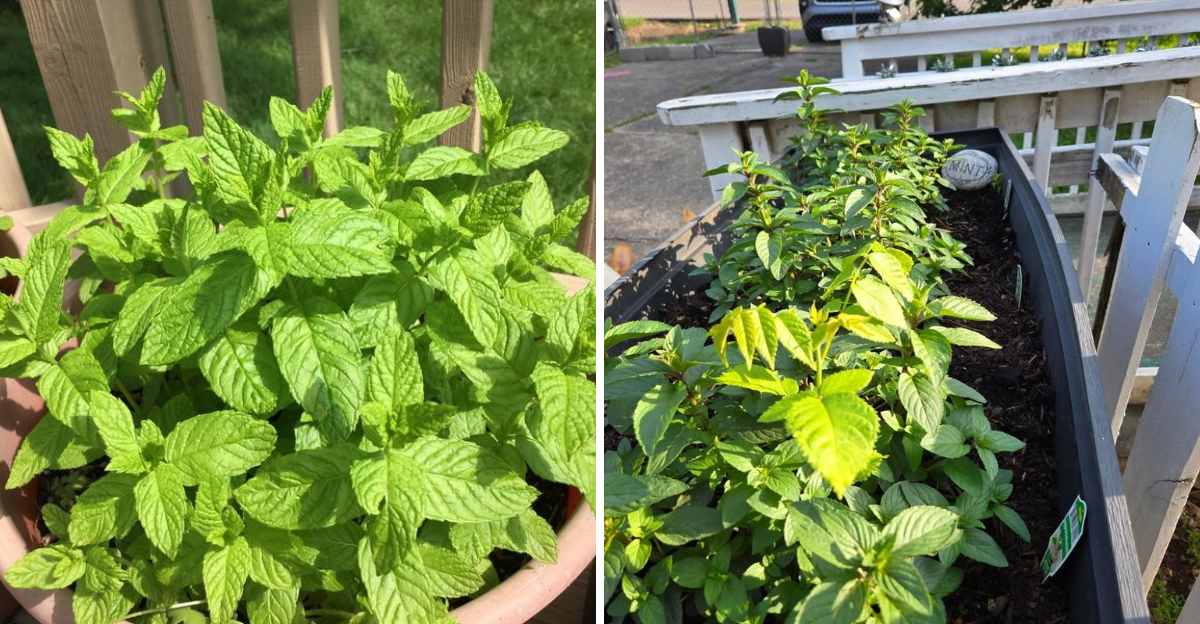
Entryways in Georgia often deal with heat, humidity, and constant foot traffic, which can make the area feel dull or overlooked. Choosing the right plant for that spot can shift how it looks and even how it feels day to day.
Some options struggle near doors, while others settle in and stay consistent with very little effort. Peppermint tends to stand out in this kind of location.
Growth stays active, and the plant fills in quickly without needing much attention. Placement near an entryway can change the overall feel of the space in a subtle but noticeable way.
Small details around the entrance shape first impressions more than expected.
Adding the right plant in that area can make it feel more complete and easier to maintain through Georgia’s changing conditions.
1. Releases A Strong Fresh Scent Near Entryways
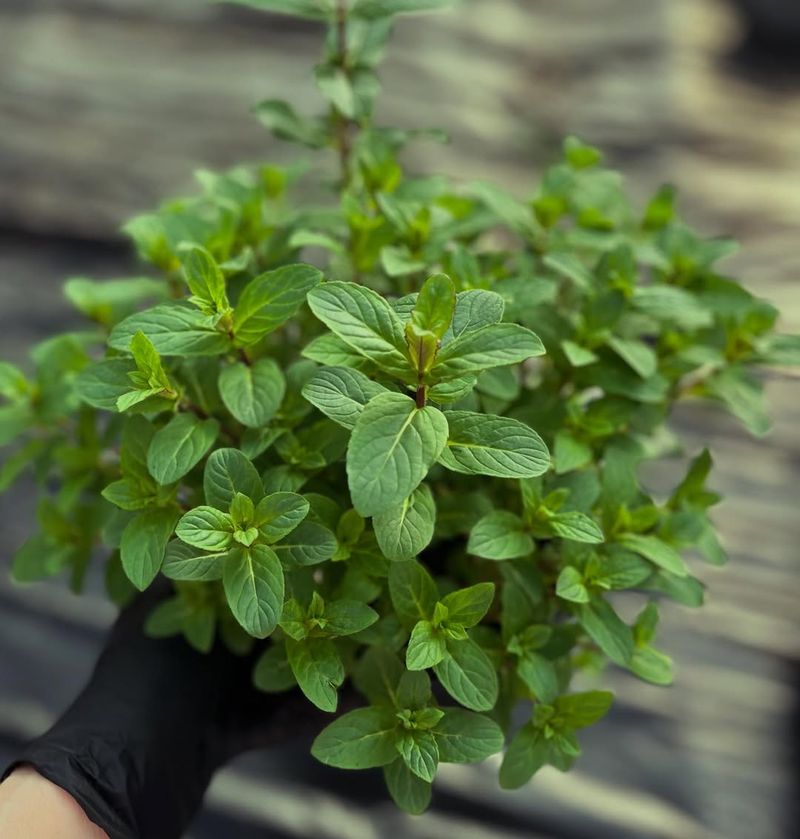
Few things make a first impression quite like a front door that smells incredible. Every time someone brushes past a peppermint plant near your Georgia entryway, those leaves release a burst of cool, clean fragrance that instantly freshens the air around your home.
Unlike synthetic air fresheners or candles, this scent is completely natural and costs you almost nothing once the plant is established.
Peppermint contains a compound called menthol, which is responsible for that sharp, refreshing smell most people associate with candy canes or fresh toothpaste.
When the Georgia heat warms the leaves throughout the day, the scent becomes even more noticeable and pleasant.
Guests stepping up to your door will notice something different about your home before they even ring the bell.
Planting peppermint near your entryway also means you get to enjoy that scent every single day. Morning coffee on the porch hits differently when fresh mint is growing just a few feet away.
2. Helps Deter Some Insects Around Doors
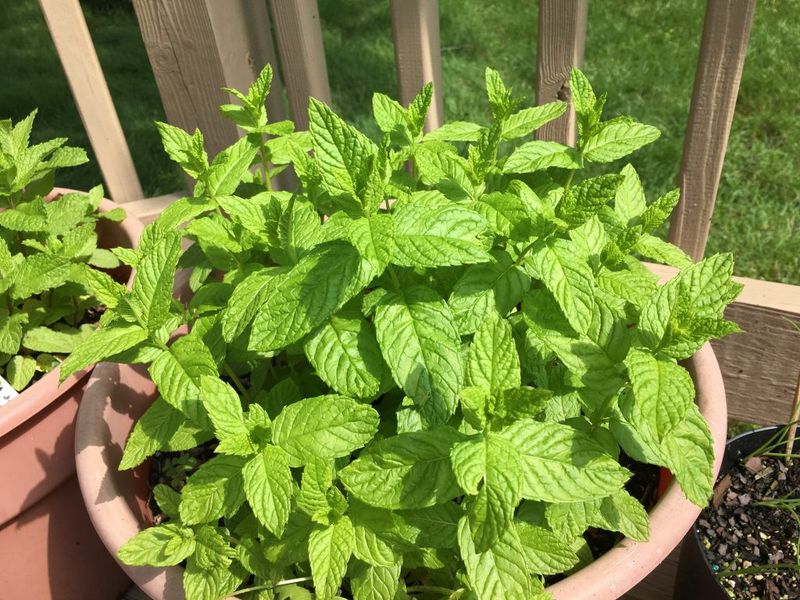
Georgia is beautiful, but nobody can deny that the insects here are relentless. Mosquitoes, gnats, ants, and even spiders tend to gather near doorways, especially during the warm and humid months that stretch from spring all the way through fall.
Peppermint has a well-known reputation for making many of these bugs uncomfortable, and planting it near your front door puts that natural repellent effect right where you need it most.
The strong menthol oils in peppermint leaves are overwhelming to many insects. Ants, in particular, tend to avoid areas where peppermint is present because the scent disrupts their ability to follow chemical trails.
Mosquitoes and gnats also tend to steer clear of heavily menthol-scented zones, which makes your Georgia entryway a slightly less appealing landing spot for them.
Now, peppermint is not a foolproof bug barrier, and it would not replace other pest control strategies entirely. However, as a natural and low-effort layer of protection, it works surprisingly well.
You can even crush a few leaves and rub them on your arms before sitting outside for added effect.
3. Grows Well In Containers By Entryways
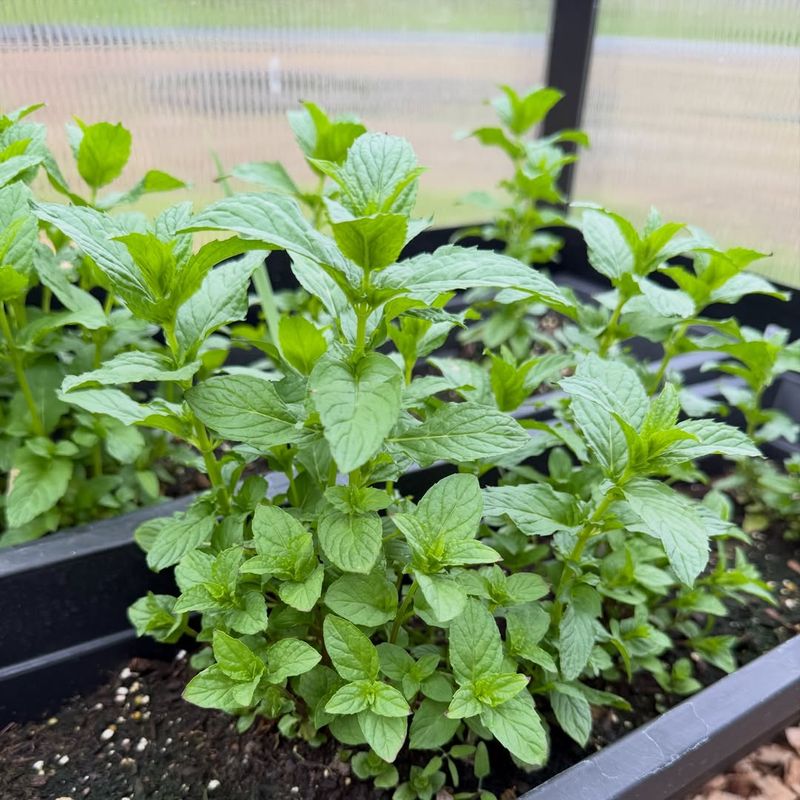
One of the smartest things about peppermint is how happily it grows in containers, which makes it a perfect fit for Georgia entryways where ground space can be limited.
Your Georgia Garden Changes Every Week. Your Plan Should Too.
Gardening in Georgia changes quickly throughout the season. Every Friday you’ll receive a simple weekly plan showing exactly what to plant, prune, fertilize, harvest, and protect so you never miss the right timing.
Whether your front door opens onto a concrete porch, a narrow brick stoop, or a wide wraparound veranda, a pot or planter filled with peppermint fits right in without any fuss.
You get all the benefits of the plant without needing a dedicated garden bed.
Growing peppermint in containers also gives you complete control over where it lives.
You can move it into more shade during the hottest Georgia afternoons, bring it indoors during the rare cold snap in winter, or reposition it whenever you want to refresh your entryway look.
Clay pots, wooden planters, and even simple plastic containers all work well as long as they have proper drainage holes at the bottom.
Container-grown peppermint does need consistent watering, especially during Georgia summers when heat can dry out soil quickly. Checking the soil every day or two and watering when the top inch feels dry keeps the plant healthy and productive.
Using a good quality potting mix with some compost mixed in gives the roots plenty of nutrition to work with.
4. Frequent Harvest Keeps Growth Compact And Full
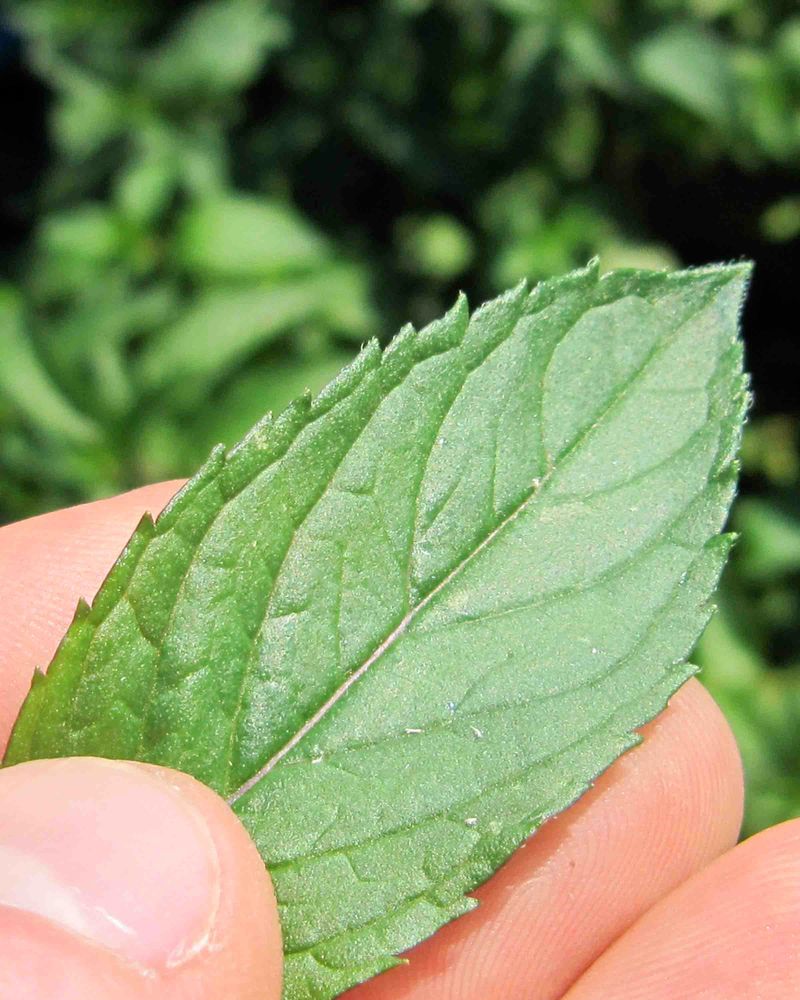
Here is something that surprises a lot of first-time herb growers: the more you harvest peppermint, the better it looks. Regularly snipping stems and picking leaves actually encourages the plant to branch out and grow fuller rather than tall and leggy.
For anyone who wants a neat, attractive display near their Georgia entryway, frequent harvesting is one of the best maintenance habits you can build.
When you cut peppermint just above a leaf node, two new shoots typically grow back in its place. Over time, this creates a dense, bushy plant that fills a container or garden bed beautifully.
Left completely alone, peppermint tends to stretch upward and eventually flop over, which is far less attractive near a front door. A quick harvest every week or so keeps everything compact, tidy, and visually appealing throughout Georgia’s long growing season.
The harvested leaves never go to waste, either. Fresh peppermint from your own Georgia entryway garden can go straight into iced tea, lemonade, fruit salads, or homemade desserts.
You can dry the leaves and use them for tea throughout the year, or simply crush a few and place them in a small bowl indoors for a natural air freshener.
5. Leaves Are Easy To Pick For Daily Use
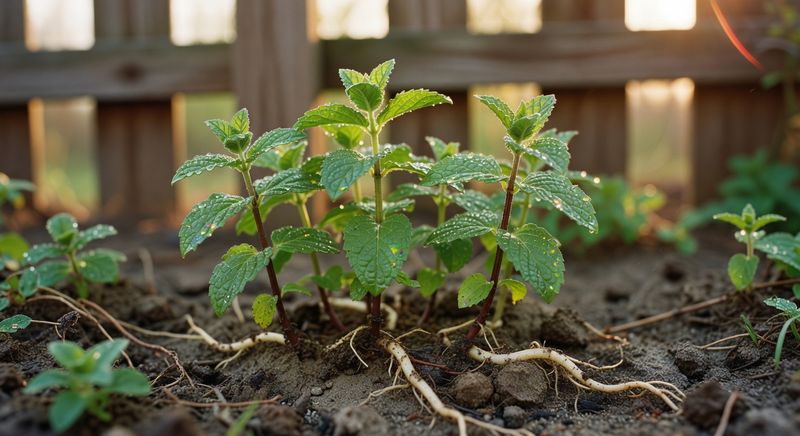
Peppermint might be one of the most user-friendly herbs you will ever grow, especially when it comes to everyday picking.
Unlike some herbs that require careful cutting techniques or special tools, peppermint leaves can be pinched off with your fingers in seconds.
Stepping out your Georgia front door and grabbing a handful of fresh mint for your morning drink takes about as much effort as tying your shoes.
Fresh peppermint leaves have dozens of practical uses that fit naturally into daily life. Drop a few into a glass of water or sweet tea for an instant refresh on a hot Georgia afternoon.
Muddle some leaves into lemonade, blend them into smoothies, or lay a few sprigs on a dessert plate for a simple and elegant garnish.
The plant produces so many leaves throughout the growing season that you will rarely run out, and picking often only encourages more growth.
Beyond drinks and food, fresh peppermint leaves can be used in small DIY projects around the home. Rubbing a leaf on a minor bug bite can provide a cooling sensation that eases discomfort.
Placing a few leaves in your car or near windowsills can help freshen up indoor spaces naturally.
6. Spreads Quickly When Planted In Ground
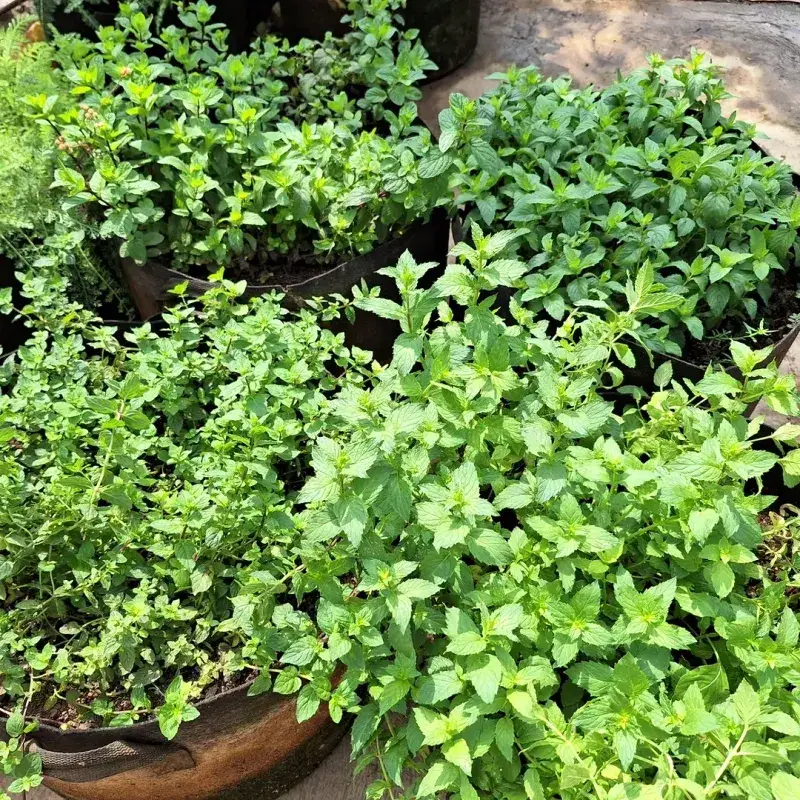
Peppermint has a reputation in the gardening world for being enthusiastic, and that is putting it politely.
When planted directly in the ground near a Georgia entryway, it spreads through underground runners called rhizomes and can cover a surprising amount of ground in a single growing season.
For some gardeners, this is exactly what they want, a low-maintenance ground cover that fills in gaps and looks lush without much effort.
Georgia’s warm climate and humid conditions are genuinely favorable for peppermint growth, which means the plant can spread faster here than it might in cooler states.
If you plant it along the edges of your entryway walkway without any barriers, expect it to gradually creep into neighboring areas over time.
Some homeowners love this effect because it creates a fragrant, green border that practically takes care of itself once established.
For those who want to enjoy in-ground peppermint without letting it take over nearby flower beds or lawn areas, using root barriers is a smart move. Burying a plastic or rubber edging barrier around the planting area keeps the rhizomes contained while still allowing the plant to fill in the intended space.
7. Handles Partial Shade Near Entryways Well
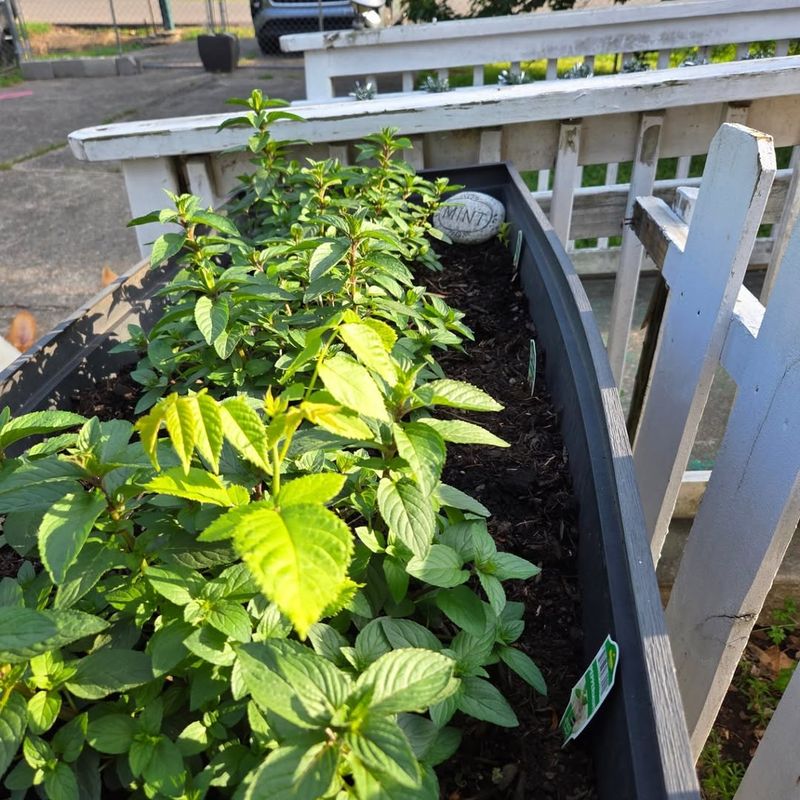
Most Georgia entryways are not bathed in full sun all day long, and that is actually great news for peppermint. Unlike many herbs that sulk in anything less than six to eight hours of direct sunlight, peppermint handles partial shade remarkably well.
Covered porches, overhanging eaves, or entryways flanked by large trees are all perfectly suitable environments for this adaptable plant.
Peppermint generally prefers around four to six hours of sunlight per day, making it one of the more flexible herb choices for shaded or semi-shaded Georgia entryways.
In spots that receive morning sun and afternoon shade, peppermint tends to produce lush, deep green leaves with strong fragrance.
Afternoon shade is especially beneficial during Georgia’s intense summer heat, as it prevents the soil from drying out too quickly and reduces stress on the plant overall.
Gardeners in Georgia who have struggled to find plants that thrive in partially shaded entryway spots often discover that peppermint is exactly what they have been missing.
It does not demand perfect conditions or a prime sunny location to perform well.
Even in spots where other herbs have struggled, peppermint tends to settle in, spread out, and produce generous amounts of fragrant foliage.