First Frost Is Close In The Shenandoah Valley, And These Steps Can’t Wait
Crisp mornings are creeping in, and your garden can feel it before you can. In the Shenandoah Valley, the first frost often arrives in October, sometimes with little warning.
One clear, still night can turn glossy basil black and leave tomato vines limp by breakfast. Cold air also settles in low spots first, so some corners of your yard freeze before others.
A few smart moves now can save your harvest, your favorite plants, and even your plumbing. Some jobs take five minutes, while others need a free afternoon and a shovel.
The steps below show how to get ready before the thermometer starts sliding. Finish them this week, and the first cold snap will find your garden prepared.
1. Harvesting Tomatoes, Peppers, And Basil Ahead Of The Cold
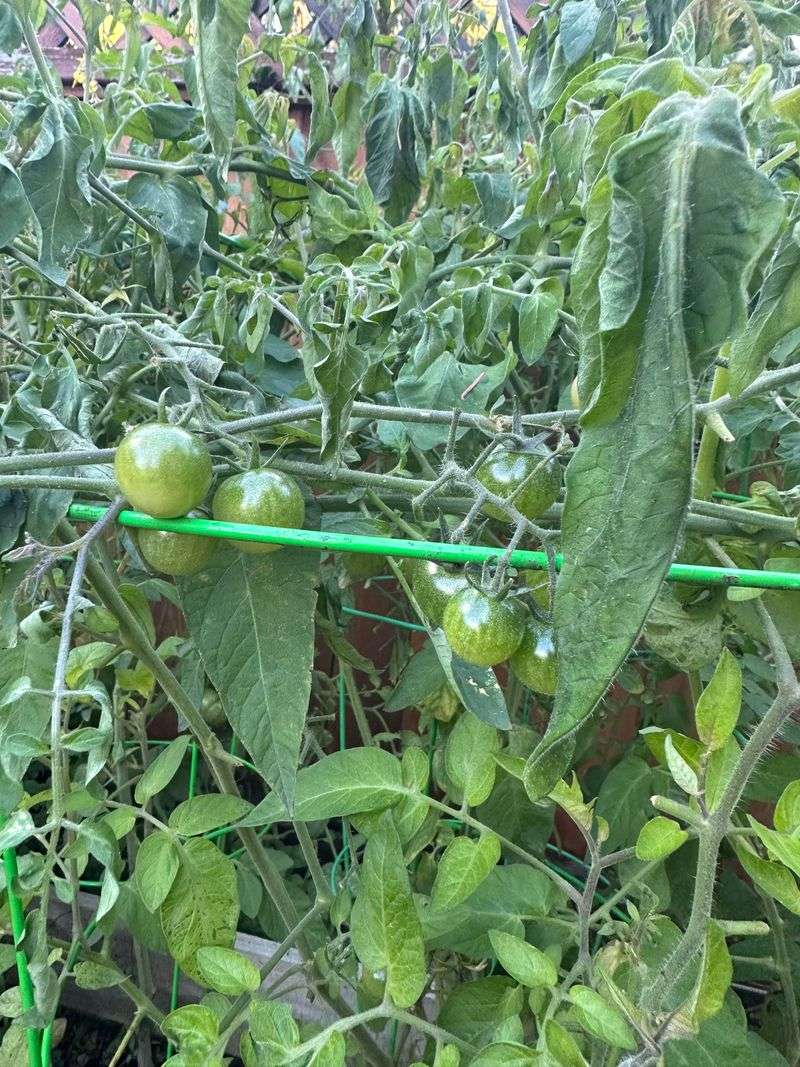
Picture a cold morning with tomato vines hanging limp and soggy. A single frost can ruin weeks of patient growing overnight.
Tomatoes turn soft and watery once temperatures slip near 32 to 34 degrees. Pick every remaining fruit the day before frost is forecast.
Green tomatoes can still ripen indoors if they look glossy and full sized. Aim for fruit at least three quarters of its mature size.
Blushing tomatoes will keep coloring up on your kitchen counter. Their flavor may be a bit less sweet than vine-ripened ones, though.
Peppers are just as touchy about cold weather. Even a light frost can badly damage the whole plant.
Harvest every pepper before the first freeze, no matter its color. Small, unripe peppers are fine to eat in stir-fries or salsa.
Partly ripe peppers will keep changing color after picking. Leave them in a bowl at room temperature and check them daily.
Basil is the real drama queen of the garden. Temperatures under 50 degrees can blacken leaves, and 45 degrees spells real trouble.
Cut the whole basil plant before the first frost arrives. Gardeners near Harrisonburg often lose basil first, sometimes by early October.
Freezing basil keeps that summer flavor alive for months. Blend leaves with olive oil and pour the mix into ice cube trays.
Each cube adds a fresh pop to winter soups. Label the bag so you remember what that green cube is.
2. Covering Tender Plants With Frost Cloth
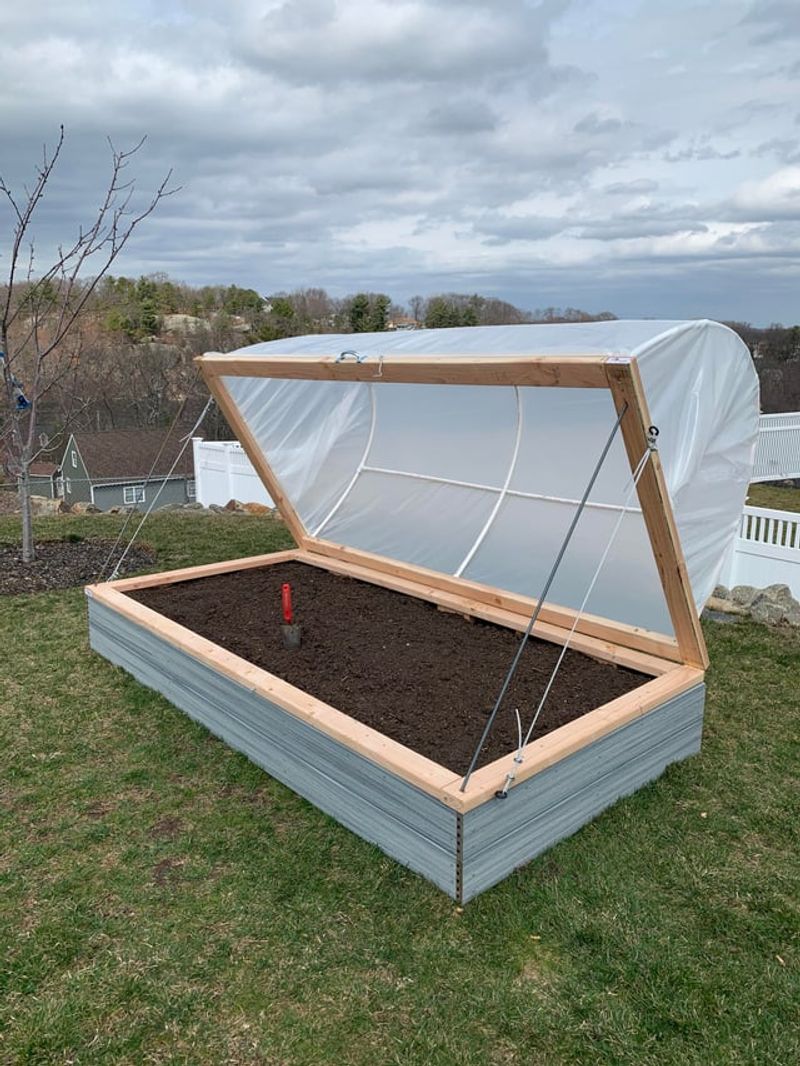
Think of frost cloth as a cozy blanket for your garden. A thin layer can keep plants several degrees warmer on chilly nights.
Ground heat rises after sunset and escapes into the clear sky. Fabric covers trap some of that warmth close to leaves.
Lightweight row cover usually protects plants down to about 28 to 30 degrees. Heavier fabric offers more protection but lets in less light.
Drape the cloth over plants before the sun goes down. Waiting until late evening means much of the day’s stored heat is gone.
Let the fabric reach all the way to the ground. Gaps along the edges let cold air sneak right underneath.
Bricks, rocks, or landscape pins hold the edges in place. Valley winds can tug loose covers off within an hour.
Plastic sheeting seems handy, but it can harm leaves it touches. Cold passes through plastic quickly, so use it only over a frame.
Your Virginia Garden Changes Every Week. Your Plan Should Too.
Gardening in Virginia changes quickly throughout the season. Every Friday you’ll receive a simple weekly plan showing exactly what to plant, prune, fertilize, harvest, and protect so you never miss the right timing.
Old bedsheets and lightweight blankets work in a pinch. Avoid heavy quilts that can crush stems once they soak up dew.
Simple wire hoops keep fabric from resting on tender growth. Bent tomato cages or PVC pipe make easy supports.
Remove covers once morning temperatures climb above freezing. Leaving them on through a sunny day can overheat plants underneath.
Fold the cloth loosely and keep it near the back door. Quick access makes those surprise frost warnings much less stressful.
3. Bringing Houseplants And Tropicals Indoors
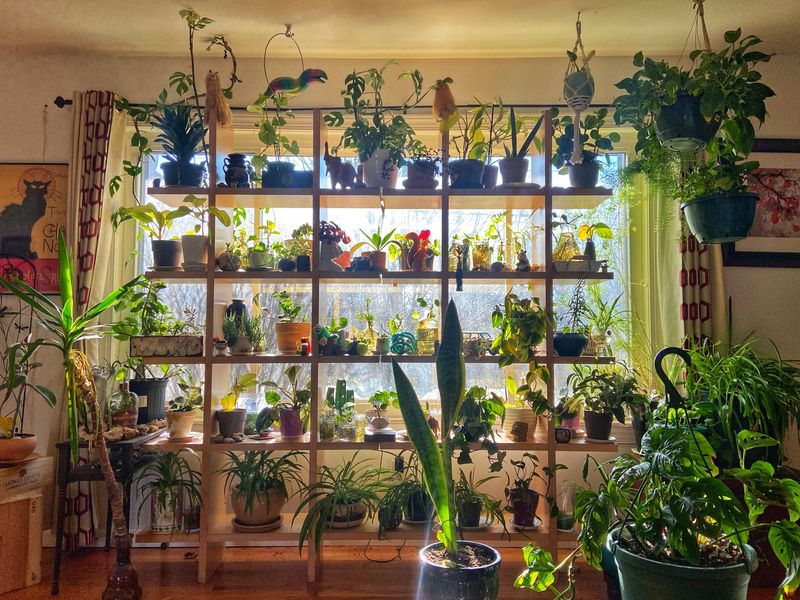
Your hibiscus spent all summer soaking up sunshine on the porch. Now it needs a ride inside before chilly nights hit.
Many tropical plants struggle once temperatures dip below 50 degrees. Damage can start well before an actual frost arrives.
Move plants indoors when nighttime lows begin sliding into the low fifties. In the Shenandoah Valley, that often happens in late September.
Check every pot for hitchhikers before it crosses the doorway. Aphids, spider mites, and tiny slugs love hiding under leaves.
Rinse foliage with a gentle spray from the hose. A light coat of insecticidal soap handles stubborn pests.
Lift each pot and peek at the drainage holes too. Ants and earwigs sometimes set up camp in the soil.
Sudden moves from bright sun to dim rooms can cause leaf drop. Gradual shifts into shade for a week help plants adjust.
Choose the sunniest window you have for light-loving plants. South and west windows usually give the strongest winter light.
Keep plants away from heating vents and cold drafty doors. Rapid temperature swings stress leaves and cause yellowing.
Indoor plants drink less water during darker winter months. Let the top inch of soil dry before watering again.
Skip fertilizer until spring growth begins. Resting plants simply cannot use extra food right now.
4. Watering Beds Before A Cold Night
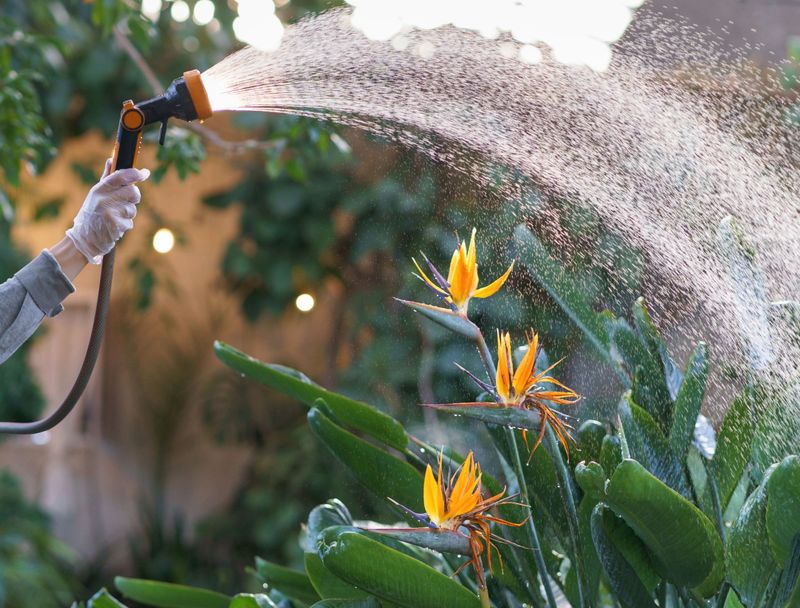
Here is a trick that sounds backward at first. Watering your garden before a cold night can actually help protect it.
Moist soil holds heat much better than dry soil does. All day, damp ground soaks up warmth from the autumn sun.
After dark, that stored heat slowly rises around your plants. The extra warmth can make a real difference on borderline nights.
Water deeply in the morning or early afternoon. Soil needs several hours of sunshine to warm up after a good soaking.
Avoid splashing leaves late in the evening. Wet foliage can freeze faster when temperatures drop below 32 degrees.
Aim the hose at the base of each plant instead. Soaker hoses and watering wands make this job easy and tidy.
Fall in the Shenandoah Valley can bring dry spells between rainstorms. Thirsty plants handle cold stress poorly, so keep moisture steady.
Evergreen shrubs benefit from this habit too. Boxwoods and hollies lose moisture through leaves all winter long.
A well-watered root zone helps them resist winter browning. Keep watering shrubs every week or so until the ground freezes.
Mulch adds another layer of help. Two or three inches of shredded leaves keep soil moisture and warmth locked in.
Fun fact: farmers have used this water trick for generations. Some orchard growers even run sprinklers to shield blossoms from frost.
5. Moving Containers Close To The House
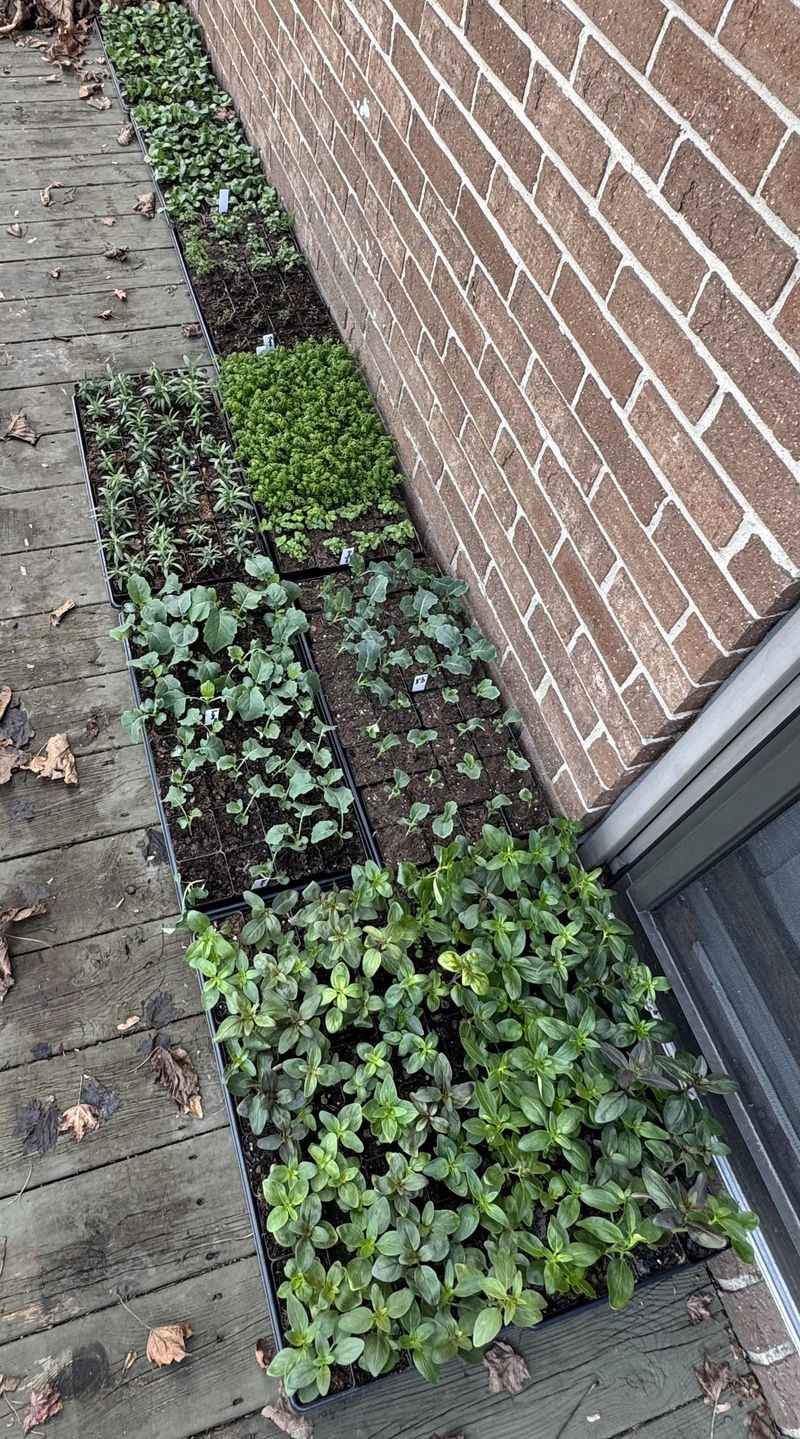
Brick walls are secret heaters on chilly autumn nights. They store sunshine all day and release that warmth after dark.
Potted plants feel cold faster than plants growing in the ground. Their roots sit in a small pot surrounded by chilly air.
Sliding containers against a sunny wall can buy several extra degrees. South-facing walls usually stay warmest through the night.
Porch roofs and deep overhangs add even more protection. They block the open sky, where most nighttime heat escapes.
Group pots together like penguins in a huddle. Clustered containers shelter one another and hold warmth better.
Place the most tender plants in the center of the group. Tougher plants like mums and pansies can guard the outer edge.
Heavy pots can strain your back quickly. A plant dolly or hand truck makes moving big containers much easier.
Wrapping pots in burlap or bubble wrap helps protect roots. Roots are often more sensitive to cold than the leaves above.
Clay and ceramic pots can crack when wet soil freezes. Move those inside the garage once hard freezes settle in.
Neighbors around Staunton often line porches with pots each October. The habit stretches the season for herbs and flowers by weeks.
Keep a close eye on watering even near the house. Overhangs block rain, so sheltered pots can dry out surprisingly fast.
6. Digging Caladiums Before The Soil Chills
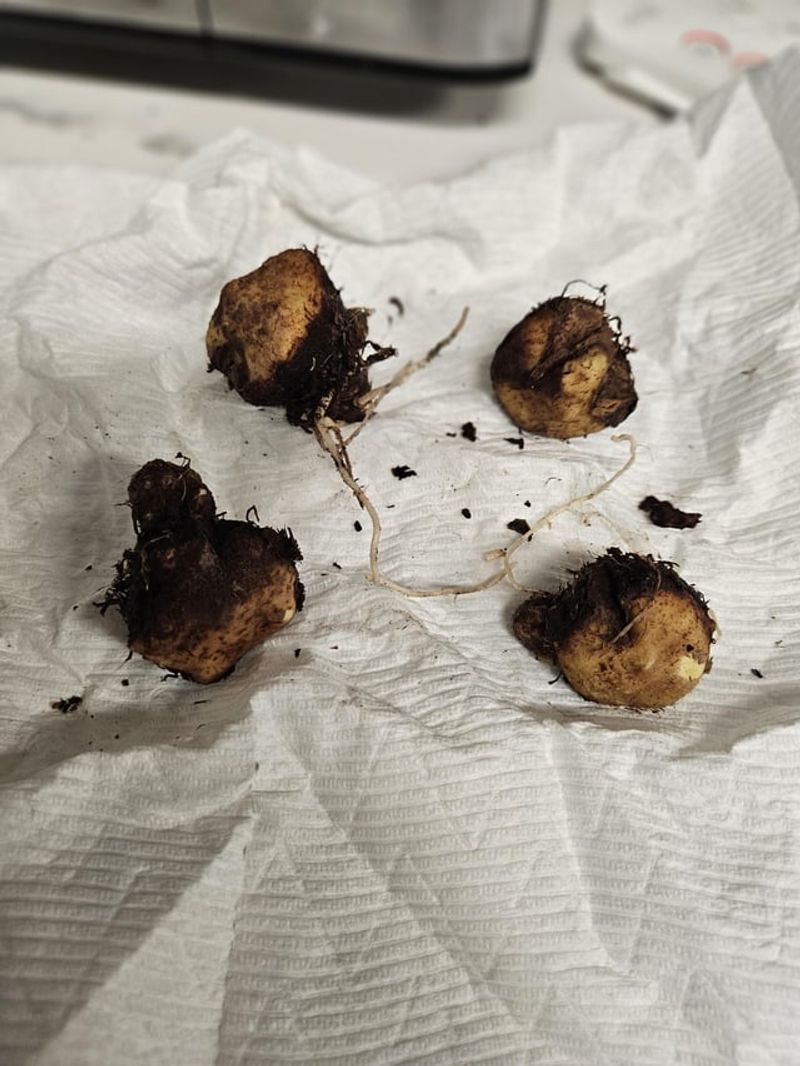
Those painted caladium leaves brightened shady corners all summer. Now their tubers need rescuing before the ground gets cold.
Caladiums come from tropical South America and hate chilly soil. Tubers can rot once soil temperatures drop below about 55 degrees.
Dig them up when nights begin falling into the fifties. Waiting for frost is often too late for these sensitive bulbs.
Use a garden fork and start digging several inches away. Stabbing too close can slice right through the tubers.
Gently shake off loose soil without scrubbing the skin. Leave the leaves attached for now, even if they look floppy.
Spread tubers in a dry, shady spot for about a week. Warm, airy places like a garage shelf work nicely.
Once the leaves dry out, they will pull away easily. Trim off any leftover roots and brush away remaining dirt.
Store tubers in a box filled with dry peat moss. Wood shavings or shredded newspaper also work well.
Keep the box somewhere between 50 and 60 degrees. Cold basements and unheated sheds can harm stored tubers.
Check them every month or so through winter. Toss any tubers that feel mushy or show signs of mold.
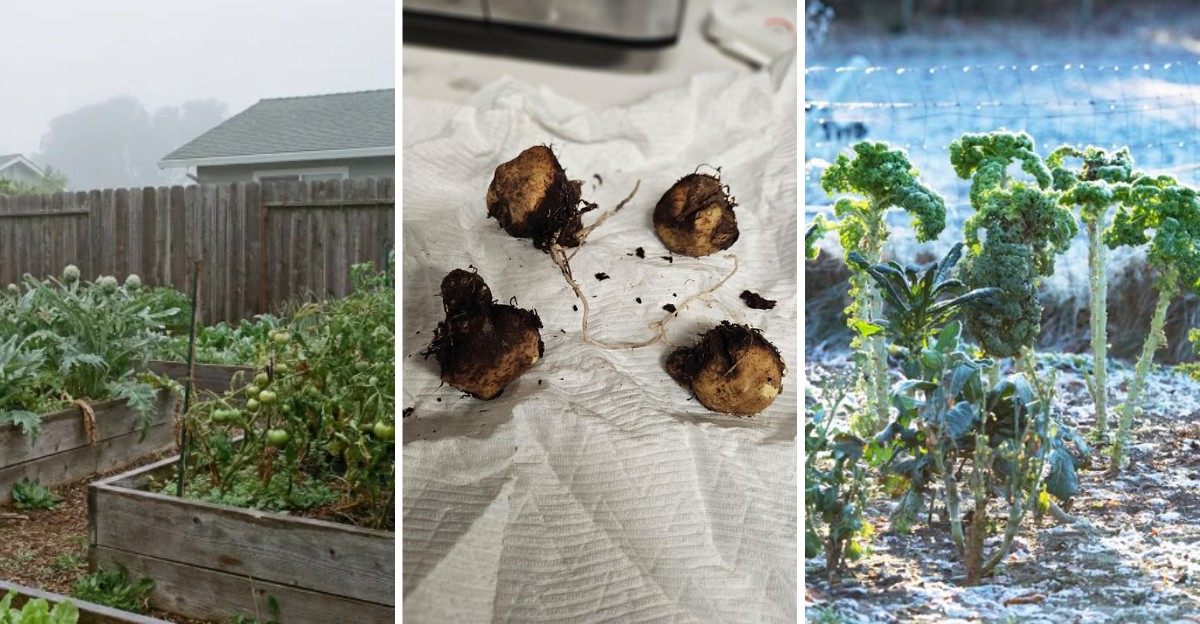
Replant in late May when the soil feels warm. Your shady garden will glow with color all over again.
7. Leaving Kale And Collards In Place To Sweeten
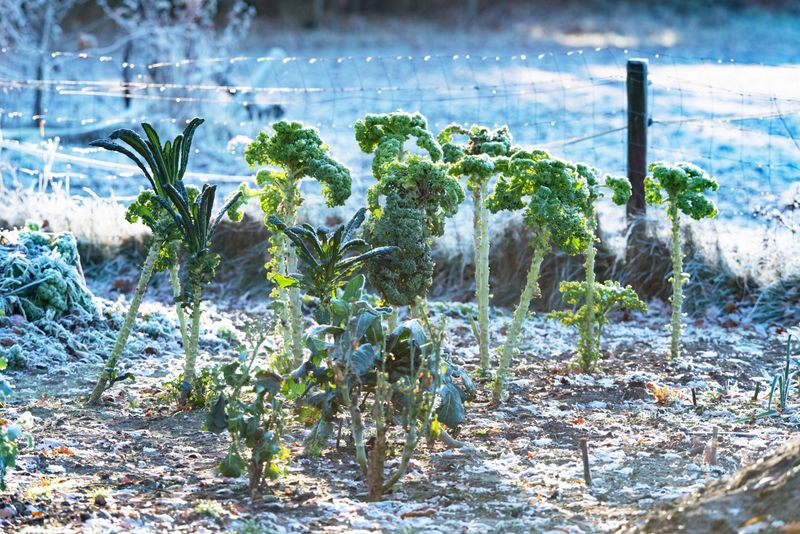
Grandparents across Virginia swear collards taste best after a frost. Science backs up that old kitchen wisdom too.
Cold weather triggers a clever survival trick in leafy greens. Plants turn stored starches into natural sugars.
Those sugars act a bit like antifreeze inside the leaves. As a bonus, they make kale and collards taste sweeter and milder.
Leave these tough greens right where they are growing. Light frosts usually improve their flavor rather than harming them.
Kale can handle temperatures down into the low twenties. Collards are similarly sturdy, and some types shrug off even colder nights.
Harvest outer leaves first and let the center keep growing. One plant can feed your family for many weeks this way.
Frozen leaves look wilted early on chilly mornings. Wait until they thaw before picking to avoid bruising.
Brussels sprouts, cabbage, and turnips enjoy the cold as well. Carrots and parsnips also grow sweeter after a few frosty nights.
Very hard freezes below 20 degrees can still cause damage. Toss a frost cloth over greens when deep cold is forecast.
Many gardeners in Front Royal pick kale well into December. A little mulch around the stems helps plants last even longer.
Try kale chips once your first frosty batch comes in. The sweeter leaves roast into a crunchy, tasty snack.
8. Watching Low Spots Where Cold Air Pools
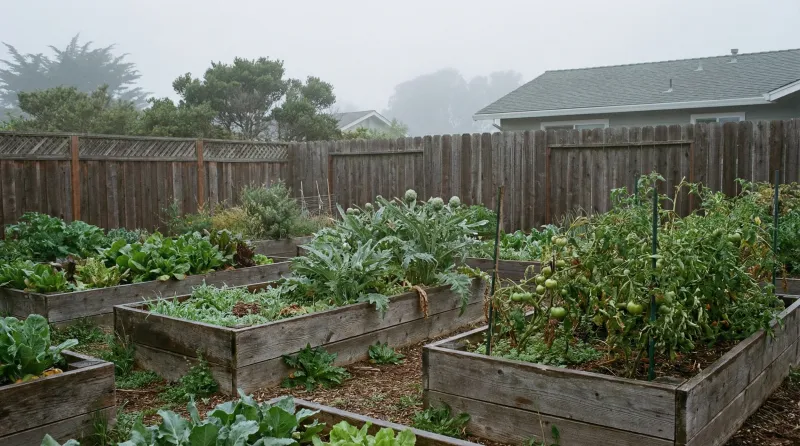
Ever noticed frost on the lawn but none on the deck? Cold air behaves a lot like water flowing downhill.
Chilly air is heavier than warm air, so it sinks. On calm nights, it slides down slopes and settles in low spots.
Gardeners call these places frost pockets. They can run several degrees colder than spots just a few yards uphill.
The Shenandoah Valley is full of rolling dips and hollows. Your own yard might hide a frost pocket you have not spotted yet.
Walk around early on a cold morning and look closely. Areas with the heaviest frost show where cold air collects.
Snap a quick photo on your phone to remember them. Next spring, you can plan tender crops on higher ground.
Fences, hedges, and walls can trap sinking air too. Cold pools against the uphill side of these barriers.
Trimming a gap in a hedge lets cold air drain away. Even a small opening can help nearby plants stay warmer.
Plants in low spots need extra care before frosty nights. Cover them first, since they face the coldest temperatures.
Clear, windless nights are the riskiest for frost pockets. A light breeze mixes the air and often prevents frost.
Fun fact: orchards often sit on hillsides for this exact reason. Growers learned long ago that slopes shed frost.
9. Disconnecting Hoses Before Hard Freezes Follow
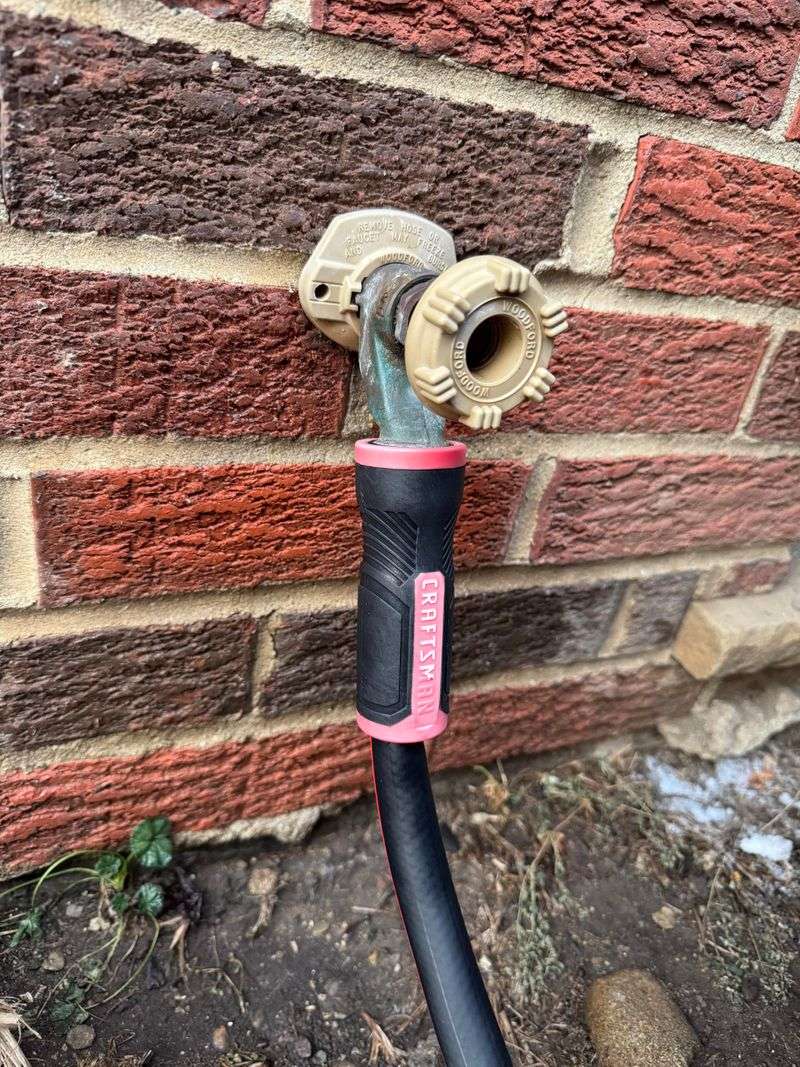
Few sounds ruin a winter morning like water spraying inside your wall. A forgotten hose can cause exactly that kind of mess.
Water expands when it freezes solid. Trapped water in a hose can push back into the spigot and crack pipes.
A light frost usually will not freeze your plumbing. Hard freezes below about 28 degrees are the real danger.
Unscrew every hose from its outdoor faucet before deep cold settles in. Mid November is a good target for most valley homes.
Drain each hose by stretching it down a slope. Coil it loosely and store it in a garage or shed.
Cold weather makes rubber and vinyl stiff and brittle. Indoor storage helps hoses last many more seasons.
Look for a shutoff valve inside your house for outdoor faucets. Turn it off, then open the outside spigot to drain leftover water.
Foam faucet covers add an extra layer of protection. They cost only a few dollars at hardware stores.
Frost-free spigots still need hoses removed to work properly. An attached hose blocks the draining that keeps them safe.
Empty sprinklers, spray nozzles, and watering wands too. Leftover water can split plastic parts over the winter.
Rain barrels deserve attention as well before freezing weather. Drain them and turn them upside down to prevent cracks.