These Are The Signs Fall Overseeding Came Too Late For Your Virginia Lawn
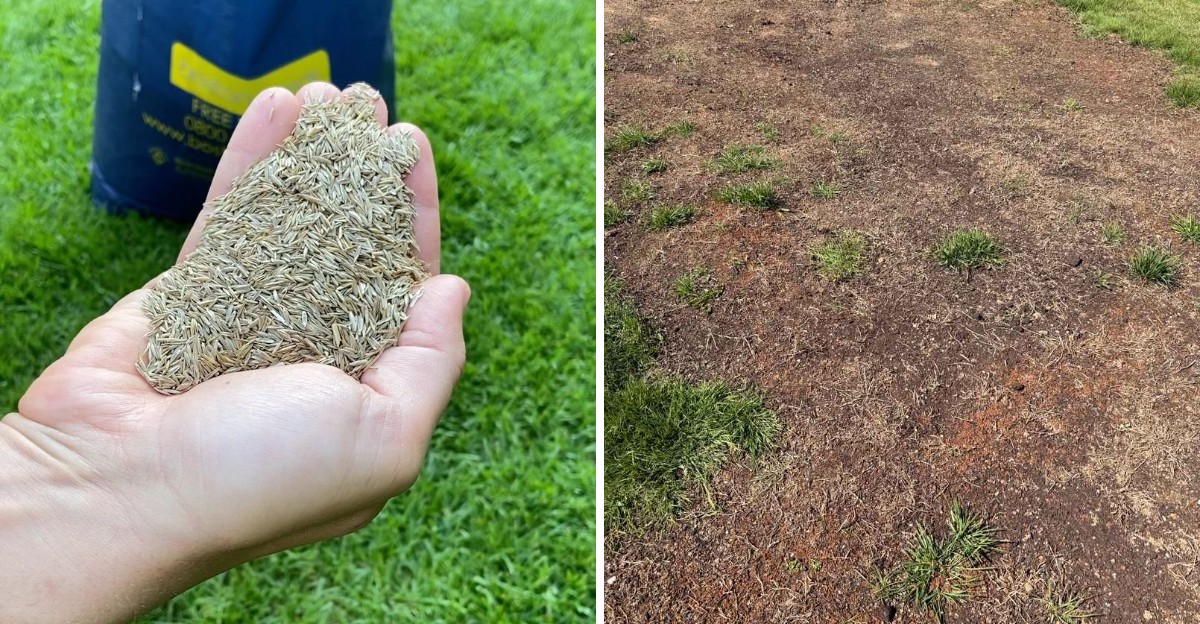
That bag of tall fescue seed in your garage has a deadline. Spread it early enough, and new grass can establish before winter settles in.
Wait too long, and the results can be much thinner. Virginia’s cool-season grasses need favorable soil temperatures and enough time to develop before hard frost arrives.
Late seeding can be tricky because the warning signs may take time to appear. Thin patches, weak seedlings, and stubborn bare spots can show up after the initial flush of growth.
Spotting those clues early gives you options. You may still have time to improve coverage, patch weak areas, or adjust your timing next season.
1. New Grass Barely Emerges After Several Weeks
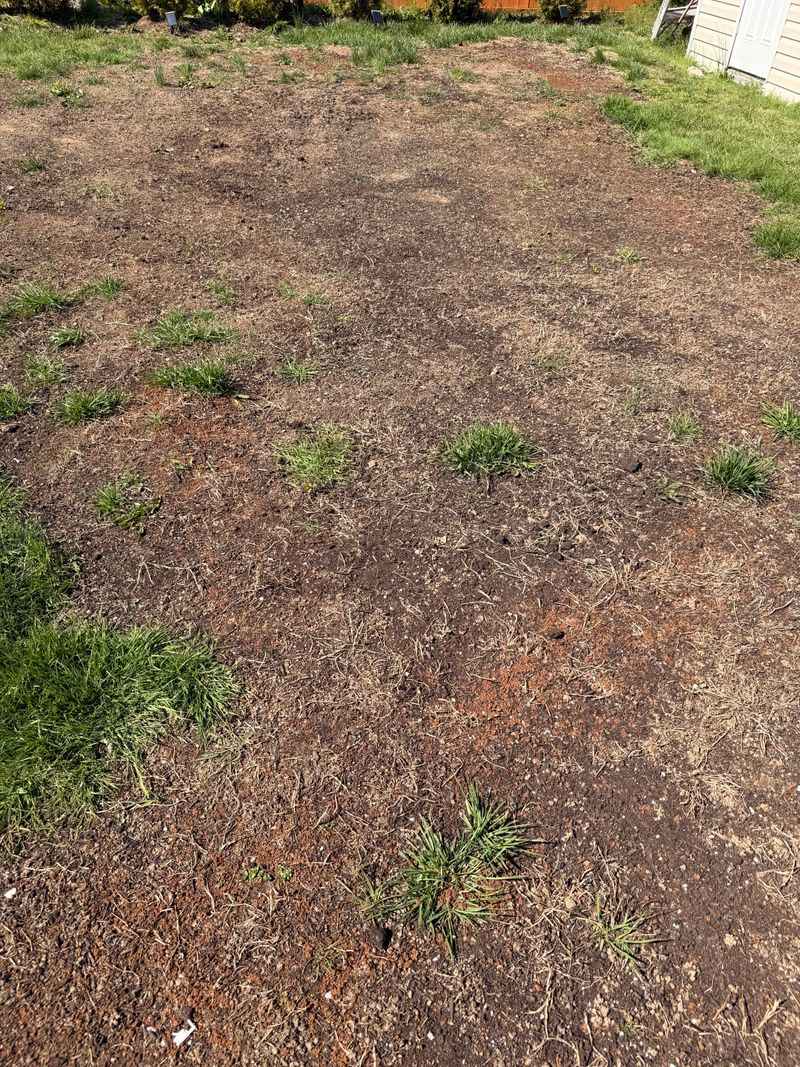
Two weeks after seeding, you should be squinting at tiny green needles poking through the soil. When week three rolls around and the ground still looks like coffee grounds, timing is the likely culprit.
Grass seed reads soil temperature, not the calendar. Tall fescue germinates best under favorable soil temperatures, and Virginia’s conditions become less favorable for establishment as fall gets colder.
Cold soil does not necessarily ruin seed outright. It can slow germination and leave seed waiting for warmer conditions.
Meanwhile, that dormant seed becomes bird food, rain runoff cargo, or a snack for other critters. By spring, a good chunk of what you spread may be gone.
A soil thermometer costs less than a pizza and answers the question in seconds. Push it two inches deep in the morning and check the reading before you open the bag.
If your soil is too cold for good establishment, hold off. Patching in spring or waiting for the next recommended fall window is usually better than seeding too late.
Some homeowners try dormant seeding on purpose in December or January. That approach works differently, relying on winter freeze cycles to work seed into the soil naturally.
Mark your seeding date on a calendar so you can track progress honestly. Fuzzy memory makes it easy to think grass is slower than it really is.
Quick fact worth knowing: seed germinating in warm soil can sprout in five days flat. Cold soil can stretch that to a month or more.
2. Seedlings Stay Thin And Struggle To Fill Gaps
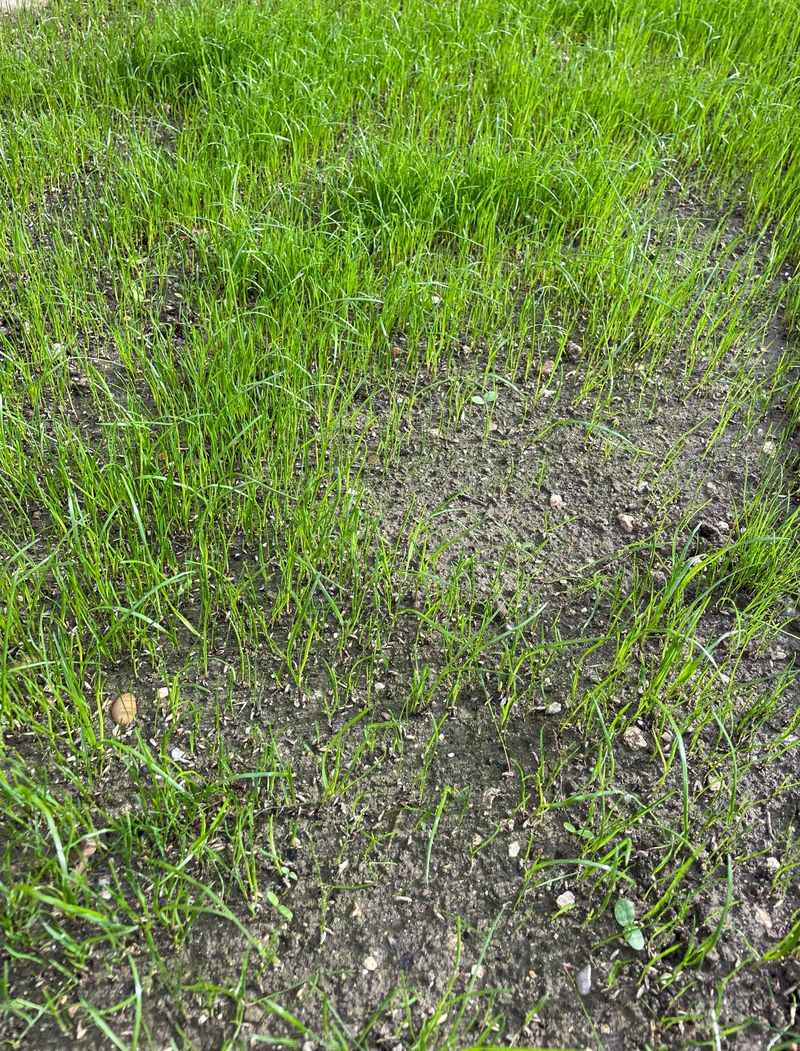
Picture a head of hair that never quite covers the scalp. That is what a late-seeded lawn looks like by Thanksgiving, with skinny blades and daylight showing between them.
Tall fescue, the workhorse grass across most of the state, is a bunch-type grass. It grows in clumps and cannot creep sideways to close gaps the way bluegrass does.
Since fescue will not spread on its own, whatever thickness you get in fall is roughly what you keep. Thin stays thin until you add more seed.
Late seeding also means seedlings run out of daylight and warmth before they can tiller, which is when one plant sends up extra shoots. Tillering is what actually thickens turf.
Crowding makes it worse in spots where seed piled up. Those seedlings fight each other for water and nutrients, and the whole cluster ends up weak.
Your Virginia Garden Changes Every Week. Your Plan Should Too.
Gardening in Virginia changes quickly throughout the season. Every Friday you’ll receive a simple weekly plan showing exactly what to plant, prune, fertilize, harvest, and protect so you never miss the right timing.
Spreading seed in two passes at half the rate each time helps enormously. Walk north to south, then east to west, for coverage that is far more even.
Resist the urge to dump extra seed on thin areas hoping for faster results. More seed per square inch usually produces more competition, not more grass.
Follow up with a starter fertilizer based on your soil test. Use the recommended nutrients to support establishment rather than automatically adding extra phosphorus.
Come April, plan a careful patching session on the weakest areas. Small targeted fixes beat reseeding the entire yard again.
3. Cold Weather Arrives Before Roots Get Established
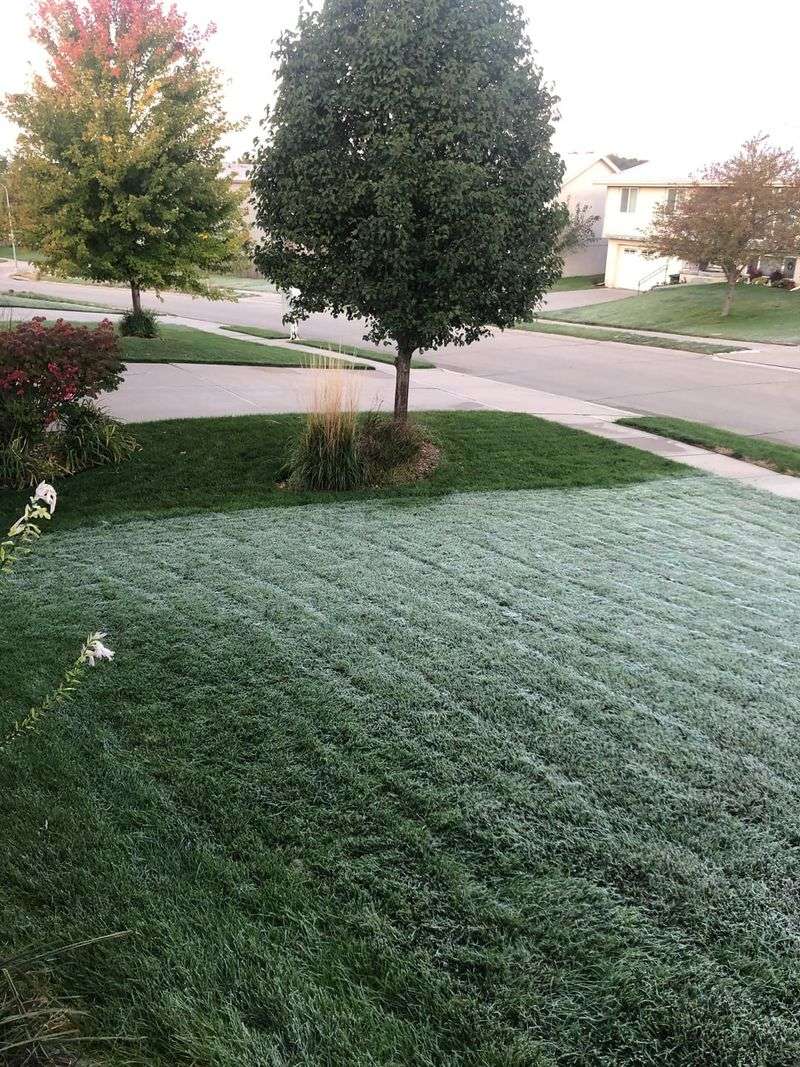
Frost is beautiful on a windowpane and rough on a two-inch seedling. Baby grass has almost no root mass to fall back on when temperatures dip below freezing.
Mature turf handles Virginia winters by going dormant and living off stored energy in deep roots. Young seedlings have no such savings account.
Seed spread in late October or November may sprout during a warm stretch, then meet a hard freeze days later. Those tender shoots often cannot bounce back.
A good rule of thumb is to seed early enough to give seedlings plenty of growing time before winter. The best window varies by region.
Frost dates vary a lot by region. The mountains near Blacksburg can freeze weeks earlier than Virginia Beach or the Hampton Roads area.
Look up the average first frost date for your zip code and count backward. That simple math gives you a personal seeding deadline instead of a vague guess.
Walking on frosted seedlings compounds the damage by crushing ice crystals right through the blades. Keep foot traffic off the lawn on frosty mornings.
A thin layer of straw or seed-starting mulch offers a little insulation for late plantings. It also keeps moisture from escaping on windy afternoons.
If frost catches your seedlings early, do not rip everything out. Some will pull through, and spring will show you exactly where help is needed.
4. Bare Spots Still Show Through The New Growth
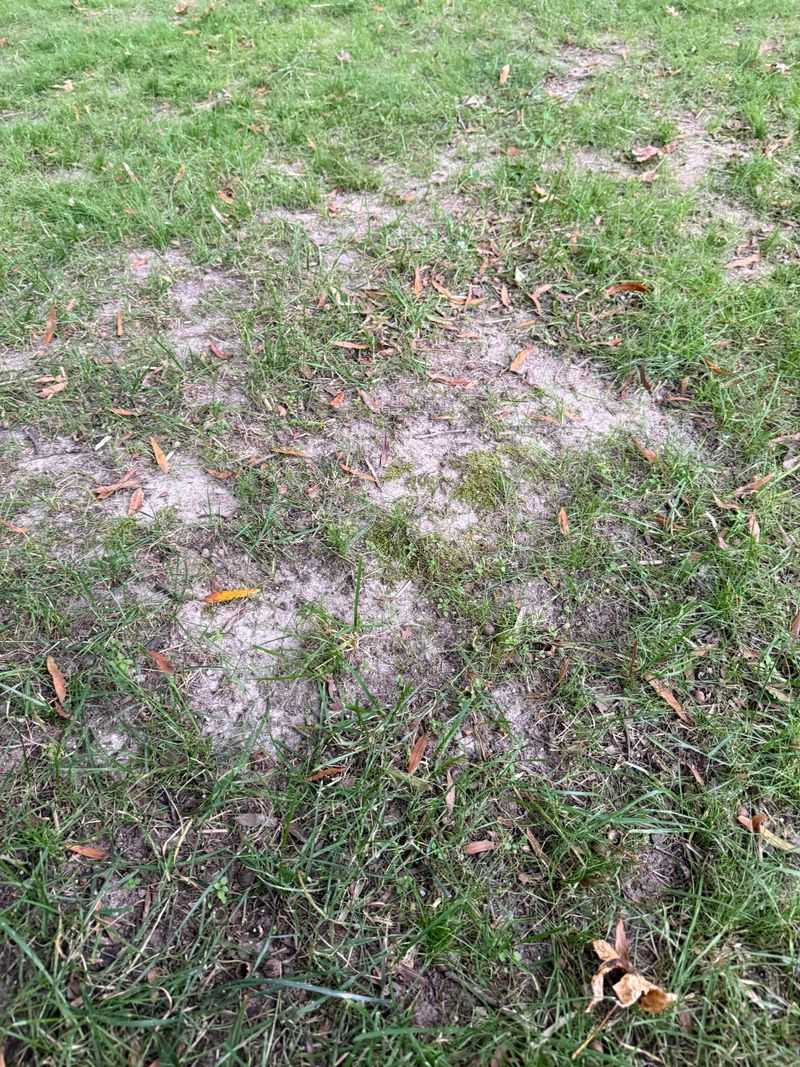
Nothing announces a late seeding job louder than a bare patch shaped like a puddle. Those blank spots stand out even more once the surrounding lawn perks up.
Seed needs direct contact with soil to absorb water and germinate. Seed that lands on thatch, dry crust, or matted leaves rarely does much of anything.
Raking lightly before spreading seed opens the surface and makes a huge difference. Core aeration does the job even better by creating thousands of little seed pockets.
Late-season bare spots are more than an appearance problem. Exposed clay washes away during winter rain, taking your topsoil down the driveway with it.
Weeds also treat bare soil like an open invitation. Henbit, chickweed, and crabgrass all wait for uncovered ground to claim.
For stubborn patches, mix seed with a bit of compost or topsoil before spreading. The mix holds moisture and keeps seed anchored during downpours.
Step on the seeded area gently or roll it with a lawn roller for better contact. Firm soil holds seed and moisture far more reliably than fluffy soil.
Jot down where your bare spots are located while they are visible. Photos on your phone make spring patching much easier to target.
If a spot stays bare year after year, something underneath deserves attention. Compaction, buried debris, or heavy shade are common troublemakers in yards.
5. Seedlings Struggle When Watering Becomes Inconsistent
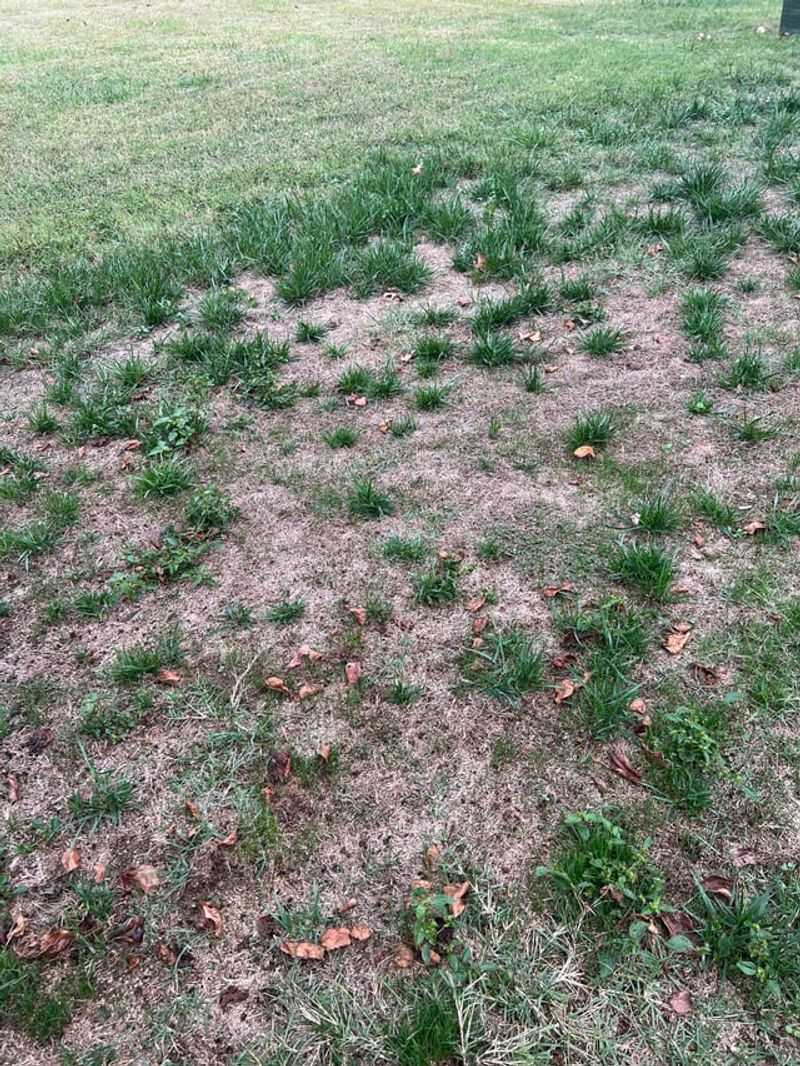
Grass seed is dramatic about water. Let it dry out once during germination and that particular seed may quit on you for good.
Late fall makes consistent moisture tricky. Days get shorter, temperatures swing, and homeowners often shut off irrigation systems before seedlings are ready.
New seed wants the top inch of soil kept lightly moist, not soaked. Short sessions twice or three times a day beat one long soaking.
Underwatering shows up as uneven, spotty germination with tan gaps between green clusters. You can practically map your sprinkler coverage by looking at the pattern.
Overwatering brings its own trouble, washing seed downhill and inviting fungus. Puddles that remain after watering signal that it is time to ease up.
Test moisture the low-tech way by pushing a screwdriver into the soil. If it slides in easily, moisture is fine, and resistance means dry ground.
Virginia often brings dry, breezy stretches in October that surprise people. Wind pulls moisture from bare soil faster than sunshine does.
Once seedlings reach mowing height, shift toward deeper and less frequent watering. That change encourages roots to chase moisture downward instead of staying shallow.
Winterizing your irrigation system before seedlings establish can create a watering challenge. Make sure new grass gets enough moisture while it is establishing.
Hand watering with a hose and a fan nozzle can bridge the gap nicely.
Set phone reminders for the first three weeks after seeding. Even one forgotten day during germination leaves a mark you will notice next spring.
6. The Lawn Has Little Time Left For Root Growth
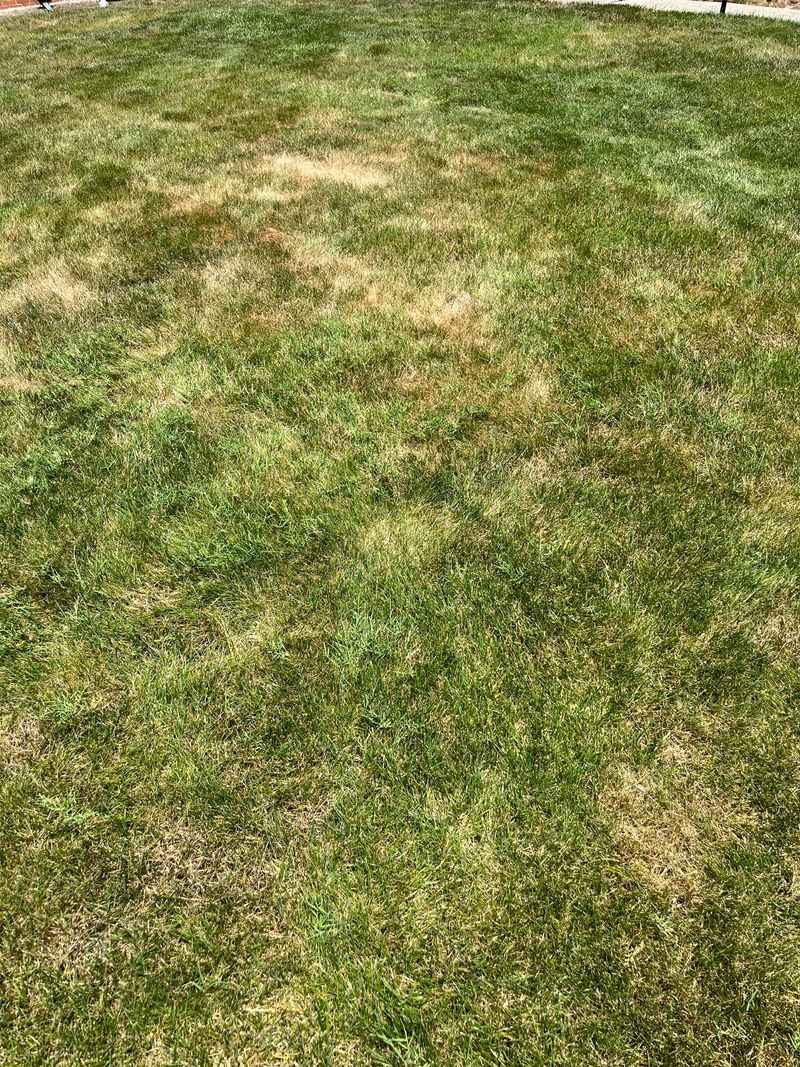
Autumn is when cool-season grass quietly builds its underground network. Tops slow down while roots stretch deeper, storing energy for the year ahead.
Seeding late robs your lawn of that root-building season. Seeding later in fall trims growing time off the schedule, but the best cutoff varies across the state.
Shallow roots create a chain reaction. Grass with short roots dries out faster, feeds less efficiently, and struggles when summer heat arrives.
Spring weeds notice weak turf immediately. Crabgrass and clover thrive in lawns whose roots never reached decent depth the previous fall.
There is another catch with late seeding. Pre-emergent weed control cannot be applied safely over young seedlings, so spring weeds get a free pass.
Soil that has been aerated gives roots an easier path downward. Virginia clay compacts tightly, and loosening it pays dividends for years.
A soil test through your local Virginia Cooperative Extension office costs very little. Knowing your pH and nutrient levels removes a lot of guesswork.
Fescue generally prefers pH between 6.0 and 6.5. Acidic soil blocks nutrient uptake no matter how much fertilizer you spread.
If your seeding ran late this year, shift your energy toward spring care. Light feeding, smart mowing, and steady watering help those young roots catch up.
Then circle late August through mid-September on next year’s calendar. Getting seed down during that stretch changes everything about how the lawn performs.
7. Fall Overseeding Leaves You With Uneven Turf
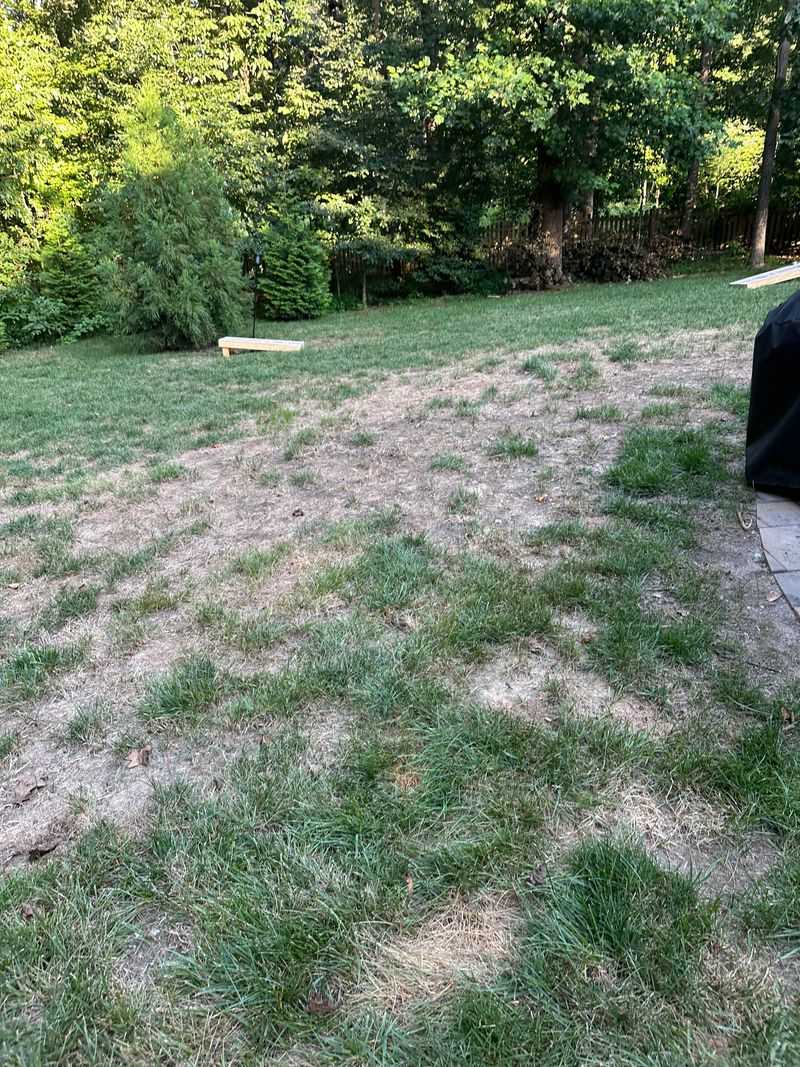
Run your hand across a late-seeded lawn and you feel the story right away. Some sections are plush, others are prickly stubble, and a few feel like nothing.
Uneven turf happens when germination is scattered instead of uniform. Warmer pockets of soil sprout while shaded or compacted areas lag behind.
South-facing slopes warm faster than north-facing ones. That difference alone can create two distinct looks in a single front yard.
Seed variety plays a role too. Mixing a cheap bargain blend with premium fescue produces different blade widths, colors, and growth speeds.
Sticking with one quality seed type keeps the appearance consistent. Check the label for named cultivars and a low weed seed percentage.
Spreader calibration is another common trip-up. Broadcast spreaders throw seed farther than people expect, so overlapping passes creates heavy stripes.
Mowing unevenly established turf requires a gentle touch. Raise the deck to around three and a half inches and use sharp blades only.
Bumpy ground from aeration plugs usually smooths out within a few weeks. Rain and mowing break those cores down naturally.
Topdressing with a thin layer of compost in spring can even out minor dips. Keep it light so you do not smother existing grass.
Give yourself grace here. A patchy first season is not a failure, just a starting point you can steadily improve across the state’s growing seasons.
8. New Grass Gets Crowded Out By Existing Turf
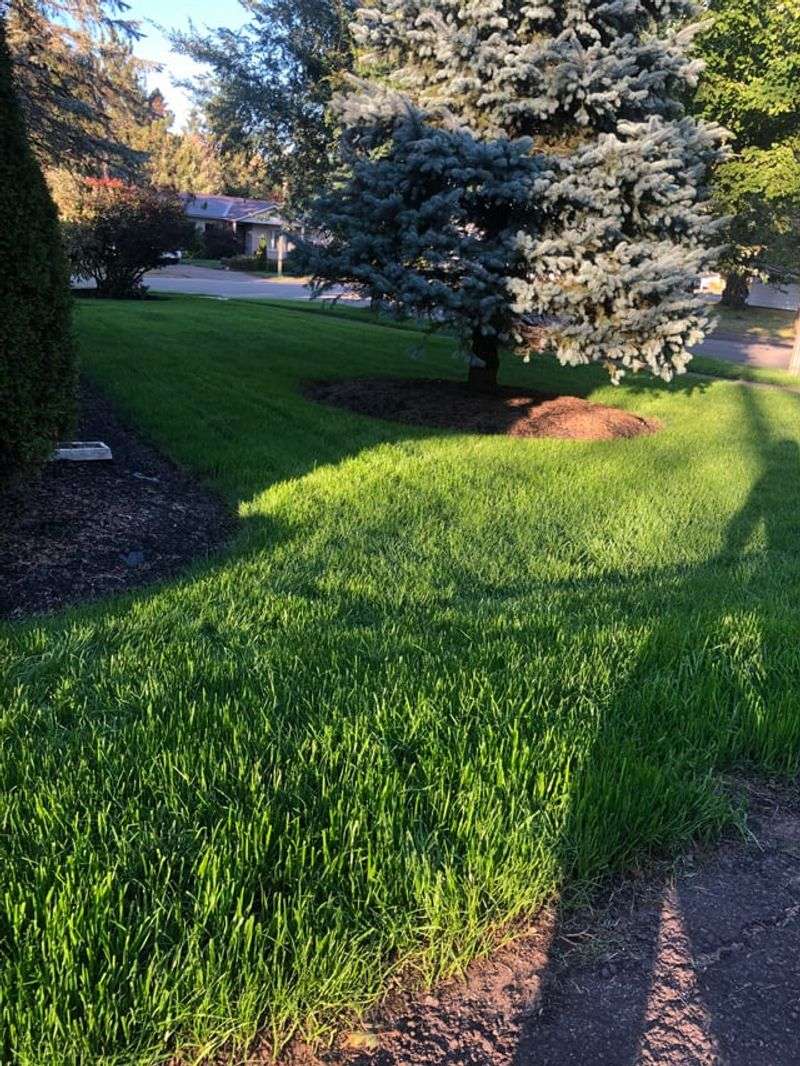
Established grass is not a friendly neighbor to newcomers. Mature blades hog sunlight, drink the water first, and grab nutrients before seedlings get a chance.
The taller your existing lawn, the darker things get down at soil level. Seedlings need light to photosynthesize, and shade slows them considerably.
Mowing short right before seeding solves much of this. Drop the deck to about two inches and bag the clippings for a clear runway.
Dethatching helps too, especially in older lawns with a spongy layer on top. Thatch thicker than half an inch blocks seed from reaching soil.
Fertilizer choice matters more than people realize. Heavy nitrogen at seeding time supercharges mature grass, which then shades out the seedlings you paid for.
A starter fertilizer with balanced nutrients supports new roots without triggering a growth race. Save the nitrogen-heavy feeding for later in the season.
Yellowing seedlings surrounded by lush older grass is a telltale competition sign. Those little plants are being outbid for resources, not underwatered.
Hold off on the first mow until new grass reaches roughly three inches. Cutting too soon uproots seedlings that have barely anchored themselves.
Keep kids, pets, and wheelbarrows off the area for at least a month. Foot traffic flattens tender growth that has no strength to spring back.
Timing the whole sequence right lets new and old grass share space peacefully. Late seeding removes that cushion entirely.
9. Thin Seedlings Fail To Develop A Strong Root System
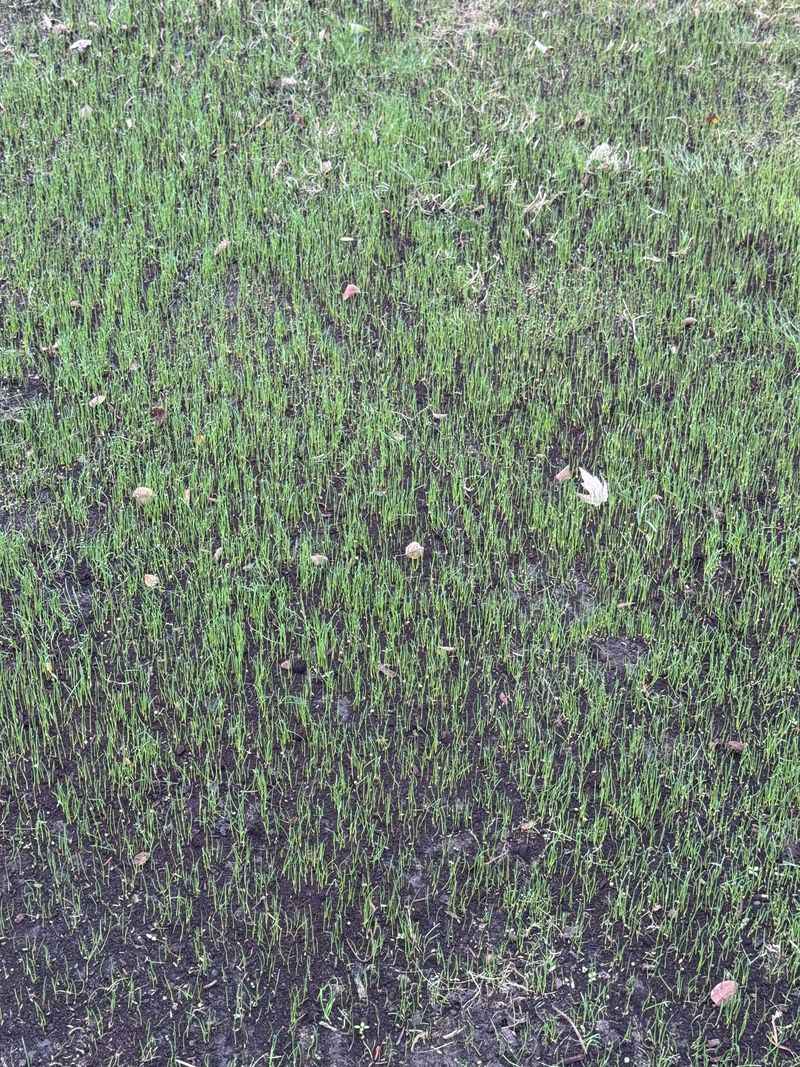
Here is a quick test that tells the truth fast. Pinch a seedling between your fingers and tug lightly to see how firmly it holds.
A well-rooted seedling resists and stays put. One that slides out with almost no effort has roots barely longer than a thread.
Weak rooting is the signature problem of seeding done past the window. The plant simply ran out of warm days to build anything substantial.
Those shallow-rooted plants face a tough winter. Freeze and thaw cycles heave the soil, lifting tiny roots right out of contact.
Spring brings another hurdle for underdeveloped roots. When temperatures climb in May and June, shallow roots cannot reach moisture deeper down.
You can support struggling seedlings with patience rather than products. Light watering, minimal traffic, and a gentle mowing routine go a long way.
Skip aggressive spring fertilizing on weak turf. Pushing top growth before roots catch up leaves plants even more fragile.
Potassium can support overall turf health when it is needed. Check your soil test before choosing a fertilizer based on the third number on the bag.
Mowing high is one of the most underrated root-building tricks. Taller blades grow deeper roots, plain and simple.
Should the lawn look rough by June, plan a proper overseeding for late August. Virginia rewards good timing more than good intentions, and next fall is your reset button.