10 Florida Backyard Ideas To Turn Small Outdoor Spaces Into Micro-Oases

Florida afternoons have a way of melting into quiet moments in the backyard. Maybe it’s sipping iced tea while noticing how the sunlight shifts across your patio, or feeling the gentle sway of leaves in the warm breeze.
Small spaces can hold big surprises when you plan carefully.
Even a modest yard can become a refreshing retreat with the right touches. From creative containers to mini water features, each addition brings life, color, and a sense of calm to your outdoor space.
These ideas don’t need vast acreage – just a thoughtful approach and a little imagination.
Imagine stepping outside to find your very own micro-oasis, a place that hums with activity, scents, and vibrant plants. The next moves you make could completely transform the feel of your Florida backyard this season.
1. Create A Tropical Palm Corner That Feels Like Paradise

Few things say “Florida backyard” louder than a cluster of palms swaying in the breeze. Even in a tight space, you can arrange two or three dwarf palm varieties in a corner to create an instant tropical focal point.
Pygmy date palms, lady palms, and cat palms all stay compact and thrive beautifully in Florida’s heat and humidity.
Layering is the real secret here. Place your tallest palm toward the back of the corner, then add medium-height tropical shrubs like ti plants or crotons in front.
Finish the base with low-growing ground cover or decorative river rock to give the space a polished, resort-style look.
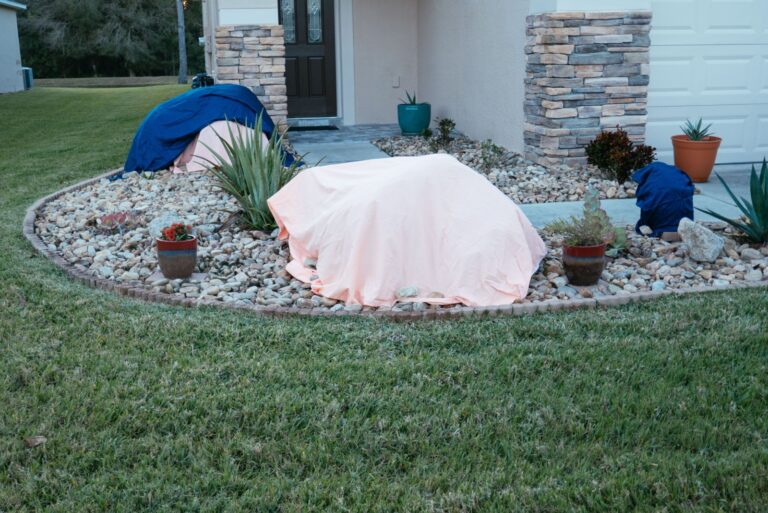
One underrated trick is to use large decorative containers instead of planting directly in the ground. Containers let you rearrange your setup whenever you want a fresh look, and they protect roots during Florida’s occasional cold snaps.
Choose containers in earthy terracotta or matte black to complement the lush green tones of the palms. Adding a solar-powered spotlight at the base of each palm creates a dramatic effect after sunset, making your micro-oasis feel magical even on quiet evenings at home.
2. Add Bright Flowering Containers Bursting With Sunshine
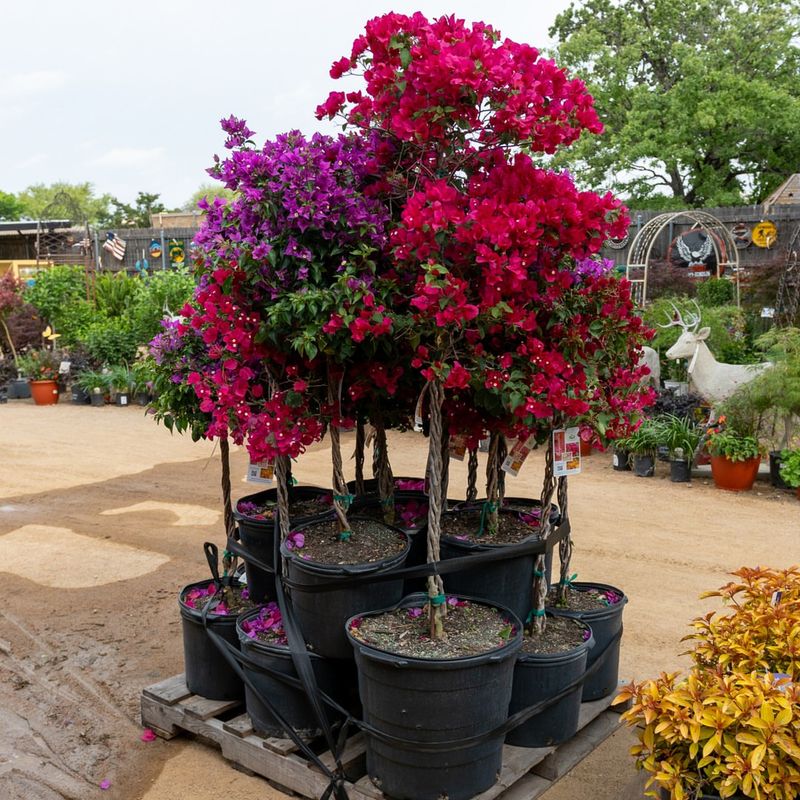
Color is one of the fastest ways to make a small outdoor space feel exciting and alive. In Florida, you have the incredible advantage of being able to grow flowering plants in containers almost every single month of the year.
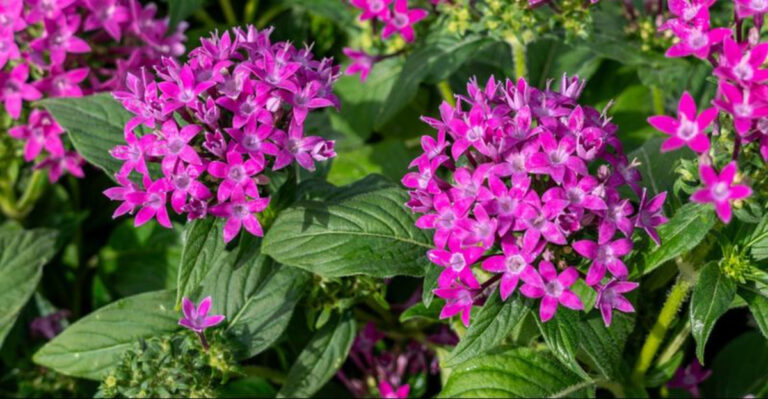
Bougainvillea, ixora, pentas, and firespike are all stunning choices that love the Florida sun and keep blooming season after season.
Grouping containers in odd numbers, like three or five, creates a natural, visually pleasing arrangement. Mix pot sizes so the display has height variation, and choose flower colors that complement each other rather than clash.
Warm tones like coral, yellow, and red look especially vibrant against Florida’s bright blue skies and white or beige stucco walls.
Do not overlook the containers themselves as a design element. Painted ceramic pots, woven rattan planters, or sleek concrete vessels can add personality and tie your outdoor space together.
Self-watering containers are especially smart for Florida summers when the heat can dry out soil quickly. Place your brightest blooms near a seating area so you can enjoy them up close while relaxing outdoors.
Rotating plants in and out of prominence as they peak keeps your micro-oasis looking fresh and intentional throughout every season of the year.
3. Install A Vertical Garden Climbing With Life

When floor space is limited, the smartest move you can make is to look up. Vertical gardens turn bare walls and fences into living, breathing green tapestries, and they work exceptionally well in Florida’s humid subtropical climate.
Plants like pothos, Boston ferns, bromeliads, and even small philodendrons thrive in vertical setups and love the warm, moist Florida air.
Pocket planters, modular wall panels, and simple wooden pallet frames are all affordable ways to build a vertical garden without major construction. You can hang them directly on a privacy fence, a stucco wall, or even a garden shed.
The key is to choose a wall that gets consistent light and is close enough to a water source for easy maintenance.
Vertical gardens do more than just look beautiful. They act as natural insulation, helping to cool the wall behind them, which is a real bonus during Florida’s intense summer months.
They also muffle street noise and create a sense of privacy, making your small backyard feel like a secluded retreat. Adding vertical greenery can help shade walls and may slightly reduce surface temperatures, though the exact cooling effect varies depending on wall material, sunlight exposure, and plant density.
In the Florida heat, that kind of natural cooling effect is an incredibly welcome bonus for any outdoor space.
4. Plant A Native Shrub Buzzing With Pollinator Friends

Planting native shrubs is one of the smartest landscaping decisions any Florida homeowner can make. Native plants like firebush, beautyberry, Simpson’s stopper, and Walter’s viburnum are perfectly adapted to Florida’s rainy summers and dry winters.
They need far less water and fertilizer than exotic species, which makes them ideal for low-maintenance micro-oasis designs.
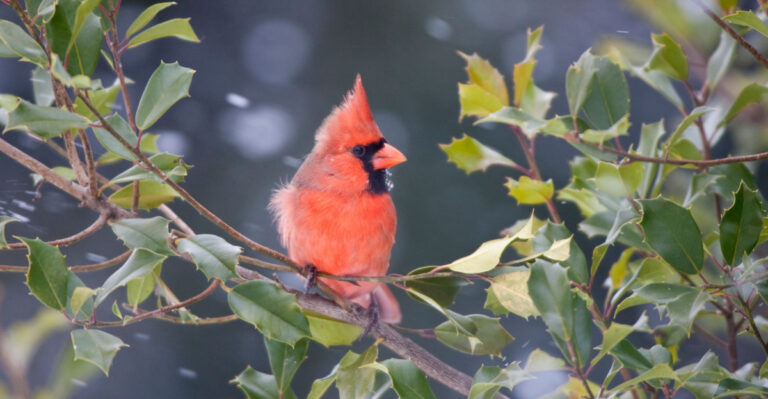
Beyond looking great, native shrubs are magnets for pollinators. Butterflies, bees, and hummingbirds are drawn to their flowers and berries, turning your small backyard into a lively, dynamic space that changes with the seasons.
Watching a painted lady butterfly drift through your garden adds a layer of magic that no piece of furniture or decor can replicate.
Firebush, in particular, is a Florida favorite for good reason. Its tubular orange-red flowers bloom nearly year-round in South Florida and attract hummingbirds like a beacon.
Beautyberry produces stunning clusters of bright purple berries in fall that look almost too vivid to be real. Planting a mix of two or three native shrubs in a small garden bed creates a layered, naturalistic look that feels lush without requiring constant upkeep.
For Florida gardeners who want beauty with minimal effort, native shrubs are genuinely one of the best investments you can make in your outdoor space.
5. Use Colorful Tropical Accents That Pop Everywhere

Sometimes the boldest statement comes in the smallest package. Tropical accent plants like crotons, caladiums, bromeliads, and coleus bring an explosion of color to even the most compact Florida patio or balcony.
Their vivid foliage patterns mean you get visual interest even when nothing is in bloom, which is a huge advantage for year-round curb appeal.
Small planters work especially well when grouped together on a tiled patio floor, a wooden bench, or along the edge of a garden path. Try clustering planters of varying heights to create depth and dimension.
A tall, slender planter next to a wide, low bowl creates a layered effect that looks intentional and professionally designed, even if you put it together yourself on a weekend afternoon.
Caladiums deserve a special mention for shade-heavy Florida yards. Their heart-shaped leaves in shades of pink, white, red, and green can brighten up a dim corner that struggles to grow anything else.
Bromeliads are practically indestructible in Florida’s climate and reward you with spectacular flower spikes that can last for months. Swapping out one or two accent planters with the changing seasons keeps your micro-oasis feeling fresh and curated.
Small planters are also easy to move indoors during rare cold snaps, protecting your investment without a lot of extra hassle or effort.
6. Add Soft-Textured Grasses Dancing In The Breeze

There is something quietly mesmerizing about ornamental grasses. When the Florida breeze moves through a clump of muhly grass or dwarf fakahatchee grass, it brings a softness and rhythm to the garden that no solid shrub or flower can quite match.
Grasses add texture, movement, and a naturalistic feel that makes small backyards look thoughtfully designed rather than rigidly planted. Muhly grass is a popular ornamental grass in Florida, valued for its attractive plumes and texture in garden design.
Each fall, it erupts into a cloud of rosy-pink plumes that catch the light in a breathtaking way. It is drought-tolerant, salt-tolerant, and thrives in Florida’s full sun.
Dwarf fakahatchee grass is another standout, offering fine-textured, arching green blades that look elegant in garden borders or container arrangements. Mixing grasses with broader-leafed plants creates a pleasing contrast that landscape designers call textural layering.
Place a clump of muhly grass next to a bold-leafed heliconia or a wide-spreading firebush, and the combination looks lush and dynamic. Ornamental grasses also provide habitat for small beneficial insects, adding an ecological bonus to their visual appeal.
Because most Florida ornamental grasses are low-water and low-maintenance once established, they are perfect for homeowners who want a beautiful backyard without spending every weekend on upkeep and garden chores.
7. Build A Low-Water Rock Garden Humming With Charm

You might not picture a rock garden when imagining a Florida backyard, but it’s a brilliantly practical choice for small spaces with poor drainage or full-sun exposure. Thriving in sandy, well-drained soils and handling the summer heat with ease, succulents such as agave, aloe vera, echeveria, and sedum bring low-maintenance beauty to any sunny corner.
Building a simple rock garden starts with selecting a sunny spot and improving drainage by mixing coarse sand or perlite into the soil. Arrange larger decorative rocks first to create natural-looking clusters, then tuck succulents into the spaces between them.
River rocks, lava rock, and crushed gravel all work beautifully as ground cover around the plants, giving the garden a clean, sculptural appearance.
One of the biggest advantages of a succulent rock garden in Florida is how little water it needs after the plants are established. Aloe vera grows well in many Florida climates, tolerates drought, and can handle occasional flooding, though protection may be needed during rare frosts.
Agave makes a dramatic architectural statement with its spiky rosette form, while smaller echeveria varieties add delicate rosette clusters in soft purple, blue, and green tones. Adding a few pieces of driftwood or decorative ceramic garden art among the rocks gives your micro-oasis a personal, curated touch that feels uniquely yours and reflects your individual outdoor style.
8. Use Groundcover Spreading Joy Across Every Corner

Empty patches of bare dirt or struggling grass are one of the most common frustrations in small Florida backyards. Groundcovers are the elegant, practical solution that most homeowners overlook.
Plants like asiatic jasmine, sunshine mimosa, and society garlic spread naturally to fill gaps between stepping stones, around tree roots, and along garden borders without needing constant mowing or edging.
Sunshine mimosa, also called sensitive plant, is a Florida native groundcover that performs well in small yards and attracts pollinators, though it is not widely planted. Its feathery leaves fold up when touched, which makes it endlessly entertaining for kids and curious visitors.
In spring and summer, it produces small, fluffy pink flowers that attract bees and butterflies. It handles foot traffic better than most groundcovers, making it ideal for pathways and high-traffic areas in your outdoor space.
Asiatic jasmine is another workhorse groundcover for Florida yards. It is drought-tolerant, shade-adaptable, and forms a dense, weed-suppressing mat that looks tidy and intentional.
Unlike traditional lawn grass, it does not require weekly mowing, saving you significant time and energy throughout the year. Groundcovers also help retain soil moisture, which is valuable during Florida’s dry winters when irrigation needs increase.
Replacing bare spots with the right groundcover instantly makes your small backyard look more polished, complete, and professionally designed, even if you did the whole project yourself over a single weekend.
9. Place Bold Foliage Containers Making A Statement
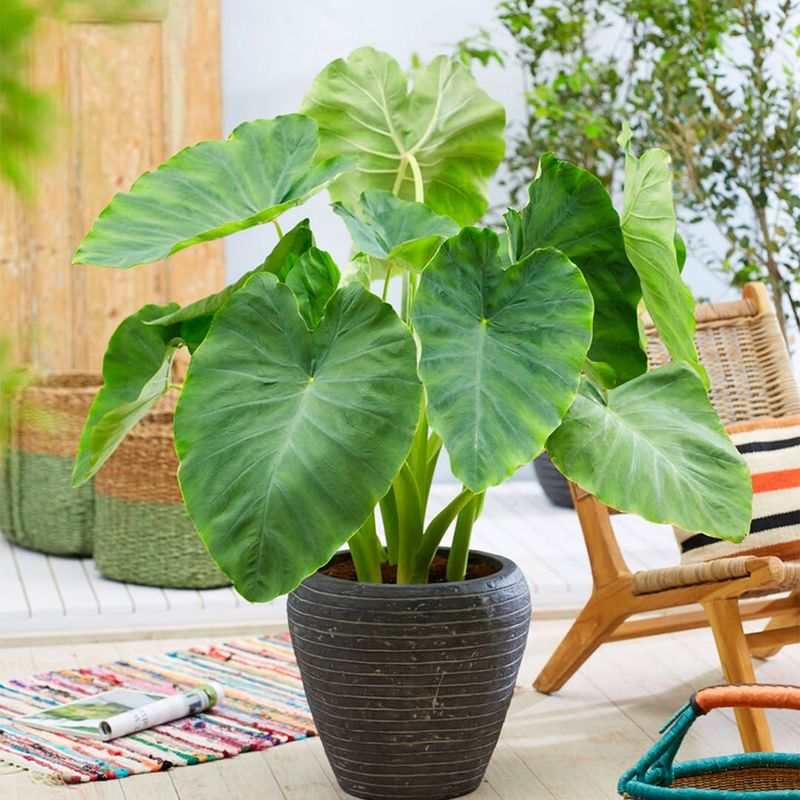
In small-space garden design, the unsung heroes are the bold foliage plants. Large, dramatic leaves create the lush, tropical atmosphere Florida backyards are famous for, while plants like elephant ears, bird of paradise, and variegated shell ginger quietly steal the show from the flowers.
When placed in striking containers, these plants become living sculptures that anchor the entire outdoor space.
Elephant ears, with their enormous heart-shaped leaves in deep green or near-black purple, make an instant visual statement. A single large container planted with a black magic elephant ear next to a pale stucco wall creates a contrast so dramatic it looks like a professional designer planned it.
Bird of paradise adds an upright, architectural quality with its paddle-shaped blue-green leaves and occasional spectacular orange flowers.
Variegated shell ginger brings a lighter touch, with its striped green and yellow leaves and delicate hanging flower clusters that appear in spring and fall. Mixing one very bold, dark-leafed plant with a lighter, variegated variety in neighboring containers creates a visually rich pairing that feels layered and sophisticated.
For Florida homeowners working with limited square footage, bold foliage containers are a game-changer because they deliver maximum visual impact without requiring a large footprint. A few well-chosen containers can completely redefine the look and feel of your outdoor space in a single afternoon of planting and arranging.
10. Build A Small Water Feature Bringing Calm And Sparkle

Running water has a way of making any space feel calmer, cooler, and more complete. Even the smallest Florida backyard can accommodate a compact water feature, whether it is a ceramic pot fountain, a birdbath fountain, or a mini pond set into a half-barrel planter.
The gentle sound of trickling water naturally masks neighborhood noise and creates a sense of peaceful seclusion that is hard to achieve any other way.
Surrounding your water feature with the right plants makes all the difference. Horsetail reed, peace lily, and Louisiana iris all love moisture and look stunning when planted around or near a small water source.
Ferns and creeping jenny can be used to soften the edges of a container pond, draping gracefully over the sides for a naturalistic, overgrown look that feels intentional and romantic.
In Florida’s warm climate, a small water feature can also attract native wildlife like dragonflies, tree frogs, and songbirds, turning your micro-oasis into a living ecosystem right in your own backyard. Solar-powered fountain pumps are an energy-efficient and easy-to-install option that requires no electrical wiring.
Keep the water circulating to prevent mosquito breeding, which is an important consideration in Florida’s humid environment. Adding a few water lettuce or water hyacinth plants on the surface helps filter the water naturally and adds another layer of lush, tropical beauty to your outdoor retreat.