8 Florida Garden Tasks Most People Skip In May And Always Regret By July
May in Florida feels like a grace period. The worst of the summer heat has not fully landed yet, the garden is still looking decent, and it is easy to tell yourself there is still time to get to things.
Most gardeners do exactly that, and most of them regret it by July. July has a way of exposing every shortcut taken two months earlier.
Plants that needed attention in May show it. Soil that needed work in May shows it.
And by then the heat and humidity have made fixing any of it twice as hard. The tasks that get skipped in May are rarely dramatic.
They are the quiet, easy ones that do not feel urgent until suddenly everything is struggling and the season is more than half gone.
1. Check Irrigation Before July Heat Exposes Every Dry Spot
Picture one corner of your lawn that stays a little brown no matter how much it rains. That is usually not a drought problem.
It is a sprinkler head problem, and May is the month to find it before July heat turns that one dry corner into a spreading, stressed-out patch that is hard to recover.
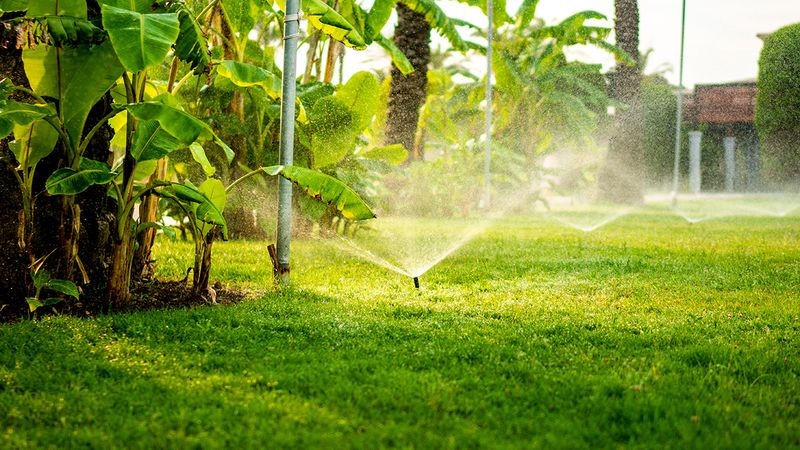
Testing your irrigation system in May is one of the most useful things you can do for your Florida garden. Walk through each zone while it runs.
Watch for heads that are clogged, tilted, or spraying the wrong direction. Check drip emitters for blockages.
Look at timers to make sure schedules match what plants actually need as temperatures climb.
Rainfall in Florida can be surprisingly uneven. A summer storm might drop an inch of rain on one side of your yard and leave the other side barely damp.
South Florida gardeners may already be seeing regular afternoon showers, but those showers do not always reach every container, raised bed, or shaded corner.
Central Florida is moving from dry spring stretches into storm season, and North Florida may still have dry gaps before reliable summer rain arrives.
Always follow local watering restrictions when adjusting your schedule. Overwatering is just as harmful as underwatering, and it can encourage fungal problems in Florida’s humidity.
Fix small irrigation issues now, and your plants will have a much better chance of staying healthy through the summer ahead.
2. Refresh Mulch Before Summer Rain Washes Soil Bare
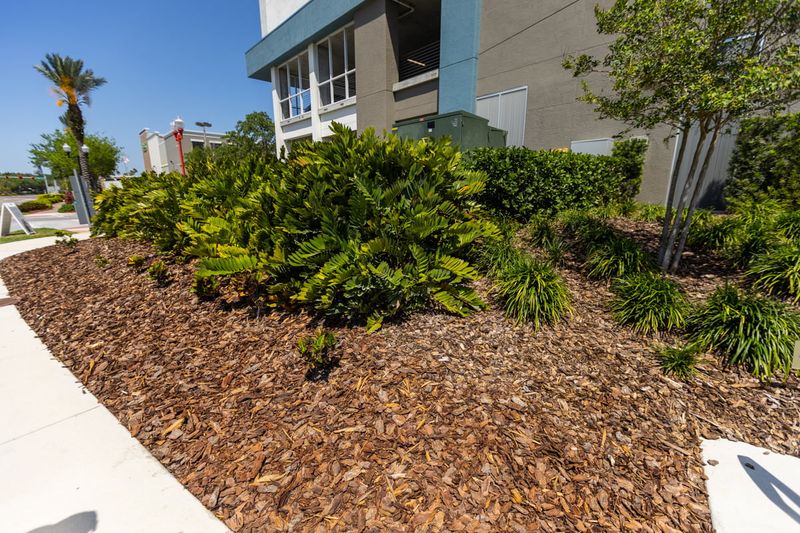
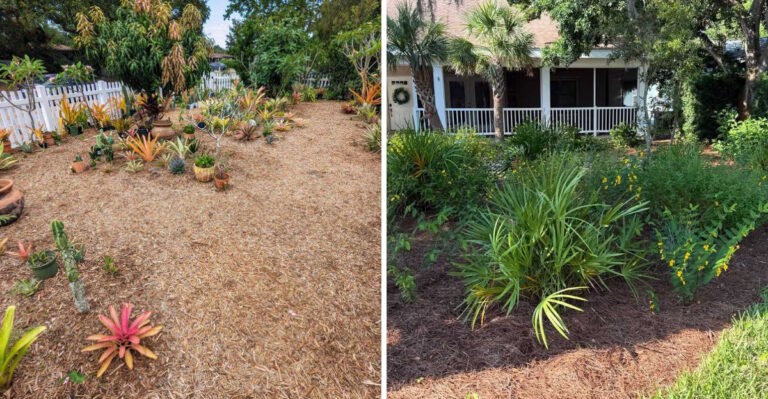
After a hard afternoon storm, mulch has a way of floating right out of garden beds and piling up against fences or driveways. What gets left behind is bare soil that bakes in the heat, loses moisture fast, and becomes a welcome mat for weeds.
Refreshing mulch in May, before the summer rain season really kicks in, helps prevent all of that.
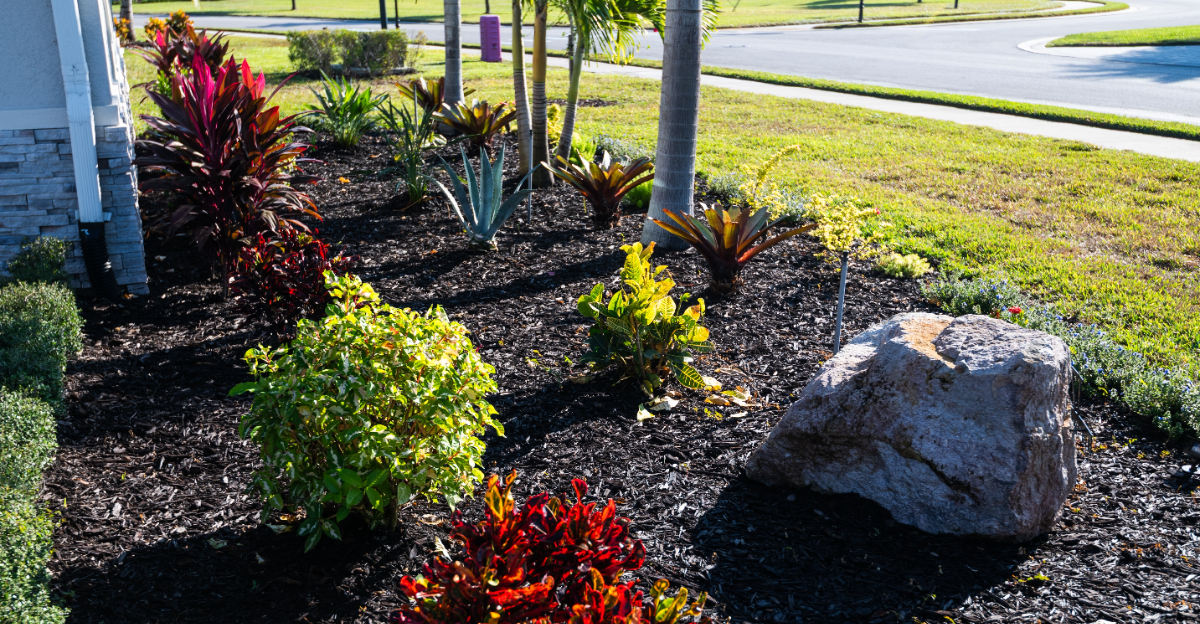
A moderate layer of mulch, generally around two to three inches, works well for most Florida beds. It conserves soil moisture, moderates soil temperature, slows weed germination, and reduces erosion when heavy rain hits.
Florida-Friendly Landscaping guidance consistently supports mulch as one of the most practical tools in a Florida yard.
Your Florida Garden Changes Every Week. Your Plan Should Too.
Gardening in Florida changes quickly throughout the season. Every Friday you’ll receive a simple weekly plan showing exactly what to plant, prune, fertilize, harvest, and protect so you never miss the right timing.
Application matters as much as quantity. Keep mulch pulled a few inches away from plant trunks, stems, and crowns so moisture does not stay trapped against them.
Vegetables, small herbs, and seedlings need even less mulch nearby so they are not smothered or overheated at the base.
Sandy coastal soils and inland sandy yards dry out especially fast, making mulch particularly valuable in those spots. Low areas that tend to stay wet need a little more care.
Piling mulch in a spot that already holds moisture can keep crowns too wet and lead to root and crown problems over time. A thoughtful mulch refresh now pays off through every hot, rainy month ahead.
3. Scout For Lawn Pests Before Brown Patches Spread
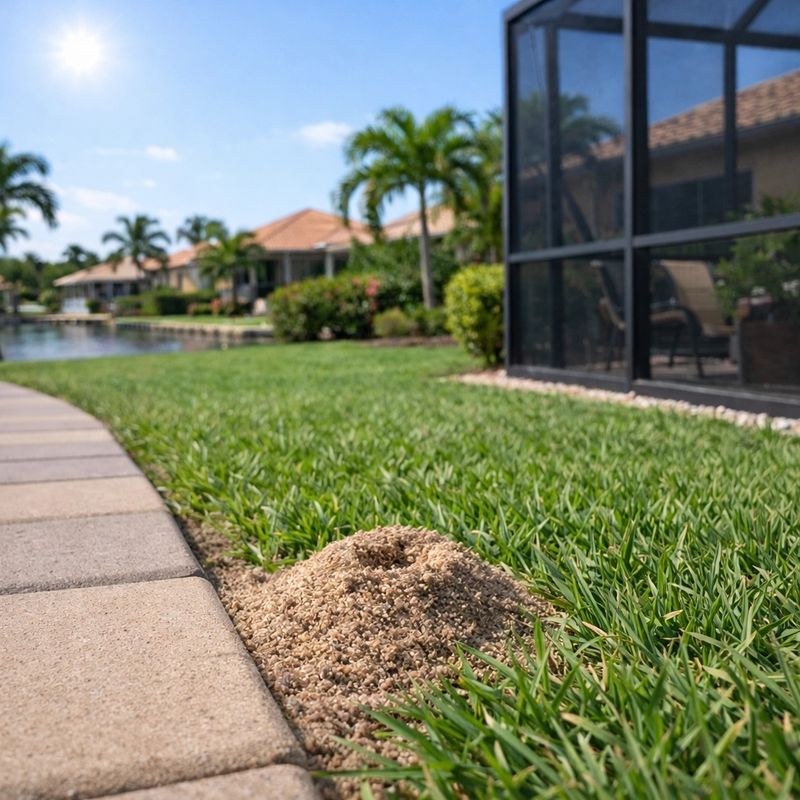
Not every brown patch in a Florida lawn is caused by dry weather.
Chinch bugs, mole crickets, and other turf pests can create damage that looks almost identical to drought stress or irrigation problems, and treating the wrong cause wastes time and money while the real problem keeps spreading.
May is a smart month to get down close and look at your lawn. In St. Augustinegrass, chinch bugs tend to show up along hot, sunny edges near driveways, sidewalks, and fence lines.
Check by parting the grass at the edge of a brown area and looking for tiny insects. In bahiagrass, mole crickets are a more common concern, especially in sandy soils where their tunneling loosens roots and creates spongy, uneven turf.
Pest pressure, turf types, and moisture patterns vary quite a bit across Florida. South Florida lawns may already be seeing increased pest activity with warmer, humid conditions.
Central Florida lawns are entering a transition period where both heat stress and pests can appear together, making diagnosis tricky. North Florida gardeners still have a bit more time before peak pressure, but early scouting is always worthwhile.
Never apply a pesticide treatment without confirming what you are actually dealing with. UF/IFAS Extension offices across the state can help with lawn pest identification.
Treating a drought problem as a pest problem, or the reverse, will not help your lawn and may create bigger issues down the road.
4. Thin Crowded Plants Before Humidity Traps Disease
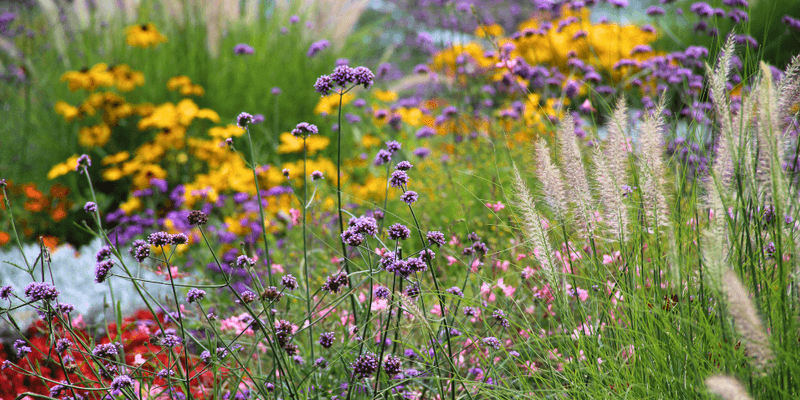
Sticky leaves pressed together in a crowded bed are practically an invitation for fungal problems once Florida’s rainy season humidity builds. When plants grow too close together, moisture from rain, dew, and irrigation has nowhere to go.
It sits on leaf surfaces longer, and that is when disease pressure tends to build quietly before showing up all at once.
Selective thinning in May can make a real difference. For vegetable gardens, removing a few older leaves, especially any touching the soil, improves airflow without stressing the plant.
Dense annuals and packed ornamentals benefit from having weak, crossed, or inward-growing stems removed so air can move through the canopy. Shrubs growing against fences, walls, or each other are worth opening up a little before the worst humidity arrives.
The goal is better airflow, not bare plants. Removing too much foliage at once can expose stems and fruit to harsh sun, stress the plant, and sometimes invite more problems than it solves.
Take a measured approach and focus on the most crowded, weakest, or most vulnerable growth first.
South Florida gardeners may already be feeling the humidity that makes this task urgent. Central Florida is heading into frequent afternoon storms that keep leaves wet for hours.
North Florida still has a slightly more comfortable window to open up beds and containers before summer humidity settles in for good. A little selective thinning now can save a lot of frustration later.
5. Clean Up Tomato Plants Before Problems Take Over
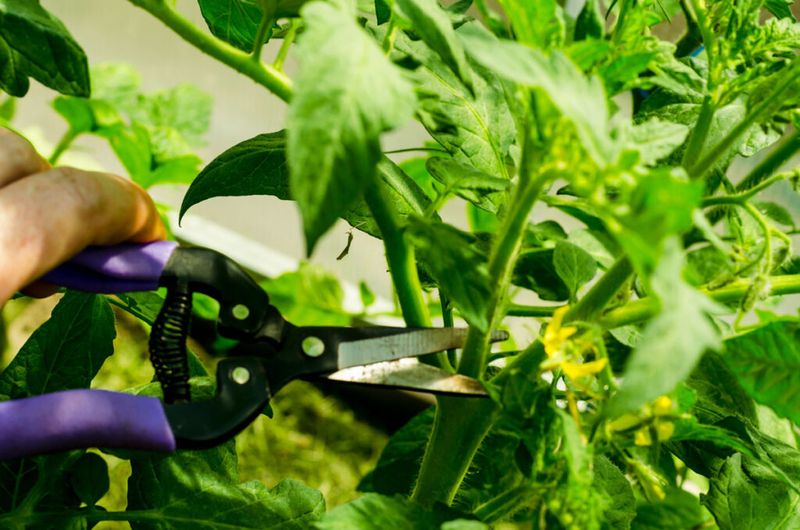
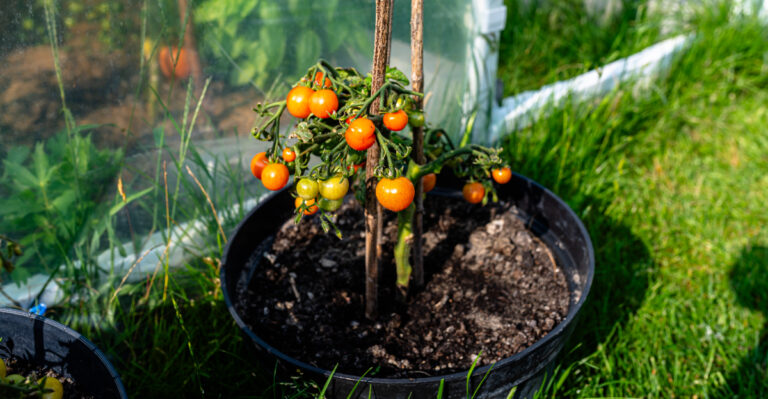
Tomatoes touching the soil are asking for trouble in a Florida garden. Soil-splashing rain carries fungal spores onto lower leaves, and once those leaves start showing spots or yellowing, problems can move up the plant faster than most gardeners expect.
A focused cleanup in May can slow that process down significantly.
Start at the bottom and work your way up. Remove leaves that are already touching or nearly touching the soil.
Pull off any foliage that shows spots, yellowing, or other signs of disease. Clear away fallen fruit, broken stems, and any debris sitting around the base of the plant.
These simple steps reduce the sources of disease pressure without weakening the plant.
Where you are in Florida matters a lot for May tomato care. North Florida tomatoes may still be actively growing and producing, making cleanup and ongoing maintenance genuinely useful.
Central Florida plants are often entering a difficult transition period where heat and disease pressure arrive together, and cleanup can help extend the harvest a little longer.
South Florida’s traditional tomato season is frequently winding down or already past its most productive window by May, so the focus there may shift more toward a clean finish and planning for fall.
Cleanup is a helpful tool, but it cannot overcome heat stress, poor irrigation, or the wrong planting timing.
Keeping expectations realistic means you will appreciate what good maintenance actually does instead of feeling disappointed when it does not solve every summer challenge your tomatoes face.
6. Prepare Drainage Before Afternoon Storms Find The Low Spots
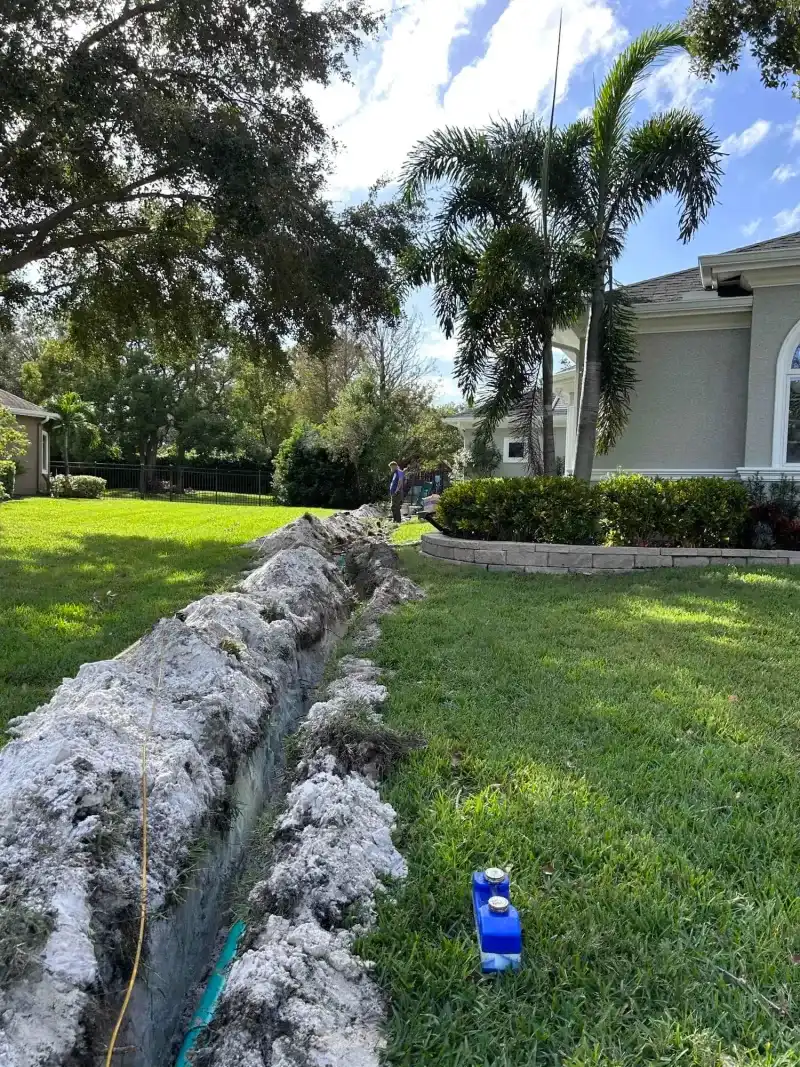
One good afternoon storm in July has a way of revealing every drainage problem a yard has been hiding since winter.
Water pools near the downspout, a garden bed sits underwater for hours, containers overflow and wash soil onto the patio, and that low corner of the lawn turns into a temporary pond.
Finding those spots in May, when storms are just beginning, is far better than discovering them when every afternoon brings another heavy downpour.
Walk your yard after a rain event in May and watch where water goes. Look for areas where it stands for more than a few hours.
Check that downspouts are directing water away from beds and foundations. Inspect raised bed edges to make sure water is not pooling inside.
Look at containers and make sure drainage holes are not clogged with roots or compacted potting mix.
Flat yards, compacted soil, and beds planted in low areas are especially vulnerable in Florida. South Florida and coastal gardeners may already be dealing with drainage issues as early rain events arrive.
Central Florida often sees intense afternoon storms that drop a lot of water in a short time, overwhelming spots that seemed fine in dry conditions. North Florida gardeners should still prepare before summer storm patterns lock in.
Simple fixes like redirecting a downspout, adding a French drain, or raising a low bed can prevent a lot of root stress and plant loss over the summer. Addressing drainage now, while the ground is workable, is much easier than trying to fix it in the middle of storm season.
7. Inspect Trees Before Hurricane Season Tests Weak Branches
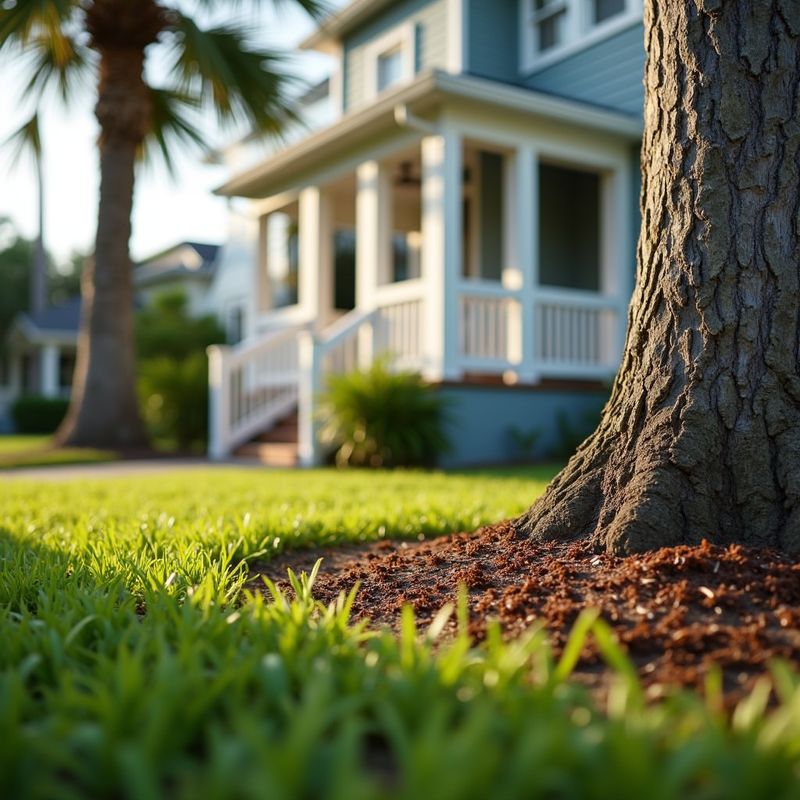
A weak limb hanging over a driveway might not seem urgent in May when the weather is still relatively calm. But by late July or August, when a tropical storm rolls through, that same branch becomes a serious problem.
May is one of the best months to look at your trees with fresh eyes before hurricane season gets active and storm risk rises.
Walk around every tree on your property and look up. Watch for branches that are cracked, hanging, or only partially attached.
Crossing branches that rub against each other can create wounds that weaken over time. Look for limbs with narrow, tight angles where they attach to the trunk, since these attachments tend to be structurally weaker than wider-angled ones.
For anything beyond basic observation, call a certified arborist. Large limbs, tall trees, branches near power lines, and any structural concerns require professional assessment.
Attempting to remove a heavy limb yourself can be genuinely dangerous, and cutting in the wrong place can damage the tree’s ability to seal the wound properly.
Coastal properties, older neighborhoods with mature tree canopies, and storm-prone areas throughout Florida deserve extra attention. But every Florida region can face severe weather, so no yard should skip a tree inspection entirely.
One thing worth knowing clearly: topping trees is not a hurricane preparation strategy. It creates weak regrowth, damages tree structure, and leaves trees more vulnerable to storm damage, not less.
A properly maintained tree handles storms far better than a topped one.
8. Pull Weeds Before Summer Rain Turns Them Into A Jungle
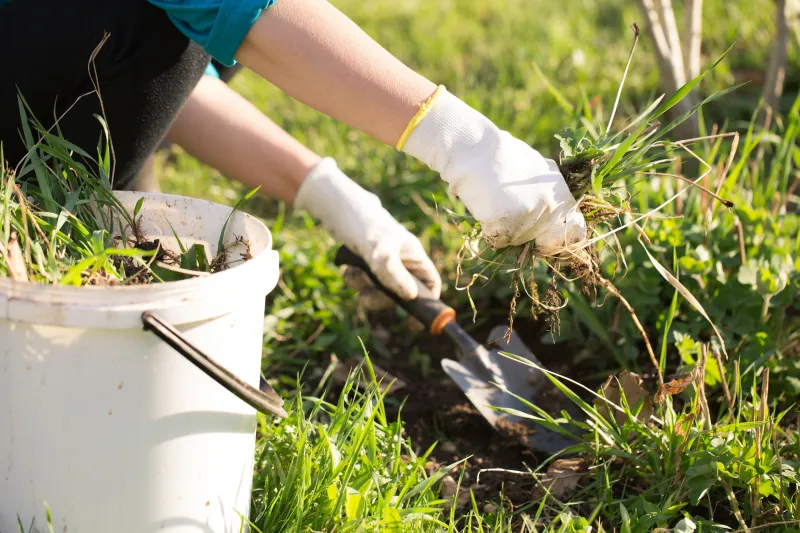
After just one rainy week in early summer, a garden that looked clean in May can suddenly look completely out of control.
Weeds that were tiny seedlings before the rain become established plants with root systems that resist pulling, and some of them are already setting seed and spreading to the next bed over.
Getting ahead of them in May, while they are still small and the soil is workable, is one of the most satisfying and effective things you can do for your summer garden.
Pull weeds when the soil is moist, ideally the day after a light rain. Moist soil makes it much easier to remove the whole root system rather than just snapping the top off and leaving the root behind to regrow.
Focus on weeds near vegetables, flower beds, shrub borders, containers, paths, and lawn edges where competition for water and nutrients matters most.
Avoid letting any weed reach the point where it is setting seed. One plant going to seed can mean hundreds of new seedlings after the next rain event.
After weeding, refreshing mulch over the bare soil helps slow the next round of germination significantly.
Be careful with herbicides around desirable plants, especially in mixed beds where roots overlap. Rainy-season timing and weed pressure vary across Florida.
South Florida may already be seeing aggressive weed growth with early rains, Central Florida is right at the edge of the surge, and North Florida gardeners have a small but valuable window to clear beds before summer growth truly explodes.