10 Florida Plants That Grow Beautifully Under Palm Trees
No one tells you this when you buy a house in Florida. You have a stunning palm tree. You want to plant something beneath it, but suddenly, every plant you choose seems to wilt within a month. The soil drains like crazy.
The roots are everywhere. The shade shifts throughout the day, and nothing appears to thrive. You begin to think that maybe concrete is the best choice after all.
It’s not. And you definitely don’t have to make do with just bare dirt or sad mulch rings either.
The area beneath a palm tree is one of the most ignored planting chances in Florida landscaping. If you do it right, you can create a vibrant, layered garden bed that looks like it belongs in a botanical garden.
The plants exist, they’re proven, and many are backed by UF/IFAS research. Florida homeowners just don’t know about them yet. That changes right now.
1. Plant Asiatic Jasmine For A Glossy Groundcover
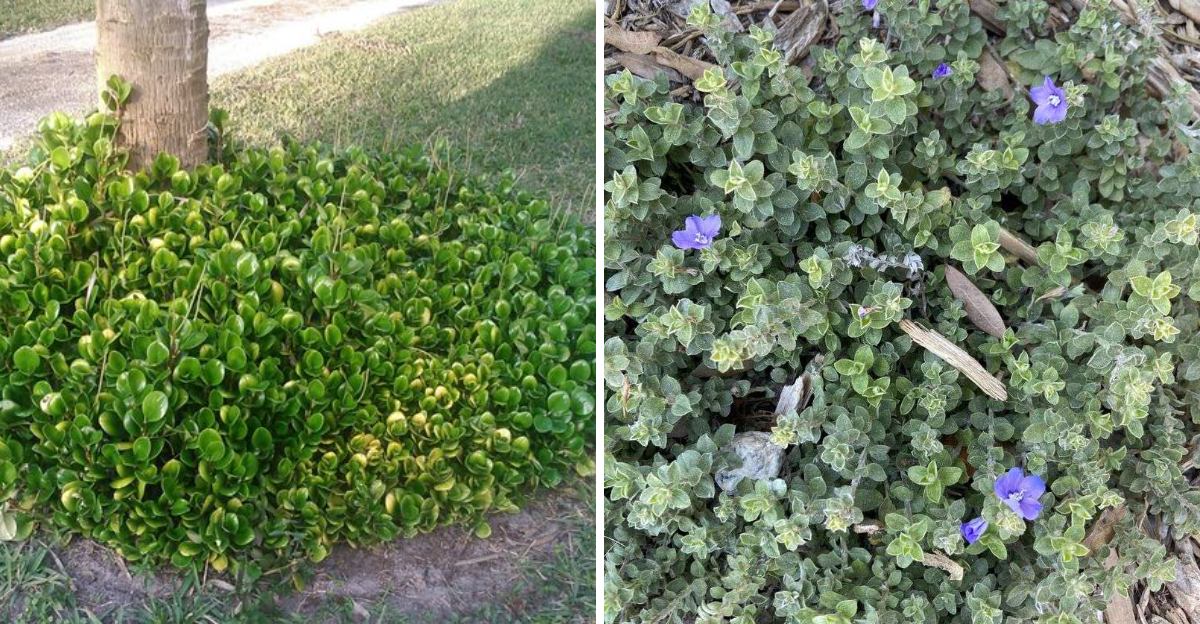
Few groundcovers in Florida can compete with Asiatic jasmine when it comes to looking great beneath palm trees. This low-growing plant creates a thick, shiny carpet that remains appealing throughout the whole year.
According to UF/IFAS, it thrives in both full sunlight and shade. This is important because the light under palm fronds is never steady.
It shifts, moves, and can vanish depending on the wind and the time of day. But, Asiatic jasmine doesn’t mind. It just keeps on spreading. Sandy, quick-draining soil? No issue. Florida’s dry spells between rain? It manages those, too.
Once it’s settled in, this plant is about as easy to care for as it gets. It spreads through runners, gradually covering large areas without needing much help from you. That’s the real beauty of it. You plant it, and it quietly takes over the work.
The only thing to keep an eye on is the edges. Asiatic jasmine is quite ambitious. If you give it a border, it will test it. A flat spade or simple edging tool will keep it in check and away from your lawn or pathways.
For Florida homeowners who desire a neat appearance under their palms without spending every weekend in the garden, Asiatic jasmine is a great choice.
2. Add Coontie For Native Tropical Texture
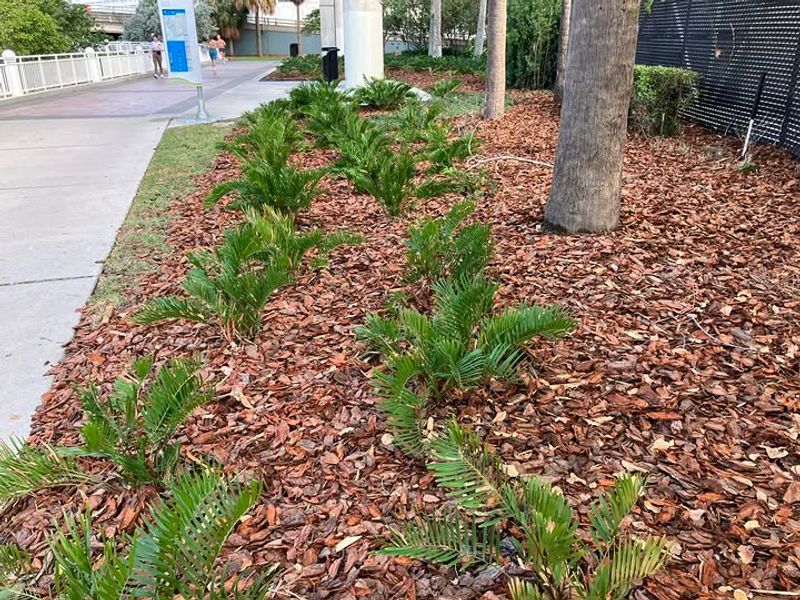
Coontie is a native plant that deserves a spot in nearly any garden. It is actually a cycad, not a true fern, and it has been thriving in Florida long before ornamental gardens were ever created.
It can grow in both sunny and shady areas across the state, making it one of the most adaptable choices for planting under palms.
Coontie adapts well and manages whatever challenges Florida presents. Sandy soil, filtered shade, long dry spells…
It just keeps looking great! Its growth may be slow, but over time, it forms a dense mound that adds real structure to a palm bed.
What makes coontie truly unique, though, is that it is the only larval host plant for the atala butterfly. By planting coontie under your palms, you’re helping to bring back a butterfly!
Your Florida Garden Changes Every Week. Your Plan Should Too.
Gardening in Florida changes quickly throughout the season. Every Friday you’ll receive a simple weekly plan showing exactly what to plant, prune, fertilize, harvest, and protect so you never miss the right timing.
However, one important thing to keep in mind is drainage. Coontie really prefers well-drained soil and will have a hard time in areas that stay wet. Keep it away from soggy spots, and it will reward you for many years.
The only real investment coontie requires is patience. The reward is a low-maintenance, ecologically valuable plant with character that few others can match.
3. Choose Holly Fern For Bold Shady Fronds
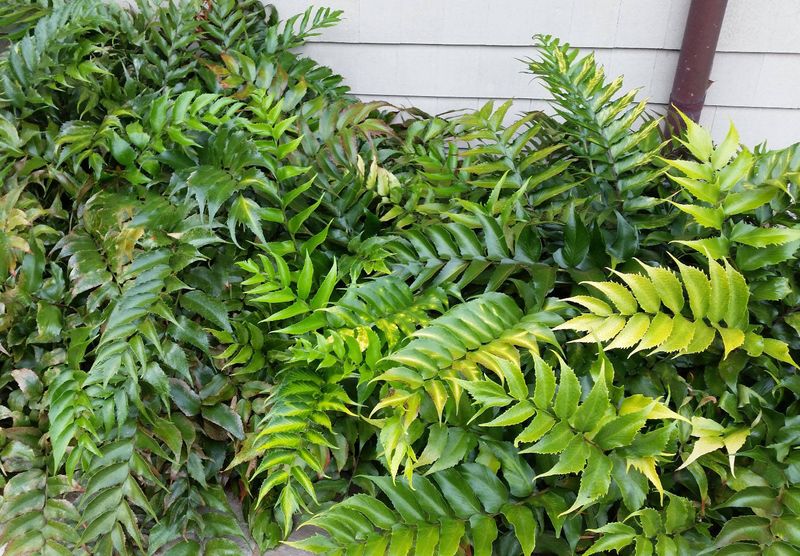
Are you looking for a plant that makes your shady palm bed look intentional? Check out the holly fern. In areas that might seem dark and dull, it brightens everything up effortlessly.
UF/IFAS identifies Cyrtomium falcatum as perfect for shady spots under trees, making it an ideal choice for planting under palms. Unlike some ferns that look great in the nursery but fall apart when heat and humidity hit, this one stays strong.
It’s genuinely reliable in a way that you can count on. However, it does prefer consistently moist soil with good drainage. The only thing to avoid is afternoon sun, as it can ruin the glossy finish that makes this plant so appealing.
The filtered shade on the east or north side of a palm is usually the best spot. In Central and South Florida, it thrives year-round with little care. Just trim off any old or ragged fronds at the base from time to time, and new growth will quickly take over.
For a fern that has real presence and the toughness to back it up, holly fern is a winner every time.
4. Use Liriope For Clean Palm Bed Edges
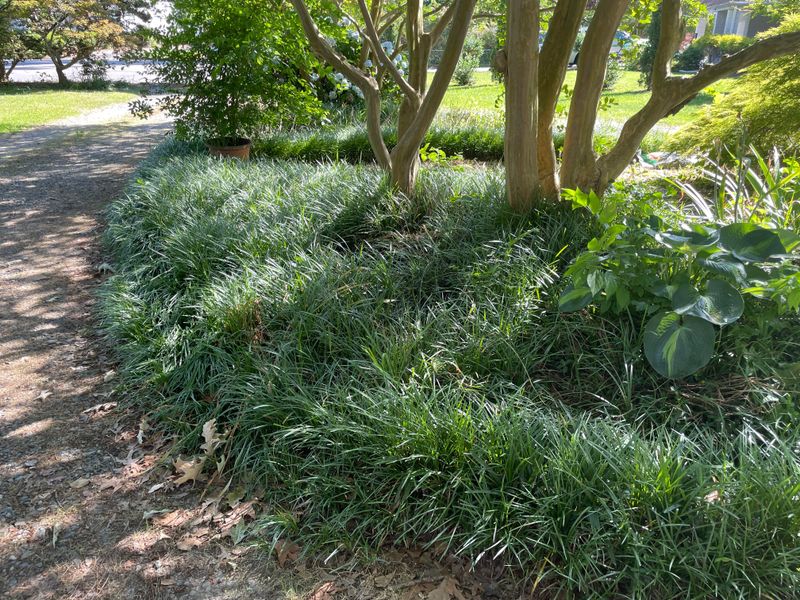
There’s something really satisfying about a palm bed with clean edges, don’t you think? Liriope is one of the top plants for achieving that look in Florida!
With its strappy, arching leaves and a naturally neat clumping habit, liriope adds real structure to any landscape.
You can plant it in groups, or line it up along the edge of a palm ring for a sharp border. It makes the whole bed look like it was designed by a pro!
Liriope is a shade-friendly groundcover that works well in Florida’s conditions. The filtered light under palms is just right for it. Sandy soil? No issue. Moderate drought? It handles it just fine.
Luckily, Liriope isn’t the type of plant that demands your attention. The real treat, however, comes in late summer and fall. These gentle purple flower spikes pop up unexpectedly, adding a lovely contrast to all that green.
A light trim in late winter refreshes the leaves and prepares it for strong growth in spring. That’s about all the effort liriope ever requires.
Gardeners in Central and South Florida keep returning to it for a reason. Order, elegance, and almost no fuss.
That mix is truly hard to beat. But, before you start planting, it’s important to know that Liriope muscari is invasive in Florida.
According to UF/IFAS, it’s classified as a Category II invasive species. That means it has been recorded spreading into natural areas and disturbing native plant communities. So, be careful with that!
5. Grow Cast Iron Plant For Deep Shade Drama
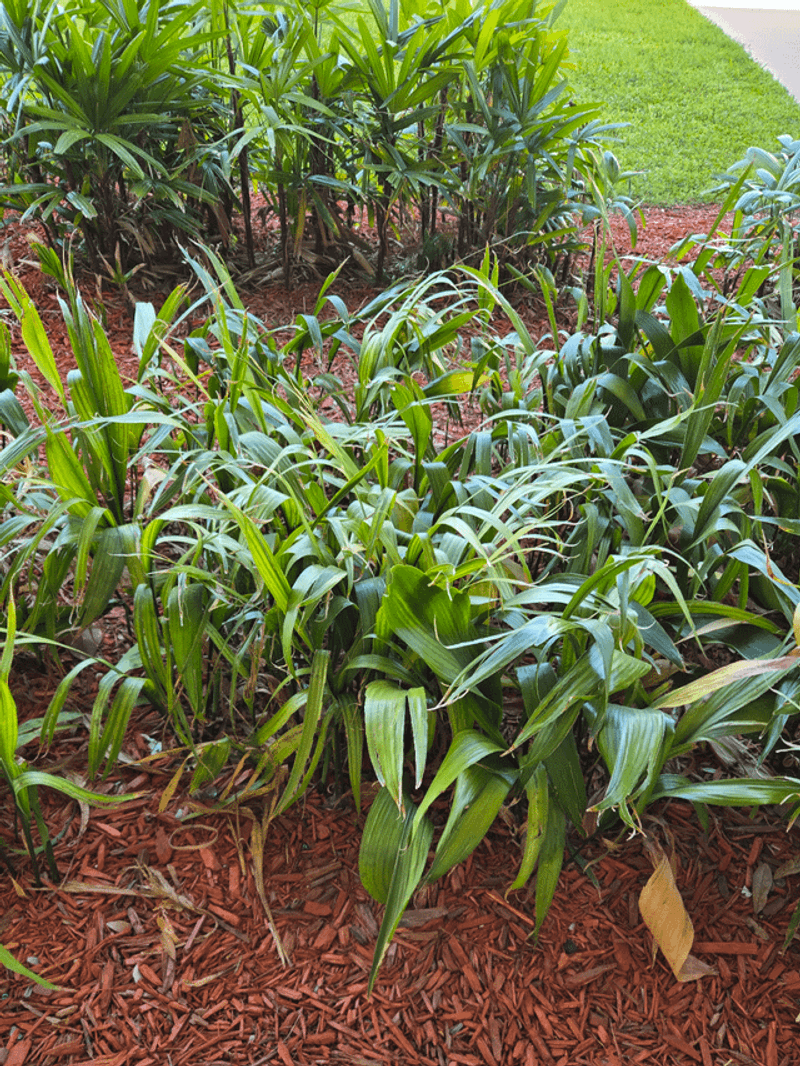
Some plants earn their reputation through tough experiences, and the cast iron plant is definitely one of those.
Aspidistra elatior received that nickname for a good reason. It thrives in deep shade, poor soil, and forgotten watering routines.
It handles all of this and appears completely unfazed. Most plants would have given up in weeks, but this one just keeps on growing.
It can handle filtered to deep shade throughout Florida, making it the solution to a lot of problems. Those really dark areas beneath palm trees where nothing else can survive? Growth is slow, and there’s no denying that. However, the benefits are significant.
Once it establishes itself, it rarely needs trimming or reshaping. Just add some compost when planting to help it thrive, and it will take care of the rest.
Be cautious about drainage, though. Soggy roots are truly the only thing that can harm this plant. Keep the water flowing, and it’s nearly indestructible.
Gardeners in North and Central Florida depend on it during the cooler winters when tropical plants start to look a bit rough. For deep shade and no maintenance hassle, nothing compares to it.
6. Let Florida Peperomia Soften Low Light Spaces
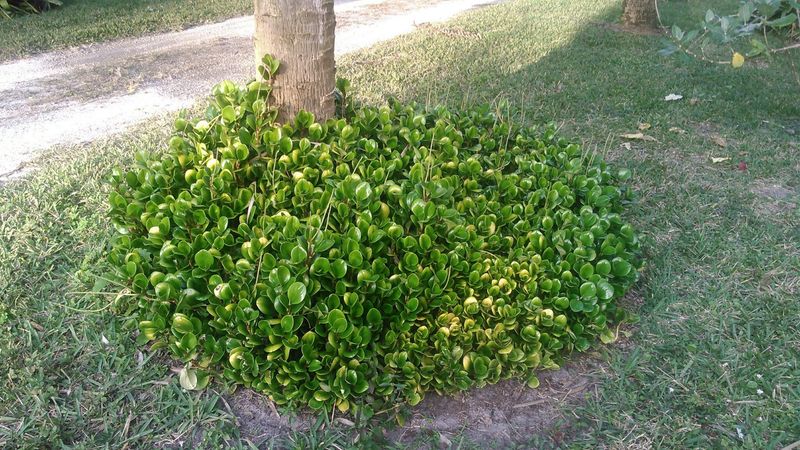
This small, soft-textured native plant adds a subtle touch to any shady area. It doesn’t shout for attention or demand much.
Instead, it naturally fills space in a way that feels effortless. Sometimes, that’s just what a garden bed needs, right?
Florida Peperomia thrives in partial to deep shade in zones 10 and 11. However, in Central or North Florida, the winter chill can be a challenge for it.
But, in the warmer southern regions where frost is not a worry, it finds its place. Consider it more of a filler than a standout feature.
When placed between larger plants like the cast iron plant or coontie, it softens the overall look. The soil should remain consistently moist with good drainage and some organic matter mixed in.
Florida peperomia doesn’t like to dry out completely, so it requires a bit more care during late fall to spring. It’s small, grows at a modest pace, and may never be the star of your landscape alone.
But when combined with more vibrant plants, it brings what those plants can’t achieve. It makes the entire bed feel lively and complete!
For gardeners in South Florida looking for something native, this little plant exceeds expectations given its size.
7. Plant Twinflower For Sweet Native Color
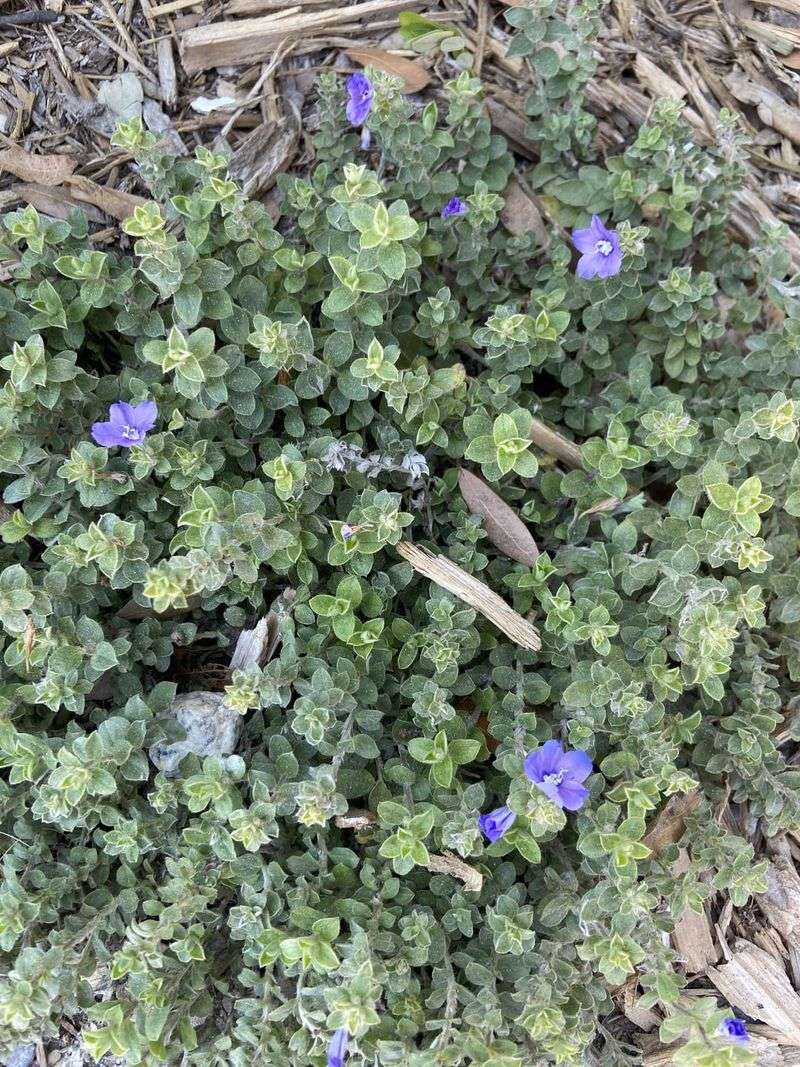
Adding color to a shady palm bed can seem tricky, but it really isn’t. Twin flower provides a lovely, natural option that blends perfectly into a Florida native landscape!
It’s a low-growing native groundcover that blooms with small, beautiful purple flowers for much of the year. This native groundcover thrives in both sun and partial shade. It simply adjusts and keeps blooming no matter what.
Twinflower is well-suited to Florida’s sandy soils and doesn’t require heavy fertilization or constant care once it gets established.
It enjoys moderate moisture but can tolerate dry spells fairly well, which is beneficial during the dry winter season when rainfall decreases significantly.
As a Florida native, twinflower also attracts local pollinators. Small bees and butterflies really love it!
Planting it in informal clusters instead of straight rows gives the bed a more natural look that fits the laid-back tropical style of many Florida gardens.
For homeowners seeking native color without much hassle, twinflower is a plant that quietly secures its place beneath the palms every season.
8. Use Mondo Grass For A Neat Green Border
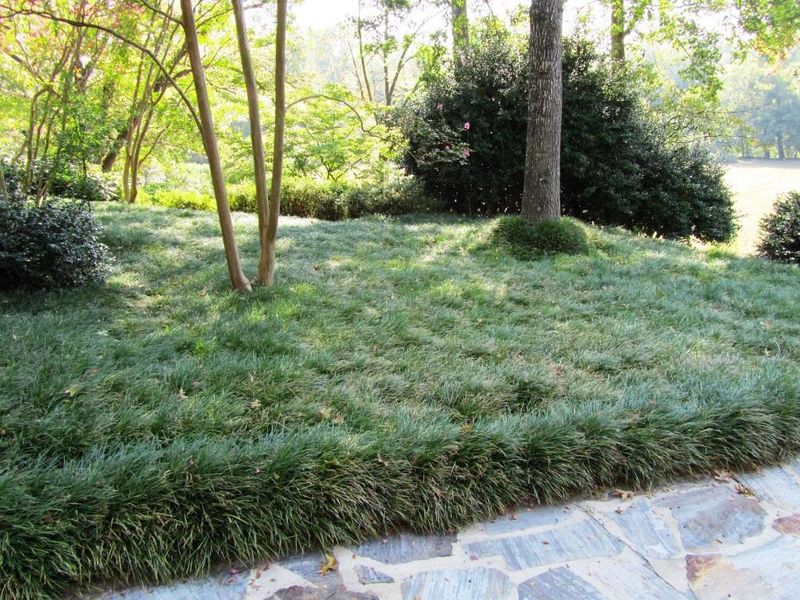
You know that feeling when you find a plant that just does its job without complaining? Mondo grass is exactly that plant.
Ophiopogon japonicus is a grass-like groundcover that naturally forms tidy clumps. Its dark green blades stay compact and neat without any effort from you.
UF/IFAS acknowledges it as a shade-tolerant groundcover that thrives in filtered light, making it perfect for planting under palms. It adapts well to sandy Florida soil, although adding some organic matter helps it establish more quickly.
Once it’s settled in, it can handle dry spells without much fuss. You can use it to outline the edge of a palm ring, and suddenly the entire bed appears intentional.
Placing it along a palm-lined walkway creates a striking contrast between the dark blades and the surrounding ground. Mowing is seldom necessary, and trimming is only needed occasionally. For a groundcover, that level of low maintenance is hard to beat.
Then there’s black mondo grass. It’s the same dependable plant but with dramatically darker leaves that verge on purple-black.
When paired with lighter foliage plants in the same bed, the contrast is sure to catch people’s attention. It’s the same reliable plant, just much bolder.
9. Add Native Sword Fern For Easy Woodland Texture
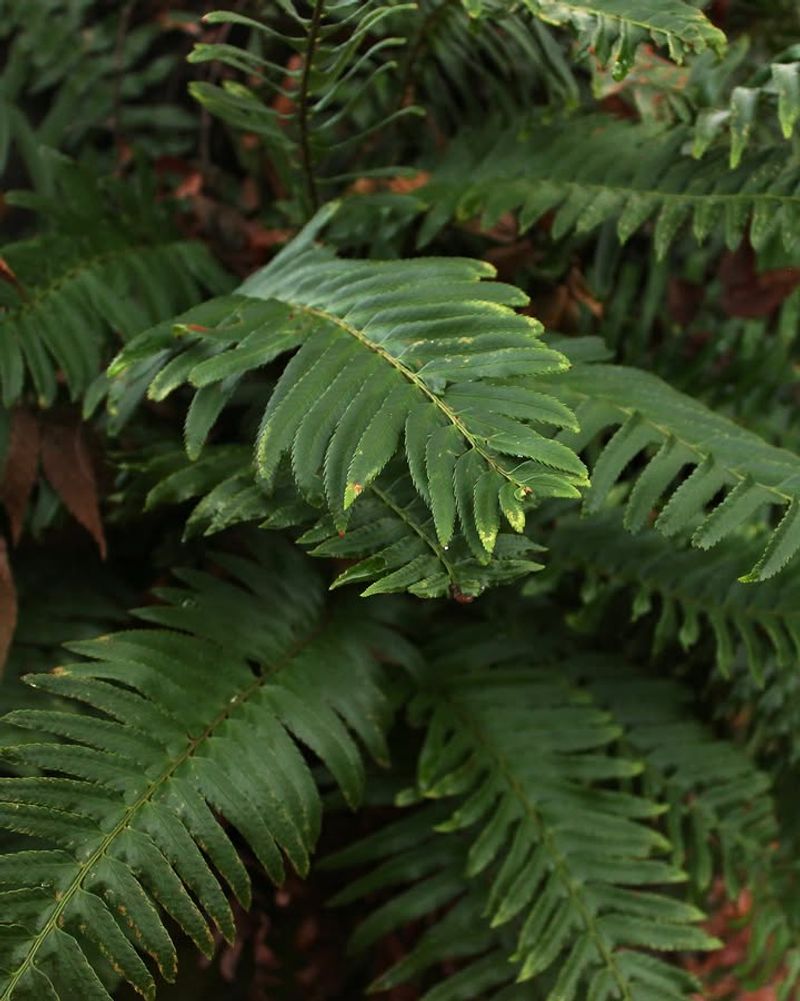
Strolling by a palm bed filled with native sword fern will definitely make you do a double-take. It looks like it grew there on its own, and honestly, it practically did.
Nephrolepis exaltata is already found growing wild throughout Florida in places like hammocks and the edges of forests. It’s an easy and practical groundcover.
Believe it or not, calling it easy is no exaggeration! The way it spreads is a real advantage.
Native sword fern spreads through underground runners, covering large areas faster than most other ferns. The bare ground beneath your palms won’t stay bare for long. A few plants do the work of many.
Keeping it consistently moist helps it look its best, especially during Florida’s dry season when weeks can go by without significant rain. A good layer of mulch around the base is very helpful, as it keeps the roots cooler during the intense summer heat.
You can occasionally pull out old or brown fronds to keep everything looking fresh. That’s pretty much all the maintenance you’ll need to think about.
It’s native, low-maintenance, and truly beautiful. If you want a full, lush appearance under your palms, sword fern is definitely a top choice.
Before you buy, though, be sure to examine the label carefully. The tuberous sword fern resembles the native species closely, but its behavior is quite different.
According to UF/IFAS, it is classified as a Category I invasive plant in Florida. It’s easy to confuse the two at the garden center!
10. Choose Basketgrass For Deep Shade Coverage
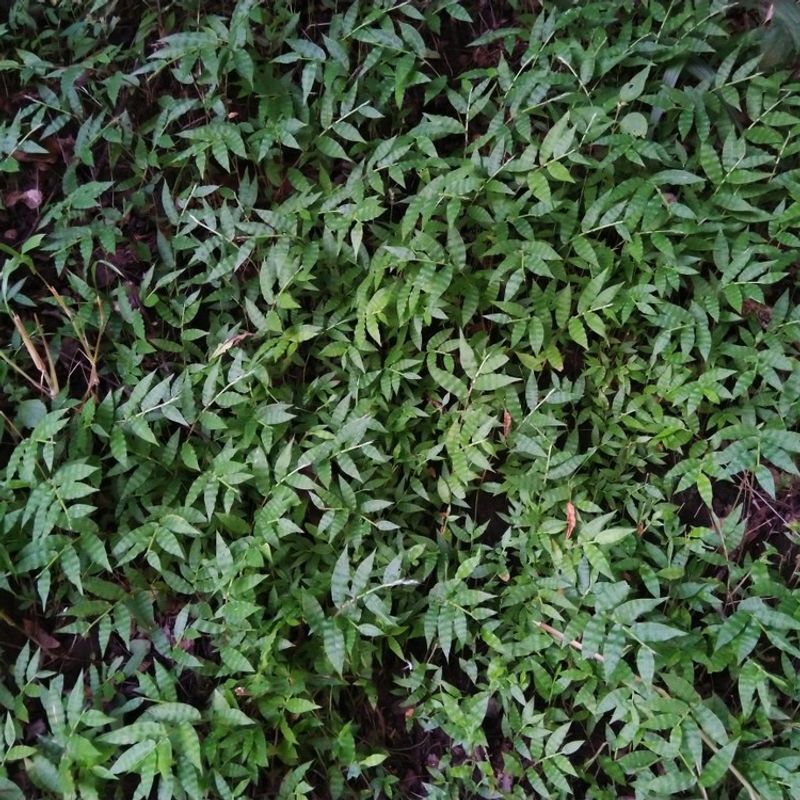
The deep shade beneath a palm canopy is one of the most challenging areas in any Florida yard. Most plants take one look at it and just give up. Basketgrass, however, doesn’t flinch.
Oplismenus hirtellus is a native, low-growing groundcover that gently spreads across shady areas where almost nothing else thrives. It’s one of the very few plants truly suited for the darkest spots where only a little filtered light touches the soil.
Basketgrass also wants moist, well-drained soil with some organic matter mixed in to help retain moisture during dry spells. Heavy fertilizing is not necessary.
Trimming is optional, mainly to keep the edges of the bed looking neat and defined. Being a Florida native also means it has ecological benefits. Local insects thrive on it, and it fits naturally into garden designs that are friendly to native plants!
Just make sure you are planting the right one. Florida sources distinguish native basketgrass from the introduced exotic variety. The two are easy to confuse at the nursery, so make sure you are bringing home the native version.
For anyone who has looked at bare ground under their palms and wondered what to do with it, basketgrass is the solution. It’s low maintenance, naturally beautiful, and perfectly suited for the Florida landscape.