Florida Plants That Make Yards Naturally Less Attractive To Roaches
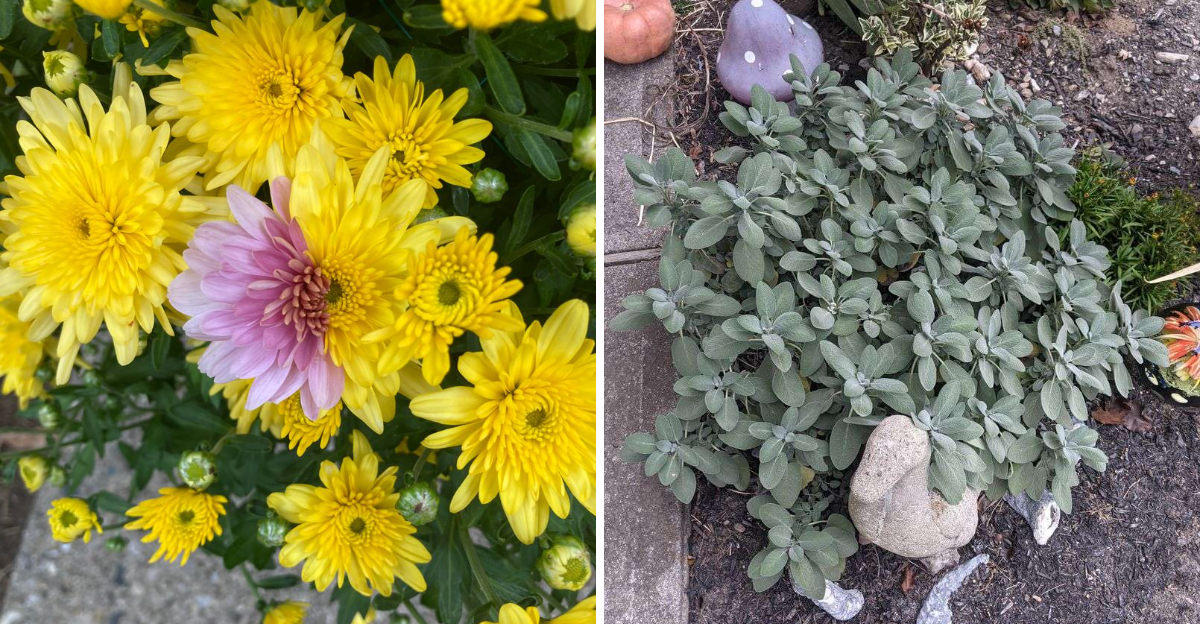
A Florida yard can become too comfortable without looking messy at first.
A damp planter sits near the porch. Leaves collect in a quiet corner. The wall beside the door stays humid after rain.
A pet bowl, leaky hose, or shaded mulch pocket adds just enough moisture to make the space inviting for pests that prefer dark, protected places.
Plants can help, but only as part of the bigger plan.
Some herbs and flowers contain aromatic compounds that have shown insect-repelling activity in controlled research.
In a real yard, though, a living plant releases those compounds at much lower levels than an extract, oil, or formulated product.
That difference matters.
No plant can seal a door gap, dry a wet wall, clean up food residue, or remove leaf litter. The best approach combines smart landscaping with moisture control, sanitation, and entry-point repair.
So which Florida plants can make a yard a little less attractive to roaches?
Start with aromatic plants that prefer clean, well-drained conditions, then use them alongside the habits that actually remove what roaches want most.
1. Catnip Brings The Strongest Roach Connection
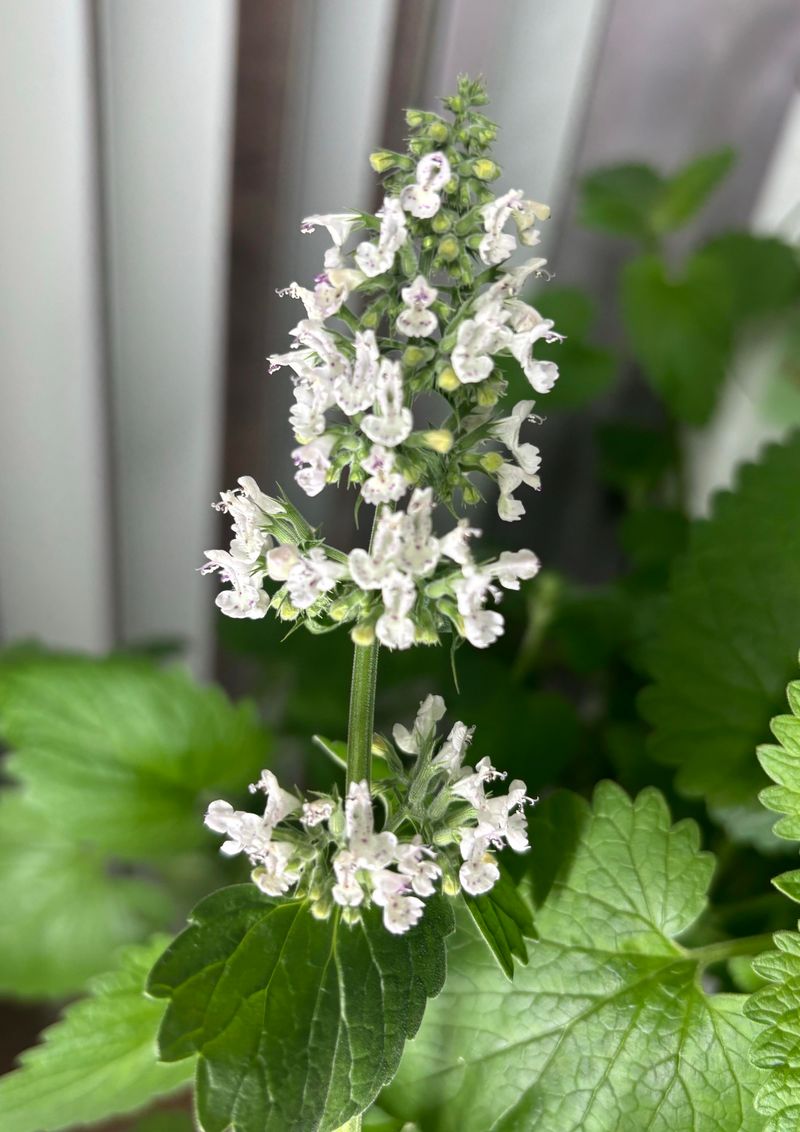
Catnip has one of the most interesting research connections on this list.
Its sharp, minty scent comes largely from nepetalactone, a compound that has shown real insect-repelling activity in laboratory settings.
That does not mean one leafy pot can guard a patio by itself, but it does make catnip a useful aromatic plant for a broader Florida pest-prevention plan.
The difference between a plant and an extract matters. Concentrated preparations used in research are much stronger than the scent drifting from a living container.
Still, catnip earns attention. A healthy, trimmed plant releases a noticeable aroma when brushed, warmed by sun, or pruned.
Containers are the safest choice. Catnip can spread aggressively when planted directly in garden beds.
Use a pot with drainage holes. Wet roots and soggy saucers create the exact damp conditions roaches like. Place it in bright sun. Catnip grows best with strong light and soil that does not stay waterlogged.
Trim often. Regular cutting keeps the plant bushy and fragrant instead of leggy and tired.
Keep the saucer dry. A water-filled saucer under a catnip pot can become a pest-friendly moisture source.
Expect cat attention. Neighborhood cats may rub, roll, or knock containers over.
Move toppled pots quickly. Spilled soil and trapped moisture near a wall work against the goal.
Catnip is not a living wall around the house. It is a useful aromatic herb that works best in a clean, dry, well-managed container near outdoor spaces.
2. Lemon Thyme Adds A Citrus Barrier
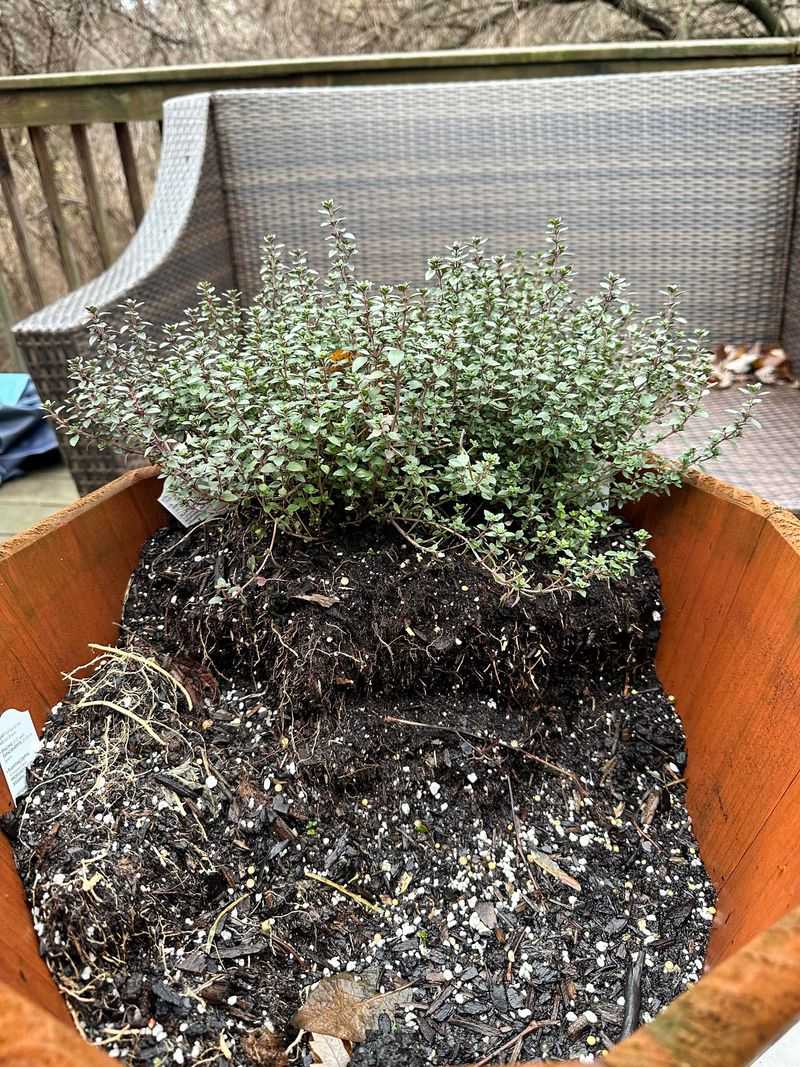
Lemon thyme brings a bright scent to sunny Florida edges.
Crush a sprig between your fingers, and the citrusy aroma shows up fast. That fragrance comes from aromatic compounds found in thyme and lemon-scented herbs, some of which have shown insect activity in controlled studies.
A border of lemon thyme will not block roaches from a yard. Roaches follow moisture, food, shelter, and access points far more strongly than a faint plant scent.
Your Florida Garden Changes Every Week. Your Plan Should Too.
Gardening in Florida changes quickly throughout the season. Every Friday you’ll receive a simple weekly plan showing exactly what to plant, prune, fertilize, harvest, and protect so you never miss the right timing.
The plant still has value. It thrives in tidy, dry, sunny spaces, which are less comfortable for roaches than damp, cluttered corners.
Use it along walkways. Lemon thyme can soften edges without creating a tall, debris-trapping thicket.
Containers work too. A shallow pot near a seating area keeps the fragrance close and the growth controlled.
Drainage is essential. Thyme dislikes soggy soil, especially in Florida humidity.
Let the top of the soil dry between waterings. Constant moisture weakens the plant and creates better pest conditions.
Prune lightly after growth flushes. This keeps stems compact and reduces debris below the plant.
Do not let old stems mat together. Dense, woody, messy growth can trap leaf litter and moisture.
Give it airflow. Crowding thyme between walls, pots, and furniture makes the area more humid.
Lemon thyme helps most when the space around it stays clean.
Its scent is a bonus, but the dry, open, well-kept planting style is just as important.
3. Chrysanthemums Supply Natural Pyrethrins
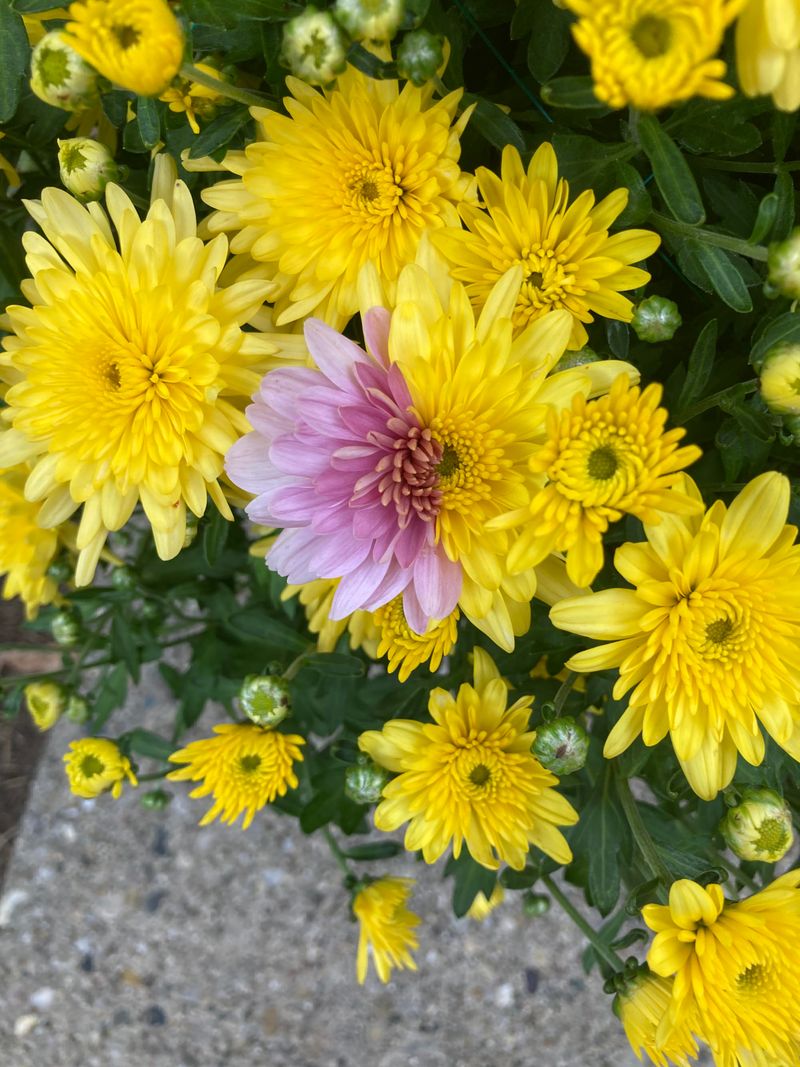
Chrysanthemums come with a famous insect-related background.
Certain chrysanthemum species produce pyrethrins, natural compounds used in some commercial pest-control products. That fact is real, but it needs careful handling in a garden article.
A blooming chrysanthemum in a Florida bed is not the same as an extracted, measured, labeled product. The flowers do not release enough pyrethrin into the air to act like a yard treatment.
That means chrysanthemums should be treated as seasonal color with useful chemistry behind them, not as a living insecticide.
They can still fit the plan. Their upright shape, bright flowers, and container-friendly habit make them useful around clean, sunny outdoor areas.
Florida timing matters. Chrysanthemums often perform best during cooler months rather than the deepest heat of summer.
Give them full sun. Strong light keeps plants compact and flower production better.
Use excellent drainage. Wet soil can stress roots quickly in humid conditions.
Containers or raised beds help. They keep roots from sitting in heavy, saturated soil after rain.
Remove spent blooms. Old, soggy flowers can trap moisture and make the plant look tired.
Keep fallen petals cleaned up. Decaying plant debris near doors, porches, and foundation edges is not helpful.
Place carefully around pets. Chrysanthemums can bother dogs and cats when eaten, so use them where pets cannot snack on the foliage or flowers.
Chrysanthemums brighten pest-prone borders.
Just remember that the real roach prevention still comes from dryness, cleanliness, sealed gaps, and fewer hiding spots.
4. Rosemary Handles Sunny Florida Pots
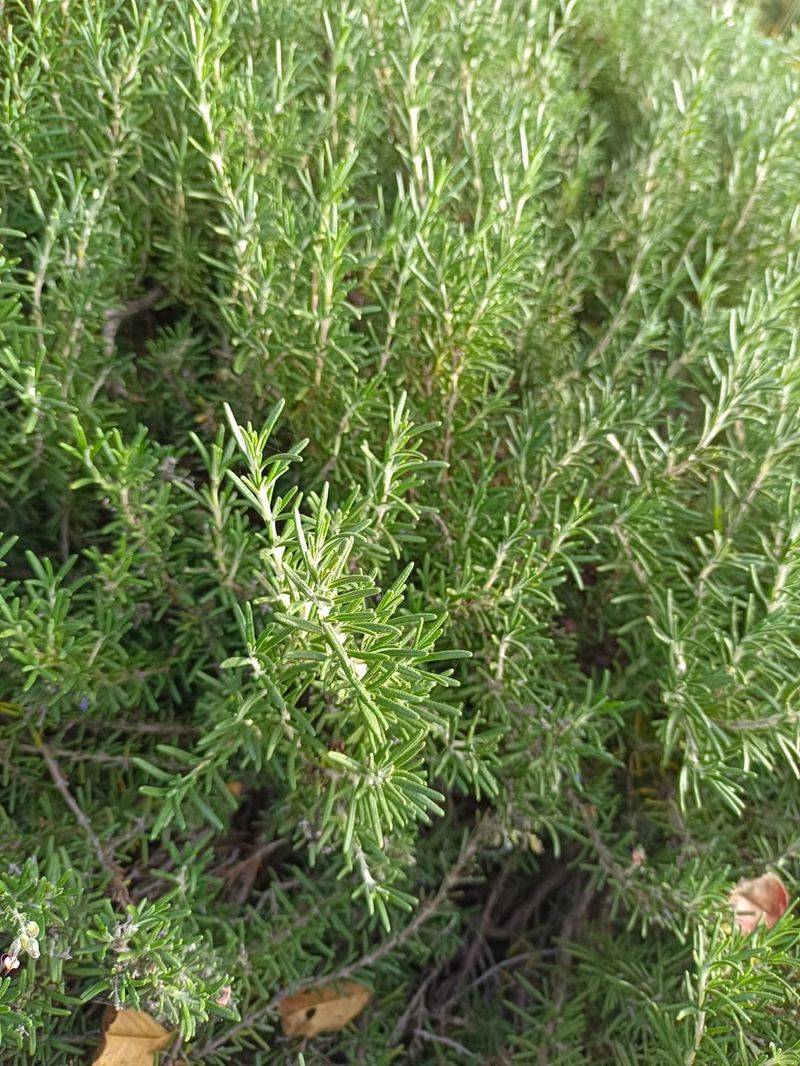
Rosemary is a strong choice for hot, bright patio areas.
The narrow leaves carry a resinous scent from aromatic compounds that have been studied for insect-repelling activity. On a warm afternoon, a healthy rosemary pot can smell sharp, clean, and noticeable even before you touch it.
That scent can make the area feel fresher. It should not be treated as proof that roaches will stay away on its own.
A rosemary plant beside a dripping spigot will not beat the attraction of water. A pot sitting in a wet saucer near the door can become part of the problem instead of part of the fix.
Drainage decides success. Rosemary needs a fast-draining mix and a container that releases extra water quickly.
Terracotta works well. It dries faster than plastic and suits rosemary’s preference for drier roots.
Raise the pot slightly. Water trapped underneath can keep the area damp and inviting.
Place it in full sun. Rosemary grows best where light is strong and air moves freely.
Prune lightly. Small trims after growth flushes encourage denser foliage and a stronger scent. Avoid hard cuts into old woody stems. Rosemary may recover slowly from severe pruning.
Keep the base clean. Fallen needles, leaves, and potting soil spills should not collect near the wall.
Use rosemary near doors for convenience and fragrance. Pair it with weatherstripping, caulk, and tidy storage.
Rosemary is a beautiful support plant. It works best when the whole area around it stays dry, sunny, and free of clutter.
5. Mint Works Best Inside Containers
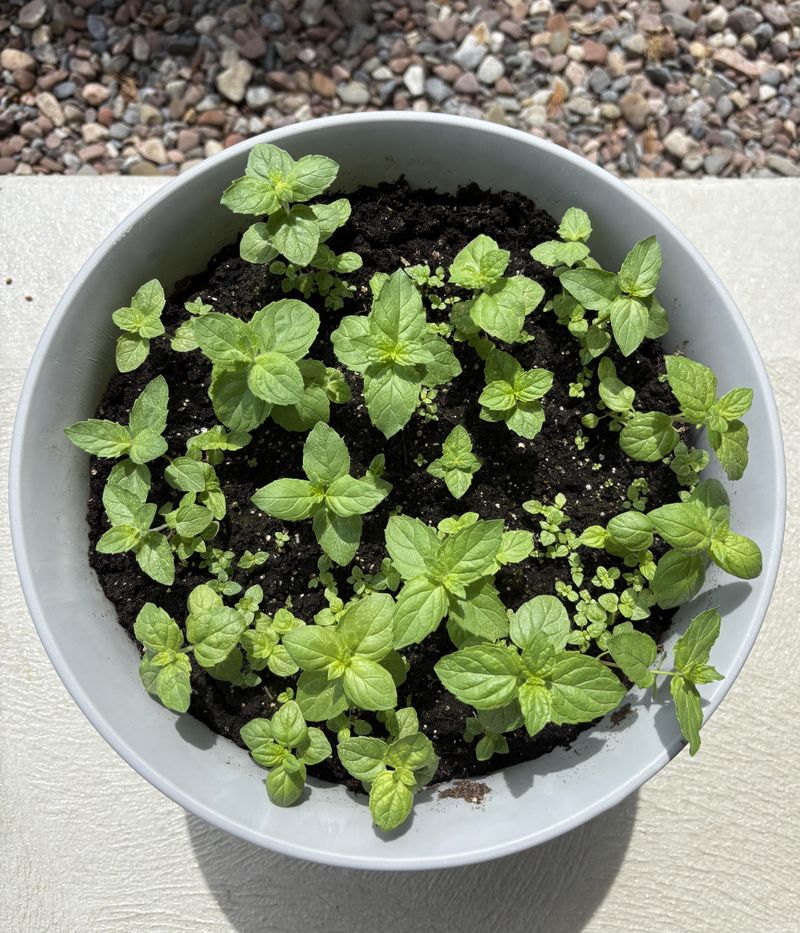
Mint smells powerful, but it needs strict boundaries.
The cool scent comes from menthol and related compounds, and mint oils have shown repellent effects against certain insects in controlled research.
A living mint plant is much milder than an oil preparation, but it can still contribute fragrance to outdoor spaces.
The problem is growth habit. Mint spreads quickly through runners and can overtake a bed before the season is done.
In the ground, that dense growth may hold moisture. A thick, tangled mint patch near a wall can create cool cover that roaches may appreciate.
Containers solve most of that issue. Keep mint in a pot with drainage holes and a light, well-drained mix.
Trim it often. A compact mint plant smells stronger and traps less humidity at the base.
Cut crowded stems by about one-third. This refreshes growth and keeps the plant from collapsing over itself.
Avoid deep saucers. Standing water under a mint pot invites mosquitoes and other pests while adding moisture near the house.
Move pots away from damp walls. The plant scent does not matter much when the surrounding surface stays wet.
Harvest regularly. Frequent cutting keeps mint useful in the kitchen and neater on the patio.
Replace tired plants. Old, root-bound mint becomes woody, weak, and messy.
Mint earns its place through scent and easy care.
It only helps the yard plan when it stays contained, trimmed, and dry around the base.
6. Basil Guards Doors And Windows
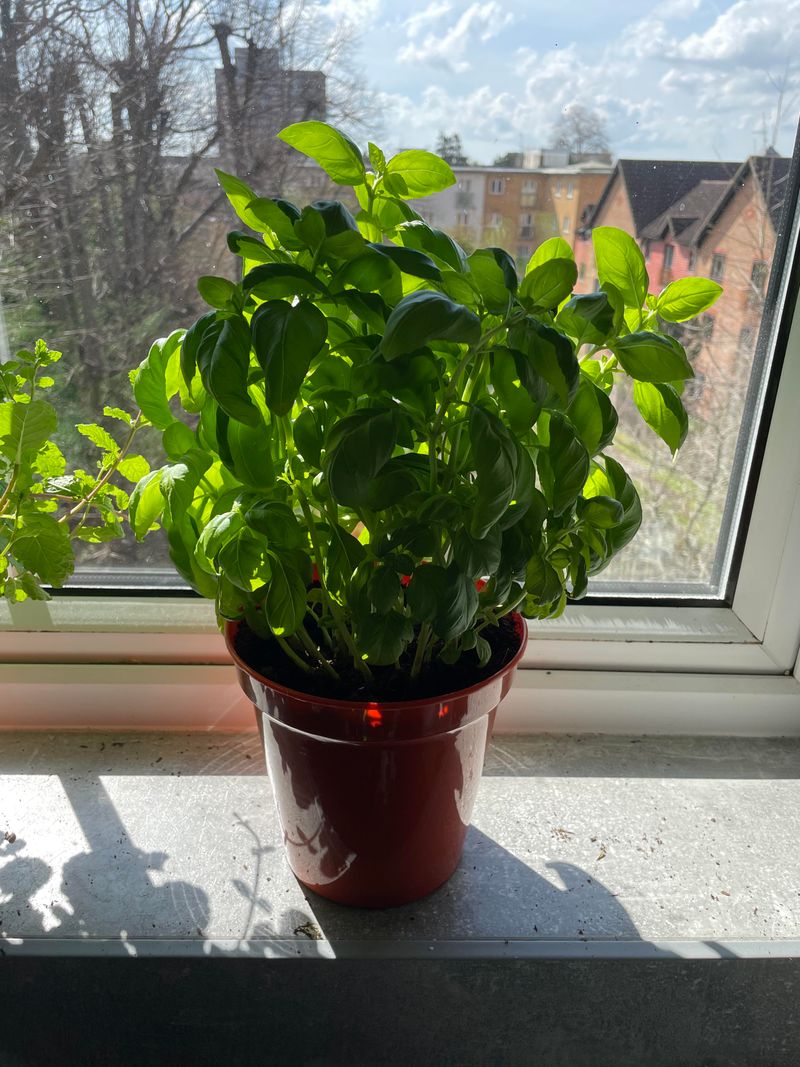
Basil is useful, fragrant, and easy to keep close to the kitchen.
Its leaves contain aromatic compounds such as linalool and eugenol, both studied for insect-related activity in controlled settings.
A thriving basil pot near a door can add fresh scent to an entry area that might otherwise stay damp and dull.
It is not a force field. Roaches enter through cracks, gaps, utility openings, loose thresholds, and poorly sealed doors.
Basil should sit beside good exclusion habits, not replace them. The doorway still needs tight seals and clean edges.
Give basil strong sun. Six or more hours of light helps it produce full, fragrant growth.
Water consistently but carefully. Let the top inch of soil dry before watering again.
Keep pots off soggy ground. A container sitting directly on damp concrete can hold moisture around the base.
Pinch off flower spikes. Once basil bolts, leaf quality drops and the plant loses some of its lush, aromatic growth.
Harvest from the top. Regular pinching keeps the plant bushy rather than tall and sparse.
Clean fallen leaves. Soft, decaying basil leaves near a doorway do not help pest prevention.
Use separate pots for easy movement. Florida cold snaps can damage basil, so movable containers are practical.
Do not overcrowd entries. Too many pots packed against a doorway can trap moisture and hiding places.
Basil makes a doorway feel alive and useful.
It supports the larger goal when the entry stays sealed, swept, dry, and open.
7. Sage Adds Tough Aromatic Foliage
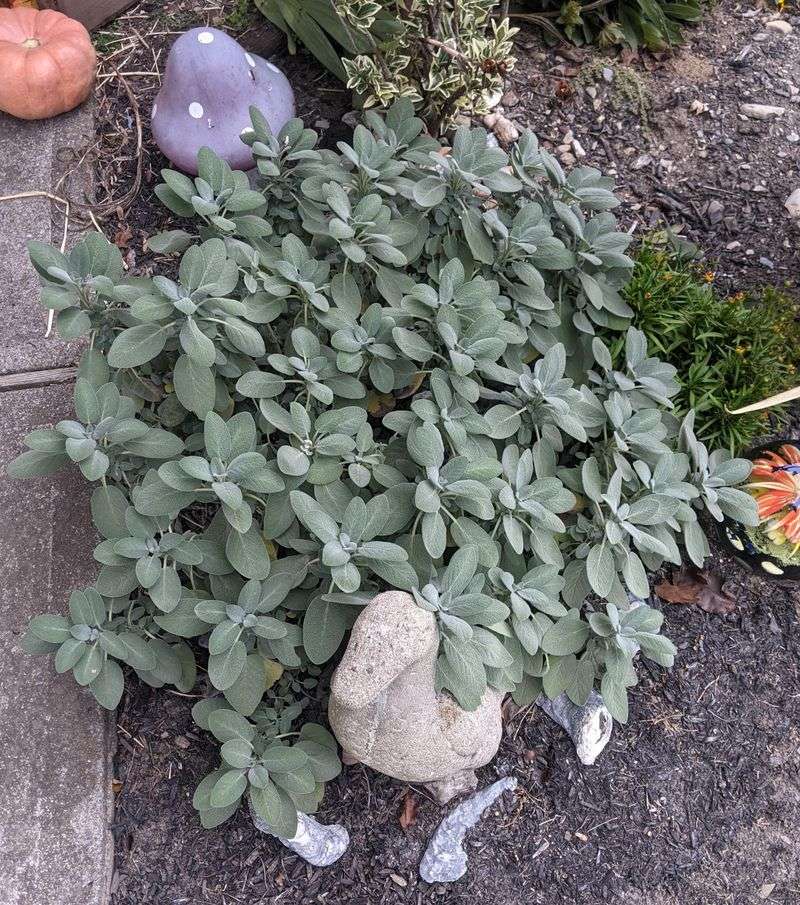
Sage offers sturdy leaves and a strong herbal scent.
The silvery foliage contains aromatic compounds that have shown insect activity in some research, although roach-specific field results from garden plants are limited.
In a Florida yard, sage should be valued as one more aromatic, drought-leaning plant for dry, sunny spaces.
Humidity is the challenge. Sage dislikes wet roots and stagnant air. Use raised beds or containers. Both give you more control over drainage.
Choose full sun. Strong light keeps the plant tighter and healthier.
Use a gritty mix. Perlite, coarse sand, or fast-draining potting mix can help keep roots from sitting wet. Avoid heavy clay spots. Soil that holds water after rain can weaken sage quickly.
Space plants well. Airflow around the foliage matters in Florida’s humid weather. Prune lightly. Removing about one-third of soft growth can keep the plant compact.
Avoid cutting far into old woody stems. Sage may not rebound well from harsh pruning.
Keep mulch modest. Too much organic material against the crown can hold unwanted moisture.
Do not place sage beside leaky hoses or open compost. Food and water sources will overpower plant scent every time.
Sage works because it prefers the same kind of area roaches dislike.
Dry, sunny, open, well-drained conditions help the plant thrive while making the yard less comfortable for moisture-loving pests.
8. Marigolds Brighten Pest Prone Borders
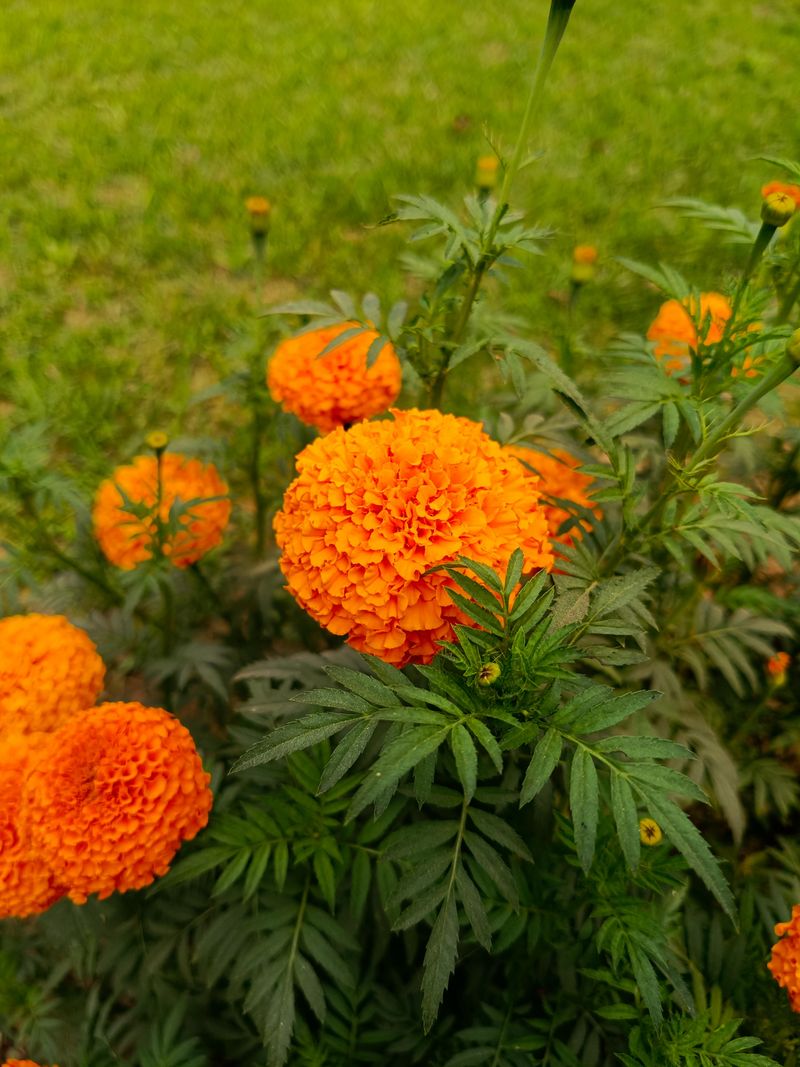
Marigolds bring color, but their roach reputation needs perspective.
They are often described as pest-repelling flowers, and their roots do produce compounds studied for effects on certain soil pests. That does not mean marigolds reliably repel roaches from a Florida yard.
The benefit is more practical. Marigolds help fill sunny borders with tidy seasonal color, especially when grown in well-drained beds that are kept clean.
A managed border is less inviting than a damp, neglected one. That is where marigolds can support the bigger plan.
Plant them in full sun. Good light keeps plants compact and flowering.
Use well-drained soil. Wet feet can stress marigolds and create fungal problems.
Trim often. Removing spent blooms keeps the plants fresh and prevents soggy flower heads from collecting.
Clean up fallen petals. Decaying plant material near the porch or foundation can become shelter and food residue for pests.
Avoid crowding. Packed annuals trap humidity near the soil surface.
Use them in raised edges. Slightly elevated beds drain better during Florida’s rainy periods.
Replace tired plants promptly. Weak, collapsed annuals can create more clutter than benefit.
Do not depend on scent alone. Marigolds are not a roach-control product.
Pair them with dry mulch, clean borders, and sealed entry points. That combination is far stronger than flowers alone.
Marigolds make pest-prone edges look intentional.
Their best role is keeping sunny borders bright, tidy, and easy to inspect.