The Underrated Texas Plant That Makes Fire Ants Less Welcome In Your Yard
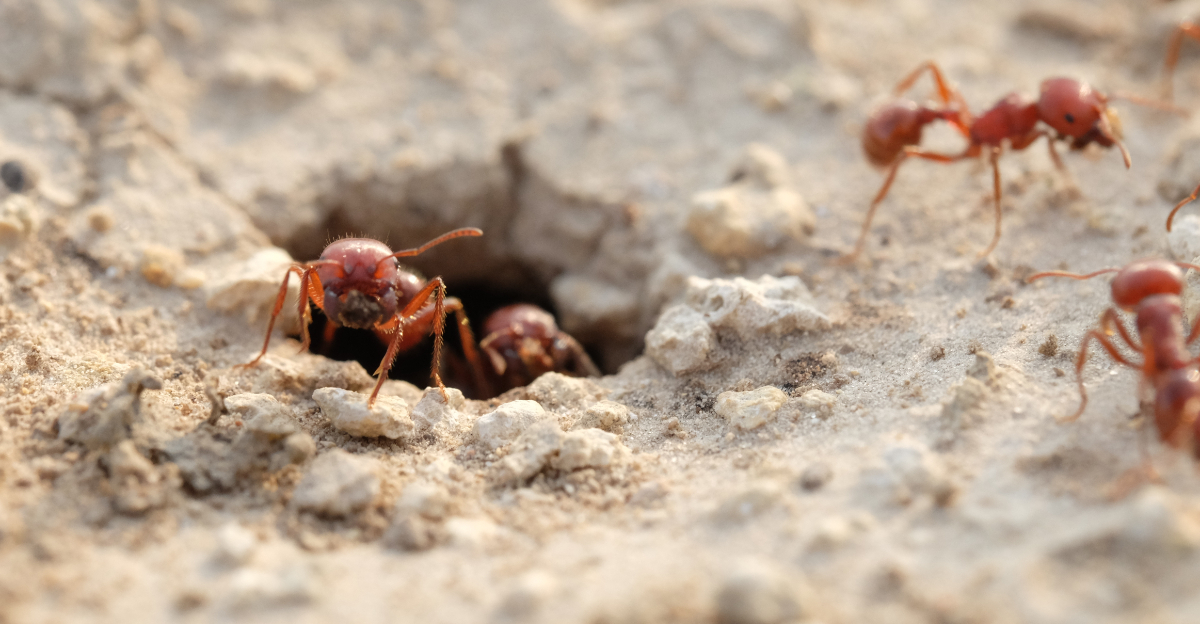
Fire ants don’t ask permission before they move in. One warm afternoon and a patch of lawn turns into a maze of stinging mounds nobody wants to cross barefoot.
Most people grab a bag of pesticide and call it done, but the ants often find their way back before long. There’s a quieter fix growing wild in yards across the South, and almost nobody notices it.
A low, spreading native ground cover blankets bare soil, turning ground that ants love into ground they avoid. It shrugs off drought, ignores foot traffic, and needs almost no maintenance to thrive.
Gardeners who’ve planted it often notice fewer mounds within a season. If your yard has turned into ant territory every summer, this unassuming ground cover might be the fix you haven’t tried yet.
One Ground Cover Changes The Conditions Ants Prefer
Bare soil is basically a welcome mat for fire ants. Open, dry patches of ground give ant colonies the perfect spot to build their mounds without any interference.
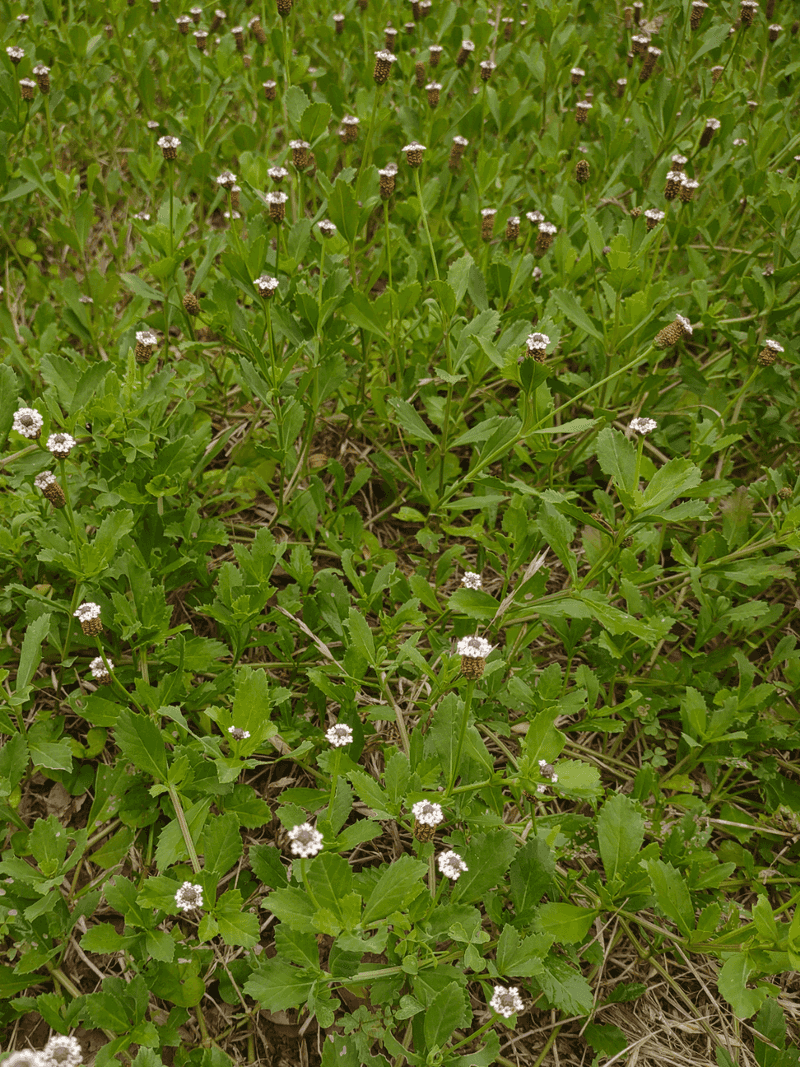
Fire ants love exposed earth because it warms up fast and stays easy to tunnel through. A dense ground cover like Texas Frogfruit changes that equation in the ant’s disfavor.
When plants knit together tightly across the soil surface, they block sunlight from reaching the ground. Cooler, shaded soil is far less attractive to colonies searching for a new home.
This ground cover approach works by altering the environment itself, not by attacking the ants directly. It does not chase ants away with a chemical smell or a toxic compound.
Instead, it removes the conditions ants depend on. Think of it like taking away the table before anyone sits down to eat.
Ground covers also hold moisture in ways that disrupt ant tunneling. Ants prefer soil that drains quickly and stays loose, not soil that stays slightly damp under a leafy canopy.
Texas Frogfruit grows low, usually no taller than six inches. That compact profile means it fills in gaps that other plants would skip right over.
Changing your yard’s ground conditions is one of the most lasting pest-management moves you can make. Chemical treatments fade, but a thriving ground cover keeps working season after season.
Texas Frogfruit Thrives In The Heat And Sun
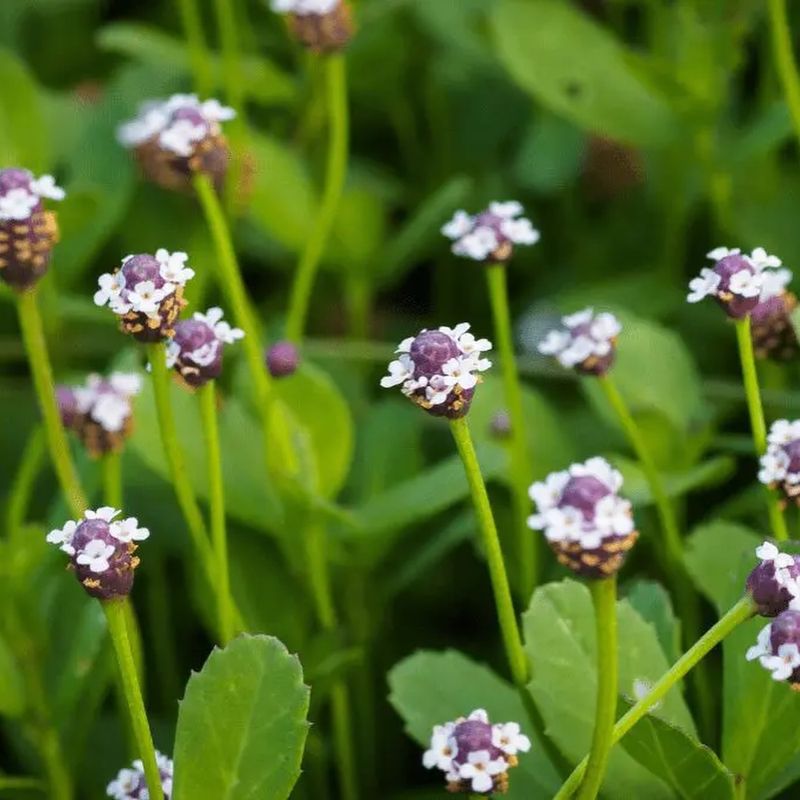
Not every plant can handle a Texas summer without flinching. Most ground covers curl up, brown out, or demand constant watering just to survive past July.
Texas Frogfruit is built differently. This tough native plant evolved under the same brutal sun that bakes your lawn every August, and it handles that heat with ease.
Phyla nodiflora, its botanical name, grows naturally across roadsides, creek banks, and open fields across the southern United States. It has been adapting to extreme conditions for thousands of years.
Full sun is not a problem for this plant. It actually spreads more aggressively when given plenty of direct sunlight and room to roam.
Once established, Frogfruit requires very little supplemental watering. Its root system reaches deep enough to find moisture even when the surface soil feels bone dry.
Your Texas Garden Changes Every Week. Your Plan Should Too.
Gardening in Texas changes quickly throughout the season. Every Friday you’ll receive a simple weekly plan showing exactly what to plant, prune, fertilize, harvest, and protect so you never miss the right timing.
That drought tolerance makes it a practical choice for homeowners who want low-maintenance coverage. You plant it once, water it through its first season, and then mostly leave it alone.
This native ground cover does not need babysitting once it settles in. It just needs a chance to get established before the real heat arrives.
Planting in early spring gives roots time to anchor before summer stress hits. A plant that thrives in your climate tends to outperform one that merely survives it.
Dense Mats Leave Less Bare Soil For Colonies
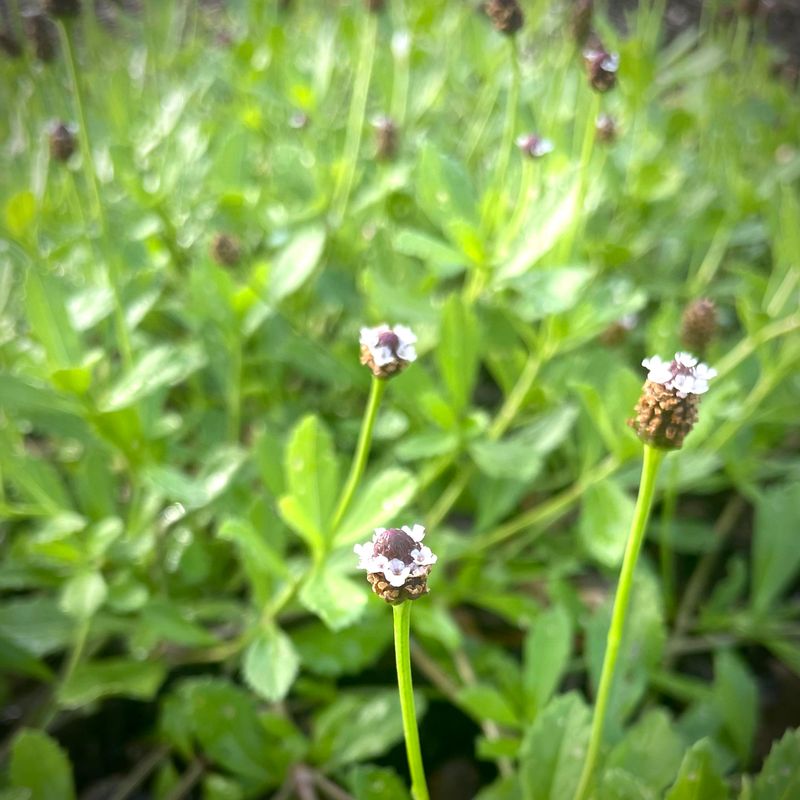
Picture a fire ant queen scouting your yard for a new colony site. She is looking for open ground, soft soil, and plenty of warmth from above.
Now picture that same yard completely carpeted in a dense, low mat of Texas Frogfruit. Suddenly, her options shrink dramatically.
Frogfruit spreads by sending out runners called stolons. These horizontal stems creep along the ground and root wherever they touch soil, filling in bare patches surprisingly fast.
Within a single growing season, a few starter plants can cover several square feet. By the second year, you can have a continuous mat that leaves almost no exposed earth.
That density is the key. Fire ant colonies need access to loose, open soil to excavate their tunnels and build their characteristic mounds.
A solid mat of plant material physically blocks that access. Ants can still cross the surface, but establishing a full colony underneath a living carpet is much harder work.
Frogfruit also creates a microclimate at soil level that differs from open ground. Slightly higher humidity and lower soil temperature make the space less appealing to heat-seeking insects.
This spreading ground cover does its work quietly and consistently, season after season. Every new runner that roots is one more inch of yard that becomes genuinely uninviting to a colony looking for easy real estate.
Where To Plant Texas Frogfruit Around Beds And Borders
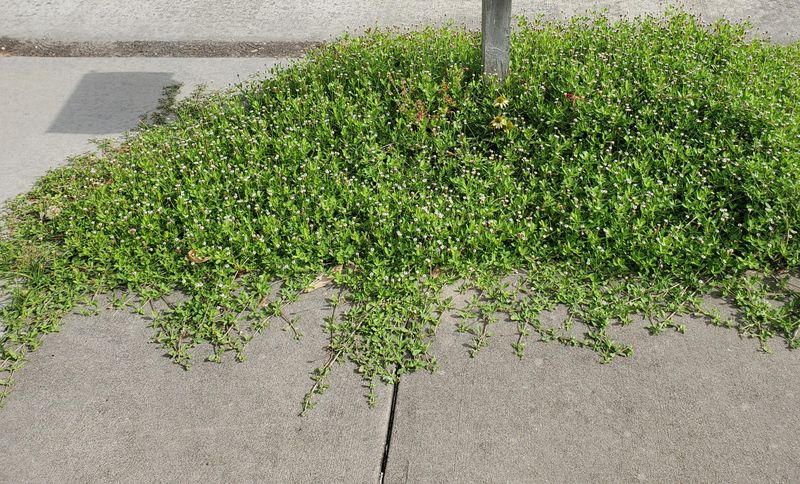
Placement matters more than most gardeners expect. Putting the right plant in the wrong spot is a fast way to waste time, money, and effort.
Texas Frogfruit works best along the edges of garden beds, sidewalks, and fence lines where fire ant mounds tend to pop up first. Those transitional zones are prime real estate for ant colonies.
Along walkways, Frogfruit creates a clean, living border that outcompetes weeds and discourages ant activity near high-traffic areas. It handles foot traffic better than most ground covers its size.
Around raised beds, plant it as a surrounding skirt. This creates a buffer zone between your vegetable garden and any colonies trying to move in from the lawn.
Shady spots under trees can also work, though Frogfruit will spread more slowly without full sun. Partial shade near the base of large oaks or pecans is still a solid planting location.
Avoid areas with standing water or heavy clay that stays soggy after rain. Frogfruit tolerates brief flooding but will struggle in consistently waterlogged soil.
Space starter plants about twelve inches apart to encourage faster coverage. They will fill in the gaps on their own once established, no need to plant wall to wall.
Choosing the right spots around your yard turns this plant into a strategic tool. Smart placement means fewer mounds where you actually spend your time outdoors, and that is a win you will feel immediately.
Caring For Frogfruit Through Every Season
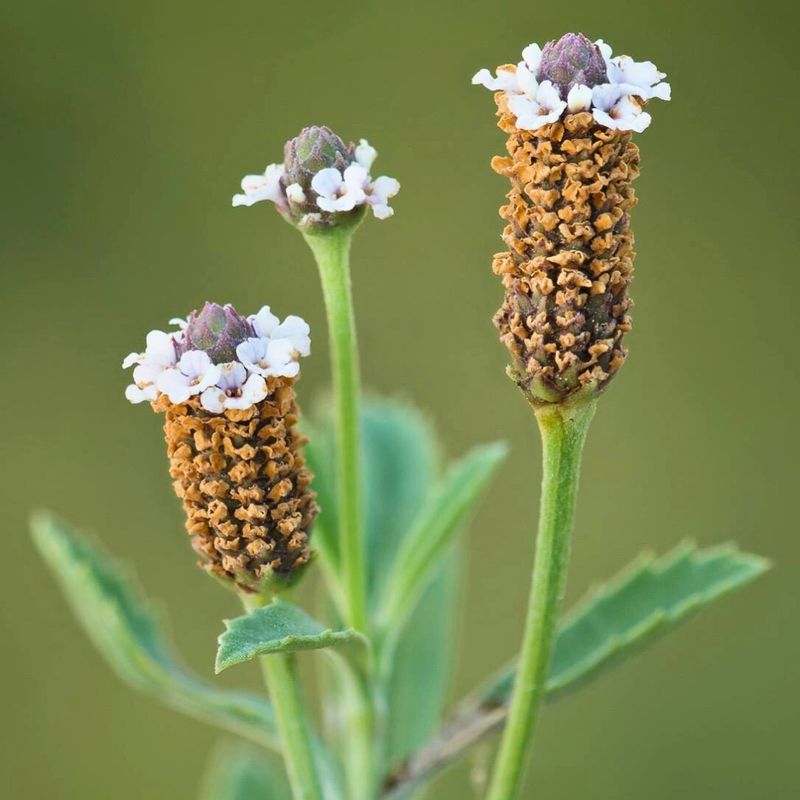
One of the biggest selling points of Texas Frogfruit is how little it asks from you. Seasonal care is simple enough that even a beginner gardener can handle it without stress.
Spring is the best time to get new plants in the ground. Warming soil temperatures wake the root system up fast, and spring rains do a lot of the early watering work for you.
Water new transplants two or three times a week for the first four to six weeks. After that, rainfall alone is usually enough to keep established plants healthy through most of the year.
In summer, step back and let the plant do its thing. Frogfruit does not need fertilizer to spread, and heavy feeding can actually push leafy growth at the expense of the dense mat you want.
Fall brings a natural slowdown. The plant may thin slightly as temperatures drop, but it rarely disappears in most parts of the southern United States.
A light trim in late fall helps keep the mat tidy and encourages fresh growth in spring. Use basic garden shears and cut it back by about one third of its height.
Winter in most of the southern United States is mild enough for Frogfruit to stay semi-evergreen. Hard freezes may brown the foliage, but roots survive and regrow when warmth returns.
Consistent, low-effort care keeps this plant thriving year-round. A healthy mat stays dense, and a dense mat keeps working against fire ant colonization without any extra help from you.
Pairing It With Other Fire Ant Prevention Steps
No single plant eliminates fire ants on its own, and Frogfruit is not a magic eraser. Pairing it with a few other smart habits gives you a much stronger defense.
Broadcast fire ant bait across your yard two or three times a year. Bait products work slowly but reach the queen, which is one of the most effective ways to collapse a colony.
Choose bait over contact sprays when possible. Sprays eliminate surface workers but rarely reach the queen nested deep in the mound.
Keep your lawn mowed at a consistent height. Overgrown grass creates the kind of sheltered, humid conditions that make yards more attractive to nesting insects overall.
Avoid overwatering your lawn near Frogfruit beds. Soggy ground near planting areas can undercut the dry-soil disruption that makes the ground cover effective in the first place.
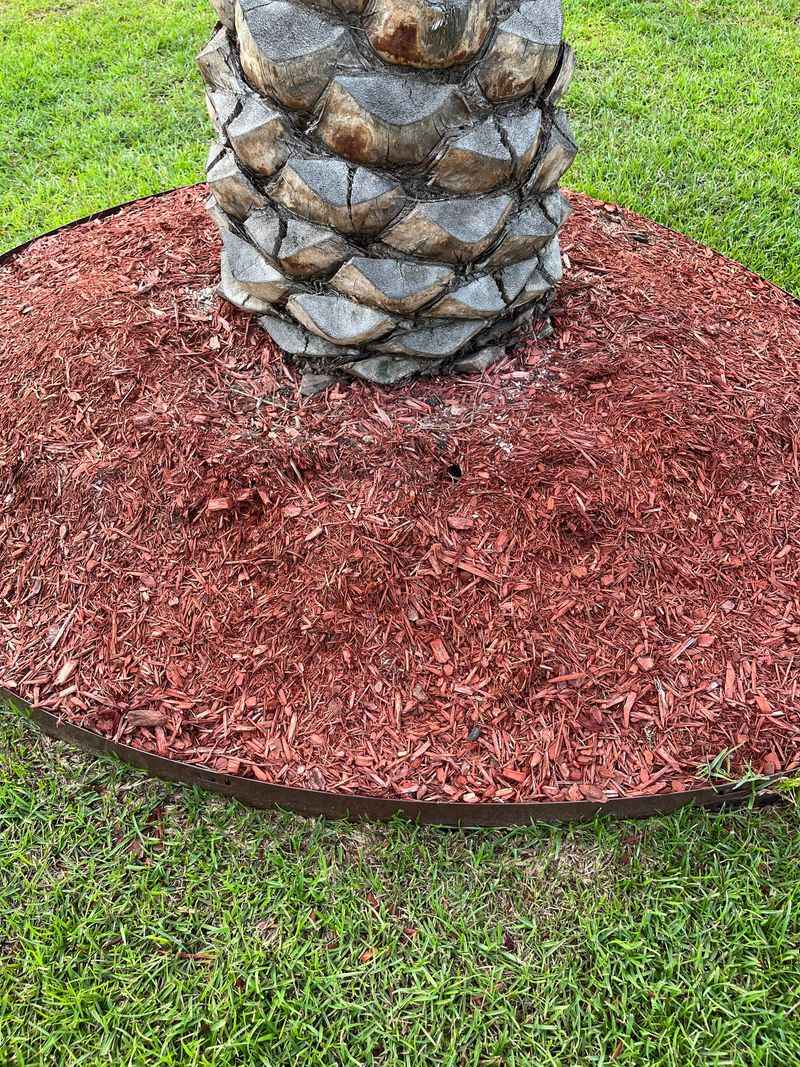
Mulch around trees and shrubs, but keep mulch layers thin. Deep mulch piles create warm, hidden spaces that offer fire ants an easy alternative to open ground.
Check your yard’s perimeter after heavy rains. Ants often relocate after flooding, and catching a new mound early is much easier than dealing with a fully established colony later.
This ground cover is most powerful as part of a broader strategy, not as a standalone fix. Combine Frogfruit coverage with smart cultural habits, and you shift the odds of your yard in a meaningful, lasting way.