10 Florida Shrubs You Can Safely Prune In March
March in Florida is when the garden suddenly wakes up. Shrubs that looked neat a few weeks ago start pushing fresh growth, branches stretch in every direction, and the yard can quickly begin to look a little unruly.
It is the moment many homeowners grab the pruning shears and start wondering which plants need a quick trim. But not every shrub appreciates a spring haircut.
Some plants bounce back beautifully from a March pruning, growing fuller and healthier as the warm season begins. Others can lose their upcoming flowers or struggle if trimmed at the wrong time.
Knowing the difference is what keeps a Florida landscape looking lush instead of disappointing. The good news is that several popular Florida shrubs actually benefit from a light trim in March, helping them grow stronger and look their best for the months ahead.
1. Hibiscus Responds Well To Early Spring Pruning In Florida
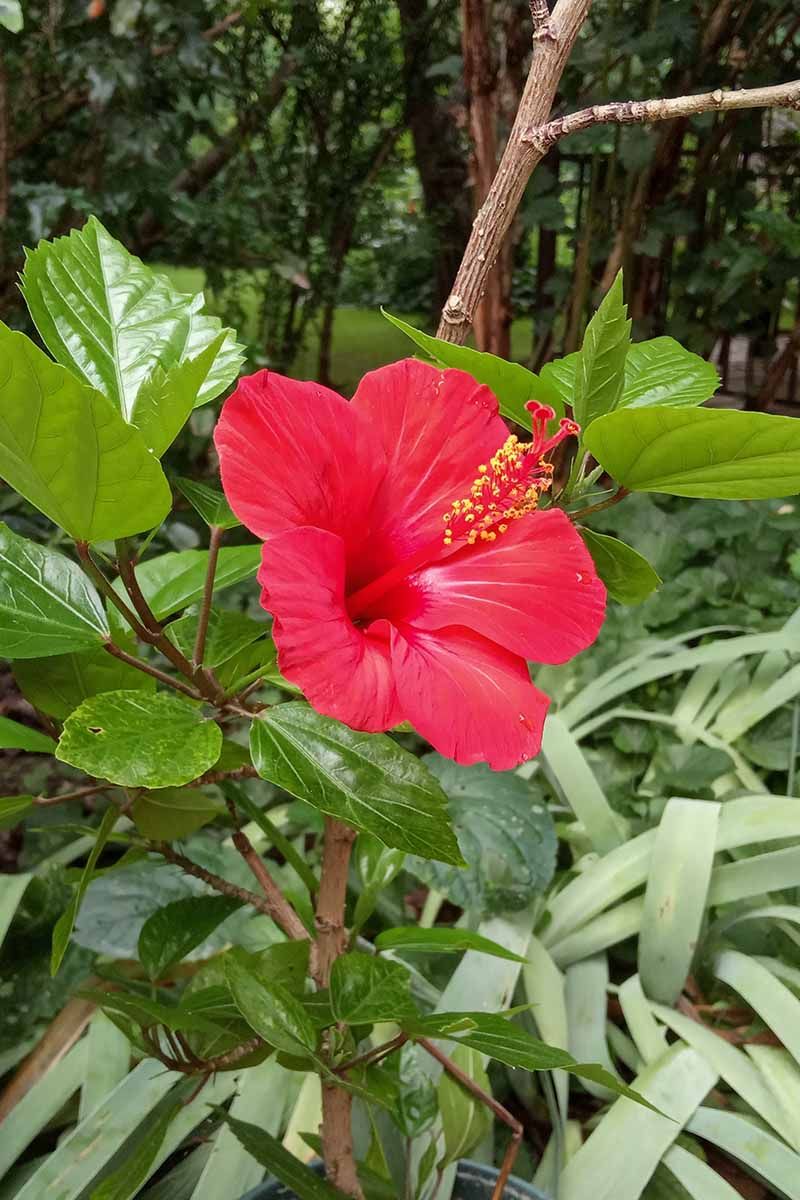
Walk through almost any Florida neighborhood in late winter and you will spot hibiscus shrubs that have grown tall, leggy, and a little unruly after months of mild weather. March is the ideal moment to step in with a good pair of pruning shears and reshape these plants before their warm-season growth surge kicks into high gear.
Cutting back the longest stems encourages the plant to branch out from lower on the stalk, which means a fuller, bushier shape by summer.
Tropical hibiscus (Hibiscus rosa-sinensis) thrives across Florida’s warm climate and can put on several feet of new growth each season. Light to moderate pruning in early spring, removing roughly one-third of overall growth, helps maintain a manageable size without stressing the plant.
Focus on removing weak, crossing, or crowded branches first, then step back and assess the overall shape before making additional cuts.
University of Florida IFAS Extension recommends using clean, sharp tools when pruning hibiscus to reduce the risk of spreading disease. After pruning, Florida’s warm temperatures allow hibiscus to recover quickly and push out fresh foliage and blooms within just a few weeks, rewarding your effort with a spectacular display throughout the growing season.
2. Bougainvillea Benefits From Light Pruning Before New Growth
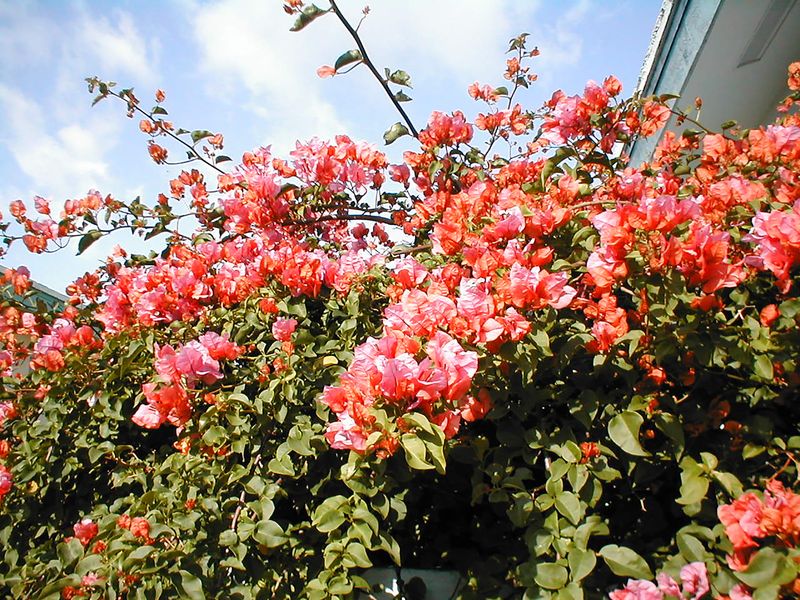
Few plants say “Florida landscape” quite like bougainvillea, with its blazing bursts of pink, purple, orange, or red bracts cascading over fences and trellises. By March, many bougainvillea plants have finished their late-winter bloom cycle and are pausing before the next flush of color.
That brief rest period is your best opportunity to get in there with pruning shears and set the plant up for an even more impressive show later in the season.
Light pruning works best for bougainvillea, since heavy cuts can delay blooming significantly. Trim back the tips of long, unruly branches by several inches to encourage branching and tighter growth.
Removing spent flower clusters and any withered or damaged wood at this time also helps improve airflow through the plant, which is especially important in Florida’s humid subtropical climate where good air circulation reduces fungal issues.
Keep in mind that bougainvillea blooms on new wood, so pruning before the warm-season growth flush directly encourages more flowering stems to develop. Wear thick gloves when working with bougainvillea, as the thorns are sharp.
Florida’s long growing season means a well-pruned bougainvillea in March can reward you with multiple rounds of vibrant color before the year is out.
3. Oleander Grows Fuller With Careful March Pruning
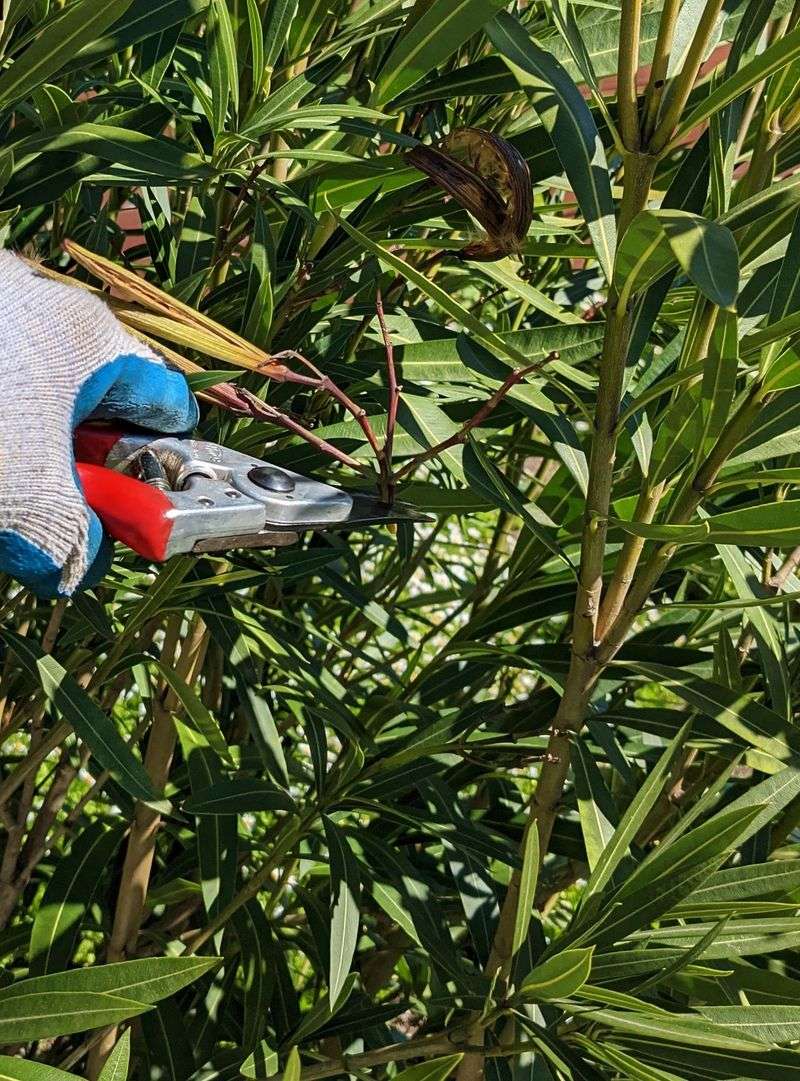
Oleander is one of the toughest, most heat-tolerant shrubs you can grow in a Florida landscape, and it shows it by bouncing back quickly after almost any pruning. March is a smart time to shape oleander before the warm season kicks off and the plant enters its most active growth phase.
Left unpruned for too long, oleander can grow into a sprawling, multi-stemmed thicket that looks messy and becomes harder to manage over time.
When pruning oleander in early spring, focus on removing crowded, crossing, or weak branches that clutter the interior of the plant. Thinning out the center improves airflow and lets more light reach the inner branches, which encourages healthier foliage and more blooms throughout summer.
You can also cut back the tallest stems by about one-third to reduce overall height and encourage a fuller, more rounded shape.
Always wear gloves and long sleeves when working with oleander, as all parts of the plant contain toxic compounds that can irritate skin. University of Florida IFAS Extension recommends disposing of pruned material rather than composting it for this reason.
Florida’s warm climate means a properly pruned oleander will push out vigorous new growth within weeks, filling in beautifully before peak summer heat arrives.
4. Croton Responds Well To Shaping Before Warm Season Growth
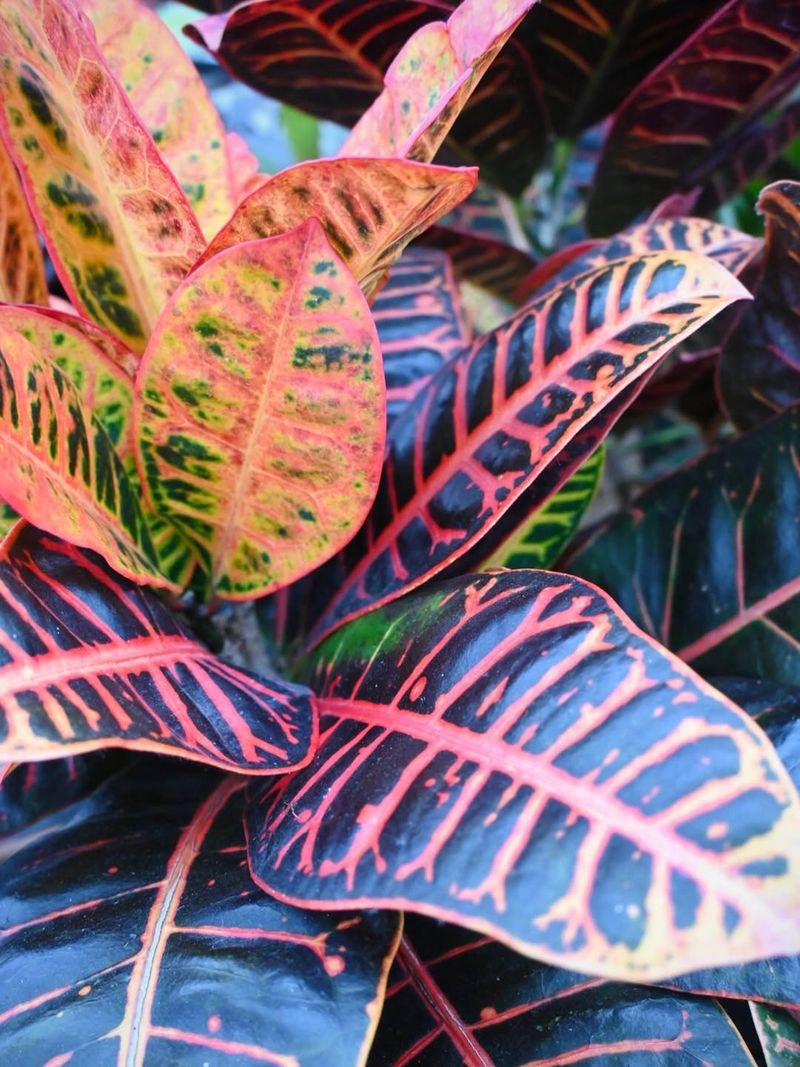
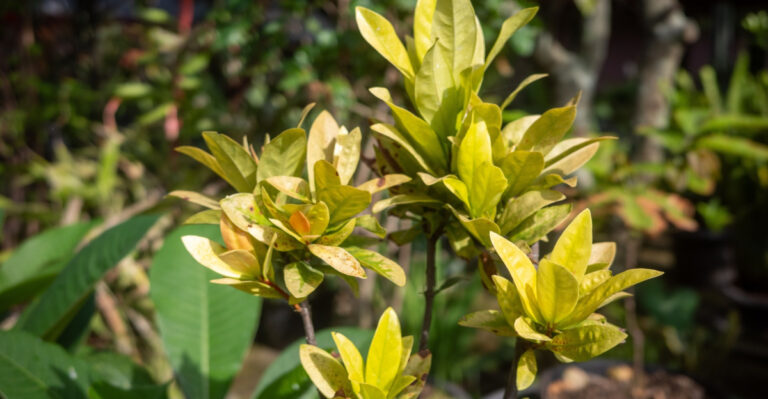
Crotons are the showstoppers of Florida’s subtropical landscaping world, splashing yards with bold yellows, reds, oranges, and greens throughout the year. By late winter, some croton shrubs start looking a bit stretched out or uneven, especially if they experienced any cold stress during cooler Florida nights.
March offers a great window to tidy them up and encourage fresh, colorful foliage before the heat of summer arrives and growth really accelerates.
Crotons (Codiaeum variegatum) respond well to light shaping in early spring. Trim back any leggy stems that have grown significantly longer than the rest of the plant to create a more balanced, compact form.
Removing stems that are bare at the base and only leafy at the tips encourages the plant to push out new growth lower down, which makes the overall shrub look denser and more attractive in the landscape.
Keep in mind that crotons can be sensitive to sudden changes, so avoid removing more than one-third of the plant at once. Florida’s warm temperatures help crotons recover quickly after pruning, and within a few weeks you should see fresh new leaves emerging in vibrant colors.
Croton sap can irritate skin, so wearing gloves during pruning is a smart and simple precaution for Florida gardeners.
5. Firebush Grows Stronger After Early Spring Pruning
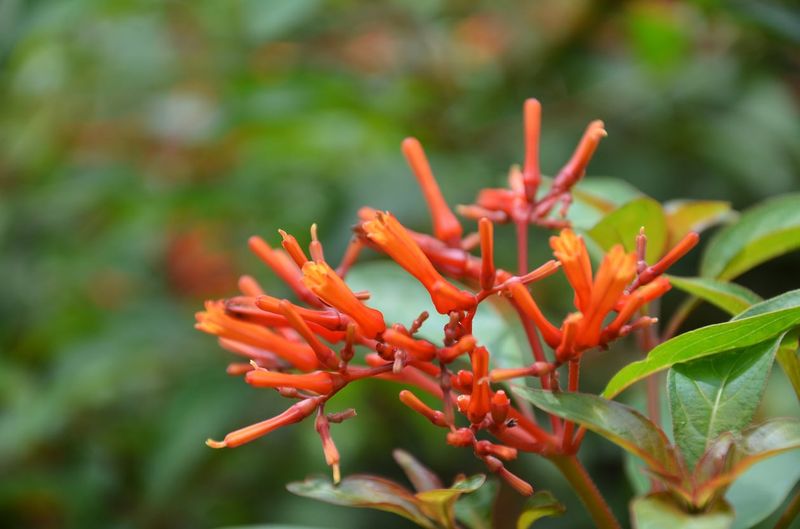
Florida native plant enthusiasts love firebush for its brilliant orange-red flowers, its ability to attract hummingbirds and butterflies, and its toughness in the face of heat and drought. After a Florida winter, firebush often looks a little ragged, with some thin or frost-nipped stems that need to be cleaned up before the plant launches into its warm-season growth cycle.
March is the right time to give firebush a firm but thoughtful trim.
Hamelia patens, commonly called firebush, responds very well to hard pruning in early spring. Many Florida gardeners cut the plant back to about 12 to 18 inches above ground, which encourages a dense flush of new stems and results in a fuller, more compact shrub by summer.
If the plant is still in good shape overall, a lighter trim that removes about one-third of the growth and targets weak or crossing branches is also effective.
Pruning before the growing season also helps control the size of firebush, which can become quite large in Florida’s warm climate if left unchecked. University of Florida IFAS Extension recognizes firebush as a Florida-Friendly Landscaping plant, and regular seasonal pruning is part of keeping it looking its best in backyard gardens and naturalistic landscape designs throughout the state.
6. Duranta Benefits From Regular Pruning In Florida Landscapes
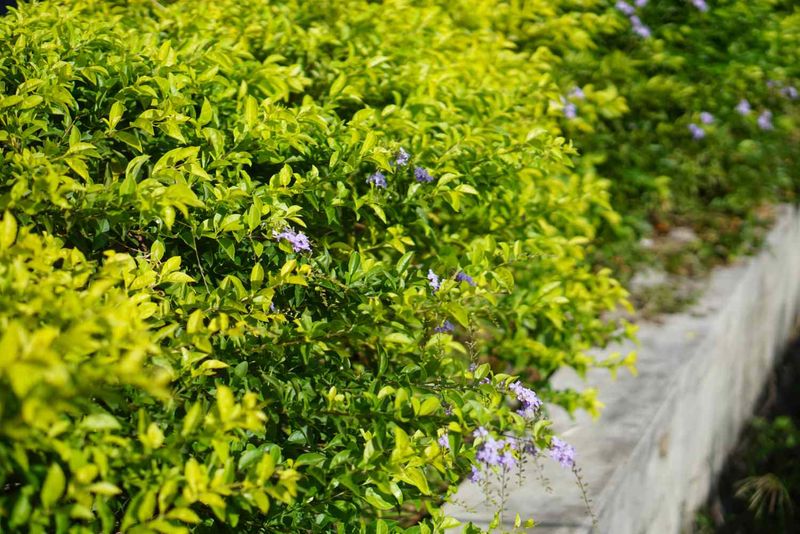
Duranta is one of those Florida landscape shrubs that can sneak up on you. Plant it in the ground, give it some warmth and water, and before long you have a large, fast-growing shrub that can easily overwhelm nearby plants if it is not managed regularly.
March is an excellent time to get ahead of duranta’s vigorous growth and prune it into a shape that works well within your landscape plan for the coming season.
Duranta erecta produces cheerful purple flowers and attractive golden berries, and pruning before the main growing season helps ensure the plant stays dense and free-flowering rather than tall and sparse. Trim back the branch tips by several inches to stimulate branching and encourage new flowering shoots.
Removing any withered, damaged, or crossing branches at the same time keeps the interior of the plant open and healthy.
Because duranta grows so vigorously in Florida’s warm climate, it may need additional light shaping throughout the year to stay in bounds. Avoid heavy pruning right before or during the main flowering period if you want to enjoy the blooms and berries.
Florida’s subtropical conditions are ideal for duranta, and a well-maintained plant can serve as a stunning flowering hedge, specimen shrub, or backdrop plant in backyard gardens across the state.
7. Ixora Can Be Lightly Shaped Before Active Growth Begins
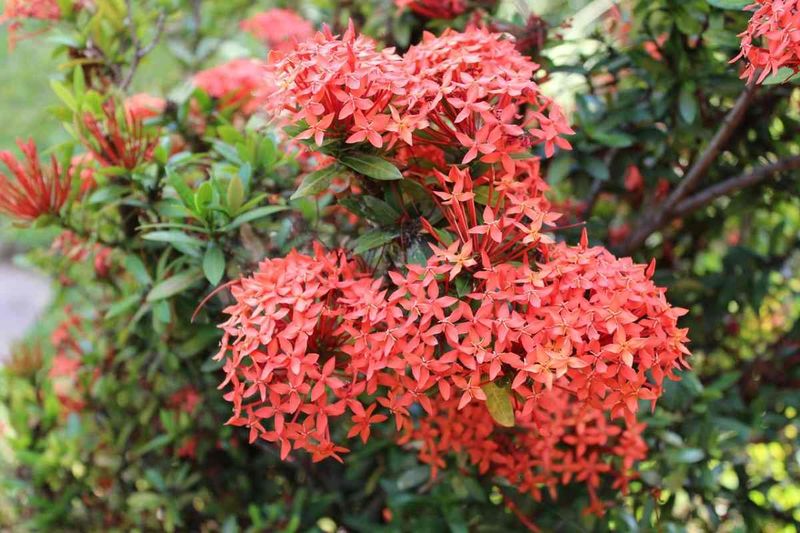
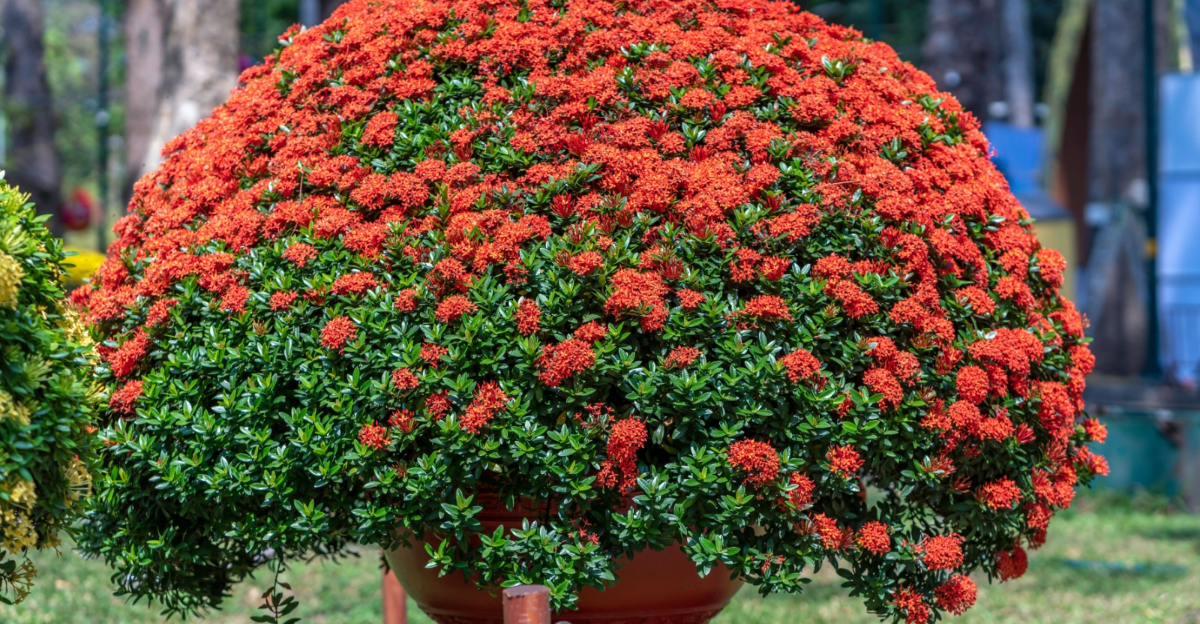
Ixora is a staple of Florida’s tropical and subtropical landscaping, recognized by its dense clusters of tiny, star-shaped flowers in shades of red, orange, yellow, and pink. Many homeowners make the mistake of shearing ixora into tight geometric shapes with hedge trimmers, which removes the flower buds and results in a plant that rarely blooms.
March is a good time to do light, careful shaping that maintains the plant’s natural form without sacrificing the flowers you are waiting to enjoy.
The best approach with ixora is to use hand pruners rather than electric shears, selectively removing stems that have grown out of bounds or are crossing through the center of the plant. This selective pruning method, sometimes called thinning, keeps the shrub looking tidy while preserving the majority of the flower buds that are beginning to form in early spring.
Removing withered or damaged wood at this time also helps the plant channel its energy into healthy new growth.
Ixora performs best in Florida’s acidic soils, and keeping the plant healthy through proper pruning and fertilization allows it to bloom more consistently throughout the warm season. University of Florida IFAS Extension advises against heavy shearing of ixora, confirming that light, selective trimming in early spring is the approach most likely to reward Florida gardeners with beautiful blooms all summer long.
8. Plumbago Produces More Blooms After Early Spring Trimming
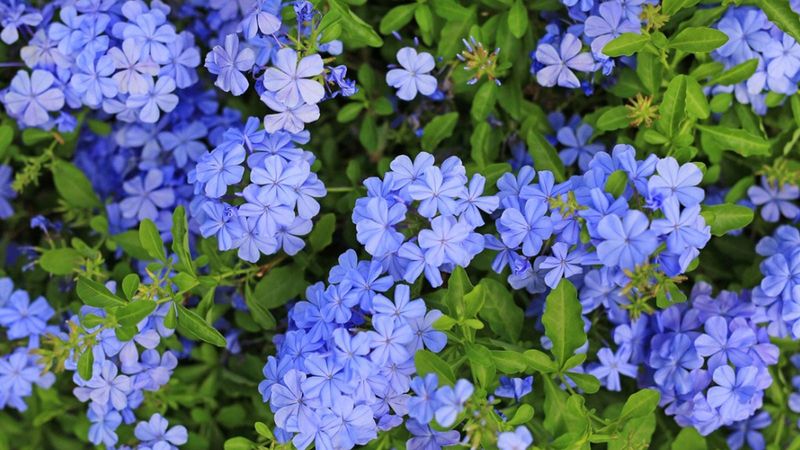
Few shrubs brighten up a Florida backyard garden quite like plumbago, with its cheerful sky-blue or white flower clusters that seem to bloom almost nonstop in warm weather. By the time March rolls around, plumbago plants that have been growing through winter often look sprawling, tangled, and a bit tired.
Cutting the plant back by about half in early spring is one of the most effective things a Florida gardener can do to set up a spectacular bloom season ahead.
Plumbago auriculata is a vigorous grower that tolerates pruning very well, and Florida’s warm temperatures mean it recovers fast after a good trim. Cutting back the long, arching stems encourages the plant to push out fresh new growth from the base, resulting in a bushier, more compact form that produces far more flowers than an overgrown, unpruned plant.
Remove any withered or frost-damaged stems at the same time to clean up the plant completely.
After pruning, a light application of a balanced slow-release fertilizer helps fuel the flush of new growth that follows. Plumbago is an excellent choice for Florida landscapes because it handles heat and humidity well and attracts butterflies throughout the growing season.
Regular seasonal pruning keeps this cheerful shrub performing at its absolute best year after year in Florida gardens.
9. Copperleaf Responds Well To Seasonal Shaping In Florida
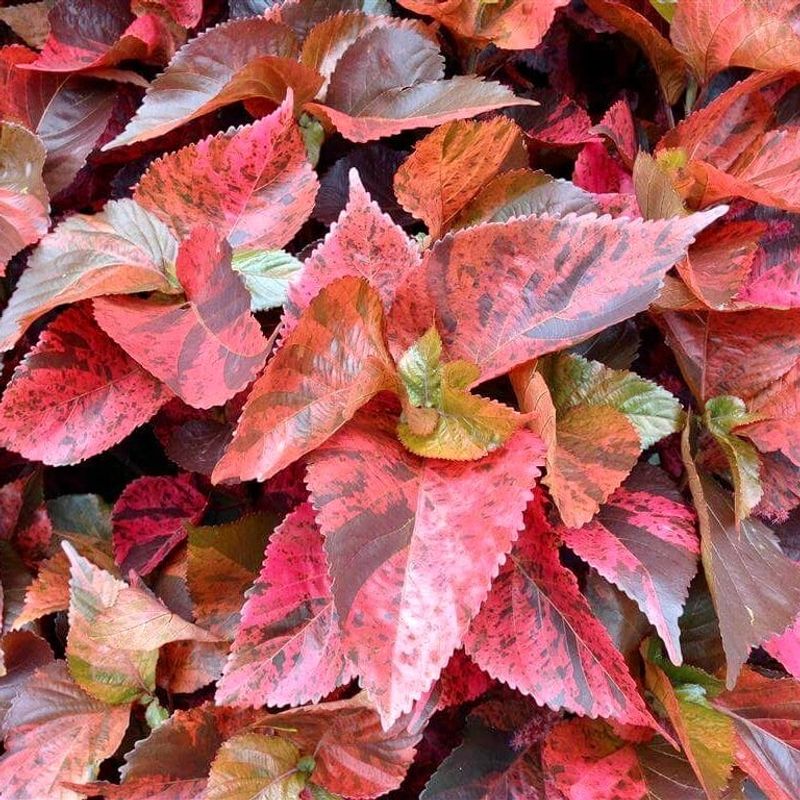
Acalypha wilkesiana, known as copperleaf or Jacob’s coat, is a foliage plant that earns its place in Florida landscapes through sheer visual drama. The leaves come in rich shades of copper, bronze, red, and green, often with splashed or mottled patterns that make the plant look like living artwork.
After a Florida winter that may have included some cool nights, copperleaf can look a little ragged, and March is the perfect time to shape it back up before warm temperatures trigger a new wave of growth.
Trimming copperleaf in early spring encourages the plant to produce fresh, vibrantly colored new foliage, which tends to be more intensely colored than older leaves. Use hand pruners to remove any frost-damaged, discolored, or overly long stems, cutting just above a healthy leaf node to encourage branching.
Reducing the overall size of the plant by about one-third is usually enough to stimulate a good flush of new growth without stressing the shrub.
Copperleaf grows quickly in Florida’s warm climate and can become quite large if not pruned regularly throughout the season. Keeping it shaped through seasonal trimming ensures it stays an attractive, eye-catching feature in tropical and subtropical landscape designs rather than an unruly mass of foliage.
Florida’s long growing season means a well-pruned copperleaf will fill back in beautifully within just a few weeks of trimming.
10. Indian Hawthorn Benefits From Careful Late Winter Pruning
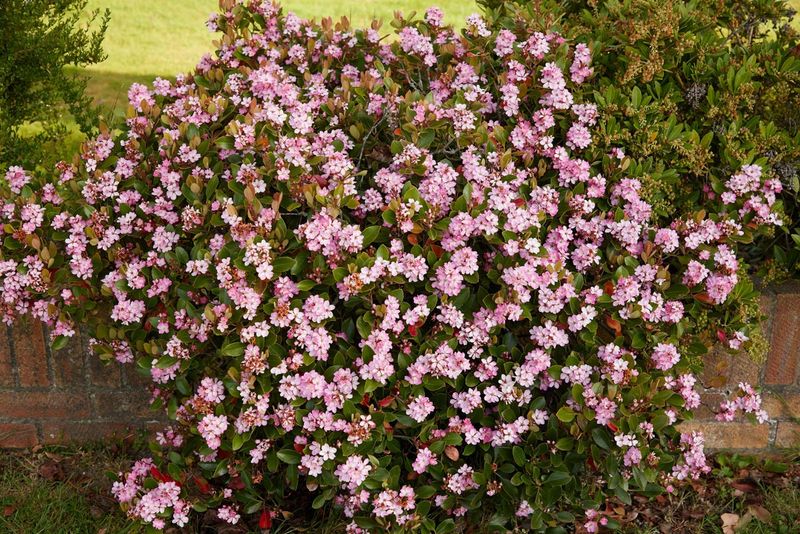
Indian hawthorn is a popular choice for Florida landscapes because of its compact growth habit, glossy dark green leaves, and pretty clusters of pink or white flowers that appear in spring. Homeowners often use it as a low hedge, border plant, or foundation shrub, and keeping it neatly shaped is an important part of maintaining a polished-looking yard.
Late February through early March is the recommended window for pruning Indian hawthorn in Florida, just before the spring bloom cycle begins in earnest.
The goal when pruning Indian hawthorn is to remove any damaged, diseased, or withered branches and lightly shape the plant without cutting off too many of the flower buds that are already forming. Use clean, sharp hand pruners and make cuts just above a healthy bud or branch junction.
Avoid the temptation to shear Indian hawthorn into a tight ball or box shape, as this practice removes flowering wood and can also encourage fungal leaf spot issues by reducing airflow through the plant.
University of Florida IFAS Extension notes that Indian hawthorn can be susceptible to Entomosporium leaf spot, a fungal disease that spreads more easily when plants are overcrowded or poorly ventilated. Selective pruning that opens up the interior of the shrub helps reduce this risk considerably.
Florida’s warm climate supports healthy recovery after pruning, and a lightly shaped Indian hawthorn will reward you with a lovely flush of spring flowers right on schedule.