Florida Spring Diagnosis Guide For Common Leaf Problems
One day your Florida plant looks perfectly fine, and the next morning you are staring at blackened tips, yellow leaves, or twisted new growth like the yard is trying to send you a message. That is the part that gets frustrating fast.
Spring is supposed to feel like a fresh start, not a guessing game. The trouble is, several common Florida problems can look similar at first glance.
Too much water, not enough water, nutrient issues, salt buildup, pests, and disease can all leave behind clues that seem to blur together when the weather starts heating up.
A good diagnosis saves time, money, and plenty of regret. Instead of throwing fertilizer or sprays at the problem and hoping for the best, it helps to slow down and read what the plant is showing you.
Start with the symptoms people notice first, because the pattern matters more than you think today.
1. Aphids Draining The Life Out Of New Growth
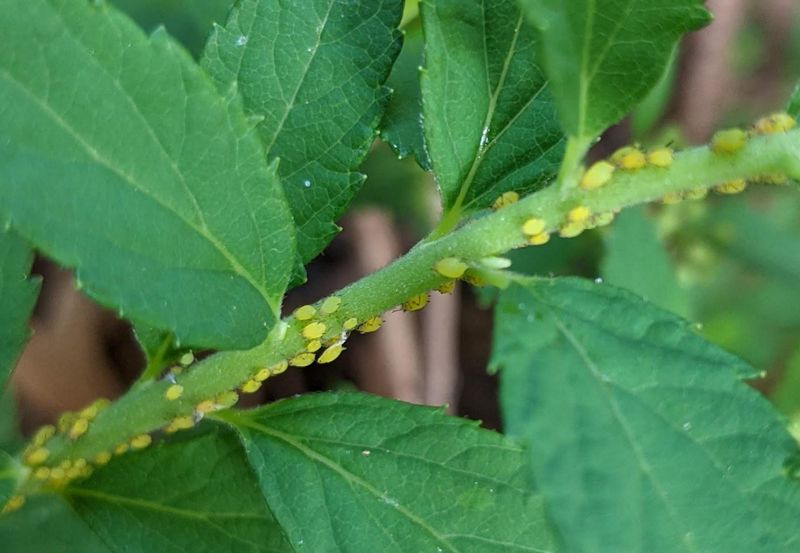
Tiny but seriously troublesome, aphids are one of the most common reasons Florida gardeners see curling leaves and yellowing growth in spring. These soft-bodied insects are usually green, yellow, black, or even pink, and they love to hide on the undersides of leaves where they are hard to spot.
They feed by piercing plant tissue and sucking out the sugary sap, which weakens the plant over time and causes new growth to look twisted and deformed.
One of the biggest clues that aphids are your problem is a sticky residue on the leaves called honeydew. This substance is left behind as the insects feed, and it can coat nearby surfaces and attract ants.
You might also notice the leaves curling inward or looking puckered, which happens because the plant loses fluid pressure in the areas where the insects are feeding.
Fortunately, aphids are one of the easier pests to manage in a Florida garden. A strong stream of water from your hose can knock them off plants quickly and effectively.
For heavier infestations, insecticidal soap spray works well and is safe to use around most plants. Neem oil is another popular option that not only removes existing insects but also discourages new ones from settling in.
Beneficial insects like ladybugs and lacewings are natural predators that love to feed on aphid colonies, so encouraging them in your garden is a smart long-term strategy. Check your plants every few days during spring in Florida because warm temperatures help these pests multiply fast.
Catching the problem early makes it much easier to manage before the damage spreads to the rest of your garden.
2. Thrips Leaving Behind Twisted Messy Damage
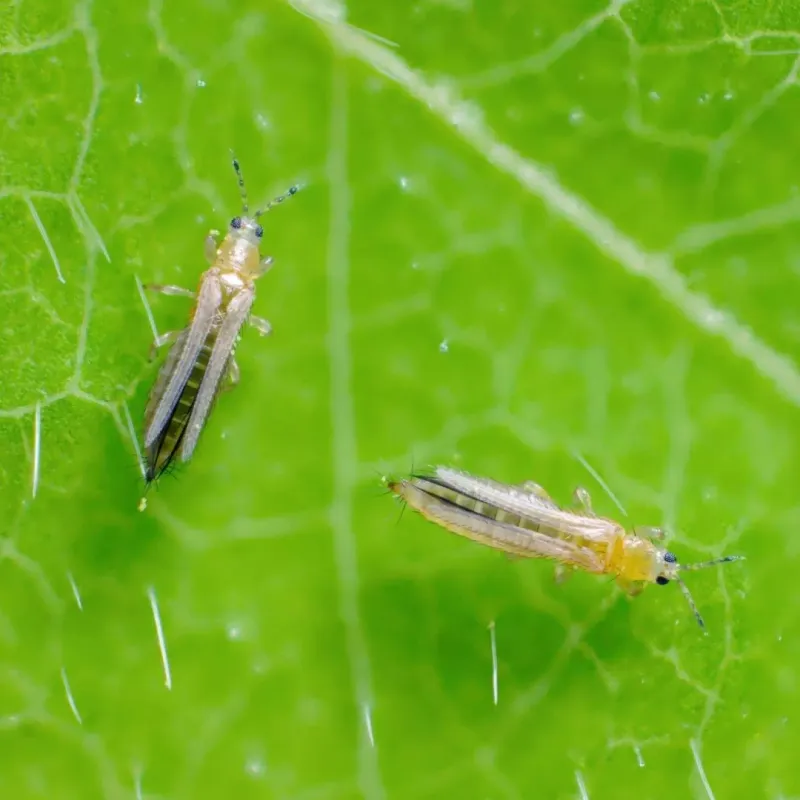
These tiny, slender insects feed by scraping plant tissue and sucking up the juice, which creates a distinctive silvery or bronze streaking on leaves. In Florida, spring is prime time for thrips activity because the warm weather speeds up their life cycle, meaning populations can explode in just a matter of days.
One of the most telling signs of thrip damage is distorted or curled new growth at the tips of branches. You may also notice black specks on the surface of leaves, which are actually thrip droppings.
Your Florida Garden Changes Every Week. Your Plan Should Too.
Gardening in Florida changes quickly throughout the season. Every Friday you’ll receive a simple weekly plan showing exactly what to plant, prune, fertilize, harvest, and protect so you never miss the right timing.
Over time, heavily infested plants can develop black tips, and the overall appearance of the plant begins to look unhealthy and stressed. Flowers can also show damage, appearing streaked or discolored before they even fully open.
Getting rid of thrips in a Florida garden requires a combination of methods. Start by removing and disposing of heavily damaged leaves and flowers, since these can harbor large numbers of insects.
Blue or yellow sticky traps placed near affected plants can help monitor and reduce populations. Spinosad-based sprays are highly effective against thrips and are considered a low-impact option for home gardeners.
Neem oil applied in the early morning or evening also works well as both a treatment and a preventive measure. Since thrips can develop resistance to certain products, rotating between different treatments is a smart approach.
Keeping your garden clean and free of plant debris also reduces the hiding spots where thrips can shelter and reproduce throughout the season in Florida.
3. Whiteflies And Sooty Mold Make Leaves Look Filthy
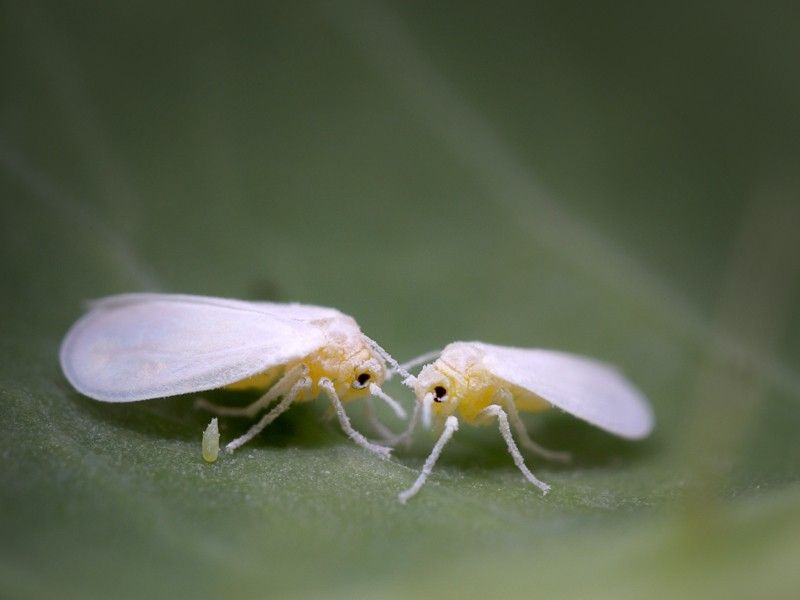
Walk up to a plant and give it a gentle shake, and if a cloud of tiny white insects flies up into the air, you are dealing with whiteflies. These pests are extremely common in Florida, especially during the warm spring months when they breed rapidly.
Like aphids, whiteflies feed by sucking sap from the undersides of leaves, which causes yellowing, wilting, and a general decline in plant health over time.
The connection between whiteflies and sooty mold is something every Florida gardener should understand. As whiteflies feed, they produce honeydew, the same sticky substance that aphids release.
This honeydew coats the surface of leaves and stems and creates the perfect environment for a black fungus called sooty mold to grow. While the mold itself does not directly damage plant tissue, it blocks sunlight from reaching the leaf surface, which slows down photosynthesis and makes the plant look dark and dirty.
Treating both problems at the same time is the most effective approach. Begin by using a strong spray of water to wash insects and mold off affected leaves.
Insecticidal soap or horticultural oil applied to the undersides of leaves will target the whiteflies directly. Once the insect population is under control, the honeydew production stops and the sooty mold will gradually fade and flake away on its own.
For faster cleanup, a gentle wipe with a damp cloth can remove mold from larger leaves. Yellow sticky traps are also useful for monitoring whitefly populations around your Florida garden.
Consistent treatment every five to seven days during spring will break the pest cycle before it gets out of hand and keeps your plants looking clean and healthy.
4. Broad Mites Or Other Mite Damage Can Distort Growth Fast
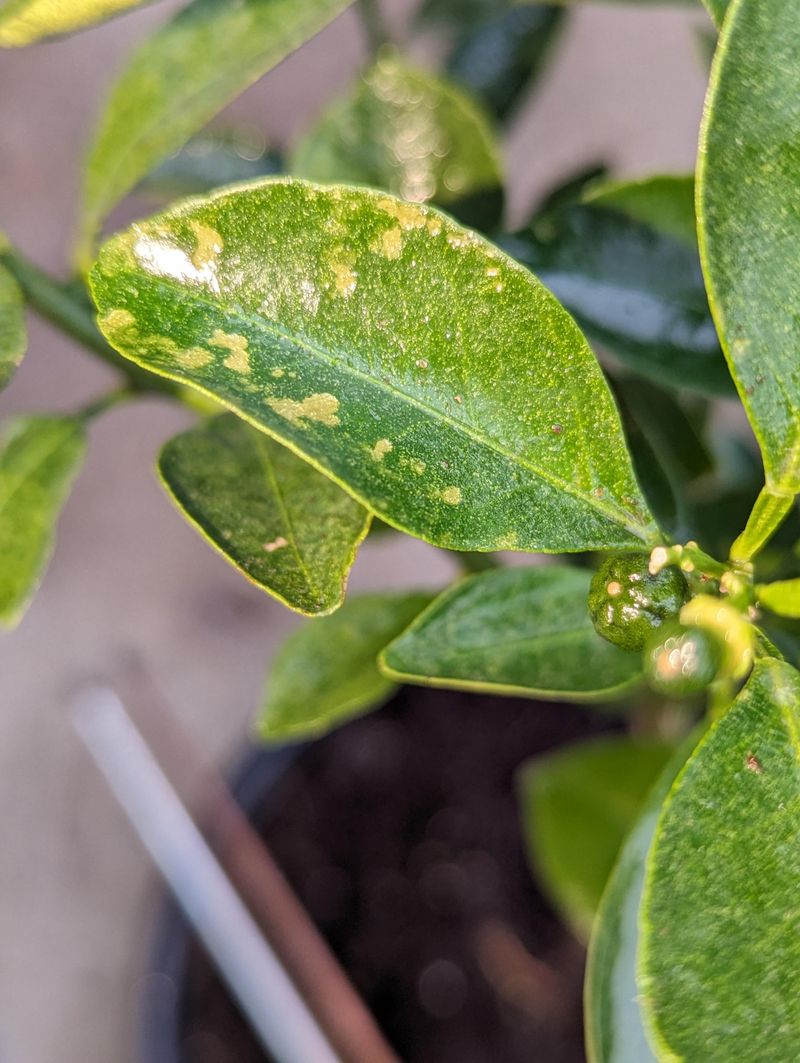
Broad mites are one of the sneakiest pests in a Florida garden because they are microscopic, meaning you will never see them with the naked eye. Yet the damage they cause is dramatic and unmistakable.
Infested plants develop twisted, cupped, or downward-curling new growth that looks almost like the plant is struggling to unfold properly. The young leaves often appear shiny, hardened, or bronzed, which is a reaction to the toxic saliva these mites inject while feeding.
What makes broad mites especially tricky to diagnose is that their symptoms can easily be mistaken for a virus or a herbicide problem. The key difference is that broad mite damage is usually concentrated on the newest growth at the tips of stems.
Older, mature leaves tend to look fine, while the emerging shoots are the ones showing the most severe distortion. In Florida, populations can build up fast during warm spring weather, so catching the issue early is really important for protecting your plants.
Because broad mites are so tiny, standard insecticide sprays are often not effective against them. Miticides specifically labeled for broad mite control are the best choice for serious infestations.
Sulfur-based sprays and certain neem oil formulations have also shown good results. When applying any treatment, thorough coverage of all new growth and stem tips is essential since that is where the mites concentrate.
Some gardeners in Florida have had success using predatory mites as a biological control option. Remove and bag any severely distorted growth before treating to reduce the mite population quickly.
Repeat applications every five to seven days are usually needed because mite eggs can survive initial treatments and hatch into new populations shortly after.
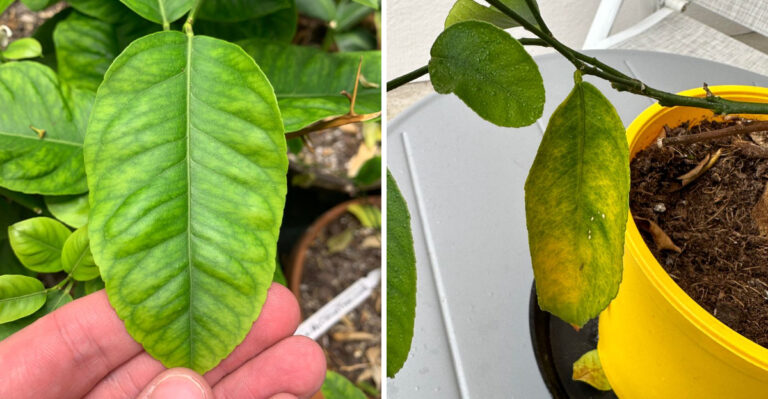
5. Iron Or Manganese Deficiency Can Wash Out Your Plant
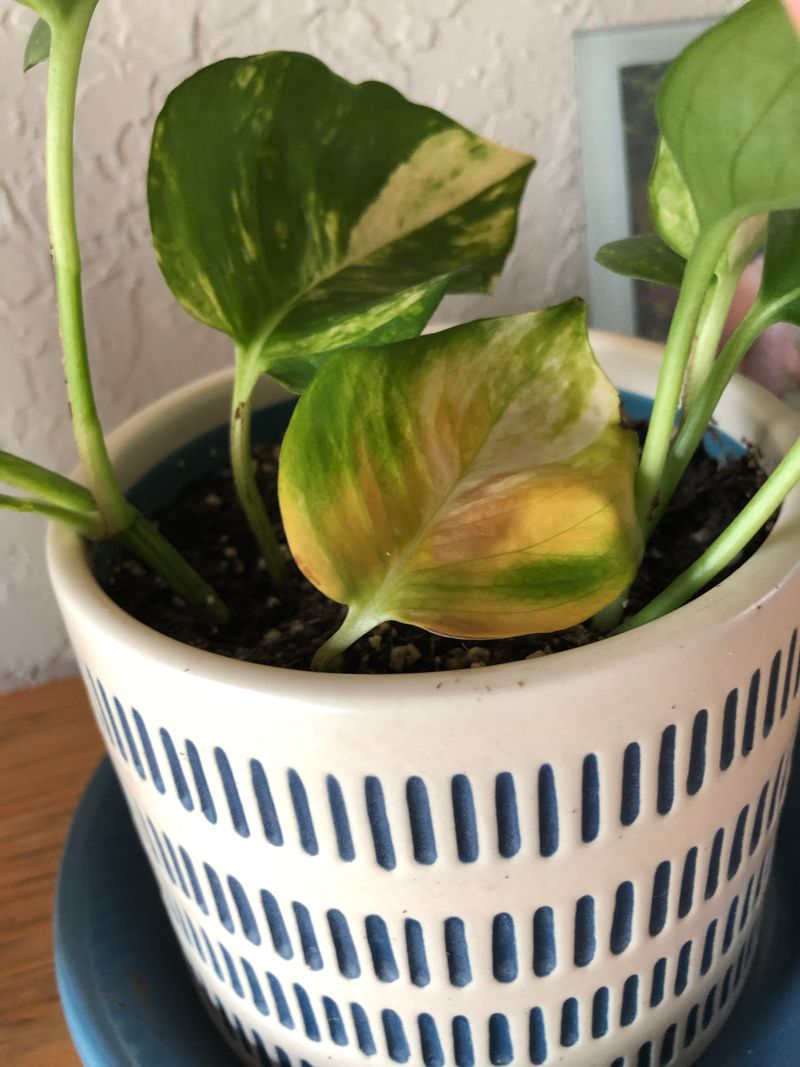
Florida’s sandy soils can contribute to nutrient problems, and in parts of the state where soils are alkaline or have been overlimed, iron and manganese deficiencies are common. Both of these nutrients are essential for producing chlorophyll, the green pigment that gives leaves their color and powers photosynthesis.
When plants cannot access enough of them, the result is a condition called interveinal chlorosis, where the tissue between the leaf veins turns yellow while the veins themselves stay green.
The tricky part about iron and manganese deficiency in Florida is that it is not always about how much of the nutrient is in the soil. High soil pH is usually the real culprit.
When soil becomes too alkaline, plants cannot absorb these minerals even when they are present in adequate amounts. This is why simply adding iron to the soil does not always fix the problem right away.
Testing your soil pH and working to bring it down into a slightly acidic range is often the most effective long-term solution.
Foliar sprays containing chelated iron or manganese can provide fast relief because the nutrients are absorbed directly through the leaf surface, bypassing the soil chemistry issue entirely. Look for chelated micronutrient products at your local Florida garden center, as these are specially formulated to remain available to plants even in alkaline conditions.
Applying sulfur to the soil can help lower pH over time and improve overall nutrient availability. Acidifying fertilizers designed for plants like gardenias, azaleas, and citrus are also helpful tools for Florida gardeners.
Consistent fertilization throughout the growing season, combined with regular soil testing, is the best way to prevent yellowing caused by mineral deficiencies from coming back each spring.
6. Virus Symptoms On New Growth Can Look Strange
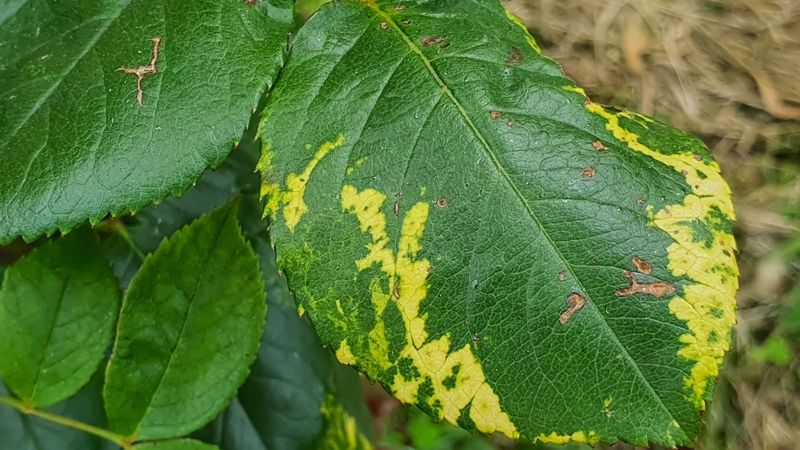
Not every case of distorted or discolored new growth in a Florida garden is caused by pests or nutrient issues. Plant viruses are a real and often overlooked problem, and spring is when symptoms tend to become most visible as plants push out fresh growth.
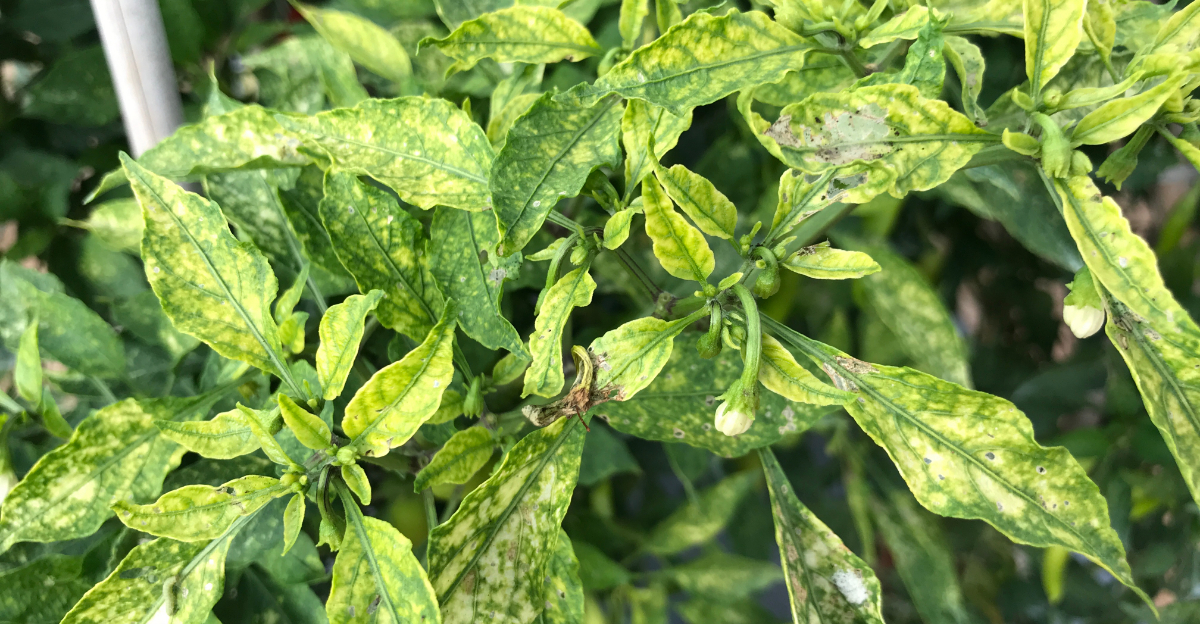
Common signs of viral infection include mosaic patterns of light and dark green on the leaves, yellow streaking, and new growth that appears puckered, curled, or stunted in unusual ways.
Viruses spread through several routes in a Florida garden. Infected insects like aphids, thrips, and whiteflies are among the most common carriers, which is one more reason to stay on top of pest management throughout the season.
Viruses can also spread through contaminated tools, so cleaning and sanitizing your pruning shears between plants is a habit worth developing. Once a plant is infected with a virus, there is no chemical treatment that can cure it, which makes prevention the most important strategy.
Identifying a viral problem can be challenging because the symptoms sometimes look similar to nutrient deficiencies or herbicide damage. One helpful clue is that viral symptoms tend to appear in irregular, random patterns across the leaf surface rather than following the neat interveinal pattern of a nutrient problem.
If you suspect a virus, removing the affected plant from your Florida garden and disposing of it in the trash rather than composting it is the safest move to protect surrounding plants. Controlling the insect vectors aggressively and choosing virus-resistant plant varieties when available are smart preventive steps.
Keeping a close eye on new growth throughout spring gives you the best chance of catching viral symptoms before they spread across your garden.
7. Fungal Leaf Disease Can Spread Before You Notice
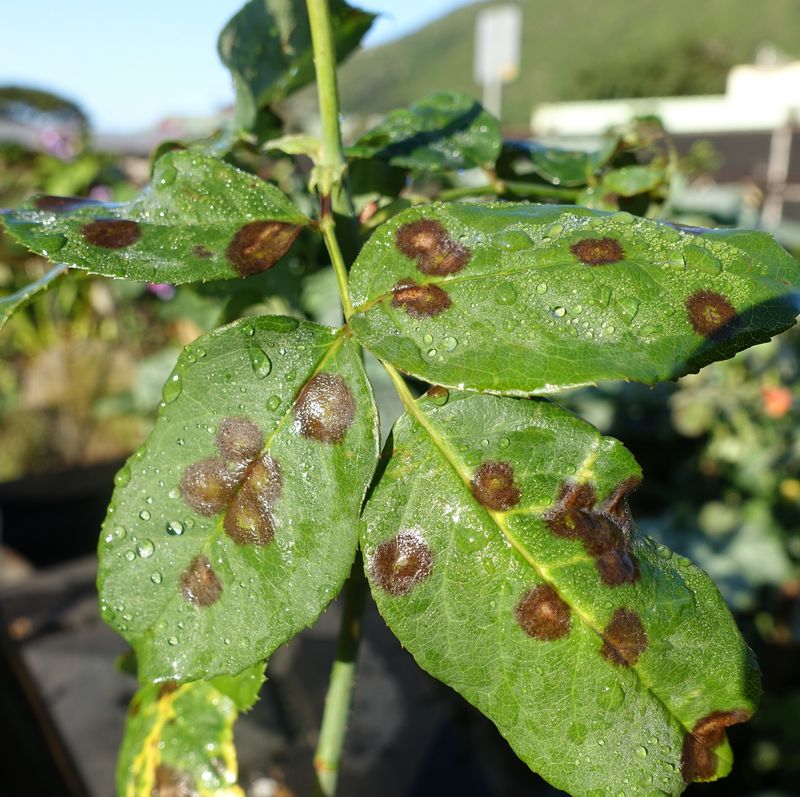
Florida’s warm temperatures and high humidity during spring create ideal conditions for fungal leaf diseases to spread through a garden fast. These diseases show up in many forms, including dark brown or black spots, blighted tips, water-soaked patches, and yellowing that spreads outward from infected areas.
Some of the most common culprits include cercospora leaf spot, anthracnose, and various forms of blight that target a wide range of ornamental and edible plants.
Fungal diseases often get worse after periods of heavy rain or when plants are watered overhead in the evening and the leaves stay wet overnight. In a Florida spring garden, this is an easy pattern to fall into because afternoon rain showers are common and frequent.
Crowded planting conditions also contribute to the problem by reducing airflow around leaves and keeping the humidity around the plant canopy higher than it needs to be. Thinning out dense plantings and spacing new transplants properly are simple ways to reduce fungal pressure.
Once you spot signs of fungal disease, removing and disposing of infected leaves right away helps slow the spread significantly. Avoid putting diseased material in your compost pile because fungal spores can survive and reinfect your garden later.
Copper-based fungicides are widely available at Florida garden centers and work well as both a treatment and a preventive spray for many common leaf diseases. Neem oil also has antifungal properties and can be rotated with copper treatments for better long-term results.
Watering plants at the base rather than from above, and doing so in the morning so leaves dry out quickly, makes a noticeable difference in reducing fungal problems throughout the spring growing season in Florida.