8 Native Georgia Shrubs To Plant Instead Of Azaleas In Full Sun Yards
It often starts with good intentions, planting azaleas in a bright spot, only to watch them struggle once Georgia’s summer heat settles in.
Full sun can be tough on these shade-loving favorites, leaving many gardeners wondering why they never quite take off.
Across Georgia, those hot, exposed areas call for shrubs that are built for the conditions, not fighting against them. Native options fit that role beautifully, handling sun, heat, and local soils with far less effort.
Making the switch can lead to stronger growth, easier care, and a yard that looks full and vibrant through the seasons.
1. American Beautyberry Adds Color And Wildlife Interest
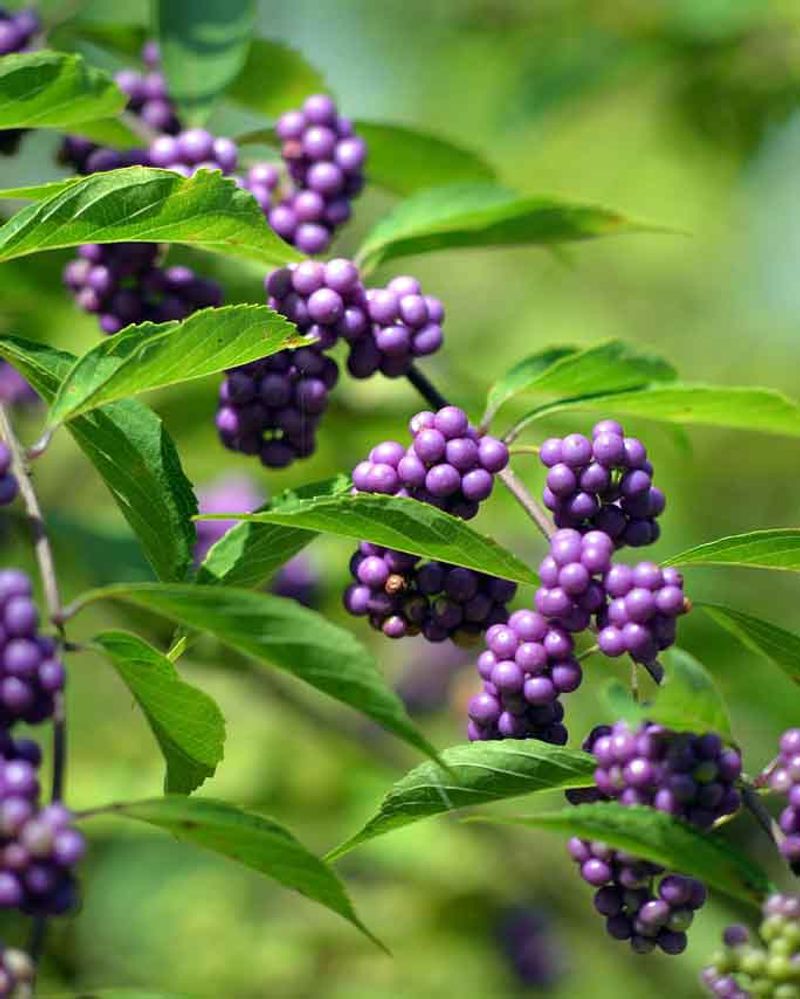
Few shrubs put on a fall show quite like American Beautyberry. When clusters of bright purple berries line those long, arching stems in late summer and fall, even neighbors who know nothing about native plants will stop to ask what it is.
Callicarpa americana is a Georgia native that genuinely earns its spot in a full sun landscape.
Growing 4 to 8 feet tall and wide, this deciduous shrub brings season-long interest.
Small pink to lavender flowers appear in summer and attract pollinators, while the berry clusters that follow are a favorite food source for mockingbirds, cardinals, and other Georgia wildlife.
It is widely regarded as one of the top native shrubs for wildlife gardens in Georgia.
In Georgia’s heavy clay soils or sandy loam, Beautyberry adapts well as long as drainage is reasonable. It handles the full summer sun that would scorch a traditional azalea and typically needs little supplemental watering once established.
Cutting the shrub back hard in late winter encourages fresh, vigorous growth and a fuller shape. Plant it at the back of a border, along a fence line, or in a naturalized area where its loose, arching habit has room to spread.
It rewards low-maintenance gardeners with reliable color and serious wildlife value every single year.
2. Buttonbush Thrives In Sunny, Moist Spots
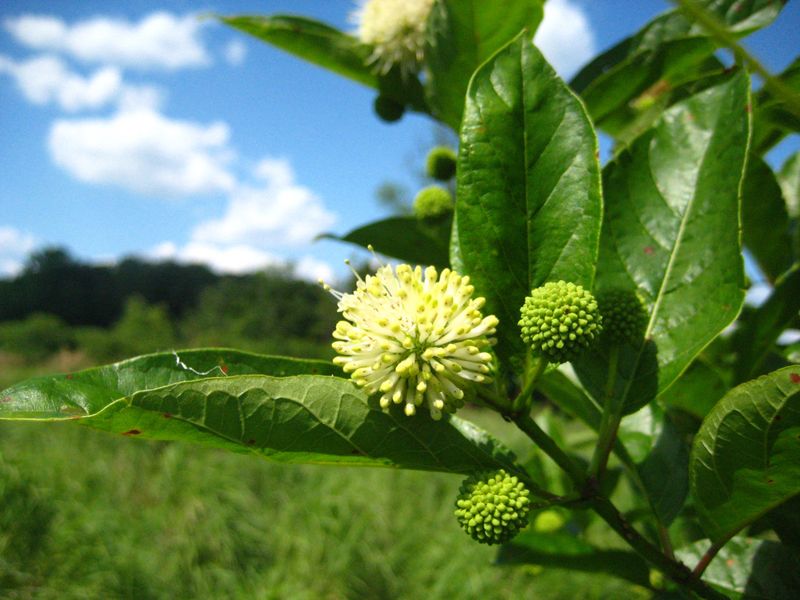
Spots in Georgia yards that stay wet after rain can be genuinely tricky to plant. Most ornamental shrubs resent soggy roots, and azaleas especially struggle in those low-lying, sun-drenched areas near downspouts or drainage swales.
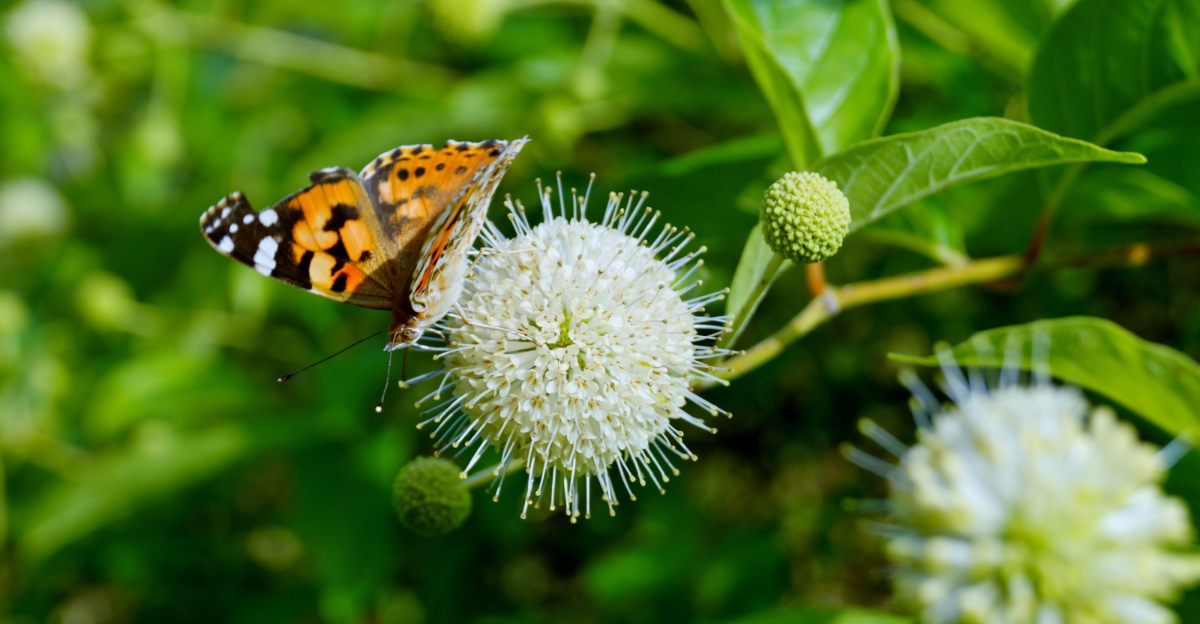
Buttonbush, Cephalanthus occidentalis, is built for exactly those conditions.
This native deciduous shrub grows 6 to 12 feet tall and produces one of the most unusual flowers you will find on any shrub in the Southeast.
Round, white, globe-shaped flower clusters appear in summer and look almost like something from a science fiction film.
Bees, butterflies, and other pollinators visit them heavily, making Buttonbush a strong choice for anyone interested in supporting local insect populations across Georgia.
Buttonbush performs well in full sun and can tolerate standing water for short periods, which sets it apart from nearly every other landscape shrub.
It works well planted near ponds, rain gardens, or low spots in the yard where water collects after Georgia’s frequent summer storms.
While it is most commonly found near water in the wild, it can also grow in average garden soil with supplemental watering during dry stretches.
Your Georgia Garden Changes Every Week. Your Plan Should Too.
Gardening in Georgia changes quickly throughout the season. Every Friday you’ll receive a simple weekly plan showing exactly what to plant, prune, fertilize, harvest, and protect so you never miss the right timing.
Birds feed on the round seed heads that follow the flowers, extending the wildlife value well into fall.
For wet, sunny problem spots, few native shrubs offer this combination of toughness and visual interest.
3. Virginia Sweetspire Brings Fragrance And Fall Color
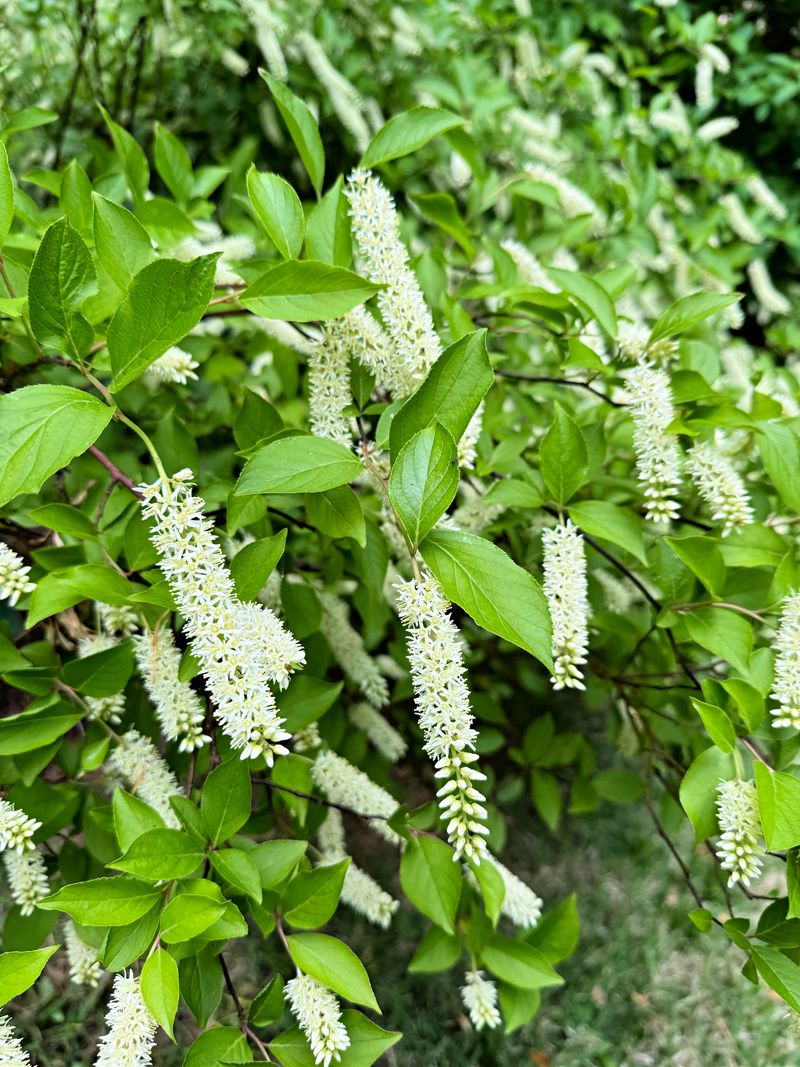
Walk past Virginia Sweetspire in bloom and you will understand immediately why gardeners keep coming back to it.
The long, arching white flower spikes that appear in late spring and early summer carry a light, sweet fragrance that drifts through the yard on warm Georgia evenings.
Itea virginica is a native shrub that works hard across multiple seasons without demanding much attention.
Growing 3 to 5 feet tall and wide, Virginia Sweetspire fits comfortably into smaller yards, foundation plantings, and mixed shrub borders.
In fall, the foliage shifts to brilliant shades of red, orange, and burgundy, which is something azaleas simply cannot offer in a full sun setting.
It adapts to a wide range of soil types, including clay, and handles both moist and moderately dry conditions.
Full sun to partial shade suits this shrub well, and it tends to spread slowly by suckers, forming attractive colonies over time.
In Georgia landscapes, it works well along stream banks, at the edges of rain gardens, or mixed into a sunny shrub border for layered seasonal interest.
Established plants show solid drought tolerance during Georgia’s dry summer stretches, though a little supplemental watering in the first season helps roots get settled.
The combination of fragrant blooms, reliable fall color, and low maintenance makes Virginia Sweetspire a genuinely rewarding native alternative to azaleas.
4. Oakleaf Hydrangea Offers Bold Leaves And Texture
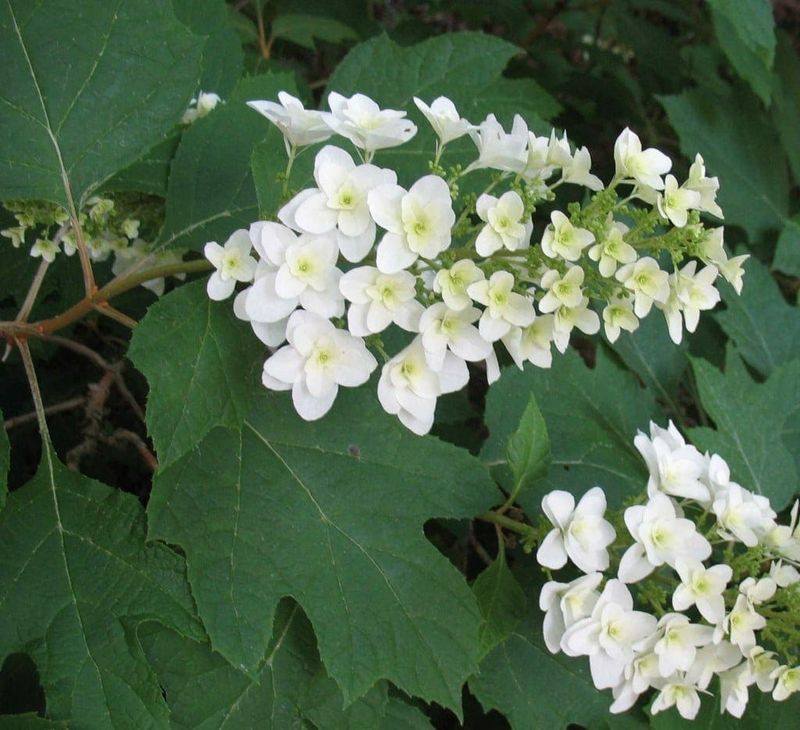
Bold, dramatic, and unmistakably Southern, Oakleaf Hydrangea brings a presence to the landscape that few other shrubs can match.
Hydrangea quercifolia is native to the Southeast and thrives across Georgia in conditions where traditional azaleas often struggle, including spots that receive a solid half-day or more of direct sun.
The large, lobed leaves look like oversized oak leaves and give the shrub a textural richness that stands out in any border. In late spring, enormous cone-shaped flower clusters emerge white and gradually fade to pink and then papery tan as the season progresses.
Those dried flower heads cling to the stems through winter, providing subtle structure and interest during Georgia’s quieter gardening months.
Oakleaf Hydrangea grows 6 to 8 feet tall and wide, though some selections stay more compact. It performs well in full sun when given adequate moisture, particularly during the first year or two of establishment.
Once its roots are settled, it shows respectable drought tolerance for a hydrangea. Fall brings another reward, as the leaves turn rich shades of red, orange, and burgundy before dropping.
Plant it as a specimen, in a mass planting along a fence, or at the corner of a foundation bed where its size and texture can be fully appreciated. For Georgia gardeners wanting bold native beauty without fussy care, this shrub consistently delivers.
5. Sweetshrub Adds Unique Blooms And Native Appeal
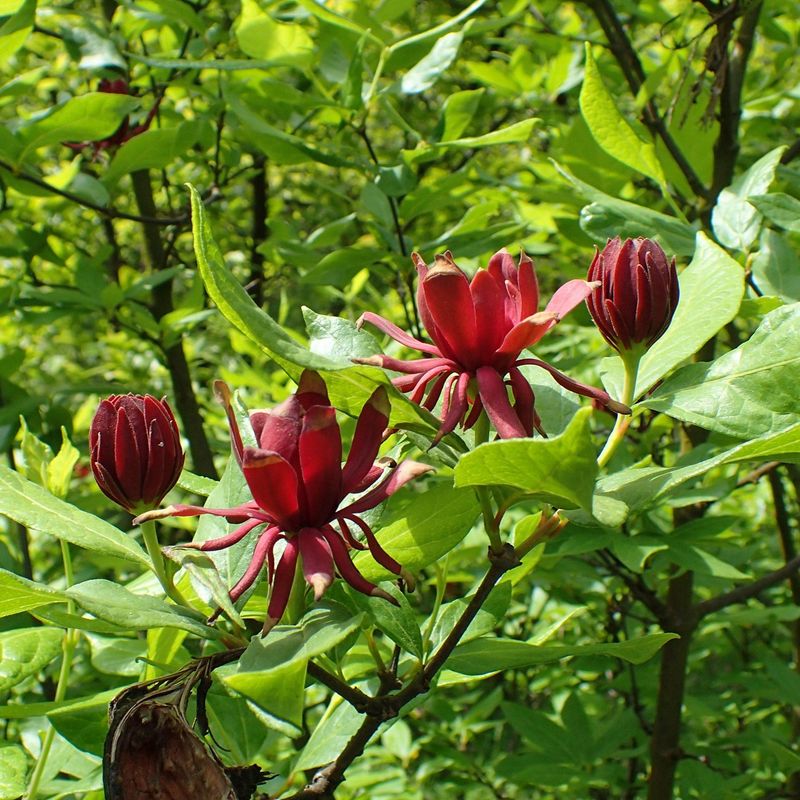
There is something almost old-fashioned and charming about Sweetshrub, and that is part of its appeal. Calycanthus floridus has been grown in Southern gardens for generations, long before native plant gardening became a popular movement.
Its reddish-brown flowers are unlike anything else blooming in a Georgia yard in spring, with strap-like petals arranged in a dense, spidery cluster that carries a sweet, fruity fragrance.
Growing 6 to 10 feet tall and wide, Sweetshrub fits well into larger shrub borders or naturalized areas.
It handles full sun to partial shade and adapts to a range of soil types common across Georgia, from moist bottomland soils to average garden beds.
The dark green, aromatic leaves add sensory interest even when the plant is not in bloom, and brushing them releases a pleasant scent.
Pollinators are drawn to the flowers, and the shrub provides good cover for birds and small wildlife throughout the year.
Unlike azaleas, which can struggle and decline when planted in too much direct sun, Sweetshrub holds up well in Georgia’s summer heat as long as soil moisture is maintained during establishment.
Pruning after flowering helps keep the plant tidy and encourages a more compact habit.
For gardeners who want something with genuine native credentials, a distinctive look, and a connection to the long history of Southern horticulture, Sweetshrub earns its place in any full sun landscape.
6. New Jersey Tea Handles Dry, Sunny Conditions
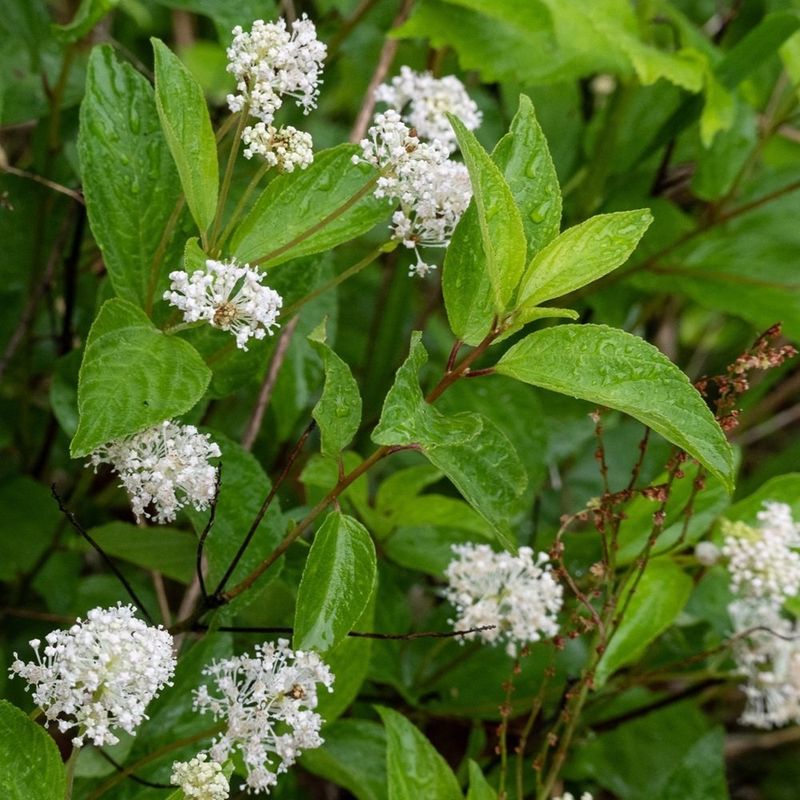
Georgia’s dry summer spells can push many shrubs to their limits, and finding a native plant that genuinely thrives in hot, dry, sunny conditions is worth celebrating. New Jersey Tea, Ceanothus americanus, is exactly that kind of plant.
Despite its Northern-sounding name, it grows naturally across much of the Eastern United States, including Georgia, and it handles drought and full sun with quiet confidence.
This compact deciduous shrub typically stays between 3 and 4 feet tall, making it a practical choice for smaller yards, sunny borders, or low-maintenance foundation plantings.
In late spring and early summer, clusters of small white flowers cover the plant and attract an impressive variety of native bees and butterflies.
It is one of the larval host plants for several native butterfly species, which adds real ecological value to any Georgia landscape.
New Jersey Tea develops a deep, woody taproot that helps it access moisture during dry periods, which explains its solid drought tolerance once established.
It prefers well-drained soils and actually performs better in leaner, drier conditions than in rich, consistently moist garden beds.
Supplemental watering during the first growing season helps roots establish, but after that, the plant largely takes care of itself through Georgia’s summer heat.
Compared to azaleas, which need consistent moisture and filtered light, New Jersey Tea asks for very little while still delivering seasonal blooms and strong pollinator support.
7. Dwarf Palmetto Adds Structure And Toughness
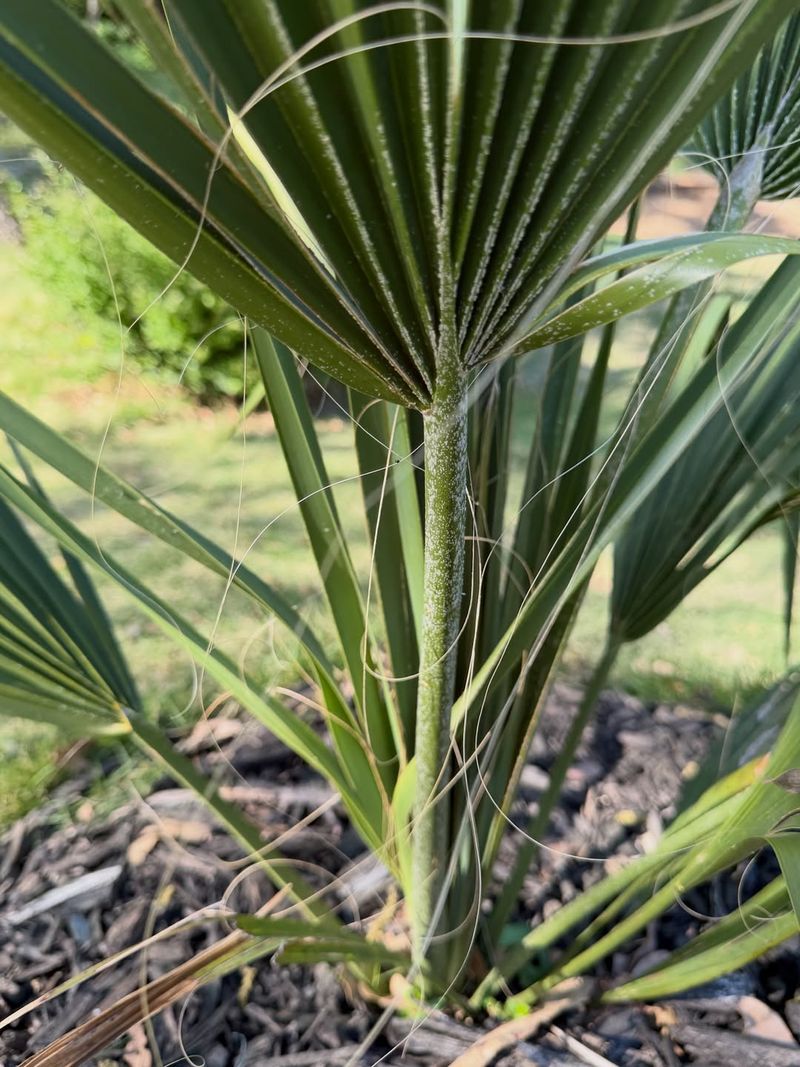
Not every shrub in a Georgia yard needs to produce flowers to earn its keep. Sometimes what a landscape needs most is structure, and Dwarf Palmetto delivers that in a way that feels distinctly Southern and entirely at home in Georgia’s climate.
Sabal minor is a native palm that grows naturally across the coastal plain of Georgia and the broader Southeast, and it brings an architectural quality that no azalea can replicate.
Growing 4 to 6 feet tall, Dwarf Palmetto forms a clump of bold, fan-shaped fronds that hold their deep green color through Georgia’s winters. It tolerates full sun, heat, and humidity without complaint, and established plants show strong drought tolerance.
It grows in a range of soils, from moist bottomlands to drier upland sites, which makes it adaptable across different Georgia yard conditions.
Small white flowers appear on tall spikes in summer and are followed by dark berries that attract birds.
The fronds provide year-round cover for wildlife and give the garden a tropical feel without requiring the fussy care that actual tropical plants demand.
Dwarf Palmetto works well as a specimen planting, a low screen, or a bold accent near a patio or walkway.
For Georgia gardeners who want something tough, evergreen, and visually striking in a full sun spot, this native palm is a genuinely underused and rewarding option.
8. Winged Sumac Brings Bright Fall Color
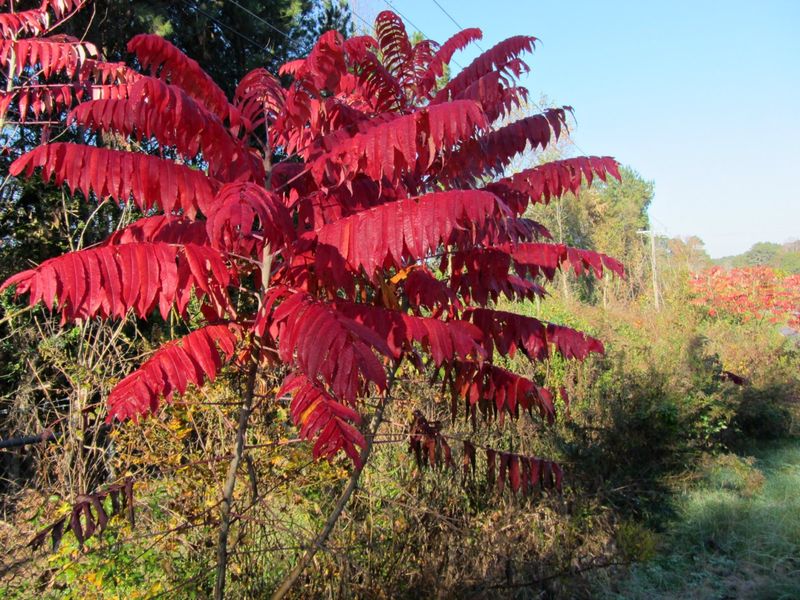
Georgia’s fall foliage season gets a lot of attention in the mountains, but even in the Piedmont and coastal plain, Winged Sumac puts on a color display that rivals anything in the landscape.
Rhus copallinum turns brilliant shades of red, orange, and scarlet in autumn, and it does it reliably, season after season, in full sun spots where azaleas would never thrive.
This fast-growing native deciduous shrub reaches 7 to 15 feet tall and spreads by root suckers to form colonies, which makes it ideal for large naturalized areas, hillside stabilization, or wildlife plantings.
The glossy green compound leaves have a distinctive winged stem between the leaflets, which is how the plant gets its common name.
Dense clusters of small yellow-green flowers appear in summer and develop into red, cone-shaped fruit clusters that persist into winter and provide important food for birds and other wildlife.
Winged Sumac is one of the most adaptable native shrubs in Georgia. It handles poor soils, dry conditions, slopes, and roadsides without much help, and it grows vigorously in full sun.
Compared to azaleas, which need well-amended soil and careful siting, Winged Sumac asks for almost nothing once it is in the ground. Gardeners should give it room to spread or plan to manage its suckering habit.
For wildlife value, fall color, and sheer toughness in Georgia’s sunny landscapes, few native shrubs outperform it.