These Are The Arizona Citrus Varieties That Handle Extreme Heat Better Than Any Others
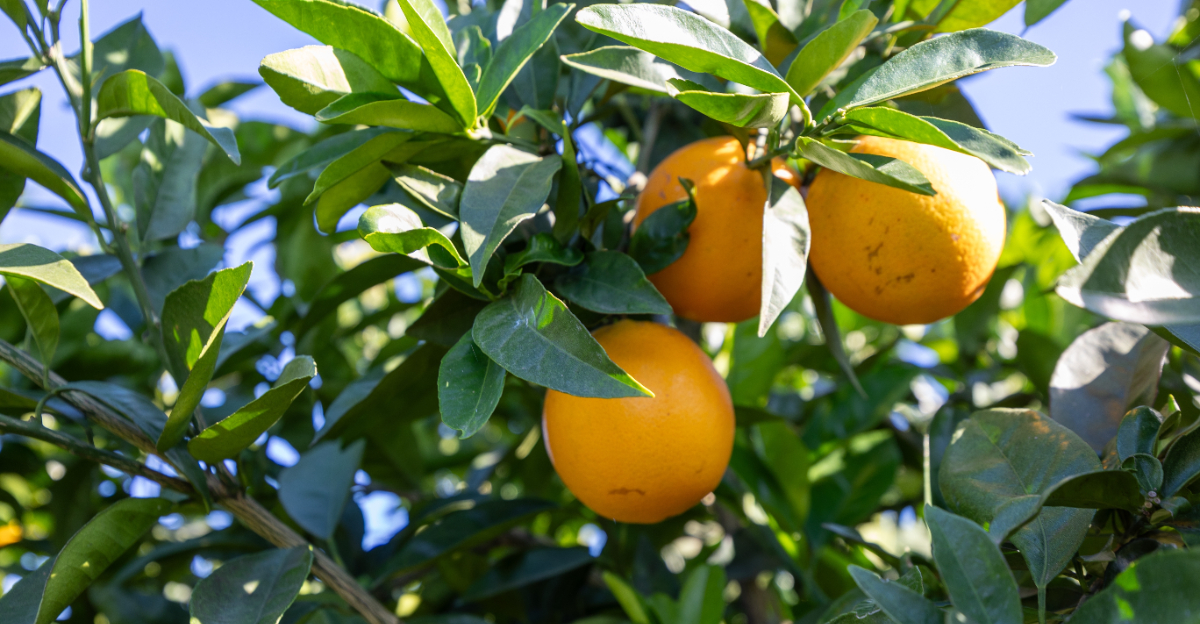
Backyard citrus becomes impossible to ignore once branches start filling with bright fruit against the middle of summer landscape.
Some trees stay full, healthy, and productive through brutal heat while others spend the season fighting stress before fruit even finishes developing.
Arizona yards can push citrus trees harder than people expect.
Block walls trap warmth late into the evening, reflected heat builds around gravel, and long stretches without relief wear certain varieties down much faster than others.
That is why variety choice changes everything in desert gardens. Some citrus trees adapt naturally to intense conditions and continue producing without constantly showing signs of damage or exhaustion.
After a few summers, the toughest varieties start standing out for all the right reasons. Healthy growth and reliable fruit become much easier to maintain once the right tree is in the ground.
1. Lisbon Lemons Stay Strong In Intense Afternoon Sun
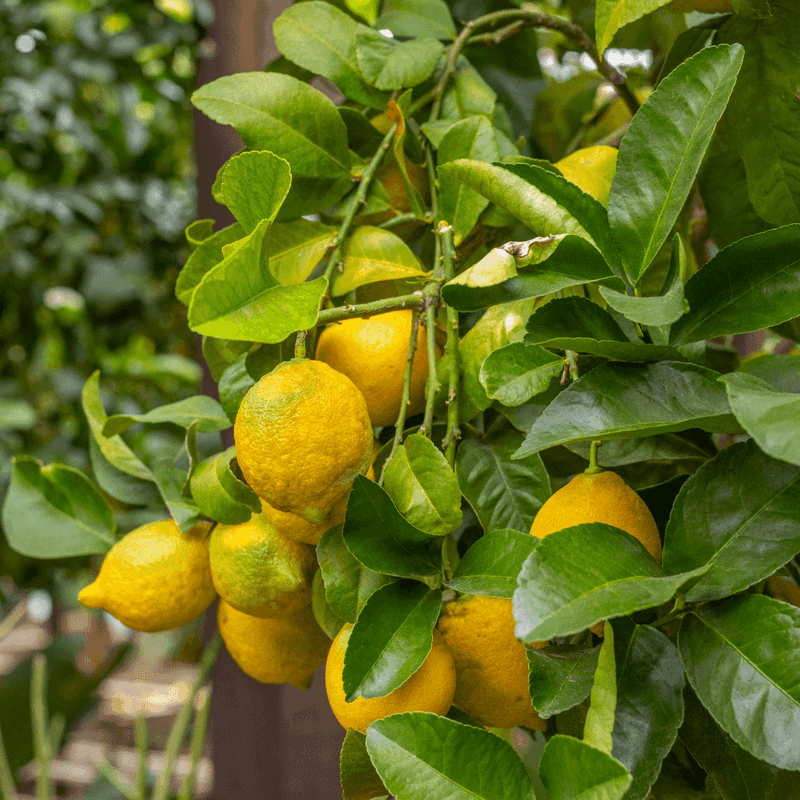
Few trees handle punishing afternoon sun the way Lisbon lemons do. Walk through almost any older neighborhood in the low desert and you will spot one loaded with fruit, seemingly unbothered by the heat.
Lisbon is a vigorous grower with dense foliage that actually helps protect developing fruit from sunburn.
The canopy shades the lemons as they grow, which matters a lot when afternoon temperatures regularly hit triple digits.
Compared to Eureka lemon, Lisbon tends to be thornier and more cold-tolerant, but its real advantage in hot climates is how it handles water stress. It recovers faster after a missed watering than many other citrus varieties.
Fruit production on Lisbon is nearly year-round in warmer low-desert locations. You will rarely find the tree completely without lemons if it is well-established and getting consistent irrigation.
One thing worth knowing: Lisbon lemons can develop thick rinds during extremely hot stretches.
That does not affect the juice content much, but if you want thinner-skinned fruit, keeping irrigation steady through July and August helps.
Fertilizing three times a year, roughly in late winter, early summer, and fall, keeps growth strong without pushing out too much tender new growth during the hottest weeks.
For anyone wanting a reliable lemon tree that earns its keep through brutal desert summers, Lisbon is hard to beat. It is tough, productive, and genuinely low-maintenance once settled in.
2. Oro Blanco Grapefruit Handles Dry Air More Smoothly
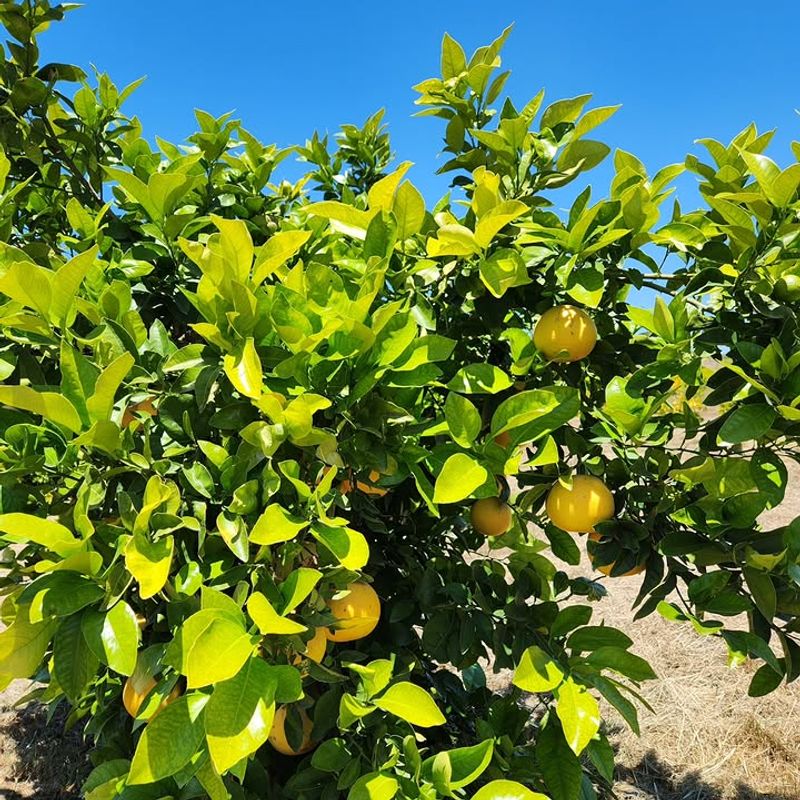
Dry air is one of the trickiest challenges for citrus growers in the desert Southwest, and Oro Blanco grapefruit handles it better than most people expect.
Oro Blanco is a hybrid between a pumelo and a white grapefruit. That combination produces a fruit with thicker skin that resists moisture loss better than standard grapefruit varieties.
In low humidity conditions, that matters.
The flavor is milder and sweeter than traditional grapefruit, with almost no bitterness. Plenty of people who normally avoid grapefruit end up enjoying Oro Blanco once they try it fresh off the tree.
Trees grow large if left unpruned, so plan for space. A mature Oro Blanco can spread 15 to 20 feet wide.
Your Arizona Garden Changes Every Week. Your Plan Should Too.
Gardening in Arizona changes quickly throughout the season. Every Friday you’ll receive a simple weekly plan showing exactly what to plant, prune, fertilize, harvest, and protect so you never miss the right timing.
Regular light pruning keeps the size manageable without stressing the tree.
Fruit ripens between November and April, which means harvest happens during the cooler months.
That timing works well because the tree focuses its energy on fruit development before the hardest summer heat arrives.
During summer, the tree goes into a maintenance phase. Deep watering every week or so keeps roots healthy without waterlogging the soil.
Mulching around the base significantly reduces soil moisture loss in dry, windy conditions.
Oro Blanco does not demand constant attention, but it rewards growers who stay consistent with irrigation and occasional feeding.
In the right yard, it produces generously and handles the desert climate with notable ease.
3. Mexican Lime Trees Bounce Back Faster After Hot Winds
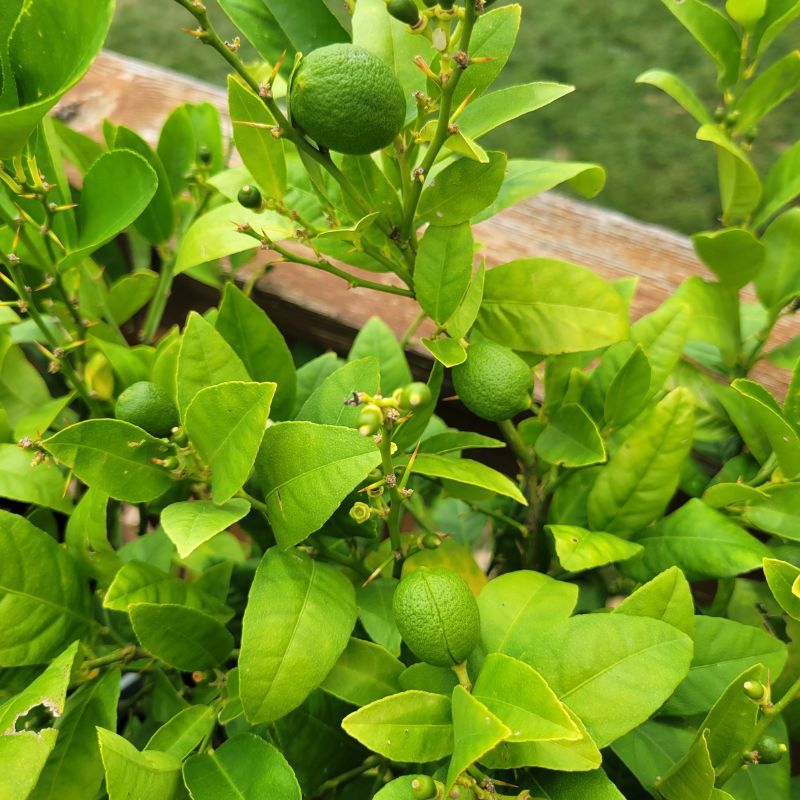
Hot, dry winds are brutal on most citrus. Leaves curl, fruit shrivels, and young trees can look rough within a day of a serious dust storm.
Mexican lime trees shake it off faster than almost anything else in the citrus family.
Also called Key lime, this variety runs smaller than Persian lime but makes up for size with resilience. The tree is naturally compact, which helps it manage wind stress better than larger, more open-canopied varieties.
Recovery after a haboob or dry wind event is noticeably quicker. Give it a deep watering after any major wind event and the tree typically rebounds within a few days without lasting damage.
One trade-off is cold sensitivity. Mexican lime is one of the least cold-hardy citrus varieties, so it needs a protected spot in yards that see occasional frost.
Near a south-facing wall works well and helps the tree stay warmer on cold winter nights.
Fruit production is nearly continuous in warm months. The limes are small, intensely aromatic, and more acidic than store-bought Persian limes.
They work great in marinades, drinks, and anything that benefits from a sharp citrus punch.
Trees need regular irrigation during summer but do not require heavy feeding.
Light fertilization in spring and midsummer keeps them productive without encouraging excessive tender growth during the hottest stretch.
For a compact, productive, and genuinely tough citrus option, Mexican lime earns serious consideration in any hot, low-desert yard.
4. Arizona Sweet Oranges Grow Reliably In Low-Desert Yards
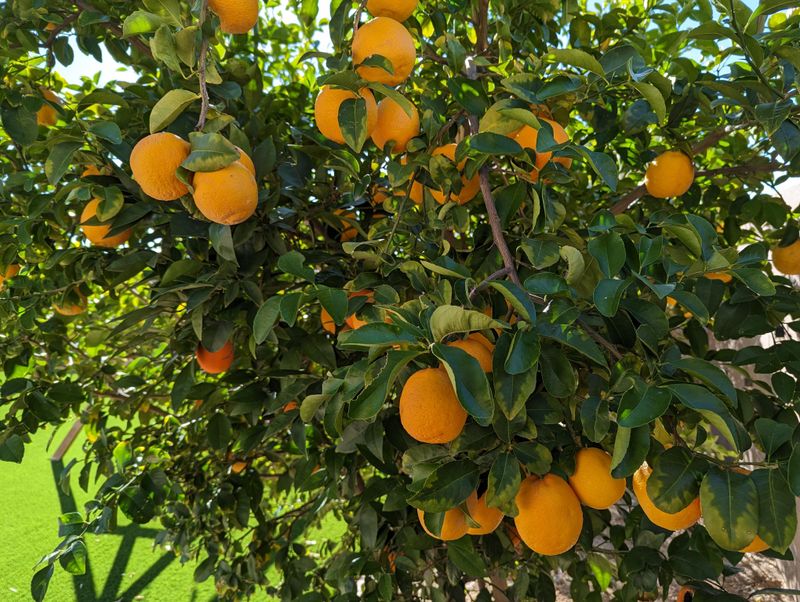
Bred and selected specifically for hot, dry conditions, Arizona Sweet orange has a track record that most imported varieties simply cannot match in this region.
Sugar levels develop well even when nights stay warm, which is a genuine advantage. Many orange varieties need significant temperature swings between day and night to produce sweet fruit.
Arizona Sweet does not depend on that as heavily.
Fruit ripens from December through March, giving you a solid winter harvest when the tree has spent summer building strength and root mass.
Trees that get consistent summer irrigation tend to produce heavier crops the following winter.
Growth rate is moderate. You will not get a massive tree overnight, but steady growth with proper care produces a well-shaped, productive canopy within a few years.
Sunburn on fruit can be an issue during the most intense summer weeks, especially on south-facing branches with thin canopy cover.
A light application of diluted white latex paint or commercial tree wrap on exposed bark helps protect younger trees.
Soil quality matters more than people often realize. Sandy desert soils drain fast, which is mostly fine for citrus, but adding organic compost at planting time and using mulch around the drip line improves moisture retention noticeably.
For low-desert yards where reliability matters most, Arizona Sweet orange is a straightforward, well-proven choice. It does not need babying, and it consistently delivers good fruit season after season.
5. Meyer Lemons Prefer Protected Backyard Corners
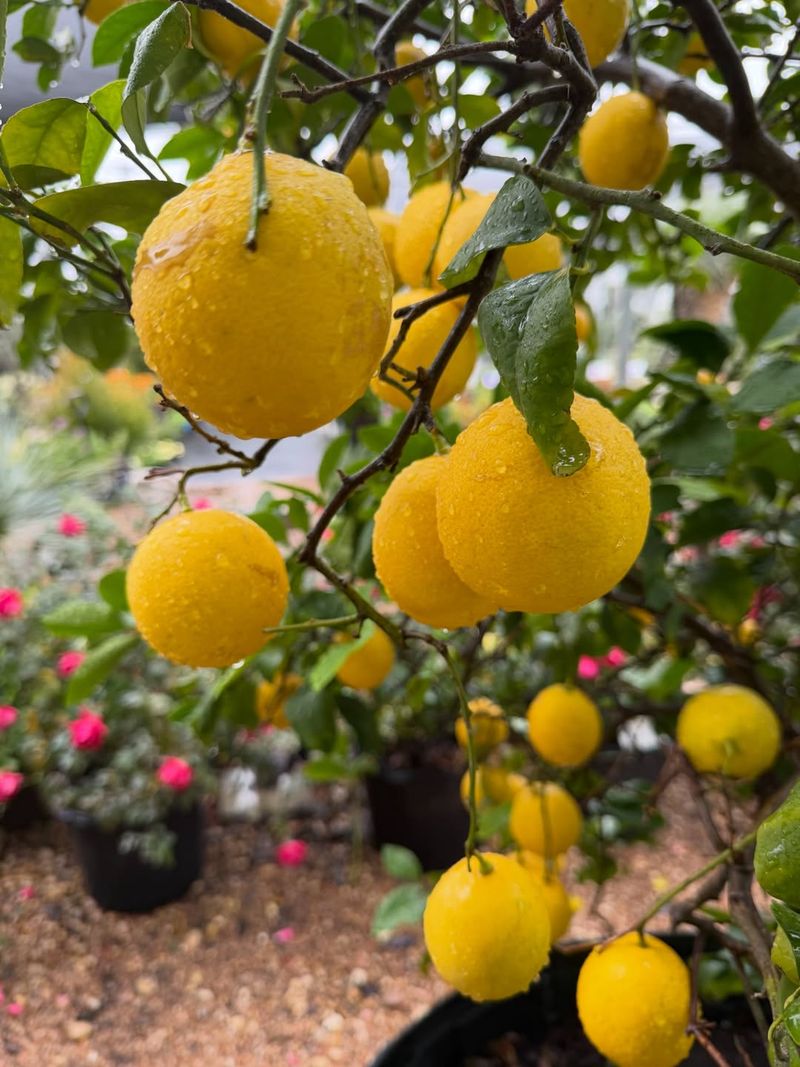
Meyer lemon is not the toughest citrus on this list, but planted in the right spot, it produces some of the most flavorful fruit you will find in any backyard.
What makes Meyer different from standard lemons is the flavor profile. It is less acidic, slightly sweeter, and has a thin, fragrant rind.
Chefs love it. Home cooks love it.
And once you taste one fresh off the tree, grocery store lemons feel like a downgrade.
Placement is everything with Meyer lemon in hot desert climates. A corner sheltered from harsh west or southwest afternoon sun keeps the tree comfortable through the worst summer weeks.
Near a block wall or fence that blocks late-day sun makes a noticeable difference.
Even with protection, expect some leaf drop during extreme heat spells. That is normal behavior and not a sign of serious trouble.
Consistent irrigation and a layer of mulch around the base helps the tree stay stable through those stretches.
Meyer lemon produces fruit almost year-round in mild low-desert winters. The heaviest flush typically comes in late fall through early spring, which lines up nicely with holiday cooking and citrus season.
Container growing works well for Meyer lemon if yard space is limited. A large pot on a covered patio gives you control over sun exposure and makes it easier to protect the tree during rare cold snaps.
With the right placement and steady care, Meyer lemon rewards you generously with fruit that stands out from anything store-bought.
6. Rio Red Grapefruit Keeps Fruit Quality Through Warm Months
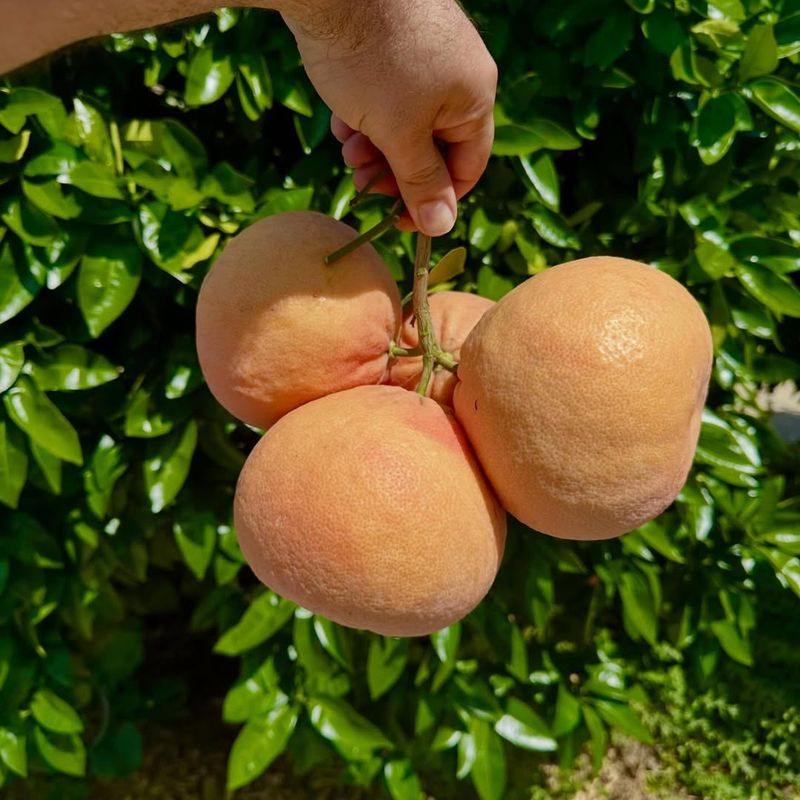
Red-fleshed grapefruit varieties can be hit or miss in extreme heat, but Rio Red consistently holds its fruit quality better than most others in its category.
Color development in Rio Red depends partly on temperature, but the fruit does not require the cool conditions that some red varieties need.
Even in warmer winters, flesh color comes through reasonably well, and flavor stays sharp and clean.
Trees grow vigorously and produce large crops once established. Expect a mature Rio Red to need some structural pruning every couple of years to keep the canopy from becoming too dense and heavy.
Fruit that stays on the tree too long into late spring can start to lose juice content in hot climates. Harvesting from January through March gives you peak quality.
Leaving fruit past April in warm years is not ideal.
One real advantage of Rio Red over standard white grapefruit is the antioxidant content. The red and pink pigmentation comes from lycopene, which is genuinely good for you.
That nutritional bonus makes the tree worth growing even beyond the flavor.
Summer care is straightforward. Deep watering once or twice a week depending on heat intensity keeps the tree stable.
Avoid letting the soil dry out completely between waterings during July and August.
Rio Red performs well in full-sun desert yards and does not require much fuss once it is past the first two establishment years. Consistent irrigation and basic feeding keep it productive season after season.
7. Valencia Oranges Continue Producing During Desert Summers
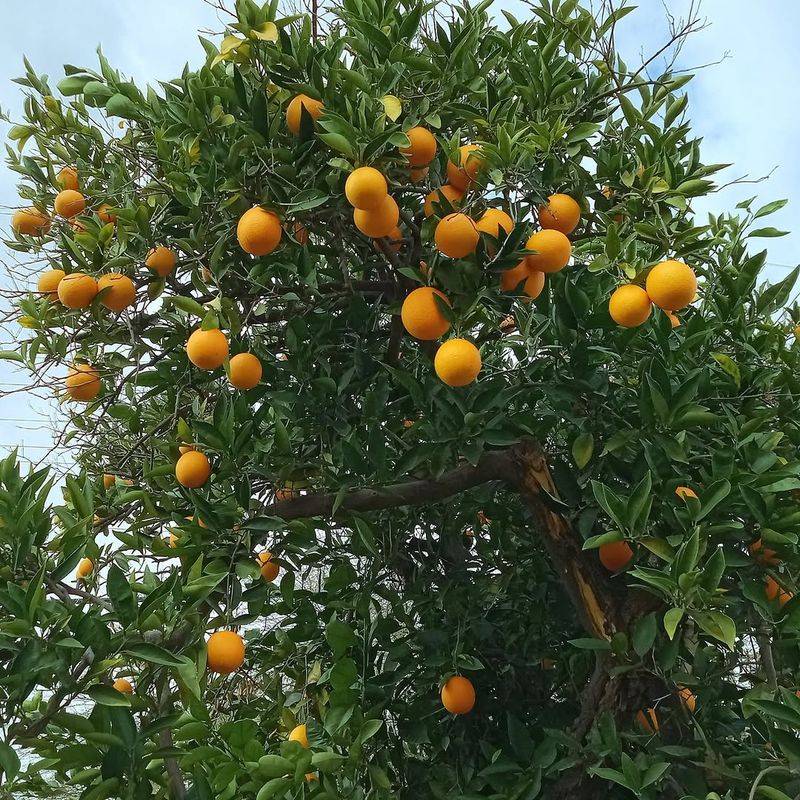
Valencia oranges pull off something most fruit trees simply cannot manage in the low desert: they hold ripe fruit on the branch well into summer without losing quality.
Most citrus wraps up production before the worst heat arrives. Valencia works differently.
Fruit that develops through spring stays on the tree through June and even into July without turning dry or tasteless.
That extended harvest window is a big reason why home growers across the Phoenix metro keep planting them. You are not racing to pick everything before the heat hits.
Valencia trees do need deep, consistent watering once temperatures push past 100 degrees.
Shallow watering leads to fruit drop and stressed foliage, so a slow, deep soak every few days works better than frequent light sprinkles.
Young trees benefit from some afternoon shade during their first two summers. Once established, they handle full sun without much complaint.
Fruit quality holds up surprisingly well even when nighttime temperatures stay warm. Some citrus varieties need cool nights to develop good sugar levels, but Valencia performs reliably even without that temperature drop.
Expect a mature tree to produce heavily. One established Valencia can yield well over 100 pounds of fruit in a good season.
That kind of output makes it one of the most practical choices for any desert yard looking for consistent summer citrus.
8. Kumquats Perform Nicely Near Heat-Reflecting Walls
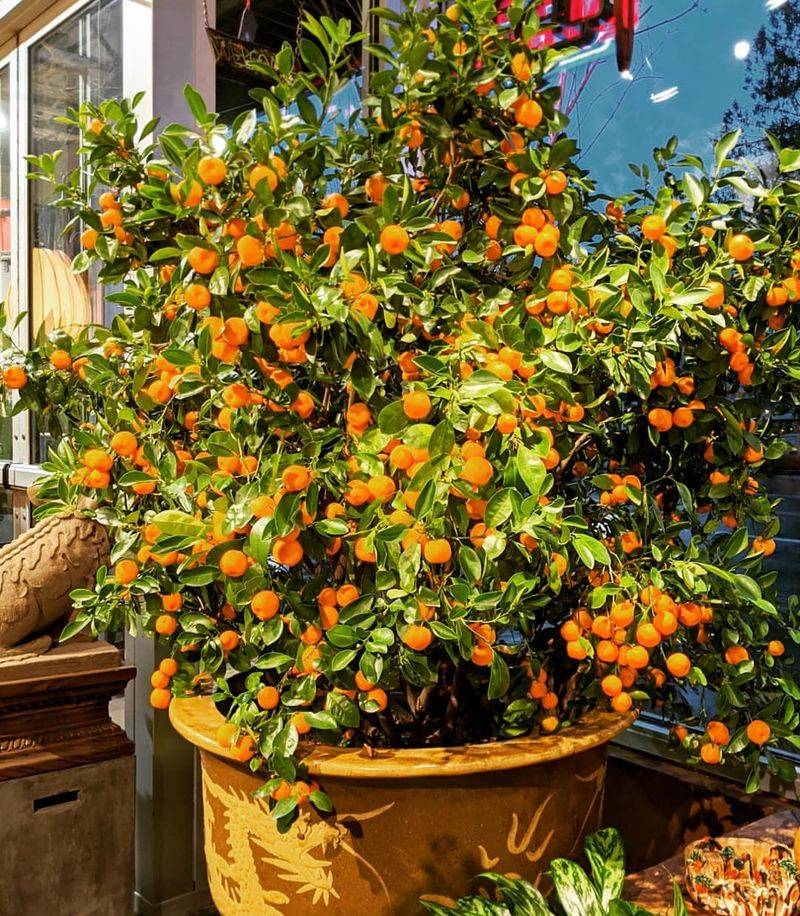
Walls that radiate heat all afternoon would stress most citrus trees. Kumquats actually seem to like it.
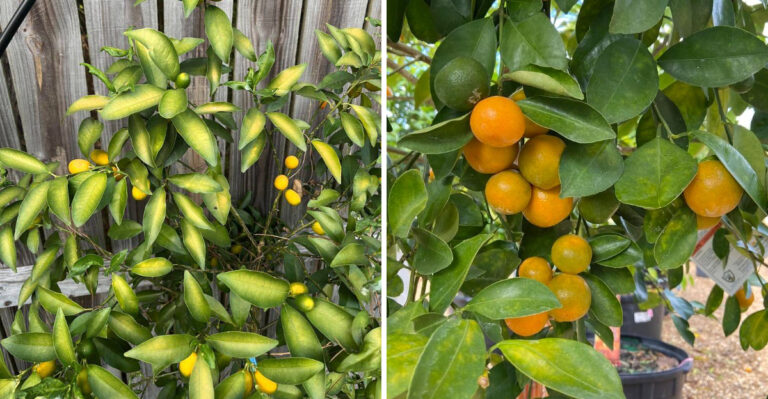
Among all the citrus options suited to hot, dry climates, kumquats rank among the most adaptable. They handle reflected heat from block walls, concrete patios, and gravel yards without the leaf scorch or fruit drop you might expect.
Nagami is the most common kumquat variety and the easiest to find at local nurseries. Fruit is small, oval, and eaten whole, skin and all.
The skin is sweet while the flesh is tart, which creates a unique flavor combination that most people find surprisingly enjoyable.
Trees stay compact, usually reaching 8 to 10 feet at most. That smaller size makes them practical for tighter yards, container planting, or spots near structures where a full-sized citrus tree would not fit.
Fruit ripens in late fall and winter, so the tree spends its summer building energy rather than finishing a crop. That seasonal rhythm actually suits the desert climate well.
Summer is a growth phase, winter is the harvest phase.
Watering needs are moderate.
Kumquats handle short dry spells well, but regular summer watering improves growth and fruit production.
One bonus worth mentioning: kumquats are among the most cold-tolerant citrus options available, which makes them a smart choice for yards that occasionally dip below freezing on winter nights.