7 Michigan Yard Habits That Make Deer Less Likely To Browse Your Garden Beds
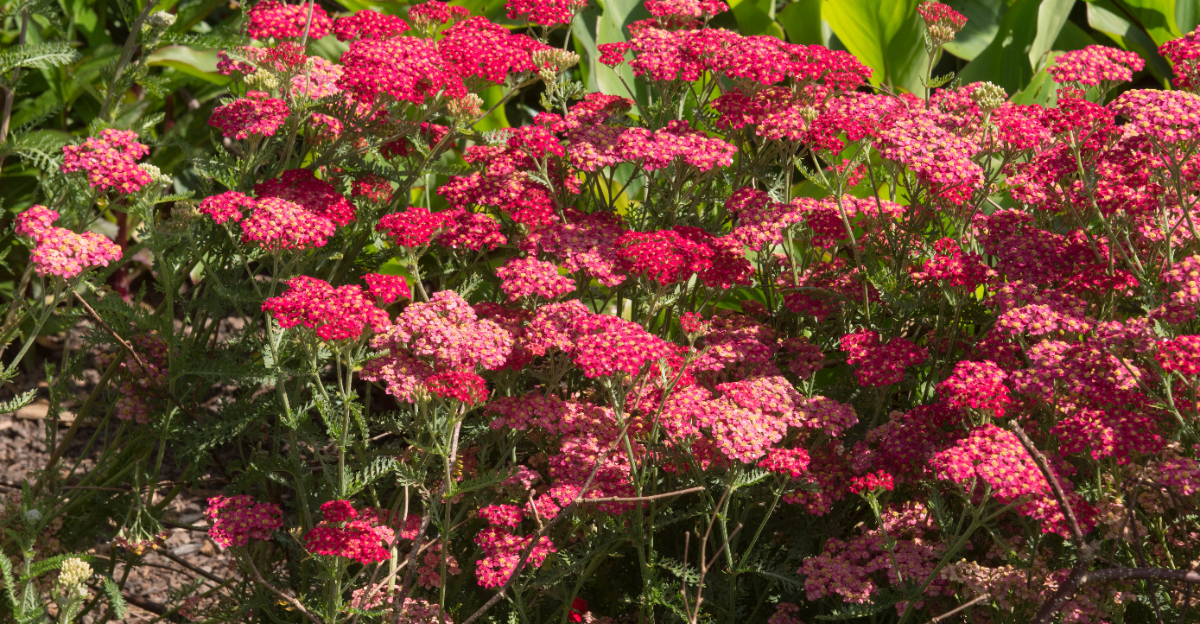
Deer pressure in Michigan does not affect every yard equally, even in neighborhoods where the same herds move through nightly.
Some properties get hit hard while others nearby stay largely untouched, and the difference almost never comes down to luck.
It comes down to specific habits that either invite browsing or actively discourage it. Several of these habits have nothing to do with fencing or repellent sprays at all.
They involve small, consistent choices in how a yard is maintained and arranged that change how appealing it looks to a deer scouting for an easy meal.
Adopting even a few of them shifts a Michigan property from regular target to one deer tend to pass by.
1. Plant Deer Resistant Edges Around Favorite Beds
Planting the right edges around your garden beds is one of the most natural ways to slow deer down before they even get close to your favorites. Deer rely heavily on smell and taste when deciding what to eat first.
When the outer layer of your bed smells sharp, feels rough, or simply does not taste good, many deer will move on without pushing further in.
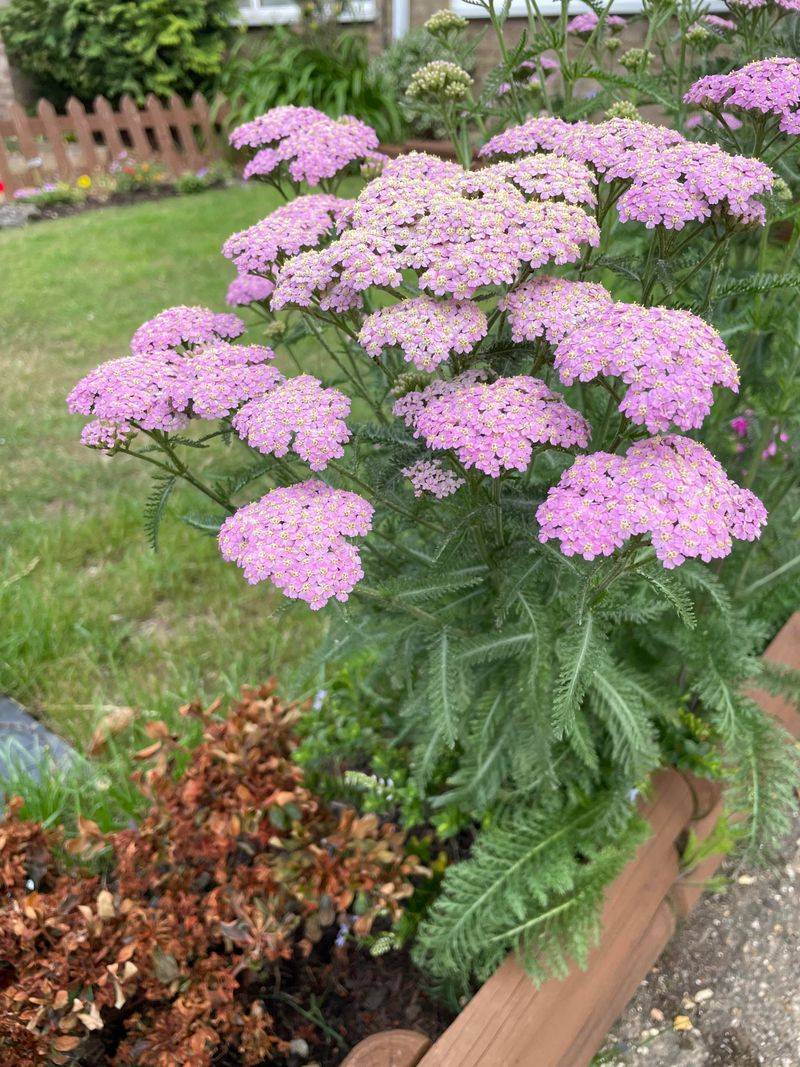
Plants like lavender, catmint, Russian sage, ornamental grasses, and yarrow are commonly used as border plants in Michigan because deer tend to pass them over.
These are not guaranteed deer-proof plants, but they are far less palatable than hostas, tulips, or young arborvitae.
Placing them along the outside of a bed adds a first line of resistance that makes the whole area feel less inviting.
The key is being realistic about what this habit can do on its own. A hungry deer in late winter or early spring will push past scented borders if there is nothing else available.
Using resistant edges works best as part of a broader approach, not as your only strategy. Think of it as raising the effort level for deer, not building a wall.
When you choose border plants, pick ones that also work well with your existing design. There is no reason to sacrifice beauty for function when so many deer-resistant plants are also attractive.
Over time, building these edges into your beds becomes second nature and makes your whole garden feel more protected without looking like a fortress.
2. Protect New Plantings Right Away
Fresh plants going into the ground are basically an open invitation for deer. Newly planted material is tender, well-watered, and often fertilized, which makes it far more appealing than tougher, established growth.
If browsing has happened in your yard before, there is a good chance deer already know where to look.
The window right after planting is when plants are most vulnerable. Roots are not yet established, so even minor browsing can set a plant back significantly or prevent it from recovering at all.
Protecting new plantings immediately, rather than waiting to see if deer show interest, gives your plants the best chance of getting through that critical early period.
Temporary wire cages, plastic mesh netting, or simple staked barriers are all practical options that do not require a big investment. Even a tomato cage placed over a new perennial can be enough to deter casual browsing.
Your Michigan Garden Changes Every Week. Your Plan Should Too.
Gardening in Michigan changes quickly throughout the season. Every Friday you’ll receive a simple weekly plan showing exactly what to plant, prune, fertilize, harvest, and protect so you never miss the right timing.
The goal is to make the plant harder to reach while it is at its most vulnerable, not to build a permanent structure.
Once plants are more established and woody growth has hardened off, you can often remove temporary protection and redirect it to the next round of new plantings.
Keeping a few cages or a roll of netting on hand means you are always ready when planting day comes.
Building this habit into your routine takes the guesswork out of it. You plant, you protect, and you give every new addition to your garden a real fighting chance from day one.
3. Refresh Repellents After Rain Or Sprinklers
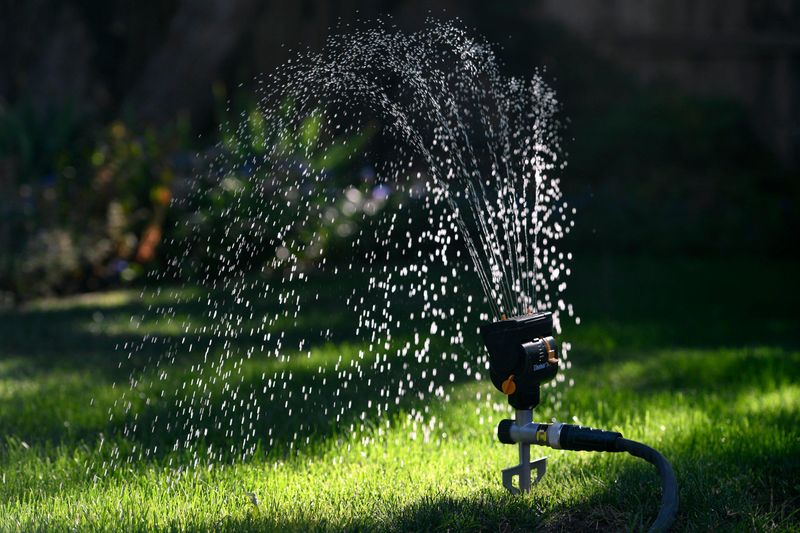
Deer repellents can be genuinely useful tools, but they only work when they are actually present on the plants. Rain, sprinklers, and even heavy dew can wash away or dilute the scent and taste barriers that make repellents effective.
A lot of gardeners apply repellent once and assume it is doing its job weeks later, which is where the habit breaks down.
In Michigan, summer storms roll through regularly, and spring can bring stretches of wet weather that make reapplication necessary more often than you might expect.
Checking your repellent schedule after any significant rainfall is a simple habit that makes a noticeable difference.
Most product labels include guidance on how often to reapply, and following those instructions closely will get you much better results.
Rotating between different repellent products is also worth considering. Deer can become accustomed to a single smell over time, especially in yards where they visit often.
Switching between scent-based repellents and taste-based ones, or alternating brands, keeps deer less comfortable and less predictable in their browsing patterns.
Spray repellents work best when applied in dry conditions so they have time to bond to plant surfaces before the next rain. Some gardeners set a simple reminder on their phone after watering days or check the forecast before applying.
It sounds like a small detail, but consistent application is what separates repellents that seem to work from ones that feel like a waste of money. Treat reapplication as part of your regular garden routine and you will get far more out of every bottle.
4. Fence The Plants Deer Choose First
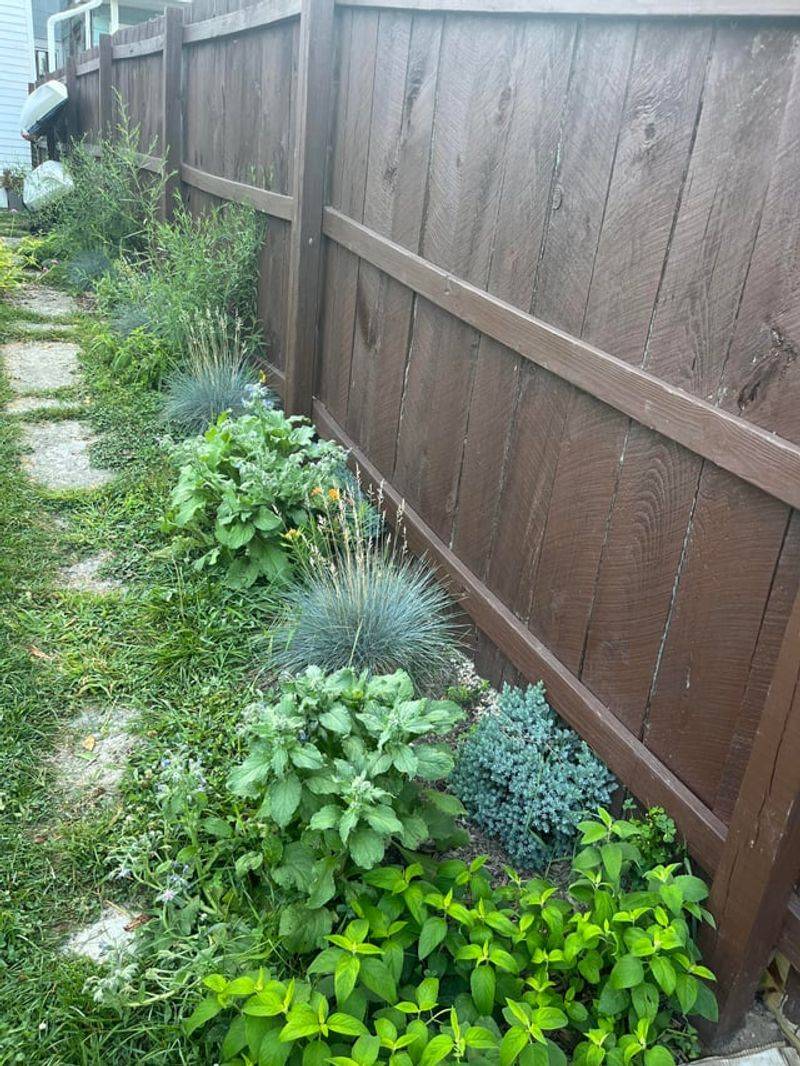
Not every plant in your yard needs the same level of protection, and trying to fence off everything at once can feel overwhelming and expensive. A smarter approach is to focus your energy on the plants deer keep choosing.
Hostas, tulips, young arborvitae, yews, and newly planted shrubs tend to be the first things deer target in Michigan yards, so those are the places to start.
Small fences, wire baskets, staked netting, and tomato cages can all serve as practical barriers around high-value plants. You do not need a professional installation or a full perimeter fence to protect a hosta bed or a row of young shrubs.
A simple wire cage staked firmly into the ground around a favorite target is often enough to redirect deer toward easier options elsewhere.
Focused protection also makes it easier to maintain your yard without feeling like you are managing a construction zone.
When you know which plants deer love most, you can put your resources there first and add protection to other areas as budget and time allow.
Prioritizing is not giving up on the rest of your garden, it is being strategic about where your effort counts most.
One thing to keep in mind is that barriers need to be sturdy enough to stay in place. A loose cage that tips over or netting that falls away after a windstorm gives deer easy access again.
Check your barriers after storms and make sure they are still doing their job. Consistent maintenance of even simple barriers goes a long way toward keeping deer out of the spots that matter most to you.
5. Leave Space Between Barriers And Plants
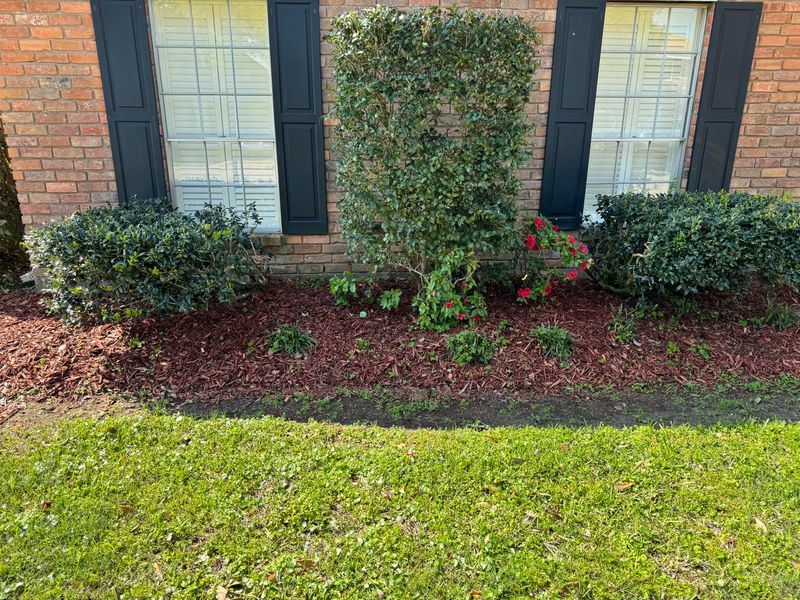
Putting up a fence or cage around a plant is a great step, but placement matters just as much as the barrier itself.
When a cage or fence sits right up against the plant, deer can often lean into it and still reach leaves, flower buds, or tender new growth through the gaps.
The barrier ends up looking like protection without actually providing it.
The fix is straightforward. Leave enough space between the barrier and the plant so that even a deer stretching its neck toward the fence cannot reach what is inside.
For most shrubs and young trees, a gap of at least a foot between the plant and the barrier is a practical starting point. Taller plants or wide-spreading shrubs may need more room to stay fully out of reach.
This spacing principle is especially important for arborvitae, yews, and young ornamental trees, which deer find very appealing and will persistently work to reach. A snug cage might block direct access but still allow browsing along the outer edges.
Pulling the barrier outward so the plant is centered with clear space all around makes the whole setup much more effective.
When you install any barrier, take a moment to step back and imagine a deer pressing against it from the outside. Can it reach anything?
If the answer is yes, move the barrier outward. It is a quick mental check that costs nothing and can save a favorite plant from getting nibbled despite your best efforts. Good spacing turns a mediocre barrier into a reliable one.
6. Protect Young Trees Before Antler Rub Season
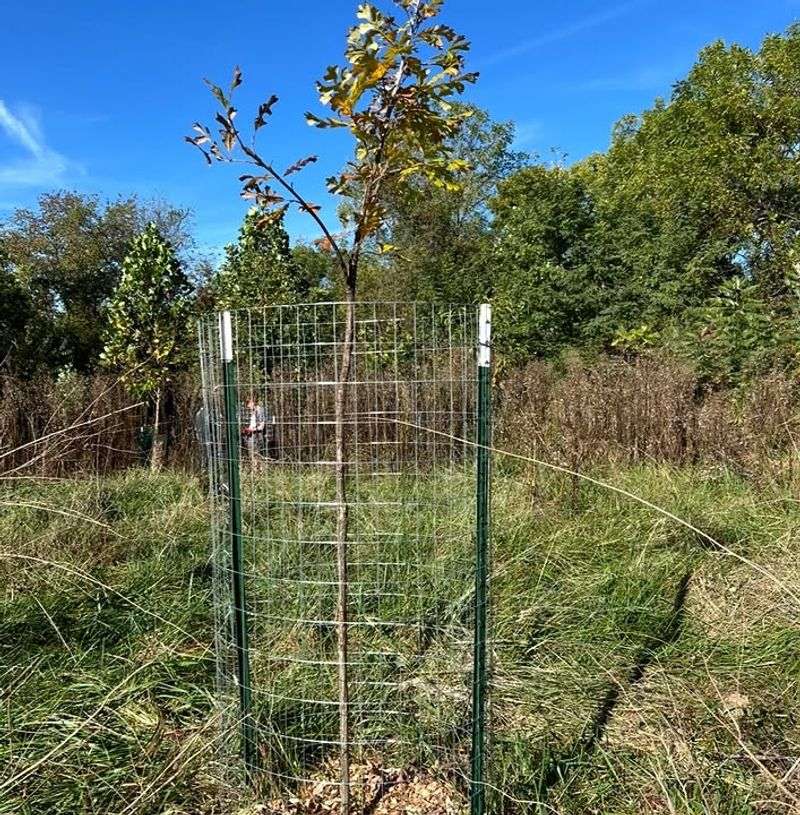
Every fall, male deer rub their antlers against tree trunks to remove velvet, mark territory, and build neck strength.
Young trees with smooth, thin bark are especially attractive for this behavior, and a single rubbing session can strip bark and damage the cambium layer that the tree needs to stay healthy.
Getting ahead of this before fall arrives is one of the most valuable habits a Michigan gardener can build.
Tree wraps and wire cages placed around the trunk before rubbing season begins are the most common protective options.
Corrugated plastic tree guards, hardware cloth cylinders, and commercial tree wraps all create a physical barrier that makes rubbing less satisfying and less damaging.
The earlier you install them before bucks become active in fall, the better your chances of protecting the trunk before it gets marked.
One important detail to stay on top of is checking wraps and cages regularly once they are in place. Moisture can build up under tight wraps, and insects can take advantage of that warm, dark space.
Wraps that are left on too long or installed too tightly can sometimes cause more harm than good. Checking them monthly and removing them in spring once rubbing season has ended keeps the tree healthier overall.
Young trees that survive their first few years without trunk damage are far more likely to thrive long-term. Protecting them during that vulnerable period is one of the highest-value habits in this entire list.
A few minutes of prep in late summer can save a tree you have been nurturing for years from serious setbacks during peak rubbing months.
7. Stop Inviting Deer Closer To The Garden
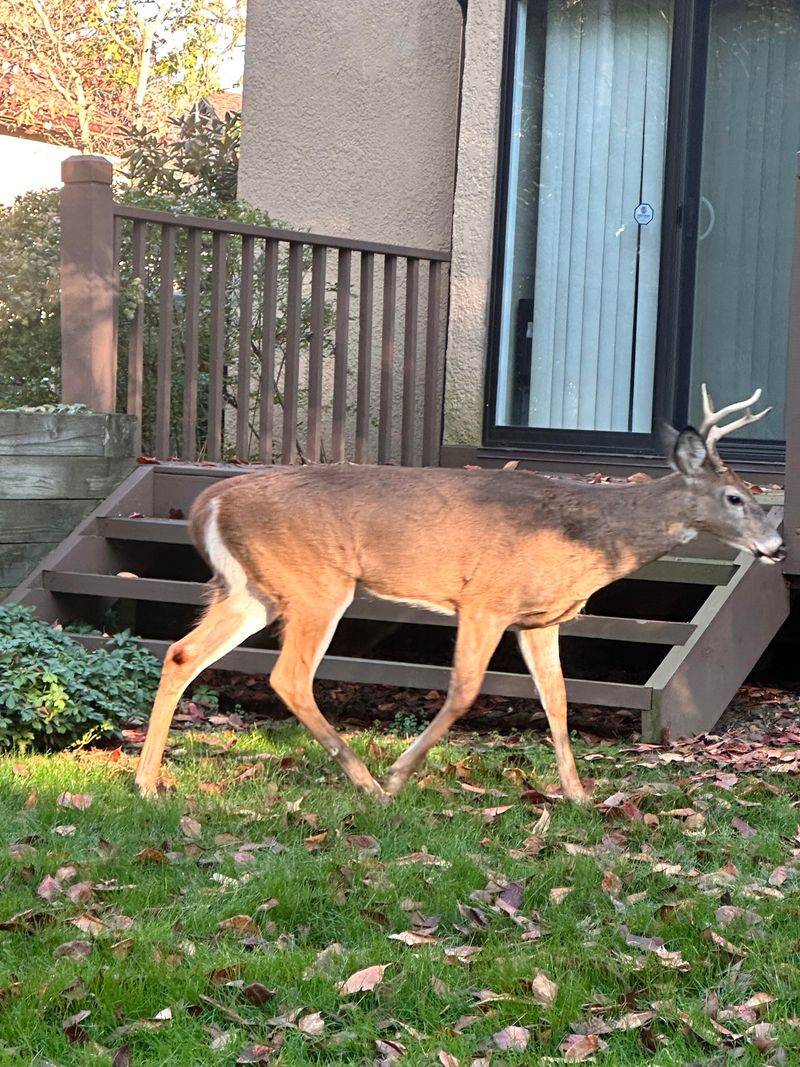
Sometimes the biggest reason deer keep coming back to your garden beds is that your yard is making them feel at home. Deer are creatures of habit, and once they find a comfortable, reliable route through your property, they will follow it again and again.
Recognizing what is drawing them in and changing those habits can shift the whole dynamic of how deer interact with your yard.
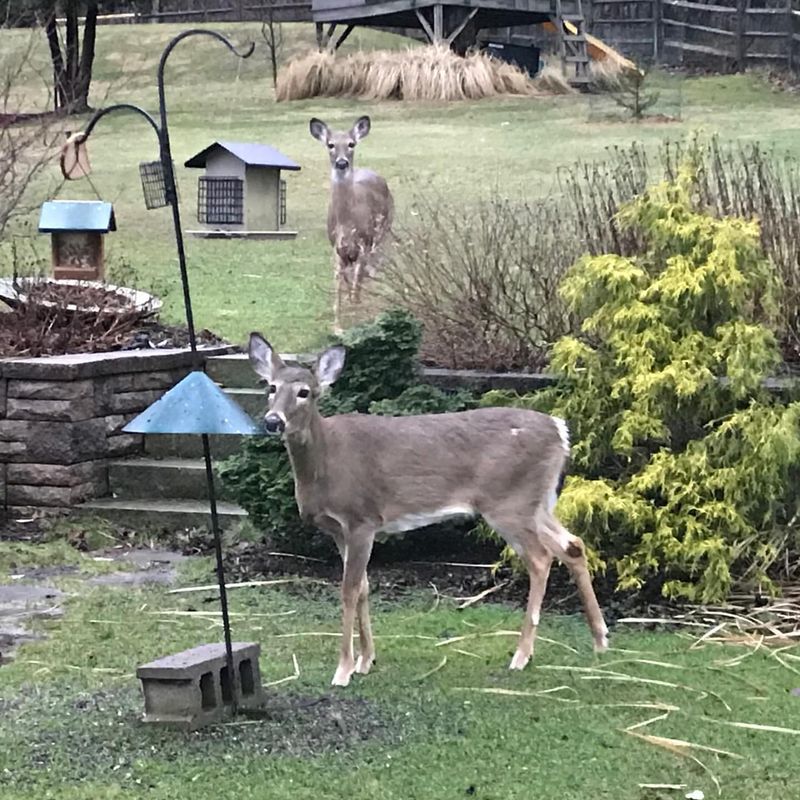
Feeding deer is one of the most direct ways to encourage repeat visits near your garden. Even well-intentioned feeding in one corner of the yard can train deer to spend more time on your property overall, which puts your beds at greater risk.
Bird feeders that spill seed onto the ground near garden areas can have a similar effect, offering deer an easy snack close to your most valued plantings.
Open pathways through the yard give deer a comfortable, predictable route that they will use over and over.
Blocking or redirecting those paths with simple barriers, dense plantings, or even rearranged garden features can disrupt the routine enough to make deer less confident about approaching.
It does not take a dramatic change to make a difference, just enough friction to break the habit.
Cleaning up attractants, moving feeding stations far from beds, and making access to garden areas feel less predictable are all small shifts that add up over time. Deer that feel uncertain about a space are less likely to settle into a browsing routine there.
Protecting your most valuable beds before a pattern forms is always easier than trying to break one that is already well established in your yard.