8 Flowers That Actually Thrive In Arizona Summer Heat And Look Beautiful All June
Summer has a way of testing every plant in the yard. A flower can look incredible in spring, only to fade once the hottest weather arrives.
That is why so many gardeners end up disappointed by plants that looked promising just a few months earlier. By June, it becomes clear which flowers can truly handle the season and which ones struggle when conditions become more demanding.
The good news is that some flowers seem completely unfazed by the heat. While other plants slow down, stop blooming, or lose their fresh appearance, these reliable performers continue putting on a show.
Their color becomes even more noticeable when many surrounding plants are starting to look tired.
That is one reason they have become such popular choices in Arizona gardens. They bring long-lasting color, handle challenging conditions, and help keep landscapes looking lively through one of the hottest months of the year.
Once you know which flowers thrive in June, choosing what to plant becomes much easier.
1. Angelita Daisy Never Takes A Break From Blooming
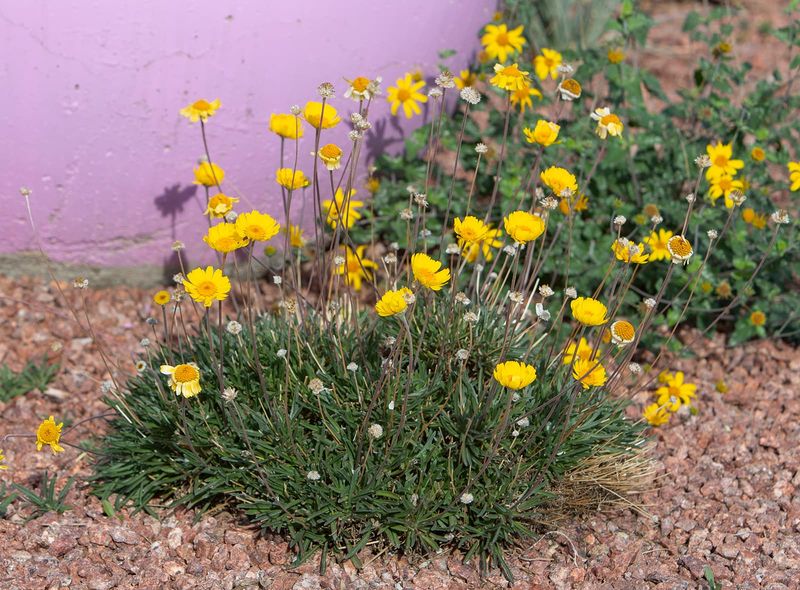
Angelita Daisy is one of those plants that just refuses to slow down. Even when June temperatures push past 108 degrees, those cheerful yellow blooms keep showing up like clockwork.
Most gardeners discover it by accident, then wonder why they ever planted anything else.
Native to the Chihuahuan Desert, this low-growing perennial sits about a foot tall and spreads just wide enough to fill a small patch without taking over. It thrives in well-drained, rocky soil and actually performs worse when overwatered.
Less water in summer means more blooms, not fewer.
Planting it in full sun is non-negotiable. Partial shade weakens the stems and reduces flower output noticeably.
Once established, it needs almost no supplemental irrigation from June through September under typical desert conditions.
Deadheading spent flowers is optional. Some gardeners skip it entirely, and the plant keeps pushing out new blooms on its own.
A light trim in early spring keeps the shape tidy and encourages a stronger flush of color heading into summer.
Pair it along walkways or at the front of a xeriscape bed where it gets maximum sun exposure. The contrast between those golden flowers and gravel mulch looks sharp and intentional.
It is genuinely one of the easiest, most reliable bloomers you can grow in the desert Southwest during the harshest months of the year.
2. Globe Mallow Brings Color Through Extreme Heat
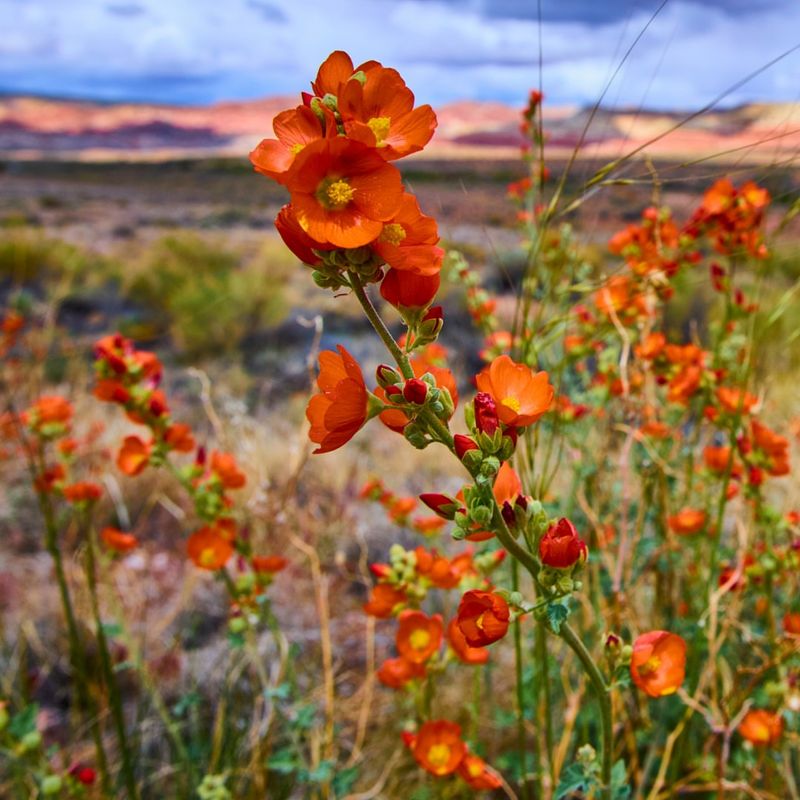
Few plants wear extreme heat as comfortably as Globe Mallow. When June arrives and everything else starts looking stressed, this plant shifts into full gear.
The cup-shaped flowers in orange, red, pink, and coral pop against the bleached landscape like tiny lanterns.
Globe Mallow is native to the Sonoran and Mojave Deserts, which means it evolved specifically for punishing summers. It handles reflected heat from walls and pavement without skipping a beat.
Rocky, alkaline soil is actually preferred, and it does not need amended planting beds to perform well.
Watering once every two weeks after establishment is usually enough during June. Overwatering causes root problems more often than drought does.
Your Arizona Garden Changes Every Week. Your Plan Should Too.
Gardening in Arizona changes quickly throughout the season. Every Friday you’ll receive a simple weekly plan showing exactly what to plant, prune, fertilize, harvest, and protect so you never miss the right timing.
Plants in sandy, fast-draining spots tend to outlast those in heavier clay soil by several seasons.
One detail worth knowing: the tiny leaf hairs can irritate sensitive skin, so wear gloves when pruning or handling the stems. Beyond that, maintenance is minimal.
A hard cutback in late winter keeps growth compact and encourages a strong spring flush before the summer heat sets in.
Globe Mallow spreads by seed fairly easily, so expect volunteer plants in nearby spots over time. Most gardeners welcome this because the plants fill gaps naturally.
Placed against a south-facing wall or along a sunny gravel path, it delivers consistent, vivid color throughout the toughest weeks of the growing season.
3. Red Yucca Keeps Flowering When Temperatures Climb
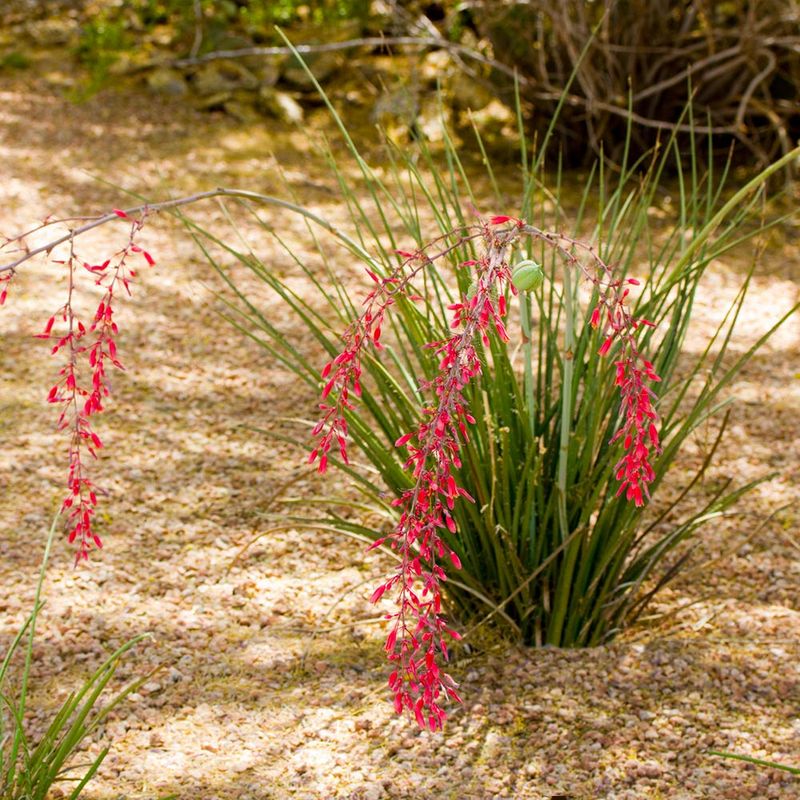
Red Yucca is not actually a true yucca, but that distinction barely matters once you see those tall coral-pink flower spikes standing four to five feet tall in June.
It looks architectural, dramatic, and completely unbothered by the heat rising off the ground around it.
Hummingbirds find the tubular flowers irresistible, so planting it near a patio or window gives you a front-row seat to constant activity. Bees work the blooms heavily too, making it a solid choice for anyone trying to support pollinators through the summer months.
Established plants need watering only every two to three weeks during peak summer heat. Young plants need slightly more attention in their first season, but once the root system settles in, they are remarkably self-sufficient.
Sandy or rocky soil drains fast enough to prevent root issues that plague other plants in heavy clay.
Flower spikes appear in late spring and often persist well into June, sometimes beyond. After blooming finishes, cutting the spent stalks at the base keeps the plant looking clean without harming next season’s growth.
The grass-like foliage stays attractive even when no flowers are present.
Red Yucca works beautifully as a focal point in a gravel garden or tucked into a rocky slope. It holds its structure in wind, which is a real advantage during monsoon season.
For a low-effort plant that genuinely earns its space, this one is hard to beat in a hot, dry landscape.
4. Desert Zinnia Stays Fresh In Full Sun
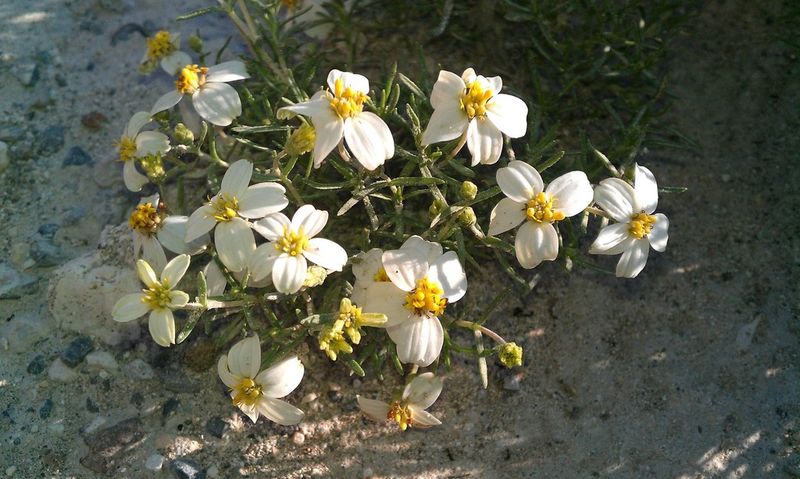
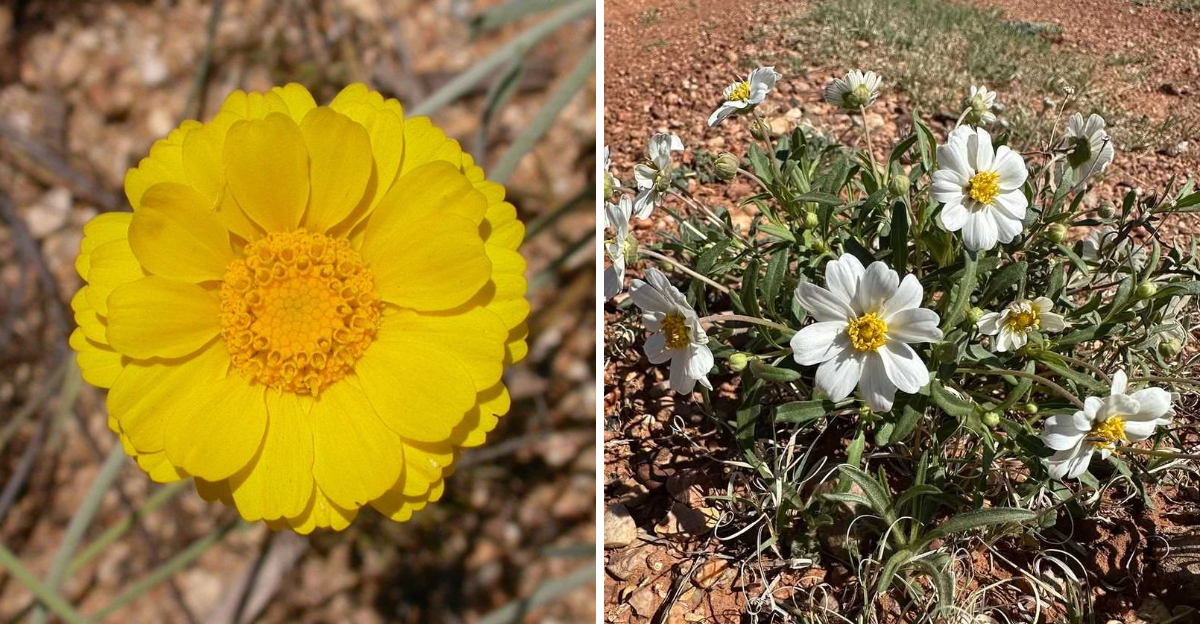
Most zinnias struggle when summer heat turns brutal, but Desert Zinnia is a completely different story. Native to the rocky slopes and desert grasslands of the Southwest, it handles full, relentless sun without wilting or dropping petals.
The small white flowers with yellow centers look delicate, but the plant underneath is tough.
It grows low and compact, usually staying under a foot tall. That low profile actually helps it survive high winds and intense reflected heat from rocks and walls.
Planting it in a gravelly, well-drained spot gives it the best chance to establish quickly and bloom consistently through June.
Watering deeply but infrequently works better than frequent shallow watering. Once roots reach down into cooler soil layers, the plant manages dry stretches without visible stress.
In particularly rocky spots with zero irrigation, established plants often survive on rainfall alone during monsoon months.
Deer tend to leave Desert Zinnia alone, which is a meaningful advantage in suburban areas where browsing pressure is real. Rabbits occasionally sample new growth, but mature plants bounce back without lasting damage under normal conditions.
Combine it with red or orange Globe Mallow for a striking color contrast that looks natural rather than forced. It also works well cascading over the edge of a raised gravel bed where the flowers catch the light from multiple angles.
Few plants this small deliver this much reliable summer color with this little effort.
5. Blackfoot Daisy Handles Hot Dry Conditions
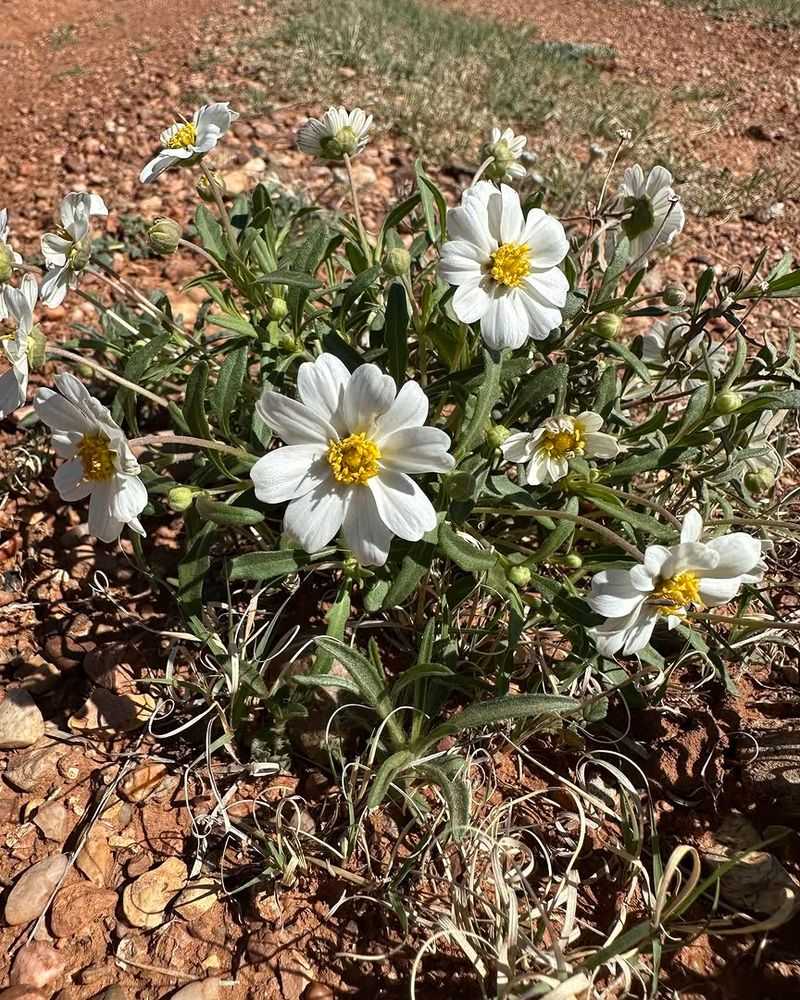
Blackfoot Daisy earned its name from the small black base on each seed, but what it should really be known for is its total refusal to quit blooming in brutal heat.
From spring straight through early fall, these white and yellow flowers keep showing up in clusters that make the whole plant look like it is covered in tiny suns.
It grows naturally in limestone and rocky soils across the desert Southwest, which tells you everything about its drainage needs. Plant it in amended, water-retentive soil and you will likely deal with root problems before the season is over.
Gravel mulch and fast-draining ground are its best friends.
Watering once a week during June is usually plenty for established plants. New transplants need a bit more attention in their first few weeks, but once they settle in, they handle dry stretches well.
Avoid overhead watering in the evening, as wet foliage overnight can invite fungal issues in humid monsoon conditions.
Compact growth makes it easy to fit into small spaces. Along a pathway edge, in a rock garden, or tucked between boulders, it fills gaps without crowding neighboring plants.
It stays under 12 inches tall in most conditions, so it never blocks views or competes aggressively for space.
Light trimming after each major bloom cycle encourages fresh growth and more flowers.
6. Chuparosa Attracts Hummingbirds All Season
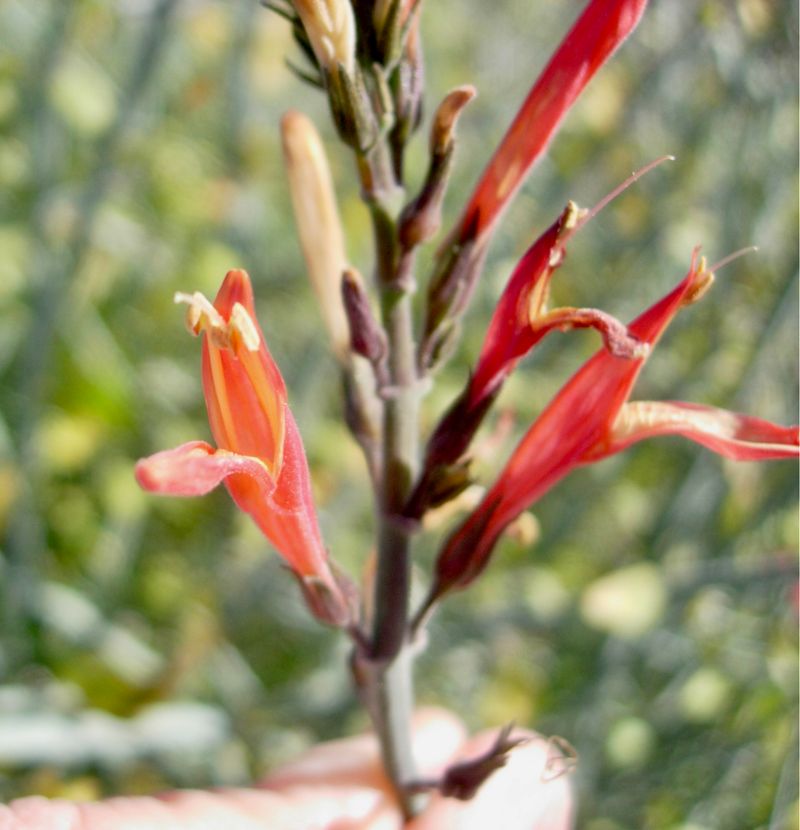
Walk past a blooming Chuparosa and you will hear it before you see it. Hummingbirds dart in and out of those narrow red tubular flowers constantly, making the shrub feel alive in a way that few other plants match.
It is one of the most reliable hummingbird plants you can grow in a hot desert garden.
Chuparosa is native to the Sonoran Desert and lower Colorado River valley, so it is completely at home in the kind of heat that June delivers in southern and central parts of the region.
It handles full sun without complaint and actually blooms more freely in open, exposed spots than in shaded areas.
Water established plants every one to two weeks during summer. Young shrubs need slightly more frequent watering in their first season to develop a strong root system.
Once anchored, they are tough and drought-adapted, capable of handling stretches without supplemental irrigation under typical desert conditions.
Growth can reach four to six feet tall and wide over time. Regular light pruning after bloom cycles keeps it manageable and prevents it from getting too woody at the base.
Hard pruning in late winter rejuvenates older plants and promotes strong new growth heading into spring and summer.
Combine it with Brittlebush or Penstemon for a layered planting that supports multiple pollinator species simultaneously.
7. Desert Marigold Brightens Tough Garden Spots
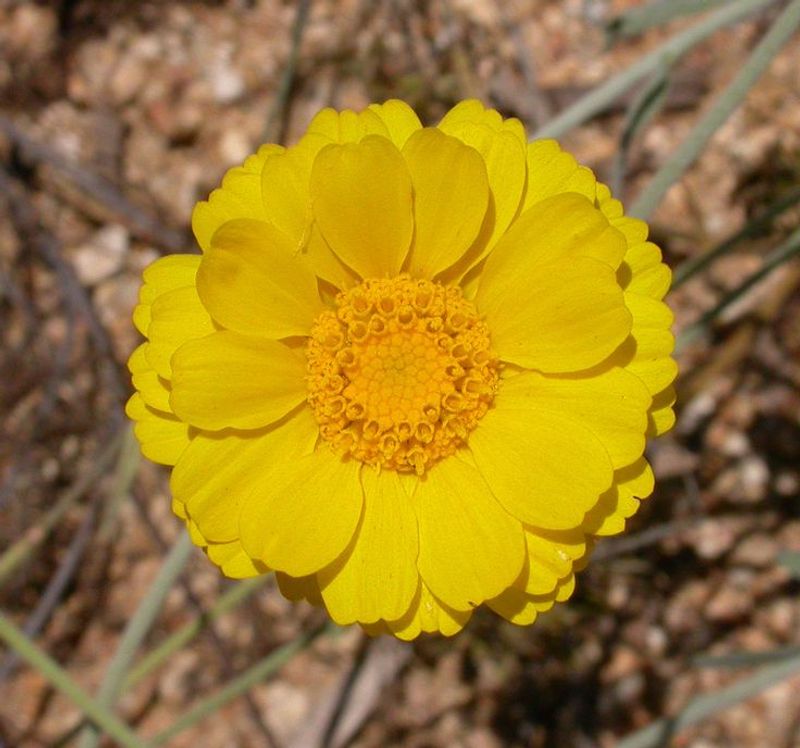
Bright yellow and impossible to ignore, Desert Marigold pushes out blooms from spring all the way through fall without asking for much in return. June heat does not slow it down at all.
If anything, full summer sun seems to energize it, producing more flowers per stem than cooler months typically allow.
Native to the Chihuahuan and Sonoran Desert regions, it grows naturally in gravelly washes and rocky slopes where drainage is fast and soil fertility is low. Planting it in rich, amended garden soil often backfires, producing lush foliage but far fewer flowers.
Lean, dry conditions push the plant toward reproduction, which means more blooms for you.
Established plants manage well on rainfall supplemented by deep watering every ten to fourteen days during June. Consistent overwatering weakens the root system and shortens the plant’s overall lifespan under typical desert conditions.
A gravel mulch layer helps retain just enough moisture without keeping roots too wet.
One caution worth noting: the foliage and flowers contain compounds that cause skin irritation in some people. Wearing gloves during pruning is a simple precaution that prevents most issues.
Beyond that, maintenance is genuinely minimal compared to most flowering plants.
Plant Desert Marigold in drifts for maximum visual impact. Three to five plants grouped together create a bold patch of yellow that reads well from a distance.
8. Damianita Covers Itself In Yellow Flowers
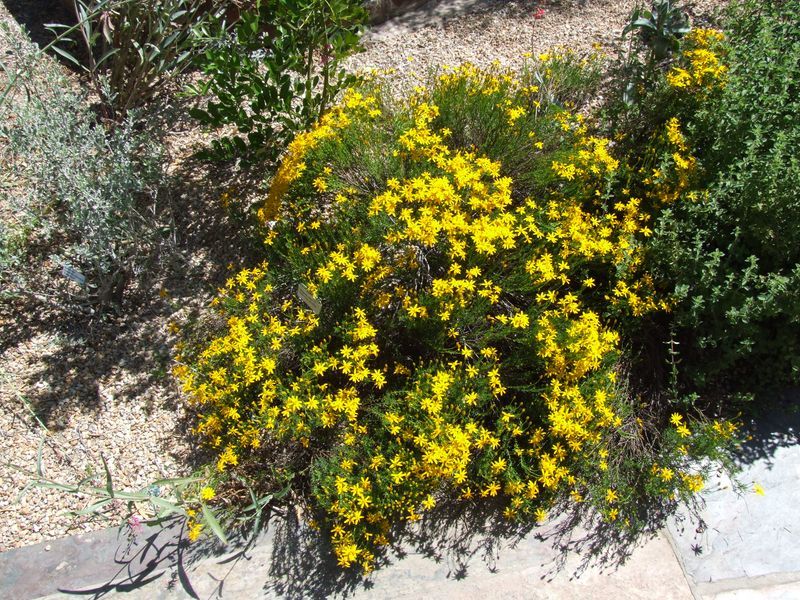
Damianita does something almost no other desert shrub pulls off consistently: it covers itself so completely in yellow flowers that the foliage underneath nearly disappears.
During peak bloom in late spring and early summer, the entire plant looks like a golden mound sitting in the gravel. June heat does not end the show.
Native to the Chihuahuan Desert and northern Mexico, it thrives in rocky, well-drained soil with full sun exposure. Partial shade reduces bloom density noticeably, so placement matters.
South and west-facing spots where heat reflects off walls or boulders actually suit it well.
Watering every ten to fourteen days after establishment is typically enough during June. Young plants need more frequent watering in their first summer season to develop roots deep enough to handle dry stretches.
Once established, they are genuinely drought-tolerant under conditions typical for low-desert landscapes.
The foliage carries a strong herbal scent that some people love and others find overpowering. Brush against the leaves on a hot afternoon and the smell releases immediately.
It is not unpleasant, just noticeable, especially near a patio or entryway where foot traffic is frequent.
Damianita stays compact, usually reaching about two feet tall and two feet wide at maturity. That size makes it easy to fit into tight spots without crowding.