7 Flowers That Bloom All Summer In Arizona Containers Without Much Water
Containers lose color quickly in Arizona once real summer hits, and not every flower can keep up in that kind of heat. Some stop blooming early, leaving pots looking tired long before the season ends.
Others keep pushing new buds and stay present even when conditions turn harsh.
Plant choice decides how long that color sticks around. Certain flowers handle dry soil better and continue blooming without constant watering, while others struggle the moment moisture drops.
Placement still matters, but the plant itself carries most of the weight.
A few well chosen options can keep containers lively deep into summer. Starting with the right mix helps maintain a strong, full look without turning daily care into a chore.
1. Lantana Blooms Continuously In Extreme Heat
Lantana practically laughs at Arizona summers. While most flowers curl up and quit when temperatures push past 105 degrees, lantana keeps pushing out fresh clusters of color like it has something to prove.
In containers across Phoenix and Tucson, this plant is a go-to for gardeners who want nonstop blooms without constant babysitting.
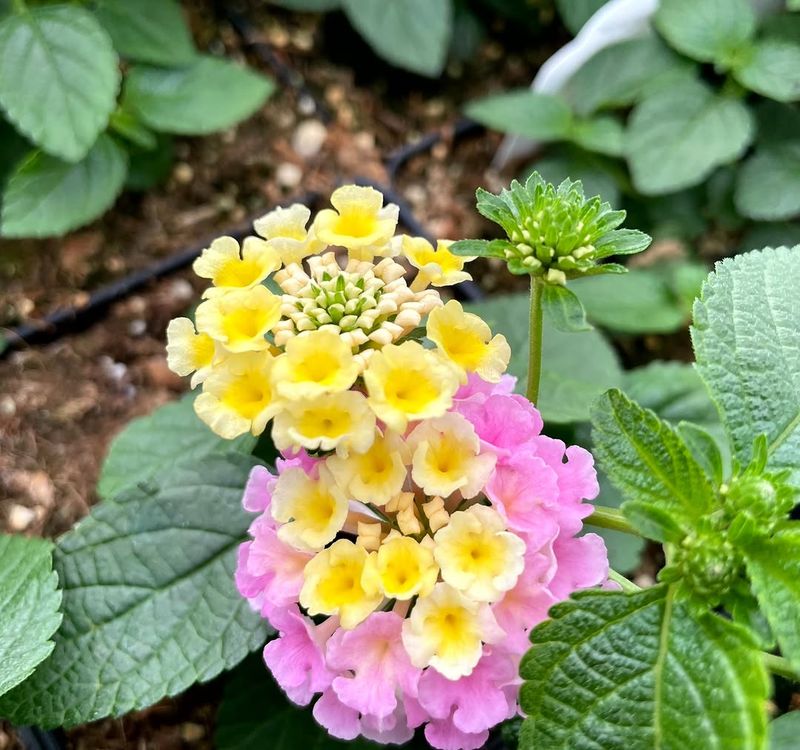
Each flower head holds tiny blossoms in mixed shades of orange, yellow, red, pink, or white, and new clusters appear almost every week throughout summer. Container-grown lantana does best in a pot that drains well, since sitting in wet soil can cause root problems.
Once established after the first couple of waterings, lantana typically only needs water every three to four days even during peak heat.
Fertilizing lightly once a month during the growing season helps keep the blooms coming, but heavy feeding is not necessary. Deadheading spent flowers encourages faster reblooming, though the plant will continue flowering even without it.
A fun fact worth knowing: lantana flowers actually change color as they age, which is why a single cluster can show two or three shades at once.
Place your container in a spot that gets full sun for at least six hours daily. Afternoon shade can help in the most extreme Arizona heat, especially in low-desert areas.
Lantana grows quickly in containers, so choosing a pot at least 12 inches wide gives roots enough room to spread and support strong, consistent flowering all summer long.
It also handles reflected heat from patios and walls better than most flowers, which makes it especially useful for hot container spots around Arizona homes.
2. Vinca Thrives In Hot Containers With Low Water Needs
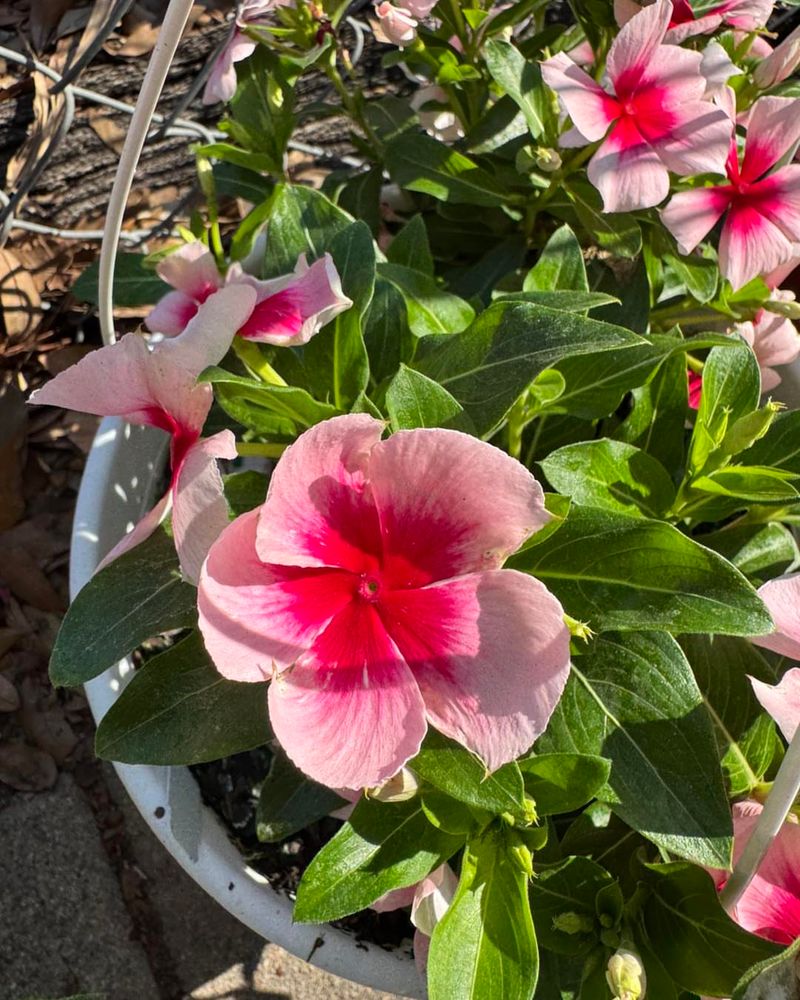
Walk through any garden center in Mesa or Chandler in early June, and vinca will be stacked near the door for a reason. Few flowering annuals perform as reliably in Arizona containers as this one.
Heat does not slow it down, and once it settles into a pot, it asks for very little in return.
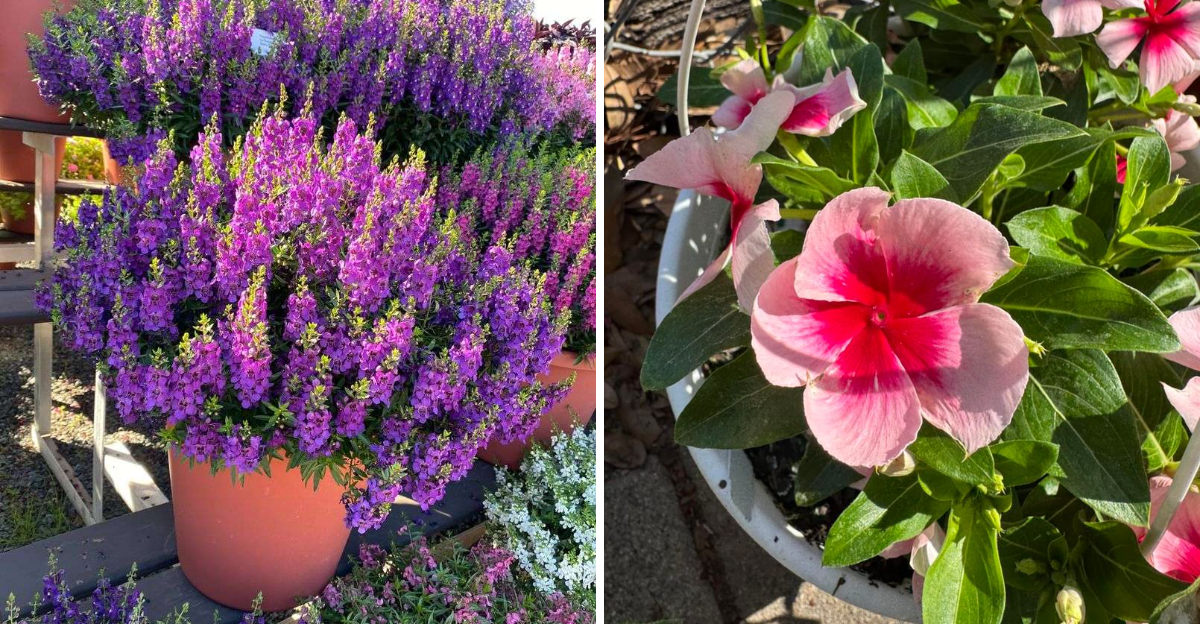
Vinca, also called periwinkle or catharanthus, produces flat, five-petaled blooms in shades of hot pink, coral, white, red, and lavender. The glossy dark green leaves stay attractive even on the hottest days, which is more than most summer flowers can claim.
Container-grown vinca handles dry spells well because its roots store moisture more efficiently than many annuals.
Your Arizona Garden Changes Every Week. Your Plan Should Too.
Gardening in Arizona changes quickly throughout the season. Every Friday you’ll receive a simple weekly plan showing exactly what to plant, prune, fertilize, harvest, and protect so you never miss the right timing.
Watering deeply every three to four days works well for most Arizona locations during summer, though containers in full afternoon sun may need water slightly more often. Using a pot with drainage holes is essential since vinca roots do not tolerate standing water.
A lightweight, well-draining potting mix helps prevent overwatering problems.
Vinca rarely needs deadheading because old blooms drop off cleanly on their own. A slow-release fertilizer added to the soil at planting time provides steady nutrition without requiring repeated feeding throughout summer.
One practical tip for Arizona gardeners: avoid overhead watering since wet foliage in humid monsoon conditions can sometimes lead to fungal spots. Water at the base of the plant, keep the pot elevated slightly for airflow, and vinca will reward you with blooms straight through October.
Its steady blooming habit means containers stay colorful even during the toughest parts of Arizona summer when most other annuals start to fade.
3. Angelonia Keeps Flowering Through High Temperatures
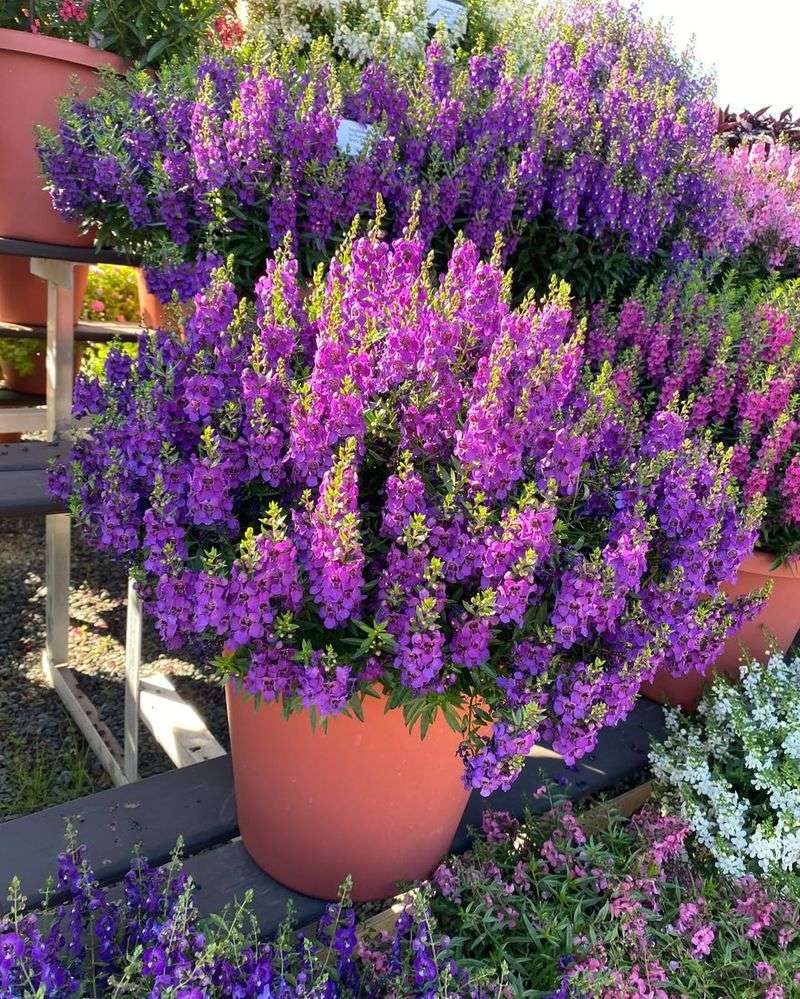
Angelonia earned its nickname, the summer snapdragon, by doing exactly what regular snapdragons refuse to do: bloom straight through the hottest months without flinching.
In Arizona, where summer heat is not a passing inconvenience but a months-long reality, angelonia fills containers with upright spikes of delicate flowers when almost nothing else will cooperate.
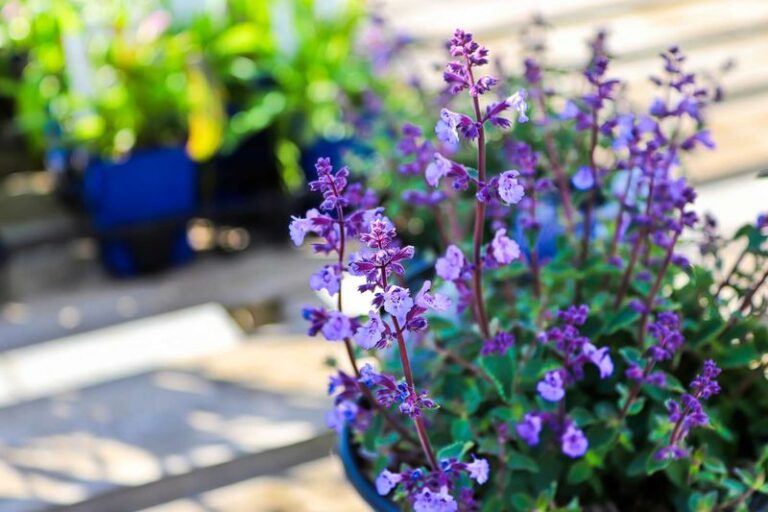
Flower colors range from deep purple and soft lavender to pink, white, and bicolor combinations. The blooms stack up along tall stems, giving containers a vertical element that looks polished without requiring much effort.
A light, grape-like fragrance is a bonus that most gardeners notice once they lean in close on a warm evening.
Angelonia handles full sun extremely well and actually produces more flowers under intense light. Watering every three to four days suits most container setups in Tucson and Phoenix during summer, though the plant can stretch slightly between waterings without suffering.
Overly soggy soil causes more problems than dry spells for this plant.
Pinching back the tips lightly after the first flush of flowers encourages branching and more blooms throughout the season. A balanced fertilizer applied every three to four weeks keeps growth strong.
Containers should be at least 10 inches deep to support angelonia’s root system through a long Arizona summer.
One thing experienced desert gardeners appreciate: angelonia rarely attracts pests, which means less time troubleshooting and more time enjoying a patio covered in color from June all the way through early fall.
This upright growth also pairs well with trailing plants in the same container, creating a fuller, layered look without overcrowding.
4. Portulaca Excels In Dry Soil And Full Sun
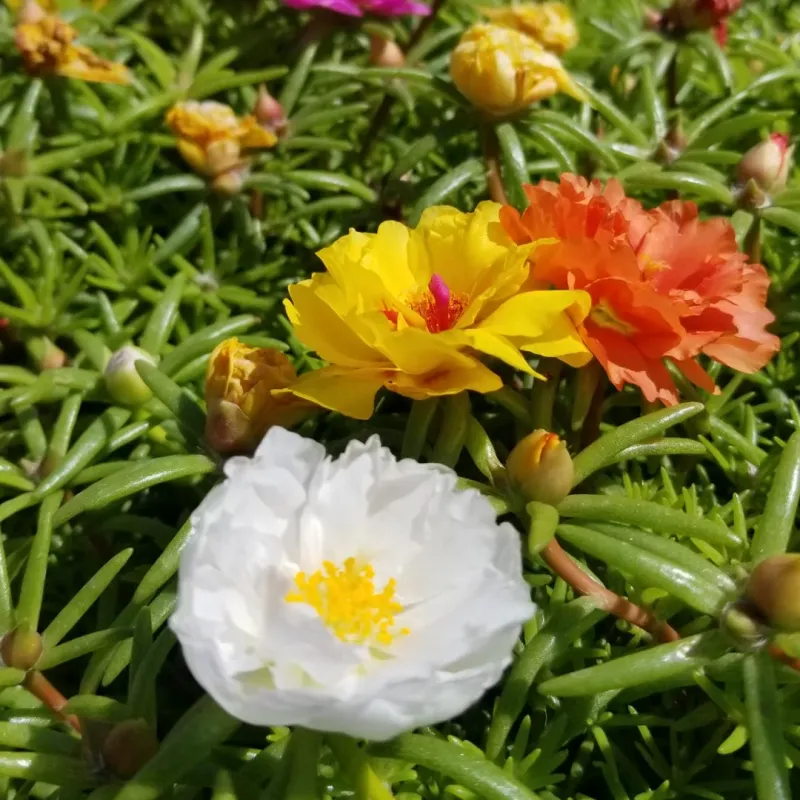
No flower on this list is more comfortable being neglected than portulaca. Also called moss rose, portulaca was practically built for Arizona conditions.
Its thick, succulent-like leaves store water the same way a cactus does, which means it shrugs off a missed watering day without drama.
Blooms come in nearly every warm color imaginable: red, orange, yellow, coral, pink, magenta, and cream. Each flower opens wide in the morning sun and closes by evening, which is a natural rhythm that keeps the plant looking fresh rather than ragged over a long summer.
Container-grown portulaca spreads outward as it grows, making it a great choice for wide, shallow pots where trailing plants look best.
Full sun is non-negotiable for portulaca. A spot that gets six to eight hours of direct sun daily produces the most flowers.
In shadier locations, blooming slows noticeably. Watering once or twice a week is usually enough, and during Arizona’s monsoon season, natural rainfall often covers the plant’s needs entirely.
Portulaca does not need regular fertilizing to bloom well, though a light application of a balanced fertilizer at planting gives it a helpful start. Sandy or gritty potting mix suits it better than dense, moisture-retaining blends.
Avoid heavy mulch on top of the soil since portulaca prefers warm, dry conditions at the root level. For Tucson and Phoenix gardeners looking for the most forgiving summer container flower available, portulaca belongs at the top of the list every single year.
Even extreme reflected heat from patios or driveways doesn’t slow it down much, which makes it one of the safest choices for the hottest container spots in Arizona.
5. Gaillardia Handles Heat And Blooms Repeatedly
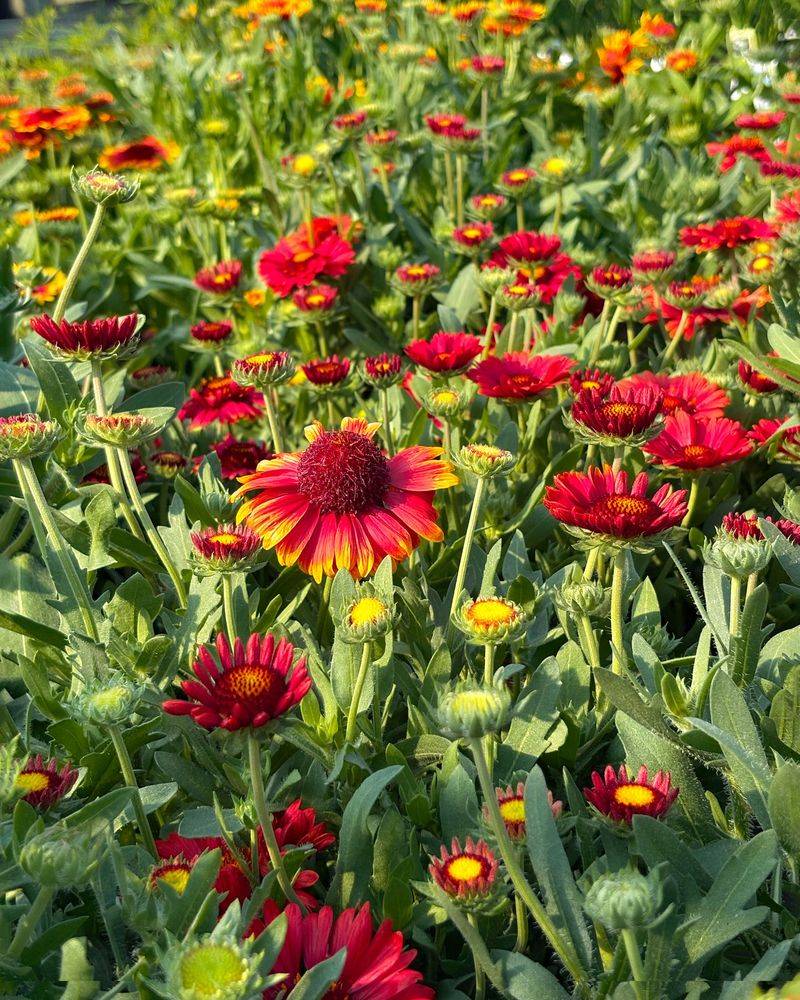
Gaillardia looks like it was designed by someone who wanted maximum impact with minimum effort. Bold daisy-shaped blooms in red, orange, and yellow sit on sturdy stems above fuzzy gray-green foliage, and the whole plant radiates a kind of cheerful toughness that suits Arizona perfectly.
Heat does not reduce the flower count. If anything, consistent warmth seems to push gaillardia to bloom harder.
Also known as blanket flower, gaillardia has deep roots in the American Southwest, where it grows wild across dry plains and hillsides. That native toughness translates directly to container performance in Tucson, Flagstaff, and Phoenix.
Established plants tolerate stretches of dry soil without dropping blooms, which is a quality worth appreciating during a busy Arizona summer.
Watering every four to five days works well once the plant is established in a container. Overly frequent watering shortens the plant’s lifespan, so erring on the drier side is the smarter approach.
A container with excellent drainage is essential since gaillardia roots are sensitive to prolonged moisture.
Deadheading spent blooms is one of the most effective ways to extend flowering throughout summer. Removing finished flowers signals the plant to produce new ones rather than setting seed.
A light fertilizer application once a month during the growing season supports steady blooming without pushing excessive leafy growth. Gaillardia works beautifully in containers paired with portulaca or lantana since all three share similar water and sun needs, making mixed arrangements both practical and visually striking across Arizona patios.
The naturally compact and bushy shape helps containers stay full and balanced without needing constant trimming or reshaping.
6. Scaevola Performs Well In Containers With Moderate Water
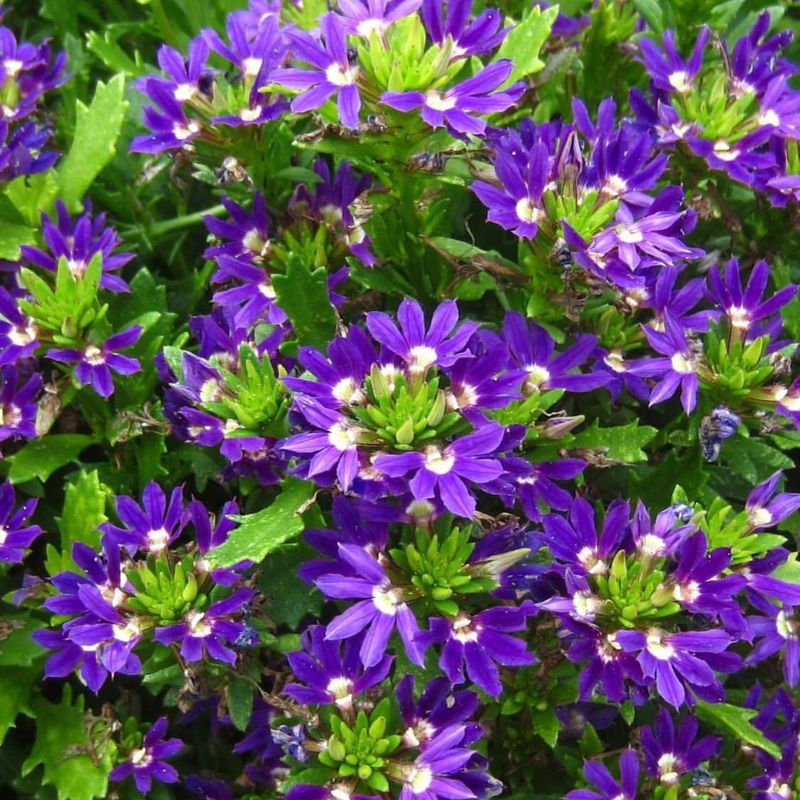
Scaevola brings something to Arizona containers that most heat-tolerant plants do not: a soft, cascading habit that fills out hanging baskets and spills gracefully over pot edges. Each bloom looks like a tiny fan, which is why the plant earned the common name fan flower.
Up close, the detail in each bloom is genuinely striking.
Native to coastal Australia, scaevola was shaped by hot, dry, windswept conditions, which explains why it handles Arizona summers with less stress than many garden-center alternatives.
Flower colors include purple, lavender, pink, and white, with purple being the most widely available variety in Arizona nurseries.
Blooms appear continuously from spring through fall without demanding constant attention.
Water needs for scaevola sit slightly higher than portulaca or lantana, so watering every two to three days during peak summer heat keeps the plant performing well. Allowing the soil to dry out completely between waterings stresses the plant and reduces bloom production.
A consistent watering schedule matters more for scaevola than for some of the other flowers on this list.
Scaevola responds well to light trimming when stems get leggy, which can happen mid-summer in Arizona heat. Cutting back by about one-third encourages fresh branching and a new flush of blooms within a couple of weeks.
A balanced, water-soluble fertilizer applied every two to three weeks supports steady growth.
For Tucson and Scottsdale gardeners who want trailing color in hanging baskets or elevated containers, scaevola is one of the most reliable choices available throughout the entire summer season.
7. Zinnia Produces Steady Blooms With Careful Watering
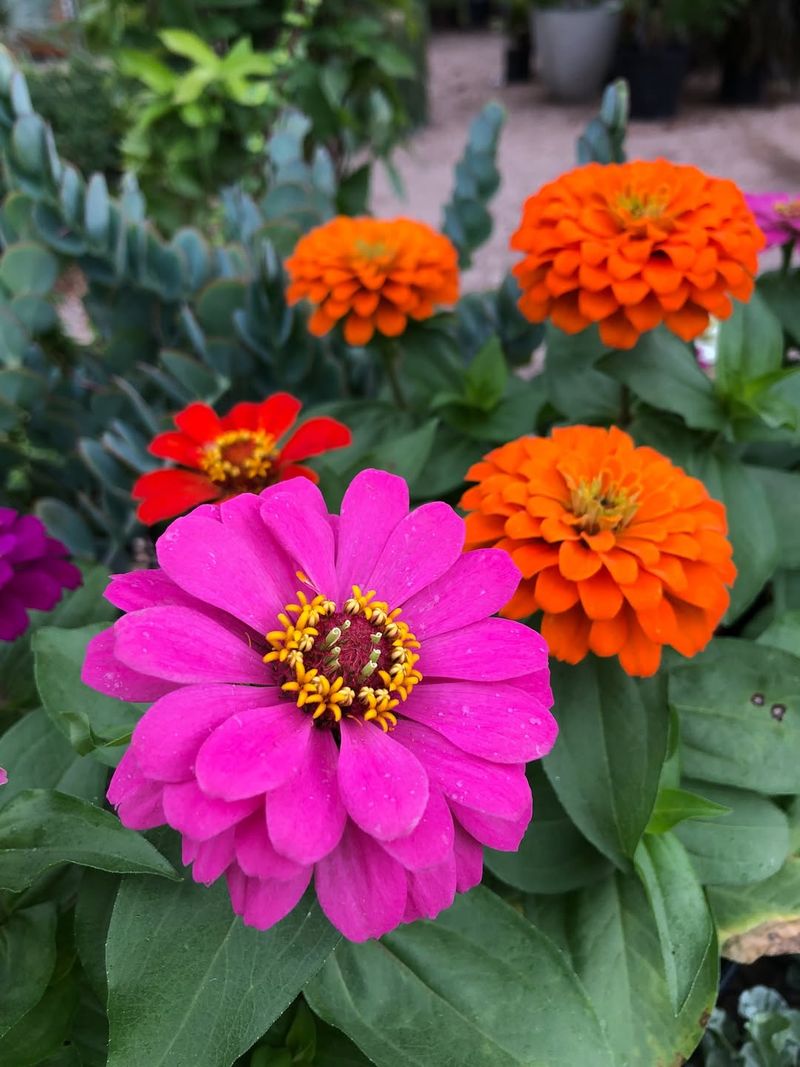
Zinnias are the workhorses of the summer container garden, and Arizona gardeners have been relying on them for decades. A single plant can produce dozens of blooms over a season, covering a container in color that ranges from soft pastels to electric orange and deep crimson.
The variety of sizes, from compact mounding types to tall cutting varieties, makes zinnias adaptable to almost any container setup.
Heat suits zinnias well, and Arizona summers give them exactly what they need to perform at their best. Full sun for six or more hours daily produces the most flowers and the strongest stems.
Containers placed in spots that catch morning sun and some afternoon shade in the hottest months tend to extend the plant’s productive period, particularly in low-desert areas around Phoenix and Yuma.
Watering is where zinnias require the most attention compared to other plants on this list. Consistent moisture at the root level keeps blooms coming, but wet foliage creates conditions for powdery mildew, which is a common problem during Arizona’s monsoon season.
Always water at the base of the plant rather than overhead, and space plants with enough room for air to circulate.
Deadheading is genuinely important with zinnias. Removing spent flowers every few days keeps the plant redirecting energy into new buds rather than seed production.
A balanced fertilizer every three to four weeks supports strong, continuous blooming.
Starting from transplants rather than seed gives Arizona container gardeners a head start before summer temperatures fully arrive, ensuring blooms appear sooner and last longer throughout the season.