Fragrant North Carolina Plants That Make Backyards Smell Incredible In April
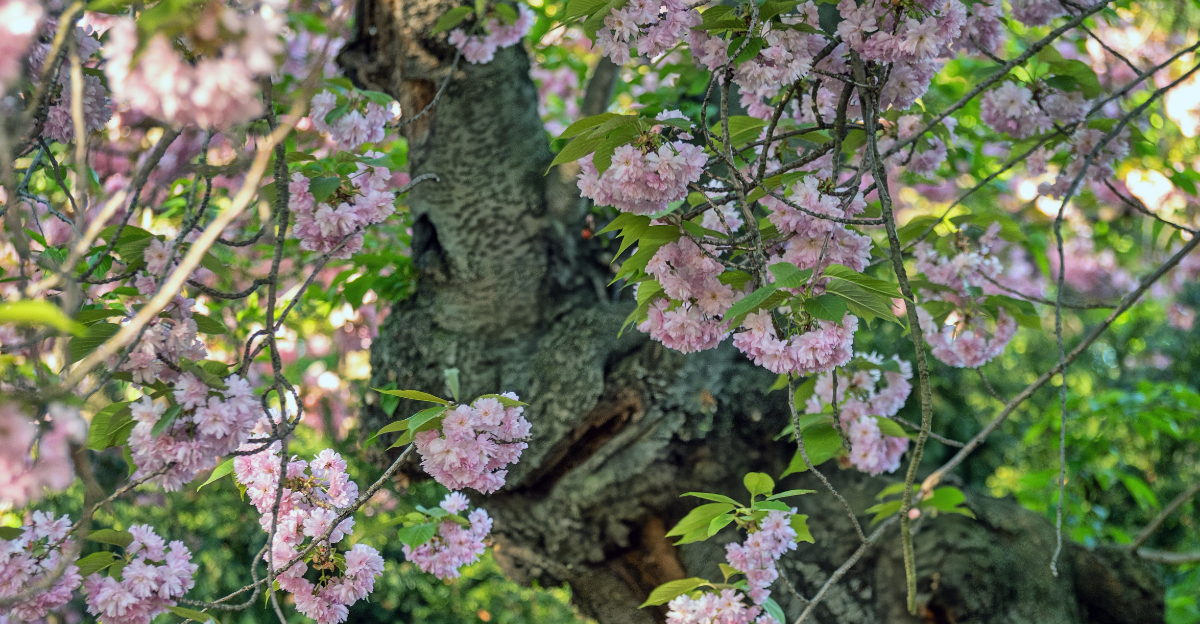
April is when North Carolina backyards start to feel alive in a whole new way, and fragrance plays a big part in that change.
Step outside on a mild spring morning and the air can feel sweeter, fresher, and full of promise. Some plants do more than add color to the yard.
They fill the space with scents that stop you in your tracks and make even a simple walk outside feel special.
From soft floral notes to rich, sweet perfume, the right plants can turn an ordinary backyard into a place you want to linger.
In North Carolina, April offers the perfect mix of warmth and moisture for many fragrant favorites to shine.
If you want your outdoor space to feel more inviting this spring, these plants are worth your attention. Their blooms do more than look beautiful. They make the whole backyard feel unforgettable.
1. Carolina Jessamine (Gelsemium sempervirens)
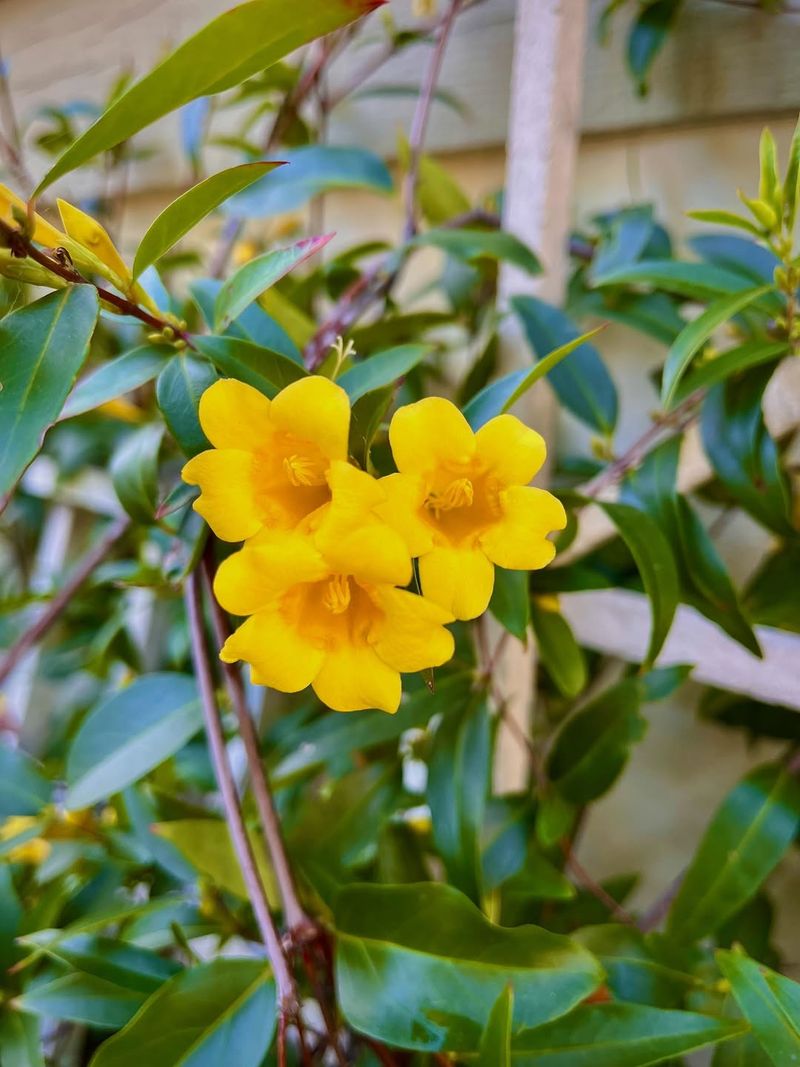
Few sights in a North Carolina backyard are as cheerful as Carolina Jessamine bursting into bloom.
This native evergreen vine covers fences, trellises, and arbors with clusters of bright yellow, trumpet-shaped flowers that carry a genuinely sweet fragrance.
It often starts blooming in late winter, and by April, it is putting on its best show of the season.
Carolina Jessamine grows happily in full sun or partial shade, which makes it incredibly flexible for different backyard layouts.
It climbs fast once established, so it can quickly soften an ugly fence or create a living wall of color and scent.
Gardeners across North Carolina love it because it is low-maintenance and reliably beautiful year after year.
One thing to keep in mind is that all parts of this plant are toxic if eaten, so plant it somewhere out of reach if you have young children or pets who explore the garden.
Beyond that concern, it is honestly one of the easiest fragrant vines you can grow in North Carolina.
The scent drifts through the air on warm April afternoons, filling the whole backyard with something that feels both wild and welcoming.
If you want a plant that earns its spot every single spring, Carolina Jessamine is a rock-solid choice for any North Carolina garden.
2. Carolina Allspice (Calycanthus floridus)
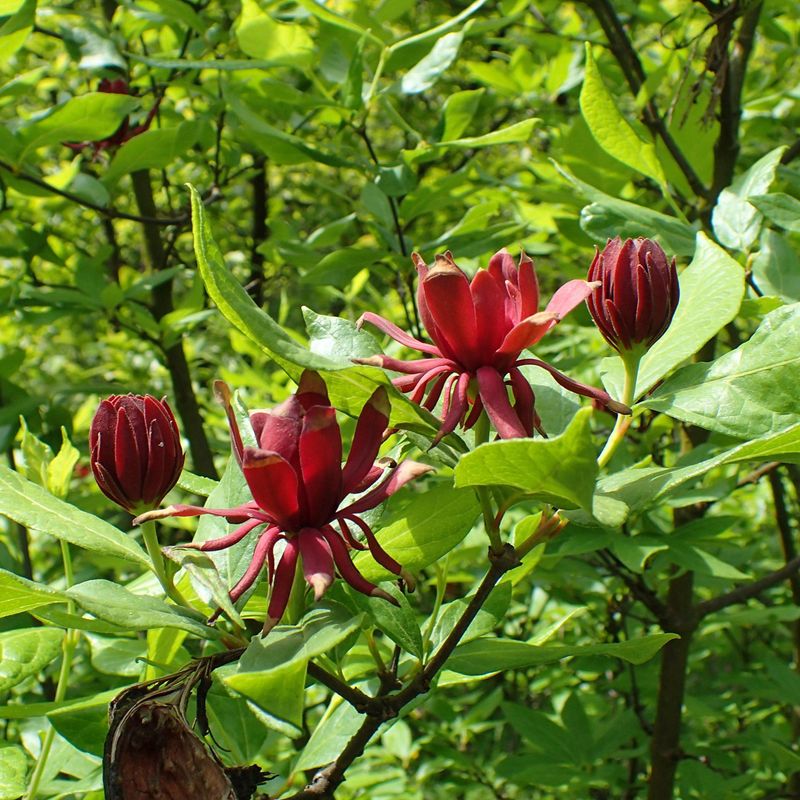
Walk past a Carolina Allspice shrub in mid-April and you might stop in your tracks. The scent coming from those deep burgundy-maroon flowers is unlike anything else in the garden.
People often describe it as fruity and warm, somewhere between ripe pineapple, fresh strawberry, and a hint of banana. It is genuinely one of the most unique fragrances a North Carolina backyard can offer.
This native shrub grows throughout the Appalachian region and adapts well to many different soil types, which is great news for gardeners across the state.
It handles partial shade beautifully, making it a smart pick for spots under larger trees where other flowering shrubs tend to struggle.
The blooms appear from mid-April into mid-May, giving you weeks of that incredible fruity scent right when you want to spend the most time outside.
Your North Carolina Garden Changes Every Week. Your Plan Should Too.
Gardening in North Carolina changes quickly throughout the season. Every Friday you’ll receive a simple weekly plan showing exactly what to plant, prune, fertilize, harvest, and protect so you never miss the right timing.
Carolina Allspice also earns bonus points for being deer-resistant, which is a real advantage for North Carolina gardeners in suburban and rural areas alike.
The shrub grows to about six to ten feet tall and wide, so give it some room to spread naturally. Its bold, tropical-looking flowers look striking against the large green leaves.
For gardeners who want something truly different and wonderfully fragrant, this native plant is an absolute standout that rewards very little effort with a whole lot of sensory delight each April.
3. Pinxterbloom Azalea (Rhododendron periclymenoides)
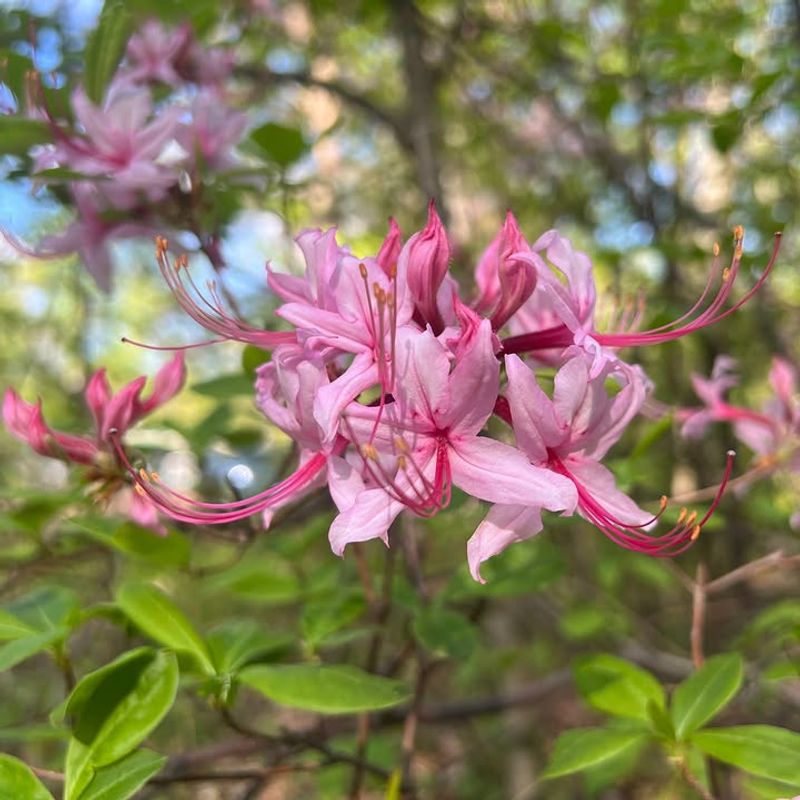
There is something almost dreamlike about a Pinxterbloom Azalea blooming in April.
The soft pink to pale lavender flowers appear on bare branches before the leaves even open, creating a delicate, almost fairy-tale look along woodland edges and naturalized garden spaces.
It is one of North Carolina’s most charming native shrubs, and it carries a subtle, sweet fragrance that drifts through the air on warm spring mornings.
This native azalea thrives in the kind of dappled shade you find under tall pines or hardwood trees, which makes it perfect for North Carolina backyards with a woodland feel.
It prefers acidic, well-drained soil, which is exactly what much of the state naturally provides.
Once established, it is a tough, reliable bloomer that comes back stronger every single year without much fuss from the gardener. Pinxterbloom Azalea also plays well with wildlife.
Bees and butterflies visit the flowers regularly, making it a great choice for pollinator-friendly gardens across North Carolina.
The plant typically grows six to ten feet tall, and because it spreads naturally over time, it can fill in a shaded border beautifully.
If your backyard has a woodland edge or a shady corner that needs some spring color and fragrance, this native azalea is one of the smartest plants you can put in the ground. It is truly special in the best, most understated way.
4. Coastal Azalea (Rhododendron atlanticum)
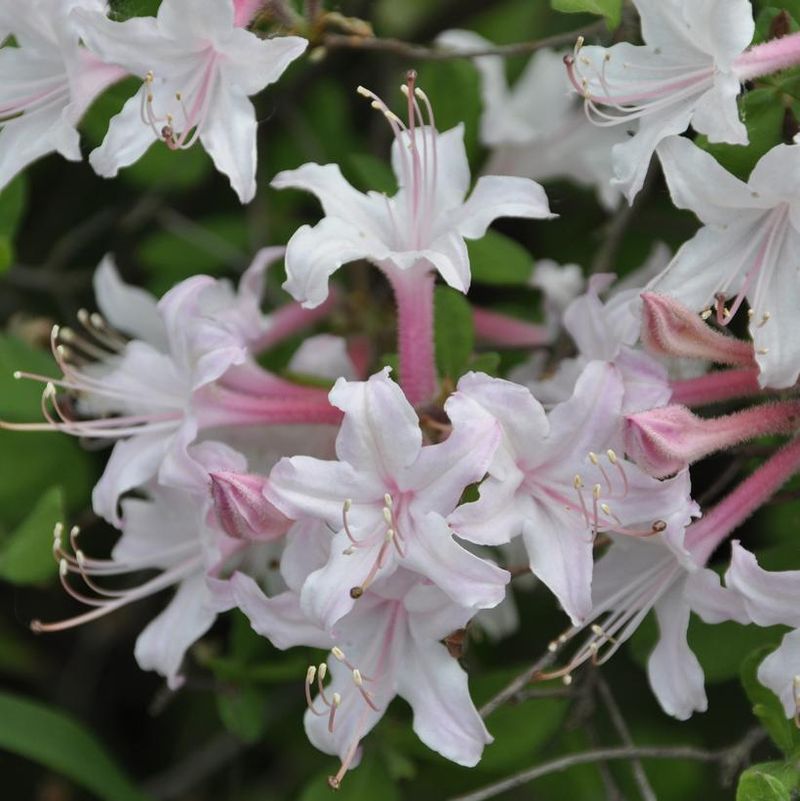
If you want a fragrance that genuinely stops people mid-conversation, plant a Coastal Azalea.
This native shrub produces white to soft blush-pink flowers from April into May, and the scent they release is powerfully sweet.
It is the kind of fragrance that carries across the whole yard on a warm April breeze and makes guests ask what is blooming.
Coastal Azalea is naturally at home in the sandy, acidic soils of North Carolina’s Coastal Plain, where it grows along woodland edges and low-lying areas.
Gardeners in eastern North Carolina will find it especially easy to establish because the soil conditions there already match what this shrub loves.
It tends to stay on the shorter side, usually reaching two to three feet tall, which makes it a great choice for layering in front of taller shrubs or along a garden border.
One of the most interesting things about this plant is how powerfully fragrant it is compared to many other native azaleas.
The scent is often described as intensely sweet and slightly spicy, which makes it stand out even among other blooming plants in April.
It also spreads slowly through underground stems, gradually forming a low, spreading colony that looks natural and beautiful.
For North Carolina gardeners near the coast or in areas with sandy soil, this native azalea is an outstanding, fragrant choice that brings serious sensory reward with very little effort on your part.
5. Possumhaw Viburnum (Viburnum nudum)
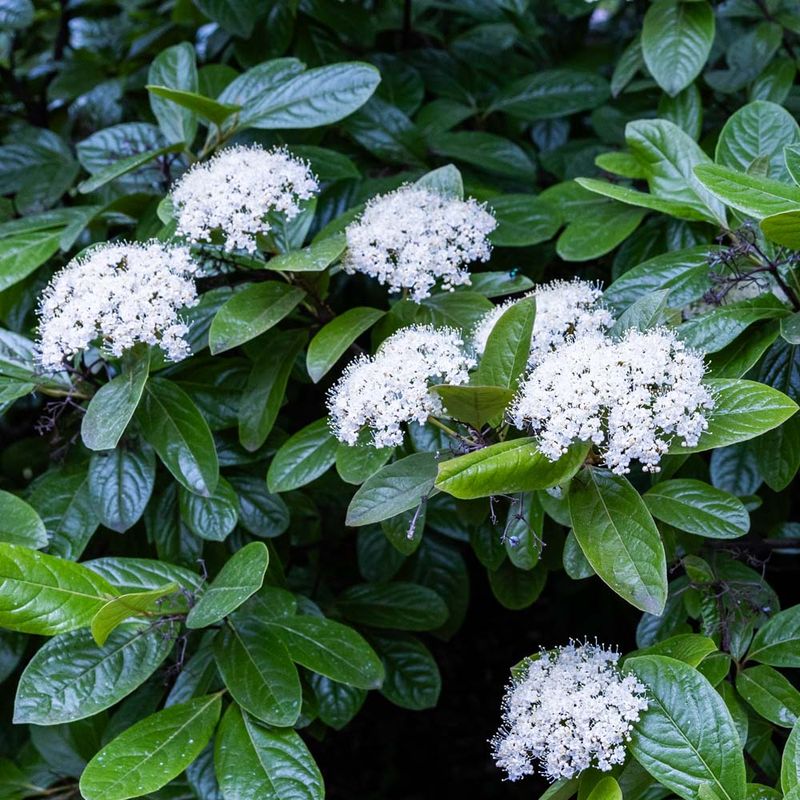
Most people have not heard of Possumhaw Viburnum, but once they see and smell it in bloom, they never forget it.
This native shrub produces flat-topped clusters of creamy white flowers in April through May, and those clusters carry a soft, pleasant fragrance that pairs perfectly with the glossy, attractive foliage beneath them.
It is a plant that earns admiration from every gardener who gives it a chance. What really sets Possumhaw Viburnum apart from other fragrant shrubs is where it thrives.
It actually prefers moist soil, making it one of the few genuinely fragrant options for low spots, rain gardens, or areas near ponds and streams in North Carolina backyards.
Many fragrant shrubs struggle in wet feet, but this one handles it without complaint and rewards you with beautiful bloom every spring.
The shrub typically grows five to twelve feet tall and wide, so it works well as a backdrop plant or a natural privacy screen along a garden border.
After the flowers fade, it produces clusters of berries that shift from pink to blue-black, which birds absolutely love.
That means your backyard stays interesting and wildlife-friendly well past the April bloom season.
For North Carolina gardeners dealing with tricky wet spots that seem impossible to plant, Possumhaw Viburnum is genuinely one of the most practical and rewarding solutions available anywhere in the native plant world.
6. American Crabapple (Malus coronaria)
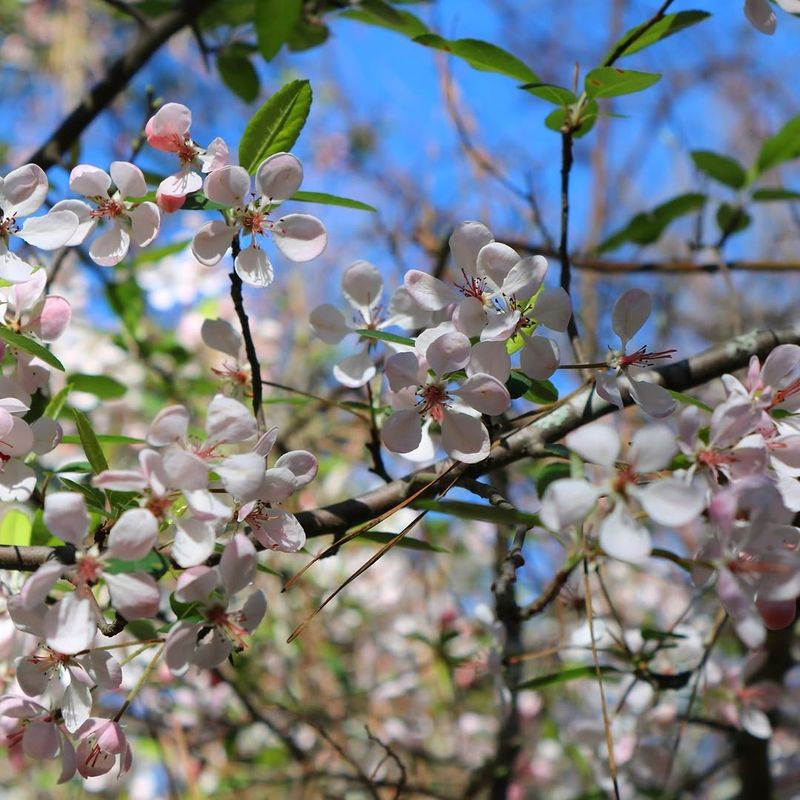
Few spring moments in a North Carolina mountain backyard compare to an American Crabapple in full bloom.
The branches get completely covered in fragrant, rosy-pink flowers, and the scent they release is sweet, fresh, and unmistakably spring.
This native small tree has been charming gardeners and wildlife across the eastern United States for centuries, and it earns every bit of that admiration.
American Crabapple is especially well-suited to North Carolina’s mountain region, where the cooler temperatures and rich soils help it thrive.
It grows fifteen to thirty feet tall, which makes it a perfect mid-sized tree for backyards that need shade, structure, and seasonal interest without something too massive.
The flowers appear in April, right when mountain gardens are really waking up for the season. Beyond the fragrance, this tree is a powerhouse for wildlife.
Bees swarm the flowers during bloom, and the small, tart fruits that follow in fall attract birds, deer, and other animals that depend on wild food sources.
The fruits are also edible for people and can be used to make jelly or cider, so this tree genuinely keeps giving all year long.
If you garden in the North Carolina mountains and want a native tree that offers incredible spring fragrance, stunning bloom, and real ecological value, American Crabapple belongs in your backyard. It is an absolute April showstopper from roots to crown.
7. American Fringetree (Chionanthus virginicus)
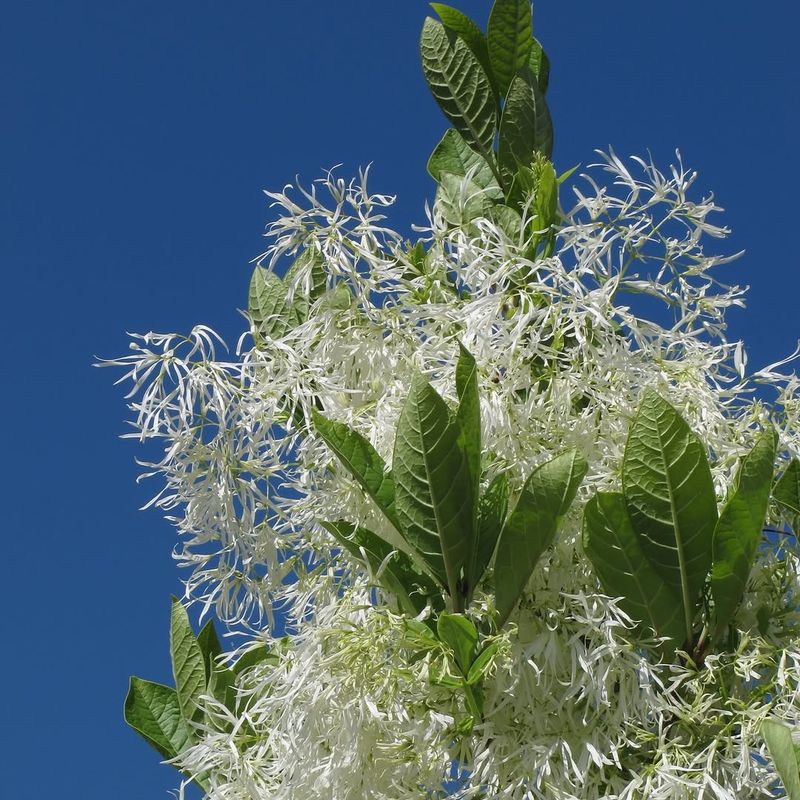
Seeing an American Fringetree in full bloom for the first time is genuinely unforgettable. The tree looks like it is draped in soft, creamy white clouds, with long, feathery flower clusters hanging from every branch.
The fragrance is sweet and light, drifting through the backyard on warm late-April afternoons in North Carolina like something out of a storybook garden. It is truly one of the most visually stunning native trees the state has to offer.
American Fringetree grows naturally across much of the eastern United States and performs especially well in the warmer parts of North Carolina, including the Piedmont and coastal regions.
It is adaptable to a wide range of soil types, tolerates both sun and partial shade, and once established, it handles drought reasonably well.
That combination of flexibility and beauty makes it a smart pick for almost any backyard in the state.
The tree stays relatively compact, usually topping out at twelve to twenty feet, so it fits comfortably into suburban backyards without overwhelming the space. After the flowers fade, small blue-black fruits appear that songbirds find irresistible.
American Fringetree is also one of the few native trees that looks stunning in late April when many other plants are still just leafing out.
For North Carolina gardeners who want something truly special and fragrant for spring, this tree is a remarkable choice that will impress anyone who sees it.
8. Chickasaw Plum (Prunus angustifolia)
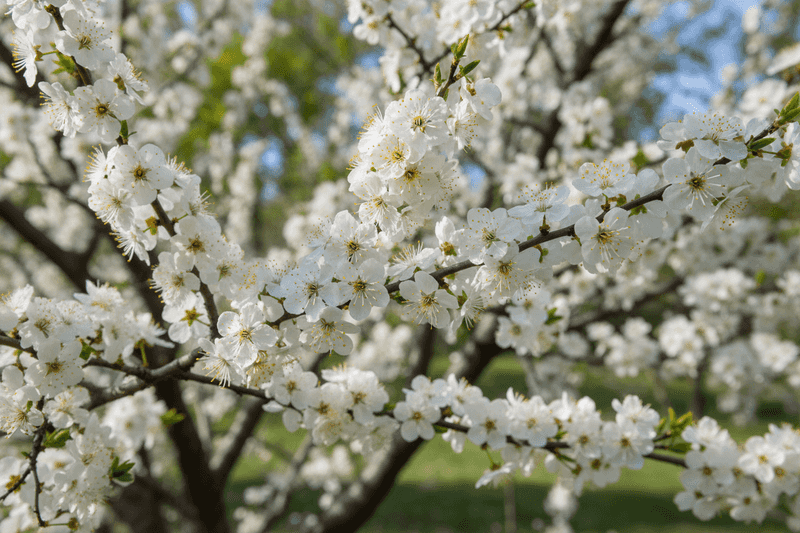
Chickasaw Plum is one of those plants that surprises people every single spring. Before the leaves even appear, the branches fill up with clusters of small, bright white flowers that carry a fresh, sweet fragrance.
In cooler parts of North Carolina, this bloom can stretch right into April, turning an otherwise ordinary backyard corner into a buzzing, fragrant cloud of early spring energy.
This native plum tree is naturally tough and adaptable, growing well in a wide range of soils from clay to sand.
It thrives in full sun and handles heat without complaint, which makes it a reliable performer across much of North Carolina.
The tree stays small, usually reaching ten to twenty feet, so it works beautifully as a backyard specimen or along a naturalized fence line where you want something that looks wild and carefree.
Beyond the April fragrance, Chickasaw Plum delivers serious value later in the season. The small red and yellow plums that ripen in summer are genuinely edible and sweet enough to eat fresh off the tree or turn into preserves and jelly.
Wildlife absolutely love the fruit too, so expect birds and small mammals to visit regularly once the plums ripen.
For North Carolina gardeners who want a fragrant spring bloomer that also produces real, edible fruit, Chickasaw Plum is one of the most rewarding native trees you can plant in your backyard.