The Yard Mistakes Making Japanese Beetle Problems Worse In Michigan This Summer
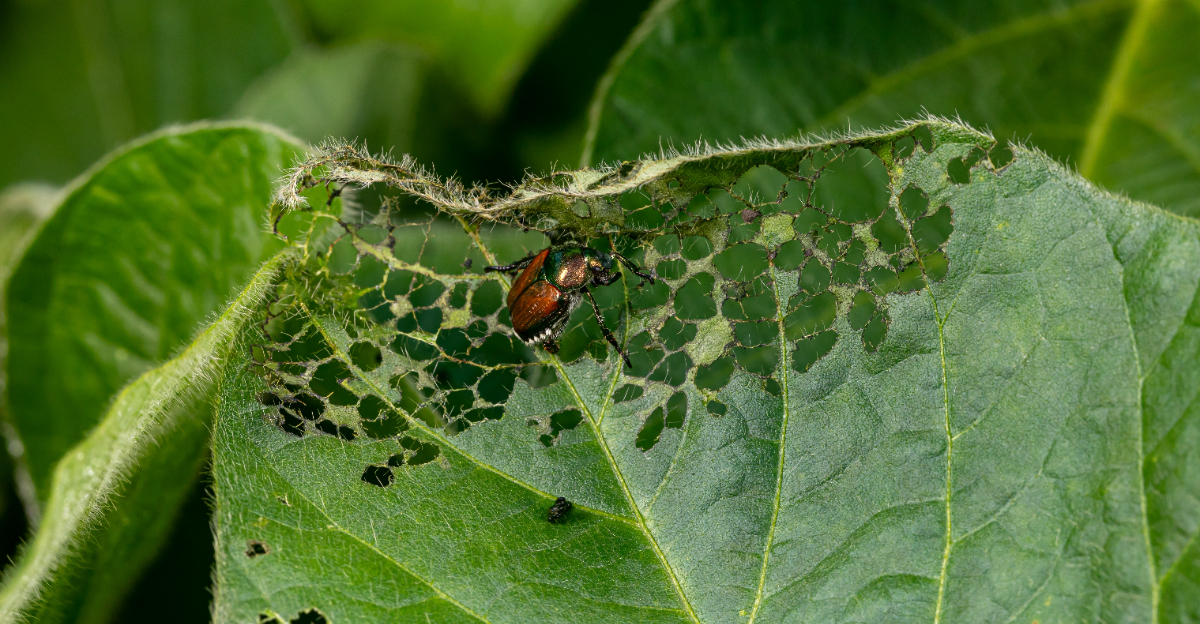
Japanese beetles are a reliable summer frustration in Michigan, but there’s a real difference between a manageable population and a full-scale infestation, and your yard itself has more influence over that difference than most people realize.
These beetles don’t just wander in randomly. They’re drawn by specific conditions, guided by scents released from certain plants, and held in place by features of your landscape that essentially roll out a welcome mat.
Some of the most common mistakes Michigan gardeners make actually amplify the problem significantly, turning a yard that might see occasional beetle activity into one that gets hammered season after season.
A few of those mistakes are probably sitting in your yard right now. Knowing what they are doesn’t eliminate Japanese beetles entirely, but it absolutely changes how bad the summer gets.
1. Watering The Lawn Too Frequently During Beetle Egg Season
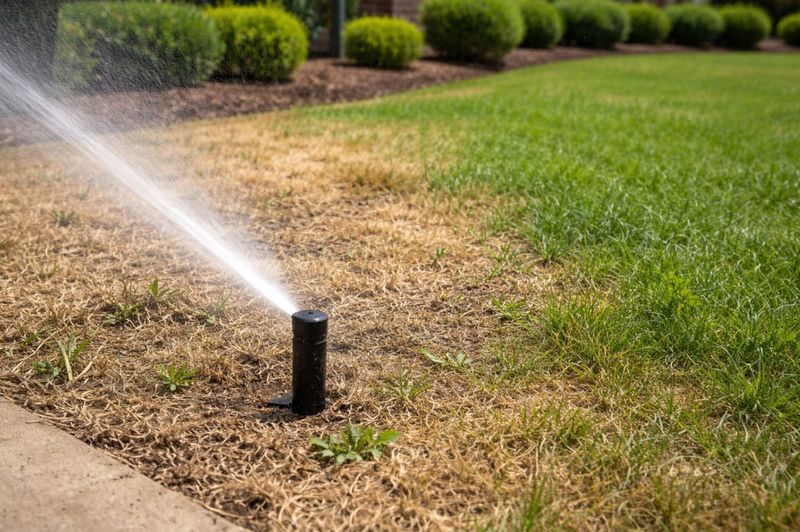
Most Michigan homeowners do not realize that their watering habits during summer can actually work against them when it comes to Japanese beetles.
Female beetles prefer to lay their eggs in moist, well-kept turf, and a lawn that stays consistently wet gives those eggs the best possible chance of surviving and hatching into grubs.
Timing your irrigation carefully during peak egg-laying season, which typically runs from late June through August, can make a noticeable difference.
Allowing your lawn to dry out slightly between watering sessions during this window does not mean your grass will suffer.
Turf grass is surprisingly resilient, and a little stress during this period can actually discourage beetles from choosing your yard as their preferred nursery.
Grub populations start underground, so reducing moisture is one of the simplest preventive steps available.
Shifting to a deep but infrequent watering schedule, where you water less often but more deeply, encourages grass roots to grow downward while keeping the top layer of soil drier. This small adjustment can reduce grub survival rates significantly.
Pair this with proper mowing height and you have a solid foundation for a lawn that is naturally less attractive to egg-laying Japanese beetles throughout the hottest months of a Michigan summer.
2. Planting Large Numbers Of Beetle-Favorite Ornamentals
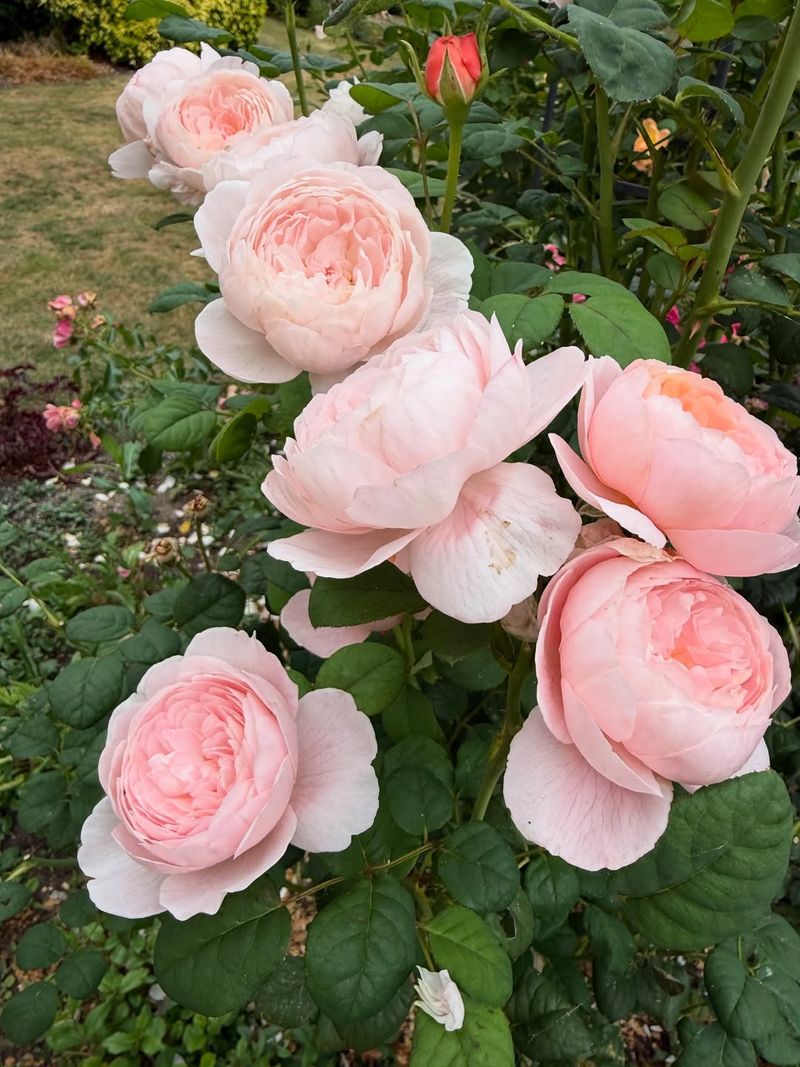
Roses, grapevines, linden trees, and Japanese maples are gorgeous additions to any yard, but they also happen to be at the top of a Japanese beetle’s favorite menu.
Filling your landscape with these plants is basically sending an open invitation for every beetle in the neighborhood to stop by for a meal.
Plant selection is one of the most underrated tools gardeners have when it comes to managing pest pressure naturally.
That does not mean you have to give up every plant you love. Strategic placement and mixing beetle-preferred species with less attractive plants can dilute the damage significantly.
Surrounding your roses with lavender, catmint, or other plants that beetles tend to ignore can create a natural buffer that confuses and discourages heavy feeding in one spot.
If you are planning new garden beds or landscape upgrades, consider researching beetle-resistant plant options that still offer beauty and curb appeal. Plants like boxwood, red maple, dogwood, and many ornamental grasses are far less appealing to Japanese beetles.
Your Michigan Garden Changes Every Week. Your Plan Should Too.
Gardening in Michigan changes quickly throughout the season. Every Friday you’ll receive a simple weekly plan showing exactly what to plant, prune, fertilize, harvest, and protect so you never miss the right timing.
Building a diverse landscape not only reduces beetle attraction but also supports a healthier overall garden ecosystem.
A little planning before planting season can save you a lot of frustration once summer arrives and beetle activity picks up across Michigan neighborhoods.
3. Ignoring Early Beetle Activity
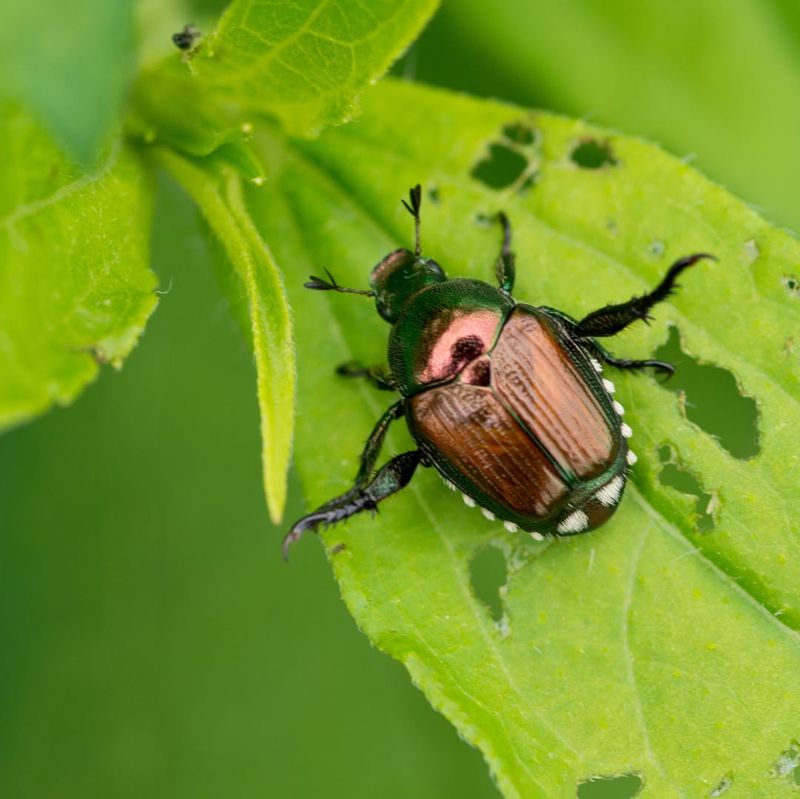
Spotting a few Japanese beetles on your plants at the start of summer might not seem like a big deal, but those first arrivals are actually a signal worth paying close attention to.
Japanese beetles are highly social feeders, meaning the more that gather on a plant, the more they attract additional beetles through chemical signals called aggregation pheromones.
What starts as a handful of insects can become a full-blown infestation surprisingly quickly if left unaddressed.
Early action is genuinely one of the most effective strategies available to gardeners around here.
Hand-picking beetles in the morning, when they are slower and easier to catch, and dropping them into soapy water is a simple but powerful approach during low-population periods.
Catching the problem early means you are working with a manageable number rather than fighting an overwhelming swarm later.
Monitoring your most vulnerable plants regularly throughout June and July gives you the advantage of catching activity before it escalates. Keep an eye on roses, beans, grapes, and other beetle favorites daily during peak season.
Think of early monitoring as your first line of defense. A few minutes spent checking plants each morning can prevent the kind of widespread feeding damage that takes weeks to recover from.
Acting fast when numbers are small is always the smarter move than waiting and hoping the problem resolves on its own.
4. Letting Damaged Leaves Remain Covered With Beetles
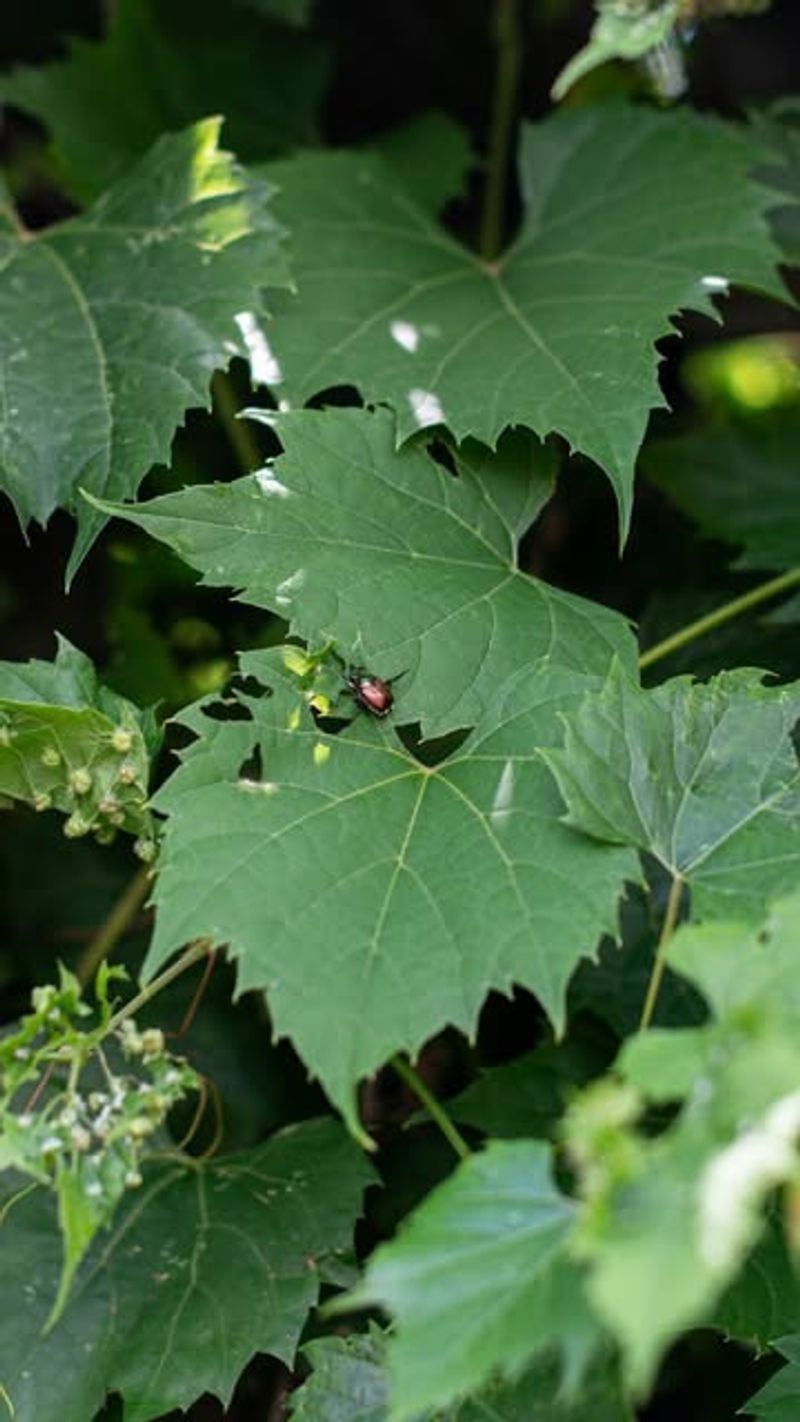
One of the most surprising things about Japanese beetles is how social their feeding behavior really is. When a group of beetles starts feeding on a plant, they release volatile compounds that essentially broadcast a dinner invitation to other beetles nearby.
Leaving a heavily infested branch or plant untouched allows that signal to grow stronger, pulling in more and more beetles from surrounding areas until the damage becomes severe.
Removing beetles from your plants as soon as you notice them feeding in clusters can interrupt this cycle before it gets out of hand.
Shaking branches over a bucket of soapy water in the early morning hours is a tried-and-true technique that many Michigan gardeners swear by.
The cooler morning temperatures make beetles sluggish and far less likely to fly away before you can dislodge them.
Beyond physical removal, trimming away heavily damaged foliage can reduce the visual and chemical cues that draw in more beetles. A plant covered in skeletonized leaves is essentially advertising itself as an active feeding site.
Keeping your garden tidy and removing the worst-hit leaves quickly disrupts the attraction cycle and gives your plants a better chance of pushing out fresh growth.
Consistent attention during peak beetle season, typically July in Michigan, is the key to keeping infestations from compounding into something much harder to manage.
5. Planting Susceptible Plants In Large Monocultures
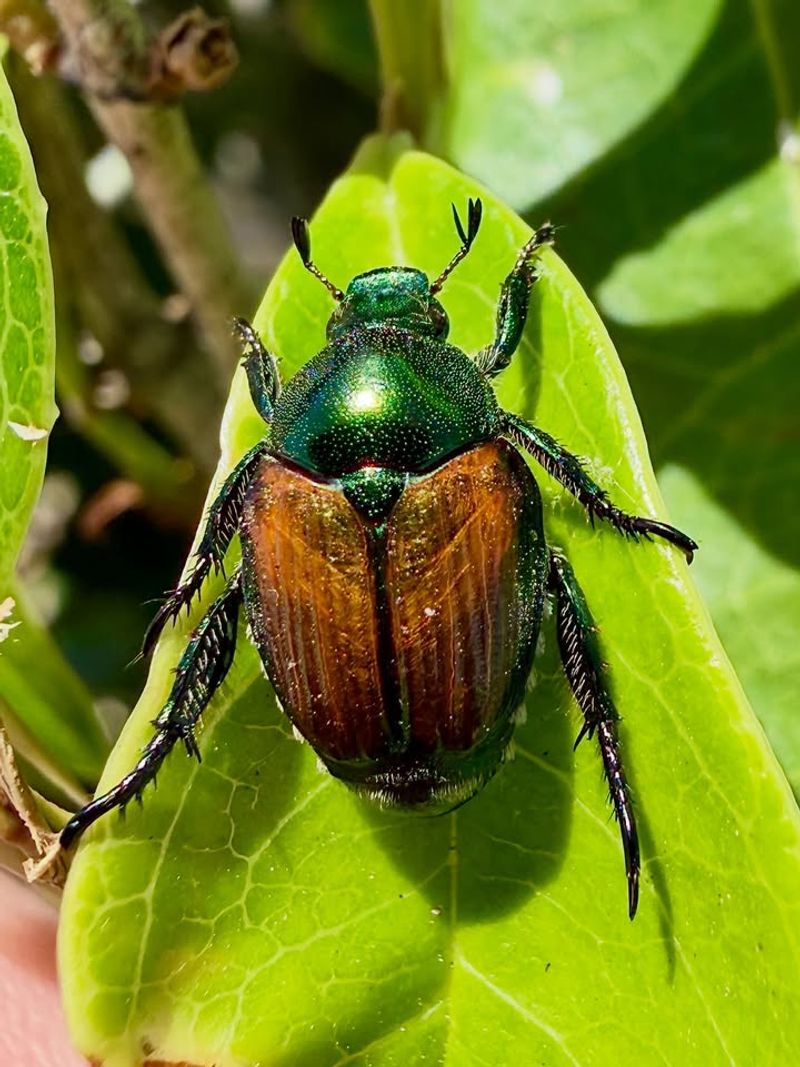
Planting a long row of the exact same species might look stunning in a garden catalog, but it can create a serious problem when Japanese beetles arrive.
When beetles find one plant they enjoy, they tend to spread methodically through similar plants nearby, and a monoculture makes that process incredibly easy for them.
The result is often widespread, concentrated damage that affects every plant in the grouping at once.
Diversity in planting design is genuinely one of the best natural defenses a gardener can build into their landscape. Mixing beetle-preferred species with unappealing ones creates natural interruptions in feeding patterns.
Beetles are less likely to march through a row when they keep encountering plants they do not want to eat between the ones they do.
Even something as simple as alternating species within a border planting can reduce the speed and severity of beetle damage during summer.
Consider replacing some of your beetle-favored plants with alternatives that offer similar color, texture, or height but hold far less appeal to these pests.
Coneflowers, ornamental grasses, and native shrubs like arrowwood viburnum are great examples of plants that add beauty without rolling out the welcome mat for Japanese beetles.
Rethinking your planting layout with variety in mind is one of the smartest long-term investments you can make for a healthier Michigan garden.
6. Assuming Healthy Plants Cannot Be Damaged
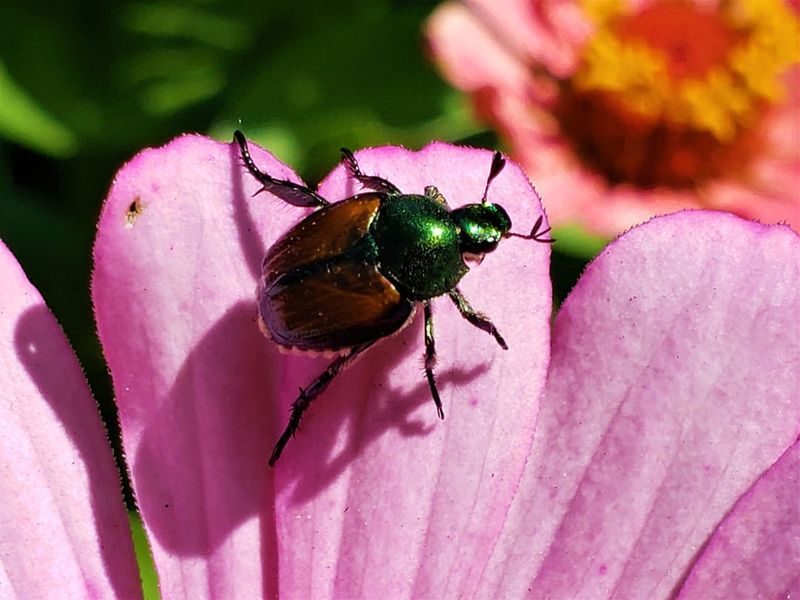
There is a common belief among gardeners that strong, healthy plants are somehow immune to pest pressure, but Japanese beetles do not really follow that logic.
These insects are attracted to plants based on species preference and available feeding sites, not on whether a plant is thriving or struggling.
A beautifully maintained rose bush in peak health is just as appealing to a Japanese beetle as one that has been stressed by drought.
Vigorous plants can absolutely sustain heavy feeding damage, and in some cases, they may even attract more beetles because their lush foliage and flowers are highly visible and fragrant.
Healthy linden trees, for example, are among the most heavily targeted trees in Michigan during beetle season regardless of how well they are cared for.
Assuming your well-fertilized, properly watered plants are safe can lead to a rude awakening in mid-July.
Regular monitoring matters for every plant in your yard, not just the ones that already look stressed or weak. Walk through your garden a few times each week and check the upper and lower surfaces of leaves on your most vulnerable species.
Catching feeding activity early on an otherwise healthy plant gives you much more flexibility to respond effectively.
Strong plants can recover from moderate feeding damage, but only if you catch the problem before it becomes overwhelming and the beetles have had weeks to feast undisturbed.
7. Allowing Wild Grape And Other Host Plants To Spread Nearby
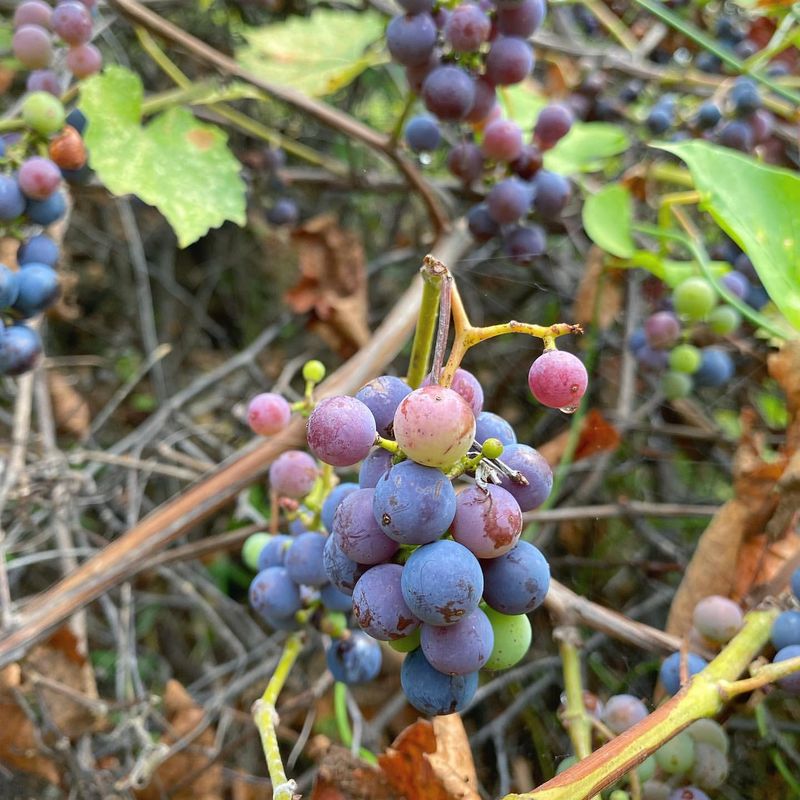
Wild grapevines are one of the most beloved host plants for Japanese beetles, and Michigan has plenty of them growing along fence lines, woodland edges, and roadsides.
When these vines creep onto or near your property unchecked, they essentially create a beetle buffet right next door to your garden.
Beetles feeding on wild grapes nearby are never far from making their way into your cultivated landscape.
Other common host plants like wild rose, smartweed, and elderberry can have a similar effect when they are allowed to grow freely around the edges of a yard.
Managing these plants does not mean you need to eliminate every wild species on your property, but keeping them trimmed back and away from your garden beds can reduce the number of beetles lingering near your most valuable plants.
Think of your property boundaries as part of your overall beetle management strategy.
Regularly walking the perimeter of your yard and identifying any expanding wild host plants gives you a chance to address them before they become a staging ground for beetle activity.
Removing or heavily pruning wild grapevines along fences and tree lines during late spring, before beetles arrive in force, can reduce the draw significantly.
A little edge management goes a long way toward keeping your Michigan yard from becoming the neighborhood hotspot for Japanese beetles all summer long.
8. Using Broad-Spectrum Sprays During Pollinator Activity
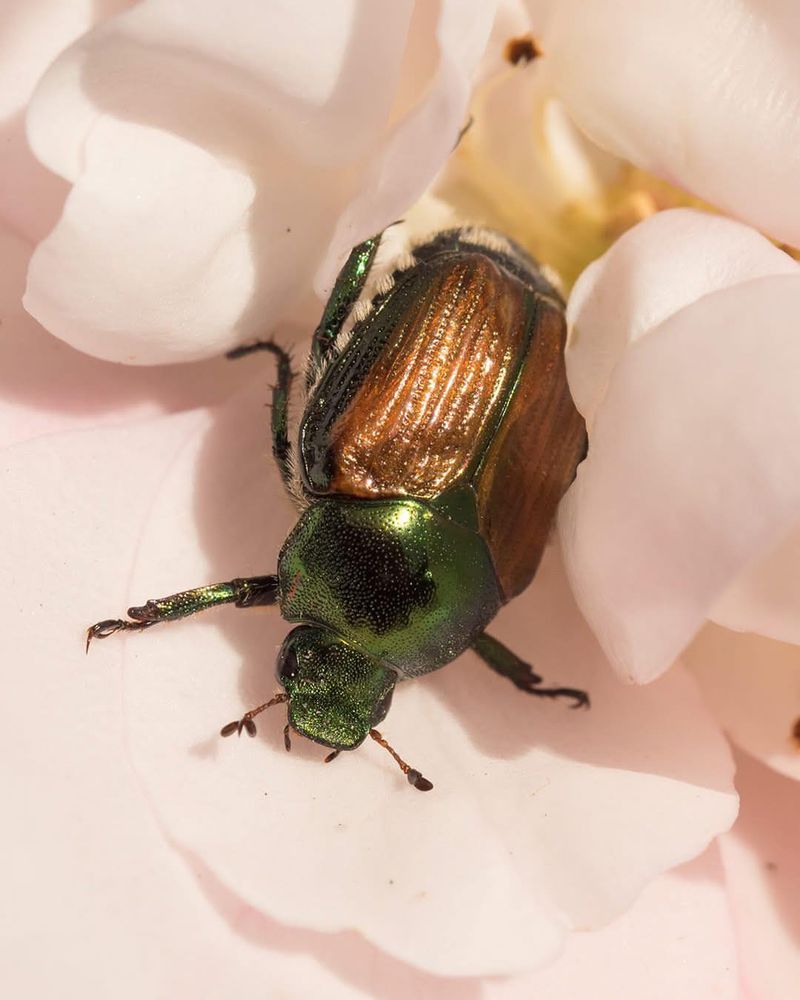
Reaching for a broad-spectrum insecticide spray when Japanese beetles are swarming your plants is a completely understandable reaction, but the timing and product choice matter enormously.
Many conventional insecticides that target beetles are also highly harmful to bees, butterflies, and other beneficial insects that your garden depends on for pollination and overall health.
Spraying during the middle of the day, when pollinators are most active, can cause serious unintended harm.
If you choose to use a spray treatment for Japanese beetles, early morning or evening applications are far safer for beneficial insects. Pollinators are generally less active during these cooler parts of the day, which reduces the chance of direct contact with the product.
Avoiding sprays on open blooms whenever possible also helps protect visiting bees and butterflies from exposure.
There are also more targeted options worth exploring before reaching for a broad-spectrum product.
Neem oil, for example, is a naturally derived option that can deter beetle feeding with less impact on beneficial insects when applied correctly and at the right time.
Kaolin clay is another interesting tool that creates a physical barrier on plant surfaces that beetles find irritating.
Exploring these alternatives and using any spray product thoughtfully can help you manage Japanese beetles in your Michigan garden without undermining the pollinators that make your garden thrive in the first place.
9. Leaving Fruit And Vegetable Crops Unprotected
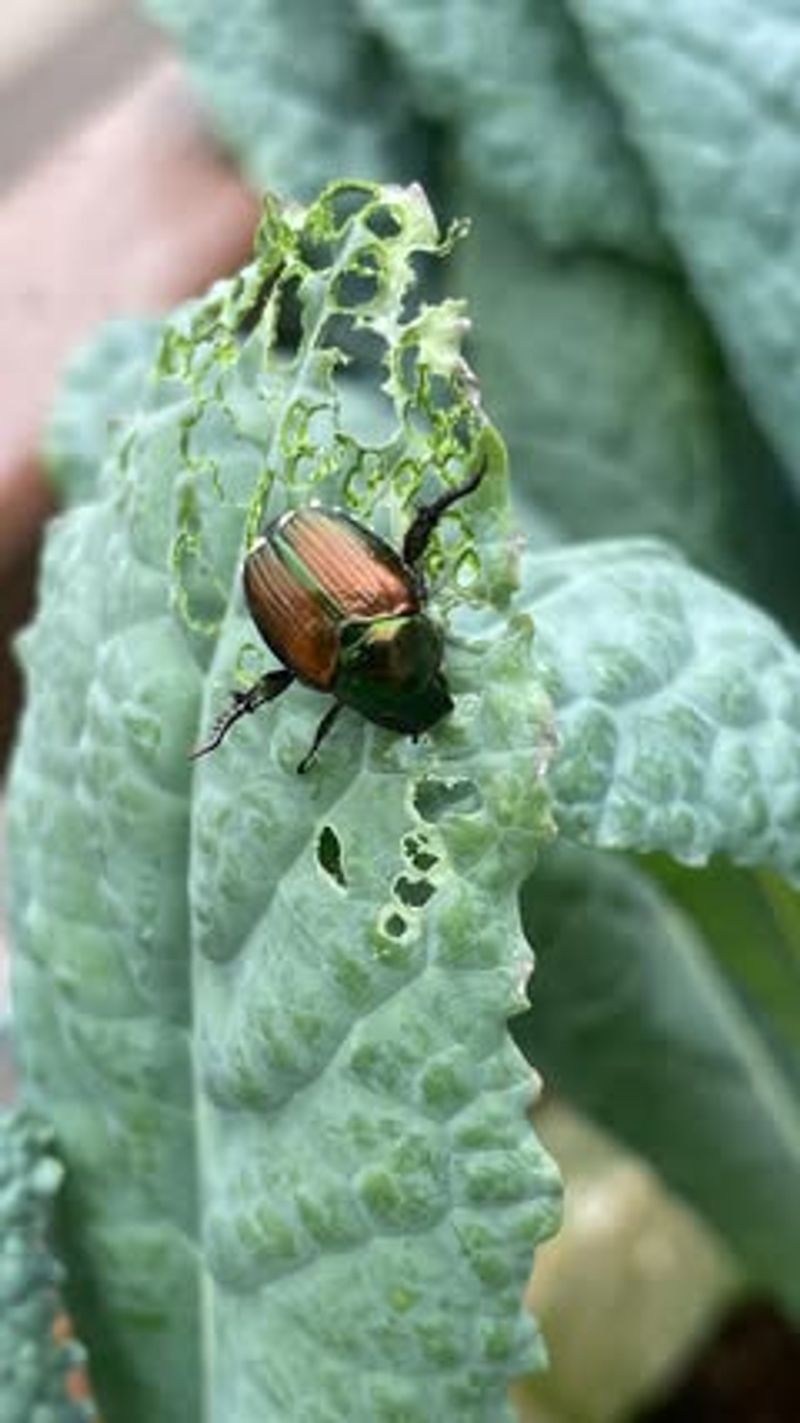
Japanese beetles are not just a problem for ornamental gardens.
They have a well-documented appetite for certain edible crops too, and Michigan vegetable gardeners are often caught off guard when these pests show up in their raised beds and fruit patches.
Beans, raspberries, blueberries, peaches, and corn silk are among the crops that can attract meaningful beetle feeding during the summer months.
Leaving your edible garden unmonitored during peak beetle season is a mistake that can cost you a significant portion of your harvest.
Unlike ornamental plants where damage is mainly cosmetic, feeding on edible crops can reduce yield and affect fruit quality in ways that really sting come harvest time.
Checking your vegetable and fruit plants alongside your ornamentals during your regular garden walks is a smart habit to build.
Row covers made from lightweight fabric are one of the most effective and pesticide-free ways to protect vulnerable crops from Japanese beetle feeding. They allow light and water through while physically blocking beetles from reaching the plants underneath.
For fruit trees and berry bushes, exclusion netting can serve a similar purpose. Hand-picking beetles off smaller edible plants is also practical and surprisingly effective when done consistently.
Protecting your food garden from Japanese beetles does not require complicated solutions, just consistent attention and a few well-chosen physical barriers during the weeks when beetle pressure is at its highest in Michigan.
10. Assuming Traps Always Reduce Yard Damage
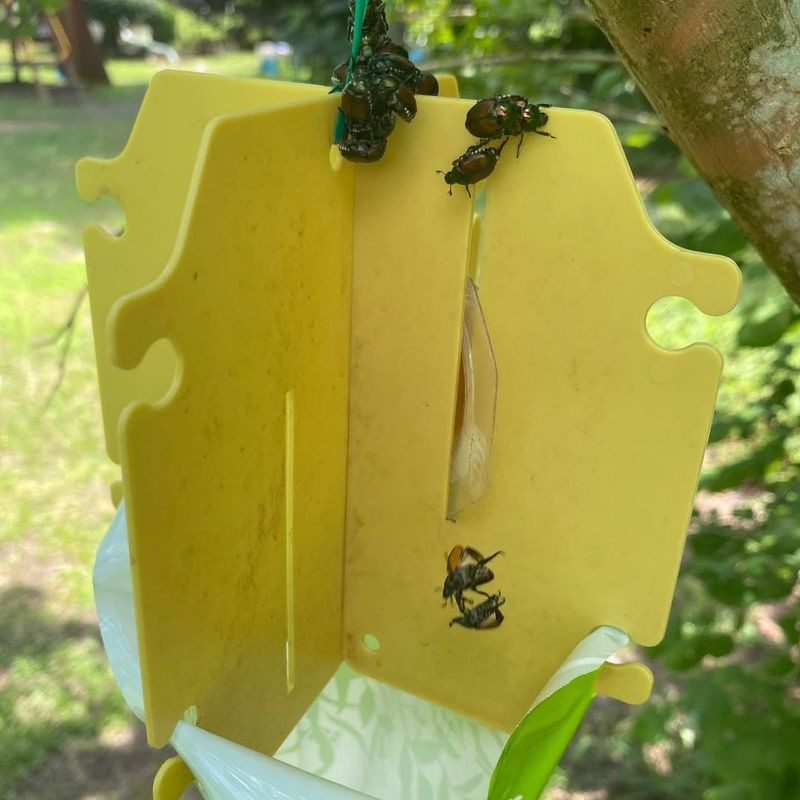
Japanese beetle traps are widely sold at garden centers across Michigan, and many homeowners buy them with the expectation that they will pull beetles away from plants and solve the problem. The reality is a bit more complicated than the packaging suggests.
Research has shown that these traps, which use a combination of floral lure and sex pheromone, are extremely effective at attracting beetles, but not always at catching all of them before they find your plants.
Studies conducted by university extension programs have found that traps can actually draw more beetles into an area than would have arrived naturally.
A percentage of those attracted beetles end up feeding on nearby plants rather than entering the trap. Placement is everything when it comes to these devices.
Hanging a trap right next to your rose garden is essentially guiding beetles directly toward your most vulnerable plants.
If you choose to use Japanese beetle traps, placing them well away from your garden, ideally at the far edge of your property or even beyond it, can help redirect beetles away from your plants rather than toward them.
Some experts recommend a minimum distance of 30 feet from any susceptible planting. Traps work best as one small part of a broader management approach rather than as a standalone fix.
Understanding their limitations helps you use them strategically instead of accidentally making your beetle problem worse this Michigan summer.
11. Waiting Until Plants Are Skeletonized To Act
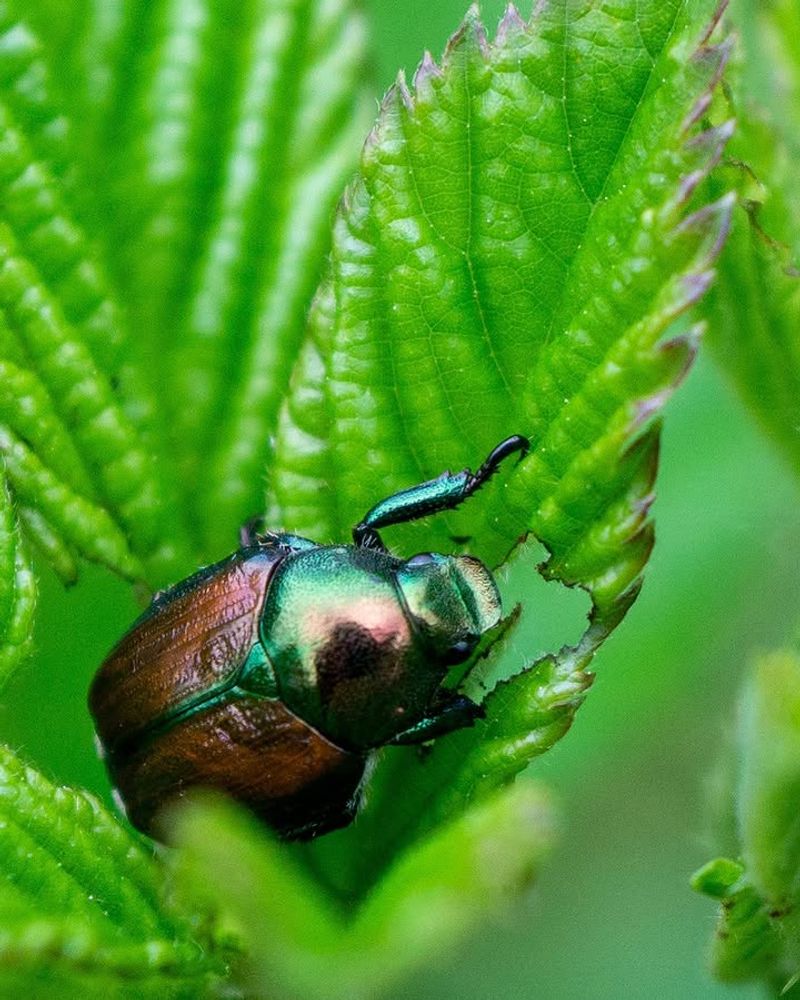
By the time a plant looks fully skeletonized, with only the thin veins of its leaves remaining, the damage has already been done and recovery becomes a long road.
Japanese beetles work fast as a group, and a plant that looked fine on Monday can look devastated by Friday when a large population has been feeding on it unchecked.
Waiting for visible crisis signs before responding is one of the most common and costly mistakes Michigan gardeners make.
Early intervention is not just more effective, it is also far less stressful for both you and your plants. A plant that loses a portion of its leaves early in the season still has time to push out new growth and recover before the end of summer.
A plant that reaches full defoliation in peak heat has a much harder road ahead and may not bounce back fully before fall.
Building a habit of proactive monitoring rather than reactive scrambling is the shift that makes the biggest difference.
Set a regular schedule for walking through your garden during June and July, check your most vulnerable plants closely, and take action the moment you notice feeding beginning.
Removing beetles by hand, applying deterrents, or using targeted treatments when populations are still small is far more manageable than trying to stop a full-scale infestation.
Acting early keeps your Michigan garden looking beautiful all summer long instead of spending weeks in recovery mode.