7 Garden Habits That Attract Fireflies To Texas Backyards
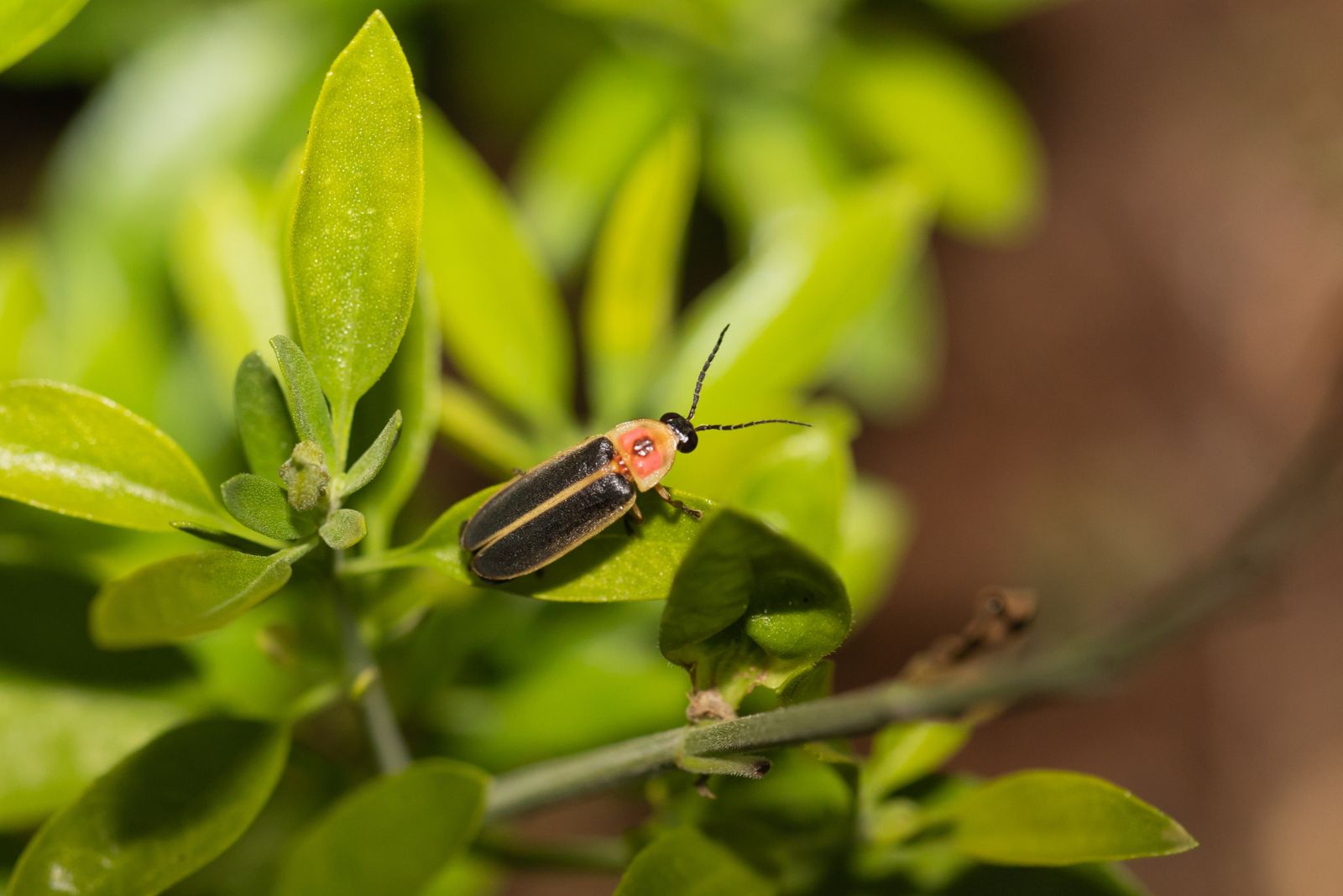
When did you last see a firefly in your Texas backyard? For a lot of homeowners, the honest answer is that it’s been a while, or maybe never, and that absence is more meaningful than it might seem.
Firefly populations across the country have been declining steadily, and the reasons behind that decline point directly at the conditions most suburban yards are creating without anyone intending to cause a problem. The good news is that fireflies are remarkably responsive to habitat.
Give them what they need and they show up, sometimes in numbers that turn a regular summer evening in the backyard into something genuinely magical.
The conditions they require aren’t complicated or expensive to create, and many of them overlap with garden habits that are simply good practice for overall yard health.
A few intentional changes to how you manage your Texas backyard can bring fireflies back in a way that makes those warm summer nights feel completely different.
1. Leaving Parts Of The Yard Slightly Wild
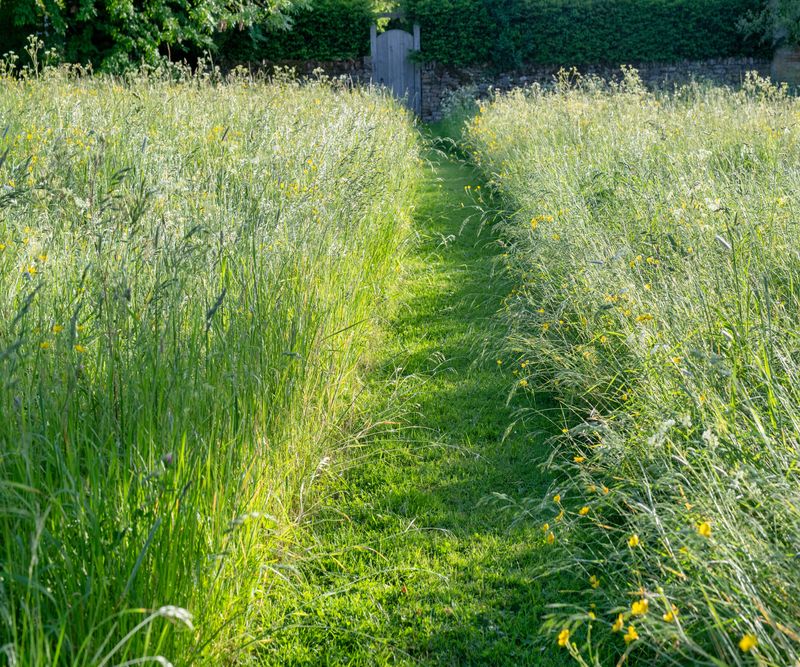
Not every part of your yard needs to be perfectly manicured. Fireflies actually love spaces that feel a little rough around the edges.
Areas with taller grass, scattered leaves, and soft ground cover give them the kind of environment where they can hide, rest, and lay their eggs safely.
Pick one corner or edge of your yard and let it go a little wild. You do not have to turn your whole backyard into a meadow.
Even a small patch of untamed ground can be enough to welcome fireflies in during the warmer months.
Firefly larvae, which are the young stage before they start glowing, spend a long time living in the soil. They need loose, slightly damp ground to survive and grow.
Compacted, dry, or constantly mowed soil makes it hard for them to thrive. Letting an area stay natural gives those larvae a fighting chance.
Taller grass also gives adult fireflies a place to perch during the day. They are nocturnal insects, which means they are active at night and rest during the day. Thick vegetation keeps them cool and hidden when the Texas sun is at its strongest.
Some people worry that a wild patch will look messy or attract unwanted pests. A simple border of stones or a small garden sign can make the area look intentional.
Your neighbors might even ask what you are growing, and you can proudly say you are creating a habitat for one of nature’s most beloved light shows.
2. Planting Native Texas Grasses And Flowers
Native plants are the backbone of a firefly-friendly yard. Plants that naturally grow in Texas are already adapted to the local climate, soil, and rainfall patterns.
They support the insects, moisture conditions, and food sources that fireflies depend on throughout their life cycle.
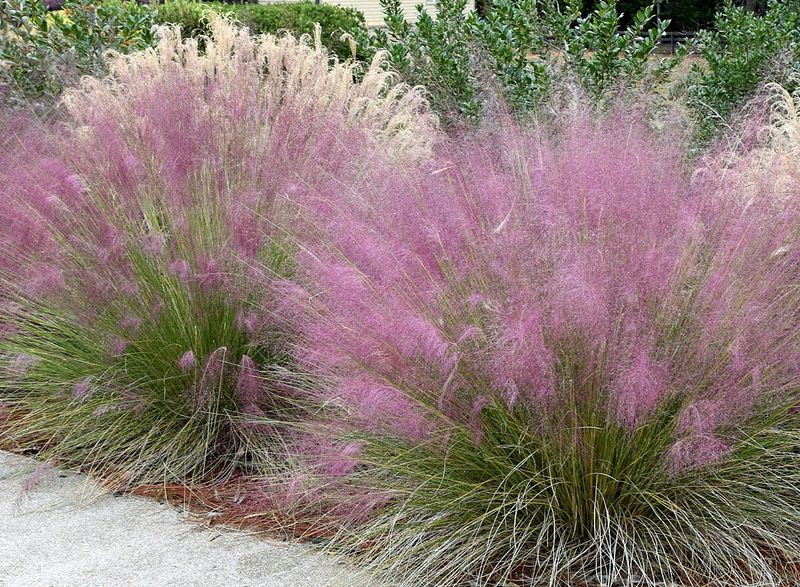
Consider planting native grasses like little bluestem or Gulf muhly. These grasses create soft, dense cover close to the ground where fireflies love to rest.
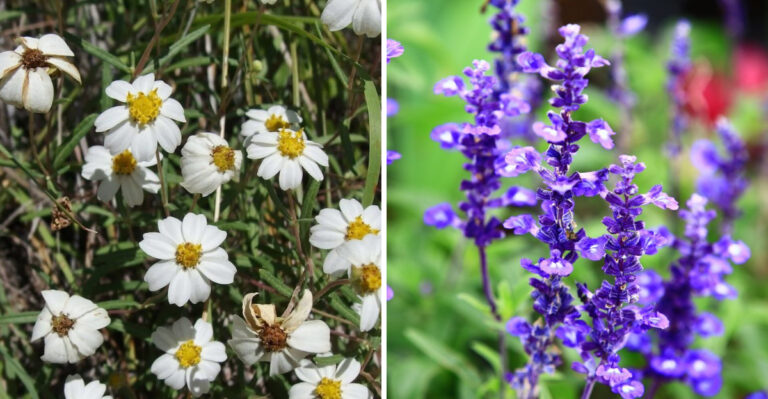
Pair them with native wildflowers like black-eyed Susans, coneflowers, or wild bergamot to add color and attract the small insects that firefly larvae feed on.
Your Texas Garden Changes Every Week. Your Plan Should Too.
Gardening in Texas changes quickly throughout the season. Every Friday you’ll receive a simple weekly plan showing exactly what to plant, prune, fertilize, harvest, and protect so you never miss the right timing.
Native plants also require less watering and fewer chemicals than non-native species. That means you are naturally creating a healthier yard without reaching for the hose or the pesticide bottle as often.
Less chemical use keeps the soil and surrounding environment safer for all beneficial insects, including fireflies.
Fun fact: firefly larvae are actually predators. They feed on small snails, slugs, and worms in the soil.
Native plantings encourage a healthy underground food web, which gives larvae plenty to eat while they develop. A yard full of native plants is basically a buffet for young fireflies growing underground.
You can find native Texas plants at local nurseries, native plant sales, or through organizations like the Native Plant Society of Texas. Starting with just a few plants in a garden bed can make a noticeable difference.
Over time, your yard becomes a living ecosystem that keeps fireflies coming back season after season.
3. Reducing Outdoor Lighting At Night
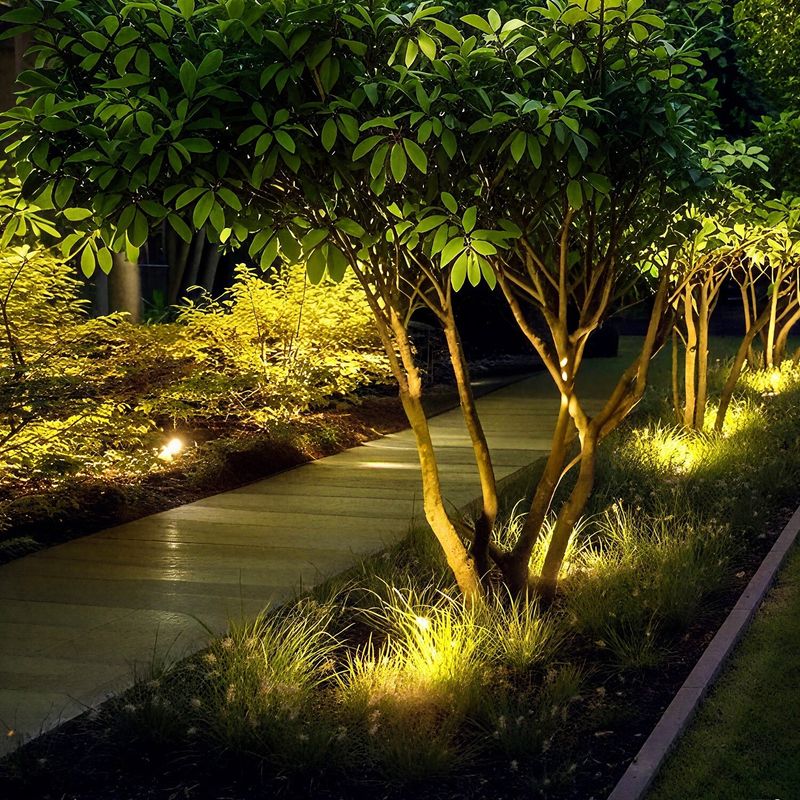
Fireflies talk to each other using light. Males flash a specific pattern while flying, and females respond from the ground or low vegetation.
It sounds like a simple system, but it breaks down fast when there is too much artificial light around. Bright outdoor lights drown out the flashing signals fireflies use to find mates.
If your yard has floodlights, motion sensor lights, or decorative lights that stay on all night, you may be making it harder for fireflies to communicate.
They end up confused and disoriented, which means fewer fireflies successfully mate and fewer eggs get laid in your yard the following season.
One easy fix is to turn off unnecessary outdoor lights during the peak firefly hours, which are roughly from dusk until around midnight. If you want to keep some lighting for safety, switch to warm amber or red-toned bulbs.
These colors are less disruptive to firefly signaling than white or blue-toned lights. Motion-activated lights that only turn on when needed are another smart option. They reduce overall light pollution while still keeping your yard safe.
Even small adjustments, like pointing lights downward instead of outward, can help reduce the glow that scatters into your yard.
Encouraging neighbors to reduce their lighting can also help on a broader scale. Fireflies do not stay in one yard.
They roam across whole neighborhoods, so the less artificial light in your general area, the better the conditions become for a bigger, brighter firefly population right outside your back door.
4. Keeping Soil Moist During Dry Weather
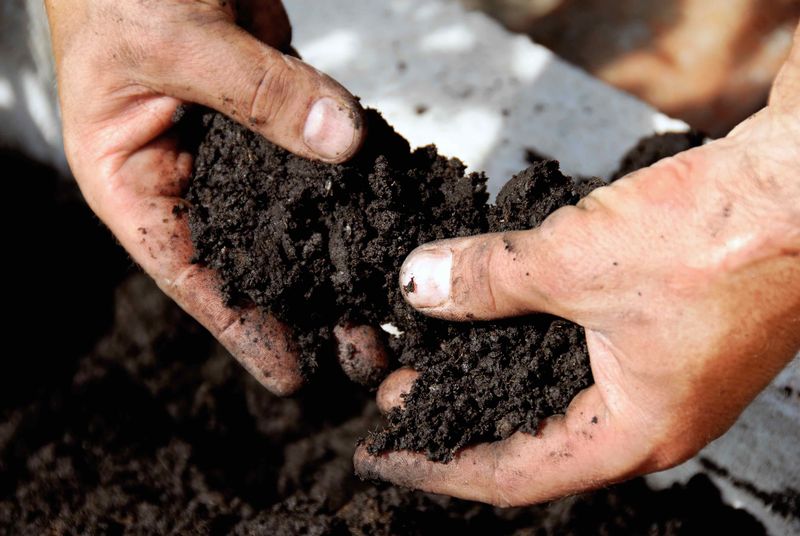
Texas summers can be brutally hot and dry. During long stretches without rain, soil moisture drops fast, and that is a real problem for firefly larvae living underground.
Young fireflies depend on slightly damp soil to survive and move around as they search for food and shelter beneath the surface.
Adding a layer of organic mulch is one of the best ways to hold moisture in the soil. Wood chip mulch, shredded leaves, or straw can all help keep the ground from drying out too quickly between rainstorms or watering sessions.
A layer about two to three inches thick works well for most garden beds. You do not need to soak the soil. Fireflies actually prefer moisture levels that feel similar to a wrung-out sponge.
Soggy, waterlogged ground is just as unfriendly as bone-dry dirt. Aim for consistent, moderate moisture, especially in the shadier parts of your yard where fireflies tend to be most active.
Watering in the evening rather than the morning can also help. Evening watering allows moisture to soak in without evaporating quickly in the afternoon heat.
It also mimics the natural pattern of dew and overnight moisture that fireflies have adapted to over thousands of years.
If you have a rain barrel or drip irrigation system, use it to keep garden beds consistently moist during dry spells.
Consistent soil conditions throughout the summer make your yard a stable, welcoming place for firefly larvae to complete their development and eventually emerge as the glowing adults you love to watch.
5. Avoiding Chemical Pesticides
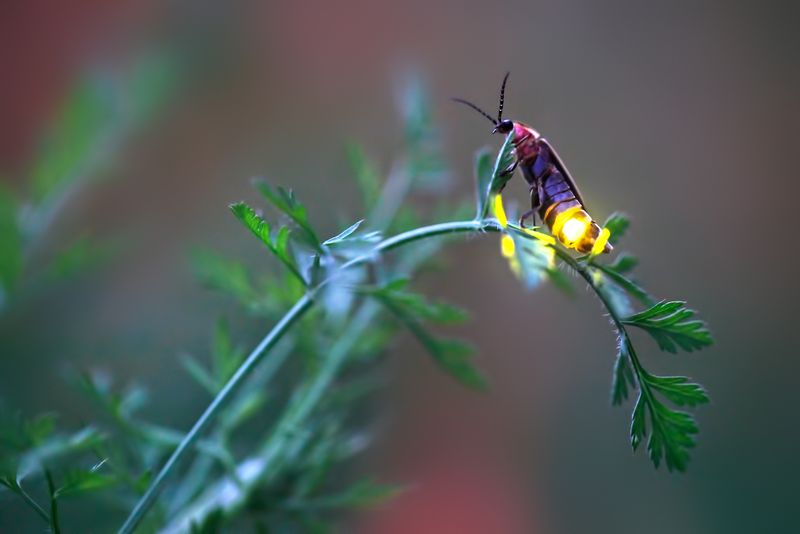
Broad-spectrum pesticides do not just target the insects you want to get rid of. They affect a wide range of creatures in your yard, including fireflies and the small organisms their larvae feed on.
When you spray chemicals across your lawn or garden, you are changing the entire ecosystem in ways that push fireflies out.
Firefly larvae are especially vulnerable because they spend so much time in the soil. Pesticides that soak into the ground can linger for weeks or even months.
A larva crawling through treated soil absorbs those chemicals, which weakens or ends its development before it ever gets a chance to glow.
Even products marketed as safe for gardens can be harmful to fireflies. Insecticides designed to target mosquitoes, grubs, or beetles often have unintended effects on beneficial insects as well.
Read labels carefully and think twice before applying any broad chemical treatment to areas where fireflies might be active.
Natural alternatives work well in most situations. Neem oil, diatomaceous earth, and hand-picking pests are all effective options for managing common garden problems without the broad chemical impact.
Encouraging natural predators like birds, toads, and spiders also helps keep pest populations in check organically.
A yard that skips the chemical sprays tends to become more balanced over time. Beneficial insects increase, pest problems often level out naturally, and the soil stays healthier for all the creatures living in it.
Choosing a chemical-free approach is one of the most powerful things you can do to create a true firefly haven in your Texas backyard this summer.
6. Adding Shrubs And Low Groundcover
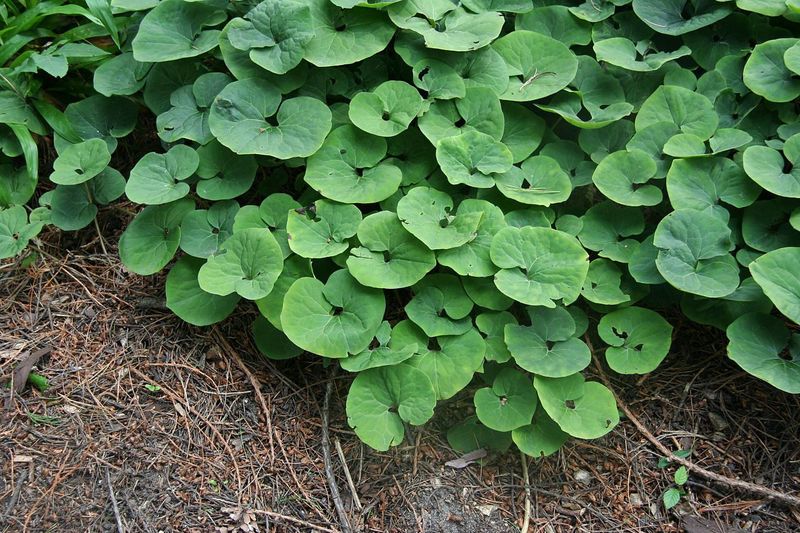
Dense vegetation does something really important in a Texas backyard. It creates pockets of shade, humidity, and shelter that fireflies desperately need when temperatures climb in the summer.
Shrubs and low groundcover plants keep the air near the ground cooler and more moist than open lawn areas.
Fireflies are sensitive to heat and dryness. During the hottest parts of the day, they hide deep in vegetation to stay comfortable.
Without enough shrubs or groundcover, they have nowhere to take refuge, and your yard becomes an inhospitable place that they simply pass through rather than settle in.
Native Texas shrubs like beautyberry, possumhaw holly, or native viburnums are excellent choices. They grow well in local conditions, produce berries that attract other wildlife, and create the kind of layered, textured vegetation that fireflies love to hide in.
Planting them in clusters rather than isolation makes the shelter effect even stronger. Low groundcovers like native sedges, wild ginger, or creeping wood sorrel fill in the spaces beneath shrubs beautifully.
They hold moisture in the soil, reduce bare ground, and create a continuous layer of soft cover that connects different areas of your yard. That connectivity helps fireflies move safely from one part of the yard to another.
Think of shrubs and groundcover as the furniture of your firefly habitat. Just like a cozy room needs places to sit and relax, a firefly-friendly yard needs places for these insects to rest, hide, and feel at home.
Building up those layers of vegetation is one of the most rewarding and visually attractive changes you can make.
7. Leaving Fallen Leaves And Organic Matter In Some Areas
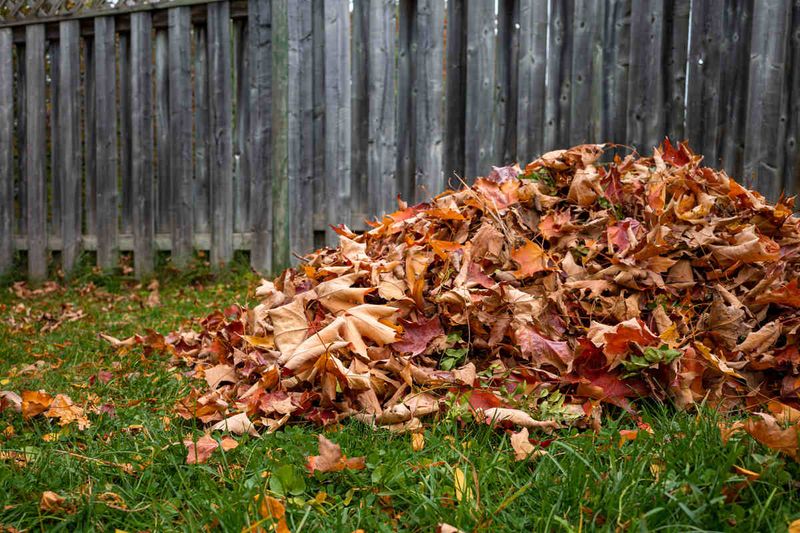
Every autumn, most homeowners rake up every single leaf and haul it away. It feels tidy, but from a firefly’s perspective, that cleanup removes one of the most important resources in the yard.
Fallen leaves and organic matter are where firefly larvae live, feed, and develop over the months before they emerge as adults.
Firefly larvae are tiny, slow-moving creatures that need moist, decomposing organic material to thrive. Leaf piles, decaying wood, and rich organic matter create exactly the kind of microhabitat they need.
Without it, larvae have nowhere safe to complete their development, and your firefly population shrinks season by season.
You do not have to leave leaves everywhere. Choose a shaded corner, the area beneath a large tree, or the edge of a garden bed and let the leaves accumulate naturally there.
A leaf layer just two to four inches deep is enough to support a healthy population of firefly larvae throughout the winter and spring.
Organic matter also improves soil quality over time. As leaves break down, they add nutrients back into the ground, support earthworms, and create the rich, dark soil that plants and insects both love.
Leaving some leaves behind is actually one of the best low-effort things you can do for your whole yard ecosystem.
Some gardeners call this approach “messy on purpose,” and it is becoming more popular among people who care about backyard wildlife.
A small, intentional leaf zone sends a clear signal to fireflies that your yard is a safe and welcoming place to settle in, glow, and raise the next generation of nature’s living nightlights.