Why Bark Mulch Creates More Scorpion Hiding Spots In Arizona Yards
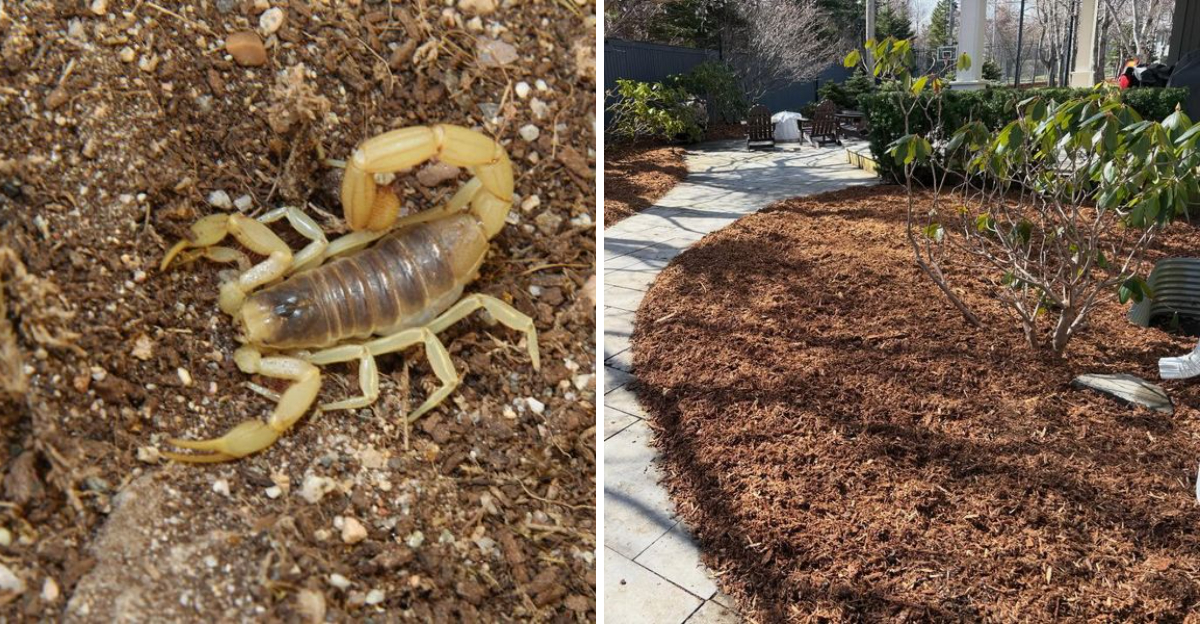
Fresh bark mulch usually feels like a smart upgrade at first. The yard looks neater, the soil stays covered, and everything seems easier to manage once the hotter part of the season starts in Arizona.
Then the nighttime surprises start happening.
More scorpions suddenly show up near walkways, around walls, or close to spots that never seemed active before. In many cases, the mulch itself becomes part of the reason.
Thick bark layers create cooler hiding areas during the day, which gives scorpions a place to stay protected once temperatures climb higher.
Some landscaping setups attract far more activity than others without homeowners realizing it right away. Even mulch depth can change how appealing certain parts of the yard become.
1. Thick Bark Mulch Stays Cooler Underneath During Extreme Heat
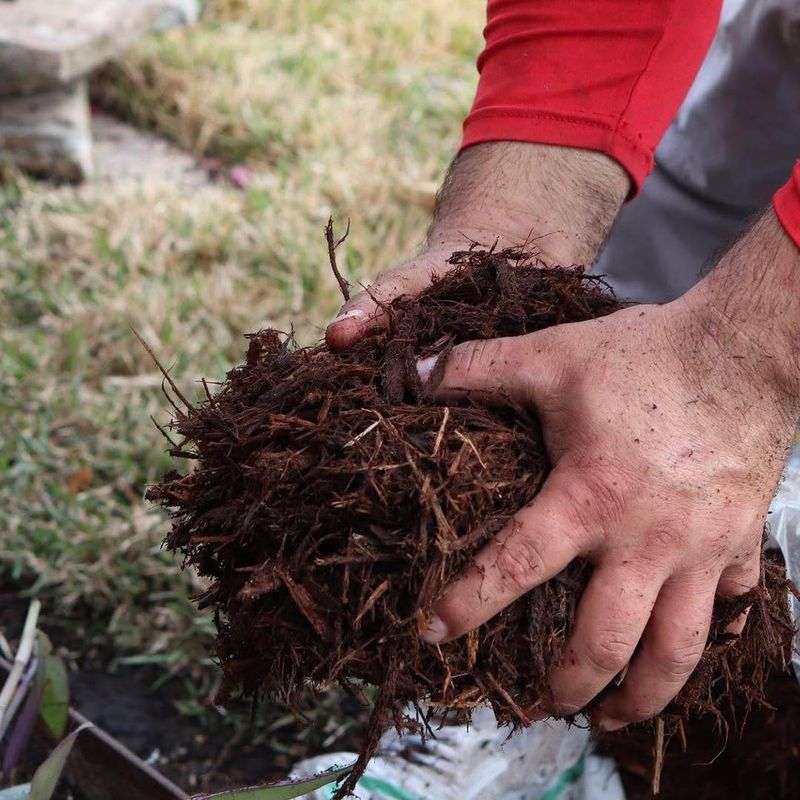
Arizona summers are brutal, and that heat is exactly what pushes scorpions underground or under cover. Thick layers of bark mulch act like a natural insulator, trapping cooler air just beneath the surface.
When outdoor temperatures soar past 110 degrees in Phoenix or Tucson, scorpions seek out any space that offers relief from the heat.
Bark mulch is especially effective at holding that cool zone because the pieces overlap and stack, creating a layered barrier against the sun.
Unlike bare soil, which absorbs and radiates heat, a thick mulch bed can stay noticeably cooler just an inch or two below the surface.
Scorpions are cold-blooded, so they actively hunt for spots where temperatures feel manageable.
Keeping mulch layers thinner, around two inches or less, reduces the insulating effect that makes these spaces so attractive. A shallow layer still protects plant roots and slows moisture evaporation without creating a deep, cool refuge.
Homeowners in Arizona who trim down their mulch depth often report fewer encounters near garden beds and landscaped areas.
Spreading mulch too thickly also makes it harder to spot scorpions during routine yard checks. Raking back the mulch occasionally and inspecting the soil underneath gives you a clearer picture of what might be hiding there.
2. Loose Bark Pieces Create More Protected Gaps Near The Soil
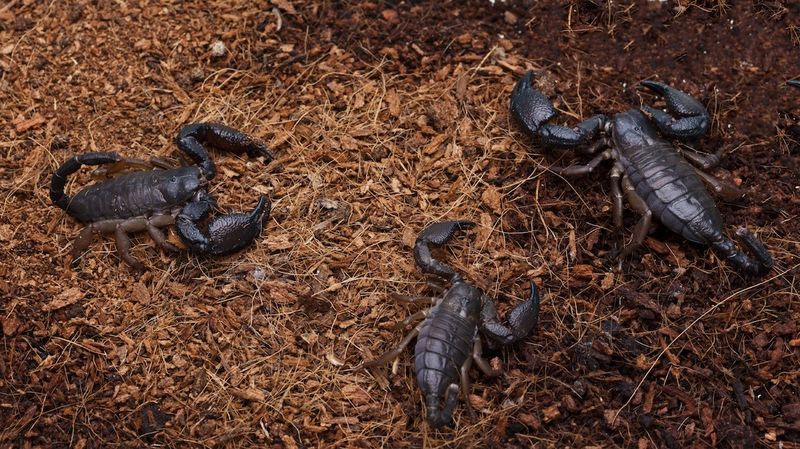
Not all mulch is created equal, and bark mulch is particularly problematic because of its irregular shapes. Chunky, loose bark pieces stack unevenly, leaving dozens of small gaps and tunnels just above the soil.
Scorpions are flat-bodied enough to squeeze into spaces as thin as a credit card, making those gaps ideal shelters.
Ground-level gaps near soil are prime real estate for scorpions in Arizona. Bark mulch essentially builds a miniature maze of protected corridors where scorpions can rest, wait for prey, and avoid predators.
Smaller pieces of bark create even more of these gaps per square foot, multiplying the number of potential hiding spots across your landscaped beds.
Switching to a finer, more compact ground cover material can reduce the number of accessible gaps at soil level. Decomposed granite, for example, settles tightly and leaves far fewer open spaces where scorpions can comfortably tuck in.
It is a popular alternative among Arizona homeowners who want to minimize pest pressure without sacrificing a polished yard appearance.
Your Arizona Garden Changes Every Week. Your Plan Should Too.
Gardening in Arizona changes quickly throughout the season. Every Friday you’ll receive a simple weekly plan showing exactly what to plant, prune, fertilize, harvest, and protect so you never miss the right timing.
If you prefer to keep bark mulch, choosing smaller, finer bark chips and pressing them down firmly after spreading can help reduce gap formation. Compressed mulch layers are less hospitable than loosely piled bark.
3. Keep Mulch Thinner Around Foundations And Walkways
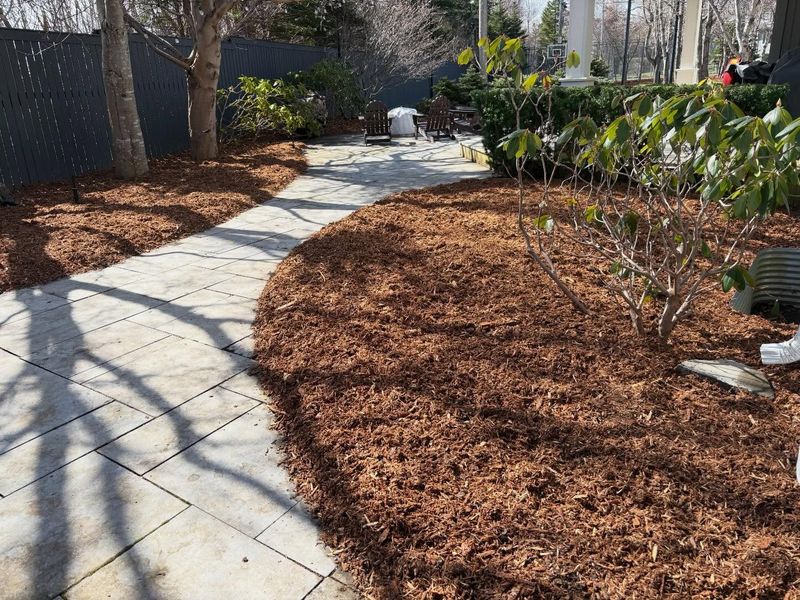
Where you place bark mulch matters just as much as how much you use. Mulch piled directly against your home’s foundation creates a bridge between the outdoor environment and your interior walls.
Scorpions that find shelter in that mulch are only a few inches away from gaps in your foundation, weep holes, or cracks around plumbing entry points.
Walkways present a similar problem. Bark mulch edging a pathway gives scorpions cover right where people walk at night, which is when scorpions are most active in Arizona.
Stepping near a mulched border after dark carries a real risk if the mulch has become a settled habitat for bark scorpions, the most venomous scorpion species commonly found in the state.
Pulling mulch back at least six inches from your foundation line creates a dry, exposed buffer zone. Scorpions prefer not to cross open, dry surfaces without cover, so that gap acts as a mild deterrent.
Along walkways, replacing bark mulch with decomposed granite or river rock keeps the aesthetic clean while reducing harborage spots close to foot traffic areas.
Regularly checking the mulch closest to your home is worth adding to your yard maintenance routine.
4. Leave Small Gaps Between Mulch And Exterior Walls
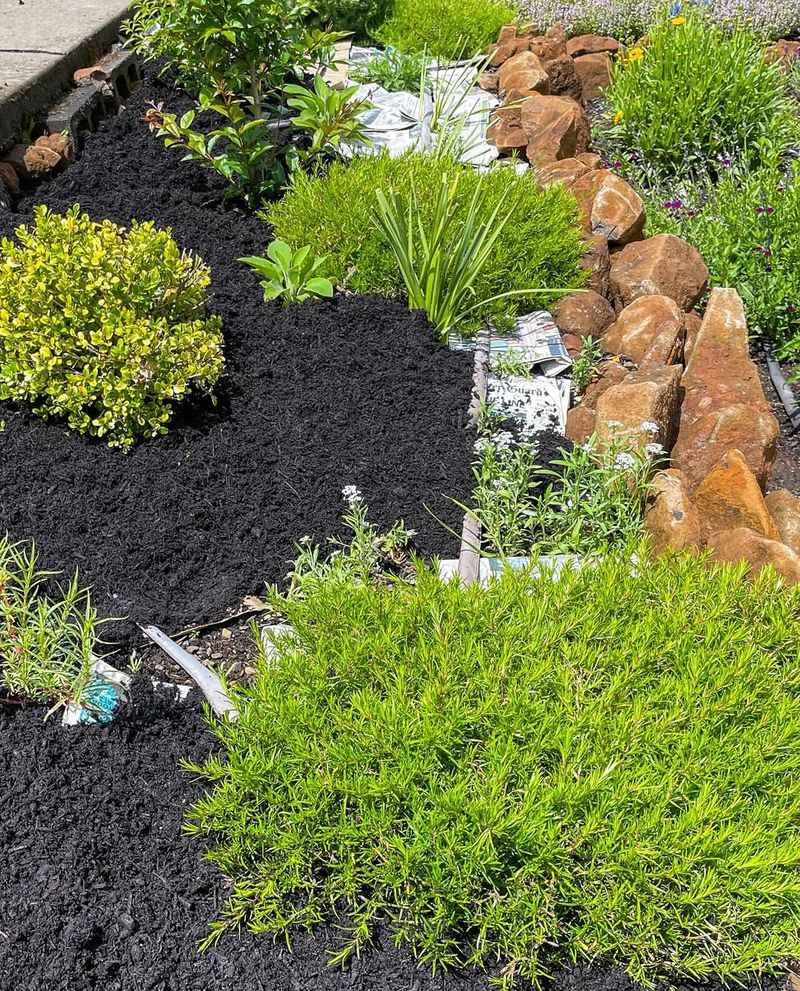
Bark mulch pressed snugly against exterior walls creates a nearly perfect scorpion corridor. Walls retain warmth at night and offer a vertical surface that scorpions can cling to as they search for entry points.
When mulch fills in right up to the wall, scorpions have continuous cover from the yard all the way to your home’s exterior surface.
Stucco walls, which are extremely common in Arizona homes, have small surface textures and occasional cracks that scorpions can grip and hide against.
Bark mulch against that surface gives them both a resting spot and a launching point toward any gap around window frames, utility lines, or door thresholds.
Eliminating that contact point removes one step in the scorpion’s path toward your interior.
A gap of at least six inches between mulch and your walls is a practical standard recommended by many Arizona pest management professionals. You do not need elaborate solutions, just consistent spacing maintained throughout the year.
After monsoon rains shift mulch around, take a few minutes to rake it back into place and restore that buffer.
Pairing this spacing habit with weatherstripping on doors and caulking around utility penetrations gives you a layered approach.
5. Avoid Overwatering Areas Covered With Bark Mulch
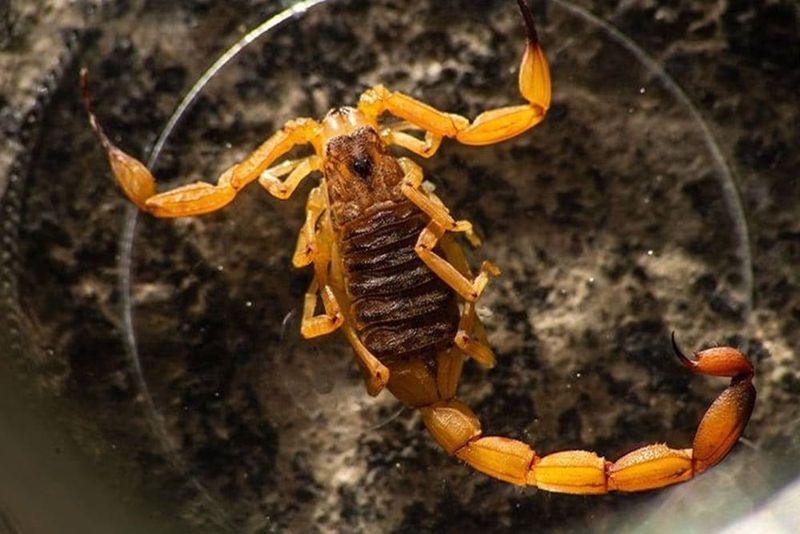
Moisture is a scorpion magnet, plain and simple. Scorpions do not just seek water for hydration; they follow their prey, and their prey, including crickets, roaches, and other insects, are drawn heavily to damp environments.
Bark mulch that stays consistently moist becomes a two-for-one deal for scorpions looking for both food and shelter.
Arizona’s climate is naturally dry, which is one reason so many desert-adapted pests concentrate near any reliable water source.
Overwatered mulch beds can stay damp for days after irrigation, especially if the mulch is thick and the soil beneath has poor drainage.
Drip systems set to run too frequently in mulched areas are a common cause of this problem in residential landscapes across the Tucson and Phoenix regions.
Adjusting your irrigation schedule based on the season makes a noticeable difference. During cooler months, most Arizona desert plants need far less water than homeowners assume.
Running drip systems every two to three days rather than daily, and only as long as necessary to reach root depth, can significantly reduce surface moisture in mulched beds.
Checking soil moisture before each watering cycle is a habit that pays off.
6. Rake Dense Mulch Regularly To Reduce Hidden Spaces
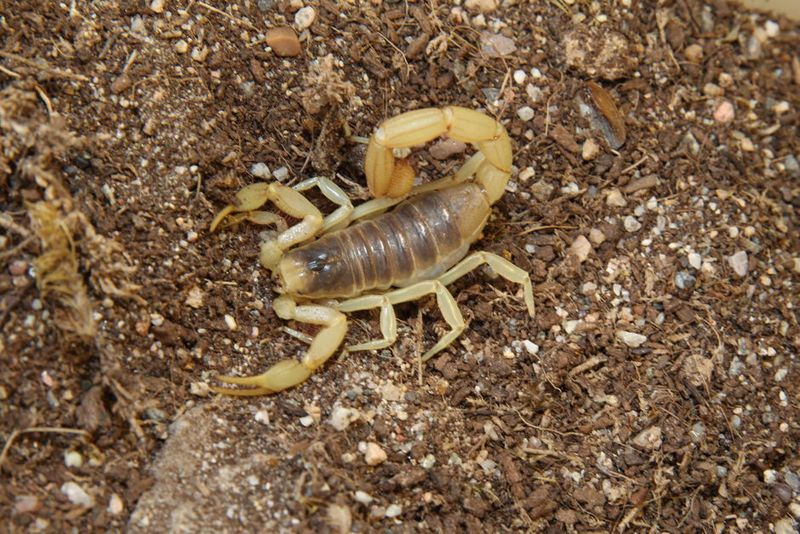
Bark mulch left untouched for months gradually compacts and mats together, forming a dense, spongy layer that is nearly impossible to see through. What looks like a neat, settled garden bed from a distance can be a labyrinth of compressed tunnels underneath.
Scorpions, particularly the bark scorpion species native to Arizona, are experts at navigating exactly those kinds of tight, dark spaces.
Regular raking disrupts that settled structure and exposes the hidden interior of your mulch layer to air and light.
Scorpions strongly prefer dark, undisturbed environments, so turning and fluffing mulch every few weeks removes the sense of security these pests rely on.
It also gives you a chance to spot any scorpions, shed skins, or insect activity before populations grow.
Raking is most important after Arizona’s monsoon season, when heavy rains compact mulch quickly and create pooled moisture that speeds up decomposition. Decomposing bark attracts more insects, which in turn draws more scorpions.
Staying ahead of that cycle with consistent maintenance keeps the mulch from becoming a self-sustaining habitat.
Wearing thick gloves and closed-toe shoes while raking mulched areas at night or early morning is a smart precaution, since scorpions are nocturnal and may be active on the mulch surface during those hours.
7. Decorative Rock Usually Holds Fewer Moist Hiding Areas
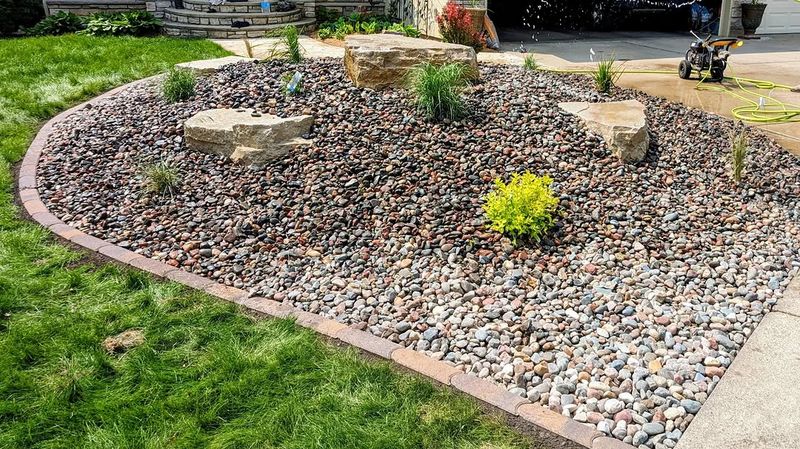
Swapping bark mulch for decorative rock is one of the most effective landscaping shifts Arizona homeowners can make to reduce scorpion harborage.
Rock does not retain moisture the way organic mulch does, and it does not decompose into the soft, spongy material that insects and scorpions find so attractive.
A well-laid rock landscape drains quickly after rain and dries out fast under the Arizona sun.
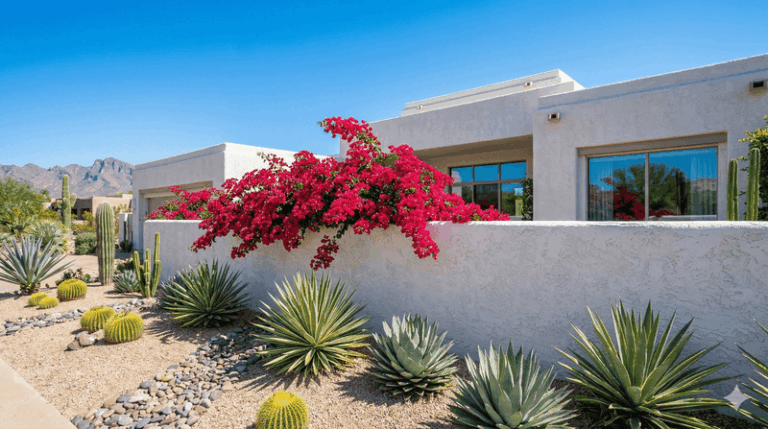
Decomposed granite and river rock are two of the most popular choices across Scottsdale, Mesa, and other Arizona communities. Both materials settle into a relatively compact surface with far fewer gaps than chunky bark mulch.
Scorpions can still hide under larger rocks, so choosing smaller, uniformly sized rock and laying it over a weed barrier helps reduce the number of accessible spaces.
Rock also makes scorpions easier to spot during a flashlight inspection at night. Bark mulch’s dark, textured surface camouflages scorpions almost perfectly, while light-colored granite or river rock provides better contrast.
Some Arizona homeowners use UV flashlights, which cause scorpions to glow a bright blue-green color, making nighttime detection far more effective on rock surfaces than on bark mulch.
Transitioning an entire yard from bark mulch to rock is a project, not an overnight fix, and costs vary depending on yard size and material choice.