The Fall Crops Oregon Gardeners Should Start Before Mid-August Sneaks Up
Mid-August has a sneaky way of arriving before the garden feels ready. Summer crops still dominate the beds, so fall planting can seem like a task for later.
Oregon’s shorter season does not leave much room for that delay.
Seeds need time to sprout before cooler days slow everything down. Miss the window, and even hardy crops may struggle to reach a useful size before fall settles in.
This is where a little calendar awareness pays off. A few open rows can become the start of a fresh harvest instead of empty soil after summer plants fade. Not bad for one quick afternoon outside.
The goal is not to replace the whole garden at once. It is to give the right crops an early start while warmth remains in the ground.
Act before mid-August, and autumn may arrive with far more on the table.
1. Broccoli Needs The Head Start
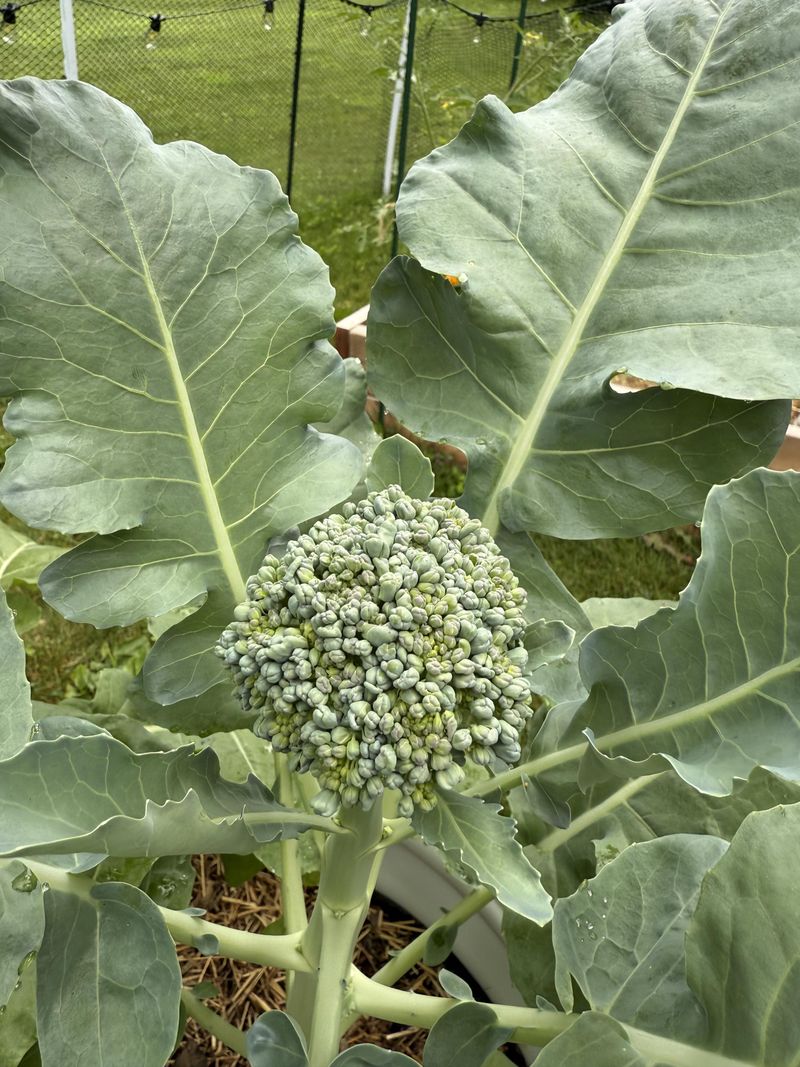
Few vegetables reward early planning quite like broccoli. Most gardeners think of it as a spring crop, but fall-grown broccoli is actually sweeter and more tender because cool air slows the sugars down inside the florets.
To hit that sweet spot, you need to start transplants by late July or sow seeds directly no later than early August.
Broccoli takes between 60 and 85 days to reach harvest depending on the variety. That timeline means mid-August planting pushes your harvest dangerously close to the first hard frost in many parts of Oregon.
Starting a few weeks earlier gives the plant time to build strong roots and a thick stem before the nights get cold.
Choose fast-maturing varieties like Belstar or Green Magic for fall planting. These were specifically bred to perform well in cool, wet conditions.
Set transplants about 18 inches apart and water them in well. Broccoli loves nitrogen, so mix compost into your bed before planting.
Side-dress with a balanced fertilizer once the plants are about six inches tall. Cabbage worms are a real threat in fall, so cover your plants with row cover fabric right away.
Keep the soil consistently moist but not waterlogged. Once the main head is cut, the plant will produce smaller side shoots that extend your harvest for weeks.
That bonus harvest alone makes the early effort completely worth it.
2. Cabbage Starts Better Before Cool Nights
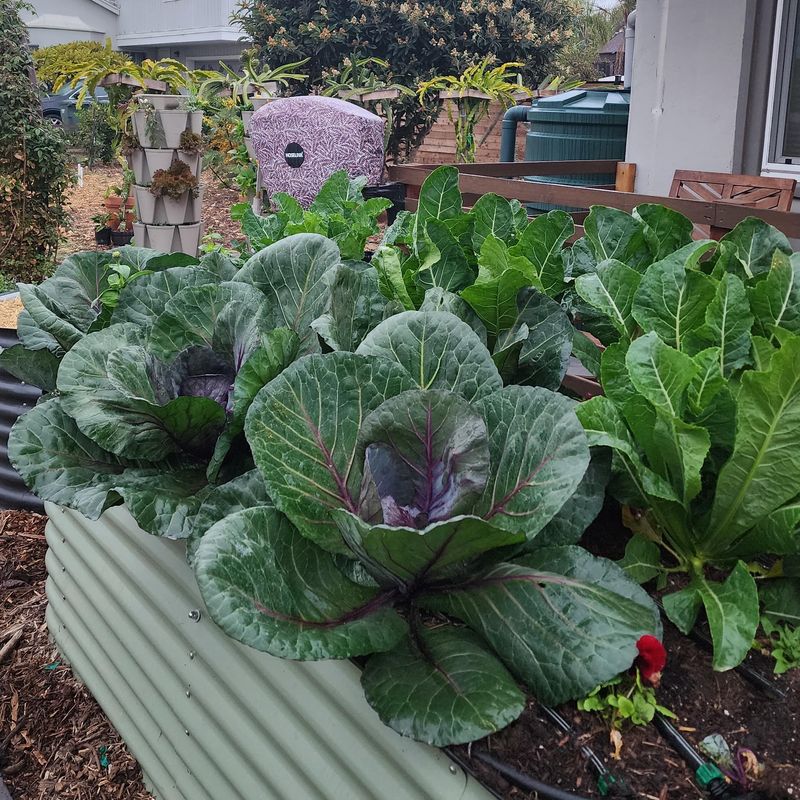
Cabbage has a reputation for being tough, and that reputation is well earned. But even tough plants have a timing sweet spot.
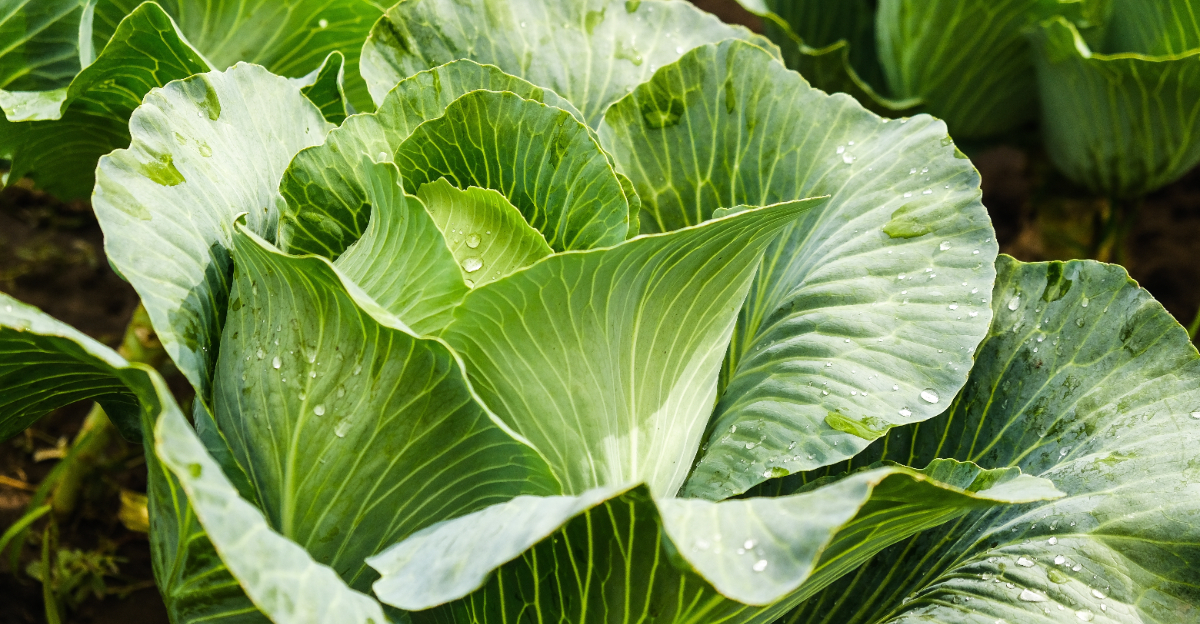
Starting cabbage transplants in late July and getting them in the ground by early August gives the heads enough time to form before the season shifts. Plants started too late will produce loose, leafy growth without ever forming a tight head.
Oregon’s fall weather is actually ideal for cabbage. The cool, damp conditions that arrive in September and October are exactly what this crop loves.
The trick is making sure the plant is already established and growing strong when that cool weather arrives.
A stressed or underdeveloped cabbage plant will stall rather than thrive when temperatures drop.
Your Oregon Garden Changes Every Week. Your Plan Should Too.
Gardening in Oregon changes quickly throughout the season. Every Friday you’ll receive a simple weekly plan showing exactly what to plant, prune, fertilize, harvest, and protect so you never miss the right timing.
Red and savoy types tend to handle fall conditions especially well. Varieties like Red Express are popular with fall gardeners across the Pacific Northwest.
Space plants about 18 to 24 inches apart so the heads have room to expand. Add a thick layer of compost to the planting bed and keep moisture steady throughout the season.
Cabbage roots are shallow, so avoid deep cultivation near the base. Watch for aphids, which tend to cluster under the outer leaves in fall.
A strong blast of water knocks them off easily. Harvest heads when they feel firm and solid when you press them gently with your palm.
3. Cauliflower Cannot Wait Too Long
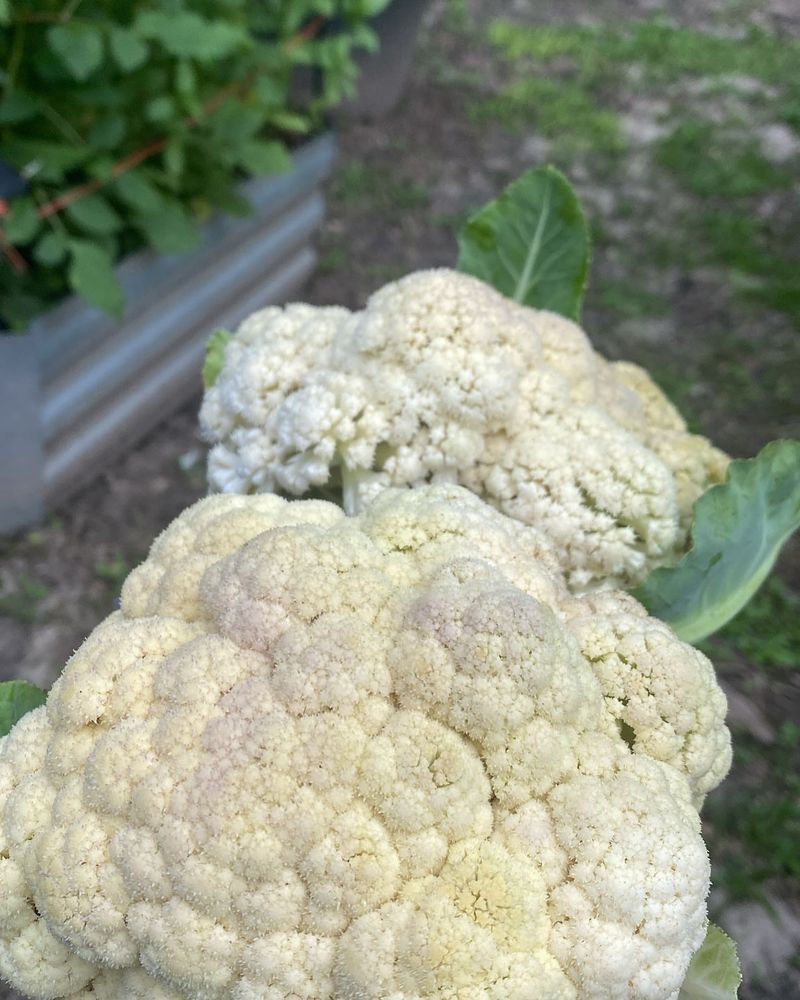
This is the most particular of the cool-season brassicas, and it will let you know when you have missed your window. The heads, called curds, need steady temperatures and consistent moisture to form properly.
Any stress from heat, cold snaps, or irregular watering causes the curds to open up and turn grainy. That outcome is called buttoning, and it happens more often with late-planted crops.
Getting cauliflower into the ground by early August is not just a suggestion. It is practically a requirement if you want a full-sized, dense head by October.
Most varieties need 60 to 80 days from transplant to harvest. That math leaves very little room for error when you factor in the cooling nights that arrive in our state by mid-September.
Self-blanching varieties like Snowball Y or Amazing are solid choices for fall planting because they wrap their own leaves around the developing head to protect it from sunlight.
That protection keeps the curd white and tender without requiring you to tie leaves manually.
Feed cauliflower with a nitrogen-heavy fertilizer early on, then switch to a phosphorus-based formula once you see the curd beginning to form. Keep the bed weed-free since cauliflower does not compete well.
Mulching around the base helps regulate soil temperature and holds moisture in place. Harvest promptly when the head reaches full size because it can turn yellow and lose quality within just a few days.
4. Carrot Need Time To Size Up
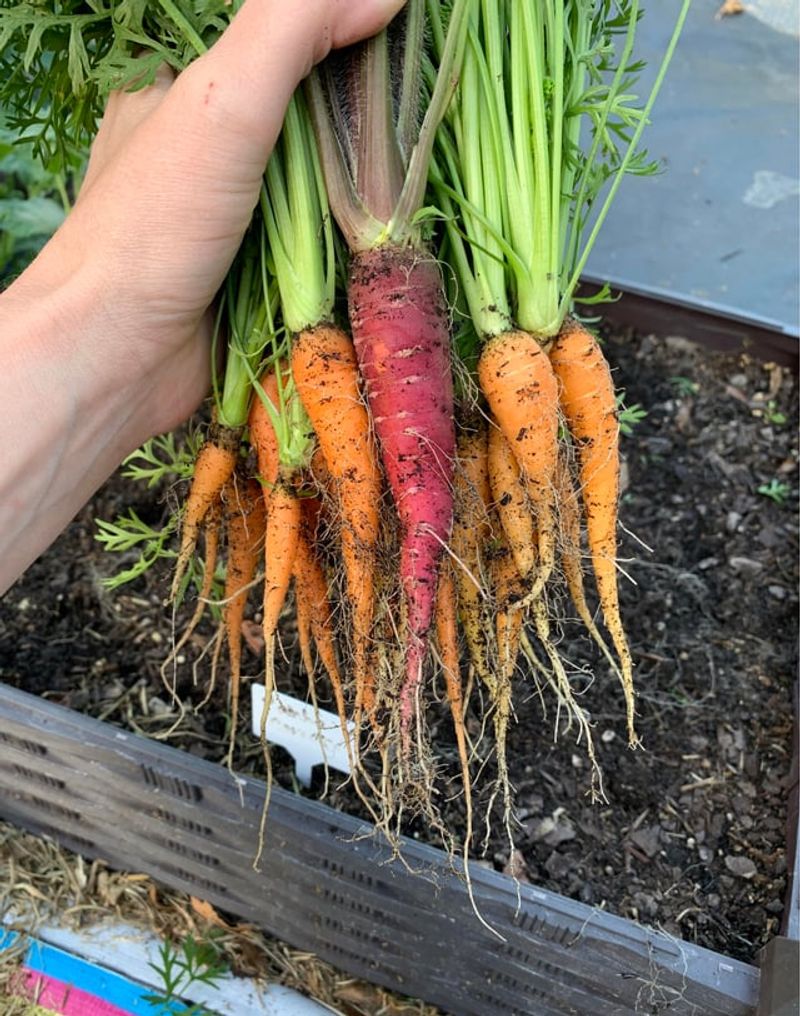
The cold converts starches in the root to sugars, making fall-harvested carrots noticeably sweeter than anything you pull in summer.
But to get that frost-kissed sweetness, the roots need to be nearly full-sized before temperatures drop below freezing.
That means planting in late July or the first week of August without delay.
Most carrot varieties need between 70 and 80 days to mature. Sow seeds directly into loose, well-amended soil since carrots do not transplant well.
Rocky or compacted soil causes forking and stunted growth, so loosen the bed at least 12 inches deep before sowing. Mix in some sand if your soil tends to stay heavy and wet.
Thin seedlings to about two inches apart once they reach two inches tall. Crowded carrots stay small and misshapen.
Keep the bed consistently moist during germination because carrot seeds are slow to sprout and will fail if the surface dries out. Varieties like Bolero, Scarlet Nantes, or Nelson are excellent choices for fall planting.
They mature relatively quickly and hold well in the ground through cold weather. One of the best things about fall carrots is that you do not have to harvest them all at once.
The ground acts like a natural refrigerator, keeping roots crisp and sweet until you are ready to pull them. That flexibility makes fall carrot planting one of the smartest moves in the garden.
5. Beets Get Sweeter With Early Timing
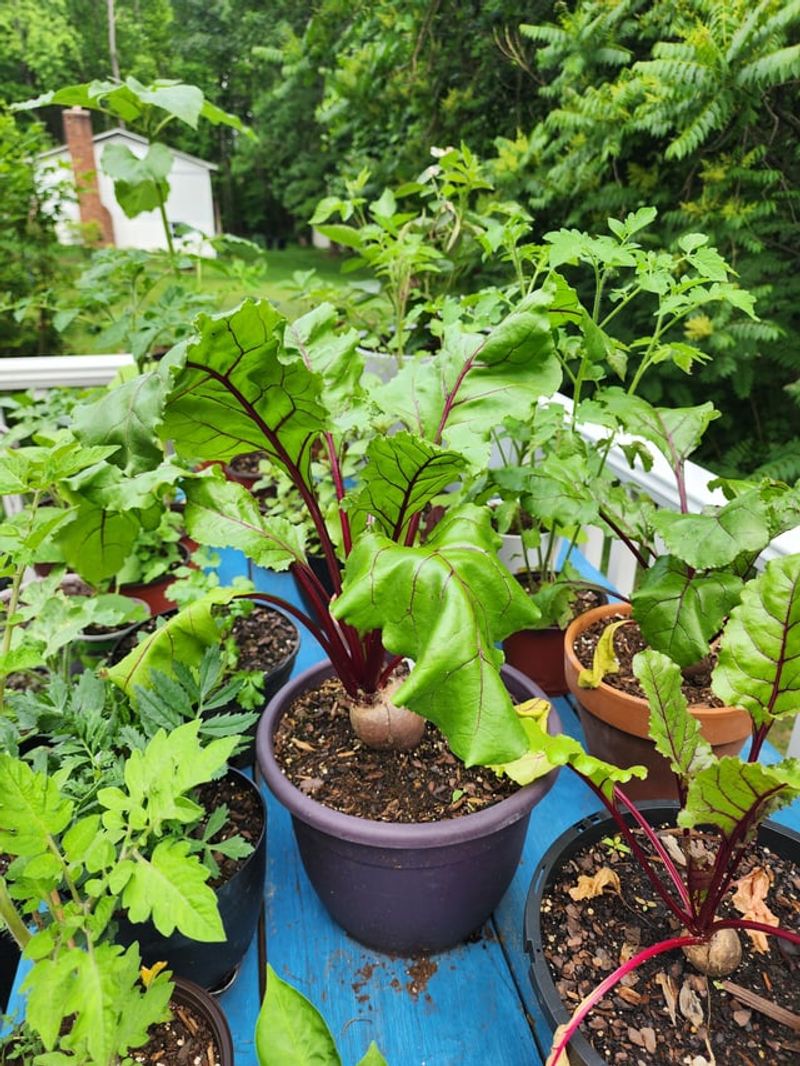
They tolerate light frost beautifully, and like carrots, they develop more sweetness as temperatures cool.
A beet harvested in October after a few cold nights has a richer, earthier flavor than anything grown in summer heat.
Getting them started in late July gives the roots plenty of time to swell up before that sweetening frost arrives.
Each beet seed is actually a cluster of seeds, so expect multiple seedlings to sprout from each one. Thin them to about three to four inches apart to give roots room to expand.
Crowded beets produce small, tough roots that are not worth the effort. Direct sow into loose, fertile soil about half an inch deep.
Beets prefer a slightly alkaline soil, so add a little lime if your beds run acidic, which is common in our state’s wetter regions.
Detroit Dark Red and Chioggia are two reliable varieties for fall planting. Chioggia has a striking red-and-white striped interior that makes it a fun surprise at the dinner table.
Water beets consistently but avoid soaking the soil. Mulching helps keep moisture even and prevents the soil from crusting over.
Beet greens are also edible and packed with nutrients, so thin your seedlings into a salad instead of composting them. Harvest roots when they reach about two to three inches in diameter for the best texture and flavor.
6. Turnips Are Fast But Still Need August
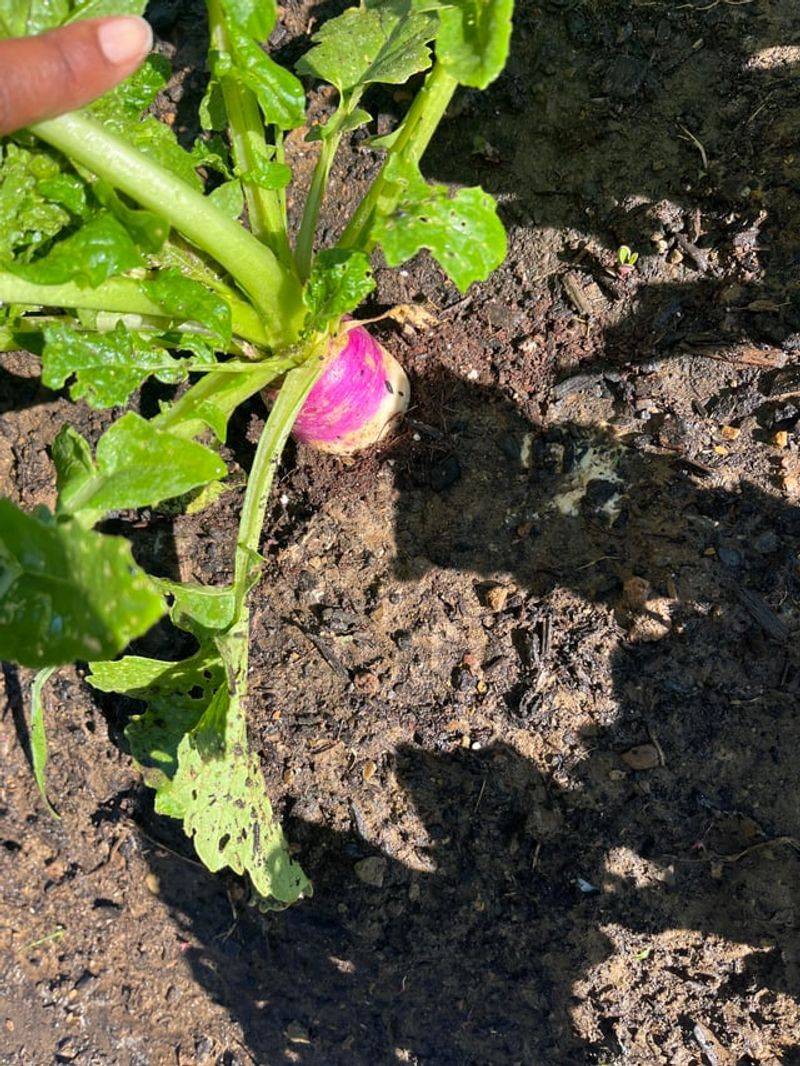
Most varieties are ready to harvest in just 35 to 60 days, which makes them one of the fastest cool-season crops available. That speed is tempting, and it leads some gardeners to assume they can wait until September to plant.
That assumption usually results in small, tough roots that never fully develop before the hardest frosts arrive.
Planting in early August gives turnips enough warm soil to germinate quickly and push roots down before the season shifts. The tops grow fast too, and turnip greens are edible at almost any stage.
Many gardeners grow turnips as much for the greens as for the roots, which makes them a two-for-one crop that fits perfectly into a productive fall garden.
Purple Top White Globe is the classic variety most gardeners in Oregon reach for. Hakurei is a Japanese salad turnip that is smaller, sweeter, and excellent eaten raw.
Sow seeds directly about half an inch deep and thin to four inches apart. Turnips need very little fertilizer since too much nitrogen pushes leafy growth at the expense of root development.
Keep watering consistent because uneven moisture causes roots to crack. Fall turnips can handle a light frost, and the cold actually improves their flavor.
Leave them in the ground a bit longer after the first frost and you will notice a sweeter, milder taste that makes even skeptical eaters come around to this humble root vegetable.
7. Green Onions Keep Beds Productive
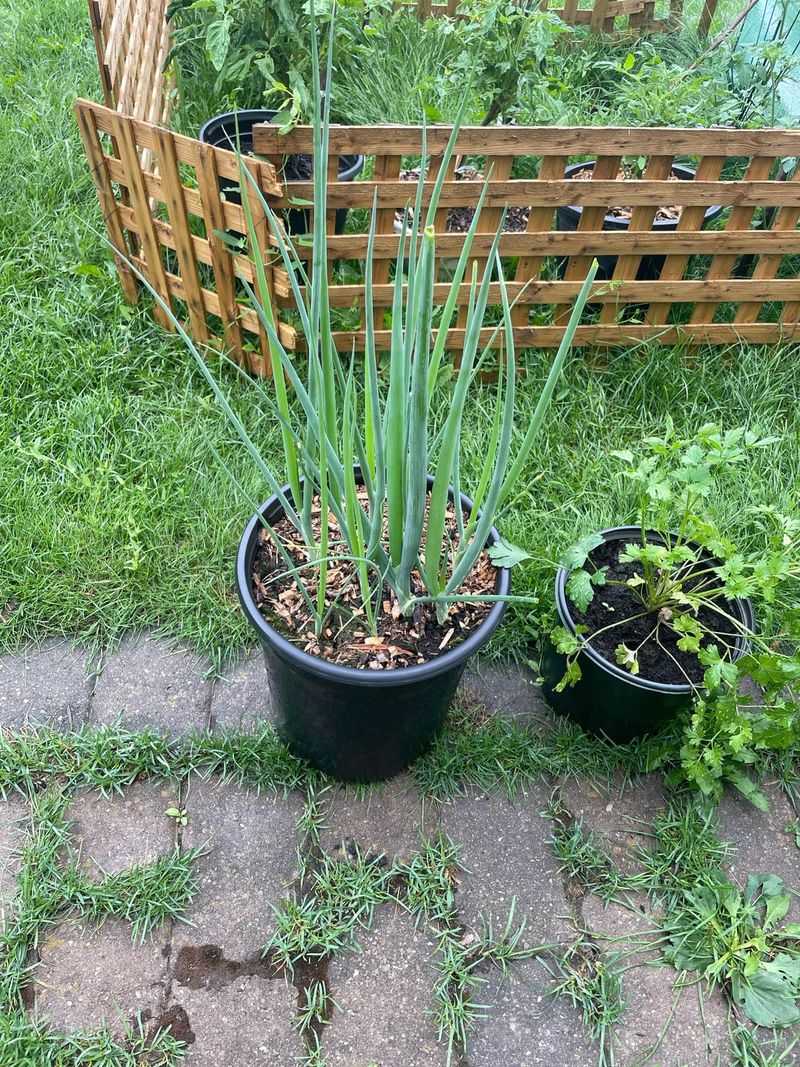
When a garden bed opens up after summer crops finish, green onions are one of the smartest things to tuck in.
They are quick, they take up almost no space, and they keep producing through light frosts without much fuss.
Planting sets or seeds in late July or early August fills those empty spots and keeps your garden working hard well into fall.
Green onions, also called scallions, are ready to harvest in about 60 to 70 days from seed or as few as 30 days from sets. That quick turnaround makes them ideal for squeezing into the calendar before mid-August arrives.
They grow well in containers too, which is handy if your main beds are still occupied by summer crops running out their season.
Evergreen Hardy White and Tokyo Long White are two varieties that handle cool, wet conditions especially well. Both stay upright and flavorful even as temperatures drop into the low 40s.
Sow seeds about a quarter inch deep and thin to one inch apart. Sets can be pushed into the soil with just the tip showing.
Green onions prefer well-drained soil and regular watering, but they are forgiving compared to bulb onions. Harvest by pulling individual plants when the tops reach about six to eight inches tall.
You can also trim just the green tops and leave the roots in the ground to regrow. That regrowth trick extends your harvest and keeps the bed looking tidy all season long.
8. Bush Beans Need An Early-August Push
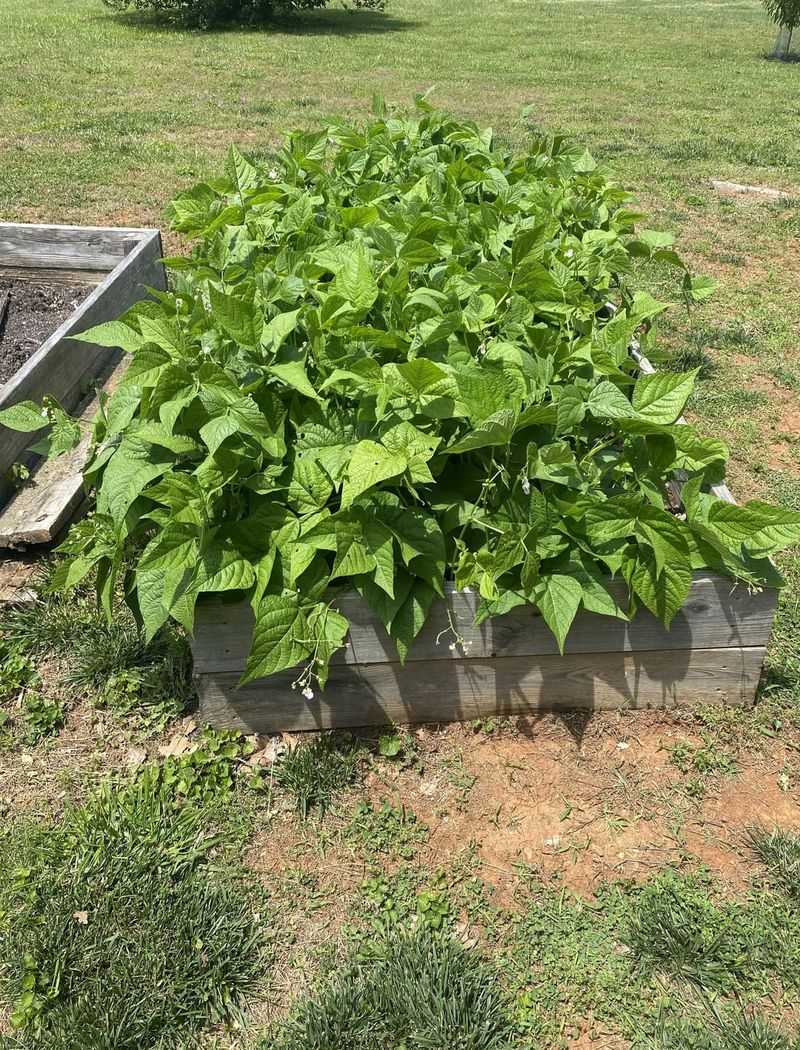
Bush beans are usually thought of as a summer crop, and most gardeners have already pulled their first planting by late July.
But a second sowing in early August can squeeze one more productive harvest out of the season before frost ends things.
The key is timing. Bush beans need about 50 to 60 days to mature, which means an August 1st planting can realistically produce pods by late September in many lower-elevation areas of our state.
Soil temperature matters a lot for bean germination. Seeds need soil that is at least 60 degrees Fahrenheit to sprout reliably.
Early August usually delivers that warmth in most Pacific Northwest valleys, making it the last realistic window for a fall bean planting. Wait until September and the soil may already be too cool for good germination.
Provider and Contender are two bush bean varieties known for tolerating cooler conditions at both ends of their growing season. Sow seeds one inch deep and about three inches apart in rows.
Do not soak the seeds beforehand since wet seeds in cool soil can rot before they sprout. Water the bed after sowing and keep moisture consistent until seedlings emerge.
Beans fix their own nitrogen, so they do not need heavy fertilizing. Watch for slugs, which love young bean seedlings in the moist fall garden.
A ring of diatomaceous earth around the planting area helps keep them back. Harvest pods when they snap cleanly and before the seeds inside start to bulge.
9. Peas Can Sneak In One More Crop
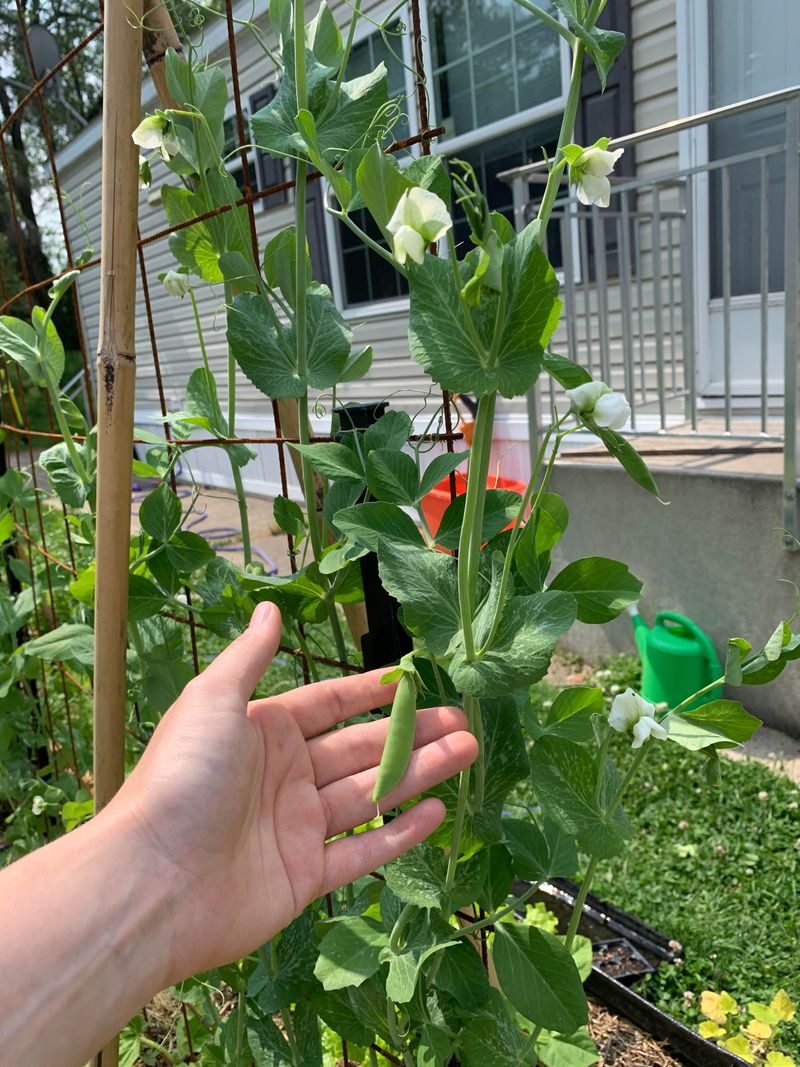
Most gardeners think pea season ends in June, but fall actually offers a second chance that many people overlook. Peas thrive in cool weather and can handle light frosts, which makes them a natural fit for the September and October conditions that define autumn in Oregon.
The catch is that you need to get seeds in the ground by late July or the very first days of August to give vines enough time to produce before hard frost arrives.
Fall peas face a different challenge than spring peas. Instead of racing against summer heat, they are racing against the calendar.
Choose fast-maturing varieties like Oregon Sugar Pod or Early Frosty that reach harvest in 60 days or less. Longer-season varieties simply will not have enough time to produce a meaningful harvest before conditions shut them down.
Sow seeds about one inch deep and two inches apart along a trellis or fence. Peas climb by tendrils and need something to grab onto as they grow.
Keep the soil moist during germination but avoid overwatering once vines are established. Powdery mildew can be a problem in fall, so choose mildew-resistant varieties when possible and give plants good air circulation.
Harvest snap peas when pods are plump and the peas inside feel rounded. Snow peas are best picked while the pod is still flat.
Either way, picking regularly encourages the plant to keep producing and extends your harvest window by a week or two.
10. Cilantro Returns As Heat Backs Off
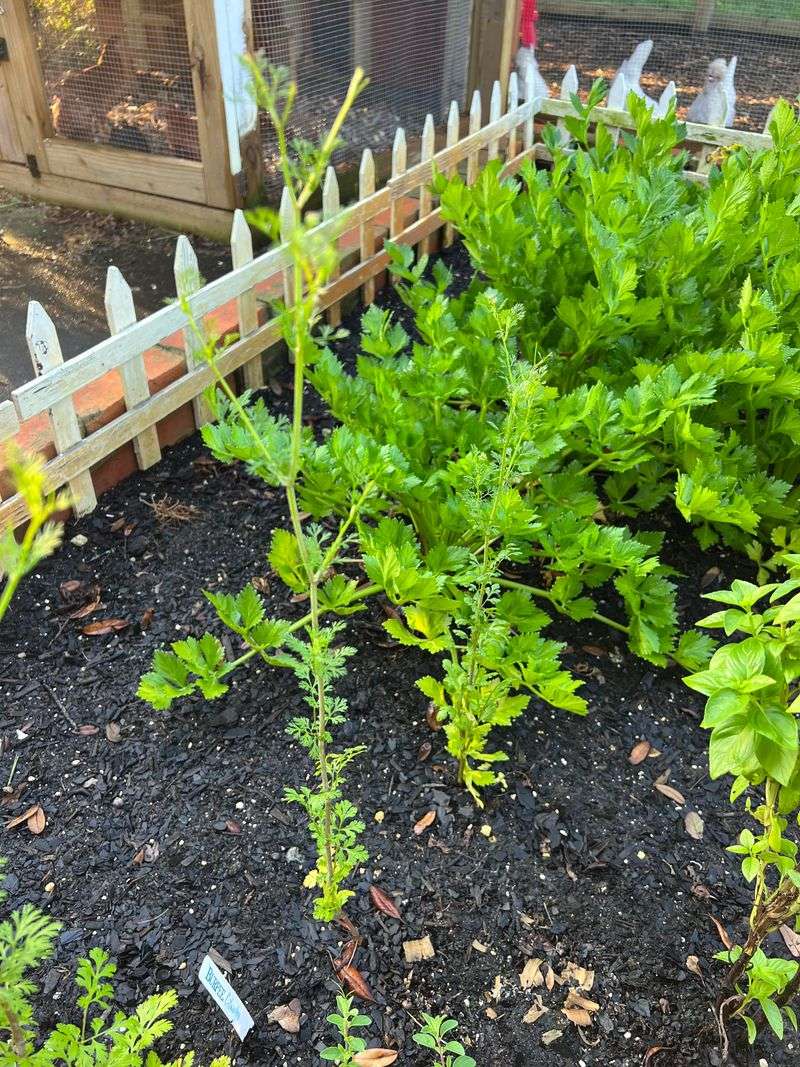
Anyone who has tried to grow cilantro in July knows the frustration of watching it bolt almost immediately after sprouting.
The moment temperatures climb above 75 degrees, cilantro sends up a flower stalk and the leaves turn bitter and sparse.
But as summer heat fades and August nights cool down, cilantro gets a second chance to shine as a productive and flavorful herb.
Sowing cilantro in early to mid-August takes advantage of the cooling trend that defines late summer in our state.
The herb germinates quickly in warm soil and grows steadily as temperatures ease into the comfortable range it prefers.
By September and October, you can have lush, full plants with thick, aromatic leaves that taste far better than anything grown in the heat of summer.
Slow-bolt varieties like Santo or Leisure are worth seeking out even for fall planting. They stay leafy longer and resist bolting better than standard types.
Sow seeds directly into the bed about a quarter inch deep and thin to about six inches apart for the fullest plants. Cilantro does not transplant well, so direct seeding is always the better approach.
Water regularly but avoid waterlogged soil. Once plants are established, harvest by snipping outer stems rather than pulling the whole plant.
That approach encourages new growth from the center and keeps the plant producing for weeks.
Cilantro also self-seeds generously, so let a few plants flower and you may find volunteers popping up the following spring without any effort at all.