Hard To Find Pennsylvania Flowers That Are Worth The Hunt
Some flowers are easy to find because they are everywhere. You see them at every garden center, in every catalog, and planted in yard after yard until they start to feel a little too familiar.
Then there are the ones that make plant lovers slow down, ask questions, and keep an eye out because they know a truly special find is not always sitting on the first display table. In Pennsylvania, those harder-to-find flowers can be the ones that bring the most excitement.
Part of the appeal is the thrill of tracking down something less common, but it is also about what those plants add once they are finally in the garden.
They can bring unusual color, rare flower shapes, stronger fragrance, or a look that feels fresh compared with the standard choices everyone already knows.
Some are overlooked gems, while others simply sell out fast because gardeners know how good they are.
That hunt makes the payoff even better. When you finally find a flower that feels a little rare and a lot beautiful, it gives the garden a more personal touch.
The result feels less like a copy of everyone else’s yard and more like something you chose with real intention.
1. Twinleaf
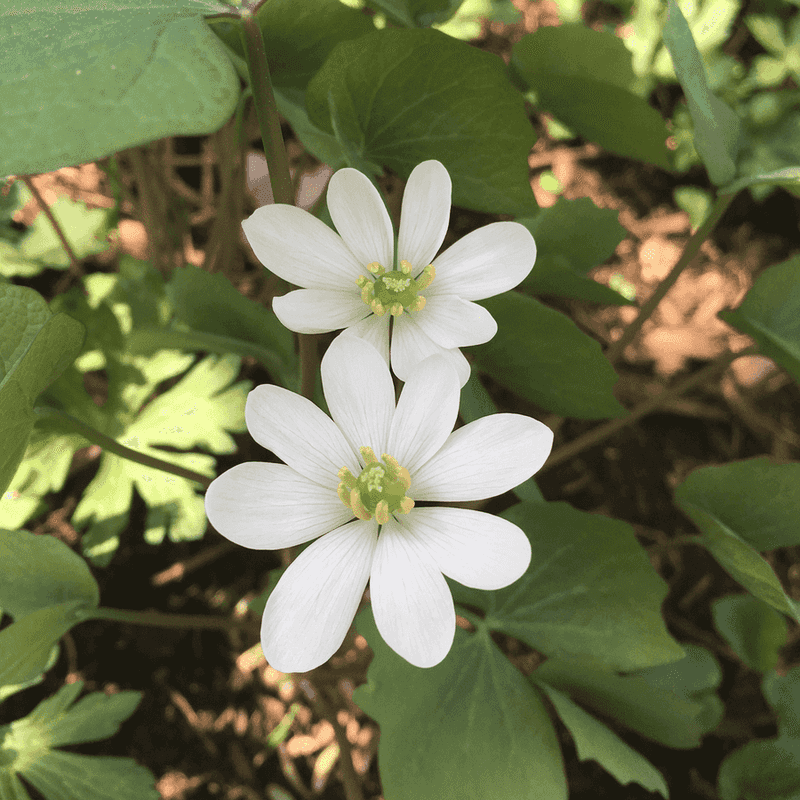
Not many plants can stop you in your tracks the way Twinleaf does. Named after President Thomas Jefferson himself, this rare woodland native grows in the rich, shaded forests of Pennsylvania and produces small, bright white flowers in early spring.
The blooms appear for only a short time, sometimes just a week or two, but the unusual deeply split leaves stick around all season and keep things interesting long after the flowers are gone.
Finding Twinleaf in the wild takes some effort. It tends to grow in moist, well-drained soil under a canopy of hardwood trees.
If you want to grow it at home, look for it at native plant nurseries or attend a Pennsylvania Native Plant Society sale. It settles in slowly but rewards patient gardeners with a look that feels both rare and refined.
In a shady garden, Twinleaf pairs beautifully with ferns, trilliums, and other woodland natives. The foliage alone makes it a conversation starter.
Leaves shaped almost like butterfly wings give the plant a sculptural quality that few other perennials can match. Once established, it spreads gently over time to form a quiet but elegant ground-level display.
If you love plants with personality and history, Twinleaf belongs in your Pennsylvania garden. It asks for very little and gives back a lot.
A shaded corner with rich soil is all it needs to thrive and show off its one-of-a-kind charm season after season.
2. Closed Bottle Gentian
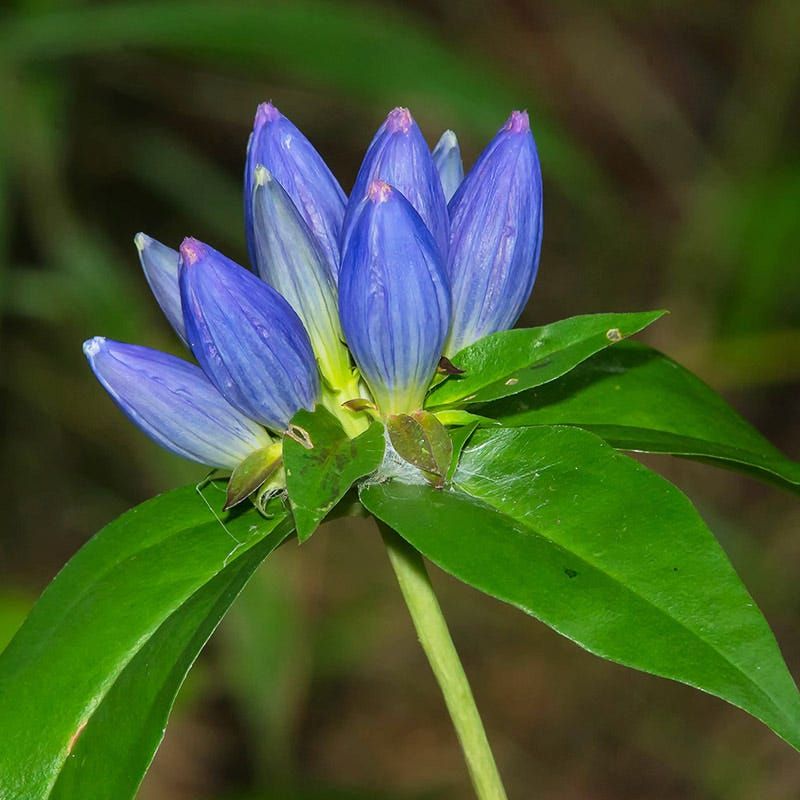
Imagine a flower so unique that it never fully opens. That is exactly what makes Closed Bottle Gentian one of the most fascinating native plants in Pennsylvania.
The deep blue, bottle-shaped blooms stay sealed at the top, giving the plant a mysterious and almost otherworldly look. Bumblebees are one of the few pollinators strong enough to push their way inside, making every visit to this flower feel like a tiny wildlife spectacle.
Your Pennsylvania Garden Changes Every Week. Your Plan Should Too.
Gardening in Pennsylvania changes quickly throughout the season. Every Friday you’ll receive a simple weekly plan showing exactly what to plant, prune, fertilize, harvest, and protect so you never miss the right timing.
Closed Bottle Gentian blooms from late August well into October, long after many other native flowers have faded. That timing alone makes it incredibly valuable in a garden setting.
When most of your summer plantings start looking tired, this plant steps up with rich, jewel-toned color that feels fresh and bold. It thrives in moist meadows and open woodlands across Pennsylvania, preferring consistently moist soil and full sun to light shade.
Tracking down this plant can take some searching. Specialty native nurseries and regional plant sales in Pennsylvania are your best bets.
Once you get it established in the right spot, it comes back reliably year after year. It works especially well near rain gardens or along stream edges where the soil stays naturally moist.
Gardeners who want something genuinely different will absolutely fall for this one. There is nothing else quite like it in the plant world.
The deep blue color, the unusual closed blooms, and the late season timing make Closed Bottle Gentian a true standout in any Pennsylvania native plant collection.
3. Bowman’s Root
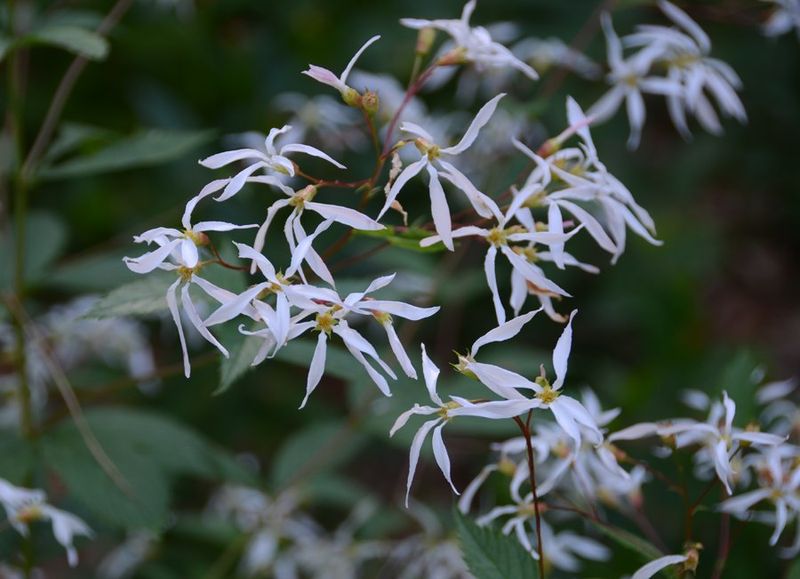
Picture a plant that looks like it is floating. Bowman’s Root has exactly that kind of magical, weightless quality.
Tiny white star-shaped flowers sit on slender reddish stems that sway in the slightest breeze, creating a soft, almost dreamy effect in the garden. It is the kind of plant that makes a border feel alive and full of movement without ever looking overdone or fussy.
Native to the woodlands of Pennsylvania and much of the eastern United States, Bowman’s Root thrives in part shade with rich, well-drained soil. It reaches about two to four feet tall, making it a great mid-border plant.
In summer, the white flowers attract a variety of pollinators. Come fall, the leaves shift to shades of orange and red, giving you a second season of visual interest without any extra effort on your part.
One of the best things about this plant is how naturally it fits into a woodland garden design. It blends seamlessly with ferns, native grasses, and other shade-loving perennials.
The airy texture softens bold foliage plants and adds a sense of grace to spots that might otherwise feel heavy or flat. It also holds up well in dry shade once it gets established, which is a real bonus in Pennsylvania gardens.
Bowman’s Root is not always easy to find at regular garden centers, but specialty native nurseries carry it. Once you get your hands on one, you will quickly understand why so many Pennsylvania gardeners consider it a hidden gem worth every bit of the search.
4. Wild Blue Phlox
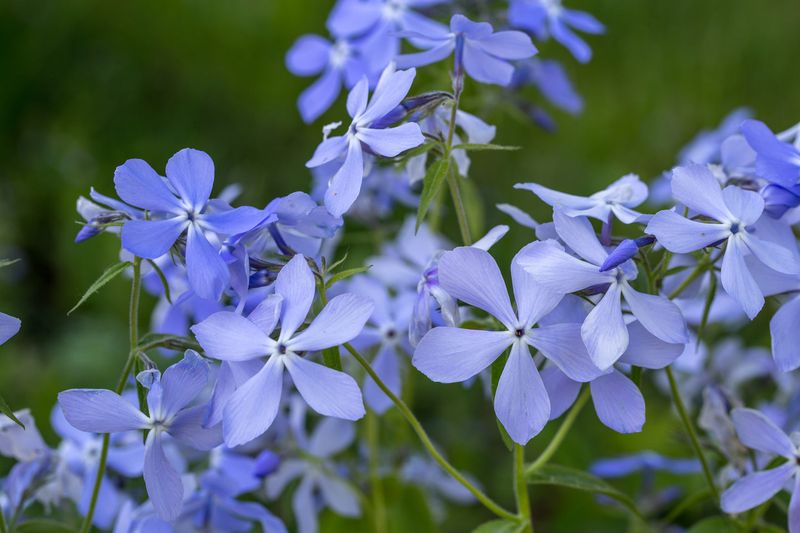
Walk through a Pennsylvania woodland in April or May and you might catch a faint, sweet fragrance drifting through the trees. Follow it and you just might find a carpet of Wild Blue Phlox spreading quietly across the forest floor.
Soft lavender-blue flowers cover the low, semi-evergreen mats in spring, creating one of the most charming seasonal displays any shaded garden can offer. The scent alone is worth growing it for.
Wild Blue Phlox blooms in light to moderate shade and loves moist, humus-rich soil. It spreads slowly over time to form a ground-covering mat that looks completely natural and effortless.
Unlike many common bedding plants, it has a gentle, woodland character that feels right at home under trees or along shaded paths. It also stays semi-evergreen through much of the year, giving you green coverage even in the quieter months.
Pairing this plant with spring bulbs, bleeding heart, or native ferns creates a layered woodland scene that looks like it belongs in a nature preserve rather than a backyard. Pollinators love it too.
Butterflies and hummingbird moths visit the blooms regularly during spring, adding even more life to the garden during those early warm days.
Well-stocked native nurseries in Pennsylvania sometimes carry Wild Blue Phlox, though it can sell out quickly in spring. If you spot it at a plant sale, grab it without hesitation.
Few native plants offer this much beauty, fragrance, and ease of care for such a small investment of time and effort.
5. Culver’s Root
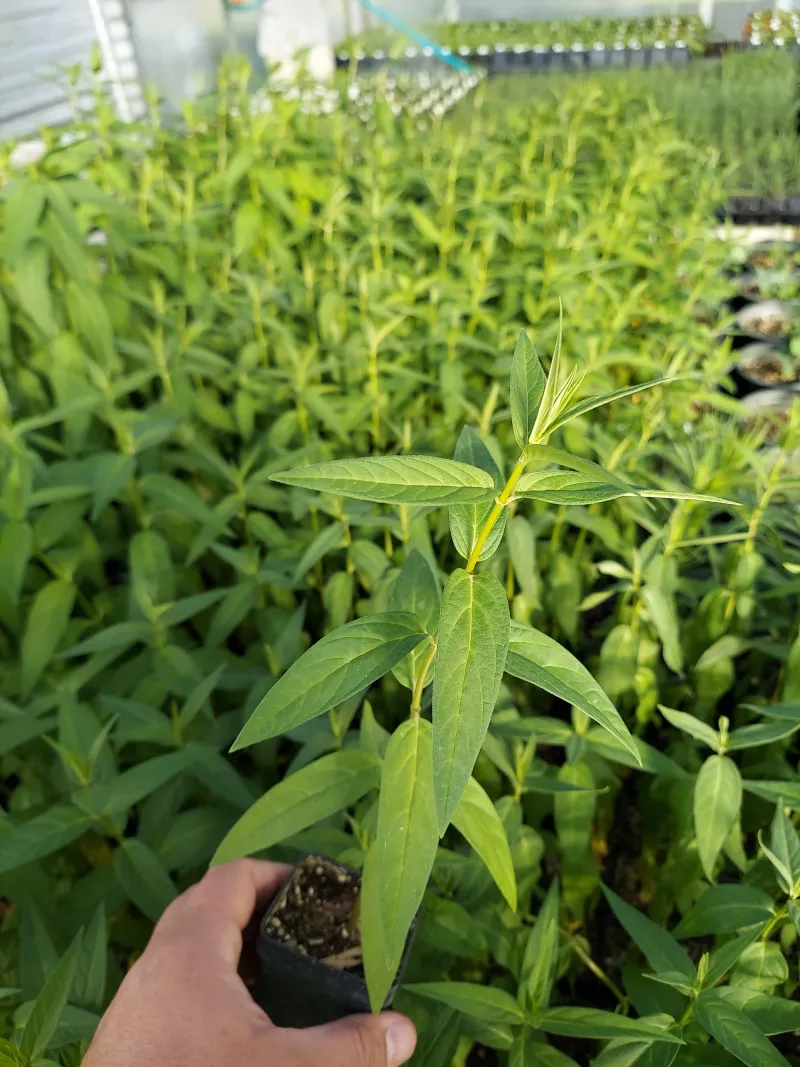
Few native plants command attention the way Culver’s Root does. Standing anywhere from four to six feet tall, this striking perennial rises above the surrounding garden like a natural exclamation point.
Slender white flower spikes shoot up from whorled leaves in midsummer, creating a bold vertical accent that works beautifully in meadow-style plantings and pollinator gardens across Pennsylvania. It is the kind of plant that makes people stop and ask what it is.
Culver’s Root thrives in full sun with average to moist soil. It is a magnet for butterflies, bees, and other beneficial insects, making it one of the most ecologically valuable native plants you can grow.
The blooms last for several weeks in midsummer, and even after the flowers fade, the architectural seed heads continue to add structure and visual interest well into fall.
Because of its height, Culver’s Root works best toward the back of a border or in the middle of a large meadow planting where it can stretch out without crowding shorter neighbors.
It pairs especially well with native grasses, Joe Pye weed, and black-eyed Susans for a wild, naturalistic look that feels both effortless and intentional at the same time.
Finding Culver’s Root may require a visit to a specialty native nursery or a browse through online native plant retailers that ship to Pennsylvania. It is worth the extra effort.
Once established, it comes back reliably every year and grows into a fuller, more impressive clump with each passing season, rewarding your patience handsomely.
6. Blue Lobelia
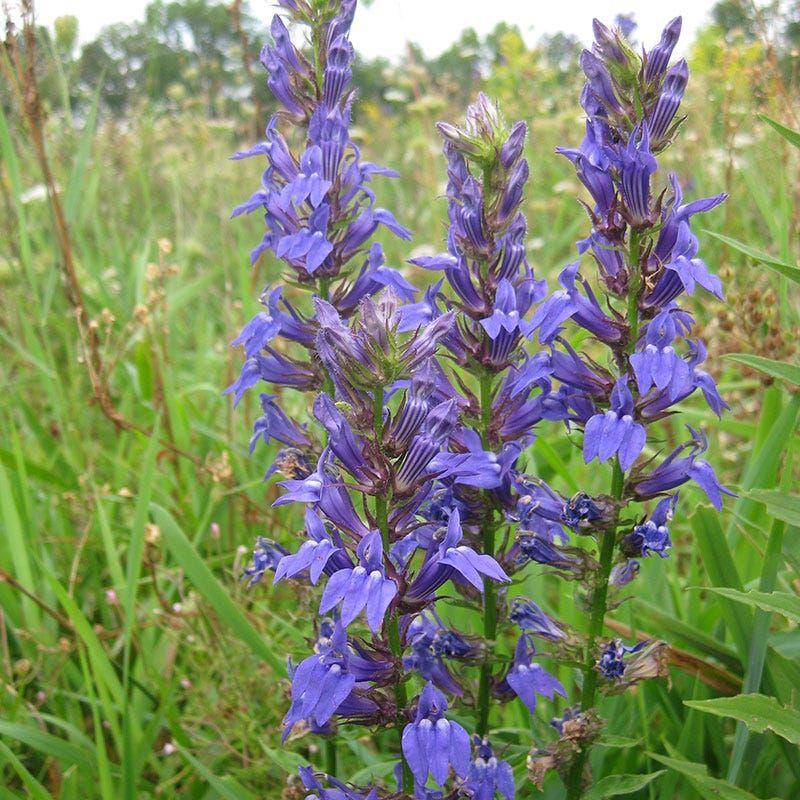
Late summer can feel like the hardest time to keep a garden looking exciting. Most spring and early summer flowers are long gone, and the heat has a way of wearing everything down.
Blue Lobelia steps in at exactly the right moment with bold, rich blue flower spikes that bring a burst of fresh energy to any planting. The color is genuinely unusual for the season, and it draws the eye from across the garden in the best possible way.
Native to moist meadows, stream banks, and woodland edges throughout Pennsylvania, Blue Lobelia loves wet conditions. It thrives in consistently moist to wet soil with full sun to part shade.
If you have a rain garden, a low-lying spot in your yard, or a pond edge that stays damp, this is your plant. It grows two to four feet tall and produces tubular blue flowers with delicate white accents that hummingbirds and bumblebees absolutely cannot resist.
Blue Lobelia self-seeds reliably in the right conditions, which means once you get it established, it tends to return and even spread on its own over time. That kind of low-maintenance persistence is hard to beat in a Pennsylvania garden.
It also combines beautifully with cardinal flower, swamp milkweed, and native sedges for a moist garden display that looks rich and layered.
Specialty native nurseries and online retailers are your best sources for finding Blue Lobelia in Pennsylvania.
Once you see it blooming in late summer, you will wonder how you ever gardened without it. The color alone is worth every bit of the search.
7. Turk’s Cap Lily
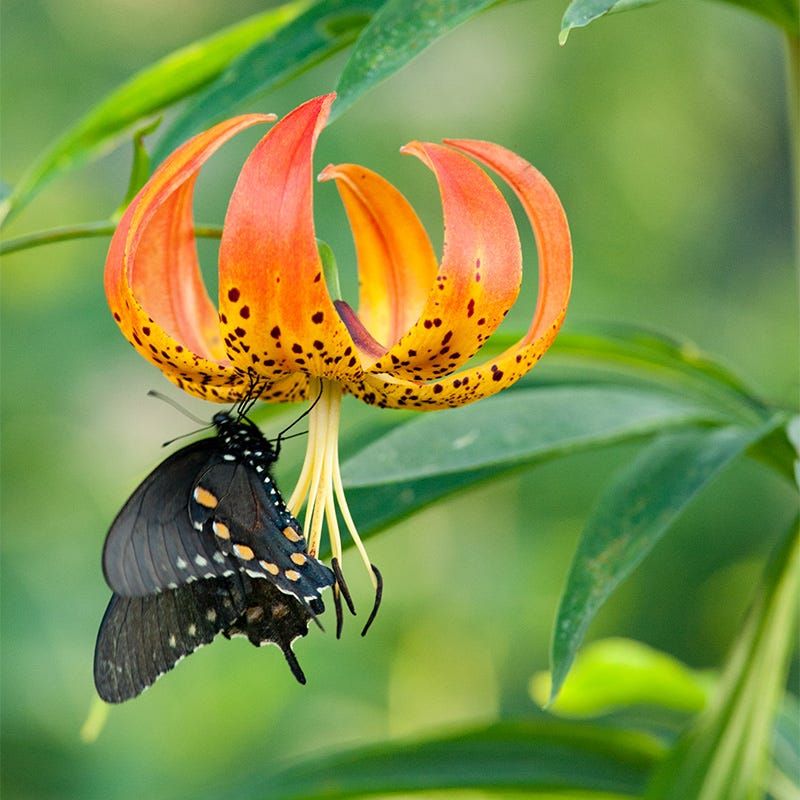
There is dramatic, and then there is Turk’s Cap Lily. This native lily is in a category all its own.
Growing up to eight feet tall with bold, recurved orange blooms spotted with dark markings, it looks like something you would expect to find in a tropical rainforest rather than a Pennsylvania meadow.
When it blooms in midsummer, it stops people in their tracks and sparks conversations that tend to start with the words, “What is that?”
Turk’s Cap Lily is native to moist meadows, stream banks, and woodland edges throughout eastern Pennsylvania and beyond. It thrives in full sun to part shade with consistently moist, well-drained soil that is rich in organic matter.
Each tall stem can carry anywhere from a handful to over a dozen nodding, recurved flowers at once, creating a display that feels both wild and spectacular at the same time.
Hummingbirds and swallowtail butterflies are frequent visitors to the blooms, making this plant a genuine wildlife magnet during the summer months.
Planting it near the back of a border or in a naturalistic meadow setting lets it show off its full height without overshadowing smaller plants.
It combines beautifully with Joe Pye weed, native grasses, and ironweed for a bold, late-summer scene.
Turk’s Cap Lily is not common at regular garden centers in Pennsylvania, but native plant nurseries and specialty growers do carry it. Getting your hands on one is the challenge.
Growing it successfully is the reward. Few plants deliver this level of wow factor with so little fuss once they settle into the right spot.