7 Garden Tools Worth Buying on Black Friday in Virginia
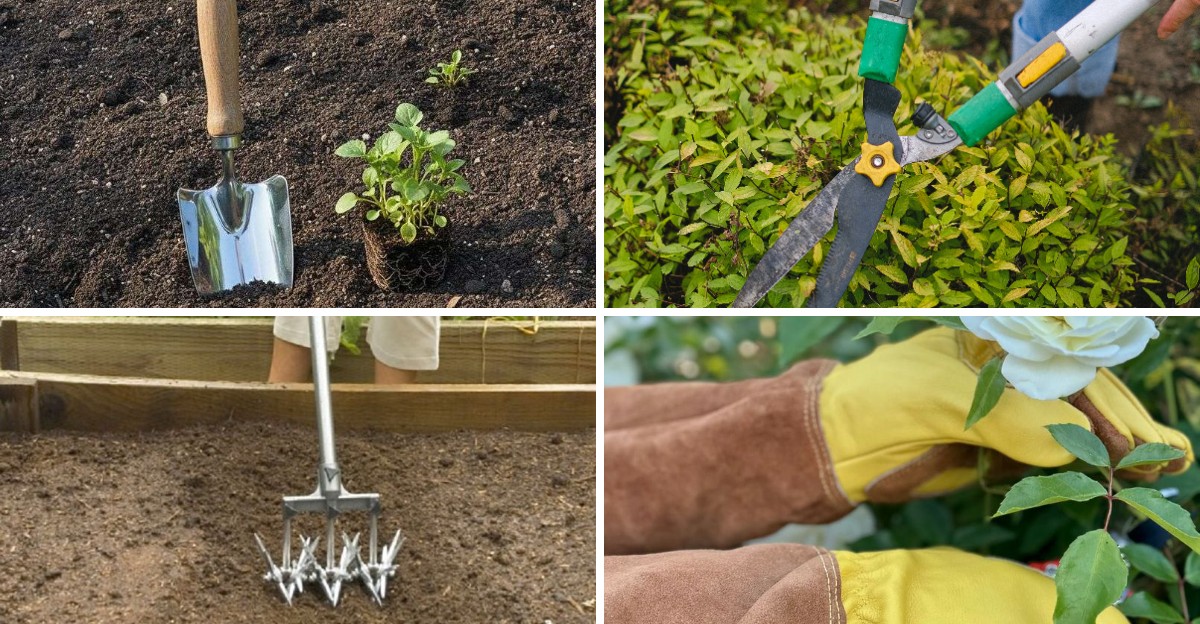
Black Friday lands after most Virginia gardens have already felt their first frost of the fall season. That timing feels odd, since shopping for garden gear happens while the tomato cages sit empty and cold.
Late fall is a smart window for cleanup work like pruning shrubs and spreading compost. Retailers know spring is the busy season, so plenty of garden tools drop in price during holiday sales.
I know because I bought a bargain-bin trowel that bent in half on day one. Cheap gear cost me more in the long run, along with a sore wrist and plenty of muttering.
Between you and me, a few smart upgrades now can make next spring in Virginia feel far easier. So which tools truly earn a spot in your cart when the deals finally go live?
1. Sharp Bypass Pruners For Clean Shrub Cuts
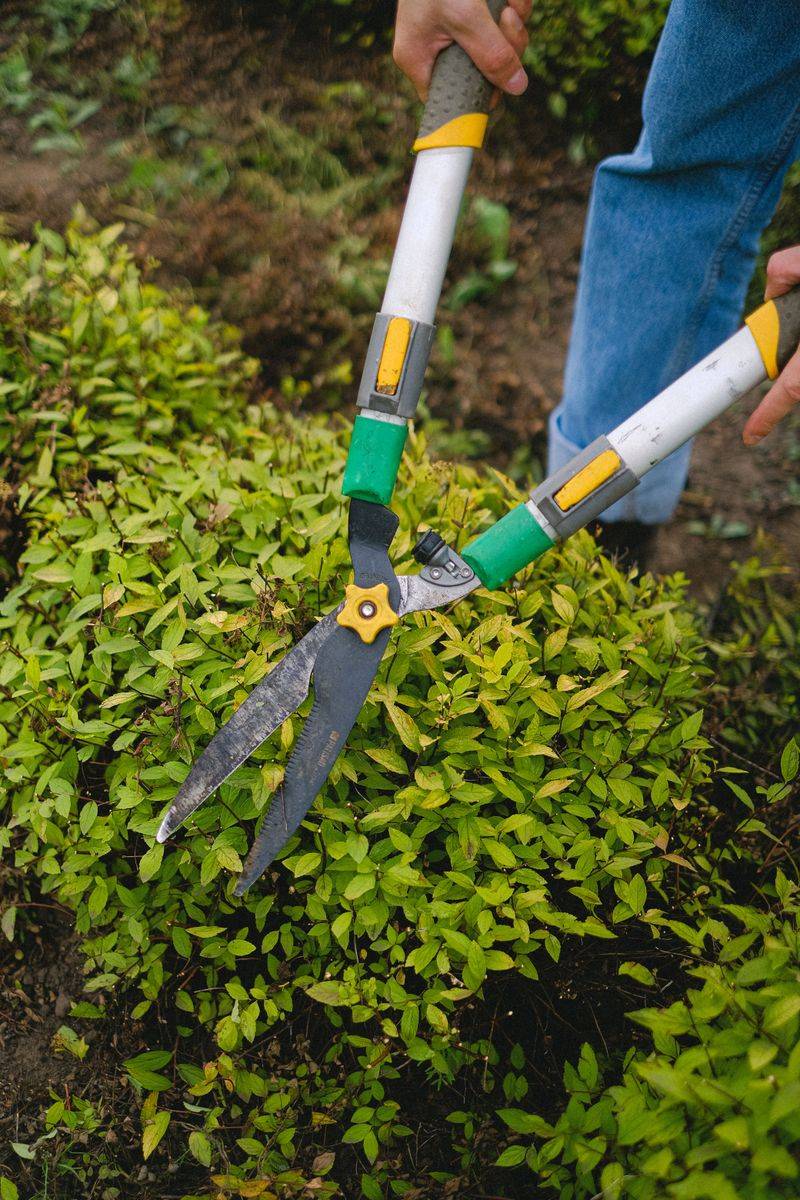
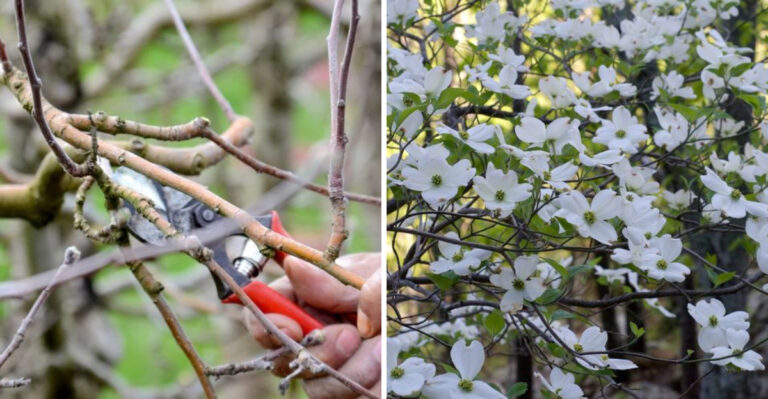
Snip a rose cane with dull anvil pruners and you can actually see the stem get crushed flat. Bypass pruners work like scissors instead, with one curved blade sliding past another for a clean slice.
Clean cuts matter because a smooth wound seals over faster than a ragged, mashed one on living branches. Crushed tissue gives fungi and bacteria an easier way inside, which can lead to trouble later in the season.
In my own yard, I have noticed that a good pair feels balanced, almost like it belongs in my hand. Look for replaceable blades and a spring you can swap, since those parts wear out before the handles do.
Stainless steel resists rust well, while high carbon steel often holds a sharper edge for a longer stretch. Either choice works fine, as long as you wipe the blades clean and dry them before storing.
Cut about a quarter inch above an outward facing bud, angled slightly so rain slides off the wound. Most hand pruners handle branches up to roughly three quarters of an inch, so grab loppers for thicker wood.
Timing deserves a quick word too, since spring bloomers like forsythia and azaleas set their flower buds months ahead. Pruning those now removes next year’s show, so save them for right after they finish blooming.
Between disease cleanup and shaping summer bloomers in late winter, Virginia gardeners will reach for these pruners often. A quality pair on sale might be the smartest small purchase you make all year long.
2. A Sturdy Hand Trowel For Clay Soil Planting
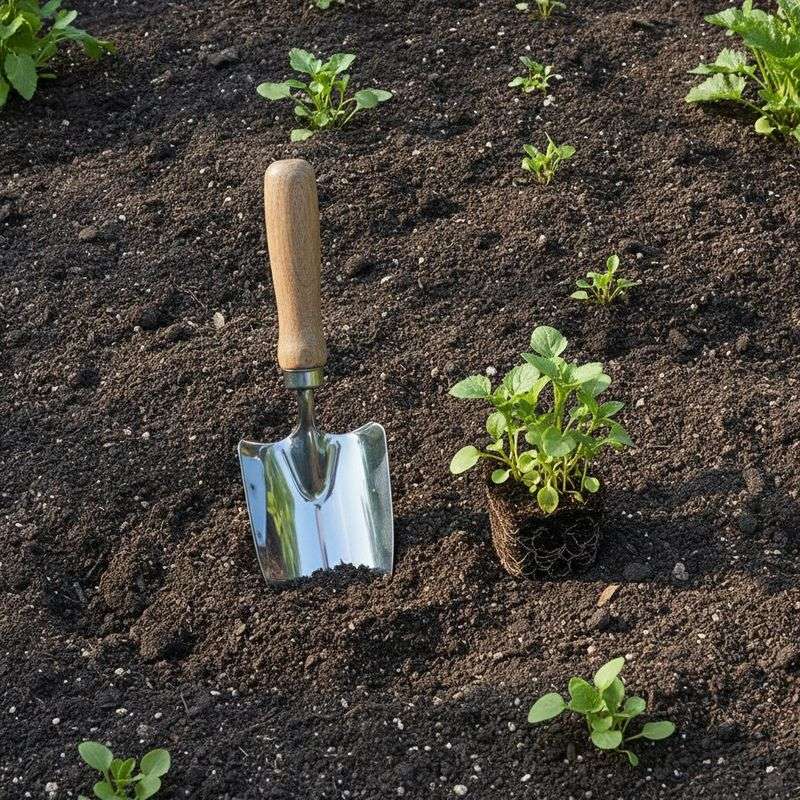
My first cheap trowel folded like a paper clip the moment it met a buried chunk of red clay. A well built trowel feels different right away, with weight in the blade and zero wobble at the handle.
Much of the Piedmont region carries heavy clay that turns hard as brick once summer dries it out. That soil punishes thin stamped metal, so a forged or one piece trowel is worth the extra money.
Weak points usually show up where the blade joins the handle, which is exactly where flimsy models snap. Look for a trowel with a solid shank running deep into the grip, or a single cast design.
Stainless steel blades clean up easily and shrug off rust, even if you forget them outside overnight sometimes. Depth markings stamped on the blade are handy for planting bulbs like tulips and daffodils at the right level.
Speaking of bulbs, late fall is still a fine window for getting spring flowering bulbs into the ground. Most daffodils and tulips like planting depths around three times the height of the bulb itself.
Blade shape matters more than you might expect, so think about the jobs you do most often. Narrow blades slip between crowded plants nicely, while wider scoops move potting mix and compost much faster.
For what it is worth, a comfortable grip turns an hour of planting into something closer to fun. Try holding one in the store first, then watch for that same model to drop in price online.
3. A Steel Digging Fork For Breaking Up Clay
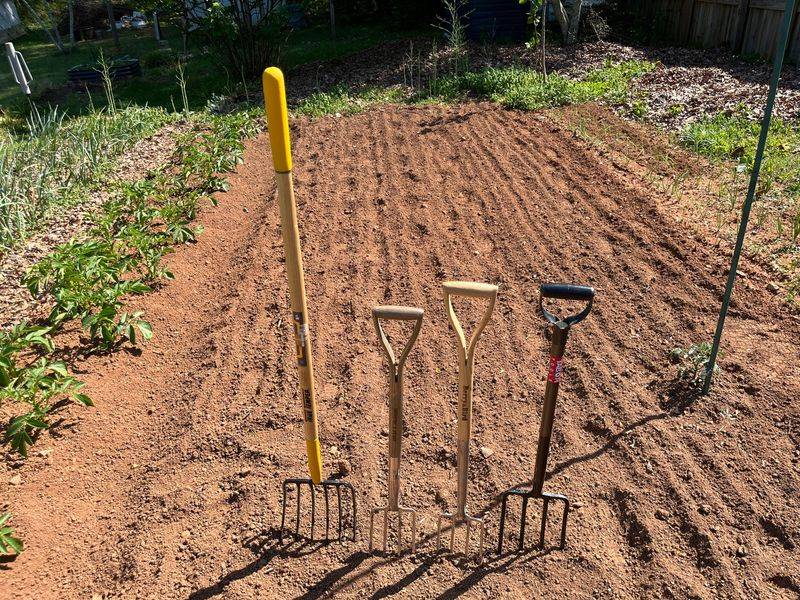
A shovel slams into compacted ground and stops, but a digging fork slides in with four narrow points instead. Those slim tines cut through tough soil with far less effort, which your lower back will notice right away.
Digging forks shine when loosening beds before planting and working compost deep into stubborn soil layers. They also lift potatoes and carrots out gently, since tines rarely slice through crops the way a spade does.
Look for four square tines made of forged steel, since flat or thin tines tend to bend under pressure. A strong connection between the head and handle matters too, because that joint takes most of the strain.
Handle material is mostly personal preference, though fiberglass resists weather better than wood left outside in rain. Taller gardeners should check overall length, since a short fork forces extra bending with every single push.
Let’s just say I learned not to dig clay while it is soggy after a long rainy week. Working wet clay squeezes out air pockets and leaves hard clods that take ages to break down again.
A simple squeeze test helps here, so grab a handful and see whether it crumbles or forms a sticky ball. Crumbly soil is ready for digging, while a shiny ball means you should wait a few more drier days.
Fall is a handy season for spreading compost over beds, then gently forking it in before winter arrives. By spring, earthworms and freezing cycles will have helped blend everything into softer, richer soil for planting.
4. A Hori Hori Knife For Pulling Deep Weeds
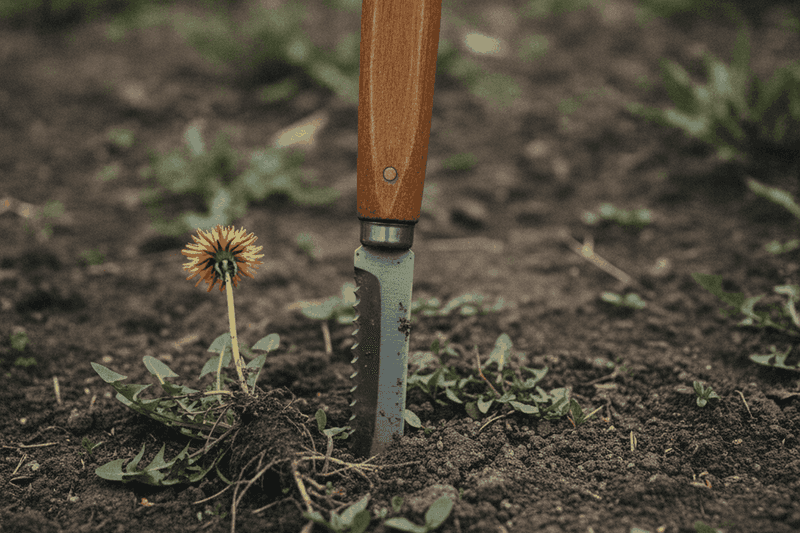
Hori means to dig in Japanese, so the name of this tool basically says dig dig out loud. It looks like a hefty knife with a dished blade, and it handles more jobs than you would guess.
One edge is usually serrated for sawing through roots, while the other stays smooth for slicing twine or stems. The pointed tip pokes into tight spots between perennials where a trowel feels clumsy and much too wide.
Weeding is where it truly earns its keep, especially with deep rooted invaders like dandelions and wild onion. Slide the blade straight down beside the root, then rock it gently to pop the whole thing free.
What caught my attention the first time I used one was how quickly the weeds by my mailbox disappeared. I stopped carrying several separate tools around the yard and just clipped one sheath to my belt instead.
Look for a full tang blade, meaning the metal runs through the handle rather than ending at the base. Inch markings etched on the blade help with planting depth, which comes in handy for garlic and spring bulbs.
Stainless steel versions resist rust nicely, while carbon steel holds a keen edge but needs a little oil after use. Either way, keep the sheath on when walking around, because that sharp tip deserves real respect near kids and pets.
These knives also make thoughtful gifts for the gardener who seems to own every other tool already. Grab one for yourself during the sale, and maybe a second one for a friend who loves weeding.
5. A Long Handled Cultivator For Weeding Standing Up
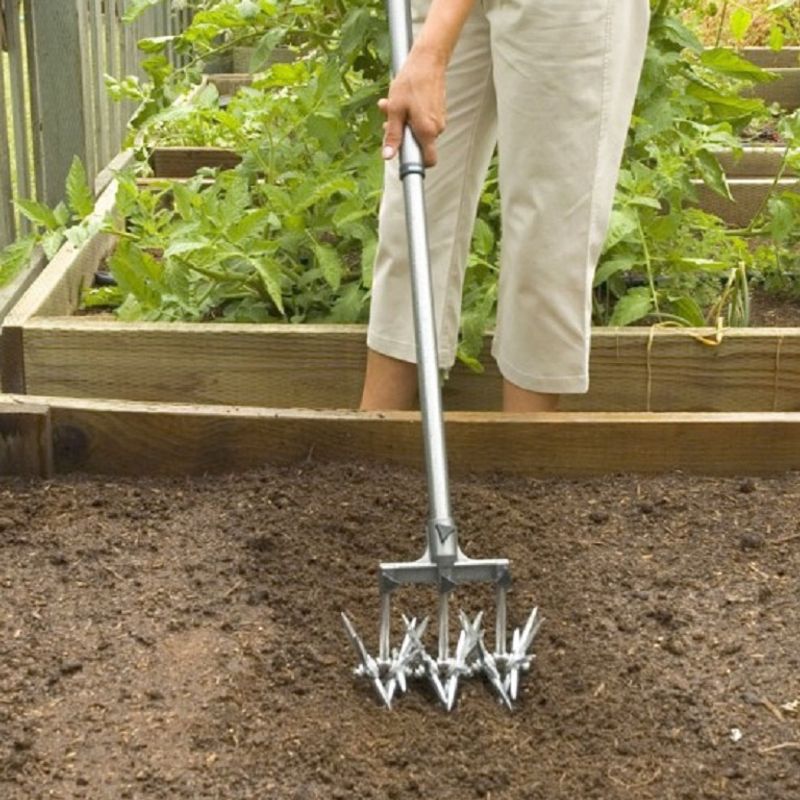
My knees started complaining long before I admitted that crawling along garden rows was not working anymore. A long handled cultivator lets you scratch the soil surface and uproot small weeds while standing tall.
Most models feature three or four curved tines that rake through the top inch or two of soil. Shallow cultivation matters, because digging deeper can bring buried weed seeds up to the surface where they sprout.
Young weeds are the easiest to manage, so frequent light passes beat one exhausting session after weeds take over. Running the cultivator through beds once a week during the growing season keeps things tidy with little strain.
Handle length deserves careful attention, since a pole that is too short pulls you back into a hunch. Many gardeners prefer a handle reaching about chest height, which lets arms do the work while your spine stays straight.
In Virginia, plenty of cool season weeds like chickweed and henbit sprout in fall and keep growing through mild winter spells. Scratching them out now, while they are tiny, saves a much bigger headache when spring warms the soil.
Look for a head made of steel rather than thin aluminum, because rocky or clay soil bends weaker metal quickly. Some cultivators have adjustable tines or swappable heads, which add flexibility for beds of different sizes.
If you ask me, this tool is a gift to anyone who wants to keep gardening for decades. Comfort keeps us coming back outdoors, and a sale price makes that comfort a lot easier to justify.
6. A Wheelbarrow For Hauling Fall Leaves And Mulch
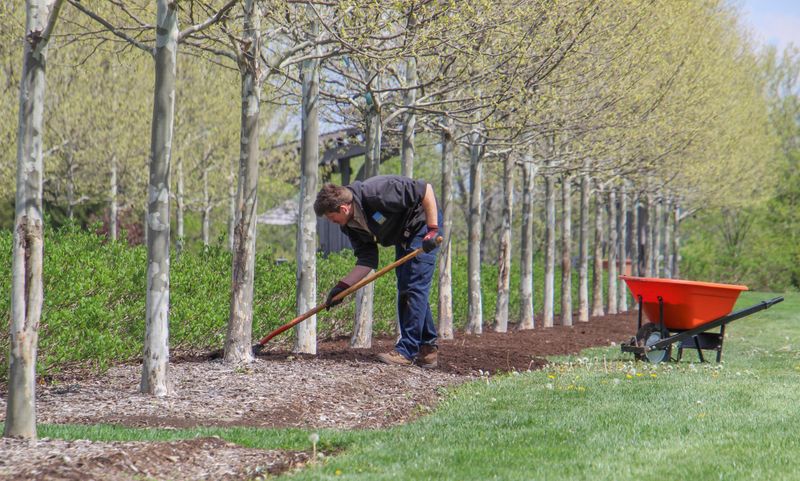
Fall leaves pile up fast, and hauling them across the yard in a tarp gets old by the third trip. A sturdy wheelbarrow turns that chore into a few quick runs, and the compost pile gets fed much sooner.
Tub material is the first big choice, with poly plastic weighing less and resisting rust in damp weather. Steel tubs handle bricks and heavy wet soil better, though they can rust if scratched and left outside.
Tires matter more than people expect, especially on lumpy lawns or gravel paths around the house. Air filled tires soak up bumps nicely, while flat free tires skip the hassle of a slow leak each spring.
Single wheel barrows turn tightly and tip easily into beds, which helps when dumping mulch between shrubs. Two wheel models feel steadier with heavy loads, so they suit gardeners who worry about balance or wobbly wrists.
Don’t make my mistake of buying a giant tub I could barely push once it was filled with soil. A six cubic foot capacity works well for most home gardens, while bigger sizes suit larger properties and farm chores.
Load heavier materials toward the front, over the wheel, so your arms carry less weight on every trip. Lift with your legs rather than your back, and keep the handles low when rolling across slopes.
Bulky items like wheelbarrows sometimes get marked down late in the year as stores clear floor space. That timing can work in your favor, with a sturdy model ready and waiting when mulching season returns.
7. Leather Garden Gloves For Thorny Rose Pruning
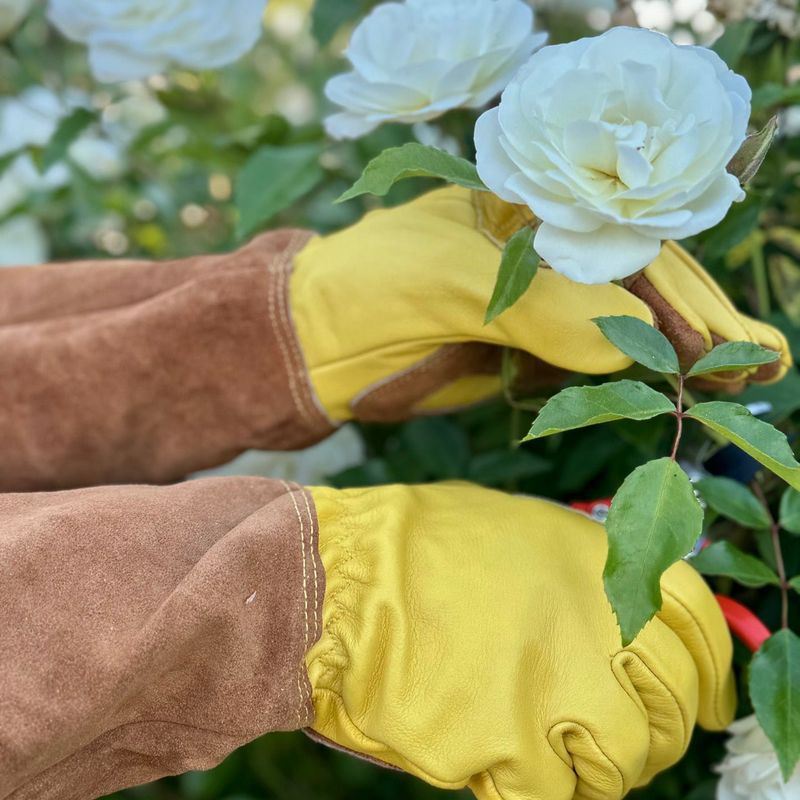
A single rose thorn buried in your thumb can spoil a whole afternoon of pruning in the garden. Good gloves prevent that misery, and they make gripping tools much easier when hands get sweaty or muddy.
Rose thorns can also carry a fungus called Sporothrix, which causes a skin infection sometimes called rose gardener’s disease. Health agencies recommend wearing gloves and long sleeves when handling rosebushes and sphagnum moss to lower that risk.
Leather gloves remain a top pick for thorny jobs, especially goatskin, which stays soft while resisting punctures well. Gauntlet styles extend up the forearm, shielding your wrists when you reach deep into prickly shrubs or bramble patches.
For lighter work like seeding or transplanting, nitrile coated knit gloves offer excellent grip and plenty of finger feel. They breathe better in warm weather and usually toss right into the washing machine after a muddy afternoon.
Fit is everything, since loose fingertips make it frustrating to pinch seeds or tie up a climbing vine. Snug gloves move with your hands, while baggy ones bunch up and rub blisters onto your palms over time.
Looking back, I should have bought two pairs years ago instead of stretching one battered set across every job. Keeping one tough pair for pruning and one light pair for planting makes each task feel noticeably easier.
Gloves are also simple to bundle into a Black Friday order, since they rarely cost much even at full price. Toss a couple of pairs in your cart, and your hands will thank you through every Virginia season ahead.