Wood Chips Vs Shredded Leaves In North Carolina Flower Beds, Which Breaks Down Better In Humidity
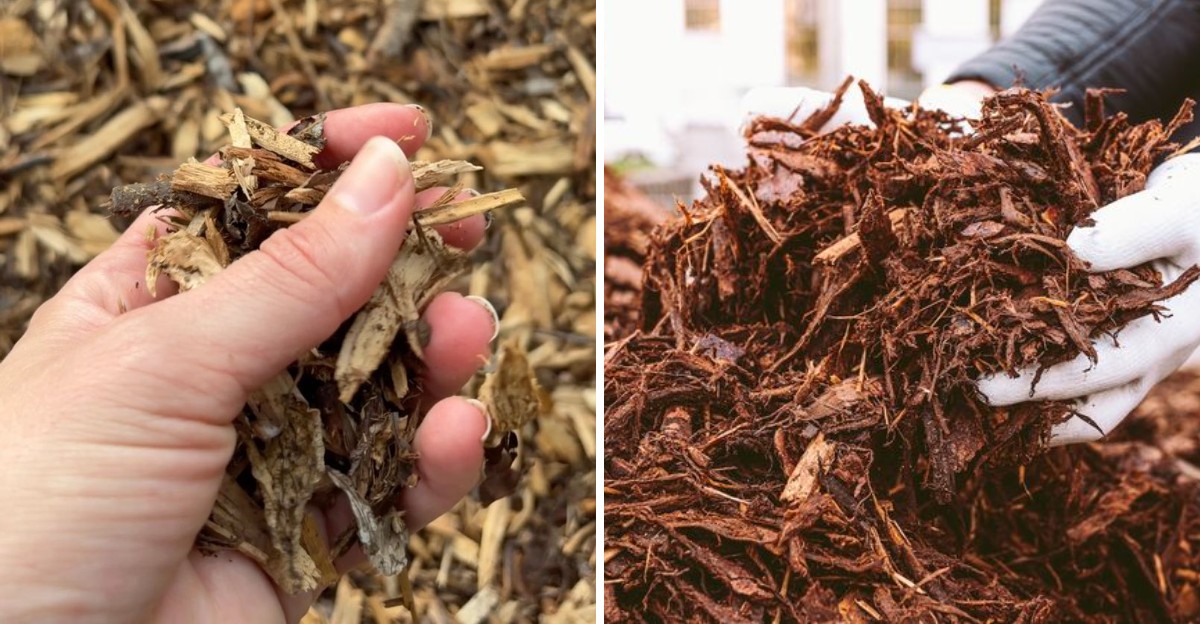
Choosing the right mulch matters more in North Carolina’s humid climate, where moisture and warmth speed up decomposition in ways that vary significantly between materials.
Wood chips are denser and break down slowly, offering longer-lasting coverage but contributing organic matter to the soil at a much slower rate over time.
Shredded leaves, by contrast, decompose relatively quickly in humid conditions, enriching the soil faster but requiring more frequent replenishment to maintain adequate coverage.
This difference in breakdown speed affects not just how often mulch needs replacing, but also how quickly nutrients become available to nearby plants.
Understanding how each material performs under North Carolina’s humid conditions helps gardeners choose the right option for their specific beds and goals.
1. Shredded Leaves Break Down Faster
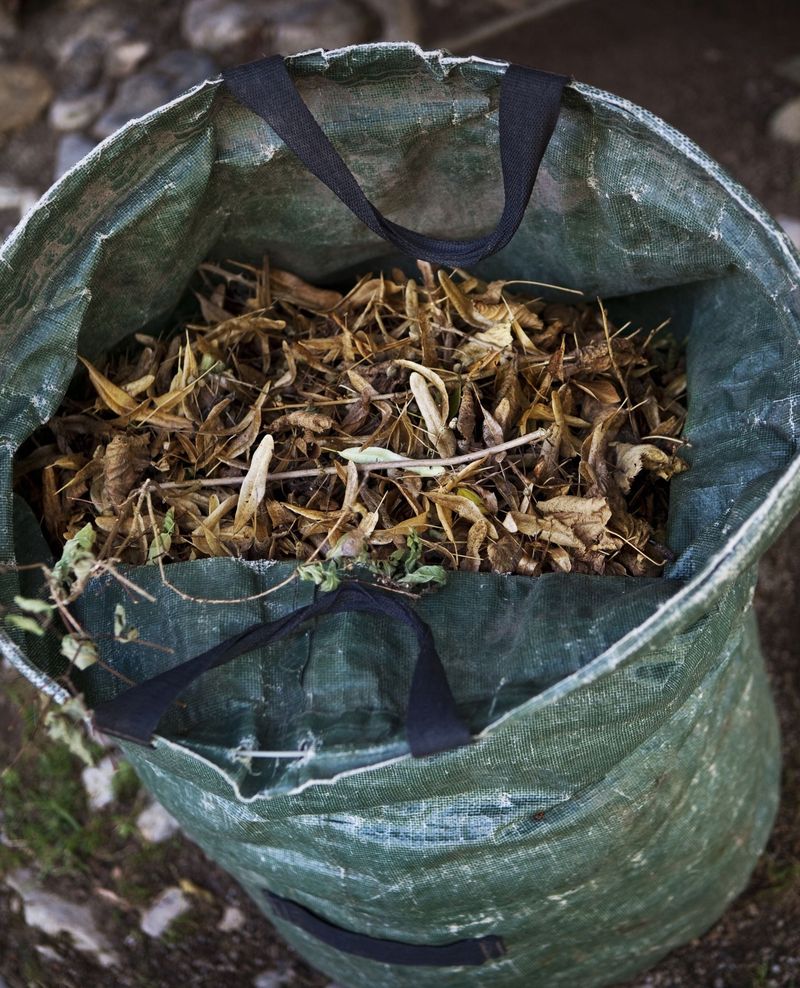
Picture a pile of chopped-up leaves sitting on warm soil, and you can almost watch them soften week by week. Shredded leaves come apart quickly because tearing them into small pieces creates lots of surface area.
More surface means more space for fungi, bacteria, and tiny soil creatures to get to work. North Carolina’s warm, damp weather gives these helpers exactly what they crave. Moisture keeps the leaves soft, and heat speeds up the whole feeding process.
Within a single growing season, many shredded leaves melt into a dark, crumbly layer that blends right into the ground.
Whole leaves, on the other hand, tend to stick together and shed water like a roof. Shredding solves that problem by opening the pieces up so air and moisture can move through them.
That airflow matters, because the little organisms doing the breakdown need oxygen too. The nitrogen inside leaves also helps them go quickly. Softer, greener material feeds microbes faster than tough, woody stuff ever could.
If you want your flower bed soil to improve fast, shredded leaves are a smart pick. Run a mower over a pile a few times, then spread the bits a couple inches deep.
You will likely notice richer, softer soil by the following spring, which makes planting and weeding far easier down the road.
2. Wood Chips Last Longer As Mulch
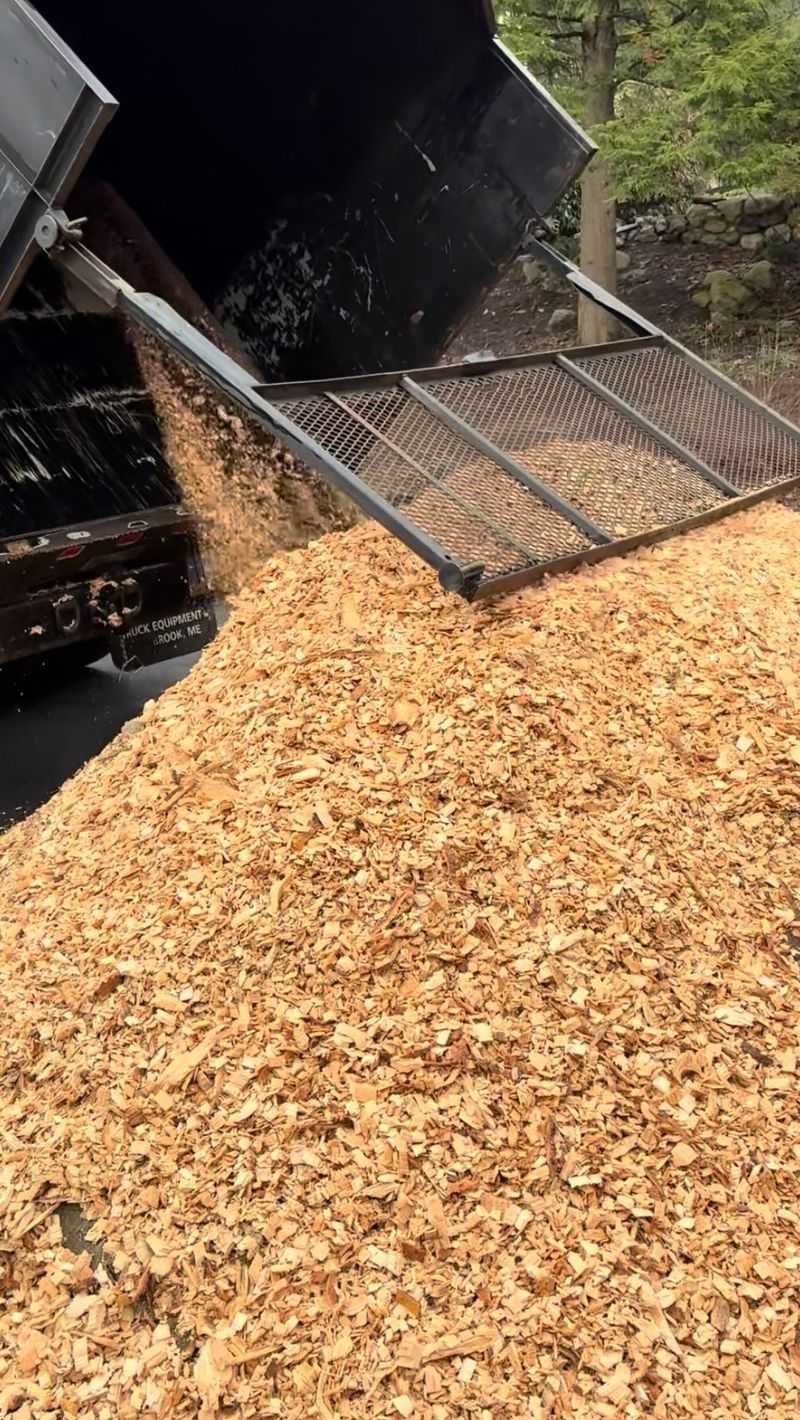
There is a reason landscapers reach for wood chips when they want mulch that sticks around. Wood is packed with tough fibers and a lot of carbon, which microbes chew through slowly. That slow pace is actually a feature, not a flaw.
Because wood chips take their time breaking down, they keep protecting your flower bed for many months. A solid layer blocks sunlight from reaching weed seeds, so fewer unwanted sprouts pop up between your plants.
Less weeding means more time to enjoy your garden. Wood chips also hold moisture in the soil during hot, muggy stretches. The chunky pieces shade the ground and slow evaporation, so your flowers stay hydrated longer between waterings.
In North Carolina summers, that steady moisture can make a real difference.
Their bulky shape helps them stay put too. Rain and wind do not scatter thick chips the way they toss around lighter materials. You get a neat, even blanket that looks tidy for a long stretch.
Because they break down gently, you will not need to refresh wood chip mulch as often. A single application can carry a bed through much of the year, saving both effort and money.
For gardeners who value low upkeep and lasting coverage, wood chips are a dependable choice. Spread them two to three inches deep, keep them off plant stems, and let them quietly guard your flowers season after season.
3. Humidity Speeds Both Processes
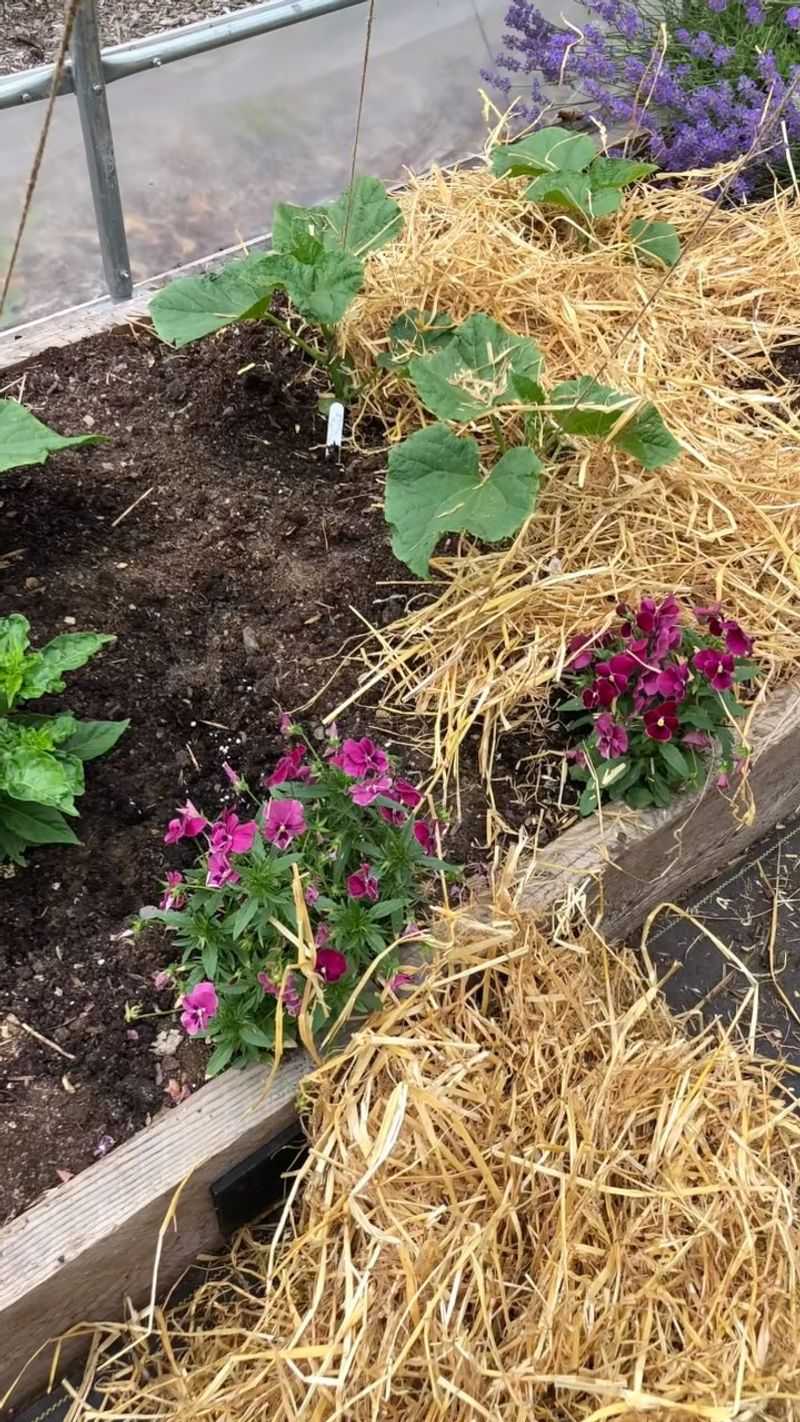
Ever notice how everything seems to break down faster in a steamy climate? North Carolina’s warmth and moisture create a perfect setting for busy soil organisms.
When the air stays damp and the temperature climbs, microbes multiply and feed at full speed.
Both wood chips and shredded leaves respond to this boost. Moisture keeps materials soft and easy to chew, while heat gives the tiny workers extra energy.
Together, they push decomposition along quicker than it would happen in a dry, cool spot. Still, humidity alone does not decide how fast something breaks down. The size of the material plays a huge role.
Small, thin pieces vanish quickly, while thick, chunky ones hold on far longer no matter how wet the air gets.
Carbon content matters just as much. Leaves carry more nitrogen and softer tissue, so they feed microbes fast.
Wood is loaded with carbon and tough fibers, which slows the whole process even in a swampy summer.
Think of moisture as fuel and material type as the engine. Both must line up for quick breakdown.
A wet pile of coarse wood chips will still take its time, and dry shredded leaves will sit longer than expected.
Understanding this balance helps you plan smarter. If you want speed, choose small, nitrogen-rich material and keep it lightly moist.
If you want lasting coverage, pick coarse, woody material and let the humidity do gentle work over many months.
4. Leaves Add Organic Matter Quickly
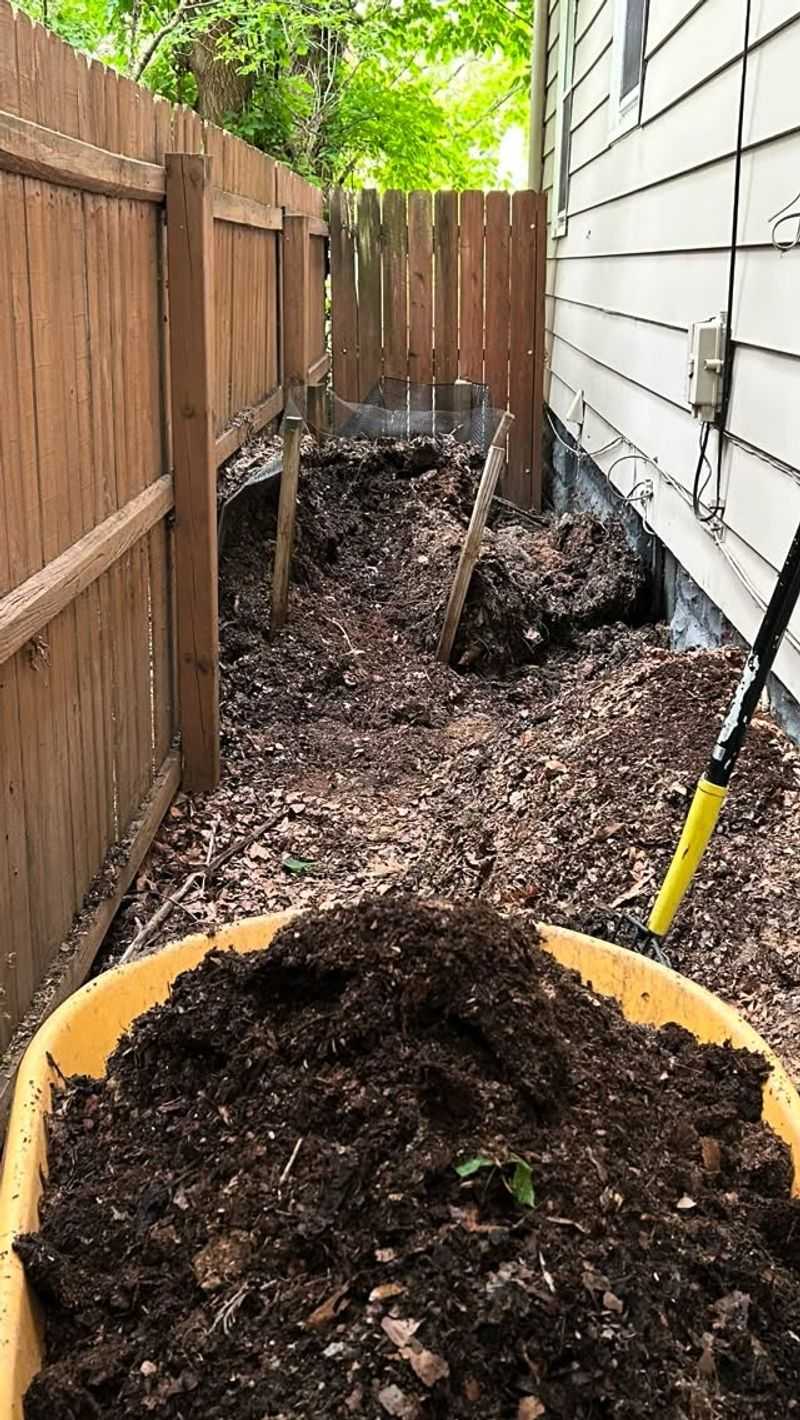
Few things improve soil as fast as a good batch of shredded leaves. As they break apart, they release organic matter that mixes into the ground and transforms its texture.
Sandy soil holds water better, and heavy clay loosens up. This organic matter acts like a sponge. It grabs onto moisture during dry spells and releases it slowly to thirsty roots.
In a state with hot summers, that built-in water storage keeps flower beds healthier with less effort.
Earthworms and helpful microbes love decomposing leaves. As they feed, they leave behind rich castings and open tiny tunnels that let air and water move freely. Your soil becomes softer, darker, and far more alive.
Better structure also means stronger roots. When soil crumbles easily, roots spread wide and pull in nutrients without struggle. Plants reward you with fuller blooms and steadier growth.
Leaves are basically free, which makes this upgrade budget-friendly. Instead of bagging fallen leaves and hauling them off, run them through a mower and spread the pieces across your beds.
You turn yard waste into a valuable resource. Over a season or two, repeated leaf layers build a deep, fertile foundation. Gardeners often find their soil needs less fertilizer and holds moisture longer with each passing year.
If your goal is richer dirt rather than long-lasting mulch, shredded leaves deliver quickly. They feed the ground, support soil life, and set your flowers up for a strong, colorful season ahead.
5. Wood Chips Are Better For Long-Term Coverage
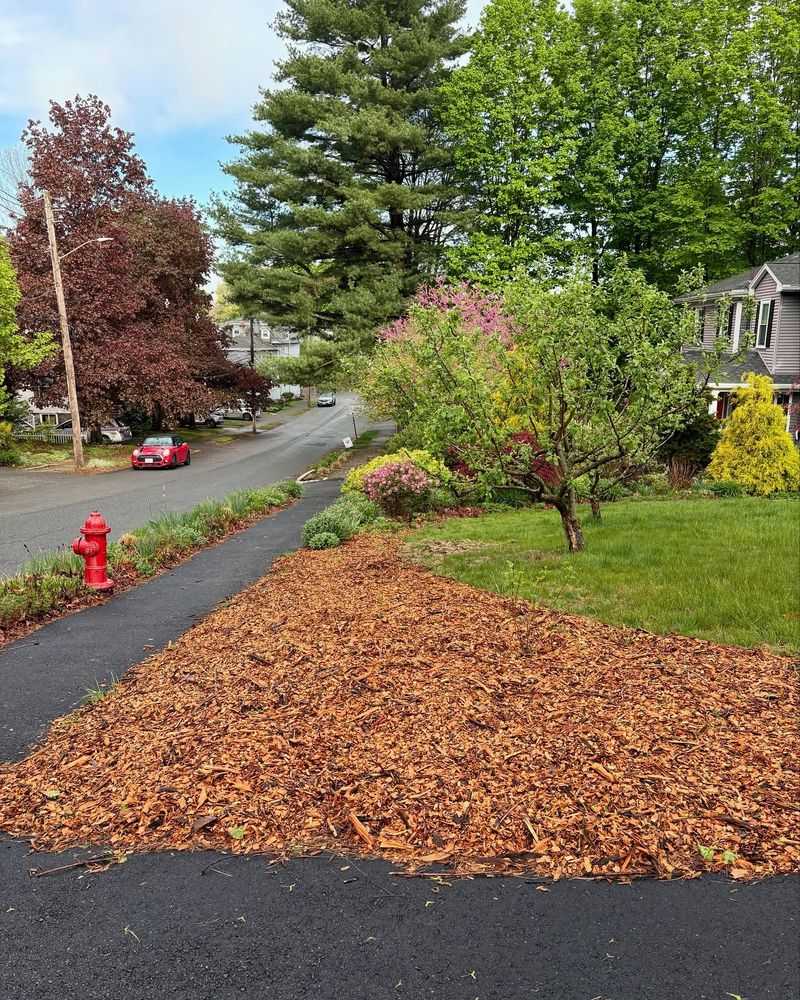
Some spots in a garden need a mulch that simply stays put, and that is where coarse wood chips shine. Pathways, shrub borders, and settled flower beds all benefit from a thick, durable layer that holds up for months.
Because these areas do not need constant soil improvement, slow breakdown becomes a real advantage. The chips form a steady blanket that keeps weeds down and gives the whole space a clean, finished look.
Walkways especially enjoy wood chips. The chunky pieces create a firm surface underfoot and resist washing away during heavy rain. You get a tidy trail that stays usable through soggy weather.
Around shrubs, wood chips protect roots from heat and lock in moisture. Established plants often prefer this gentle, hands-off care rather than frequent digging or fresh soil amendments.
Coarse chips also break down at a pace that matches these low-maintenance zones. You will not be refreshing them every few weeks, which frees up time for planting and enjoying your yard.
Their natural color adds warmth to a landscape too. A border edged with rich brown chips frames flowers beautifully and makes the whole bed look cared for.
For any part of your garden where lasting protection beats quick soil change, wood chips are the practical answer. Lay them a few inches thick, smooth them out, and let them guard your paths and borders while you focus on the fun parts of gardening.
6. Fresh Wood Chips Need Proper Use
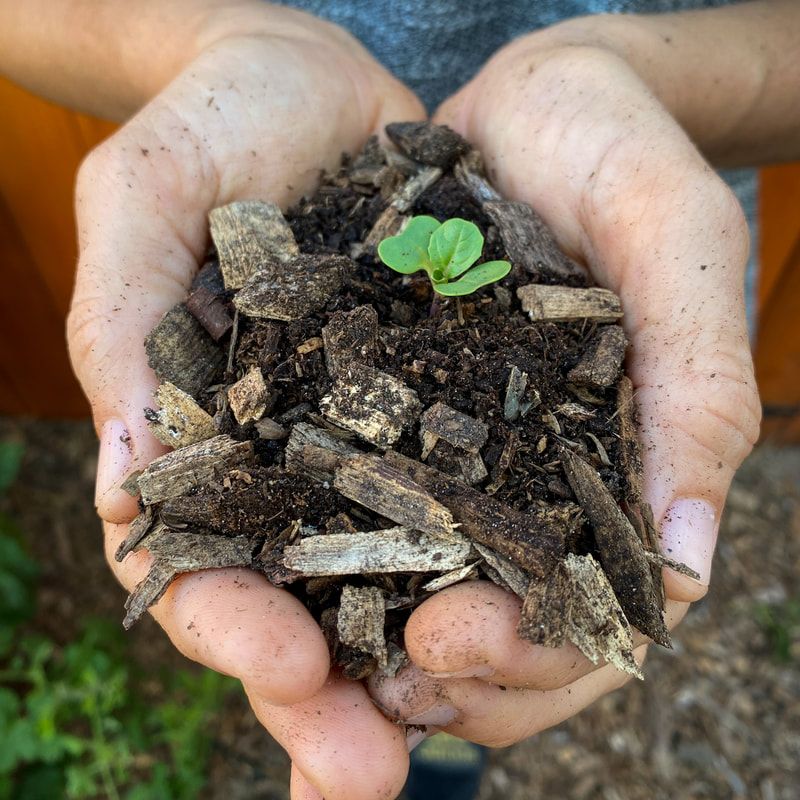
Fresh wood chips can be wonderful, but only if you use them the right way. Spread them on top of the soil as surface mulch, and they work like a charm. Mix them deep into the root zone, though, and you can run into trouble.
The reason comes down to nitrogen. When wood breaks down at the surface, it pulls only a little nitrogen from the very top layer, and your flowers barely notice.
When fresh wood chips are mixed into soil, microbes may temporarily use available nitrogen during decomposition, which can affect nearby plants.
That temporary nitrogen shortage can leave plants looking pale and slow. Since flowers depend on nitrogen for lush leaves and strong growth, this hidden effect can catch gardeners off guard.
Keeping chips on top avoids the whole problem. Surface decomposition happens slowly and stays out of the root zone, so your plants keep their nutrients while still enjoying weed control and moisture protection.
Think of fresh chips as a blanket, not a stir-in ingredient. Lay them across the bed, keep them a couple inches thick, and resist the urge to till them under.
If you really want wood mixed into soil, let the chips age first. Older, partly broken-down chips have already used up much of their nitrogen demand and blend in more safely.
Used thoughtfully, fresh wood chips give you tidy, effective coverage without stealing food from your flowers. Just remember the golden rule: keep them on top.
7. Shredded Leaves Need The Right Thickness
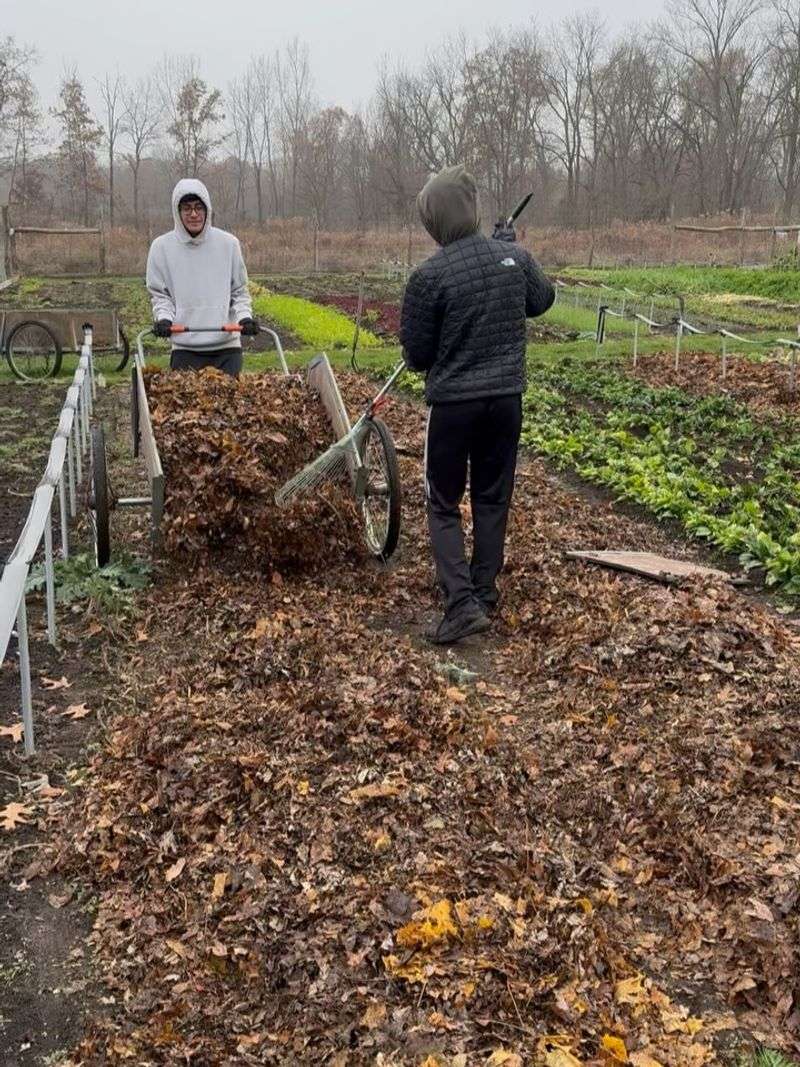
Leaves are helpful, but pile them on too thick and they can turn into a soggy mess. In humid North Carolina weather, wet leaves love to mat together into a slick, tight layer. That mat blocks air and water instead of helping your bed.
When leaves clump like that, moisture gets trapped underneath and airflow drops to almost nothing. Roots can struggle, and the slow, healthy breakdown you wanted grinds to a crawl.
Shredding is the first fix. Chopped leaves have rough edges and irregular shapes that stack loosely rather than sealing flat. That looseness lets air slip through and keeps the layer breathing.
Thickness is the second fix. A moderate layer, around two to three inches, gives you weed control and moisture without smothering the soil. Piling leaves six inches deep invites the matting problem right back.
Good airflow keeps microbes happy too. Those tiny workers need oxygen to break leaves down, so a fluffy, well-spread layer decomposes faster and more evenly than a dense, packed one.
A quick fluff with a rake now and then helps as well. Loosening the surface after heavy rain breaks up any crust and restores that healthy breathing space.
Balance is really the whole secret with leaves. Shred them, keep the layer moderate, and let air move freely.
Do that, and your flower bed gets rich, steady breakdown instead of a wet, matted mess that holds everything back.
8. The Best Choice Depends On The Flower Bed
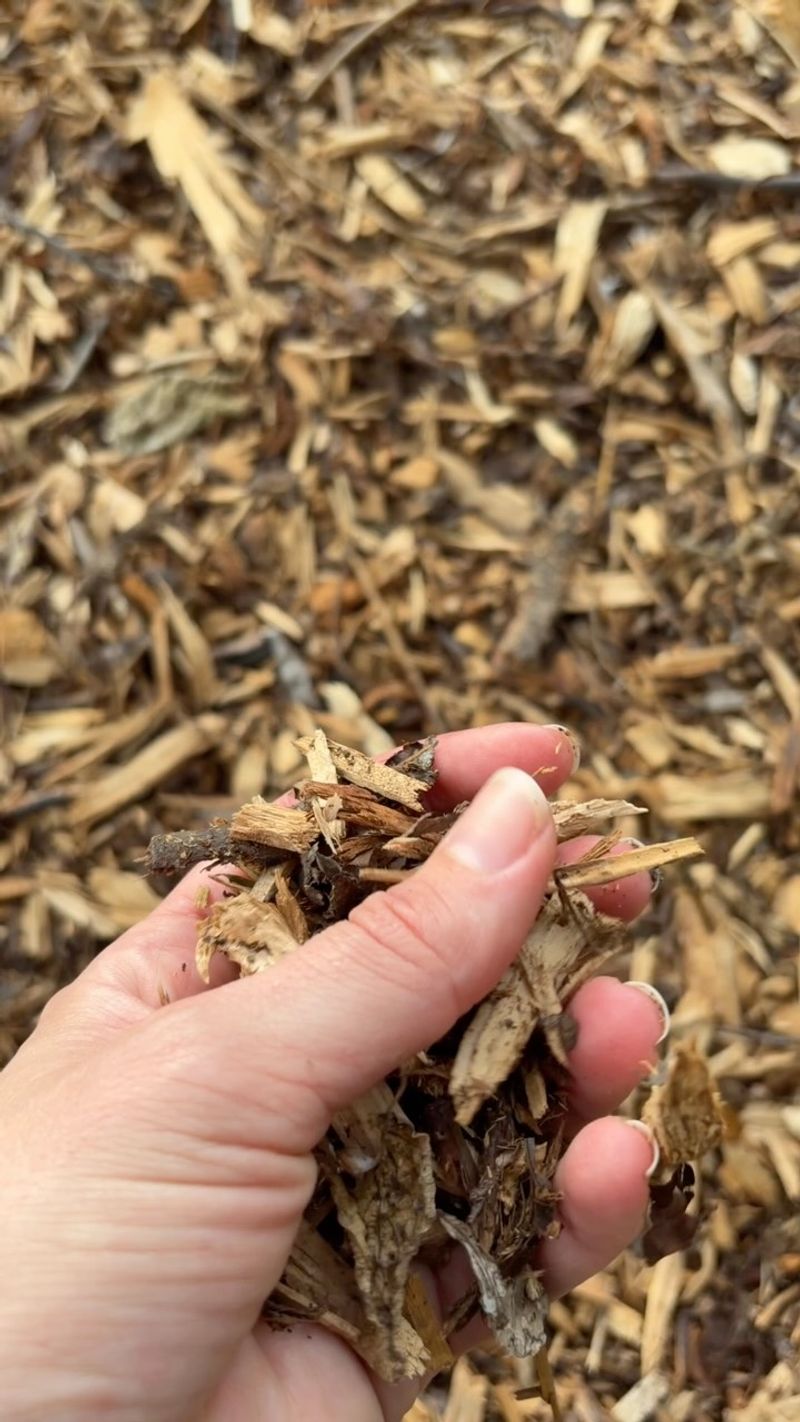
There is no single winner here, and that is actually good news. The right mulch depends entirely on what a particular flower bed needs.
Once you match the material to the goal, both wood chips and shredded leaves become powerful tools. Want to build richer soil fast? Shredded leaves are your friend.
They break down quickly, feed soil life, and turn tired ground into soft, fertile earth within a season or two.
Need long-lasting coverage that fights weeds for months? Wood chips step up. Their slow breakdown keeps beds protected and tidy without frequent refreshing.
Many gardens actually use both, just in different spots. Vegetable-style flower beds and planting areas might get leaves for quick nourishment, while borders and pathways get wood chips for durability.
Thinking about each area separately makes the decision easy. Ask yourself whether that space needs faster soil improvement or steadier, longer protection, then pick the material that fits.
Your local conditions matter too. A shady, moist corner may handle leaves beautifully, while a sunny, high-traffic edge might do better under sturdy chips.
Mixing materials across your yard gives you the best of both worlds. You feed the soil where it counts and protect the surface where appearance and endurance matter most.
Smart gardeners stop searching for one perfect answer and start matching mulch to purpose. When you do that, every bed gets exactly what it needs, and your whole garden thrives with far less guesswork.
9. Avoid Piling Either Material Against Plant Stems
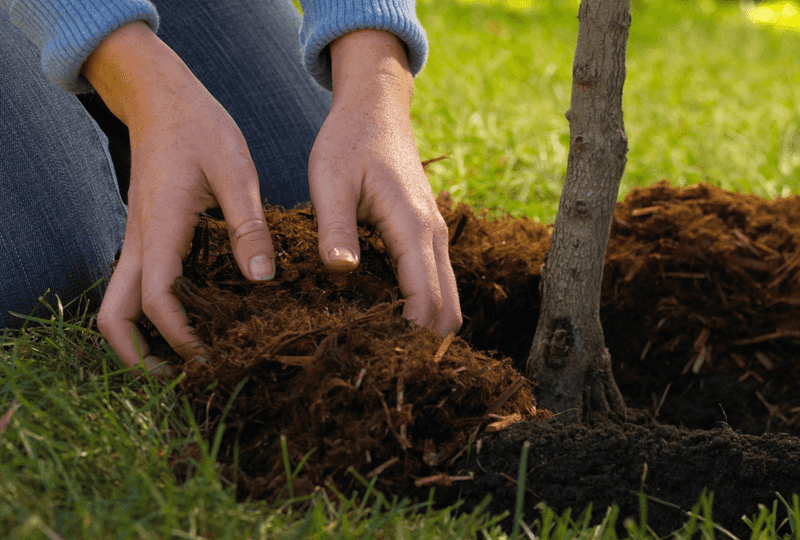
One common mistake can undo all your hard work: heaping mulch right up against plant stems. Those tall mounds, sometimes called mulch volcanoes, look neat but cause real problems.
When mulch presses tight against a stem or crown, it traps moisture against tissue that prefers to stay dry. Constant dampness there can lead to soft, rotting spots that weaken the plant.
Thick piles against stems also make cozy hiding places for pests. Insects and rodents love the sheltered, humid gap and may start chewing on bark or roots without you noticing.
Both wood chips and shredded leaves cause this issue when stacked too close. The fix is simple and works for either material every time.
Leave a small gap, roughly two to three inches, between the mulch and each stem. That breathing room keeps the base dry, discourages rot, and lets air circulate around the plant.
Spread the mulch out flat instead of building it up. A wide, even layer protects roots far better than a tall cone hugging the trunk.
Check your beds now and then, especially after adding fresh material. If mulch has crept back toward the stems, just pull it away gently with your hands or a rake.
This tiny habit protects your investment and keeps plants healthy. By giving stems some space, you avoid moisture trouble, block pest hideouts, and let your flowers grow strong.
Good mulching is as much about where you place it as how much you use.
10. A Combination Often Works Best
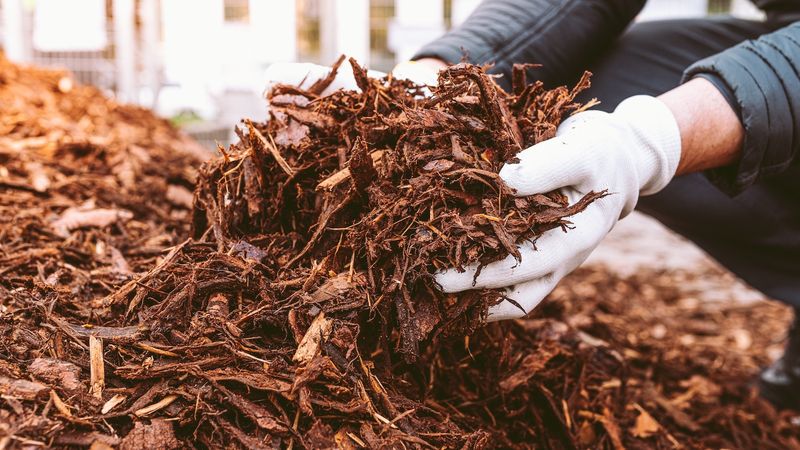
Smart gardeners rarely pick just one material, and there is real wisdom in that. Combining shredded leaves and wood chips lets you take advantage of what each one does best across your whole yard.
Use shredded leaves where you want to feed the soil. Spread them in flower beds and planting areas as a seasonal mulch or work aged leaves in as a soil-building amendment. They enrich the ground fast and keep it soft.
Save the wood chips for spots that need durable, attractive coverage. Pathways, shrub borders, and permanent beds stay tidy and protected when topped with chips that break down slowly.
This teamwork approach plays perfectly to North Carolina’s climate. The humidity helps leaves nourish your soil quickly while wood chips hold their ground and guard high-traffic areas month after month.
You also get flexibility. As leaves melt into the earth and improve your beds, you can add fresh material each season, while the chips keep doing their job with little upkeep.
Cost works in your favor too. Fallen leaves are usually free, so you save money on the soil-building side and spend only where lasting mulch really counts.
Walk your garden and picture two jobs: feeding the soil and protecting the surface. Assign leaves to the first and chips to the second, and every area gets exactly what it needs.
Blending both materials gives you healthier soil, cleaner paths, and stronger flowers. It is a simple strategy that turns two ordinary mulches into one winning plan.