Smothering Creeping Charlie With Cardboard Over Winter: Does It Work in Ohio?
One weed in my yard stays green under snow. It even keeps its leaves when the thermometer drops into the teens, and it smells oddly minty when you yank it.
That stubborn green carpet spreads two ways at once. Runners creep across the surface and root at every joint, while underground stems quietly plot their next move.
Pull one piece and leave a scrap behind, and you’re in for a big surprise come spring.
Here in Ohio, gardeners keep asking a fair question. Can a pile of free brown boxes and a long, gray winter starve this pest out?
I love the idea of letting the cold months do some of the work while I sit inside with seed catalogs.
I wanted a real answer, not wishful thinking. The truth turned out to be more interesting than a simple yes or no. Plain cardboard can do more than you’d expect, just maybe not everything you’re hoping for.
That Minty Ground Ivy Under The Snow Has A Hidden Advantage
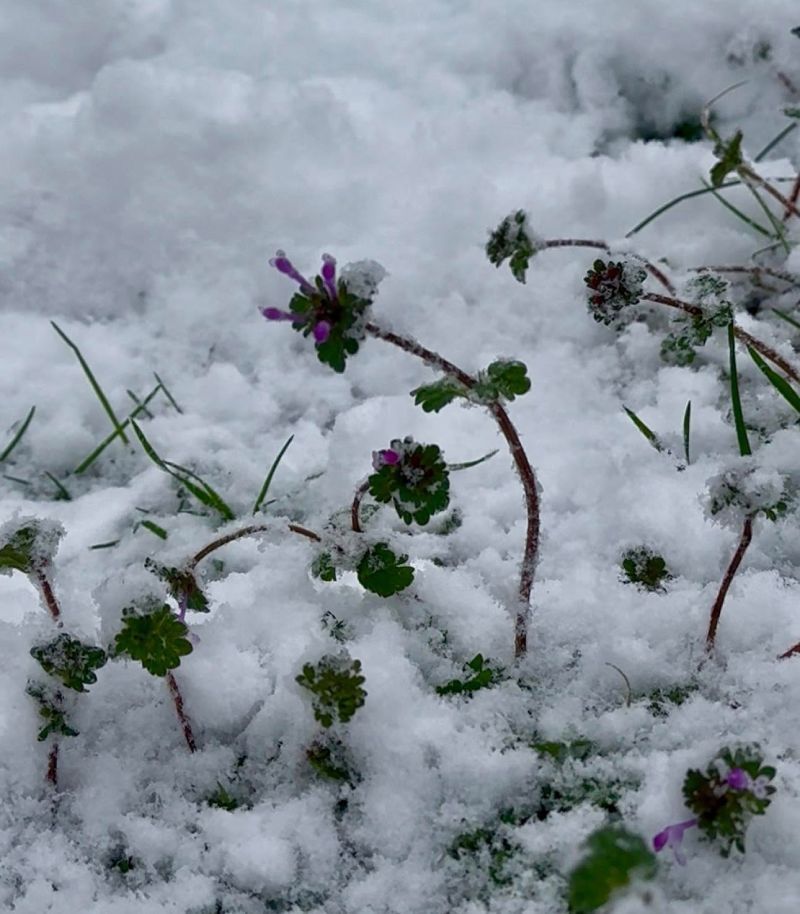
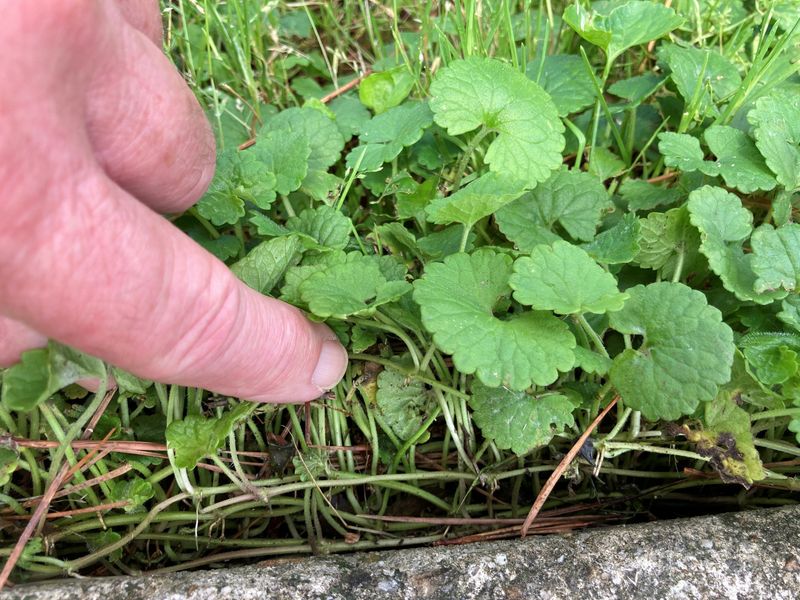
Kick back a little snow in January and you may spot it. Those round, scalloped leaves are still green, still hugging the soil, and still very much alive.
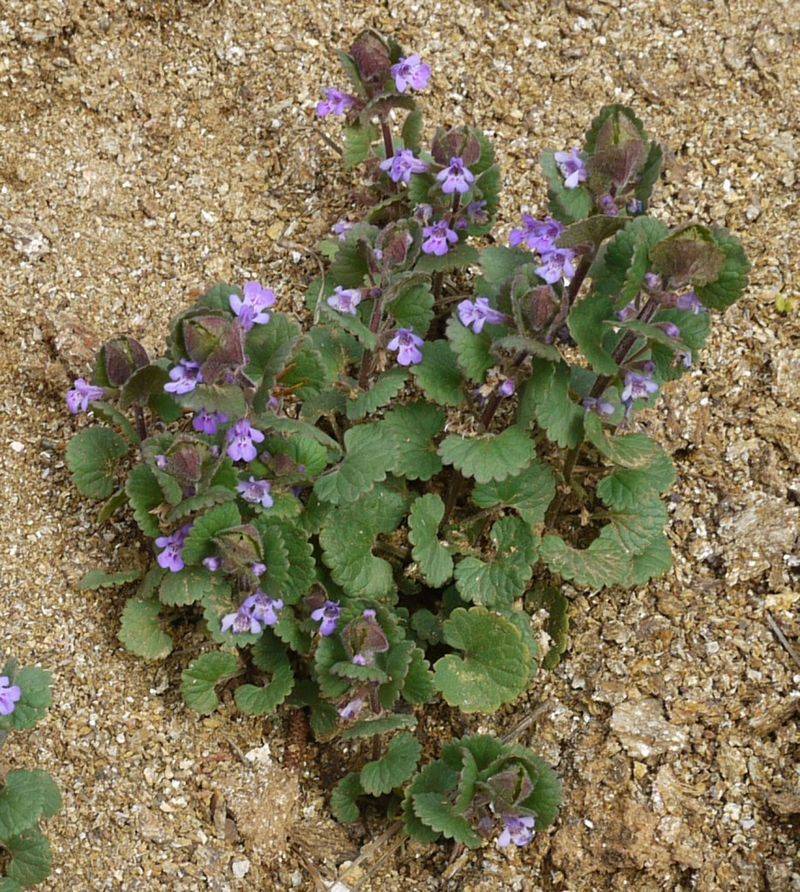
Creeping Charlie, also called ground ivy, is a low perennial in the mint family. It came over from Europe and Asia and now thrives across Ohio lawns, especially in shady, damp spots where grass struggles.
Its square stems and purple spring flowers give it away once you know what to look for.
The hidden advantage lies below your feet. Ground ivy spreads by stolons, which are surface runners that root at each node.
Many sources also describe underground stems that let it bounce back after damage.
Small fragments can sprout into brand new plants. That explains why hand-pulling often feels like a losing game unless you get nearly every piece.
Cold alone rarely bothers it. The plant handles Ohio winters in USDA zones 5b through 7a with very little fuss, keeping some leaves through the season.
So any winter plan has to do more than wait for frost. It has to cut off the one resource this weed still needs, and that resource is light.
Cardboard Over Creeping Charlie Can Work With One Big Catch
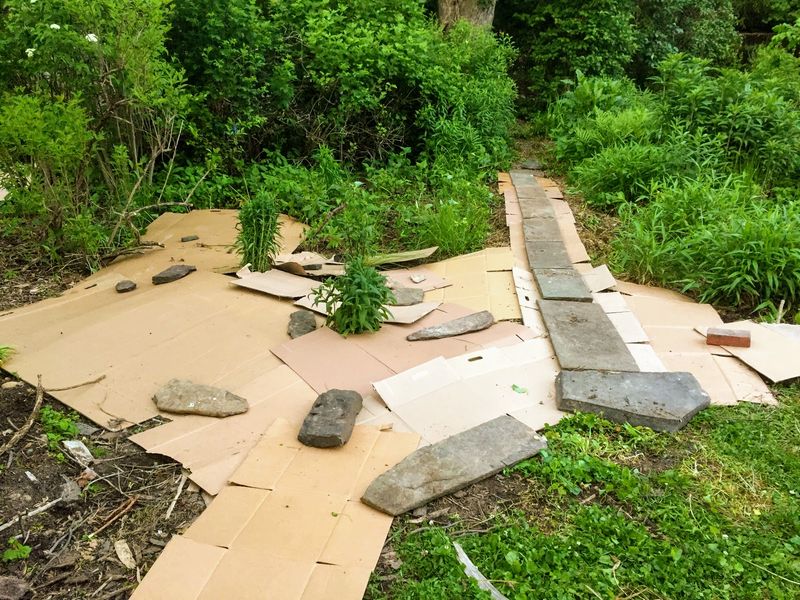
My honest answer is yes, partly. Cardboard can seriously weaken creeping Charlie over an Ohio winter, but one season rarely finishes the job.
The idea is simple. Plants need sunlight to make food through photosynthesis, so a solid, light-blocking layer slowly starves the leaves and stems underneath.
Ground ivy keeps trying to grow during mild winter spells. Under cardboard it burns through stored energy without making more, and that steady drain adds up over months.
The catch comes from its spreading habit. Runners at the edges of your patch still sit in sunlight, and they can crawl right back under the barrier.
Any gap, torn corner, or skimpy overlap gives the weed a window. Even a thin crack of light along a seam can keep some stems going.
Timing matters too. Winter growth in Ohio is slow, so the starving process moves slower than it would in summer heat.
Many gardeners have the best luck leaving cardboard and mulch in place from late fall well into late spring. That longer stretch catches the weed when spring growth starts burning energy fast.
Think of winter smothering as a strong head start, not a one-time cure.
Overlap Those Brown Boxes And Bury Them In Mulch
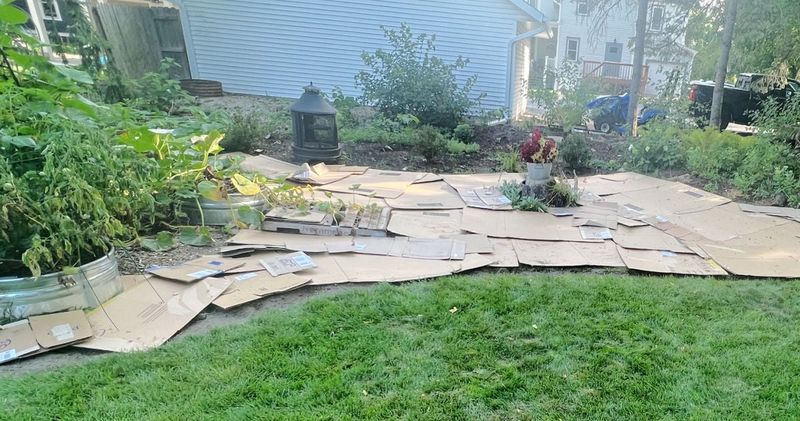
Setup makes or breaks this project. I learned that the hard way after a windy November afternoon sent a box sailing into my neighbor’s driveway.
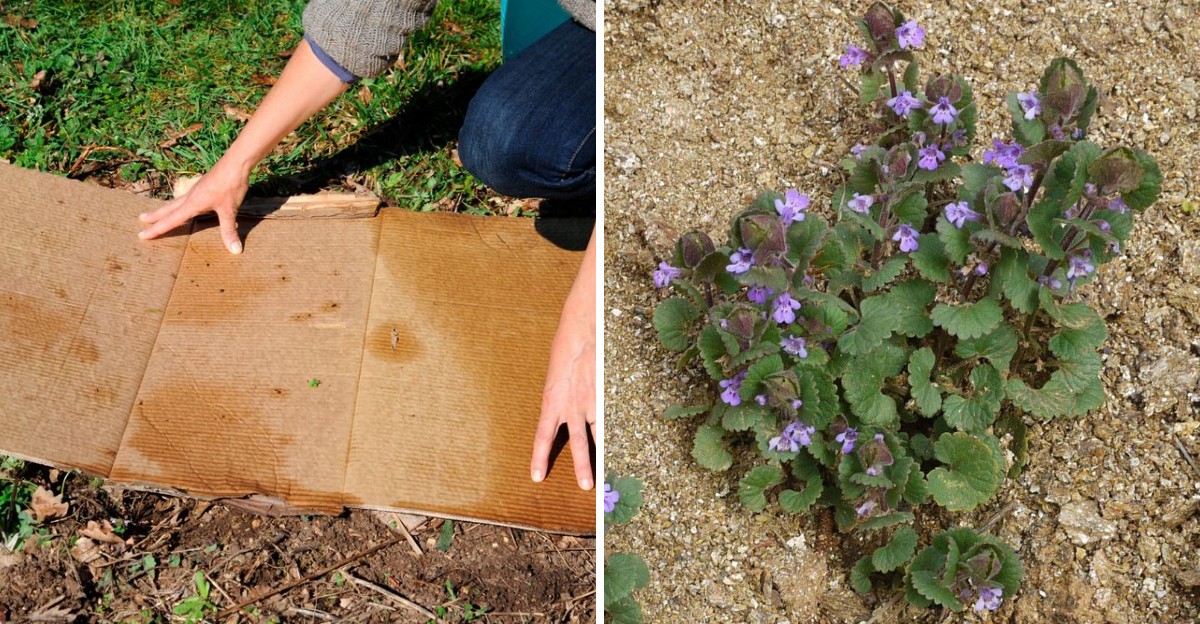
Start with plain brown corrugated cardboard. Peel off all plastic tape, shipping labels, and staples, and skip glossy printed boxes.
Mow or cut the creeping Charlie as short as you can first. Then lay the sheets flat right on the soil.
Overlap every edge by at least 6 inches. Extend the cardboard a foot or more past the visible edge of the patch so sneaky runners are covered too.
Soak the cardboard with a hose once it’s down. Wet cardboard softens, molds itself to the ground, and stays put much better.
Next comes the most important layer. Pile 3 to 4 inches of wood chips, shredded leaves, or compost on top.
That mulch weighs everything down against winter wind and snow. It also hides the boxes, holds moisture, and adds organic matter as it breaks down.
Late October through November is a great window in most of the state. You get a full season of darkness working before spring growth kicks in.
Freeze And Thaw Cycles Can Tear Your Cardboard Apart
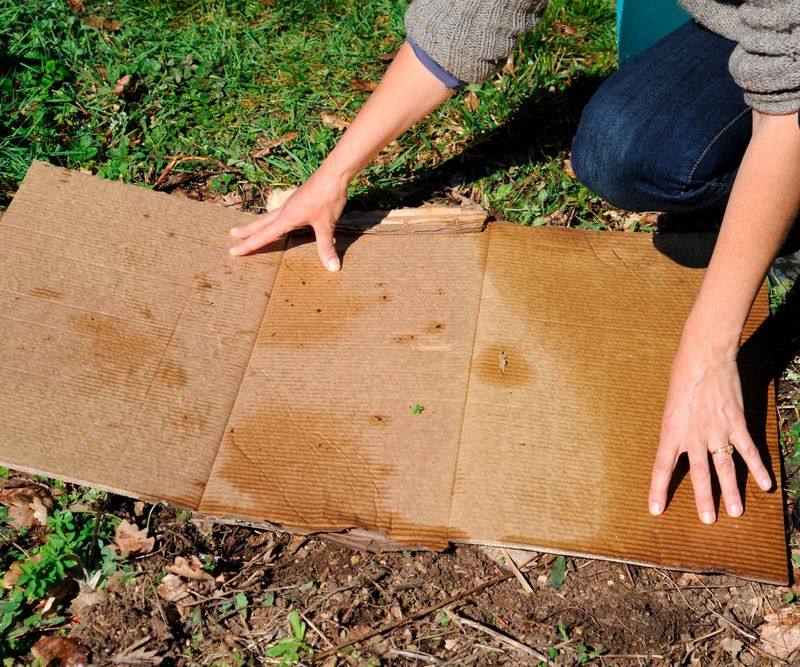
Ohio weather loves to change its mind. One week brings a foot of snow, and the next brings rain and 50 degrees.
Those swings matter for your barrier. Repeated freezing and thawing can heave the soil, shift loose sheets, and open seams between boxes.
Bare cardboard also softens fast when soaked. Rain and snowmelt start the decay process, which is helpful for soil health but rough on a light barrier.
Northern counties near Lake Erie often see more lake-effect snow. Southern Ohio usually gets more rain and thaw days, so cardboard there may break down a bit faster.
Mulch is your best insurance against all of this. A thick top layer acts like a heavy quilt, protecting the cardboard and keeping it pinned.
Plan a quick check every few weeks during winter. After a big thaw or windstorm, walk the edges and look for curled corners or green leaves peeking out.
Patch any problem spots right away with another piece of cardboard and a scoop of mulch. A five-minute fix in February can save you a whole season of regrowth later.
Lawn Areas Need A Different Plan Than Garden Beds
Here’s a tricky detail many folks miss. Cardboard smothers grass just as well as it smothers weeds.
In a garden bed, that’s no problem. You plan to plant flowers or vegetables there anyway, so losing everything underneath is the whole point.
A lawn is another story. If ground ivy is woven through your turf, cardboard will clear out the grass right along with it.
That may still make sense for a badly infested patch. Smother the whole spot, then reseed or replant once you pull the cardboard back.
For scattered weeds mixed into healthy grass, other methods usually fit better. Ohio State University Extension points out that creeping Charlie loves shade and moist, poorly drained soil, conditions that leave turf thin and weak.
Fixing those conditions helps a lot. Pruning low tree limbs, improving drainage, and choosing shade-tolerant grasses like fine fescues can tip the balance back toward your lawn.
You might also consider whether turf belongs there at all. A deeply shaded corner could become a mulched bed with native shade plants like wild ginger or woodland phlox.
Match the method to the space, and you’ll waste far less effort.
Spring Sprouts Will Probably Poke Through The Mulch
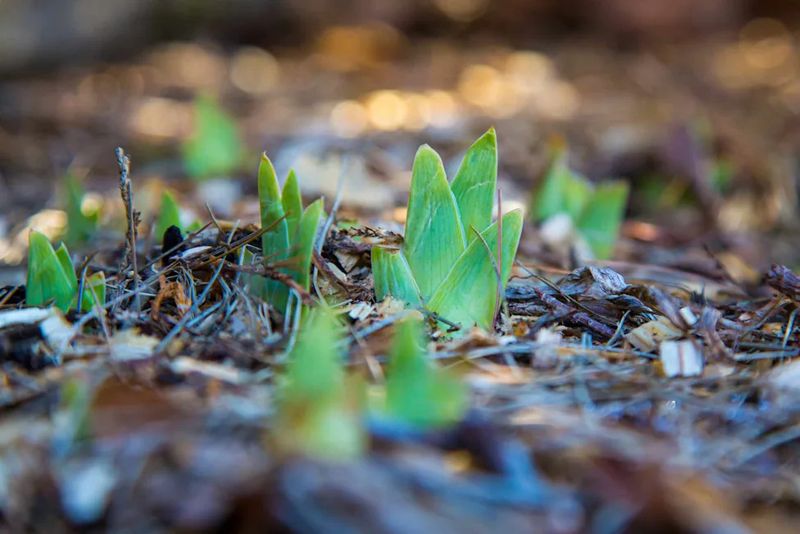
April arrives, and you pull back a corner hoping for bare soil. Instead, a few pale green shoots wave hello.
Don’t panic. A handful of survivors is normal, and it doesn’t mean your winter effort failed.
Root pieces and stem fragments can hang on for months. Once days warm up and the cardboard thins, they’ll try to grow toward any light they find.
The edges are the usual trouble zone. Runners from the surrounding lawn creep inward, so focus your patrols there first.
Pull sprouts while they’re small and the soil is moist. Gently tug the whole runner and follow it back to grab as many rooted joints as possible.
A garden fork helps loosen soil without snapping the stems. Bag the pulled pieces instead of tossing them in compost, since bits can reroot.
Weekly checks through May and June make a huge difference. Each sprout you remove has less energy than the last, thanks to all that time in the dark.
Many gardeners find a second season of cardboard and mulch finishes off stubborn patches. Persistence beats this weed far more often than any single trick.
Fall Herbicide Timing Works Better Than Spring Spraying
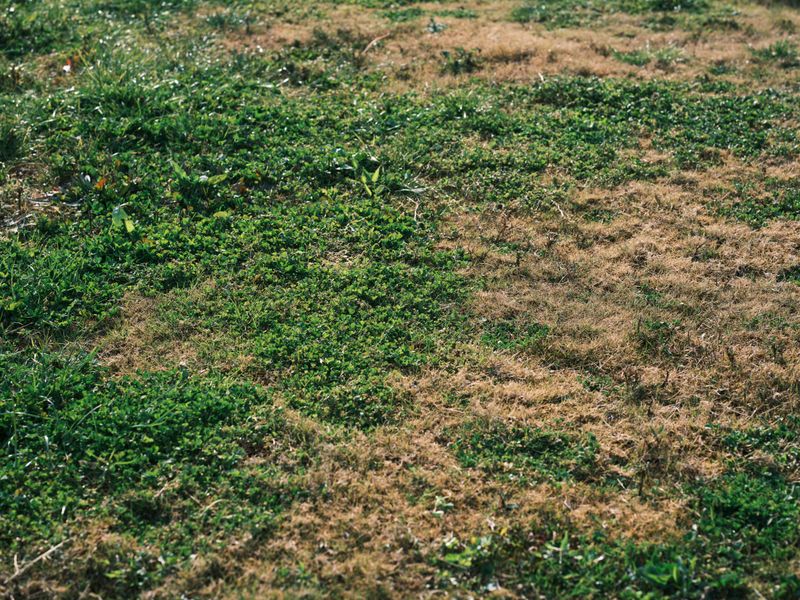
Some gardeners prefer to skip chemicals completely, and cardboard is a wonderful choice for them. Others want backup for big lawn infestations.
If you go that route, timing is everything. University extension services, including Ohio State, note that fall is the most effective time to treat creeping Charlie with herbicide.
In autumn, the plant shifts sugars down into its roots for winter storage. A broadleaf product applied then gets carried down with those sugars.
Products containing triclopyr, dicamba, or 2,4-D are commonly recommended for ground ivy in lawns. Many experts suggest treating after the first light frost, while leaves are still green and active.
Spring spraying usually gives weaker results. The plant is pushing energy upward into new growth, so less product reaches the roots.
Read and follow the label every single time. Keep sprays away from vegetable gardens, flower beds, and tree roots, and avoid windy days.
Spot-treating is kinder to bees and soil life than blanket spraying. Never use herbicides on cardboard beds where you plan to grow food next year.
Used carefully, a fall treatment in the lawn plus cardboard in the beds can tackle the problem from two directions.
Thick Grass And Dense Plantings Keep Ground Ivy Away For Good
The best weed control I know is a crowd. Creeping Charlie doesn’t like competing with dense, healthy plants for light and space.
Once your cardboard breaks down, don’t leave bare soil sitting open. Plant or seed quickly so desirable roots claim the ground first.
In lawns, Ohio State recommends overseeding in late summer to early fall, roughly mid-August through mid-September. Mowing a bit higher, around 3 to 3.5 inches, helps grass shade out low-growing weeds.
Go easy on watering in shady spots. Ground ivy thrives in damp soil, so improving drainage gives your grass a fighting chance.
In beds, pack plants closer together and keep a fresh mulch layer each year. Natives like wild ginger, foamflower, and golden ragwort fill shady ground and support local pollinators.
Install edging between lawn and garden beds too. A deep barrier slows those runners from sneaking back across the border.
So, does cardboard work in Ohio? It does as one solid piece of a bigger plan.
Smother it in winter, patrol in spring, and fill every gap with plants you love. That combination keeps this minty invader on the run for years.