Common Mistakes North Carolina Gardeners Make When Planting Knockout Roses Along Driveways

Knockout roses along a driveway look sharp when they’re done right, and it’s easy to see why so many North Carolina homeowners go for it.
That repeating mass of color against a clean edge is one of those landscape combinations that just works.
The problem is that driveways create a specific set of growing conditions that catch a lot of gardeners off guard.
Heat radiates off pavement and concrete in ways that push temperatures well beyond what the surrounding yard experiences.
Reflected light, salt exposure from winter treatments, and compacted soil near paved surfaces all add up to an environment that Knockout roses can handle but don’t always thrive in without some thoughtful setup.
Several common planting and care mistakes get amplified in these spots, and what might be a minor issue in a garden bed becomes a recurring headache right there along the driveway.
1. Planting Too Close To The Driveway Edge
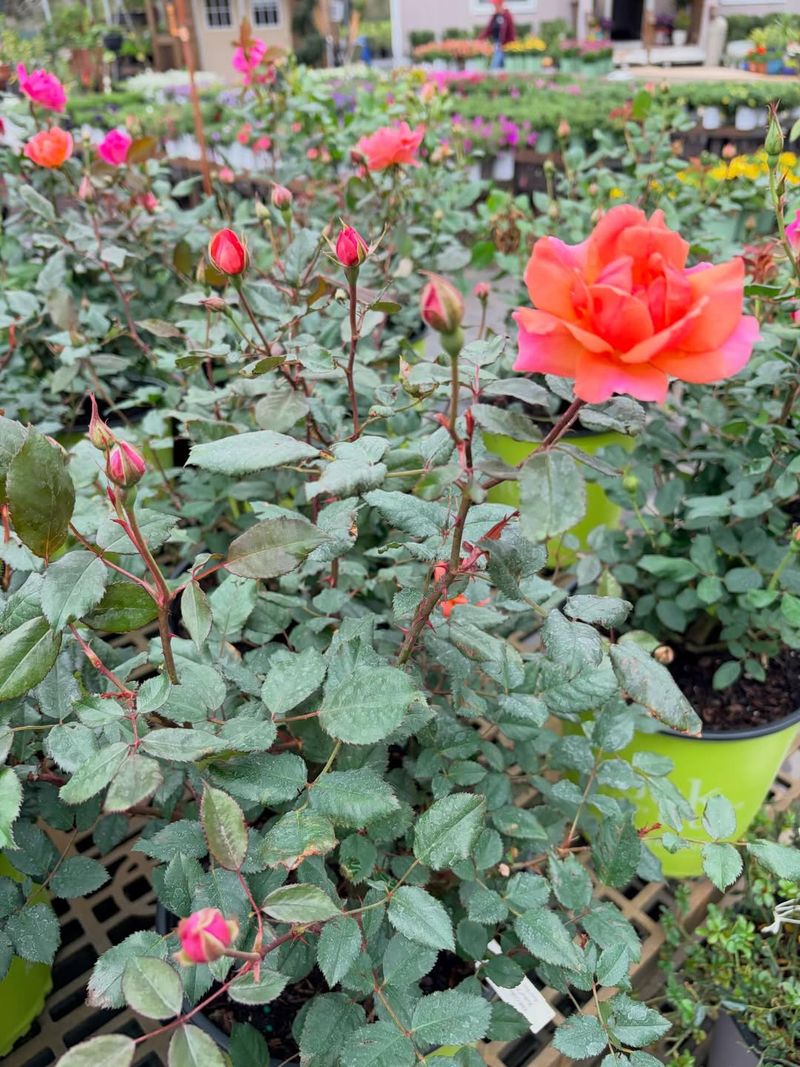
Squeezing Knockout Roses right up against the driveway edge might look tidy at first, but it creates a long list of problems that show up fast.
Driveways are hard, compacted surfaces that limit how far roots can spread. When roots hit that concrete barrier, they have nowhere to go, and the plant suffers for it.
Root restriction is one of the most damaging outcomes of poor placement. Without room to grow outward and downward, roots struggle to absorb enough water and nutrients to support healthy blooms.
Stunted growth, yellowing leaves, and reduced flowering are all signs that your rose is running out of space underground.
Airflow is another issue that gets overlooked when plants are placed too tightly against hard surfaces.
Poor air circulation around the base of the plant creates the perfect environment for fungal diseases like black spot, which spreads quickly in North Carolina’s humid summers.
Keeping roses at least 18 to 24 inches from the driveway edge allows roots to breathe and air to circulate freely.
Spacing your roses correctly from the start is much easier than trying to relocate an established plant later. Aim for at least two to three feet between each shrub and the driveway surface.
That buffer zone protects roots, improves airflow, and gives your roses the room they need to grow into full, gorgeous, healthy plants.
2. Ignoring Sunlight Requirements

Sunlight is basically the fuel that powers a Knockout Rose, and skimping on it leads to disappointing results that most gardeners do not expect from such a tough plant.
Many homeowners choose a spot along the driveway based on aesthetics alone, not realizing that nearby trees, fences, or the house itself can block critical hours of sunlight throughout the day.
Knockout Roses need a minimum of six to eight hours of direct sun every single day to perform at their best.
Less than that, and you will start to notice fewer blooms, weaker stems, and a plant that seems to just sit there without really thriving.
In North Carolina’s warm climate, full sun exposure also helps foliage dry quickly after rain, which is one of the simplest ways to prevent fungal diseases.
Your North Carolina Garden Changes Every Week. Your Plan Should Too.
Gardening in North Carolina changes quickly throughout the season. Every Friday you’ll receive a simple weekly plan showing exactly what to plant, prune, fertilize, harvest, and protect so you never miss the right timing.
Before you plant anything, spend a day watching how sunlight moves across your driveway. Morning sun is especially valuable because it dries dew off leaves early, reducing disease pressure.
If your chosen spot only gets four or five hours, consider trimming back overhanging branches or choosing a different location entirely.
Positioning your roses on the south or southeast side of the driveway usually guarantees the most consistent sun exposure throughout the growing season.
A well-lit spot makes every other care task easier and rewards you with bold, long-lasting color from spring all the way through fall.
3. Overwatering Or Poor Drainage
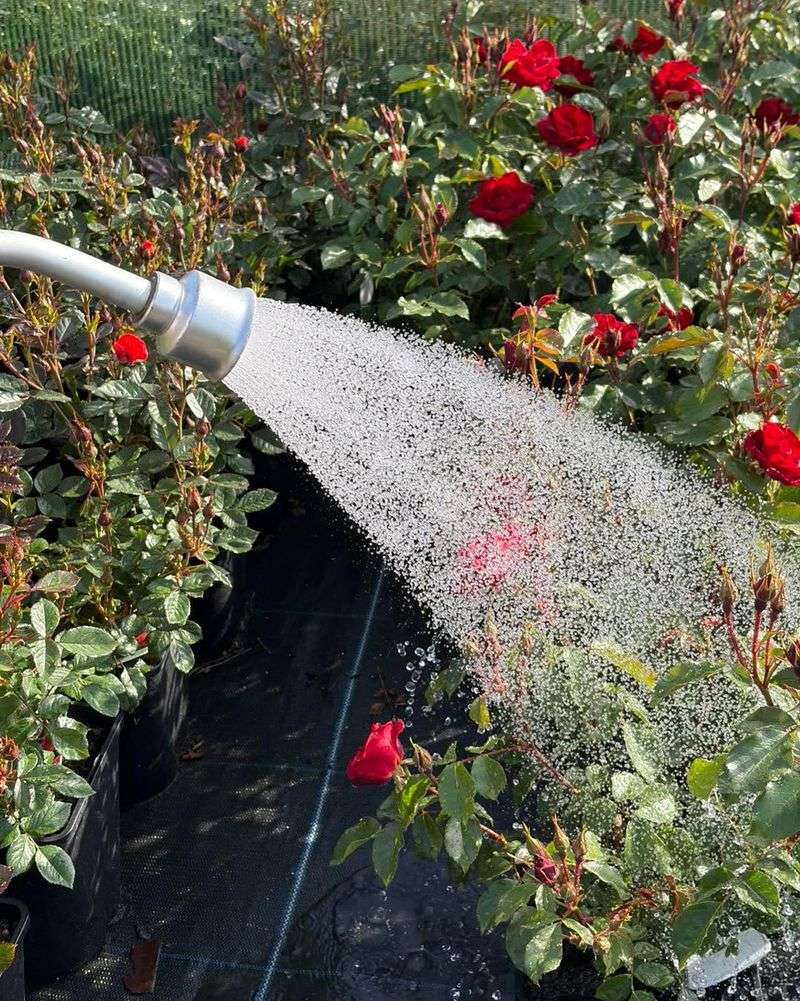
Water is essential for any plant, but too much of it is one of the fastest ways to ruin a Knockout Rose.
North Carolina already receives generous rainfall throughout the year, and driveways often funnel runoff directly toward nearby planting areas.
That extra moisture can saturate the soil around your roses before you even reach for the garden hose.
Waterlogged roots cannot absorb oxygen, which weakens the entire plant from the ground up. You might notice wilting even when the soil feels wet, yellowing leaves, or a general lack of energy in the plant.
These are classic signs that drainage is the problem, not a lack of water. Root rot can set in quickly in poorly drained soil, and once it takes hold, recovery is difficult.
Improving drainage before planting makes a huge difference. Work two to three inches of compost into the soil to loosen it up and improve its structure.
If your driveway area naturally collects water, consider building a slightly raised planting bed to lift the root zone above the waterline.
For irrigation, a simple drip system or soaker hose works far better than overhead watering.
Water deeply but infrequently, about once a week during dry spells, and always check the soil moisture before adding more.
Letting the top inch of soil dry out between watering sessions keeps roots healthy and happy all season long.
4. Skipping Mulch Around Plants
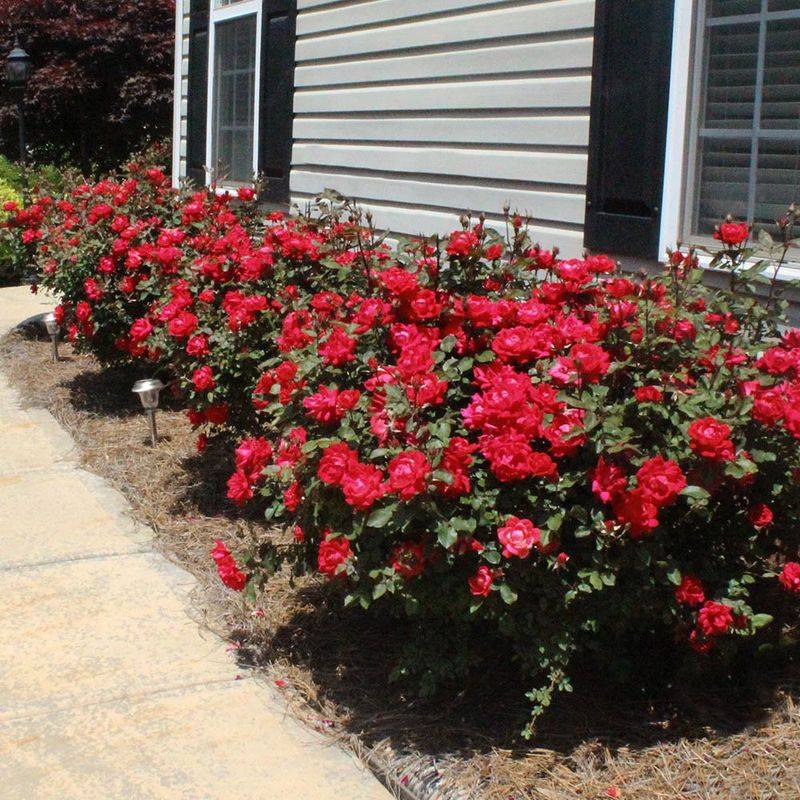
Mulch might not be the most exciting part of gardening, but skipping it around your Knockout Roses is a mistake that shows up in how your plants look and perform all season long.
Without mulch, soil loses moisture rapidly in the summer heat, weeds compete aggressively for nutrients, and soil temperatures swing wildly between hot days and cool nights.
A two to three inch layer of organic mulch, like shredded bark or wood chips, acts as a protective blanket around the root zone.
It holds in soil moisture so you water less often, buffers soil temperature to keep roots comfortable, and breaks down slowly over time to add organic matter that improves soil quality.
Along driveways where soil can bake in reflected heat from the pavement, mulch is especially valuable.
One common mistake is piling mulch directly against the base of the rose cane, sometimes called volcano mulching.
That moisture buildup against the crown creates ideal conditions for rot and can invite pests to nest right at the plant’s most vulnerable point.
Always keep mulch at least two inches away from the main stem. Refresh your mulch layer each spring to maintain its effectiveness.
As it breaks down through the season, the layer thins and loses its ability to suppress weeds and hold moisture.
A fresh top-up each year keeps your driveway rose bed looking neat, tidy, and well cared for all growing season.
5. Failing To Stake Or Support Young Plants
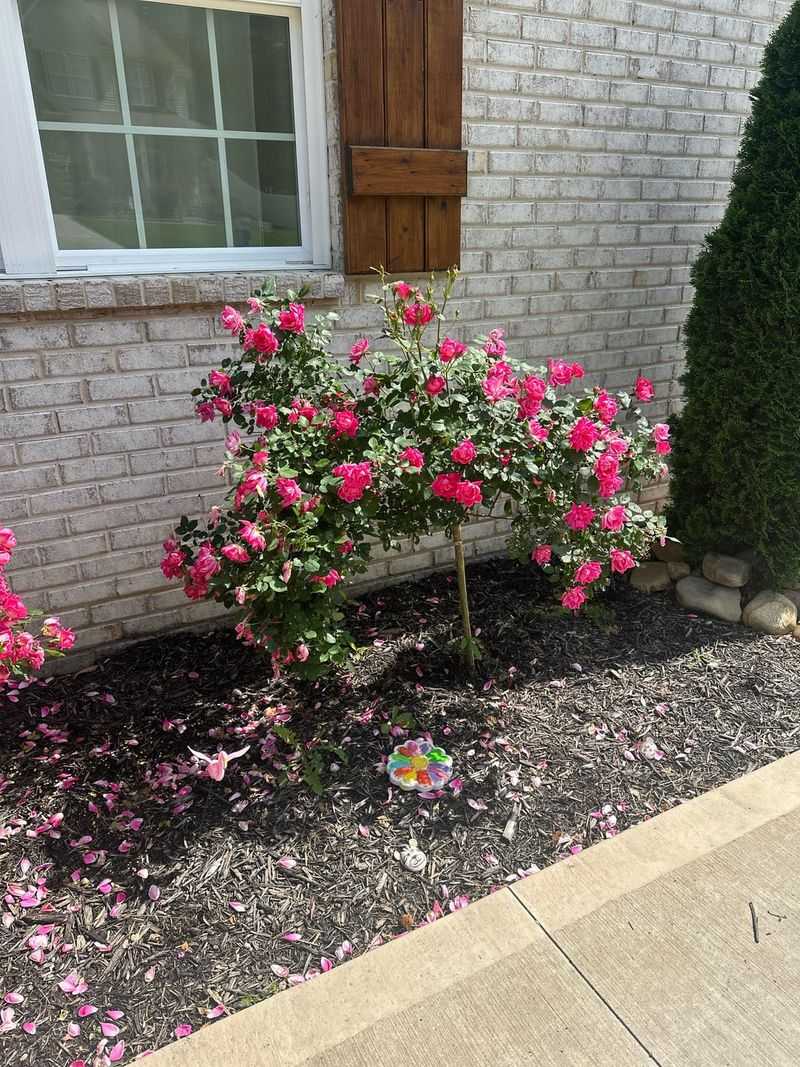
Young Knockout Roses might look sturdy in the nursery pot, but once they go into the ground, they need time to anchor themselves firmly in the soil.
Along driveways, they face unique challenges that established garden beds do not, including wind from passing vehicles, foot traffic near the planting area, and occasional bumps from car doors or lawn equipment.
Without support during those first few months, a newly planted rose can lean, tip, or suffer stem damage that sets back its development significantly. A bent or broken main stem on a young plant is not just cosmetic trouble.
It disrupts the flow of water and nutrients from roots to leaves, slowing growth and reducing the plant’s ability to establish a strong root system. Installing a simple stake is straightforward and takes just a few minutes.
Push a wooden or bamboo stake about a foot into the ground beside the plant, then use a soft garden tie or strip of fabric to loosely connect the main stem to the stake.
The tie should be snug enough to provide support but loose enough to allow some natural movement, which actually helps the stem grow stronger over time.
Remove the stake after the first growing season once the plant has rooted well and stands on its own.
Leaving it too long can create bark damage or encourage the rose to remain dependent on support rather than building its own structural strength from the ground up.
6. Planting In Compacted Soil
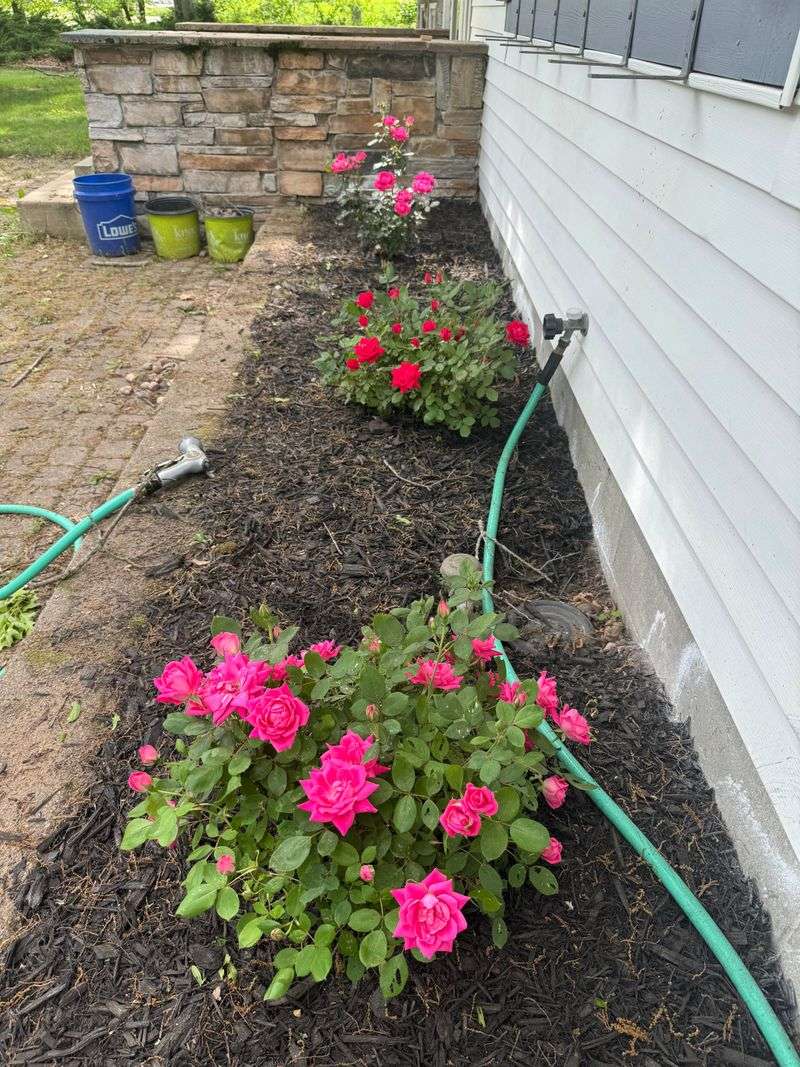
Driveway edges are notorious for compacted soil, and it makes sense when you think about it.
Years of foot traffic, vehicle weight near the pavement, and construction activity press soil particles so tightly together that roots simply cannot push through.
Planting a Knockout Rose in that kind of ground is like asking it to grow through concrete. Compacted soil blocks root expansion, which limits how much water and nutrients a plant can access.
Even if you water regularly and fertilize on schedule, a rose planted in dense, hard soil will struggle to respond because its roots cannot reach far enough to take full advantage of what you are providing.
Growth slows, blooms become sparse, and the plant often looks tired no matter what you do.
Breaking up compacted soil before planting is the single most impactful thing you can do for long-term success.
Use a garden fork or tiller to loosen the soil to a depth of at least 12 to 18 inches across a wide planting area.
Then mix in generous amounts of compost, aged manure, or other organic matter to improve texture, drainage, and nutrient content all at once.
North Carolina’s clay-heavy soils are especially prone to compaction, so this step is not optional.
Healthy, loose soil lets roots spread freely, supports strong nutrient uptake, and gives your Knockout Roses the foundation they need to grow vigorously, bloom generously, and stay resilient through the heat and humidity of a Southern summer.
7. Ignoring Deer Protection

North Carolina is home to a large and growing deer population, and Knockout Roses along driveways are practically an open invitation to browse.
Deer are opportunistic feeders, and tender new rose growth is exactly the kind of snack they seek out, especially in spring when fresh shoots are abundant and other food sources are still limited.
The damage deer cause is not just about missing leaves or chewed stems. When deer repeatedly browse the same plant, they stress it enough to slow its recovery and reduce blooming significantly.
Young plants are especially vulnerable because they have not yet developed the stem thickness and root depth needed to bounce back quickly from repeated grazing. Physical barriers are the most reliable form of protection.
A simple wire cage placed around each rose bush during the first two growing seasons can make a big difference.
Deer are less likely to push through a cage to reach a plant when easier food is available nearby, so even a modest barrier often works well. Companion planting is another smart strategy.
Surrounding your roses with plants deer naturally avoid, like lavender, Russian sage, or ornamental grasses, creates a less attractive border overall.
Deer tend to move away from areas that smell strongly of plants they dislike.
Combining physical barriers with strategic companion planting gives your driveway roses the best chance of staying full, lush, and untouched all season long.
8. Overfertilizing With Nitrogen
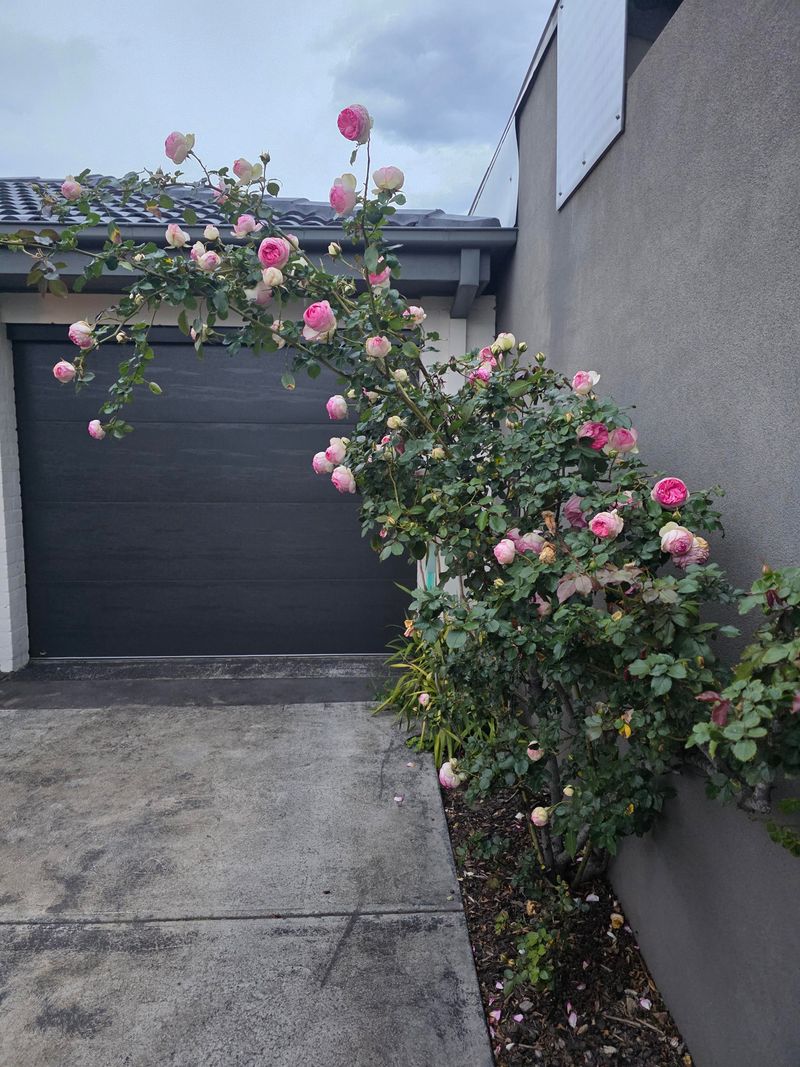
More fertilizer does not always mean better results, and Knockout Roses are a perfect example of that truth.
Nitrogen is the nutrient most responsible for leafy, green growth, and when you apply too much of it, the plant responds by pushing out lots of foliage at the expense of flowers.
You end up with a big, bushy plant that looks healthy from a distance but barely blooms. Excess nitrogen also weakens a plant’s natural defenses.
Soft, rapidly growing tissue is more attractive to aphids and more susceptible to fungal diseases like black spot and powdery mildew, both of which thrive in North Carolina’s warm, humid conditions.
Overfertilized roses can end up needing more intervention, not less, which defeats the whole purpose of growing a low-maintenance plant.
A balanced slow-release fertilizer with roughly equal parts nitrogen, phosphorus, and potassium works well for Knockout Roses in most North Carolina landscapes.
Look for formulas specifically designed for roses or flowering shrubs, and follow the label instructions carefully.
Applying fertilizer in early spring as new growth begins, and again after the first big bloom cycle, is usually enough to support strong performance through the season.
Avoid fertilizing after late summer because encouraging new growth heading into fall leaves plants vulnerable to frost damage.
Letting the plant slow down naturally as temperatures drop helps it harden off properly and enter winter in a much stronger, more resilient condition overall.
9. Neglecting Pruning
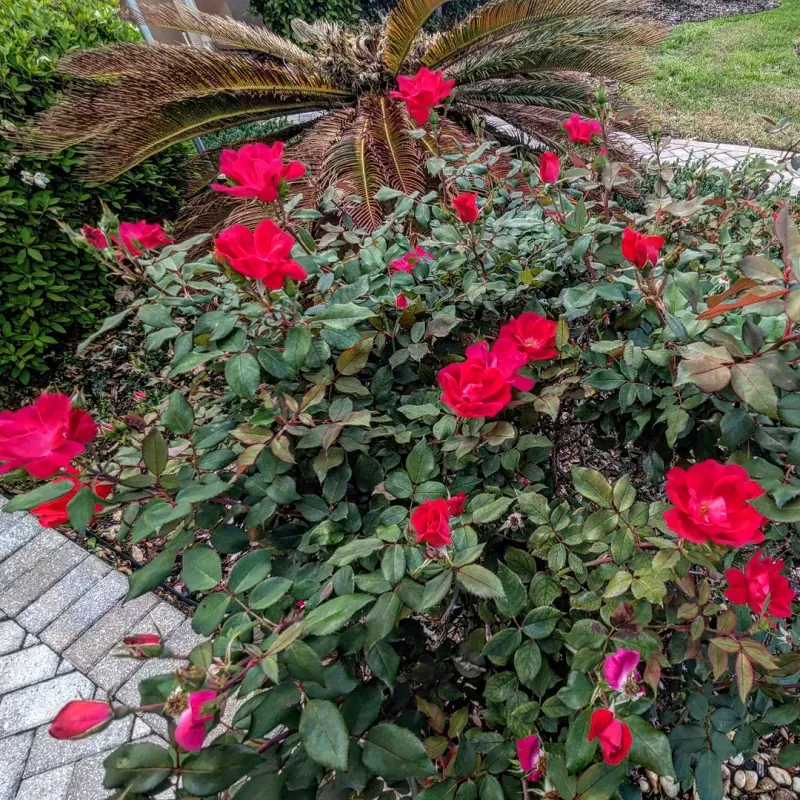
Knockout Roses have a well-earned reputation for being self-sufficient, and that reputation sometimes leads gardeners to skip pruning altogether.
The thinking goes that if the plant is tough enough to handle neglect, maybe it does not need much attention at all.
In reality, skipping pruning year after year leads to a cluttered, tangled shrub that blooms less and becomes more prone to disease over time.
Without regular pruning, old woody canes pile up in the center of the plant and block light and airflow from reaching new growth.
Crossing stems rub against each other, creating wounds that invite pests and pathogens. The plant’s energy gets spread too thin across too many unproductive canes, which means fewer blooms and weaker ones at that.
Late winter to early spring, just as new buds begin to swell, is the ideal time for a major annual pruning in North Carolina.
Cut the entire plant back by about one-third to one-half its height using clean, sharp bypass pruners.
Remove any canes that look weak, damaged, or are growing inward toward the center of the plant.
Light deadheading and shaping throughout the growing season keeps things tidy and encourages continuous reblooming.
Knockout Roses rebloom on their own fairly well, but a quick trim after each major flush of flowers speeds up the next cycle noticeably.
Sharp tools and clean cuts make the whole process easier and reduce the chance of introducing disease through ragged pruning wounds.
10. Planting Without Considering Vehicle Splash And Salt
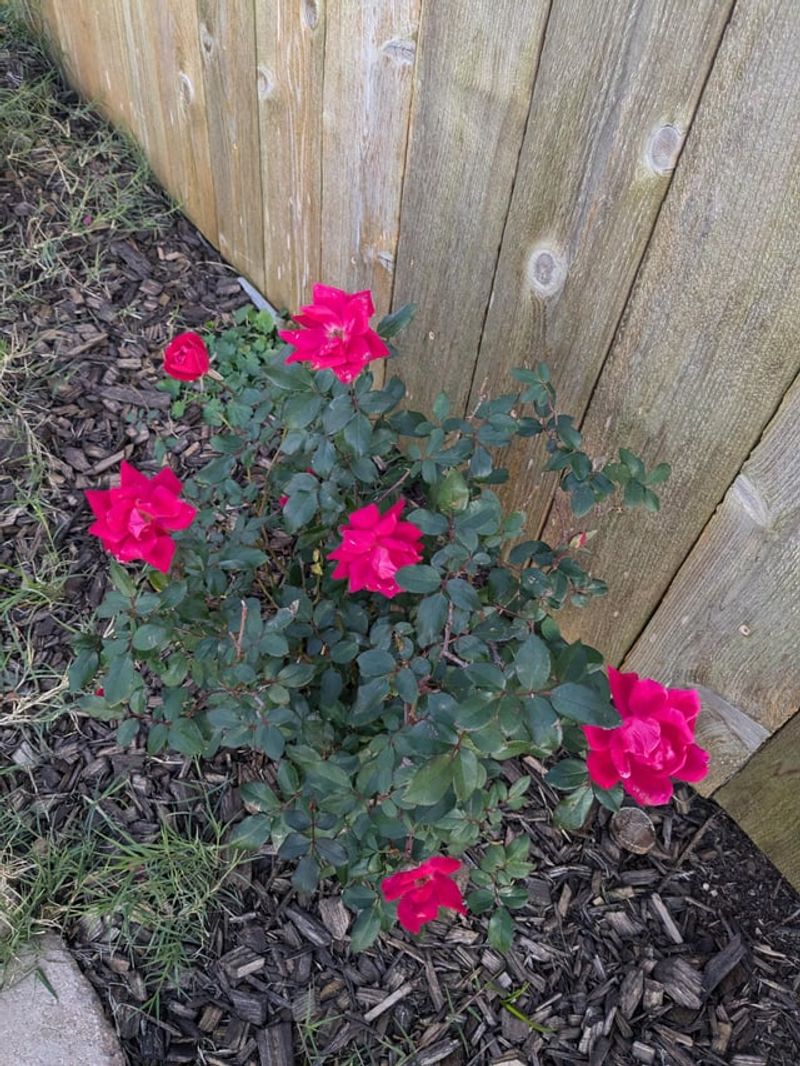
Driveways are not just static slabs of pavement. They are active surfaces that collect rain runoff, carry road salt in winter, and splash debris onto nearby plants every time a vehicle drives through.
Planting Knockout Roses right next to that activity without any kind of buffer is a setup for ongoing stress that most gardeners never even think about until the damage is already visible.
Road salt is particularly harmful to roses. Sodium chloride, the most common type of road salt, pulls moisture out of plant tissue and disrupts the soil’s ability to absorb water and nutrients properly.
In North Carolina, ice events do happen, especially in the Piedmont and mountain regions, and salt applications during those periods can linger in the soil long after the ice melts.
Creating a buffer zone of at least 18 to 24 inches between the driveway edge and your rose planting area reduces splash exposure significantly.
A low border of gravel, edging stones, or ornamental grass can act as a physical barrier that intercepts debris and deflects water away from the root zone before it causes harm.
Flushing the soil around your roses with plenty of fresh water after any winter salt application helps dilute and push sodium deeper into the soil and away from active roots.
Adding gypsum to the soil is another practical strategy because it helps displace sodium ions and restore better soil structure over time, keeping your driveway roses healthy and blooming beautifully season after season.