Georgia Fruit Growers Paint Young Tree Trunks White Before Winter For A Smart Reason
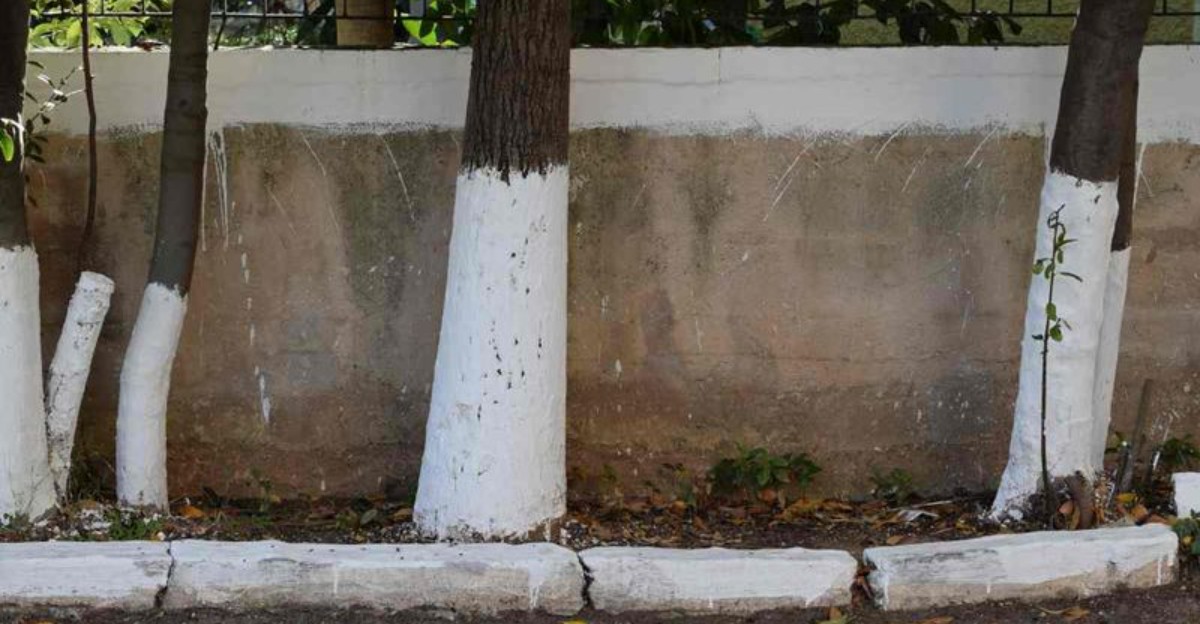
White paint on a young fruit tree trunk might seem unusual, but growers use it for a practical reason that has nothing to do with appearance.
Winter sunshine can warm exposed bark during the day, followed by a sharp temperature drop after sunset. That sudden change can contribute to bark injury on vulnerable trees.
Young fruit trees are particularly susceptible because their bark is still relatively thin.
Some Georgia growers apply diluted white interior latex paint to trunks to reflect sunlight and reduce temperature fluctuations. The protection can be especially useful on exposed south and southwest sides.
Choosing the correct paint and applying it properly matters just as much as timing.
Before treating your trees, consider their age and exposure to winter sunlight. A simple protective coating may help prevent damage that becomes visible only after colder weather has passed.
1. That White Coat Has More To Do With Sunlight Than Looks
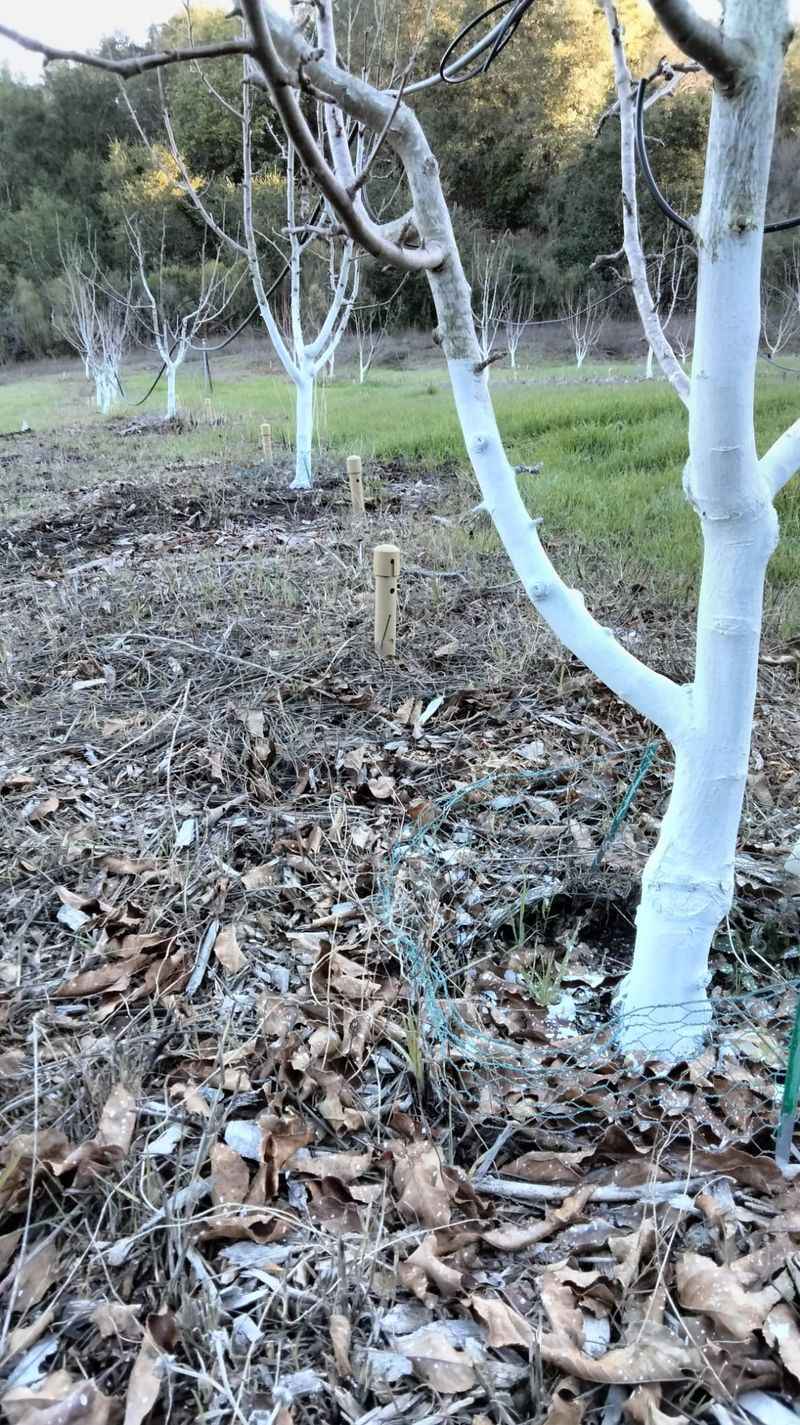
Paint on a tree trunk is not about curb appeal. Growers use it to reflect sunlight away from young bark during the colder months.
The problem they are guarding against is called sunscald, and some people call it southwest injury.
It shows up most often on young fruit trees with thin, smooth bark that has not thickened yet. Peaches, plums, apples, and cherries can all be affected, along with some young shade trees.
Sunscald damage often looks like a sunken, cracked, or discolored patch of bark. In some cases the bark splits or peels away, leaving the wood underneath exposed.
Those open wounds can give insects and disease organisms an easy way in, which is the bigger worry for growers.
Across Georgia, peach growers and Extension agents have long used white paint as one practical step against this kind of injury. It costs little, takes minutes per tree, and needs no special equipment.
White works because it bounces back much of the sun’s energy instead of soaking it up. Darker bark absorbs more heat, so a pale coat helps keep the trunk’s surface temperature steadier.
Paint is not a cure for every trunk problem, though. Cracked bark can also come from mower damage, borers, or disease, so it helps to look closely before assuming sunscald is the cause.
2. Bark Warmed By Afternoon Sun Can Freeze Hard After Dark
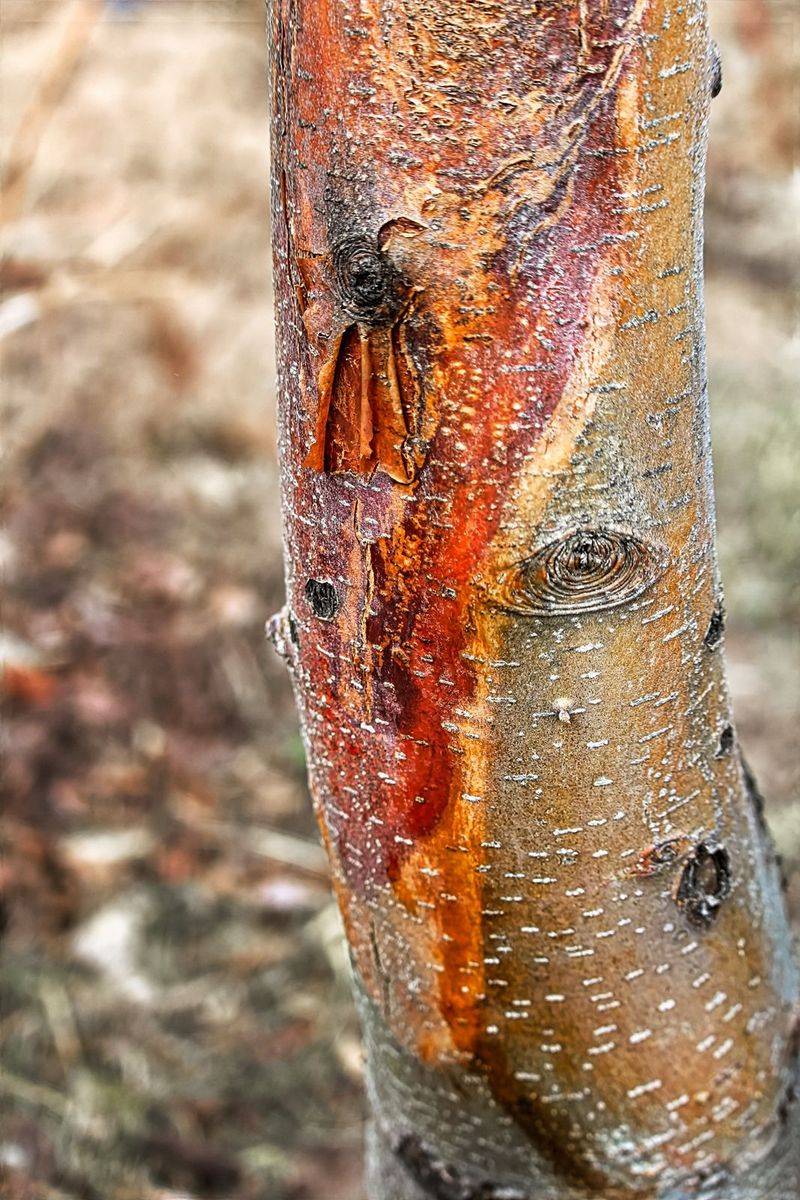
Picture a bright winter afternoon followed by a clear, frosty night. That quick swing is exactly what causes trouble for young bark.
On sunny days, the sun can warm the trunk’s surface well above the surrounding air temperature.
When that happens, cells just under the bark may start to wake up and become active. They lose some of the cold hardiness they had while fully dormant.
Once the sun drops, bark temperature can fall quickly. Those warmed, less hardy cells may then freeze, and the tissue can be injured.
Winter weather in Georgia often follows this pattern, with mild, sunny spells mixed between cold snaps. Clear skies at night tend to let heat escape faster, which can make the drop sharper.
Your Georgia Garden Changes Every Week. Your Plan Should Too.
Gardening in Georgia changes quickly throughout the season. Every Friday you’ll receive a simple weekly plan showing exactly what to plant, prune, fertilize, harvest, and protect so you never miss the right timing.
How much damage occurs depends on several things, including the tree’s age, its overall health, and how extreme the temperature swing is.
Some winters may cause little or no visible injury. Others, with repeated warm days and hard freezes, can leave noticeable bark damage by spring.
You may not spot the injury right away. Damaged areas often become clearer in late winter or spring, when bark starts to crack or peel.
Keeping that delay in mind helps you check trees at the right time and catch problems before they grow worse.
3. The Southwest Side Of The Trunk Takes The Brunt
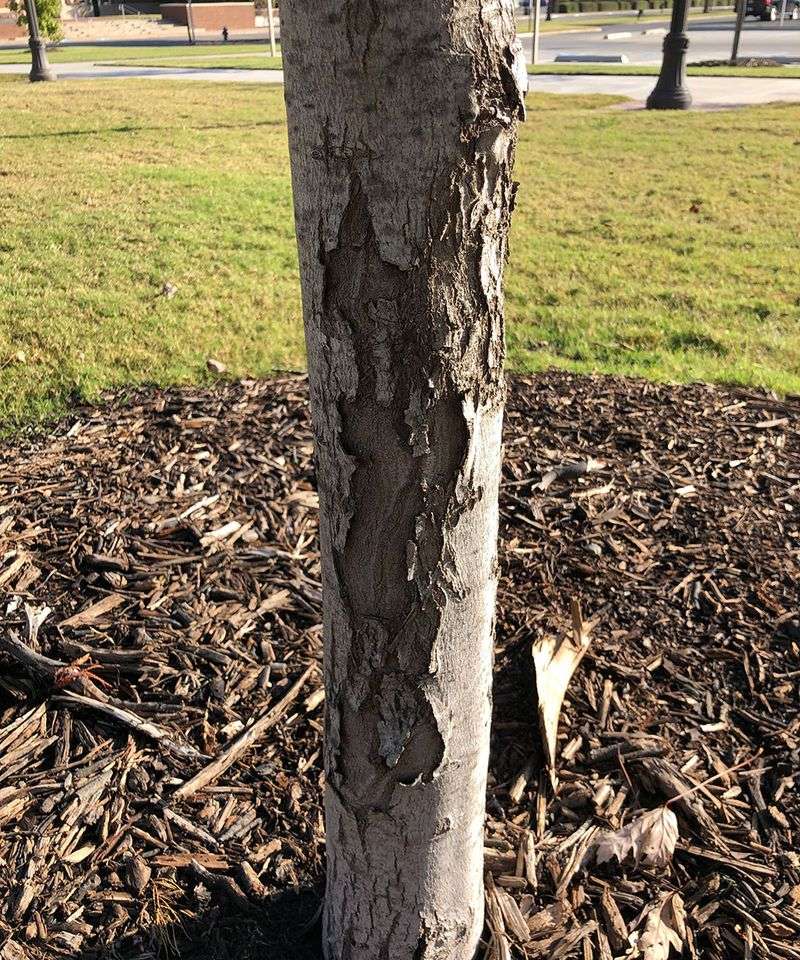
Walk around a young tree in winter and one side tells the story. Damage from sunscald tends to show up on the south or southwest side of the trunk.
Afternoon sun hits that side at a low angle in winter, and it is usually the strongest, warmest sun of the day.
Bare branches overhead give little shade once leaves have fallen. That leaves the trunk wide open to direct rays for hours.
So when you inspect your trees, start by checking the side that faces the afternoon sun. Look for bark that seems sunken, darker, cracked, or loose compared with the rest of the trunk.
Here in Georgia, trees planted in open lawns or along sunny fence lines may face more exposure than those near buildings or taller trees.
Nearby surfaces can matter too. Light walls, pavement, or rock mulch may reflect extra heat onto a trunk, though the effect varies from yard to yard.
Knowing which side is most at risk also helps when painting. Some gardeners pay extra attention to covering the southwest face fully.
Even so, coating the entire circle of the lower trunk is the usual approach, since it is simple and leaves no gaps.
4. Young, Thin-Barked Trees Are Especially Vulnerable
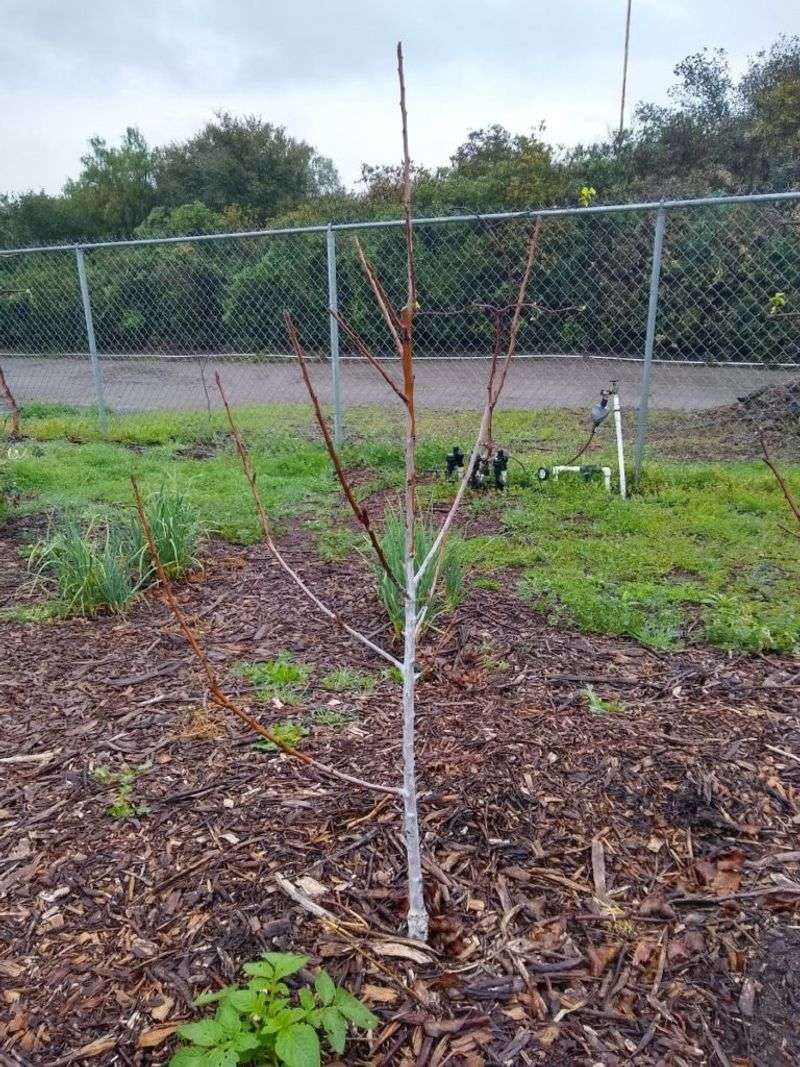
Smooth, shiny bark looks healthy, and it usually is. Still, that thin skin offers young trees much less protection than the rough bark of older ones.
Older trunks develop thick, corky bark that acts a bit like insulation against sun and temperature swings.
Young trees have not built that layer yet. Their bark is thinner and lets heat reach the living tissue underneath more easily.
Newly planted trees can be at higher risk, especially if they came from a nursery where they grew close together and were shaded by neighbors.
Fruit trees with naturally thin bark, such as peaches, plums, cherries, and apples, are common candidates for protection. Some young maples and other ornamentals can be affected too.
Many Georgia growers paint trunks during the first few years after planting, until the bark thickens. The exact number of years varies with the type of tree and how fast it grows.
Pruning practices make a difference as well. Heavy pruning that suddenly opens up a trunk to strong sun can raise the chance of injury.
A healthy, well-watered tree may handle stress better, though good care alone does not prevent sunscald. Paint simply adds one more layer of help while the tree matures.
5. Interior White Latex Paint Is The Safer Choice
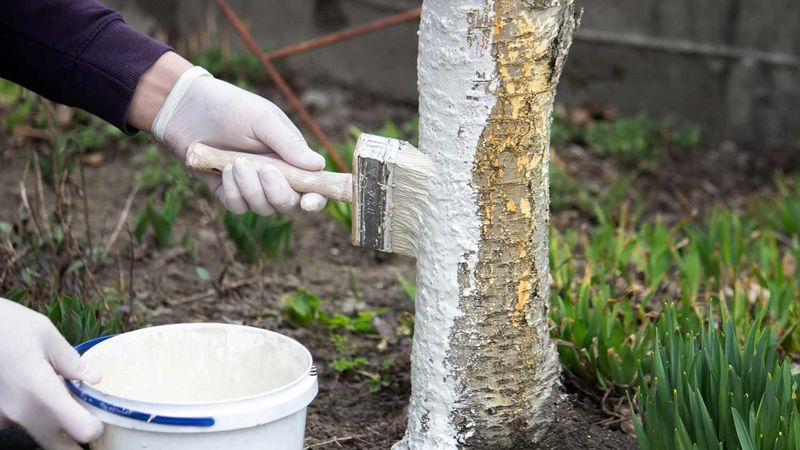
Not every can in the garage belongs on a tree. Choosing the right paint matters as much as applying it.
Extension services commonly recommend plain white interior latex paint for tree trunks.
Latex paint is water-based, so it is generally gentler on bark than oil-based products. Oil-based paints and some solvents can harm living plant tissue.
Why interior rather than exterior? Some exterior paints contain additives, such as mildew inhibitors, that may not be ideal for bark, so interior paint is the cautious pick.
Stick with a true white color. Off-white or tinted shades reflect less sunlight, which defeats the main purpose of the coat.
Flat or matte finishes work fine, and you do not need anything fancy or expensive. A basic gallon can cover quite a few young trees.
Garden centers in Georgia may also sell commercial tree trunk whitewashes made for this job. Read the label and follow its directions if you go that route.
Avoid anything labeled as a sealant, tar, or wound dressing. Those products serve different purposes and are not a substitute for a reflective white coat.
6. Diluting The Paint With Water Makes It Easier To Apply
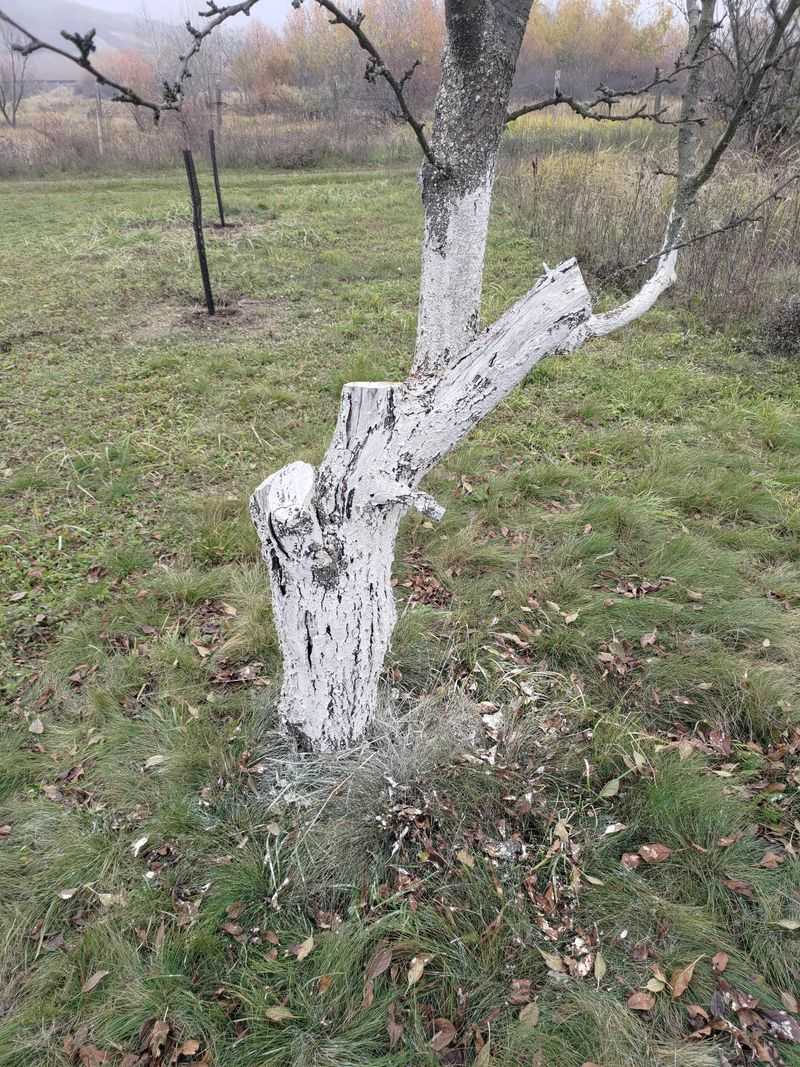
Thick paint fights the brush, while thinned paint glides on. Mixing in water makes the whole job smoother and quicker.
A common Extension recommendation is to dilute latex paint with roughly equal parts water, though some sources suggest slightly different ratios.
Thinner paint soaks into the cracks and crevices of bark more easily. It also helps you cover the trunk evenly without leaving thick globs.
Stir the mix well in a bucket before you start. Then use a wide, soft brush to work it around the trunk from the soil line upward.
Pick a dry, mild day for painting so the coat has time to set before rain. Wet bark may not hold paint as well.
Wear old clothes and gloves, since splatters are part of the deal. A drop cloth or cardboard at the base keeps paint off mulch and grass.
Plenty of growers across Georgia handle dozens of trees in an afternoon using this simple method.
Check your work once it dries. If thin spots show bark through the paint, a light second coat can fill them in so the trunk looks evenly white all around.
7. Covering The Lower Trunk In Late Fall Offers Protection Through Winter
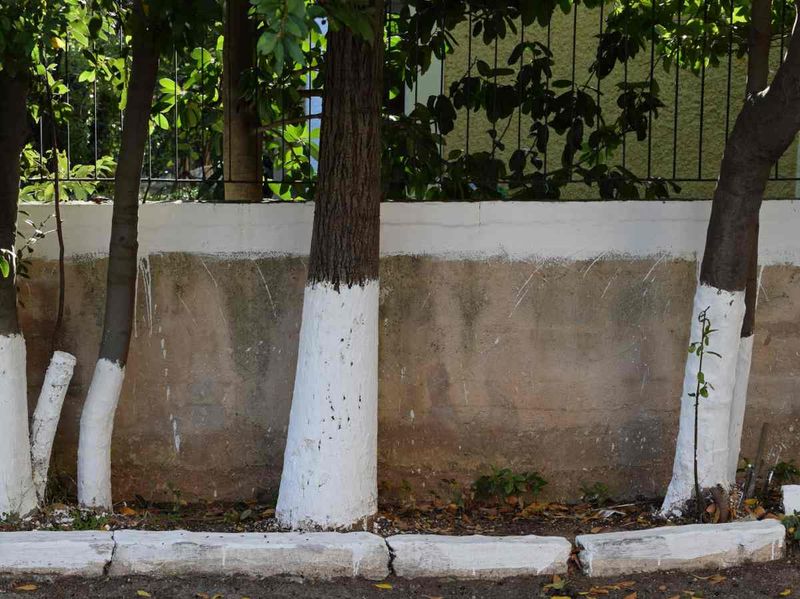
Timing turns a good idea into a useful one. Late fall, after leaves drop and before winter sun gets harsh, is a practical window for painting.
In Georgia, that often means somewhere between November and December, depending on your area and the year’s weather.
North Georgia mountains tend to cool off earlier than the coastal plain. Adjust your timing to match when your own trees go dormant.
Focus on the lower trunk, from the soil line up to the first main branches. That stretch is the part most exposed to direct winter sun.
One coat often lasts through winter and sometimes longer, since latex weathers slowly. You can touch up worn spots each fall as needed.
Some growers also use white trunk guards or wraps instead of paint. If you choose wraps, remove or loosen them in spring so they do not trap moisture or girdle the trunk.
Painted trunks can also make it a little harder to spot borer activity or bark problems. Keep an eye out for gumming, holes, or sawdust-like material near the base.
Paint will not solve every winter issue, but it is an affordable habit that gives young trees a better start.