The Meaning Behind Hearing Possible Poorwills Calling At Night Around Your Arizona Home
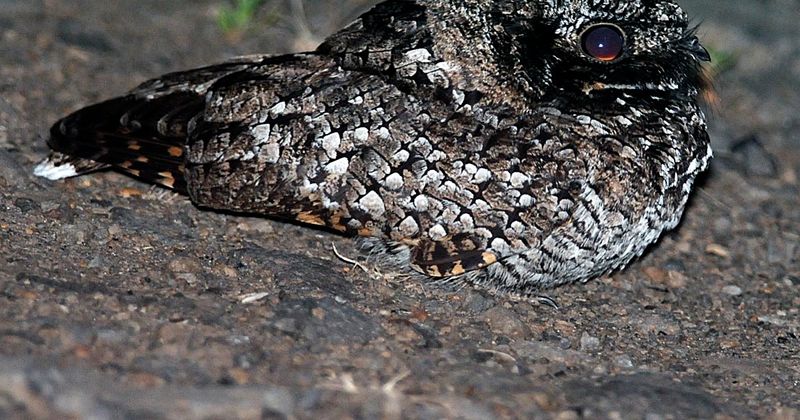
Some Arizona evenings carry a soft, repeating whistle from the dark, and not every yard gets to hear it. That sound may come from a Common Poorwill, a small desert bird that spends its days hidden and its nights active.
Knowing what the call can and cannot tell you helps you enjoy it without guessing too much. A few simple clues can turn a mystery noise into a useful look at the land around you.
A repeated “poor-will” may be a male singing nearby
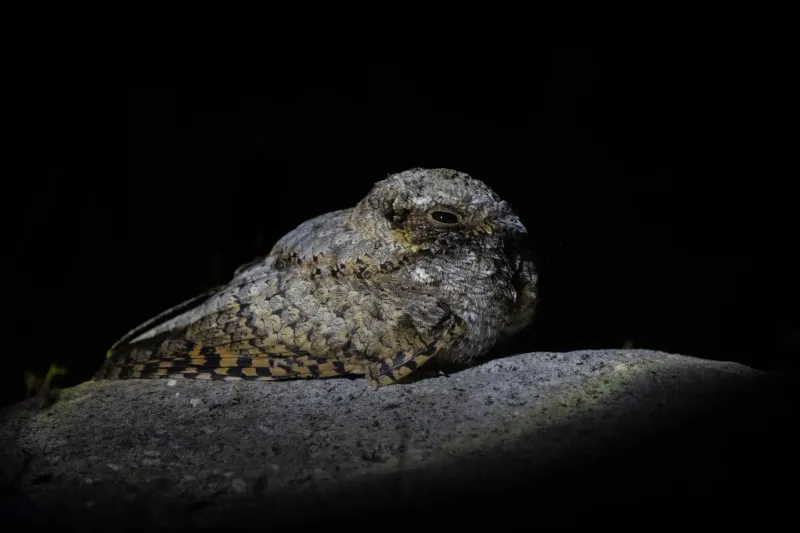
Picture a quiet desert dusk, then a soft whistle that repeats again and again. Cornell describes the male Common Poorwill’s breeding-season song as a repeated, whistled “poorwillip” given at night.
If your ears pick up that pattern, a poorwill is a reasonable guess.
It is only a guess, though. Repetition alone does not name the caller, because other night sounds can repeat too.
If you want to be sure, compare a recording of your sound with the reference clips on a reliable bird-sound resource.
It also helps to know what the call is. It is ordinary bird behavior, a male announcing himself during the breeding season.
It is not an omen, a prediction, or a message about your household. It is simply a bird doing what birds do after dark.
Suitable habitat may be close without being in the yard
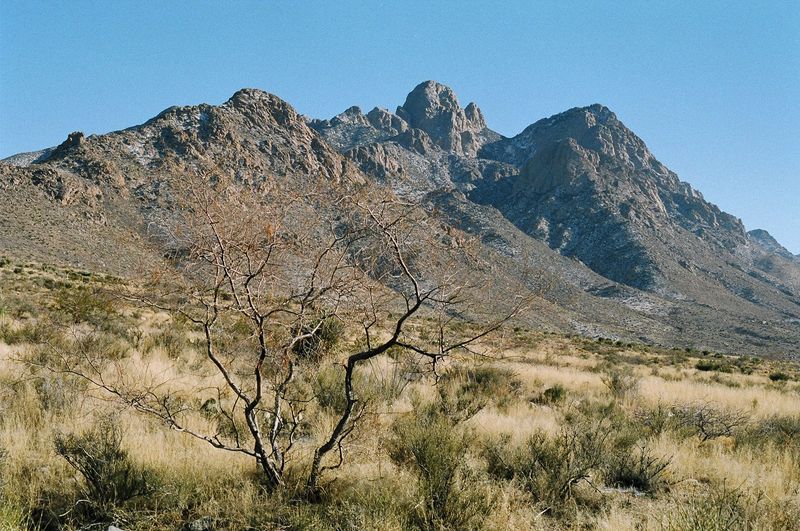
Common Poorwills favor dry, open, shrubby terrain and rocky foothills. Cornell’s habitat list also includes ranchlands, golf courses, and some suburbs, so they do turn up near people.
That is why a call can say something about the landscape. At most, it hints that suitable habitat sits somewhere in the surrounding area.
A neighborhood bordering open desert or a wash is a likely setting, as the
Arizona-Sonora Desert Museum’s nightjar overview suggests for these desert birds.What the call cannot tell you is where the bird actually spends its time. A singing male may be calling from a vacant lot, a hillside, or the far side of the block.
Hearing one does not show that your property supports a resident or nesting bird.
Calling follows a season, not a full-moon rule
Timing is a handy clue. In a southern Arizona study of poorwill calling, researchers recorded calls from March through October.
Most calling happened from early May through September.
So a whistle in July fits the pattern better than one in January. The same study found that calling counts were associated with ambient light, meaning how bright the night was.
That link is easy to stretch too far. It does not mean poorwills call only under a full moon, or at one special hour.
Over several months, a listener might hear a bird on one night and nothing on the next, with many things shaping the difference. Treat the season as a loose guide and the moon as one possible factor, not a schedule you can set your watch by.
The caller may be nearby and still hard to see
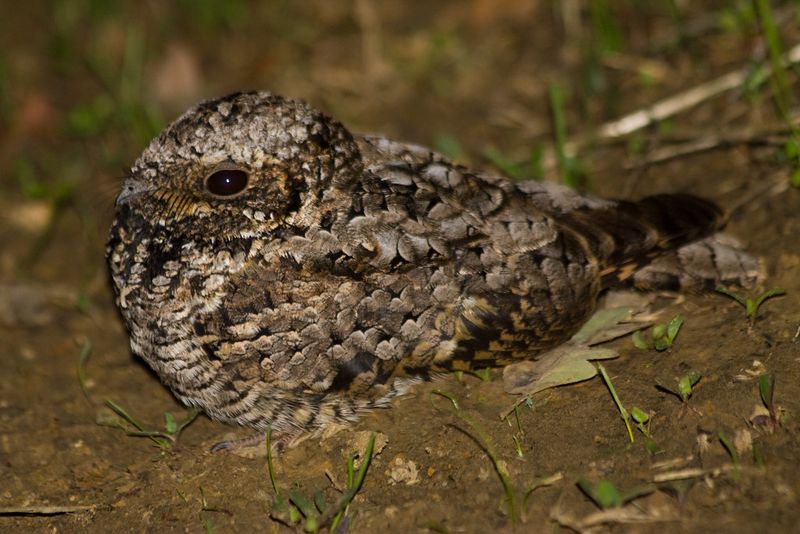
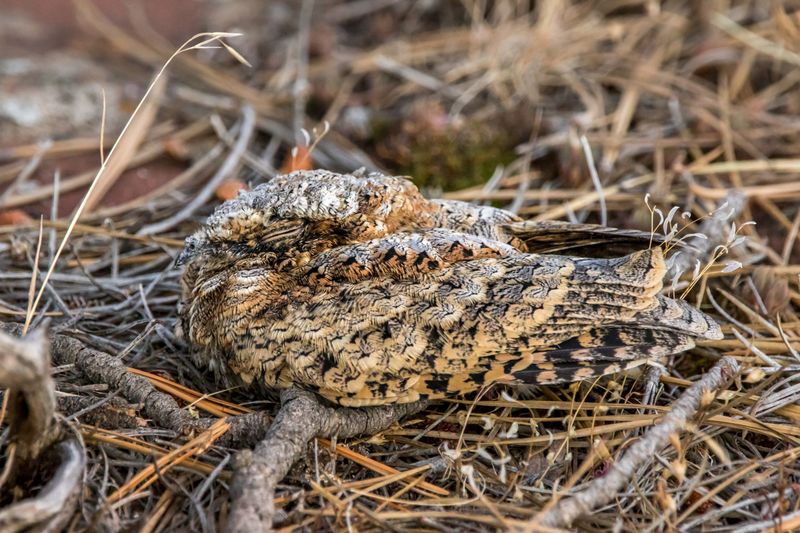
Hearing a poorwill is far easier than finding one. Cornell notes that these birds are strongly camouflaged and often roost on the ground.
Your Arizona Garden Changes Every Week. Your Plan Should Too.
Gardening in Arizona changes quickly throughout the season. Every Friday you’ll receive a simple weekly plan showing exactly what to plant, prune, fertilize, harvest, and protect so you never miss the right timing.
Their mottled gray and brown feathers blend with gravel, dry leaves, and shadow.
A flashlight sweep through the yard rarely solves the mystery. A bird could sit a few steps away and still look like part of the dirt.
Skip the nighttime search. Walking through likely roosting or nesting spots in the dark can disturb a bird you will probably never spot, and it risks a bad step for you too.
A better plan is to listen from a patio or doorway, note when the sound starts, and let the bird stay hidden.
Its insect diet is not a pest-control promise
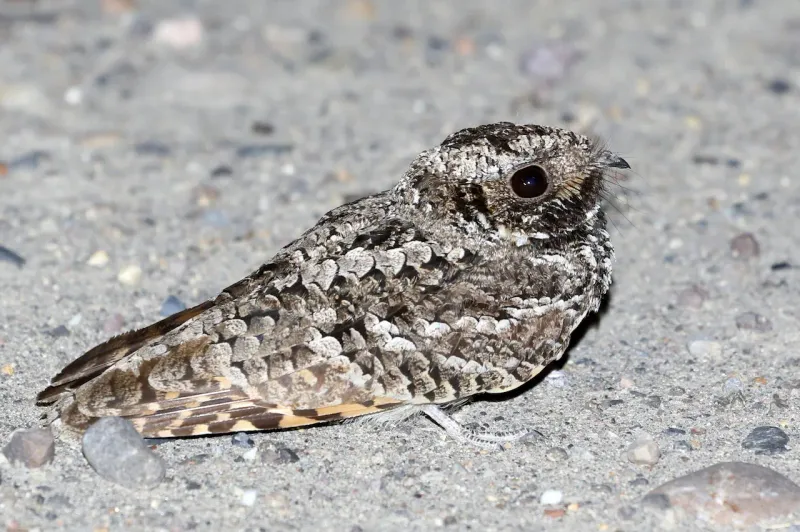
A poorwill’s menu is made of flying insects, especially moths and beetles. According to Cornell’s life history notes, it forages by flying up from a low perch to snatch prey from the air, then often returns to the ground.
It is tempting to picture a free pest crew working your yard after dark. The facts do not go that far.
Nothing here shows dependable control of mosquitoes, scorpions, or other household pests.
Think of the diet as a window into how the bird lives rather than a service. If you want fewer pests, steps like sealing gaps and trimming debris do more.
Enjoy the poorwill as a night hunter doing its own thing, and treat any pest benefit as unproven.
A possible ground nest calls for distance
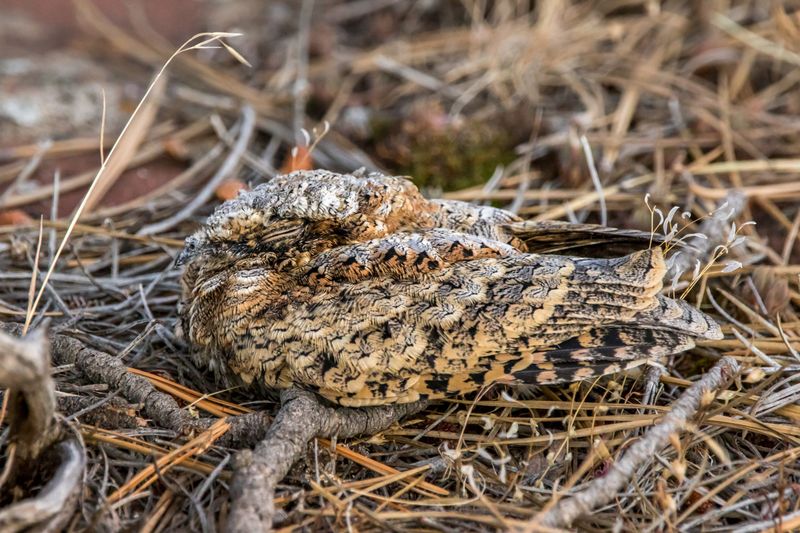
Poorwills do not build a typical nest. Cornell reports that eggs are laid directly on stony or sandy ground, often near a shrub, cactus, or rocky outcrop.
A call does not mean a nest is on your property, so there is nothing to go looking for. If you ever stumble on a bird or eggs, back away.
Do not handle the eggs, move them, or flush the bird.
There is also a legal side. The Migratory Bird Treaty Act restricts taking protected migratory birds without authorization.
Keeping your distance is the simplest way to stay on the right side of it, and the kindest thing for the bird.
The clearest clue is nearby habitat, not ownership
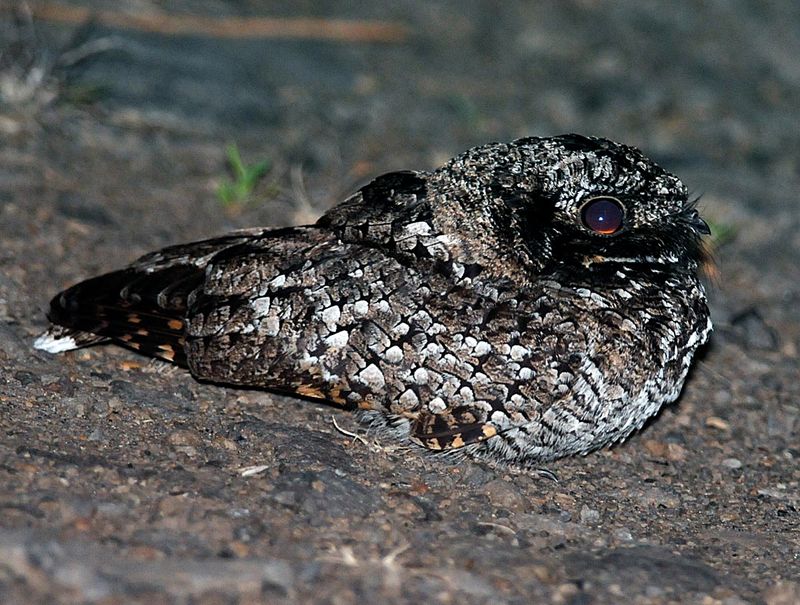
A confirmed poorwill call can point to a bird close by and suitable habitat in the wider area. Cornell’s species guide is a good place to check the sound.
It cannot show that the bird lives, nests, or feeds in your yard.
Hear it as a small hello from the desert, shared with the whole neighborhood.