Georgia Gardeners Should Wait Until Late Winter To Prune Knock Out Roses
One of the toughest shrubs in American yards was developed by a rose breeder who spent years working in his basement and backyard. It went on to become one of the best-selling roses in North America.
What surprises me most is just how forgiving these bushes are. They shrug off heat, humidity, and the black spot that ruins so many fussier roses across Georgia.
Still, even a tough plant has one chore where timing makes a real difference. Grab your shears too early and a single February freeze can scorch the tender shoots you just encouraged.
Wait too long and you may slow down that first big wave of flowers.
I find it interesting that a cheerful yellow shrub blooming down the street might be your best calendar. So, when should you actually make that first cut?
1. Those Tough Knock Out Rose Bushes Still Need One Well-Timed Haircut

William Radler, a rose breeder from Wisconsin, introduced the original Knock Out rose in 2000. His goal was a shrub rose that looked great without constant spraying and fussing.
He nailed it.
Still, low maintenance does not mean no maintenance. These shrubs grow fast, and many varieties reach 4 to 5 feet tall and wide in a single season if left alone.
Without a yearly trim, they get leggy, crowded, and woody in the middle. The flowers start showing up mostly at the top, while the lower half looks bare and twiggy.
A good annual prune fixes all of that. It removes old, tired wood and makes room for fresh canes.
Since these roses bloom on new growth, fresh canes mean more flowers all season long.
I like to think of it as a reset button. One solid trim each year keeps the bush full, tidy, and blooming from bottom to top.
The catch is timing. Prune at the wrong moment and the plant can waste energy or suffer cold damage.
Prune at the right moment and you set the stage for months of color. That one choice matters more than the exact cuts you make.
2. Late February To Early March Is When Your Rose Pruners Should Come Out
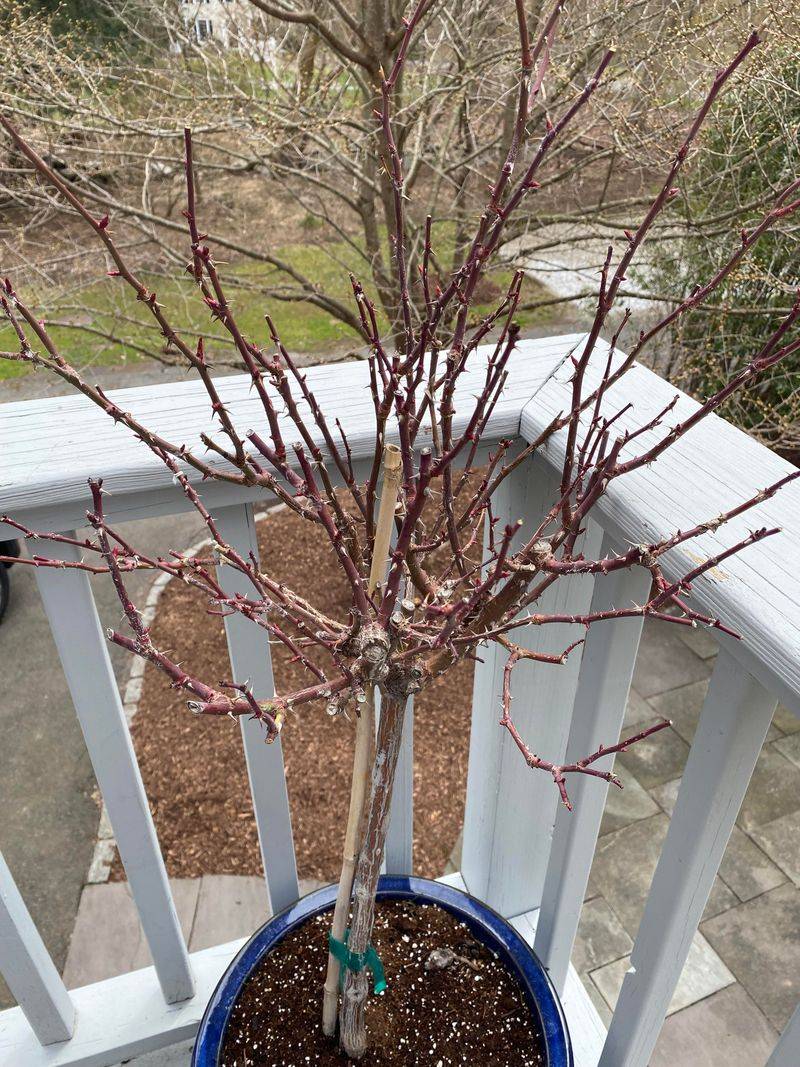
Most Georgia gardeners hit the sweet spot for heavy pruning in late winter, right before new growth takes off. University of Georgia Extension and longtime Georgia garden expert Walter Reeves both point to this window for shrub roses.
For most of the state, that means mid-February through early March. South Georgia often warms up first, so gardeners near Valdosta or Thomasville can usually start earlier.
North Georgia mountain gardeners around Blairsville may want to wait until mid-March, since cold snaps hang on longer up there.
Why this window? The plant is still mostly dormant, so cuts cause little stress.
As soon as warm weather arrives, the roots push stored energy into fresh canes right where you want them.
Timing it this way also lowers the risk of frost damage. If you prune in January and a warm spell follows, new shoots may pop out early.
Your Georgia Garden Changes Every Week. Your Plan Should Too.
Gardening in Georgia changes quickly throughout the season. Every Friday you’ll receive a simple weekly plan showing exactly what to plant, prune, fertilize, harvest, and protect so you never miss the right timing.
One hard freeze can then blacken that tender growth.
You need to watch the weather, not just the calendar. A stretch of mild days with no deep freezes in the forecast is your cue.
Late winter pruning gives you a strong, well-timed start to the blooming season.
3. Swelling Rose Buds And Blooming Forsythia Give You The Green Light
Nature hands out free calendars if you know where to look. Your rose bushes and a few neighbor shrubs can tell you more than any date on the wall.
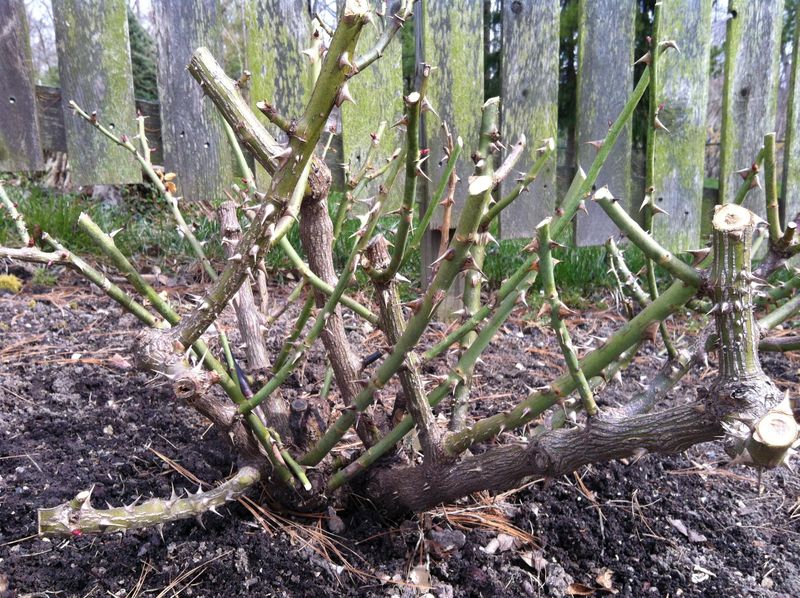
Start with the canes. Look closely for small reddish bumps along the stems.
These are leaf buds, and once they begin to swell, the plant is waking up. That swelling stage is a great time to prune, since you can easily see where new shoots will form.
Many experienced Southern gardeners also watch for forsythia. When those bright yellow branches burst into bloom, the soil is warming and the hardest freezes are often behind you.
It is an old rule of thumb, not a guarantee, but it works well in most years.
Personally, I love this approach because it adjusts to each season. A warm winter brings early buds and early forsythia.
A chilly one pushes everything back a bit.
Do not wait until your roses are covered in full leaves, though. Heavy pruning after big growth has started wastes energy the plant already spent.
Aim for that moment when buds are fat and ready, but leaves have not fully opened yet.
4. A Fall Trim On Knock Out Roses Can Backfire Fast
Autumn cleanup fever is real. The leaves are falling, the garden looks messy, and those sprawling rose bushes seem to beg for a trim.
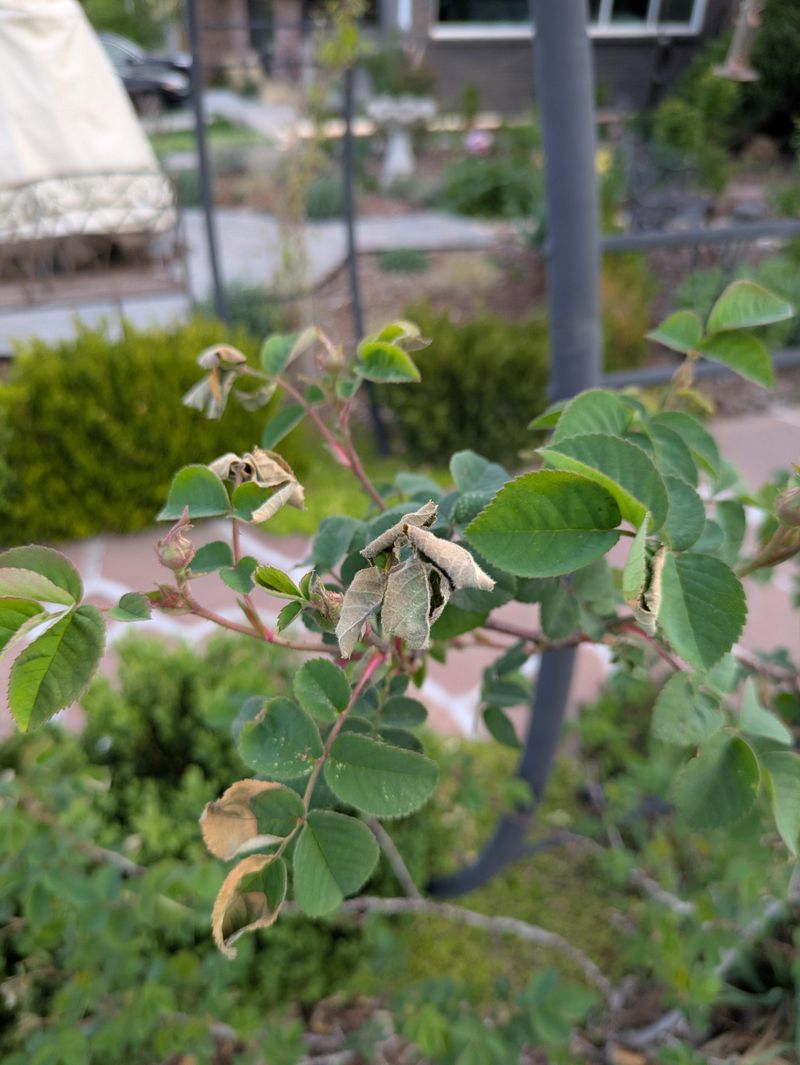
Resist the urge to cut hard. Heavy pruning in fall can trigger a flush of soft new shoots, especially during the mild spells common across the South.
That tender growth has no time to toughen up before freezing nights arrive. Frost can then blacken those shoots and leave the plant weaker heading into spring.
Leaving the bush alone lets it slow down and settle into dormancy naturally. The canes harden off, and the plant holds on to its stored energy until you need it most.
That said, a little light tidying is fine. You can snip a wayward cane that blocks a sidewalk or scrapes against your siding.
Removing broken branches after a storm is also a smart move anytime.
Another helpful fall habit is easing off on fertilizer by late summer. Feeding late in the season can also push soft growth at the wrong time.
Save the big cutback for late winter. Your patience now pays off with stronger canes and better blooms when warm weather finally rolls around.
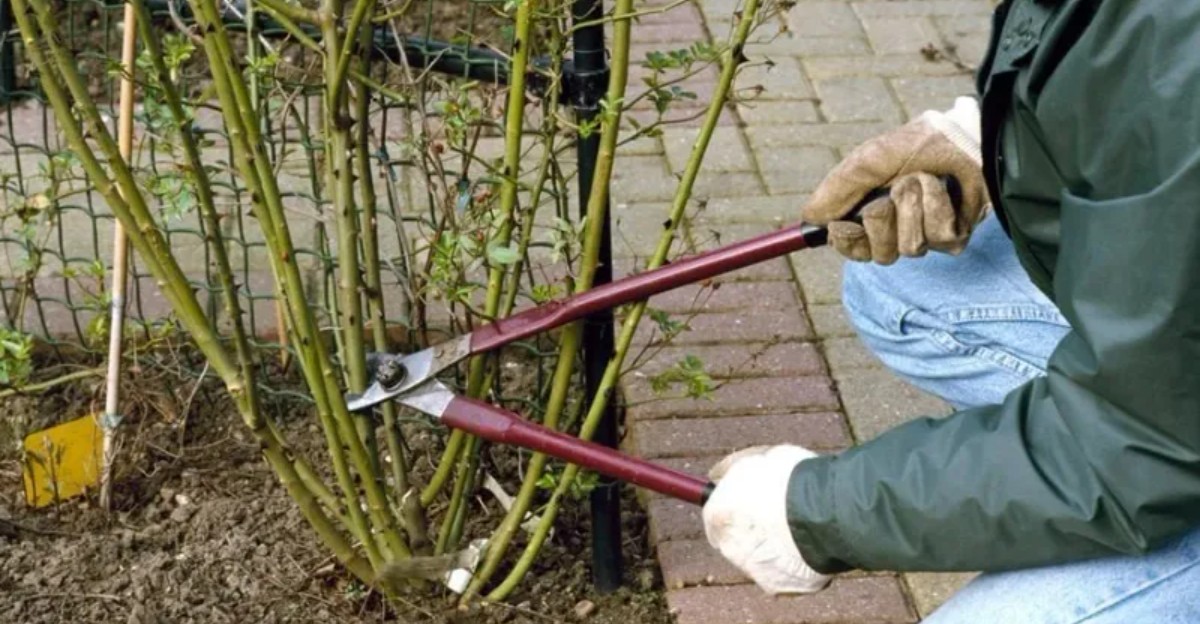
5. Cut Your Knock Out Rose Back By One-Third To One-Half
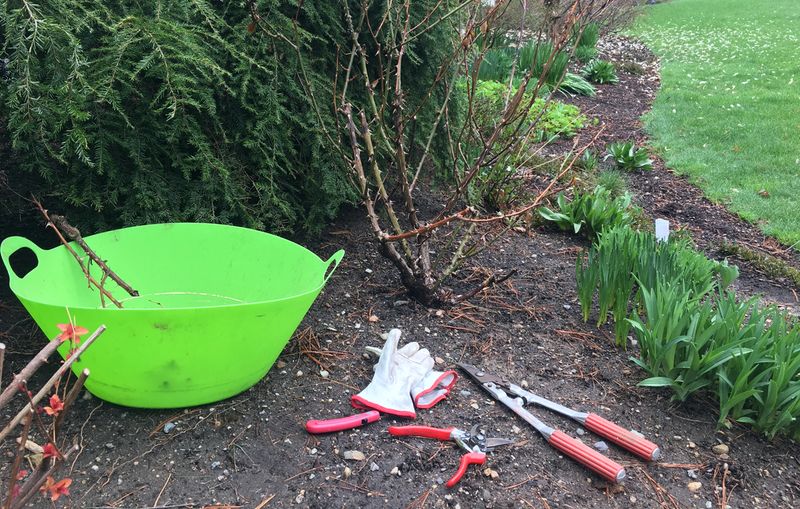
Here is a fun surprise for nervous pruners. Knock Out roses handle a hard cut far better than most people expect.
The general rule from the company behind these roses is to cut back about one-third to one-half of the plant’s height. Many gardeners simply trim the bushes down to roughly 12 to 18 inches tall in late winter.
Others leave them around 2 feet if they want a larger shrub by summer.
Think about where your roses grow. A bed under a front window may need a shorter bush so it does not block your view.
A big hedge along a fence can stay taller.
Do not stress over making each cut perfect. Plenty of landscapers shear Knock Outs with hedge trimmers and still get loads of flowers.
Hand pruners do give you cleaner cuts and more control, though.
I find it helps to step back every few minutes and look at the overall shape. Aim for a rounded, even form.
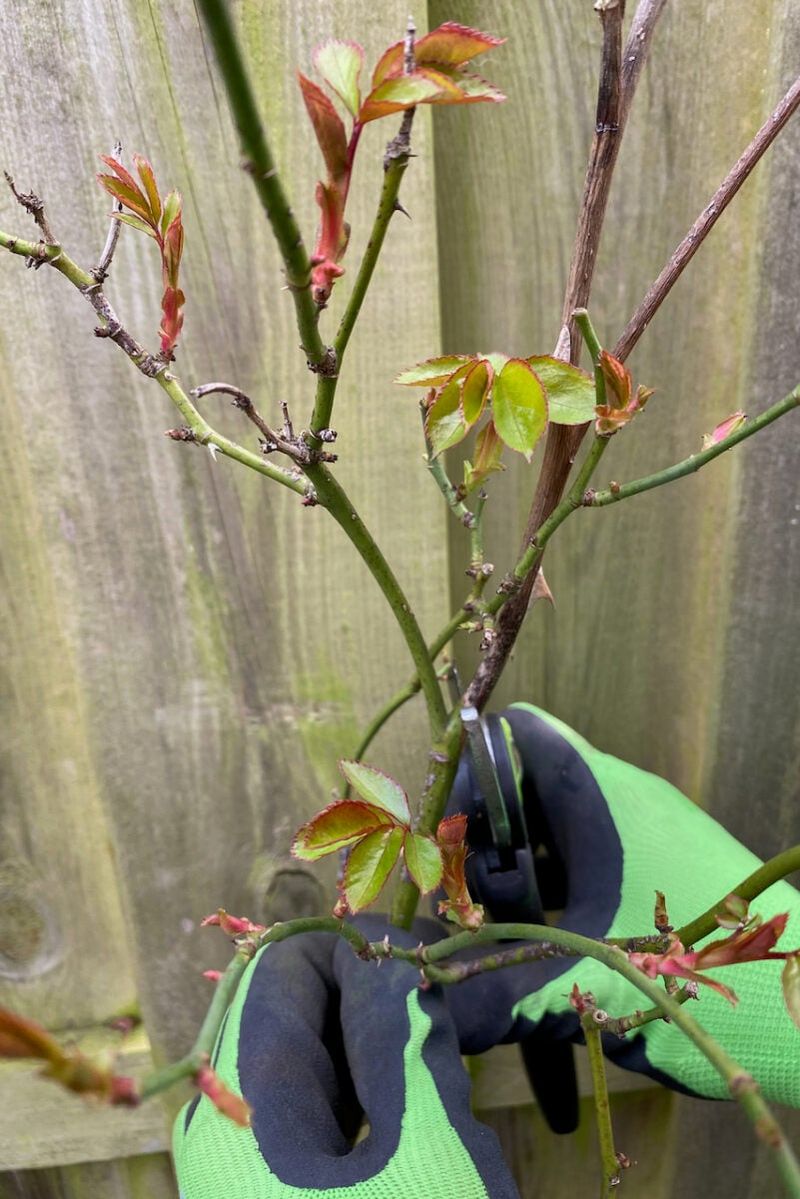
Within a few weeks, fresh red-tinted shoots will start covering those stubby canes. By late spring, the bush will look full and covered in color again.
6. An Open Center Helps Rose Leaves Dry Out In Humid Weather
Southern summers feel like a warm, wet towel. That sticky air is great for sweet tea on the porch, but fungal leaf diseases love it too.
Knock Out roses resist black spot better than many classic roses, yet they are not immune. A crowded bush traps moisture inside, so leaves stay damp longer.
Opening up the center lets breezes pass through and helps foliage dry quickly after rain or morning dew.
Begin by removing any brown, brittle, broken, or diseased canes. Cut them back to healthy green wood or right down to the base.
Next, take out stems that cross and rub against each other.
After that, thin a few canes from the middle to create a loose vase shape. Make each cut about a quarter inch above an outward-facing bud, angled slightly away from it.
New growth will then head outward instead of crowding the center.
Most Knock Outs grow on their own roots, so suckers are rarely a problem. If yours is grafted, remove shoots popping up below the knobby graft.
A little thoughtful thinning goes a long way toward healthier leaves all summer.
7. Clean Pruning Shears And Fresh Mulch Set Your Roses Up For Spring
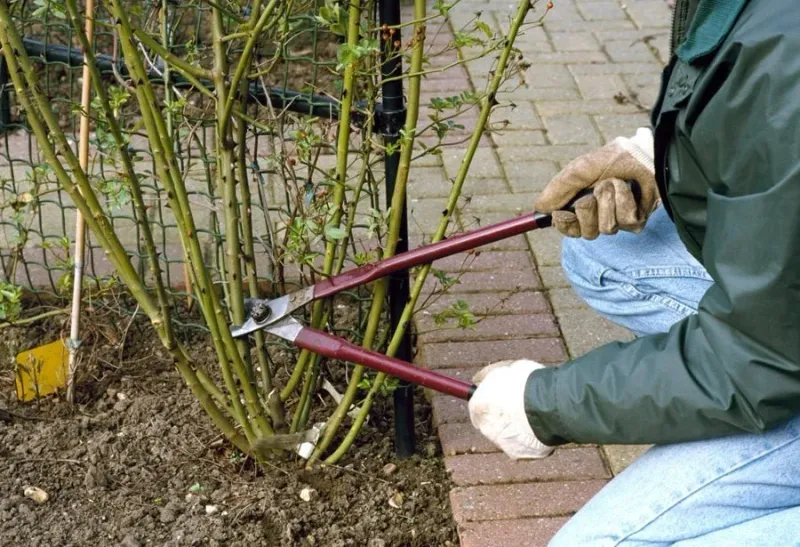
A sharp blade is a rose’s best friend. Dull pruners crush stems instead of slicing them, and ragged wounds heal slowly.
Before you start, check your bypass pruners and loppers. Sharpen them if needed, and wipe the blades with a household disinfectant.
Clean again after cutting any diseased wood and before moving to the next bush. Thick leather gloves will save your hands from those thorny canes.
One disease deserves special mention. Rose rosette, spread by tiny mites, causes bright red, extra-thorny, witches’ broom growth.
UGA Extension recommends removing infected plants, roots and all, since there is no cure.
Once pruning wraps up, rake away all clippings and old leaves under the bushes. Bag or toss them rather than composting, which helps reduce lingering fungal spores.
Then spread 2 to 3 inches of fresh pine straw or shredded bark around the base, keeping it off the canes. When new leaves emerge, a balanced rose or shrub fertilizer gives them a healthy boost.
My favorite takeaway is simple. Wait for late winter, cut with confidence, and clean up afterward.
Your Knock Outs will thank you with waves of color into fall.