That Flat Little Weed In Your Arizona Gravel Hides Seeds Sharp Enough To Flatten A Bike Tire
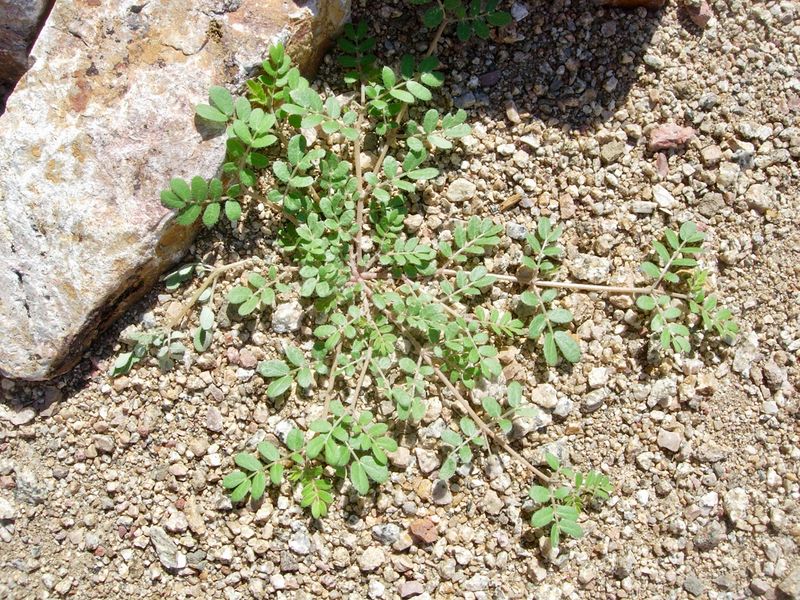
A low, flat weed can sit in your gravel for weeks without looking like trouble. Then one hot afternoon a bare foot, a paw, or a bike tire finds its spiny burrs.
Goatheads are easy to ignore until they hurt, and they keep coming back if you only clean up once. Here is how to spot them, handle them safely, and stay ahead of them.
Recognize puncturevine before you pull it
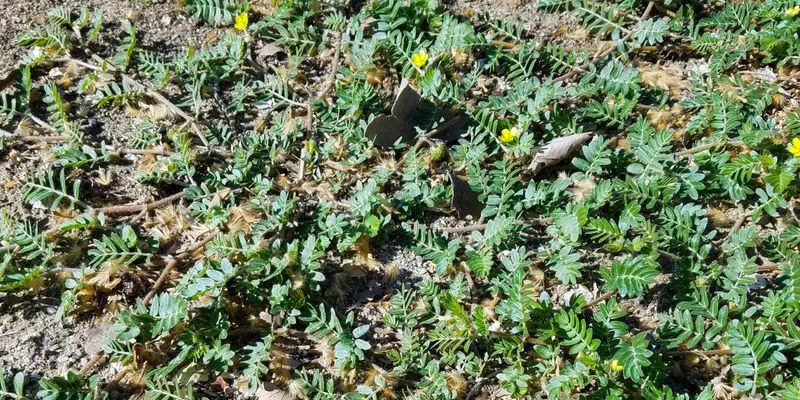
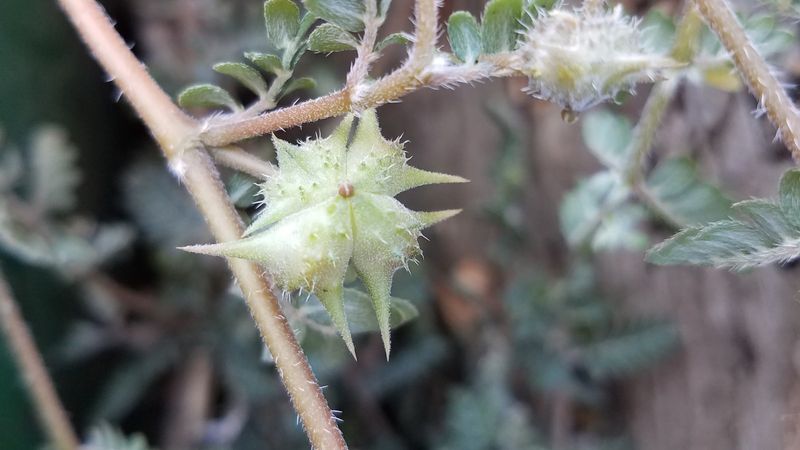
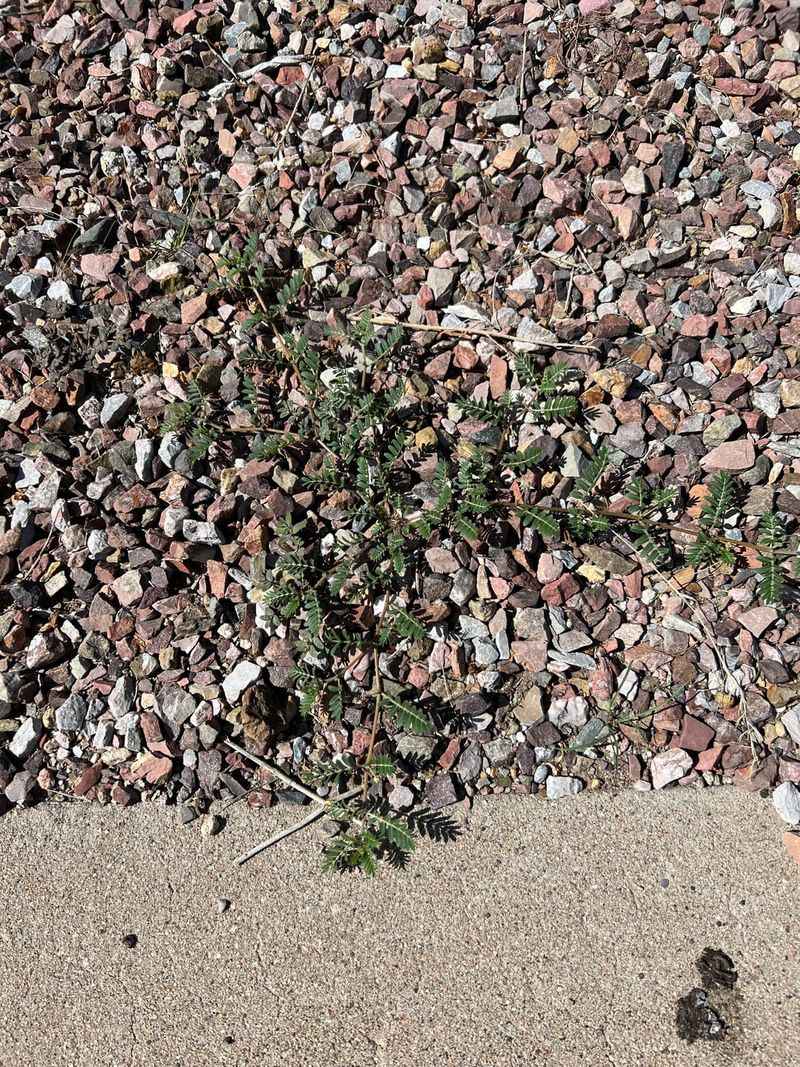
Picture a green mat spreading flat across your gravel, with stems creeping outward from a central point. That is the classic look of puncturevine, an annual weed that hugs the ground.
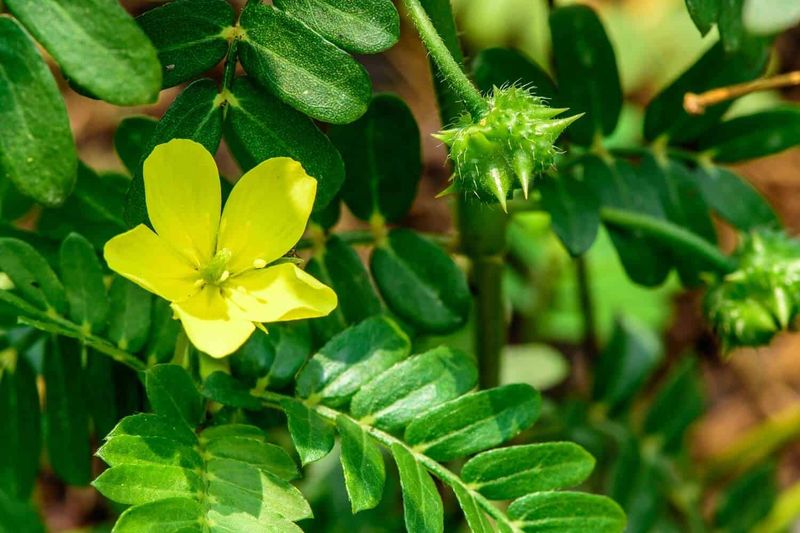
Its leaves are compound and grow in opposite pairs, and its small yellow flowers have five petals. After flowering, the green fruit hardens into the spiny burrs that give the plant its bad reputation.
Arizona Cooperative Extension describes this low growth and sharp fruit.
Look for it in disturbed spots: gravel beds, path edges, driveway cracks, and sandy or bare soil where other plants have not filled in.
Take a moment to confirm what you have before you start yanking. The common name “caltrop” gets used for more than one plant, so it is not a reliable ID on its own.
Arizona poppy, a native, is a different species that sometimes gets tangled up with that name. If a plant looks unfamiliar, compare it with photos from a trusted Arizona source or ask your local extension office first.
The burrs can puncture; the seeds are inside
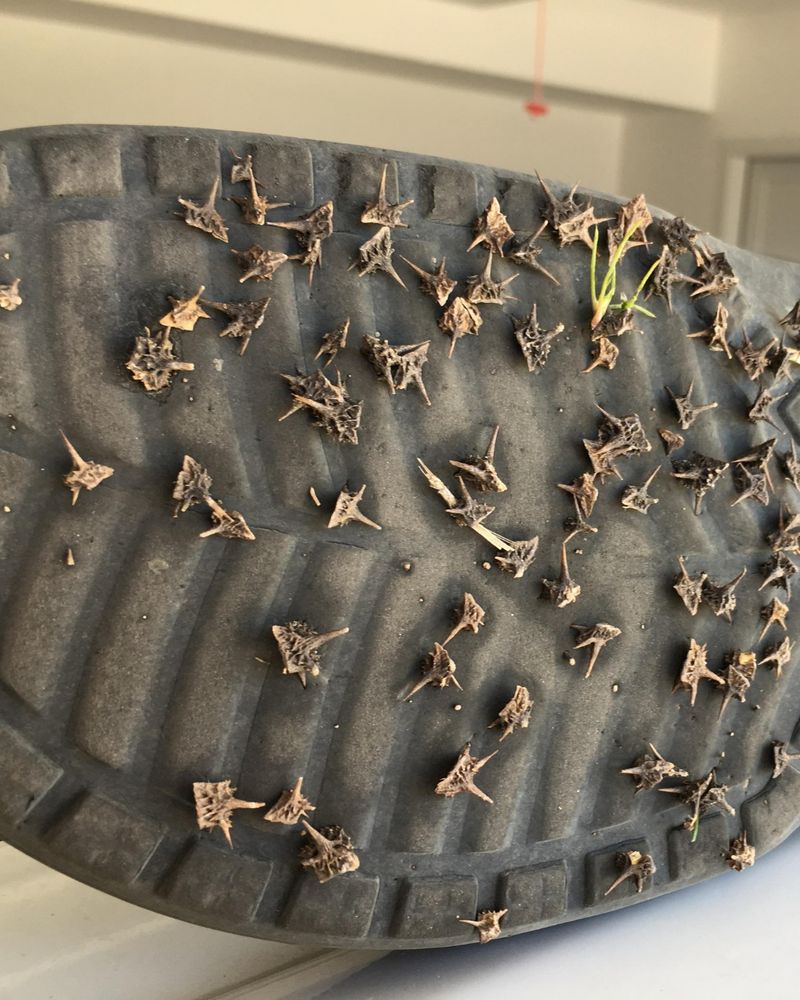
Here is a correction to the popular shorthand: the sharp part is not the bare seed. As the fruit matures, it dries and breaks into hard, spiny segments, and each one encloses seeds.
Those segments are the burrs people step on and find stuck in tires.
The injury risk is real but not guaranteed. UC IPM notes that the burrs can injure people and pets and can puncture bicycle tires.
Bare feet and animal paws are the usual trouble spots, especially on paths, patios, and gravel edges where burrs collect.
Not every burr will puncture every tire, and one stray burr may roll right past without causing harm. The documented concern is for bicycle tires, so there is no reason to assume ordinary car tires face the same problem.
For a bike rider or a barefoot kid, though, a patch of mature burrs is worth taking seriously.
Separate puncture risk from toxicity warnings
Two different worries get mixed together when people talk about goatheads, and they deserve separate treatment. The first is mechanical: sharp burrs that jab skin, paws, and tires.
That is the risk most homeowners face.
The second is toxicity, and it is a different topic. Arizona Extension’s toxic plant publication raises cautions about livestock and plant exposure, with particular risks to sheep and goats.
Those warnings are about animals eating or grazing on the plant.
Nothing in that guidance says that touching puncturevine poisons people or household pets. A dog that gets a burr in a paw has a puncture or irritation problem, not a poisoning problem.
Your Arizona Garden Changes Every Week. Your Plan Should Too.
Gardening in Arizona changes quickly throughout the season. Every Friday you’ll receive a simple weekly plan showing exactly what to plant, prune, fertilize, harvest, and protect so you never miss the right timing.
If a pet seems hurt, limps, or keeps licking a paw, check between the toes for burrs and call a veterinarian if you are unsure.
Keeping the two ideas apart helps you respond sensibly: wear gloves and shoes for the spines, and keep livestock concerns for people who actually keep livestock.
Remove plants before mature burrs form
Timing matters most. Young plants are easy to remove, and plants that have not yet formed hard burrs cannot drop them.
Arizona Cooperative Extension recommends hand-pulling or hoeing through the taproot, and checking through spring and summer.
Put on sturdy gloves before you start, and wear closed shoes. Pull the whole plant if you can, or slice the hoe through the taproot just below the soil surface.
Gravel can make this tricky, so work slowly and look under the stems, where small green fruits hide.
When the plant is out, scan the ground around it. Burrs may already have dropped from nearby stems.
Think of this as a way to reduce new burrs, not a promise that every root or seed is gone. UC IPM advises repeated removal rather than a single pass.
If you are thinking about a chemical product, read the label and check that it suits your site, or ask local experts first.
Collect burrs already on the ground
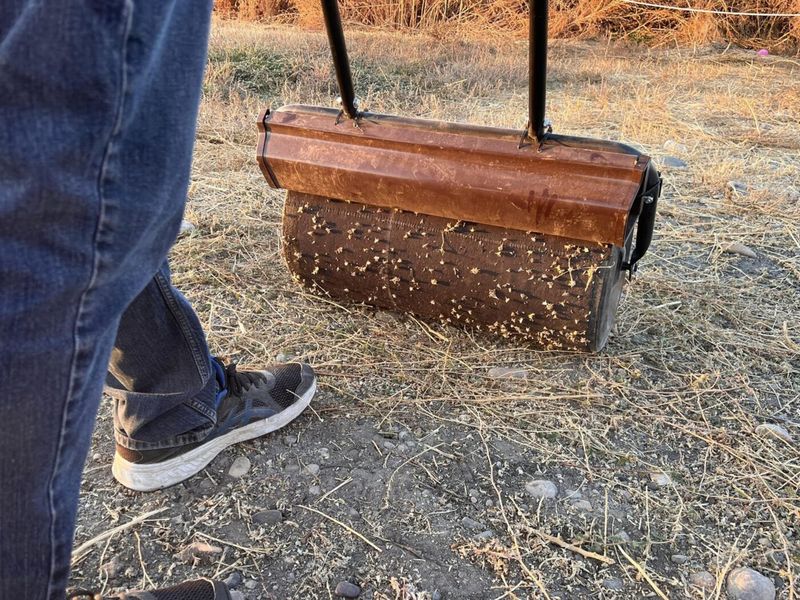
Pulling the plant does not clear away burrs that have already dropped. For small amounts, a broom or rake can gather them from patios, walkways, and the edge of the driveway.
A scrap of fabric or carpet works well for fine cleanup. A municipal guide from Salt Lake City suggests dragging carpet or cloth over the area so the spines catch, then discarding what sticks.
Wear gloves and sturdy shoes while you do it, and shake the material out only into a trash bag.
Put the collected burrs in your household waste, not the compost pile. Compost may not break them down, and you could spread them back into the yard.
Go over the area in a couple of directions, since burrs hide in gravel and along edges. Even so, no cleanup is perfect, and a few can slip through.
UC IPM also points to collecting fallen burrs as part of control, so treat sweeping as a hazard reducer and not a final fix.
Keep checking for new plants and burrs
A clean yard in June can have fresh green mats by August. Dormant seeds may be waiting in the soil, and plants that survive can keep flowering and setting fruit through the growing season.
Because of that, the seed bank can last a long time. Sources give different survival times, so it is safer to assume it may stick around for years than to count on an exact number.
The practical answer is a habit. Walk your gravel, paths, and bare patches every week or two while it is warm, and again after monsoon rains, when new seedlings can pop up fast.
When you find a young plant, pull or hoe it before burrs harden. When you find burrs on the ground, collect them.
UC IPM stresses that stopping new seed production over repeated seasons works better than one big pull.
Arizona lists puncturevine as a Class C noxious weed, but that does not require every homeowner to eradicate it. Your best tool is a quick, regular look.
Goatheads punish the careless and reward the persistent.