How Georgia Homeowners Can Stop Clover From Taking Over The Lawn This Summer
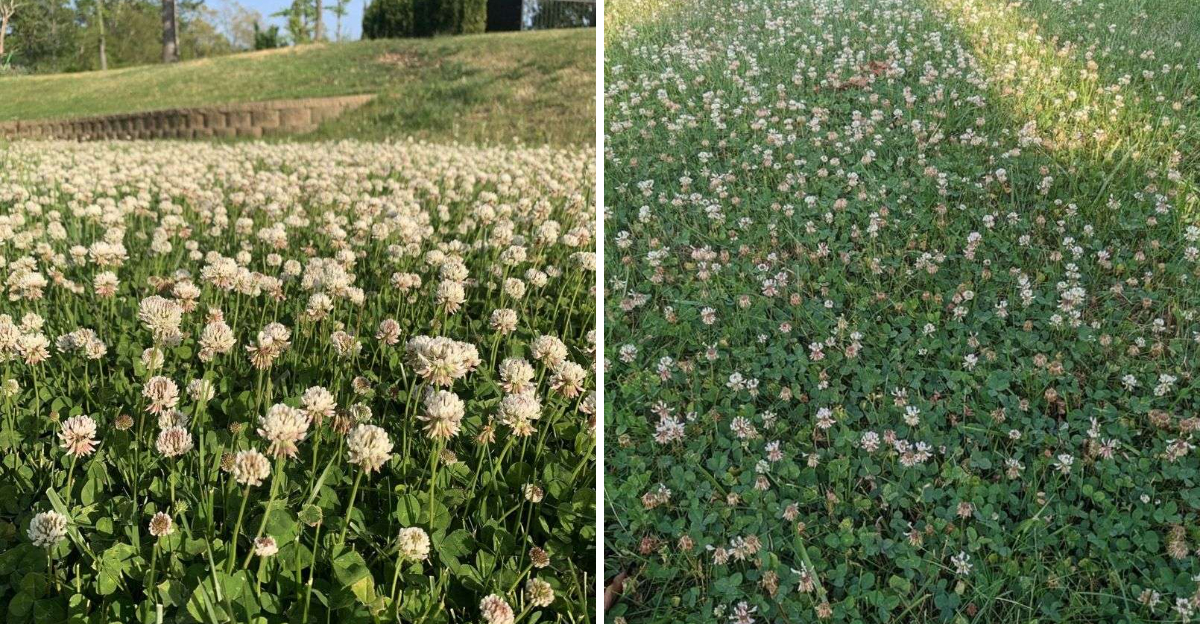
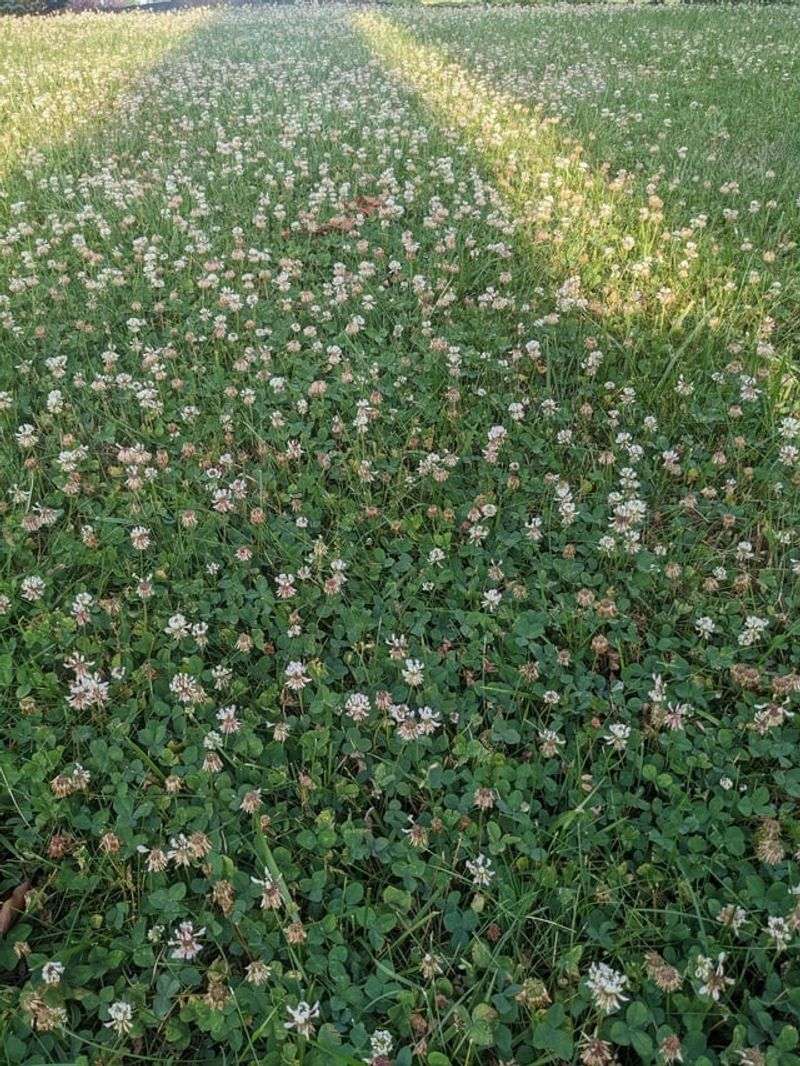
Look out at your Georgia lawn in June and you might notice something spreading through the grass that was not there a few weeks ago.
Three-leafed plants creeping through your Bermuda or Zoysia, patches of low green growth filling in wherever the turf looks thin, and a lawn that suddenly feels like it belongs to someone else.
Clover is one of the most common summer invaders in Georgia yards, and it has a few unfair advantages over the grasses trying to hold their ground.
It fixes its own nitrogen. It tolerates heat. It thrives in exactly the compacted, underfed soil conditions that stress your turf most.
The good news is that stopping clover does not require harsh chemicals or a complete lawn overhaul.
Building turf that is thick, well-fed, and properly watered creates conditions where clover simply cannot compete.
That is the approach UGA Extension consistently recommends, and it works with your lawn instead of against it.
Eight practical steps help Georgia homeowners take back their lawns this summer before clover gets the upper hand.
1. Raise The Mower Before Heat Peaks
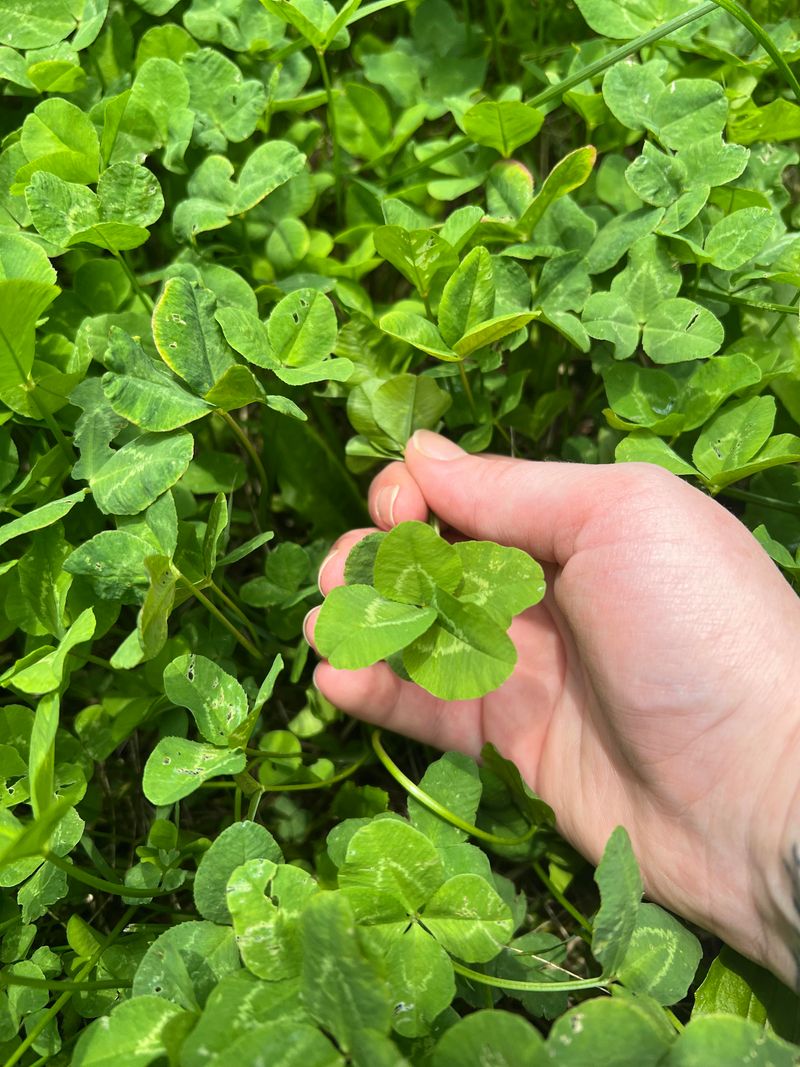
Many Georgia homeowners mow too short during summer, and that one habit gives clover a serious advantage.
Cutting grass too low removes the leaf surface that turf needs to photosynthesize and stay competitive. When your lawn is scalped, sunlight hits the soil directly, which is exactly what clover seedlings need to sprout and spread.
UGA Extension recommends keeping Bermuda grass at around one to one and a half inches during the growing season, but raising that height slightly during peak heat in July and August helps the turf protect itself.
Zoysia can be kept at one and a half to two inches, while Centipede performs best around one and a half inches. Going even a quarter inch higher during a heat wave can make a real difference in turf density.
Taller grass blades shade the soil surface, keeping it cooler and reducing the open space where clover seeds land and take root.
The thicker and taller your turf canopy, the harder it becomes for clover to find a foothold.
Never remove more than one-third of the grass blade in a single mowing session, because cutting too much at once stresses the plant and slows recovery.
Mow regularly so you are always taking off a small amount rather than a large chunk all at once.
2. Feed Turf On The Right Schedule
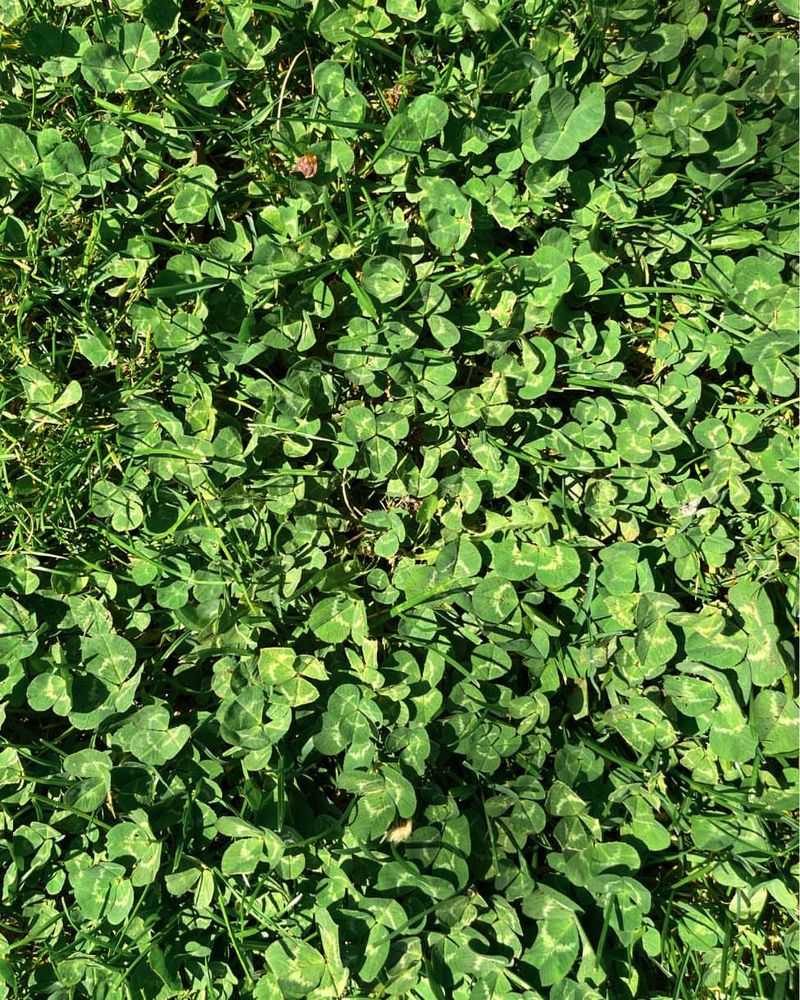
Proper fertilization is one of the most underrated tools for keeping clover out of a Georgia lawn.
Clover is a legume, which means it fixes its own nitrogen directly from the air through bacteria in its roots.
That gives it a huge advantage in lawns that are underfed, because low-nitrogen soil is no problem for clover but a major stressor for turf grasses.
Feeding your lawn on the right schedule changes that equation.
When turf has the nitrogen it needs, it grows vigorously and dense, leaving less room for clover to establish.
For Bermuda grass, UGA Extension recommends fertilizing every four to six weeks during the active growing season from late spring through early fall.
Your Georgia Garden Changes Every Week. Your Plan Should Too.
Gardening in Georgia changes quickly throughout the season. Every Friday you’ll receive a simple weekly plan showing exactly what to plant, prune, fertilize, harvest, and protect so you never miss the right timing.
Zoysia and Centipede require less nitrogen overall, and over-fertilizing Centipede can actually damage it, so always follow label rates and UGA guidelines for your specific turf type.
Timing matters just as much as the product you choose.
Applying fertilizer during a drought or extreme heat can stress your grass rather than help it. Always water the lawn after applying granular fertilizer to move nutrients into the soil.
A slow-release nitrogen fertilizer is often a smart choice for summer because it feeds turf steadily over several weeks rather than causing a sudden flush of growth.
Consistent feeding builds the kind of thick, healthy turf that clover simply cannot compete with over time.
3. Water Deeply Instead Of Daily
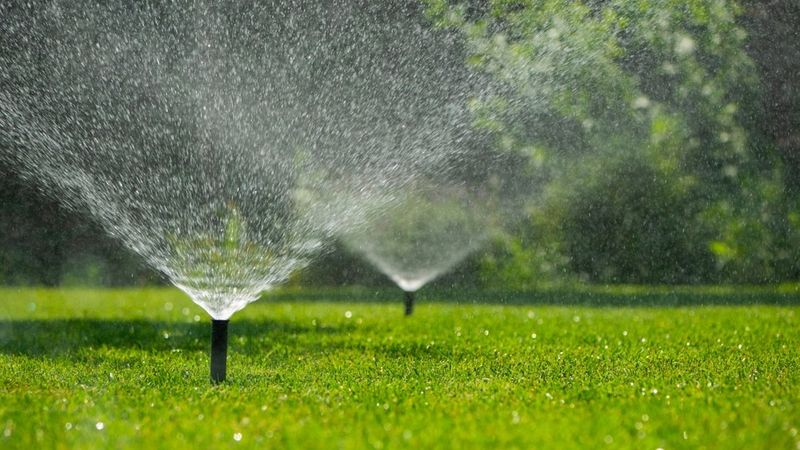
Watering habits have a bigger impact on clover growth than most people realize.
Running your sprinklers for a few minutes every single day keeps the top inch or two of soil moist, which is the exact zone where clover roots love to live.
Shallow watering also trains your grass to stay near the surface, making it weaker and less drought-tolerant when summer heat really cranks up.
Deep, infrequent watering is the approach that UGA Extension and most turfgrass specialists consistently recommend.
The goal is to apply about one inch of water per week, delivered in one or two sessions rather than daily sprinkles.
Watering deeply encourages grass roots to grow downward, where they can access moisture stored deeper in the soil profile. Clover, with its shallower root system, cannot compete as well when turf roots go deep.
The best time to water is early morning, between four and ten in the morning.
This timing allows the grass blades to dry out during the day, which reduces the risk of fungal problems that are already common in Georgia’s humid summers.
Avoid watering in the evening because prolonged moisture on the turf overnight invites disease.
A simple tuna can placed on the lawn measures how much water your sprinkler delivers in a set amount of time, which takes the guesswork out of hitting that one-inch weekly target.
4. Fill Thin Spots Before Clover Spreads
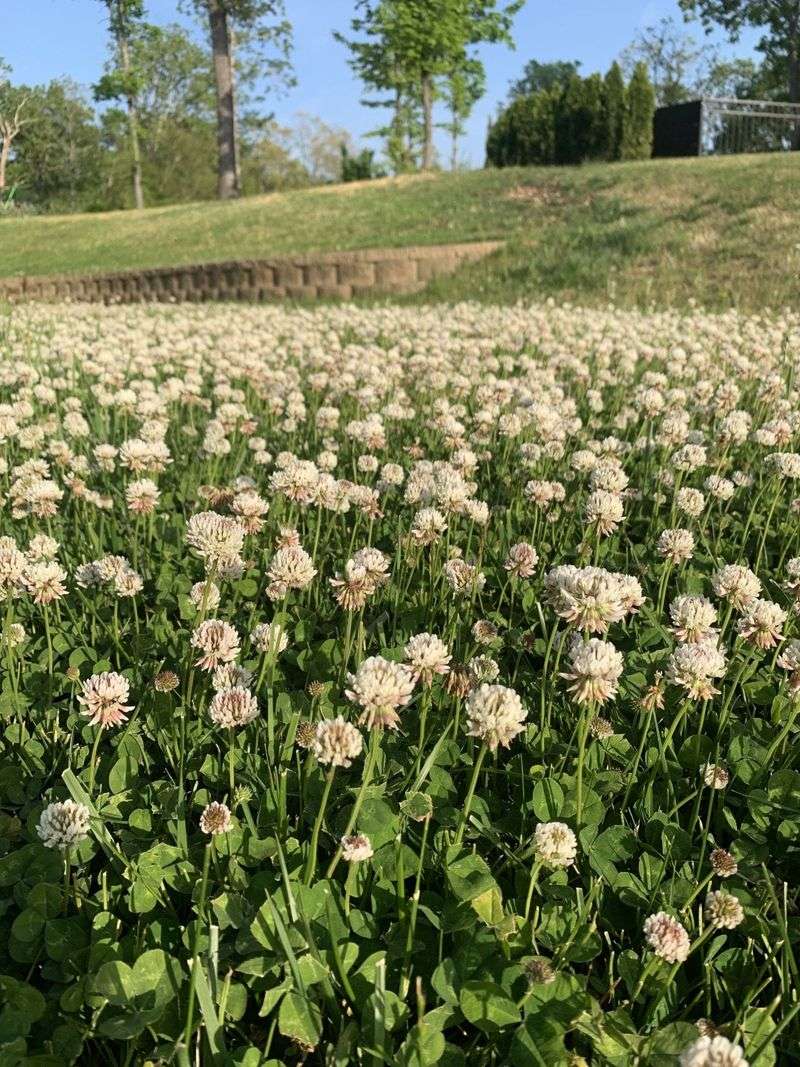
Bare spots and thin areas in a lawn are open invitations for clover.
Wherever turf is weak or missing, clover seeds that land there have almost no competition and can establish quickly.
Georgia summers are tough on grass, and heat stress, foot traffic, shade, and pest damage can all create those vulnerable patches before you even notice.
Repairing thin spots as soon as you see them is one of the most proactive things you can do.
For Bermuda and Zoysia lawns, sod plugs or sprigs work well during the active growing season because warm-season grasses spread and fill in naturally when given a chance.
Centipede can also be repaired with plugs, though it fills in more slowly.
Before you repair, figure out why that spot thinned out in the first place. Compaction, shade, poor drainage, or grub activity can all cause recurring bare areas that will just open up again after you fill them.
Aerating compacted spots before adding plugs or seed helps new roots establish faster.
Keeping repaired areas watered consistently for the first few weeks gives new grass the best chance to knit in and close off the gap.
A lawn with no bare spots is a lawn with far fewer entry points for clover and other opportunistic weeds to exploit.
5. Test Soil Before Adding Lime
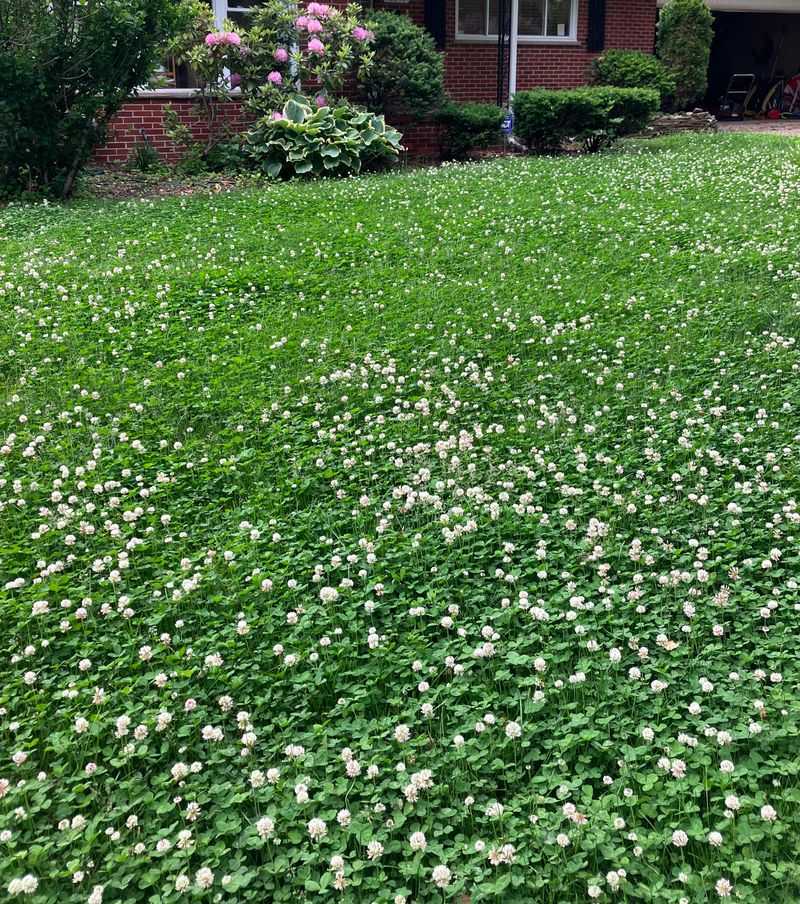
Here is something a lot of Georgia homeowners get backwards.
They see clover spreading in their lawn and assume the soil must be too acidic, so they head to the garden center and pick up a bag of lime.
The problem is that adding lime without testing first can actually make things worse rather than better.
Clover tends to thrive in soils with low nitrogen and slightly acidic conditions, which are common in Georgia red clay.
But Georgia soils vary widely across the state, and some areas already have a pH that is higher than ideal for the turf type growing there.
Applying lime to soil that does not need it can push pH too high, locking out nutrients and stressing your grass further.
UGA Extension offers affordable soil testing through county Cooperative Extension offices, and the process is simple.
You collect small samples from several spots in your lawn, mix them together, and send the combined sample in for analysis.
Results come back with specific recommendations for your soil, including whether lime is needed and exactly how much to apply.
Most Georgia lawns benefit from testing every two to three years.
Acting on real data rather than assumptions protects your investment in fertilizer and amendments, and it puts your turf in the best possible position to outgrow clover naturally over the season.
6. Spot Treat Active Patches Carefully
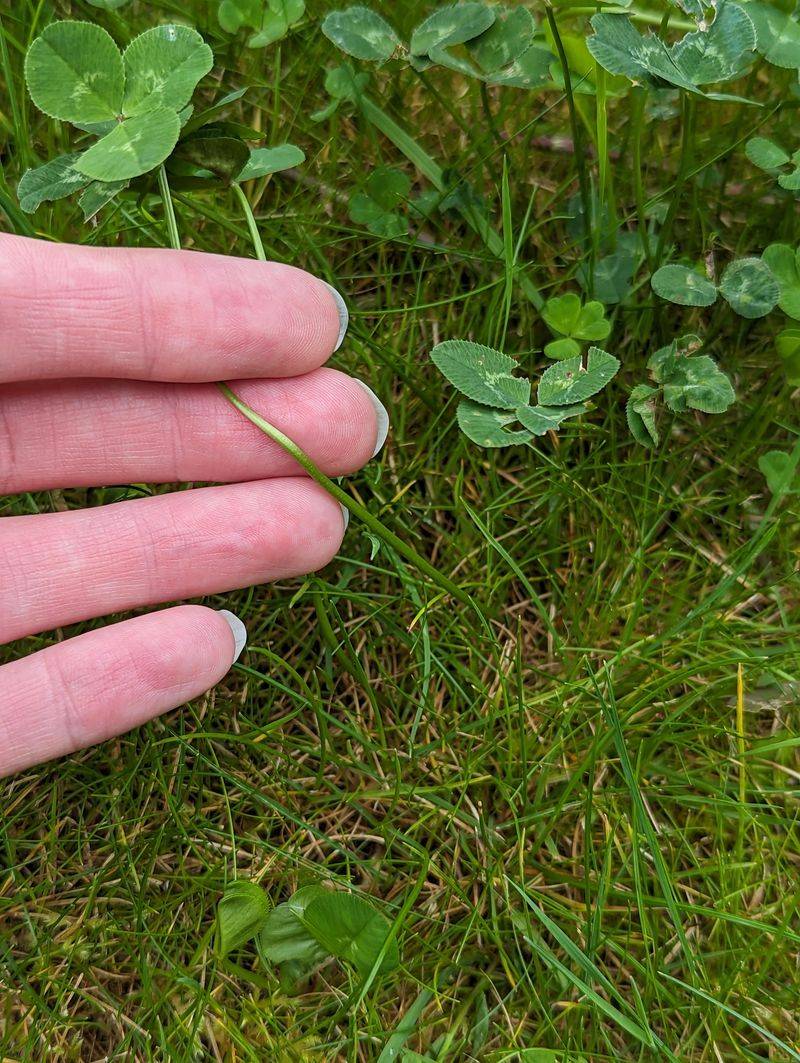
When clover has already taken hold in patches across your lawn, targeted herbicide treatment can be an effective part of your control strategy.
The key word is targeted. Treating the entire lawn with herbicide is rarely necessary and can stress healthy turf, harm beneficial insects, and waste product. Spot treating active clover patches gives you precise control with less overall chemical use.
For broadleaf weed control in Georgia lawns, products containing triclopyr, clopyralid, or a three-way mix of 2,4-D, MCPP, and dicamba are commonly used options.
Always check that the product you choose is labeled safe for your specific turf type, because some herbicides that work fine on Bermuda can damage Centipede or St. Augustine.
Reading and following the label directions completely is not optional.
Apply herbicides when clover is actively growing and temperatures are between 65 and 85 degrees Fahrenheit for best results.
Avoid spraying on windy days, which can cause drift onto garden beds or neighboring plants. Do not apply right before rain, because runoff can carry the product away before it is absorbed.
Clover may require more than one treatment spaced two to three weeks apart to fully reduce.
Always give treated areas time to recover before reseeding or overseeding any nearby thin spots in the lawn.
7. Use Preemergent In The Right Window
Timing is everything when it comes to preemergent herbicides, and missing the window by even a week or two can mean the difference between stopping weeds before they start and chasing them all summer long.
Preemergent products work by creating a chemical barrier in the soil that prevents weed seeds from germinating and establishing.
Once a weed has already sprouted and grown visible leaves, preemergent has no effect on it at all.
For Georgia homeowners targeting clover and other warm-season weeds, the spring preemergent application window typically opens when soil temperatures reach around 55 degrees Fahrenheit at a four-inch depth.
That usually happens in late February or March depending on your region of the state. A second application in early summer can extend protection through the hottest months.
Choose a preemergent product labeled for your turf type and follow the application rate on the package precisely.
Applying too much can inhibit grass growth, while applying too little reduces effectiveness. Water the product into the soil after application unless rain is expected within 24 hours, as moisture activates the chemical barrier.
Keep in mind that preemergent herbicides also prevent grass seed from germinating.
Do not overseed a lawn in the same area where you have recently applied a preemergent product or the new seed will not establish properly.
8. Pull Small Patches After Rain
Sometimes the simplest approach is the most satisfying one.
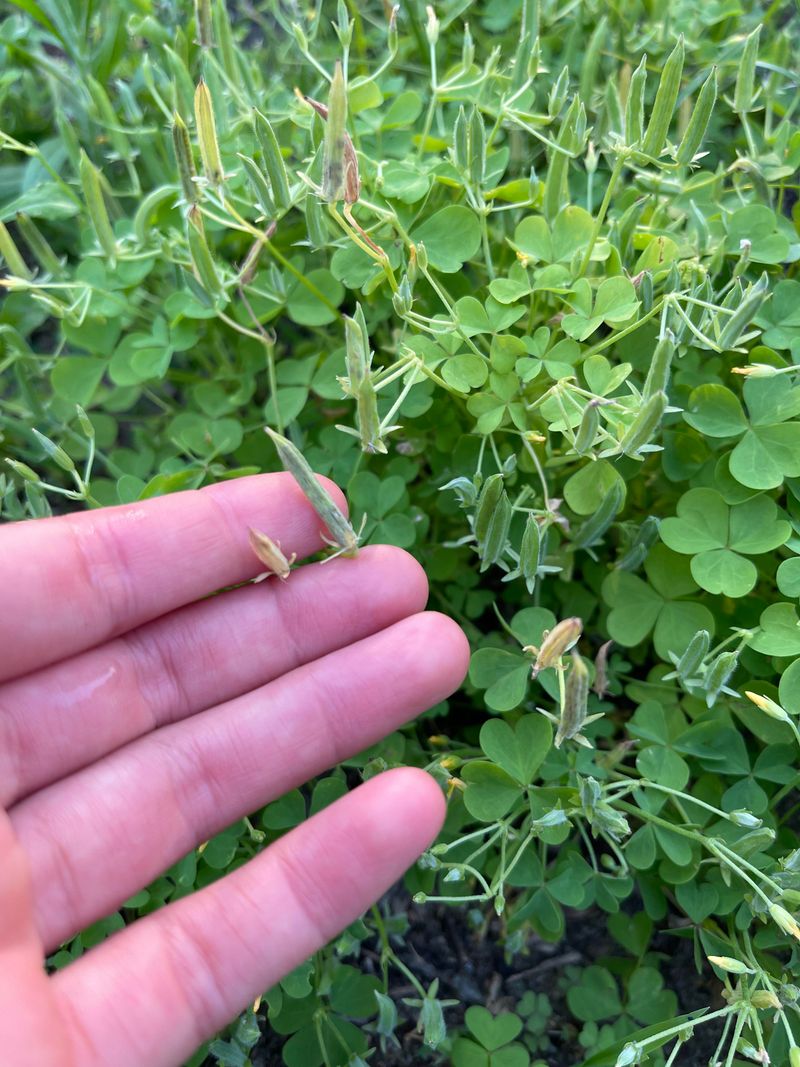
After a good soaking rain, the soil in your Georgia lawn becomes soft and pliable, and that is the perfect moment to pull clover out by hand.
When the ground is wet, roots come out much more cleanly and completely, which reduces the chance that leftover root pieces will sprout again in the same spot.
Hand pulling works best when clover patches are still relatively small and scattered rather than covering large sections of the lawn.
If you catch a new patch early, you can often remove the entire plant including its root system in one steady pull.
Clover spreads by both seed and creeping stems, so removing the whole plant before it flowers and sets seed is especially important.
Wear gardening gloves and use a weeding tool or a hand cultivator to loosen the soil around stubborn clumps before pulling.
After removing clover from a patch, go back and fill that bare spot with plugs or seed appropriate for your turf type so new clover cannot reclaim the space.
Drop the pulled clover into a trash bag rather than a compost pile if it has already flowered, because seeds can survive composting and spread when you use the finished compost elsewhere in your yard later.
A soft lawn after summer rain and a few minutes of pulling is genuinely one of the more therapeutic ways to spend a Georgia morning.