Georgia Groundhogs Have One Last Fall Routine Before Winter Sets In
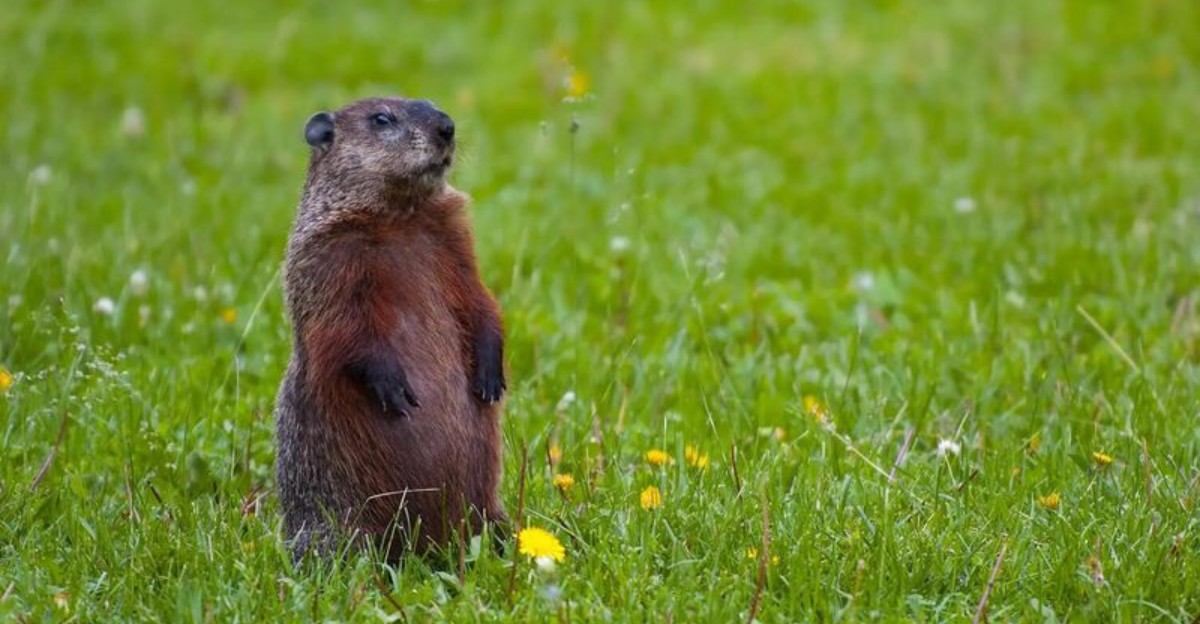
Groundhogs are busy preparing for winter long before the first freezing night arrives, and their fall behavior can explain sudden activity around your yard.
Unlike animals that remain active throughout winter, groundhogs enter true hibernation. That makes the weeks leading up to colder weather especially important.
They spend late summer and fall building fat reserves that help sustain them underground.
In Georgia, the timing of hibernation varies with local temperatures and conditions. Groundhogs may continue feeding while suitable weather and vegetation remain available.
If you notice one visiting grassy areas or garden edges, give it space rather than trying to interrupt its feeding.
The animal is following a seasonal routine that helps it survive months with little or no food. Understanding that behavior can make its final fall appearances easier to recognize.
1. Groundhogs Spend Fall Building Up Their Fat Reserves
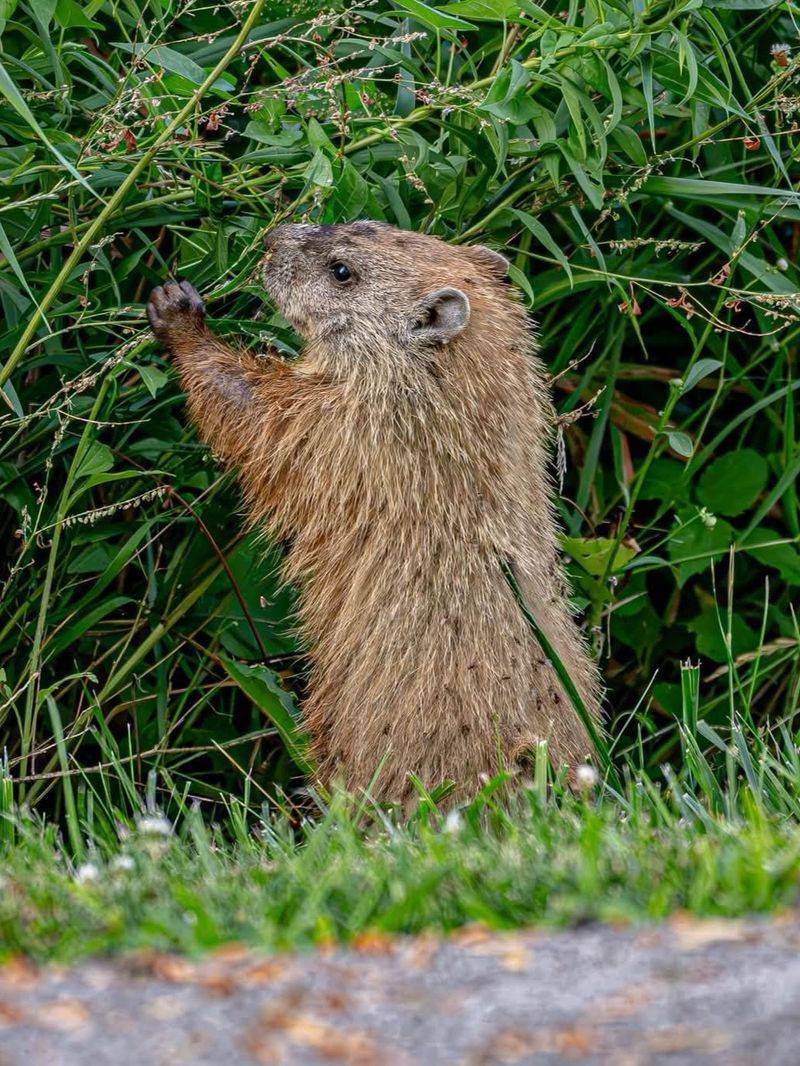
Fall turns a groundhog into a serious eater. From late summer into autumn, these animals spend much of their awake time putting on weight they will need later.
Body fat works like a savings account for a groundhog, because it holds energy the animal can use when food is no longer available.
You might notice the change if you watch the same groundhog over several weeks. Its body often looks rounder and heavier as the season moves along.
Gardeners in north Georgia sometimes see more feeding activity during this stretch, especially in the morning and late afternoon.
How much weight a groundhog gains can vary quite a bit. Age, health, and the amount of good food nearby all play a part.
Young groundhogs born that spring have extra work to do, since they are still growing while also trying to store fat.
If one is visiting your yard, there is no need to panic. Watching from a distance is usually the safest choice for you and the animal.
Protecting fall crops with sturdy fencing can help, and many Extension services suggest burying the bottom edge because groundhogs dig well.
Keeping a little patience goes a long way, since feeding pressure tends to ease once the animals settle in for winter.
2. Extra Feeding Helps Fuel Their Long Winter Fast
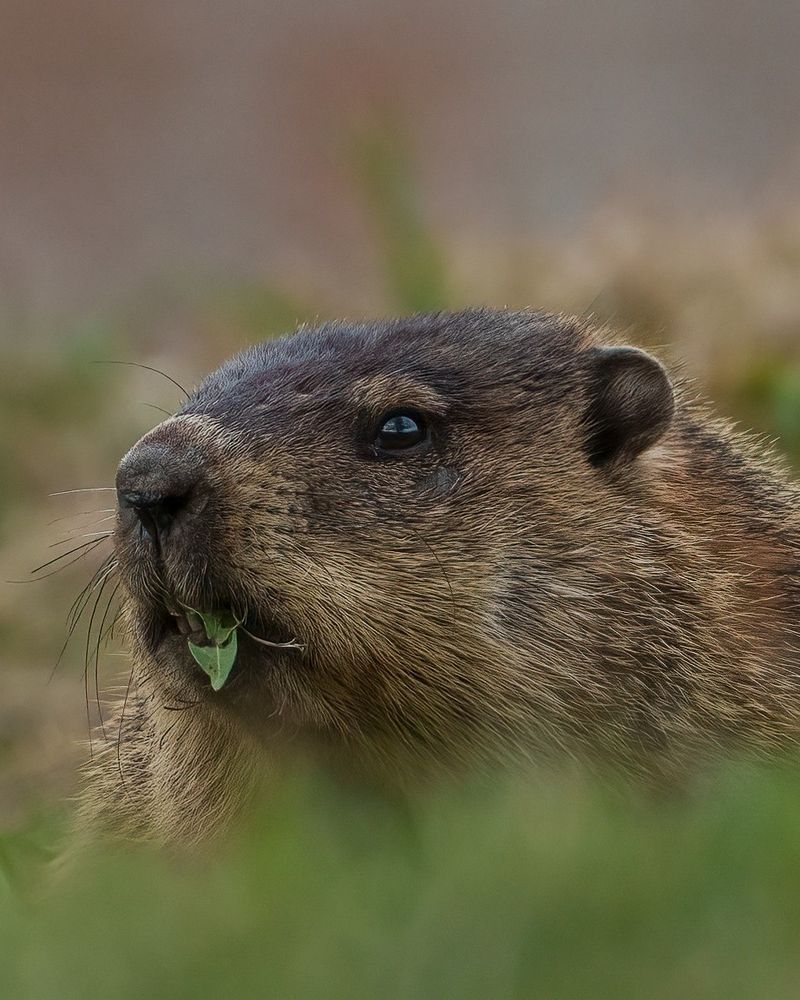
Winter brings an empty pantry for groundhogs. Unlike squirrels, they generally do not stash nuts or seeds to snack on later.
Instead, the food they eat in fall becomes the fuel they live on during their winter rest.
During hibernation, a groundhog usually goes without eating for long stretches. Its body slowly burns stored fat to keep basic functions going.
So that extra fall munching is not greed or bad manners. It is planning, built right into the animal’s seasonal habits.
Some homeowners notice groundhogs eating more often or spending longer in one spot as autumn deepens.
Across Georgia, the timing of this heavy feeding can shift from year to year. Rainfall, early frosts, and how green the plants stay all make a difference.
A dry fall may leave less tender growth for them to find, which could send them looking toward watered gardens and lawns.
Your Georgia Garden Changes Every Week. Your Plan Should Too.
Gardening in Georgia changes quickly throughout the season. Every Friday you’ll receive a simple weekly plan showing exactly what to plant, prune, fertilize, harvest, and protect so you never miss the right timing.
That is worth remembering if you keep a fall vegetable bed with greens like lettuce or kale. Covering beds with row cover or fencing can lower the odds of losing plants.
Groundhogs are protected under state wildlife rules in some situations, so check with your local wildlife office before trapping or removing one.
3. Grass Clover And Other Plants Make Up Much Of Their Diet
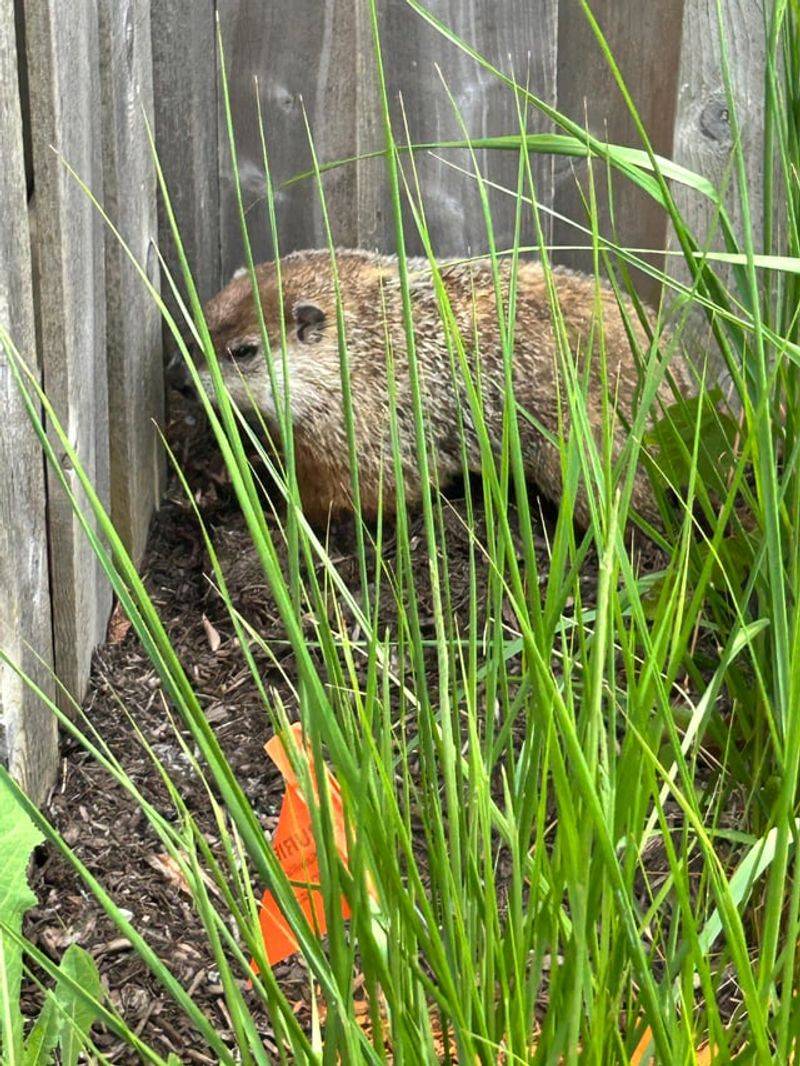
Picture a salad bar, and you have a groundhog’s favorite menu. These animals mostly eat plants, with grasses and clover near the top of the list.
Dandelions, plantain, alfalfa, and other leafy plants also show up in their diet when available.
Garden crops can be tempting too. Beans, peas, squash leaves, and leafy greens are common targets in home gardens.
Groundhogs will occasionally eat insects, snails, or similar small creatures, though plants make up most of what they eat.
In fall, they may also nibble on fallen fruit if it is easy to reach. Apples dropped beneath a backyard tree can draw attention.
Picking up fallen fruit regularly may help reduce visits, although it will not stop a groundhog that already likes your yard.
A clover-rich lawn can feel like a buffet to them, which explains why some yards in Georgia get regular visitors while others nearby do not.
Not every groundhog behaves the same way. Food choices depend on what grows nearby and how much competition there is from deer, rabbits, and other plant eaters.
Keeping a simple log of what gets chewed can help you figure out which plants need protection first.
4. They Stay Surprisingly Close To Their Burrows While Feeding
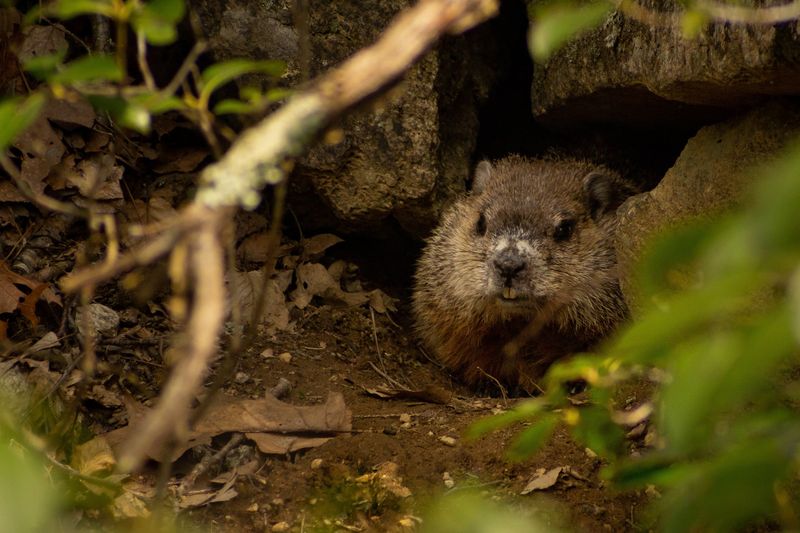
Home base matters a lot to a groundhog. Most of their feeding happens fairly close to a burrow entrance, giving them a quick escape route.
Hawks, foxes, coyotes, and dogs can all be threats, so staying near a hole is a smart safety move.
You may see a groundhog stop chewing, sit up, and look around before going back to eating.
That alert posture is part of how they stay safe in open spaces. If something startles them, they often dash for the nearest opening.
Burrows are often dug along field edges, fence lines, wood borders, stone walls, or under sheds and decks.
Look for a mound of fresh dirt near an opening. Main entrances are often easier to spot, while backup holes may be hidden in brush or tall grass.
Homeowners in Georgia sometimes find burrows under porches or garden structures, where digging can loosen soil.
If you find one, avoid sticking your hand or a tool inside. Wild animals can bite when cornered, and a professional can help if the burrow causes problems.
Mowing tall grass near garden beds may make the area feel less sheltered, though results vary from yard to yard.
5. Late Fall Is When True Hibernation Usually Begins
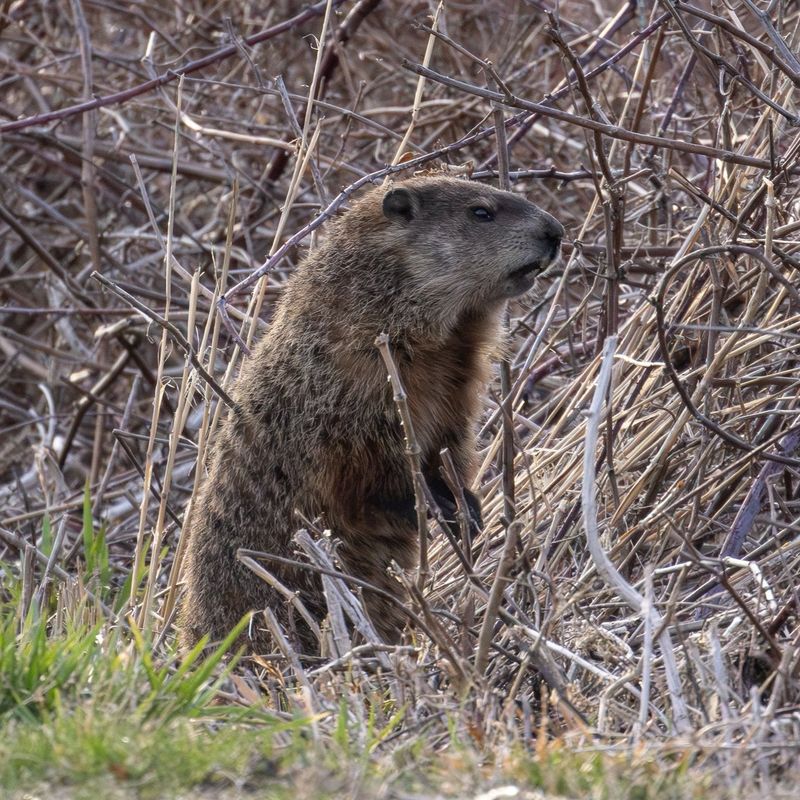
Cooler days send a clear signal. As plants stop growing and temperatures drop, groundhogs spend less time aboveground and more time in their burrows.
Groundhogs are considered true hibernators, which sets them apart from many other backyard mammals.
Exact timing depends on location and weather. In much of their range, hibernation often starts in late fall, though individual animals may vary by several weeks.
During hibernation, a groundhog’s heart rate, breathing, and body temperature drop far below normal levels.
That slowdown helps the animal save energy. Without it, its stored fat would run out much faster.
Groundhogs often use a separate winter burrow or chamber, sometimes in a wooded or brushy area, though this can differ.
They do not stay asleep the whole time without a break. Hibernators wake up now and then for short periods before settling back down.
In north Georgia, you might notice fewer sightings as fall moves toward winter, and that drop in activity is a normal seasonal change.
If you see a groundhog out on a mild winter day, it is not automatically a sign of trouble. Short winter appearances can happen, especially when weather warms.
6. Georgia’s Mild Winters Can Make Their Hibernation Period Shorter
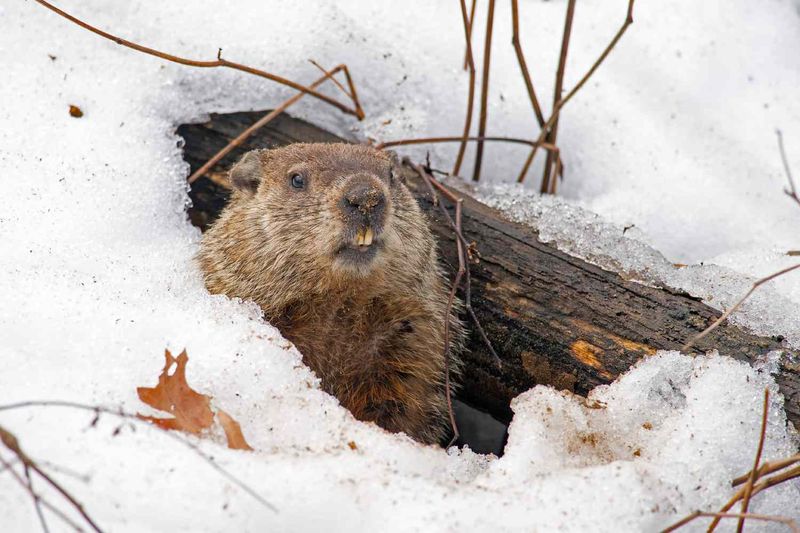
Southern winters play by different rules. Compared with places like Pennsylvania or Minnesota, much of the Southeast has shorter and milder cold seasons.
Groundhogs living farther south generally tend to have shorter hibernation periods than those in colder northern areas.
Warmer stretches and an earlier return of green plants may give southern groundhogs less reason to stay underground for months.
Still, Georgia is not the same everywhere. The north Georgia mountains can stay much colder than the Piedmont, so local conditions matter a lot.
Elevation, shade, and the timing of cold snaps can all influence how long an animal stays tucked away.
Scientists who study groundhogs note that individual animals behave differently. Age, body condition, and sex may affect when one goes in or comes out.
So it is wise to avoid expecting an exact schedule.
Gardeners might see groundhogs active again in late winter, sometimes earlier than people in northern states would expect.
If you plan early spring plantings like peas or lettuce, set up protection before seedlings come up. A little early effort can save a lot of frustration later in the season.
7. Stored Body Fat Carries Them Through Until They Emerge Again
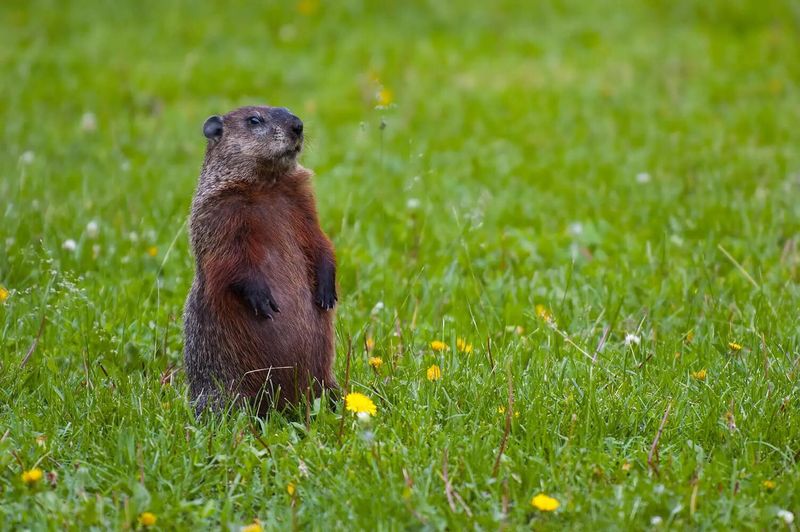
Spring reveals the results of all that fall eating. A groundhog leaving its burrow after winter usually looks noticeably thinner than it did in autumn.
Much of the fat built up in fall gets used during hibernation and those brief winter wake-ups.
Food can still be scarce when they first come out, so leftover fat helps bridge the gap until plants grow back.
Breeding season also starts early in spring for groundhogs. Males often roam more during this time, which can lead to more sightings near roads and yards.
Drivers in Georgia may want to watch for them along rural roads and field edges when the weather begins to warm.
Once fresh grass and clover return, groundhogs start eating heavily again to regain their strength.
Your spring garden may get attention at that point, especially young, tender plants. Fencing, row covers, and regular checks can all help, though no method works in every yard.
Watching this full cycle can make groundhogs easier to understand. Their fall routine, quiet winter, and hungry spring are all connected.
Knowing that rhythm lets you plan ahead, protect your plants, and share your space a little more calmly.