Why Many Georgia Gardeners Are Spreading Mulch Earlier This Year
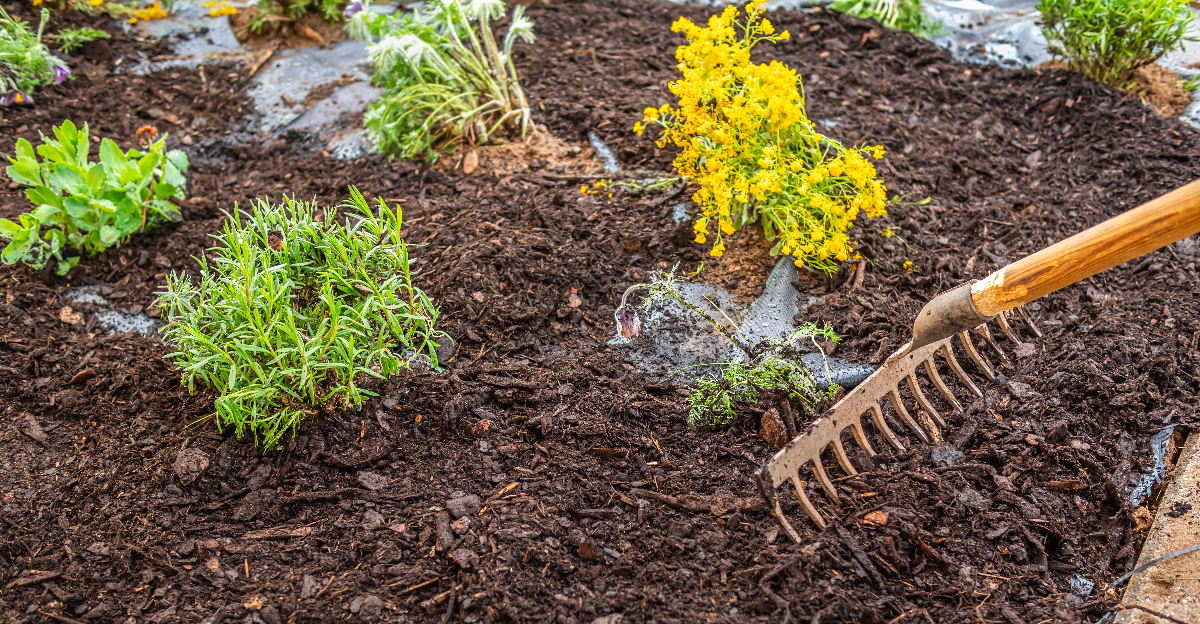
There is something happening this season that goes beyond routine spring cleanup. Gardeners who usually wait until April are spreading mulch weeks ahead of schedule, and they have very specific reasons for it.
The Georgia sun does not ease into the season. Neither do the weeds. Neither does the heat that sneaks into the soil long before summer officially arrives on the calendar.
The gardens that stay ahead of all three have figured out something that sounds almost too simple to matter this much.
A few extra weeks make the kind of difference that takes an entire season to fully appreciate. And by then, it is too late to go back and do it earlier.
1. Spring Weeds Are Pushing Mulch Onto The Calendar Earlier
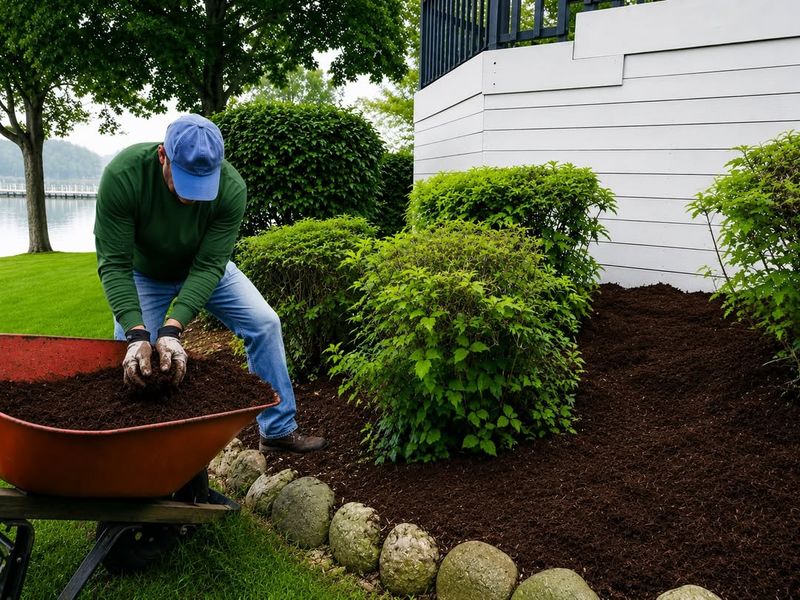
Spring weeds in Georgia rarely need much encouragement. A little warmth, a little light, and suddenly they are ready to crash the garden party.
That is why many gardeners are rolling out mulch earlier this season. They are not trying to be dramatic. They are trying to avoid a weed drama later.
As soil begins to warm in late winter and early spring, dormant weed seeds may start stirring. Chickweed, henbit, and annual bluegrass can move in quickly when beds are bare. Once they settle in, pulling them out can feel like a full-time side hustle.
Mulch helps cut off one of their favorite things: sunlight. A fresh layer over the soil can make it harder for many weed seeds to sprout. It works like a quiet little “do not disturb” sign for the garden bed.
This is where timing matters. Putting mulch down before weeds pop up may save a lot of bending, pulling, and muttering later. It is much easier to block weeds than to battle them after they have roots.
Think of it as getting ahead by getting a-bed. A clean layer of mulch gives wanted plants more room to grow. It also helps beds look polished before spring really starts showing off.
Early mulch may not make weeds vanish, but it can make them work a lot harder. And honestly, that feels like a win worth spreading.
2. Georgia Sun Makes Bare Soil Warm Up Fast
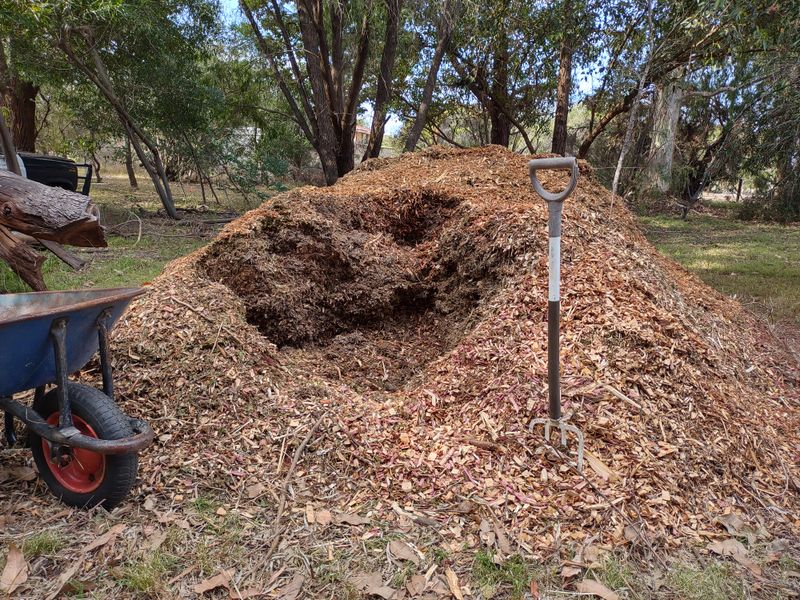
Georgia sunshine does not always ease into spring gently. Some days feel soft and pleasant, other days feel like summer is peeking through the blinds.
Bare soil can warm up quickly when those bright afternoons arrive. That sudden heat may stress tender roots, especially in open beds. Plants like steady conditions more than wild temperature mood swings.
That is where mulch steps in with some serious chill factor. It works like a light blanket over the soil.
It helps soften the impact of direct sun during warmer days. It may also slow down how quickly the soil cools when nights turn brisk again.
For shrubs, perennials, and young annuals, that steadier root zone can matter. Roots tend to settle in better when conditions feel more balanced. A calmer underground world may lead to stronger growth above ground.
Your Georgia Garden Changes Every Week. Your Plan Should Too.
Gardening in Georgia changes quickly throughout the season. Every Friday you’ll receive a simple weekly plan showing exactly what to plant, prune, fertilize, harvest, and protect so you never miss the right timing.
This can be especially helpful in lower, sunnier parts of Georgia. In those areas, spring heat often shows up early and acts like it owns the place. Mulching before that heat builds can give plants a smoother start.
There is also a dormancy angle. When soil warms too quickly, some plants may push out tender growth too soon. A sudden cold snap can then make things tricky.
Early mulch helps slow the rush. It tells the soil to cool its roots, so to speak. That little pause may give plants a safer, steadier path into spring.
3. Dry Spells Make Early Moisture Protection Matter
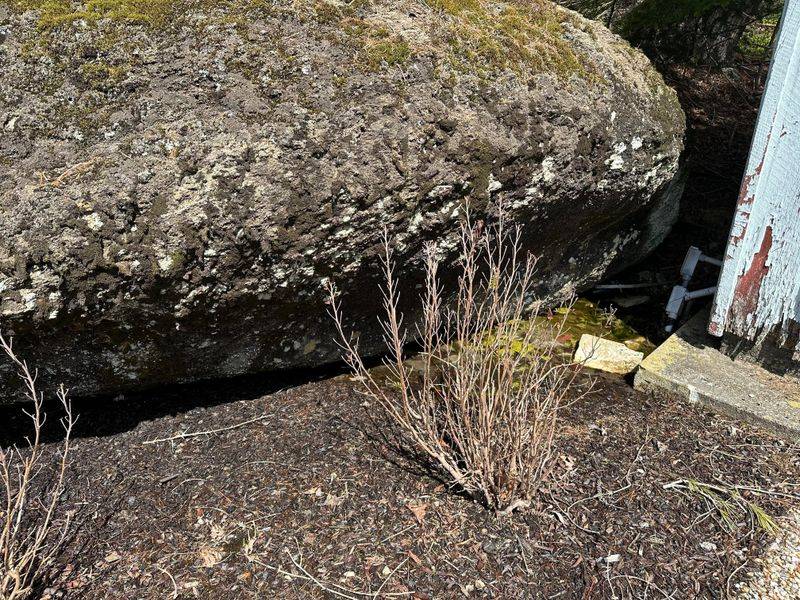
Georgia spring can look lush and still turn surprisingly dry. A few sunny weeks can pull moisture from beds faster than gardeners expect. By the time plants look thirsty, the soil may already be playing catch-up.
Mulch helps hold onto that moisture before it slips away. It shades the soil surface and slows evaporation. That means winter rain and early spring showers may stay useful for longer.
For young roots, that can be a big deal. New plantings need steady moisture while they settle in. Even established plants may appreciate the extra cushion before hotter days arrive.
Waiting until late spring to mulch can leave beds exposed for weeks. During that time, valuable moisture may disappear into warm air. Once the Georgia heat starts building, replacing that moisture can take more watering.
Early mulch is a bit like opening a savings account for your soil. Every shower adds something. The mulch helps keep more of it from being spent too quickly.
There is also the everyday convenience. Mulched beds may need less frequent watering than bare ones. That can save time, water, and a few trips with the hose.
For gardeners with raised beds or larger landscapes, that difference can add up. Less watering also means fewer chances to overdo it. The roots get support without the soil turning soggy.
Think of early mulch as moisture management with a mulch-needed upgrade. It helps the garden stay more comfortable before dry spells try to steal the show.
4. Young Plants Need A Softer Start Before Summer Heat
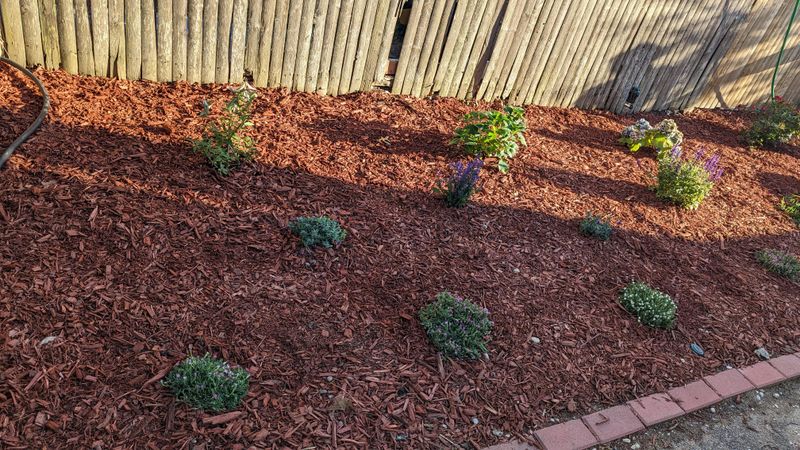
Planting season in Georgia can move fast. One week, the weather feels gentle. A few weeks later, the heat may start acting like it paid rent.
Fresh transplants feel that shift more than established plants. Their roots are still small, and they need time to adjust before summer pressure builds.
Mulch gives those young plants a softer landing. It helps keep moisture near the root zone. It also helps reduce sharp swings between warm days and cooler nights.
That kind of buffer can make the move from pot to garden feel less rough. New shrubs, perennials, and annuals often do better when their roots stay evenly moist. They may also settle faster when the soil around them is protected.
The key is placement. A two-to-three-inch layer around the plant can help. But the mulch should not be packed against the stem. A little breathing room keeps the crown drier and safer.
Early mulch is like a welcome mat for new plants. It says, “Come on in, the soil is fine.” And yes, that is a root-warming invitation.
By late May, Georgia gardens can feel very different from early April gardens. Plants that had time to root in may handle that shift with more confidence.
They still need care, of course. But mulch can give them a better shot at settling before the season turns up the heat.
5. Thin Winter Mulch Leaves Room For Weeds
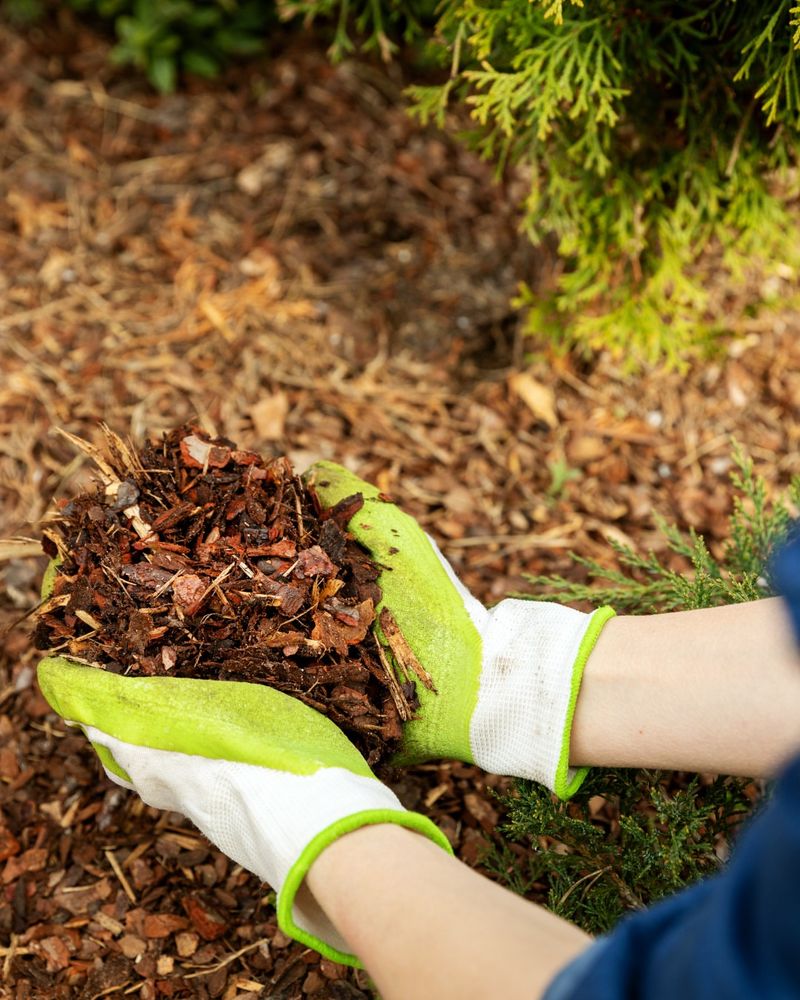
Mulch works hard, but it does not stay fresh forever. Organic mulch slowly breaks down over time.
That breakdown can feed the soil, which is a nice bonus. But it can also leave beds looking thin by late winter.
Thin mulch creates gaps. Those gaps let sunlight reach the soil, and sunlight can give weed seeds the green light.
That is when the trouble starts. A bare patch here and a thin spot there may not seem serious at first.
Then chickweed, wild violet, or other early weeds begin to appear. Before long, the bed looks less like a garden and more like a weed meet-and-greet.
Refreshing mulch early can help close those openings. It brings the bed back to a more protective depth. It also gives the landscape a cleaner, more cared-for look before spring growth gets busy.
A late-winter walk-through can tell you plenty. If soil is showing through in several places, the bed may need a top-up.
A rake, a few bags or bales, and a little time can make a visible difference. Fresh mulch over older mulch can be a helpful pairing. The older layer continues breaking down below.
The new layer protects the surface above. Call it mulch maintenance with a “gap year” prevention plan. You are not starting over. You are filling in the weak spots before weeds find them.
6. Pine Straw Helps Beds Look Fresh Fast
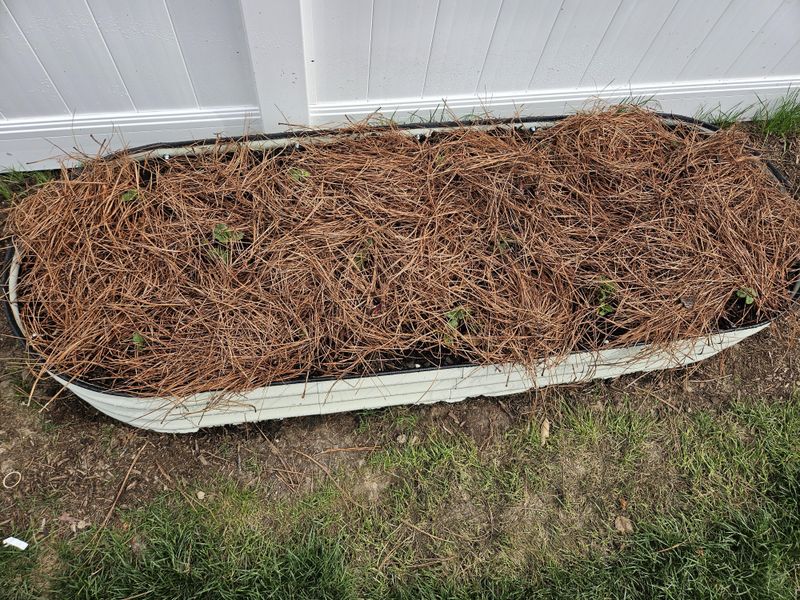
Pine straw has a familiar place in Georgia landscapes. You can spot it in neighborhoods from Atlanta suburbs to coastal towns. It shows up in neat waves under shrubs, trees, and foundation beds.
One reason is simple. It freshens a yard quickly. A tired winter bed can look sharper after just a few bales. Pine straw spreads easily by hand or with a rake.
It settles into a natural layer that feels right at home around azaleas, camellias, and other Southern favorites. It also has a relaxed, polished look. Not too formal. Not too fussy. Just tidy enough to make the whole yard feel cared for.
For gardeners watching the budget, pine straw can be especially appealing. It is often affordable and widely available in the region.
It is also light enough that spreading it does not feel like moving bricks around the yard. The benefits go beyond looks. A proper layer may help hold soil moisture.
It may also help smooth out temperature swings around plant roots. As it breaks down, it can blend naturally into the bed.
This makes pine straw a practical choice before spring gatherings begin. A few bales can shift the whole mood of a landscape in an afternoon.
Think of it as the garden’s fresh straw-tfit. It may not be flashy, but it knows how to pull a bed together. In Georgia, that kind of quick curb appeal can feel pretty handy.
7. Early Mulch Keeps Soil Temperatures More Even
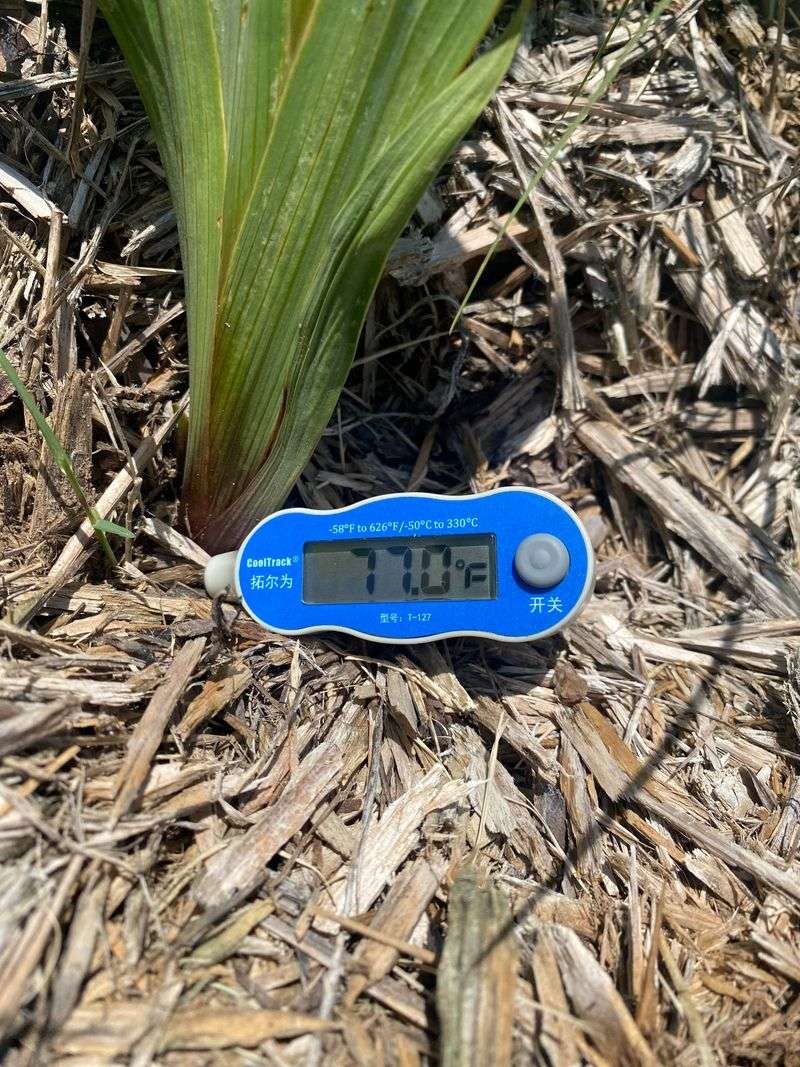
Georgia spring weather can be charming, but it can also be dramatic. A warm afternoon may feel like patio season. The next morning may have you reaching for a jacket again.
Plants notice those swings. Roots sit right in the middle of that temperature back-and-forth. When the soil heats and cools too quickly, growth may become less steady.
Mulch helps calm the situation. It slows how quickly soil warms under bright sun, and how quickly it cools during chilly nights. That gives roots a more even place to work.
Steadier soil can support better root activity. It may also help plants take up moisture and nutrients more comfortably.
When roots are not dealing with constant stress, the top growth often looks better too. This matters even more for plants waking from winter dormancy. New growth is tender.
It may not appreciate sudden temperature swings. A protective mulch layer can help ease that transition into active spring growth.
Bare soil has less protection from the season’s mood swings. Mulched soil gets a little more insulation and a little less drama. That can be useful before the weather fully settles.
Early mulching is not just about making beds look nice. It is also about giving roots a steadier rhythm.
Call it keeping things soil-balanced. The garden may still face warm days and cold snaps. But mulch can help keep the root zone from riding every twist and turn.
8. Stem Space Keeps Fresh Mulch From Causing Trouble
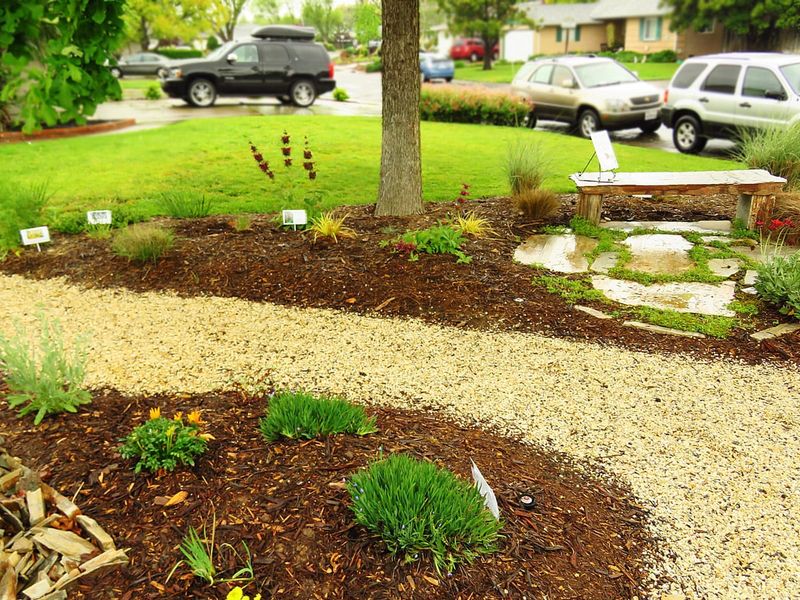
Mulch can be a garden helper, but it needs good placement. Too much of a good thing in the wrong spot can cause trouble. That is especially true around stems and tree trunks.
Piling mulch against a plant may look neat at first. But that close contact can hold moisture where the plant tissue should breathe.
Over time, damp stems may become more vulnerable to rot, fungal issues, or pests. Tree trunks can have the same problem. Those tall “mulch volcanoes” around trees may seem tidy.
But they can trap moisture against the bark and hide problems near the base. A better shape is more like a donut. The plant sits in the open center.
The mulch spreads outward around it. That gives the roots protection while the stem gets some breathing room.
A gap of a few inches around stems and trunks is usually a smart move. The mulch still helps with moisture, weeds, and temperature. It just does not smother the part of the plant that needs air.
Early-season mulching is a great time to fix old habits. Pull back mulch that has crept too close.
Check the base of plants for dampness or damage. Then spread the fresh layer outward with a lighter touch.
Think of it as giving your plants personal mulch-space. They get the comfort without the clinginess.
Good mulching is not about piling higher. It is about placing better. A few careful minutes may help protect plants through the growing season.