10 Great Reasons Why New York Gardeners Should Grow Lemon Balm
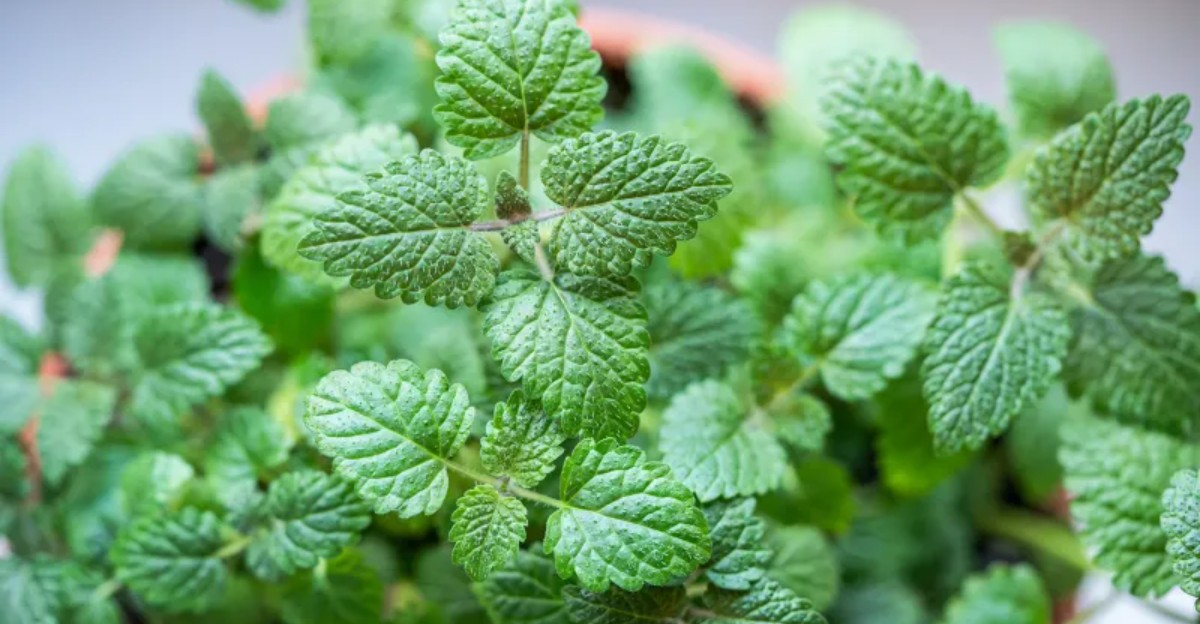
Crush this leaf and your fingers smell like fresh lemon zest long afterward. Lemon balm shrugs off New York winters that flatten fussier herbs.
Plant it in poor, rocky soil and it still thrives. Deer sniff it, frown, and wander toward your neighbor’s hostas.
Bees, meanwhile, visit its tiny pale flowers from early July into September. It clumps and self-seeds, so you gain a thick green patch fairly quickly.
Frost may darken the stems in October, yet spring brings fresh shoots. Skip watering for a few days and you still harvest fragrant leaves.
You can tuck the leaves into salads, fish, and iced drinks. Your balcony railing, a cracked pot, or a shady stoop will do.
Neighbors will follow the scent straight to your fence. Claim a corner now, and you could grow New York’s best-smelling border by next June.
1. Buffalo Snow Is No Match For Its Roots
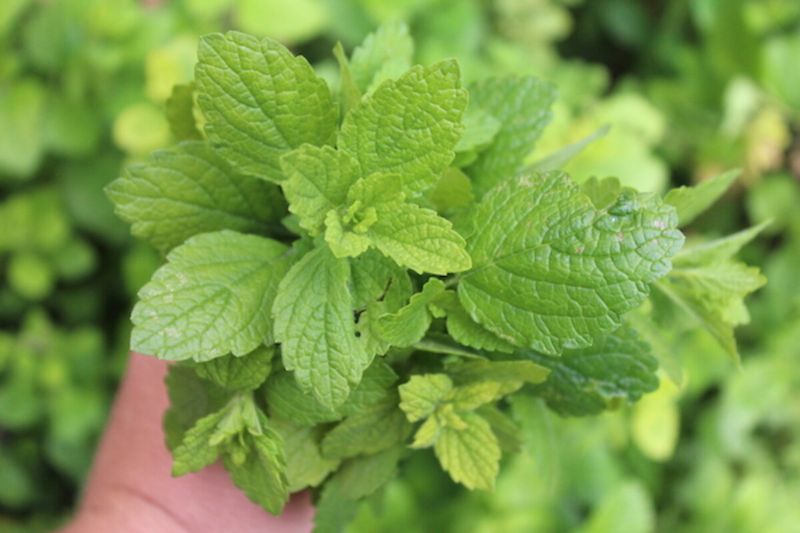
Buffalo can receive several feet of snow every winter, yet this herb pops back up in spring. Lemon balm is hardy in USDA zones 4 through 9, covering New York except high Adirondack pockets.
The leafy tops may turn brown and floppy after the first hard frost in October or November. Underneath the soil, though, the roots stay alive and quietly ready for another busy season.
You do not need to dig it up, wrap it in burlap, or haul it indoors. Simply cut the stems back to a few inches once they turn mushy and brown.
A light layer of shredded leaves or straw gives extra comfort during icy stretches. Spread about two inches around the crown after the ground starts to cool in late fall.
Come April, look closely and you will spot tiny green leaves pushing through the mulch. It feels like a friendly hello from an old garden pal that returns year after year.
For gardeners in Watertown, Plattsburgh, or the high Catskills, that tough streak matters a whole lot. One planting can reward you for many years with very little fuss or extra money spent.
2. Partial Shade Suits It Just Fine
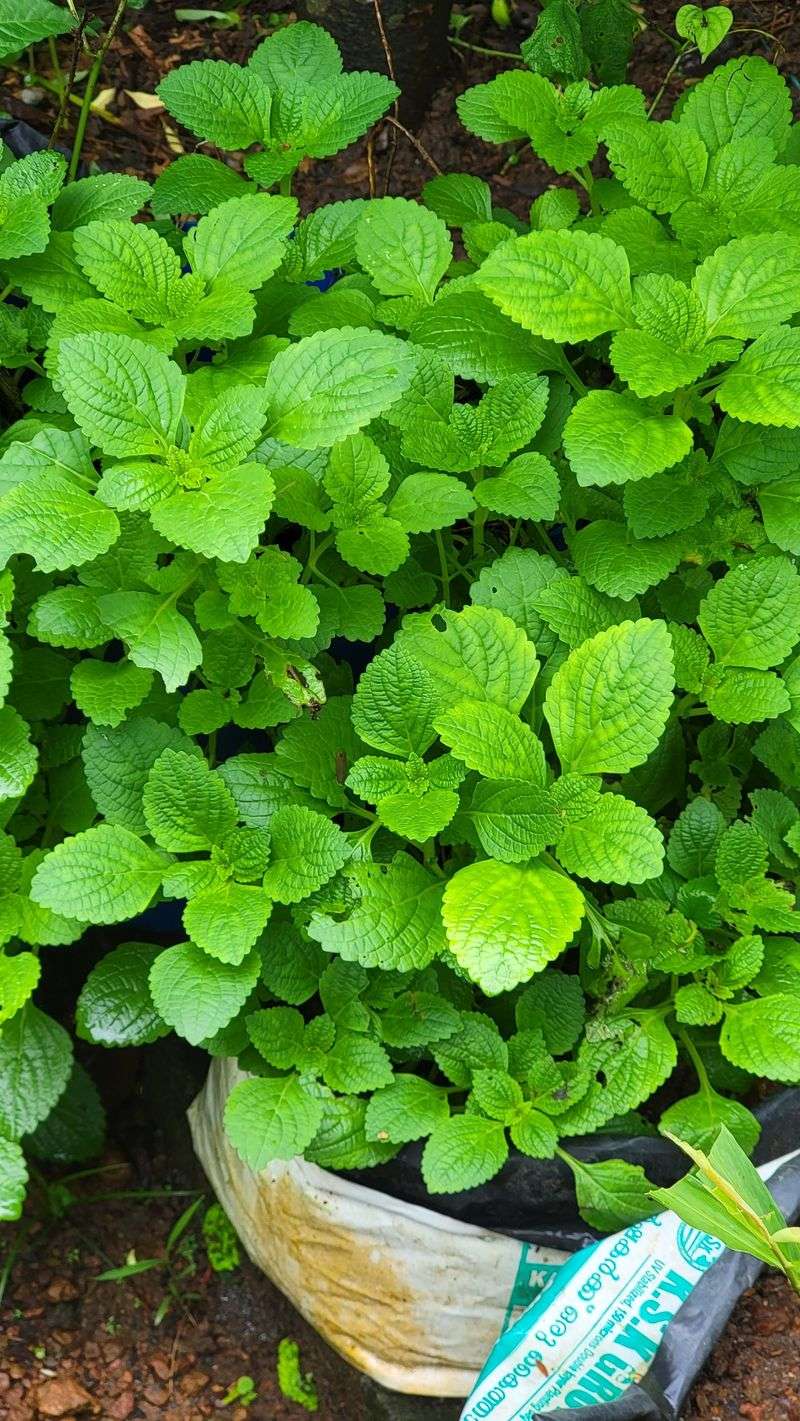
Not every Brooklyn backyard gets blazing sun, thanks to tall brownstones, fences, and leafy old maple trees. Luckily, lemon balm does just fine with four to six hours of light each day.
In fact, a little afternoon shade helps it handle sticky July heat waves across the five boroughs. Leaves stay greener and softer, with less scorch, when they are not baking in the sun.
Try tucking a plant along the north side of a fence or under a thin tree canopy. Those awkward spots where tomatoes sulk can quickly become a lush, lemony patch you love visiting.
Gardeners in Manhattan and Queens often grow it on balconies, windowsills, or in shaded rooftop corners. A twelve-inch pot with drainage holes and good potting mix keeps it happy all summer.
Watch for long, stretched stems, which means the plant is hunting for more light. Moving the pot a few feet toward a brighter spot usually solves the problem pretty fast.
Your New York Garden Changes Every Week. Your Plan Should Too.
Gardening in New York changes quickly throughout the season. Every Friday you’ll receive a simple weekly plan showing exactly what to plant, prune, fertilize, harvest, and protect so you never miss the right timing.
Shady gardens can feel limiting, yet this herb turns them into useful and pretty growing space. You get flavor, scent, and greenery from places where other crops do not grow well.
3. Bees Show Up When Lemon Balm Blooms
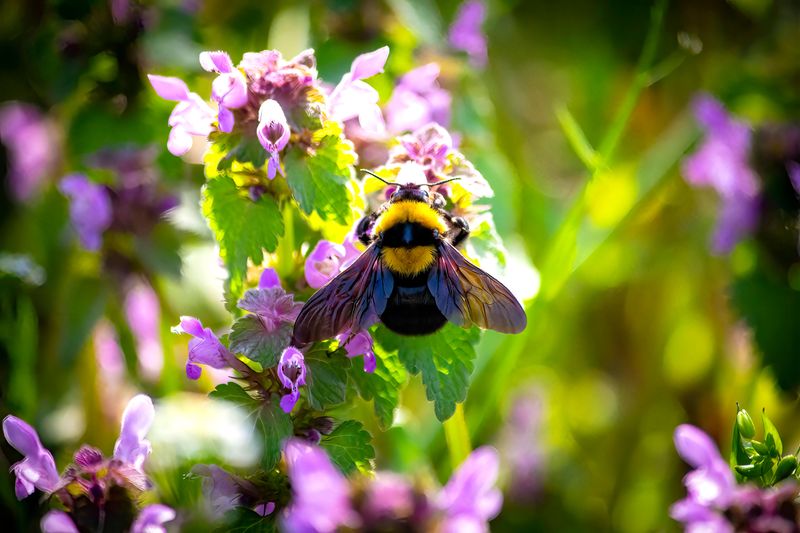
Stand near a blooming lemon balm patch in July and you will hear a happy, steady buzz. Honeybees, bumblebees, and tiny native bees love the small white flowers tucked along each stem.
The plant’s scientific name, Melissa, actually comes from the old Greek word for honeybee. Beekeepers have traditionally rubbed the fragrant leaves inside empty hives to try to attract swarms.
Those busy visitors do more than hum, since they also help nearby crops produce better harvests. Squash, cucumbers, apples, and berries growing in the same yard may set somewhat more fruit.
Across New York, many wildflower meadows have been lost to roads, parking lots, and new housing. Every flowering herb you plant gives hungry pollinators a small, welcome rest stop along their route.
To help bees, let a few stems flower and trim the rest for tea. Skip chemical sprays, especially during warm morning hours when the bees are busiest and most active.
Kids usually enjoy counting the different bees, wasps, and hoverflies that drop by each sunny afternoon. It turns a simple herb bed into a living science lesson right outside your back door.
4. A Cup Of Tea, Straight From The Garden
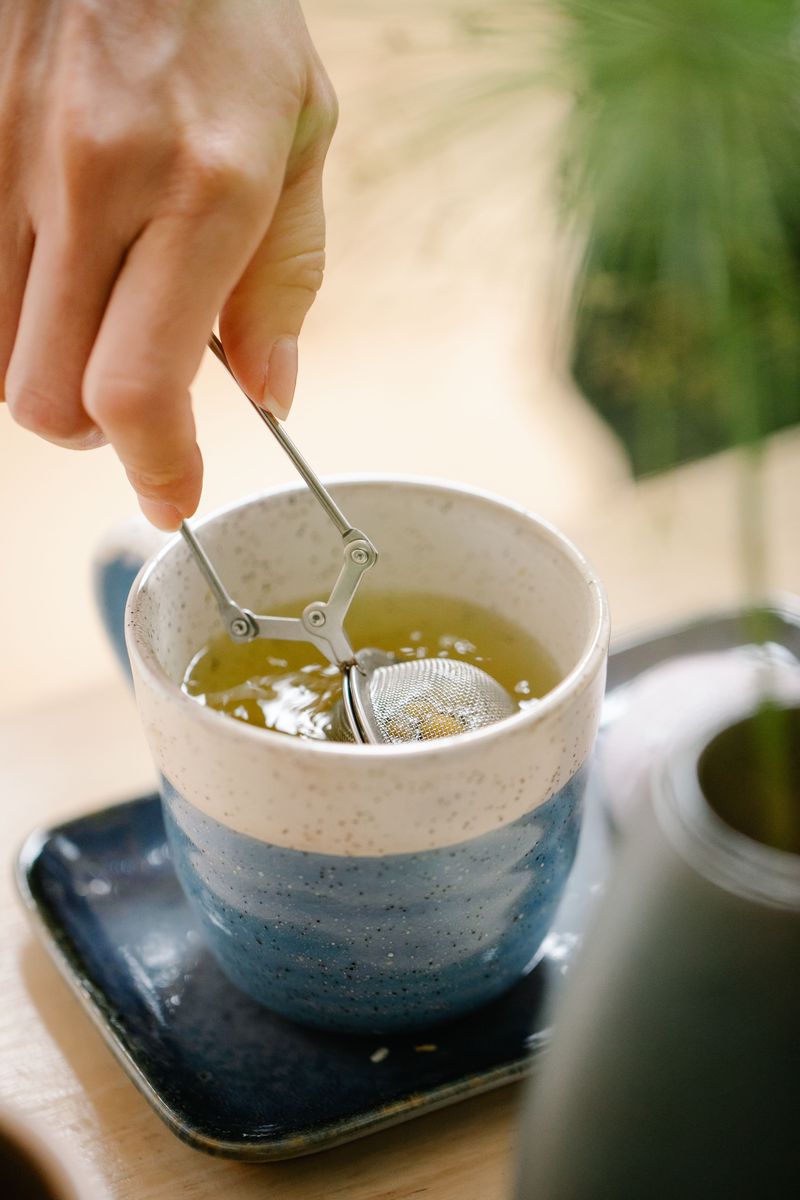
Many gardeners keep a favorite chipped mug just for evening tea made from fresh garden leaves. One sip tastes like warm sunshine mixed with a squeeze of lemon with a gentle finish.
Lemon balm has been brewed for centuries to help people relax after long, busy days. Many folks still sip it today hoping to calm a nervous stomach or ease into sleep.
Making a cup at home is simple, quick, and costs almost nothing at all. Tear a generous handful of fresh leaves, drop them in a mug, and pour hot water over.
Cover the mug with a small saucer and let it steep for about five to ten minutes. Covering it keeps the fragrant lemony oils from floating away with the rising steam.
A spoonful of local New York honey makes the flavor even cozier on chilly October nights. You can also mix in mint, chamomile, or a cinnamon stick for a fun garden blend.
Check with a doctor first if you take thyroid medicine or sedatives, or are pregnant or breastfeeding. Otherwise, enjoy a warm, homegrown cup whenever the day feels a little too heavy.
5. Low Effort, Steady Reward
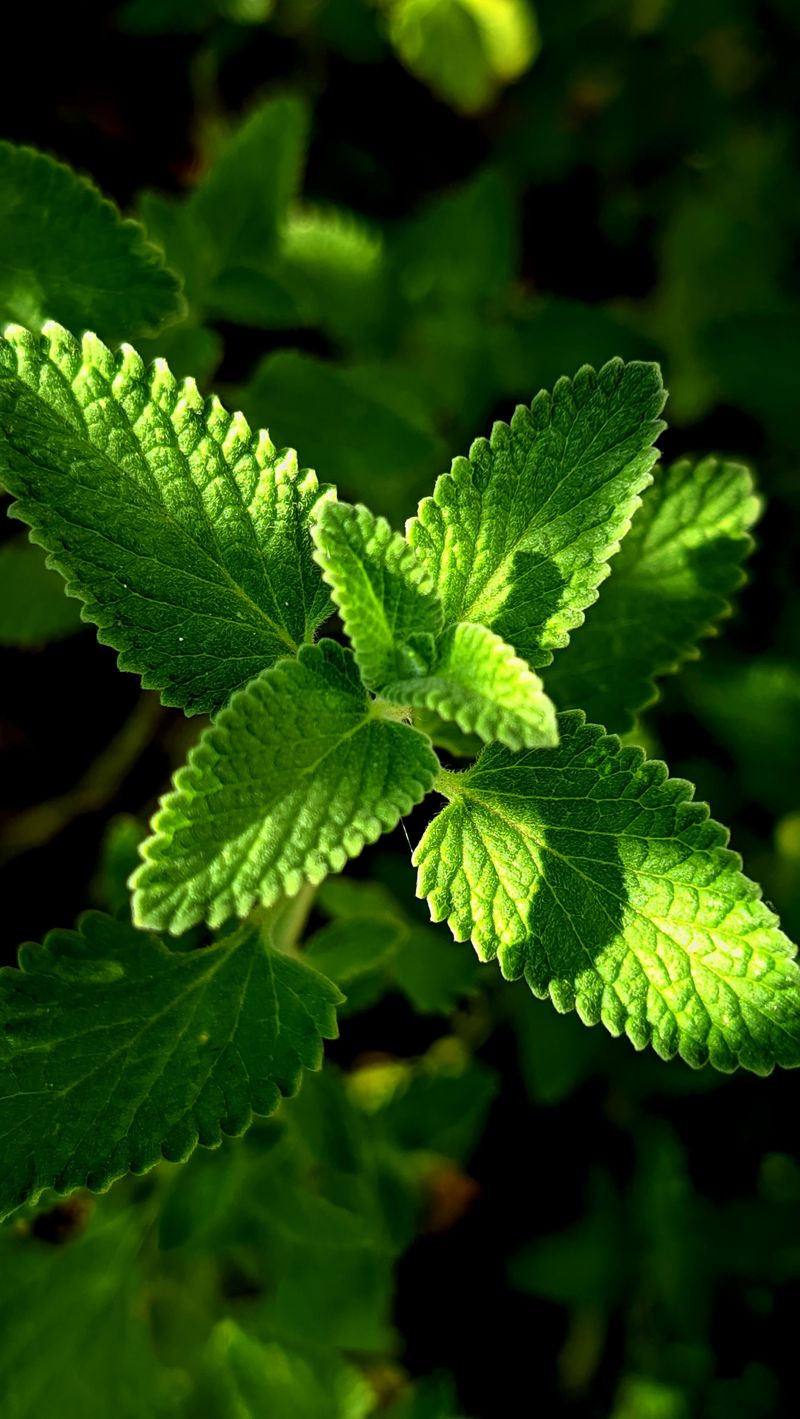
Some plants demand plenty of attention, but lemon balm behaves more like a laid-back, easygoing roommate. Give it decent soil, a drink during dry spells, and it mostly takes care of itself.
It handles sandy, loamy, and well-drained clay garden soil anywhere from Long Island to Rochester. Heavy fertilizer is not needed, and too much can actually weaken the lovely lemony scent.
Water deeply about once a week when rain is scarce, especially during August droughts. Container plants dry out faster, so poke a finger into the soil every couple of days.
Pests bother it less than many other herbs, though aphids and spider mites can still appear. Deer and rabbits usually wander right past without taking more than a curious little nibble.
Powdery mildew can show up in crowded, humid spots during the muggy weeks of late summer. Spacing plants about eighteen inches apart lets fresh air move freely and keeps the leaves healthy.
Busy parents, new gardeners, and folks with limited mobility can all grow it with real ease. A few minutes of attention each week is plenty to keep it green and thriving.
6. What Can Lemon Balm Add To Your Cooking
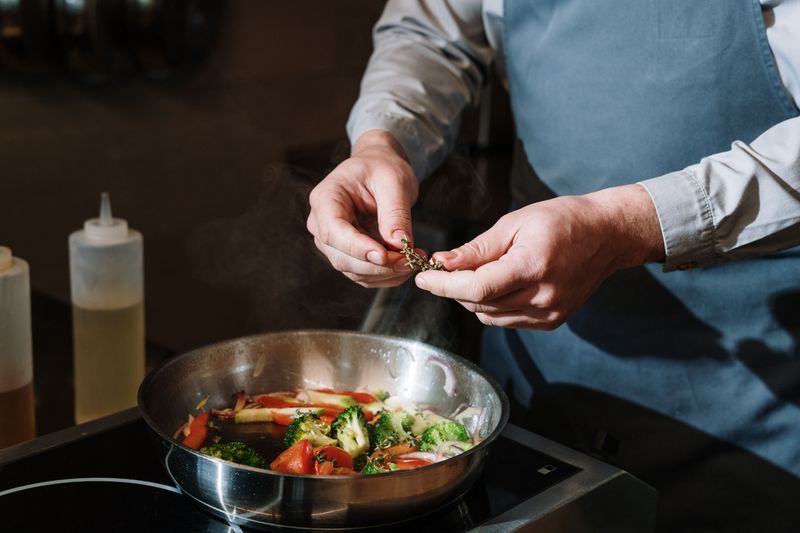
Chefs in New York City adore fresh herbs, and home cooks can borrow that trick quite easily. Chopped lemon balm adds a gentle citrus kick without the sharp sourness of real lemon juice.
Toss a few torn leaves into green salads, fruit bowls, or buttery summer corn dishes. It pairs beautifully with strawberries, peaches, and crisp apples picked fresh from upstate orchards.
Fish and chicken also welcome a sprinkle of the finely minced leaves right before serving. Heat dulls the flavor quickly, so add the herb at the very end of cooking.
Try blending a big handful into pesto instead of basil for a bright, zesty change. Spread it on warm toast, swirl it into pasta, or spoon it over crispy roasted potatoes.
Bakers can steep leaves in warm milk or cream before making custard, ice cream, or cookies. Plain lemonade gets a fancy upgrade when you muddle a few fresh leaves into each glass.
Pick young leaves from the top of the plant, since they taste sweetest and most tender. Rinse them gently and pat them dry before chopping so the delicate leaves do not bruise.
7. A Possible Mosquito Deterrent For Your Patio

Ever swatted mosquitoes on a muggy Long Island evening while trying to enjoy a backyard barbecue? Lemon balm might lend you a helping hand, thanks to a natural compound called citronellal.
Citronellal is also a main scent component in citronella oil, which is used in many candles. When you crush the leaves between your fingers, the oils release and may discourage some biting bugs.
Rubbing a few fresh leaves on your arms is an old-fashioned trick many gardeners still use. Test a small patch of skin first, since some people may notice mild redness or irritation.
The effect is short-lived, so reapply as needed while you sit outside in the evening. It will not replace EPA-registered repellents, especially where mosquito-borne illness is a concern, but it may add a little scent-based deterrence on the porch.
Planting pots of it near patios, doors, and picnic tables keeps the leaves within easy reach. Brushing past them as you walk releases a cheerful burst of lemon into the evening air.
Remember to dump standing water from buckets, plant saucers, and old tires around your yard each week. Fewer breeding spots plus a fragrant herb buffer make warm summer evenings far more relaxing.
8. Fill Bare Corners With One Small Plant
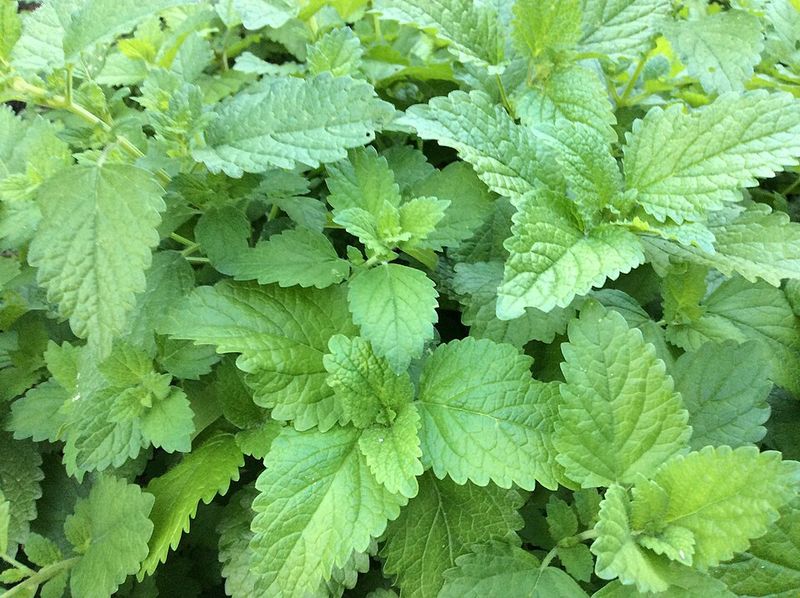
Think of lemon balm as the generous friend who shows up with extra snacks for everyone. One small plant can turn into a lush clump about two feet wide within a couple of seasons.
It belongs to the mint family and spreads by both seeds and creeping roots. A pot or a bordered bed keeps it in check, and it is not on New York’s prohibited or regulated invasive plant lists.
Bare patches along walkways, fences, or behind sheds fill in quickly with soft, green growth. Weeds struggle to compete once the leafy mound settles in and shades the soil below.
To limit its spread, snip off the flower heads before they turn brown and drop seeds. Doing this in late summer saves you from pulling dozens of surprise seedlings next spring.
Early fall or spring suits dividing big clumps while the soil is still soft and workable. Slice through the root ball with a sharp spade and replant the pieces somewhere new.
Extra divisions make wonderful gifts for neighbors, teachers, coworkers, or friends at the community garden. Before long, half your block might smell faintly of fresh lemon on warm summer afternoons.
9. A Citrus Scent That May Calm You Outdoors
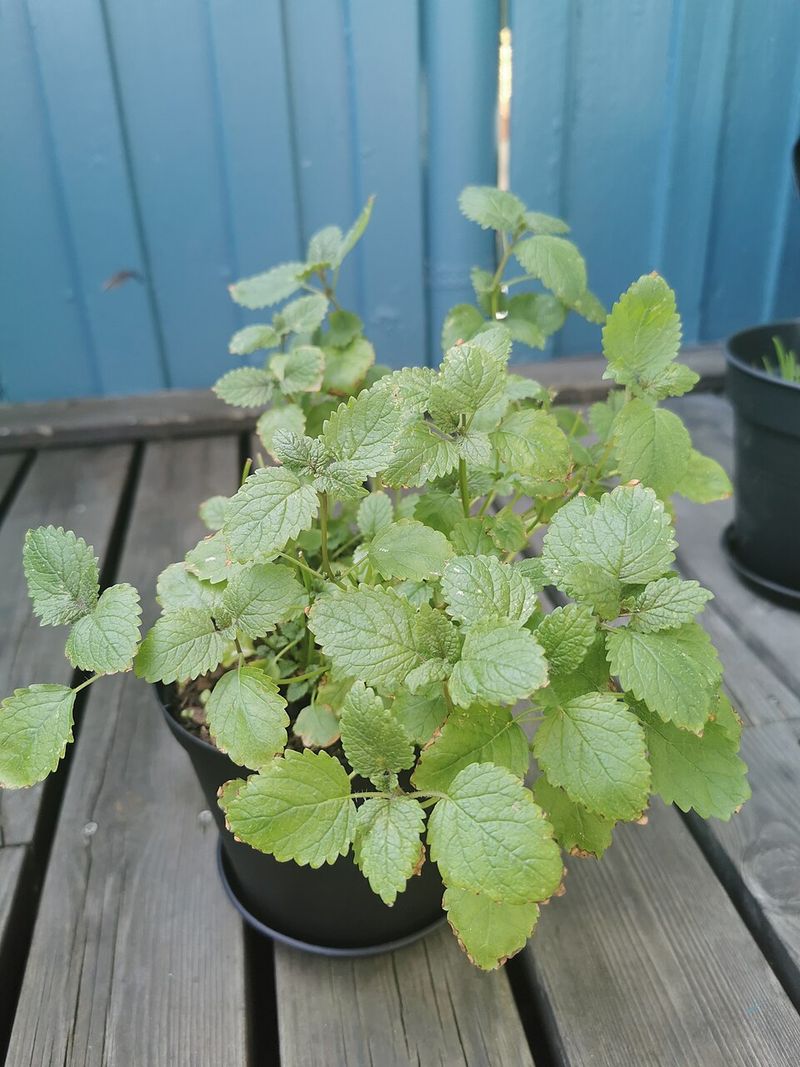
Scientists have studied lemon balm for its calming effects, and some small trials suggest a benefit, though the evidence is limited. Even without a fancy lab, some people notice a happier feeling after one deep sniff.
Gardening itself can lower stress, and fragrant plants may add to that benefit too. Brushing your hand across the leaves releases a scent that many people find relaxing, fresh, and uplifting.
Long, gray New York winters can leave many folks feeling sluggish, tired, and a bit low. Potting up a small plant on a sunny windowsill can bring green indoors, though growth may slow.
Some gardeners dry the leaves and tuck them into small cloth pouches for drawers, closets, or pillows. Others simply keep a jar of dried leaves to sniff during stressful homework sessions.
Kids with big feelings often enjoy having their very own little calming plant to care for. Watering and pinching leaves gives restless hands a peaceful, meaningful job to do each day.
Placing a bench or chair near your patch makes it easy to pause, sit, and breathe. Five quiet minutes surrounded by that bright citrus scent can help you unwind after work.
10. Fall Is A Smart Time To Plant It
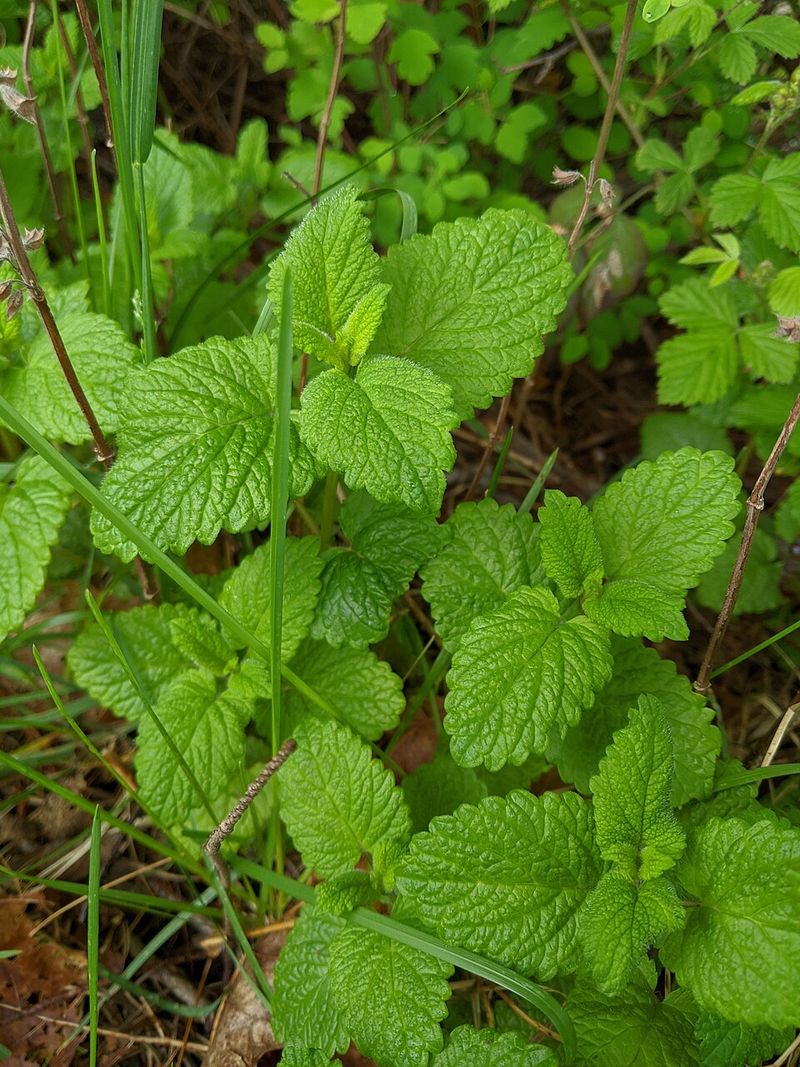
Fall is a good planting season, and autumn offers plenty of chances in gardens across New York. Cool air and warm soil help new roots settle in without the stress of summer heat.
Aim to plant at least six weeks before the ground freezes solid in your part of the state. Downstate gardeners may have until early November; Adirondack and Tug Hill growers should check frost dates.
Garden centers often discount leftover herbs in fall, so you can snag healthy plants for cheap. Look for bushy green leaves and avoid pots with yellow foliage or tangled roots.
Dig a hole twice as wide as the pot and loosen the roots gently with your fingers. Water deeply after planting, then add a thin layer of mulch around the base.
Seeds can also be scattered in fall, though spring sowing is usually a more reliable choice. Press seeds onto the soil surface without burying them, since they need light to germinate properly.
By next June, a fall-planted nursery plant should be lush, fragrant, and ready to harvest. Future you will be very thankful you grabbed a trowel on a crisp fall afternoon.