What To Harvest From Your Georgia Herb Garden Before The Heat Peaks
Georgia heat can change an herb garden faster than most gardeners expect.
One morning, the leaves still look soft and full. A few days later, stems stretch upward, flower stalks appear, and the flavor you were waiting for starts slipping away.
That shift does not happen at the same moment for every herb.
Some plants rush toward seed as days lengthen. Others tolerate summer but lose tenderness once heat stress builds. A few keep producing well, provided you cut them at the right stage instead of waiting for the biggest possible harvest.
So what should come out of the garden first?
The answer depends on flower buds, stem texture, leaf quality, and how each plant responds when Georgia temperatures climb.
A well-timed cut can preserve stronger flavor, encourage another flush of growth, and keep useful herbs from becoming disappointing almost overnight.
The hottest part of summer is coming.
The smartest harvest happens just before the plants start showing you that they have already moved on and left peak flavor behind.
1. Cut Cilantro Before Heat Pushes It To Seed
Cilantro gives you very little warning once Georgia heat takes control.
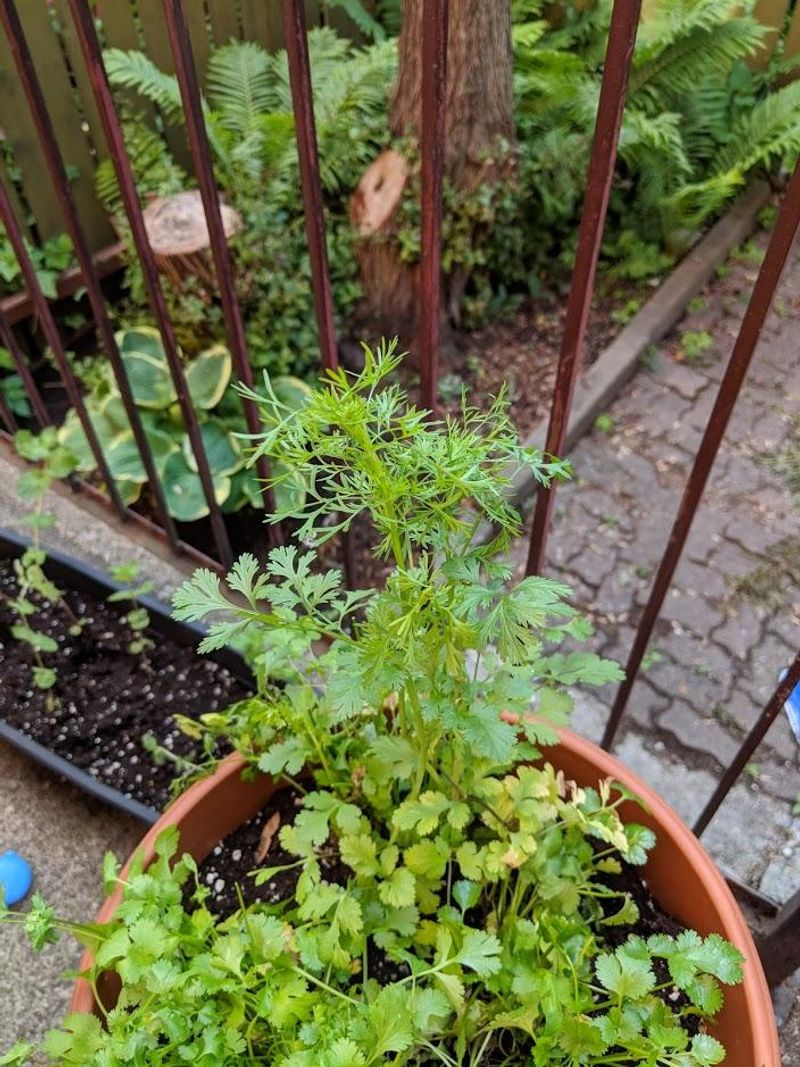
The first clue is usually a taller central stem followed by finer, more feathery foliage near the top.
That change signals bolting, and once flowering begins, the plant shifts energy away from the broad leaves most gardeners want for salsa, tacos, and sauces.
Harvest generously before that transition accelerates.
Cut outer stems in the morning after the dew has dried, leaving the central growing point intact when you want a little more production.
Taking roughly one-third of the plant at a time can keep usable leaves coming briefly, but do not expect spring-quality cilantro to power through a hot Georgia summer.
Flavor changes as bolting advances.
Leaves can become stronger, sharper, or less pleasant, while the plant devotes more energy to flowers and seed. At that point, chasing tender foliage becomes less rewarding.
You can still let selected plants finish their cycle.
Once the flowers fade and seed heads dry, the resulting coriander seed becomes another kitchen harvest. Collect it when the seed turns tan and dry enough to separate easily from the stems.
That gives you two useful endpoints from the same crop.
Cut the best leaves before peak heat takes them, then let a few plants move on naturally.
Cilantro does not fail in summer.
It simply changes jobs.
That timing also leaves you with cleaner leaves before plants become tall, sparse, and harder to harvest. Make the leafy harvest first, then decide which stems earn seed.
2. Harvest Dill Before Flowering Takes Over
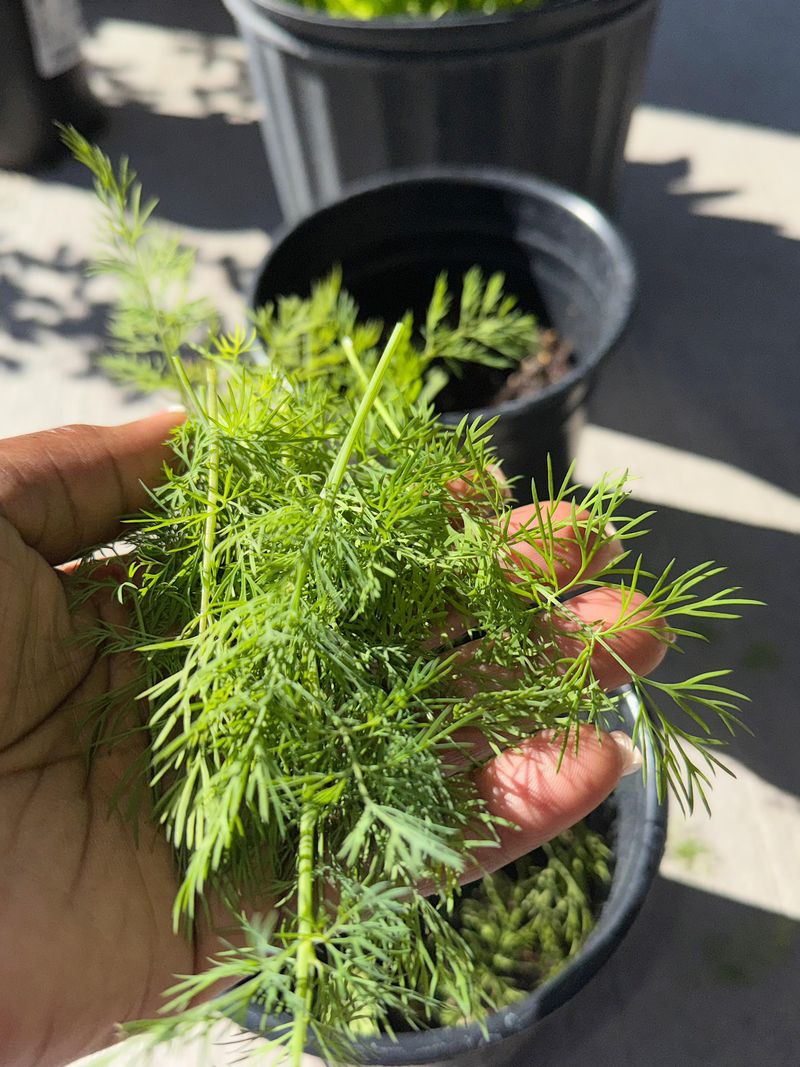
Dill can look perfectly usable one morning and be halfway to flowering by the next week.
That rapid shift matters in Georgia because long days and rising temperatures encourage the plant to move from soft leafy growth into tall stems and broad yellow flower heads.
Once that transition gets underway, the fine leaves gardeners use as dillweed become less abundant and often less tender.
Your Georgia Garden Changes Every Week. Your Plan Should Too.
Gardening in Georgia changes quickly throughout the season. Every Friday you’ll receive a simple weekly plan showing exactly what to plant, prune, fertilize, harvest, and protect so you never miss the right timing.
Take the main leafy harvest before the umbels fully open.
Cut outer stems first and leave some central growth when you want the plant to continue producing.
Morning is a good time to harvest because the foliage is cool, hydrated, and strongly aromatic before afternoon heat settles over the bed.
Do not strip every stem bare.
A plant that still carries healthy foliage can keep feeding itself while remaining useful for a little longer. When flower buds are already swelling, however, treat that as a countdown rather than an invitation to wait.
Those flowers are not wasted.
Fresh dill heads can go into pickling, and mature seed adds a deeper, warmer flavor than the foliage. Let a few stems remain until the seed heads turn dry and brown, then cut them over a bag or bowl so the seeds do not scatter.
Georgia heat closes the dillweed window quickly.
Harvest the feathery leaves while they are still the main event, then let the plant give you a second harvest in another form.
That way, one planting gives you foliage now and fragrant seed for later meals.
3. Snip Parsley Before Summer Stress Builds
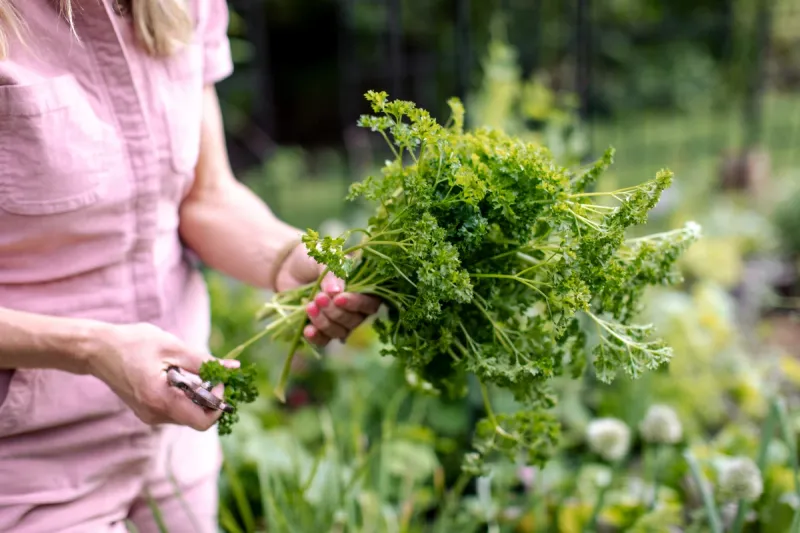
Parsley usually hangs on longer than cilantro or dill, but summer still changes what you get from it.
A mature spring planting can enter hot weather with a dense crown of dark green leaves, then slow as temperatures rise and soil dries faster.
Older plants may also begin preparing to flower, especially when they have overwintered and are entering their second year.
That makes late spring and early summer a good time for a generous cut.
Harvest the outer stems at their base while leaving the center of the crown untouched. Those inner shoots are where the next leaves develop, so cutting straight across the entire plant can slow recovery much more than selective harvesting.
Take the largest, healthiest stems first.
Flat-leaf parsley often gives the strongest kitchen flavor, while curly types still provide useful leaves and texture. Both appreciate some protection from the harshest afternoon sun when Georgia temperatures intensify.
Keep the root zone evenly moist without leaving it soggy.
A stressed plant becomes tougher and slower, which is another reason to harvest before midsummer strain builds.
Surplus parsley freezes well.
Chop the leaves and pack them into small freezer portions, or freeze them with a little water or olive oil for soups, sauces, and cooked dishes later.
The goal is not to empty the plant before summer.
It is to take the best leaves while the plant is still producing them willingly.
Regular cutting keeps older stems from crowding the crown while summer growth begins to slow down.
4. Gather Chives Before Peak Heat Slows Growth
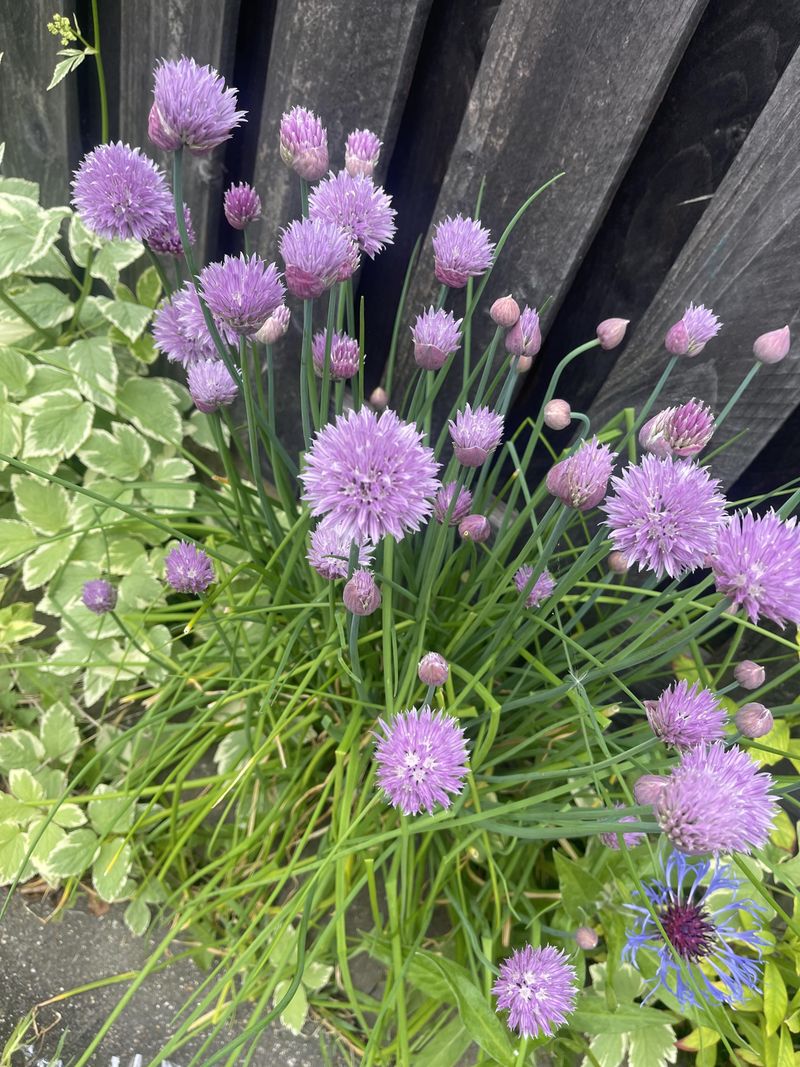
Chives rarely collapse when summer arrives, but their best texture can slip away once flowering and heat take over.
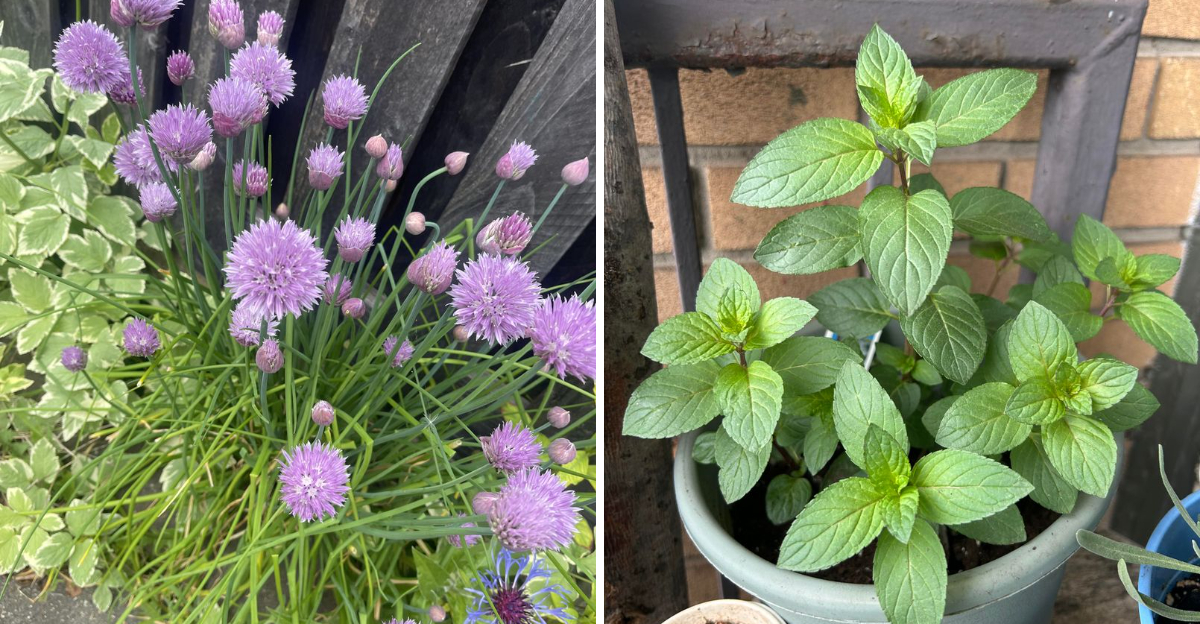
By late spring, established clumps may be full of tender hollow leaves and round flower heads. That is a useful harvest stage because both parts are edible, and the foliage is usually softer than it will be after weeks of intense Georgia heat.
Cut the leaves cleanly rather than pulling them.
Use scissors and leave a couple of inches of green growth above the soil so the plant keeps enough leaf surface to recover. A healthy clump can produce another flush, although regrowth may slow as July and August become hotter.
The flowers deserve attention too.
Break the purple florets apart and scatter them over salads, eggs, soft cheese, or potatoes for a mild onion flavor. Harvest flower heads before they become dry and papery.
Do not wait for the whole clump to turn coarse.
Older leaves can become tougher and less pleasant in the kitchen, especially after repeated heat and drought stress.
A firm early harvest gives you better texture and keeps the plant from carrying too much aging foliage into the hottest stretch.
Keep the soil moderately moist during prolonged dry spells.
Chives are perennial, so the objective is not to finish the crop.
You are simply taking the best spring growth before summer slows the plant down and turns tender leaves into something much less exciting.
A healthy clump can rest through peak heat and rebound in fall.
5. Pick Basil Before Flowering Lowers Leaf Quality
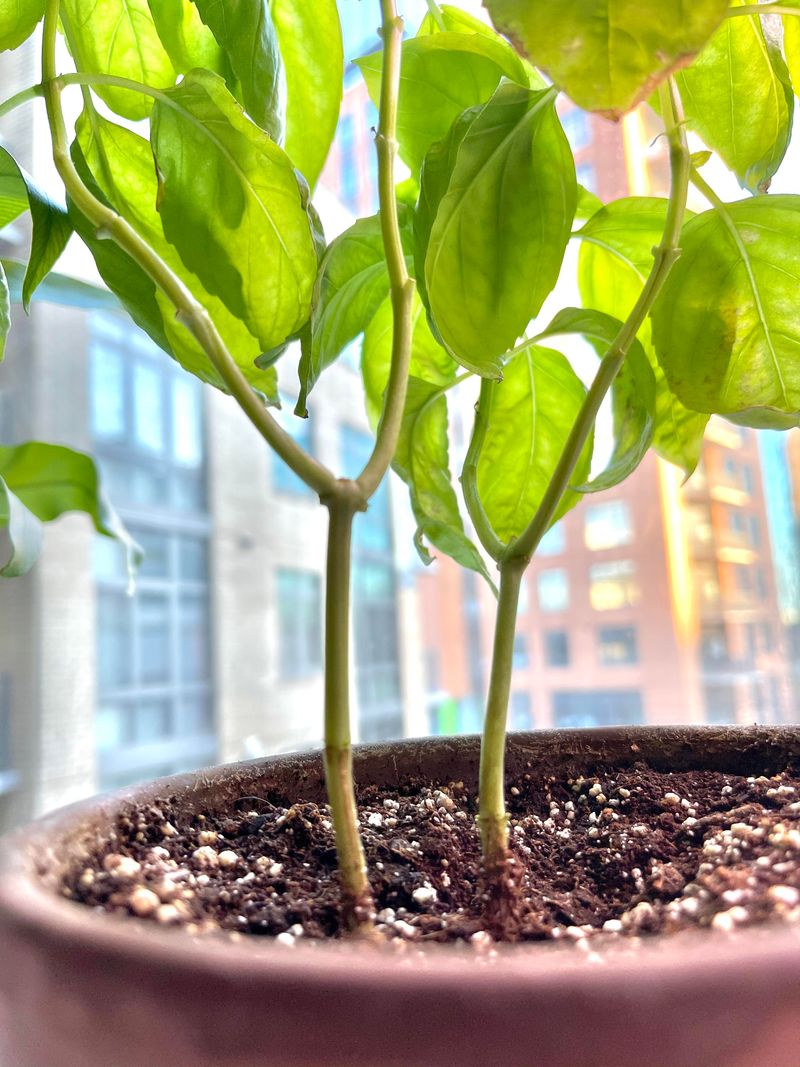
Basil loves Georgia warmth, so this harvest is less about rescuing the plant from heat and more about staying ahead of flowering.
The critical clue appears at the stem tips.
Small clusters begin forming where new leaves had been developing, and those buds soon become flower spikes.
Once flowering takes over, the plant directs more energy toward reproduction and the leafy growth can become smaller, tougher, or more intensely flavored.
Cut before that shift dominates the plant.
Harvest whole stem tips just above a pair of leaves rather than plucking individual leaves from random spots.
That cut encourages two side shoots to develop, which helps the plant become bushier and keeps more future harvest points in play.
Repeat the process regularly.
A basil plant allowed to grow tall without cutting often races toward flowering faster than one harvested consistently. Removing flower buds early can stretch the leafy stage considerably.
Do not remove so much at once that the plant is left nearly bare.
Keep several sets of healthy leaves on every main branch so photosynthesis and regrowth continue.
Large harvests freeze better than they refrigerate for long periods.
Blend leaves with a little oil and freeze in small portions for sauces and cooked dishes. Whole leaves can also be frozen for recipes where texture matters less.
Georgia summer is where basil wants to grow.
Your job is to keep that growth pointed toward the kitchen instead of the seed stalk.
Regular harvesting turns vigor into leaves instead of flower stalks.
6. Harvest Mint While Growth Stays Tender
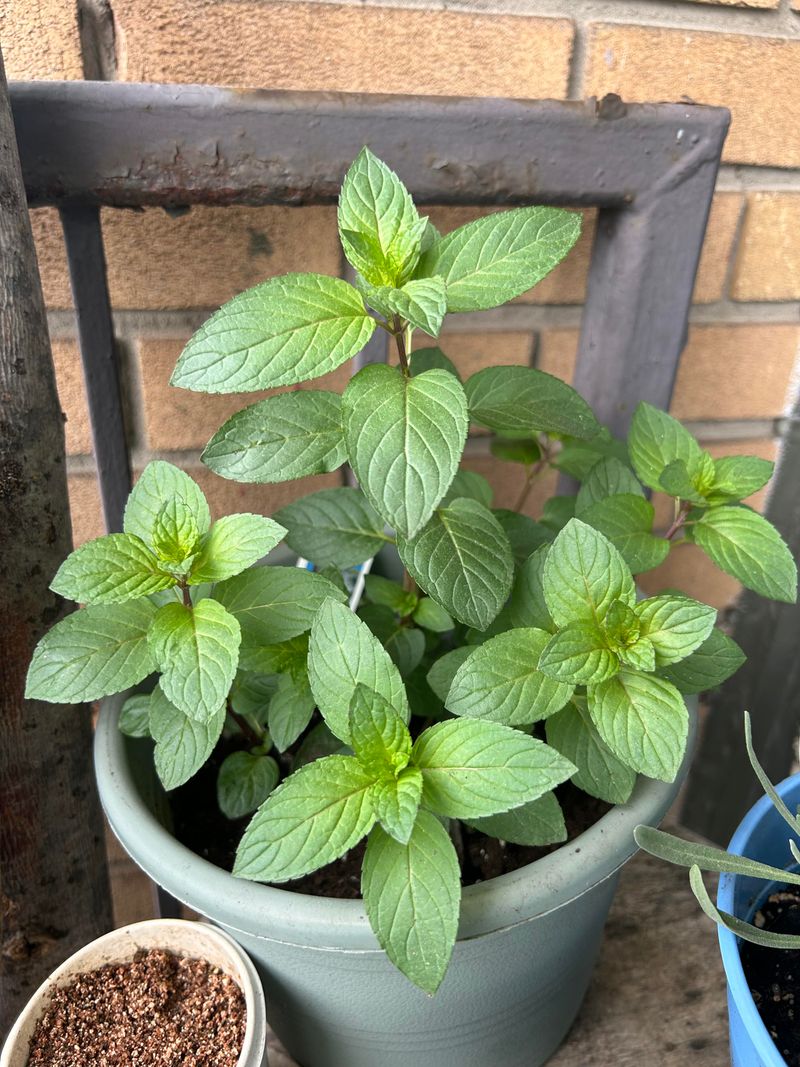
Mint can power through Georgia warmth remarkably better than many herbs, but the nicest leaves still come from fresh, actively growing stems.
Look at the tips rather than the bottom of the plant.
Young leaves near the top are usually softer, brighter, and more aromatic than older foliage buried inside a dense clump.
Repeated harvesting keeps those new shoots coming and prevents the planting from becoming a mass of lanky stems.
Cut back roughly one-third of a stem at a time.
Make each cut just above a leaf pair so new branches can develop from the nodes below. A healthy mint plant responds quickly when moisture and light remain suitable.
Morning harvests give you cool, hydrated foliage before afternoon heat intensifies.
Container-grown mint needs closer attention because pots can dry quickly in Georgia summer weather.
Keep the mix evenly moist without leaving the roots sitting in water, and give plants some afternoon protection where reflected heat becomes extreme.
Do not let flowering surprise you.
Mint remains usable in bloom, but frequent tip harvesting keeps the plant focused on the tender leafy growth most cooks want.
Containment matters just as much as harvest timing.
Mint spreads aggressively through underground runners, so pots or well-defined beds prevent one herb from claiming neighboring space.
The summer advantage is recovery.
While cilantro and dill are heading toward the end of their leafy season, mint can keep producing after repeated cuts.
Harvest the soft tips now, and the plant will usually answer with more.
7. Cut Oregano Before The Hottest Stretch
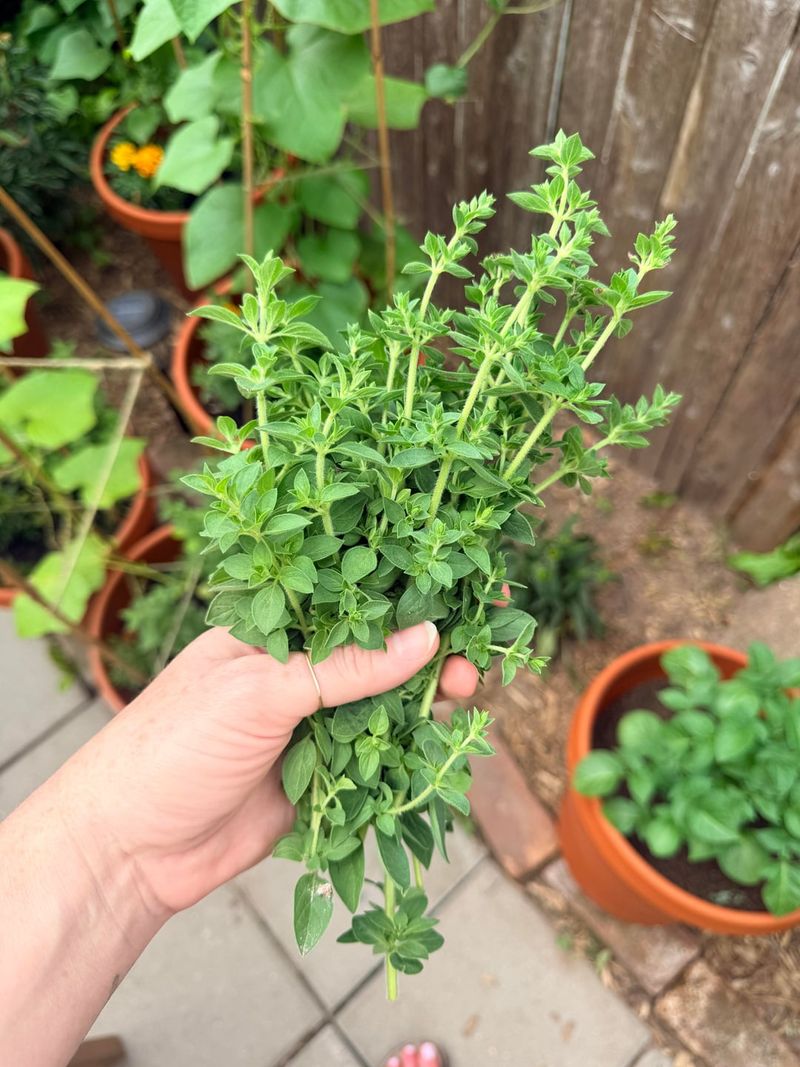
Oregano simply does not panic when Georgia temperatures rise, but waiting too long can still cost you the strongest harvest.
Its best large cutting usually comes just before flowering or as the first buds begin to open. At that stage, the foliage carries a concentrated aroma and the stems are still covered with plenty of usable leaves.
Cut generously without cutting into bare woody bases.
Take about one-third to one-half of the leafy growth from a healthy plant and leave green leaves on every remaining stem.
Oregano can recover well from a firm harvest, but old woody sections may not push fresh shoots as reliably after severe cutting.
Use clean, sharp shears.
That keeps stems from tearing and makes it easier to gather bundles for drying. Morning harvest works well once dew has disappeared and before the strongest afternoon heat.
Drying is where oregano becomes especially useful.
Tie small bundles loosely and hang them in a warm, shaded place with good airflow, or spread stems on a drying screen. Once the leaves are completely crisp, strip them from the stems and store them away from heat and light.
Do not judge oregano by the same rules as cilantro.
It can stay productive through summer, especially in well-drained soil, and flowering does not suddenly make the plant worthless.
The smart move is simply to take the most aromatic flush before peak heat and heavy flowering change the texture of the plant.
One early cut can stock the spice jar for months.