Georgia Homeowners Should Check Old Stumps Before Fall Yard Work Begins
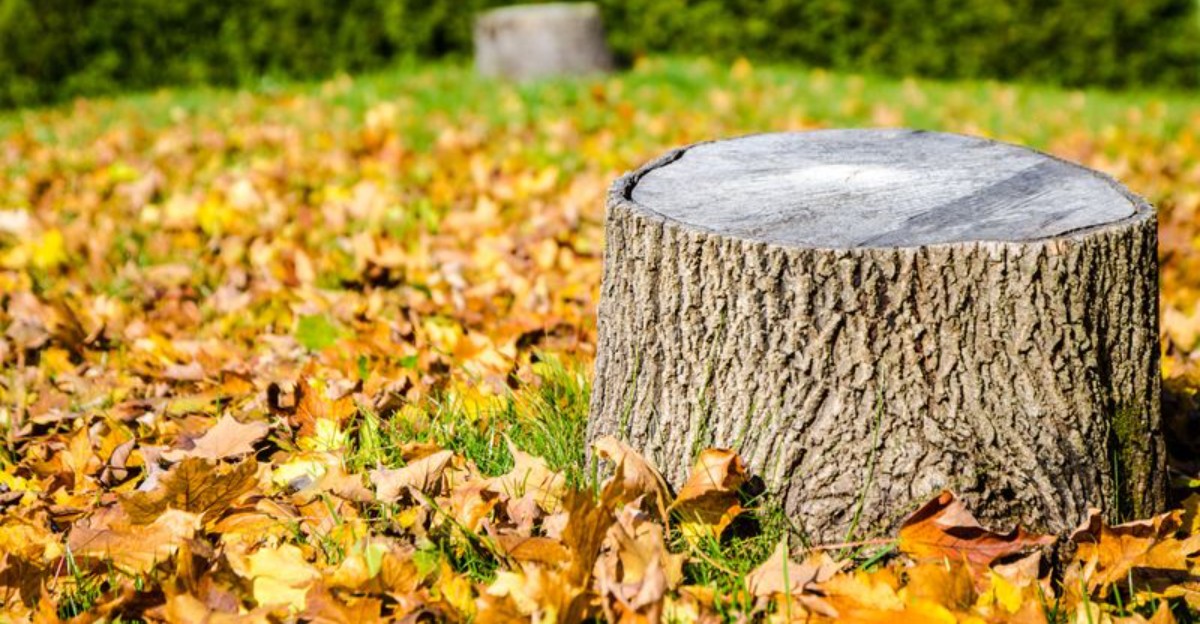
That crisp fall feeling hits different in a Georgia yard. The air finally has some mercy in it, leaves are starting to come down, and the urge to get outside and tackle some long-overdue yard work is real.
Before you grab the rake or fire up the mower for one last run though, there is one quick walk-around worth doing first.
Somewhere along the edges of your lawn, tucked into the grass or half-hidden under a layer of mulch, there is probably an old stump sitting quietly and minding its own business.
Or so it appears. Old stumps have a talent for looking completely harmless while hiding a surprisingly long list of potential problems underneath.
A few minutes of honest inspection right now, before fall cleanup gets into full swing, could save a serious amount of money and stress down the road. Boots on, coffee in hand, let’s go take a look.
1. Old Stumps Can Hide More Problems Than They Show
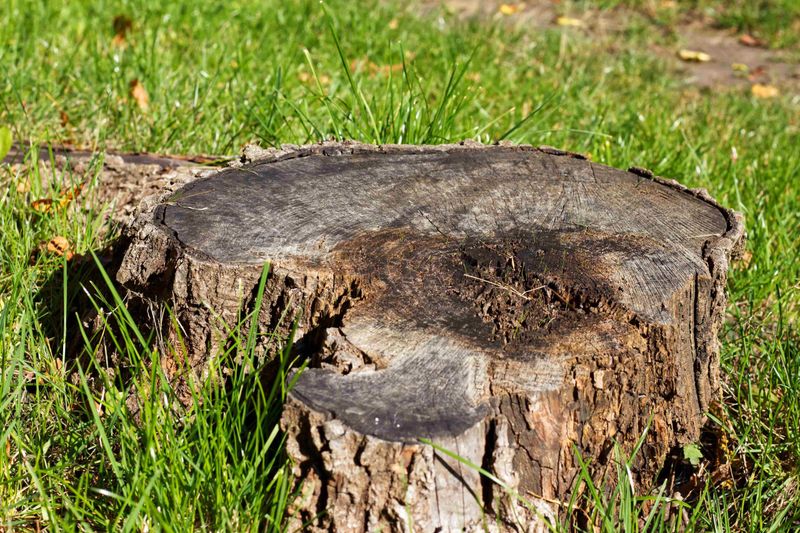
Picture a stump as an iceberg in your lawn. What you see above ground is only a small part of the story.
In Georgia, warm temperatures and heavy humidity speed up wood decay. A stump that looks solid on top may be hollow, soft, or full of critters just below the surface.
Many homeowners treat old stumps like lawn decorations. Some even set flower pots on them or use them as a seat.
Over time, though, rot can spread into nearby roots and soil.
That hidden decay can create sunken spots in the yard. Those dips can twist an ankle or catch a mower wheel without warning.
Start with a simple walk-around. Look at the top, the sides, and the ground within a few feet of the stump.
Press on the bark with your thumb and notice how it feels. Tap the wood with a rubber mallet and listen for a dull or hollow sound.
Take photos of anything that seems odd. Snapping pictures each season helps you spot slow changes you might otherwise miss.
Keep a small notebook or phone note for each stump. Write down its location, size, and what kind of tree it came from if you know.
Little details like these make a big difference later. If you ever need help from a pro, your notes will give them a head start.
2. Check For Fungal Growth Around The Base First
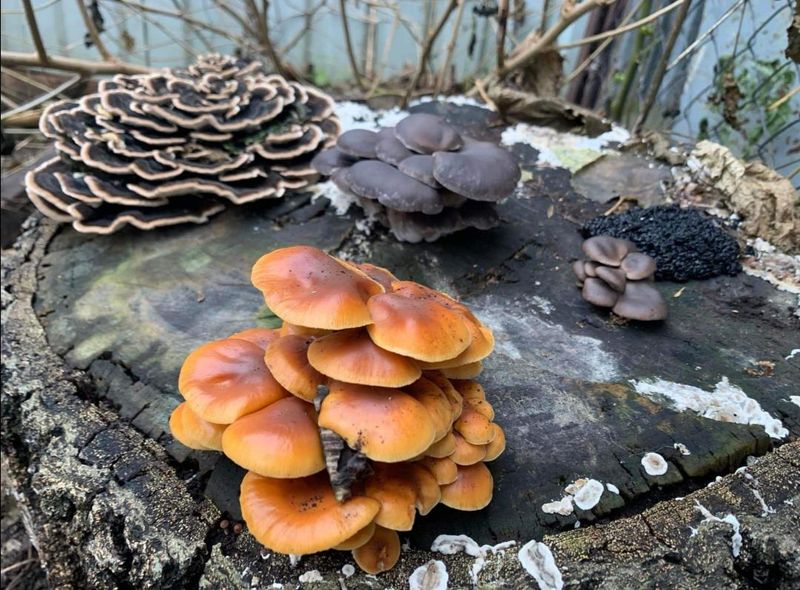
Mushrooms popping up after a rainy week can look almost cute. Around a stump, though, they are sending you a message.
Fungi feed on wood, and Georgia offers them a perfect buffet. Our muggy summers and mild falls give spores plenty of time to settle in and grow.
Look closely at the base of each stump. Shelf-shaped growths, white threads under the bark, or clusters of honey-colored mushrooms are all worth noting.
Honey fungus deserves extra attention. It can travel through the soil and reach the roots of healthy trees and shrubs nearby.
Here is a fun fact to share at your next cookout. One honey fungus colony in Oregon covers over 2,000 acres, making it one of the largest living things on Earth.
Your Georgia Garden Changes Every Week. Your Plan Should Too.
Gardening in Georgia changes quickly throughout the season. Every Friday you’ll receive a simple weekly plan showing exactly what to plant, prune, fertilize, harvest, and protect so you never miss the right timing.
You do not need to panic if you spot fungus. Just avoid touching it with bare hands and never taste wild mushrooms, no matter how tasty they look.
Wear gloves and snap a clear photo from a few angles. Your local county Extension office can often help identify it for free.
Keep leaf piles and mulch away from infected stumps for now. Moving that material around the yard during fall cleanup could carry spores to new spots.
A little caution at this stage protects your favorite plants. It also keeps the rest of the garden happy through winter.
3. Soft Or Crumbling Wood Is A Sign Worth Taking Seriously
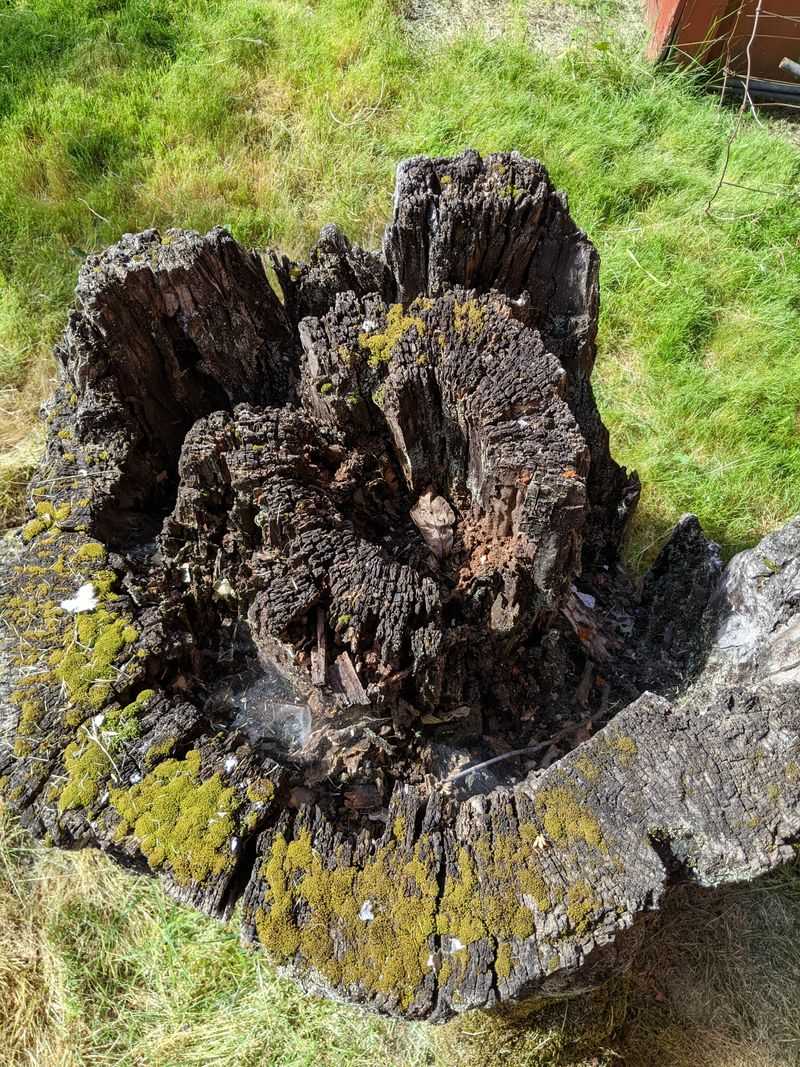
Ever squeezed a slice of stale bread and watched it fall apart? Rotting stump wood can feel a lot like that.
When wood turns soft, spongy, or powdery, it has lost most of its strength. Georgia rain soaks into cracks, and decay moves faster with each wet season.
Grab a screwdriver and gently push it into the stump. If it slides in easily more than an inch, the inside is breaking down.
Crumbling wood is not only an eyesore. It can collapse under weight, which matters if kids like to climb or jump on it.
Soft stumps also hold moisture like a sponge. That dampness invites pests, fungi, and insects looking for a cozy hiding spot.
In Georgia, decaying stumps can attract lizards and small rodents seeking shelter, which may in turn draw other wildlife into that corner of the yard. It is always worth being cautious about what might be living inside a neglected stump before reaching in with bare hands.
Mark weak stumps with a bright flag or a ring of stones. That simple step reminds everyone, including lawn crews, to steer clear.
Before raking or blowing leaves, clear loose chunks away by hand. Mower blades and leaf blowers can fling rotten pieces with surprising force.
Think about what you want for that spot next spring. A crumbling stump might be ready for grinding, or it could become a planter once it is stable.
Either way, a quick poke today gives you useful answers. Knowing how solid the wood is helps you plan your next move with confidence.
4. Root Systems Can Extend Further Than Most Homeowners Expect
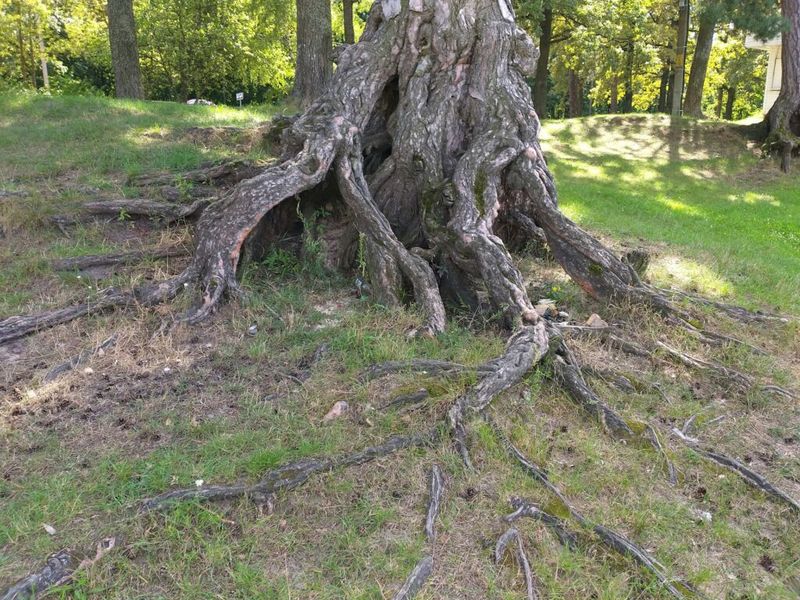
My neighbor once swore his old maple stump was harmless. Then his new sprinkler line cracked twenty feet away, right where a hidden root had been waiting.
Tree roots often spread two to three times wider than the branches once did. In Georgia clay, they tend to stay shallow and stretch far across the yard.
After a tree is cut, those roots do not vanish overnight. Some keep sending up sprouts, while others slowly rot and leave empty tunnels behind.
Those tunnels can make the ground settle. You might notice odd dips, bumpy patches, or grass that grows unevenly in a line.
Before digging for fall bulbs or new shrubs, look for surface roots. Follow them with your eyes to guess where they lead.
Call 811 before any big digging project. Georgia law asks homeowners to request utility marking, and the service is free.
Roots near pipes, patios, or driveways deserve special attention. Cracked concrete or slow drains can sometimes trace back to an old tree’s reach.
Suckers popping up around the yard are another clue. Clip them early so the root system cannot store more energy.
Mapping these roots may sound like a chore. Yet a few minutes with a tape measure can spare you broken tools and surprise repair bills.
5. Stumps Near Foundations And Structures Deserve A Closer Look
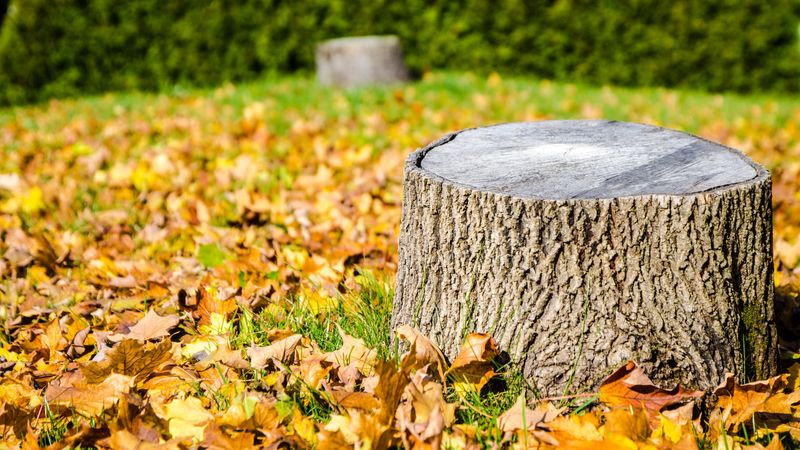
Your house is likely the biggest investment you own. So a rotting stump parked beside it is not something to shrug off.
Stumps within about ten feet of a foundation can cause real trouble. As roots decay, the soil may shift and leave gaps under slabs, steps, or porches.
Georgia has plenty of expansive clay. That soil swells when wet and shrinks when dry, and empty root channels can make the movement worse.
Walk around your home with a flashlight. Look for new cracks in brick, gaps near window frames, or doors that suddenly stick.
Check sheds, fences, and retaining walls too. A leaning fence post beside an old stump often points to shifting roots underground.
Moisture is another concern. Decaying wood holds water, and damp soil against the house can invite mold or pests into crawl spaces.
Keep gutters clean and aimed away from stump areas. Good drainage keeps water from pooling where it can cause harm.
If you spot structural changes, pause your fall projects near that area. A home inspector or foundation expert can tell you if repairs are needed.
Catching small issues early is far cheaper than fixing big ones. Think of this check as a quick health visit for your home.
6. Watch For Insect Activity Before Starting Any Fall Cleanup
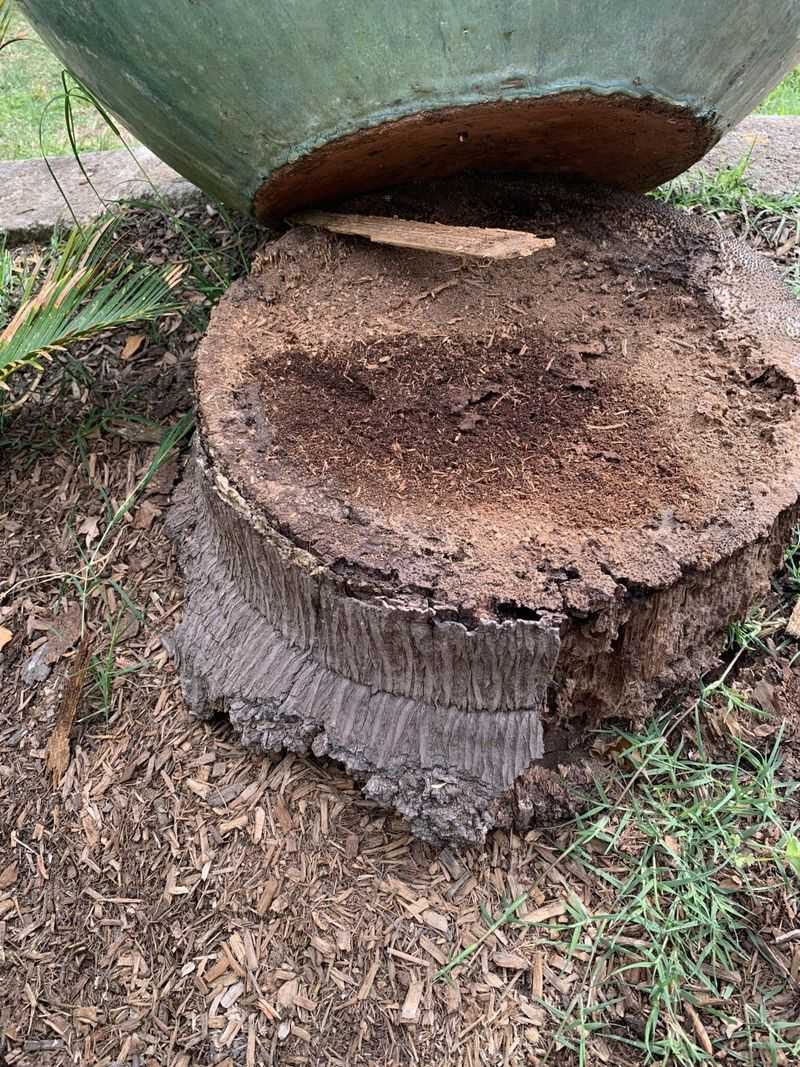
Some stumps are basically bug apartment buildings. Knock on the door with a rake, and you might meet the tenants.
Georgia is famous for peaches, but termites love it here too. Subterranean termites thrive in warm, damp soil and often move into rotting stumps first.
Look for thin mud tubes running up the wood. These tunnels protect termites as they travel between soil and food.
Carpenter ants leave piles of fine sawdust near small holes. Wood-boring beetles may leave tiny round exit holes in the bark.
Yellow jackets can also nest inside hollow stumps. They get grumpy in fall, so approach slowly and watch for buzzing traffic before you get close.
Do a quick morning check when bugs move more slowly. Stand back a few feet at first and observe for a minute or two.
If you see termites, act soon. A stump near your home could become a launching pad into your walls.
A licensed pest control company can inspect and treat the area. Many offer free visits, so it costs little to get peace of mind.
Wear long sleeves and gloves while cleaning around stumps. A bit of protection turns a risky chore into a calm afternoon job.
7. Know When To Call A Certified Arborist Or Tree Professional
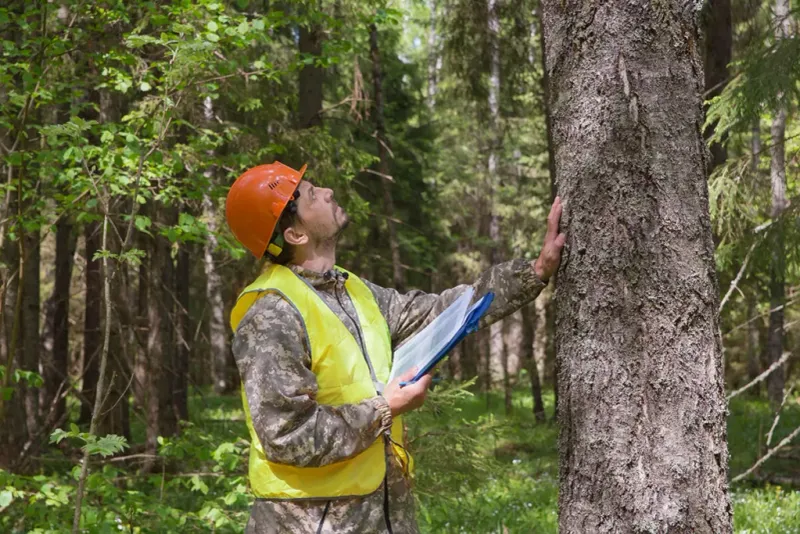
Doctors have specialists for hearts and bones. Trees have their own experts too, and they are called certified arborists.
An arborist studies tree health, roots, and soil. They can tell whether a stump is harmless, spreading disease, or threatening nearby trees.
Call a pro if you see fungus spreading to living trees. Also reach out if a stump sits near power lines, pipes, or your foundation.
Large stumps from old oaks or pines can be tricky. Their roots may tangle with neighbors’ trees or run under shared property lines.
Look for credentials from the International Society of Arboriculture. The ISA website lets you search for certified experts across Georgia by zip code.
Ask for proof of insurance before any work begins. Good companies will gladly share it without hesitation.
Get two or three quotes to compare prices. Rates vary a lot, and fall can be a busy season for tree services.
Write down your questions ahead of time. Ask about disease risks, removal options, and how to protect nearby plants.
An arborist visit often costs less than people think. That small fee can protect the shade trees that make your yard feel like home.
8. Removing A Stump Yourself Is Not Always The Right Move
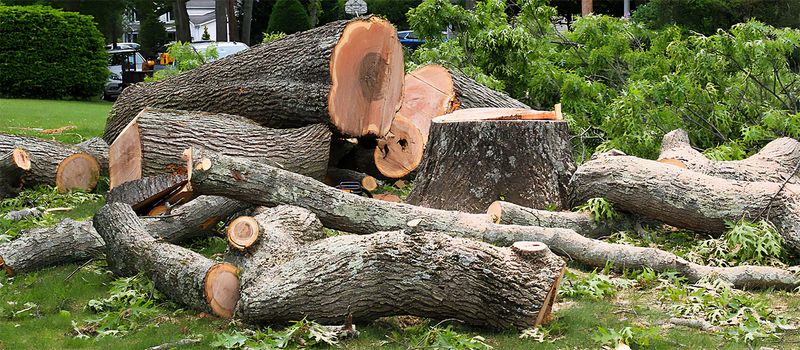
Renting a stump grinder sounds like a fun weekend project. Then you meet a machine that weighs as much as a small car and spins steel teeth.
DIY removal can work for small, shallow stumps. Bigger ones, especially from Georgia hardwoods, often need more muscle and skill than most people expect.
Grinders can throw rocks and wood chips at high speed. Without proper gear, eye and leg injuries are a real risk.
Digging stumps out by hand takes hours of hard labor. Hidden roots, buried cables, and tough clay can turn one afternoon into a full week.
Chemical stump removers are another option. They take months to work and may not be safe near vegetable gardens or pets.
Burning a stump is risky and often heavily restricted in this state. Open burning regulations vary by county and are subject to seasonal restrictions managed by the Georgia Forestry Commission.
Before considering burning as an option, contact your local county authority and check current rules to confirm what is permitted in your specific area. Fines for unpermitted burning can be significant, and dry fall conditions make fire risk a real concern worth taking seriously.
Before choosing a path, weigh the size, location, and your own comfort level. Sometimes paying a pro is the smartest and safest call.
You can also let a small stump rot naturally. Drill holes, add compost, and turn it into a cute planter while nature does the work.
Whatever you choose, plan it before fall cleanup gets rolling. A clear yard makes those crisp autumn weekends much more enjoyable.