What The Nightly Katydid Chorus Is Really Telling Georgia Gardeners
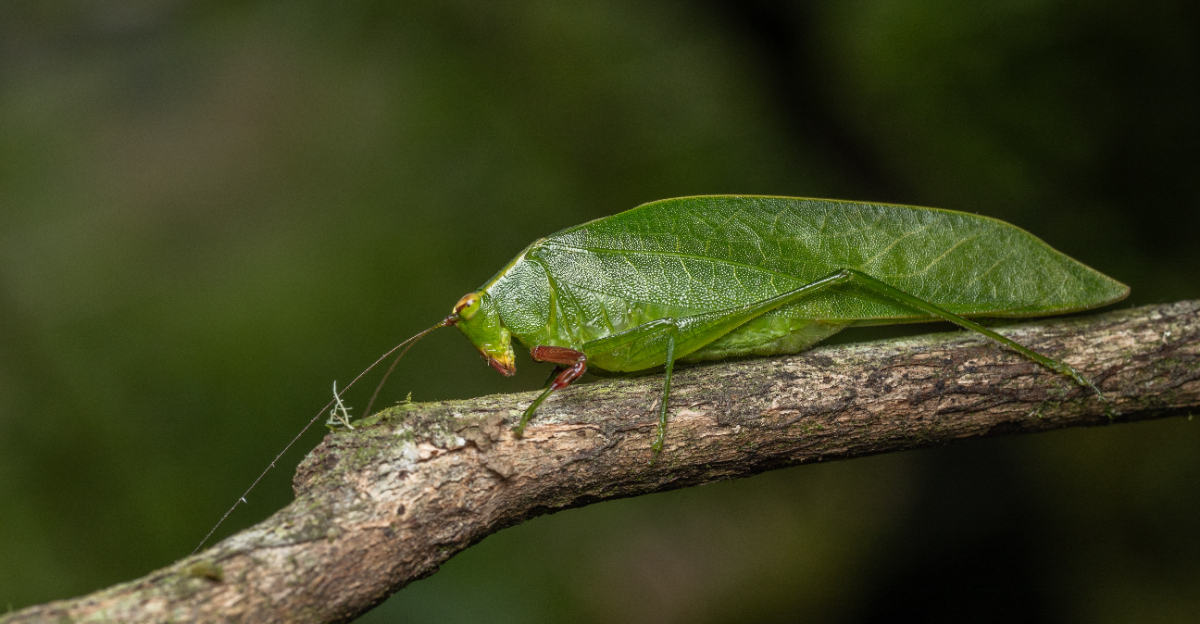
The sound can become so loud that it seems like every tree outside is buzzing at once. Many people treat it as ordinary summer background noise, but those steady nighttime calls are not random.
Katydids become more vocal when conditions are right, and their chorus can reveal more about your garden than you might expect. Instead of tuning them out, spend a moment listening to what they are telling you.
For gardeners in Georgia, those familiar sounds often signal a landscape that supports plenty of trees, shrubs, and insect life.
Katydids are active after dark, and their calls become louder as more adults gather and search for mates.
Knowing why they appear in such large numbers helps explain what is happening around your yard. Once you understand the reason behind the chorus, those evening sounds take on a whole new meaning.
1. Warm Evenings Bring The Loudest Katydid Chorus
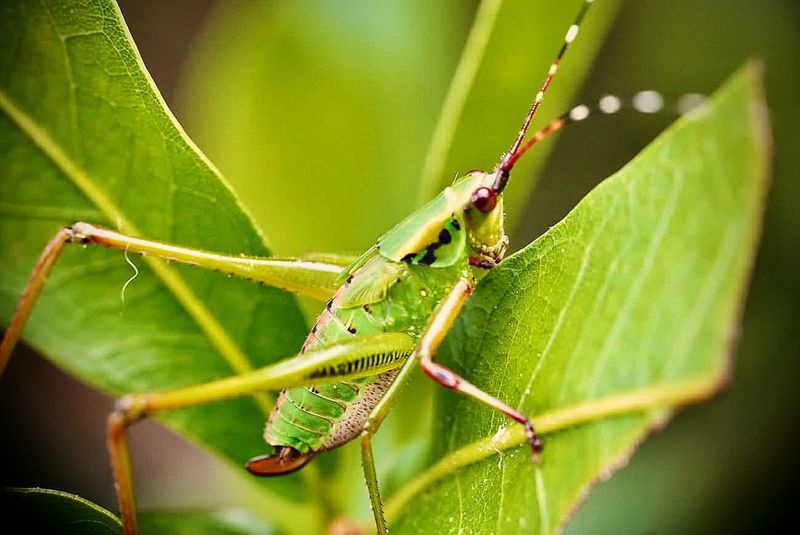
Warm air is basically an invitation for katydids to turn up the volume. When temperatures stay above 70 degrees after sunset, the chorus gets noticeably loud and full.
Cooler evenings tend to produce a quieter, thinner sound.
Katydids are cold-blooded insects, so their activity level depends directly on surrounding air temperature. Warmer nights give them more energy to rub their wings together, which is exactly how they make that familiar rasping call.
Gardeners who pay attention will notice the sound shifts depending on the night.
On especially muggy evenings, the chorus can feel almost overwhelming. Every tree and shrub seems to vibrate with overlapping calls.
That intensity usually peaks between late July and early September across the region.
Paying attention to the chorus volume is actually a simple way to track nighttime temperatures without checking your phone. A roaring chorus means it stayed warm well after dark.
A sparse chorus likely means temperatures dropped faster than usual.
Gardeners can use this as a loose seasonal guide. Loud, sustained calling on back-to-back nights often lines up with stretches of heat that stress certain plants.
2. Hot Weather Keeps The Chorus Going Longer
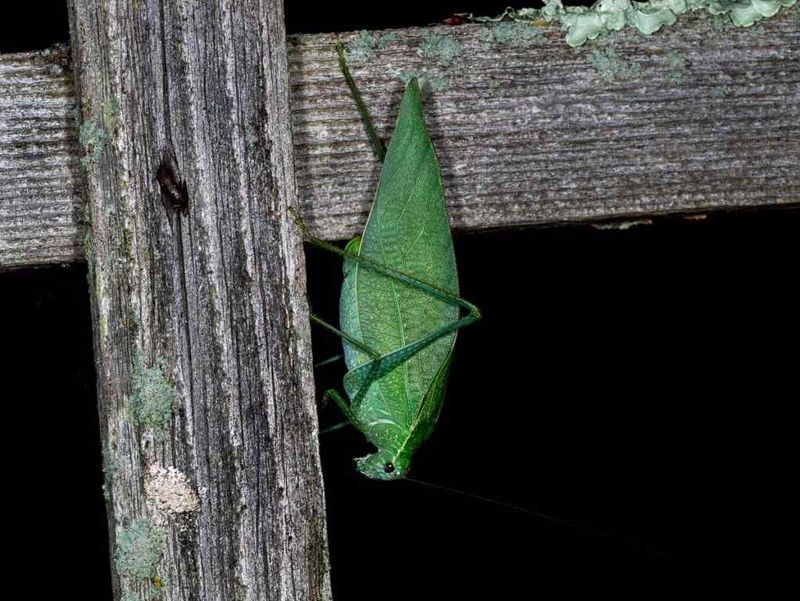
Heat does not just start the chorus. It stretches it out well past midnight.
On the hottest nights of summer, katydids can call from dusk straight through to nearly dawn without any real pause.
Extended calling periods are a sign that temperatures never dropped low enough to slow them down. Most katydid species stay active as long as conditions stay favorable.
A chorus that runs long into the night is a pretty reliable sign of a warm, humid stretch ahead.
Gardeners dealing with heat-stressed plants should pay attention to these long calling nights. Soil moisture drops faster during heat waves, and plants that look fine at sunset can show stress by morning.
A chorus that runs past midnight is worth noting in your garden journal.
Sustained heat also affects overnight plant recovery. Many vegetables and flowering plants repair themselves during cooler nighttime hours.
When nights stay hot and the katydids keep singing, that recovery window shrinks.
Watering schedules may need adjusting during these stretches. Early morning watering before sunrise tends to be more effective during heat waves than evening watering.
Your Georgia Garden Changes Every Week. Your Plan Should Too.
Gardening in Georgia changes quickly throughout the season. Every Friday you’ll receive a simple weekly plan showing exactly what to plant, prune, fertilize, harvest, and protect so you never miss the right timing.
Keeping roots cool and moist helps plants handle the next day of intense sun a little better.
A long chorus is not a cause for alarm. It is just a natural reminder to check in on your garden more carefully during hot spells.
3. Late Summer Is The Noisiest Time Of Year
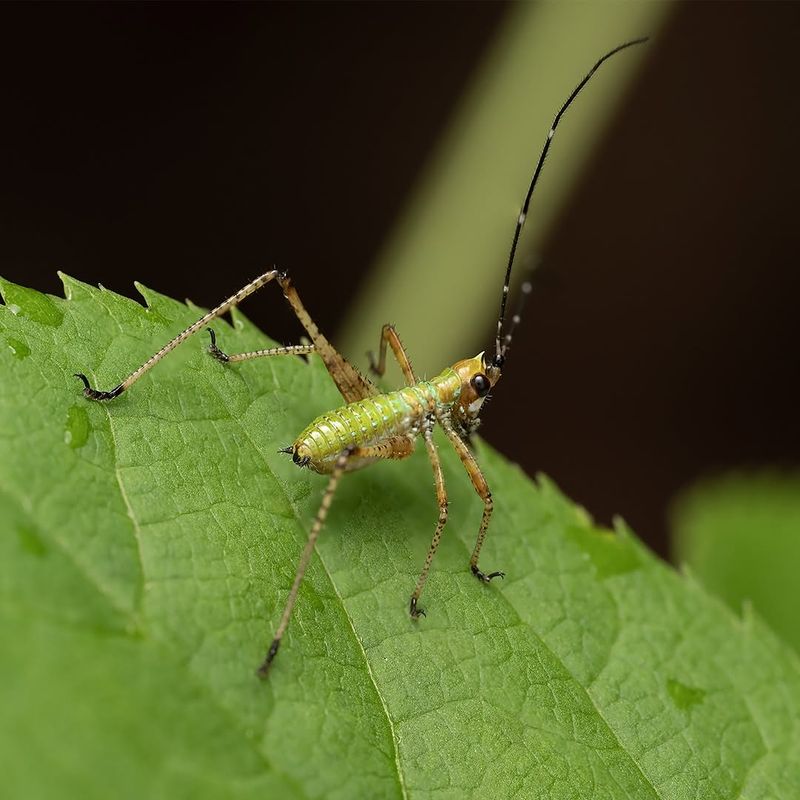
August and early September bring the peak of katydid activity across the South. By late summer, populations have had months to grow, and the sheer number of calling insects makes the chorus feel almost deafening on some nights.
Katydids hatch in spring, spend weeks feeding and growing, and reach full adulthood by midsummer. Once mature, males begin calling to attract females.
Late summer is when most of the adult population is active at the same time, which explains the intensity of the sound.
Gardeners often notice other changes happening alongside the peak chorus. Leaf damage from feeding insects tends to be more visible by late August.
Some of that chewing comes from katydids themselves, which feed on plant foliage during the night.
Moderate katydid feeding rarely causes serious plant problems. Heavy infestations on younger or smaller plants can set them back, but established trees and shrubs usually handle it without much trouble.
Checking plants in the morning gives you a better look at any overnight feeding activity.
Late summer is also when gardeners start planning fall planting.
4. Trees And Shrubs Become Their Favorite Hangouts
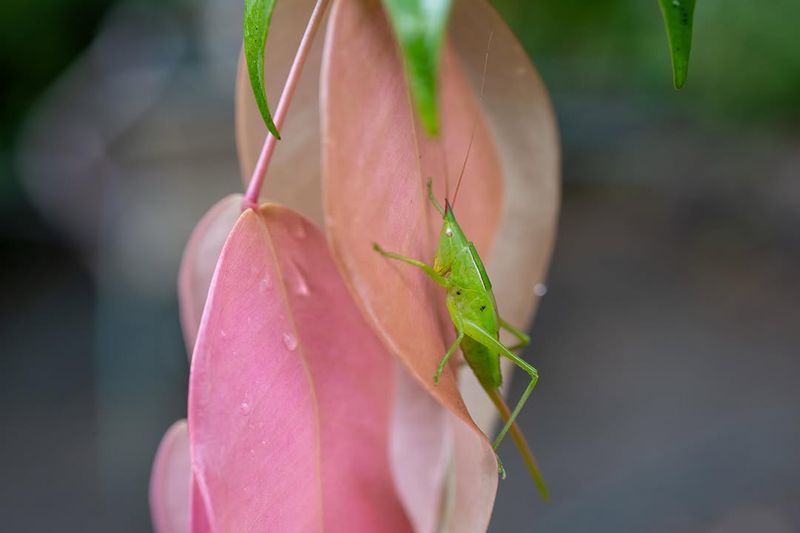
Katydids are expert hiders. Their flat, leaf-shaped bodies blend into foliage so well that most gardeners never actually see one even when the chorus is loudest.
They spend most of their time tucked into the canopy of trees and shrubs.
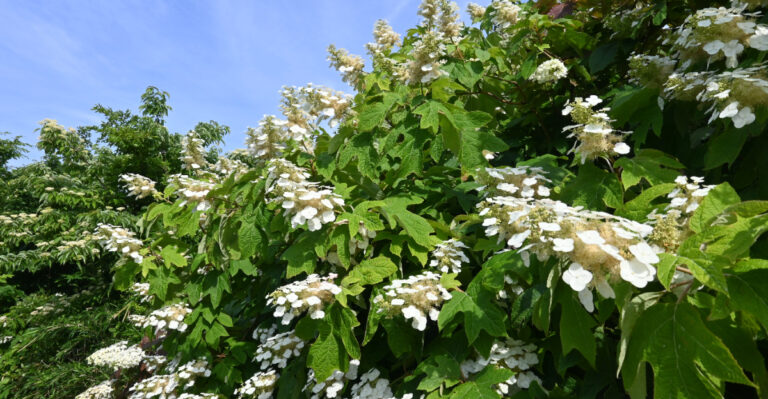
Oak trees, crape myrtles, azaleas, and ornamental shrubs are common hangouts. Katydids prefer dense leafy cover that gives them both food and protection from predators.
Taller plants and mature trees tend to hold the largest populations.
Gardeners with heavily planted yards often notice the loudest chorus coming from specific spots. A large oak or a row of mature shrubs can host dozens of calling insects at once.
Sound seems to concentrate around those areas on calm nights.
Feeding damage from katydids appears as irregular notches or holes along leaf edges. It rarely follows a clean pattern like some other insects.
Checking the undersides of leaves on shrubs and low branches sometimes reveals the insects themselves resting quietly during daylight hours.
Most healthy, established plants tolerate katydid feeding without lasting harm. Young transplants or recently pruned shrubs may show more visible effects.
Keeping new plantings well-watered and healthy gives them the best chance of growing through any feeding pressure without much setback.
5. Cool Nights Gradually Quiet The Noise
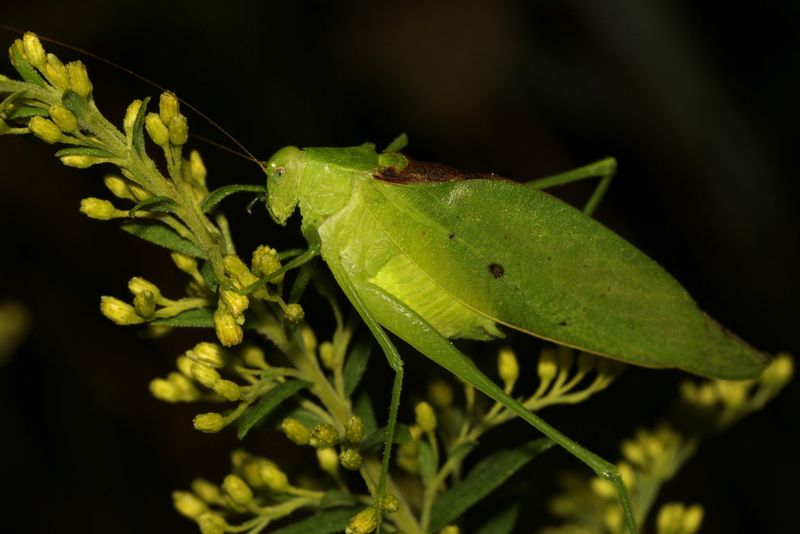
Somewhere around mid-September, the chorus starts to thin out. Nights get a little cooler, and katydids respond by calling less frequently.
The change is gradual rather than sudden, but attentive gardeners notice it pretty quickly.
Cooler temperatures slow katydid metabolism. Calling requires energy, and as nights dip into the lower 60s, the effort becomes harder to sustain.
Fewer insects call, and those that do tend to stop earlier in the evening.
By October, most of the chorus has faded significantly across the region. A few stray calls might still pop up on unseasonably warm nights, but the dense, overlapping sound of peak summer is mostly gone.
That shift signals a real change in the season.
Gardeners can use this quieting as a rough seasonal marker. When the chorus noticeably drops off, soil temperatures are also starting to fall.
That matters for planting decisions, especially for cool-season vegetables like lettuce, kale, and spinach.
Cooler soil encourages better germination for fall crops. Planting too early while nights are still warm can lead to slower sprouting or bolting.
Waiting until the katydid chorus noticeably softens often lines up well with the right planting window for fall gardens in this part of the country.
6. Most Katydids Stay Hidden During Daylight
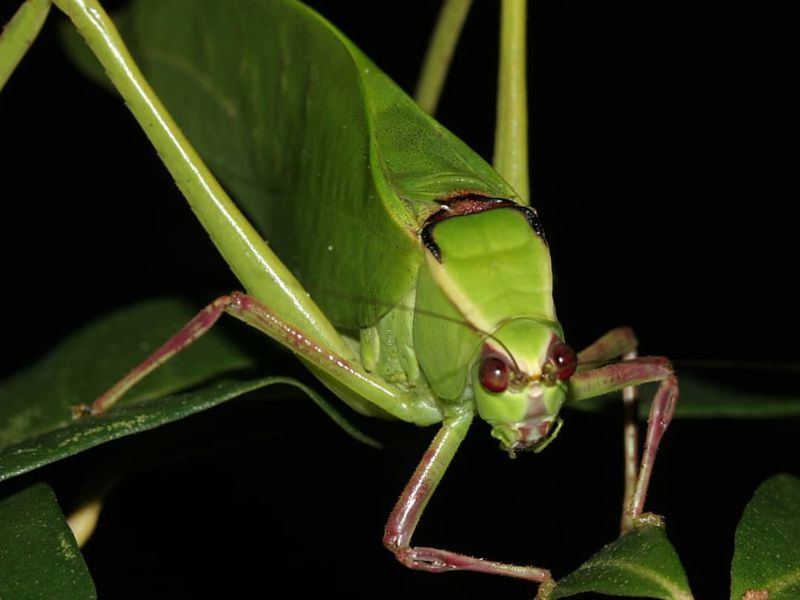
Hearing katydids every night without ever seeing one is completely normal. These insects are built for staying out of sight.
Their green, leaf-shaped bodies make them nearly invisible against summer foliage in full daylight.
Katydids are nocturnal by nature. During the day, they rest motionless on leaves, blending in so well that even a careful search often comes up empty.
Movement is what usually gives them away, and they are very good at staying still when disturbed.
Gardeners who want a better look should check plants early in the morning before the sun gets high. Katydids that were calling through the night often rest on the same branches and leaves at dawn.
Moving slowly and checking the undersides of leaves gives you the best chance of spotting one.
Knowing they are nocturnal also explains the feeding patterns gardeners sometimes notice. Chewed leaves that look untouched at sunset often show fresh damage by morning.
Katydids do most of their feeding after dark, moving through the canopy quietly while everything else is asleep.
Spotting a katydid up close is genuinely worth the effort. Their body shape is remarkable, almost perfectly mimicking a leaf down to the veins.
7. The Chorus Is A Normal Part Of Summer Nights
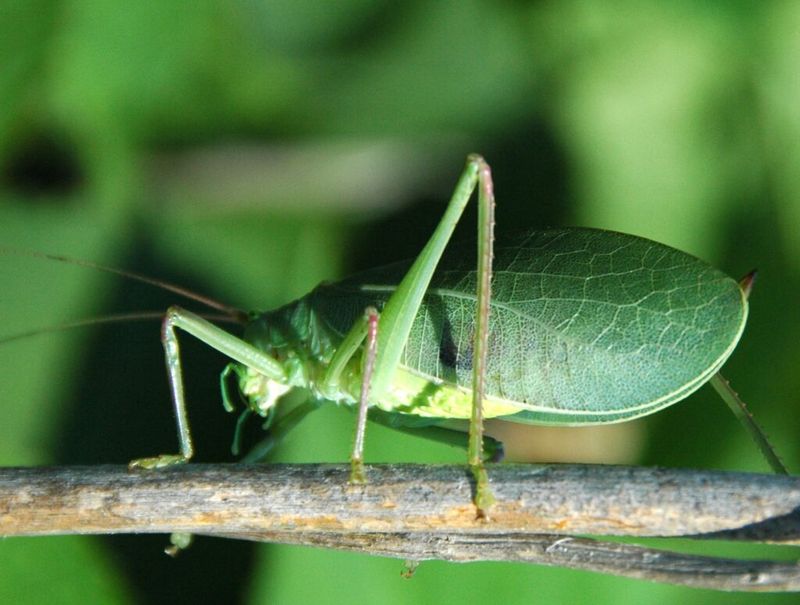
Some gardeners hear the nightly chorus and immediately worry something is wrong in the yard. Relax.
A loud katydid chorus is a healthy sign, not a warning. It means the local ecosystem is functioning the way it should.
Katydids are part of a larger food web. Birds, bats, spiders, and frogs all feed on them.
A thriving katydid population supports a whole chain of wildlife that benefits your garden in return. Fewer insects means fewer of those natural helpers showing up.
Trying to reduce or silence the chorus through pesticide use is generally not recommended for home gardens. Broad-spectrum sprays affect far more than just katydids.
Beneficial insects, pollinators, and soil organisms can all take a hit from unnecessary chemical applications.
Accepting the chorus as background noise is genuinely the most practical approach for most gardeners. Katydid populations naturally regulate themselves through predation and seasonal temperature changes.
Human intervention rarely improves on that balance.
In Georgia, the sound of katydids on a hot August night is just part of the summer experience. Longtime gardeners often come to appreciate it.
That chorus means the yard is alive, the season is in full swing, and nature is doing its thing without any help needed from you.