Georgia Native Plants That Slow Runoff On Sloped Yards While Covering Them Completely
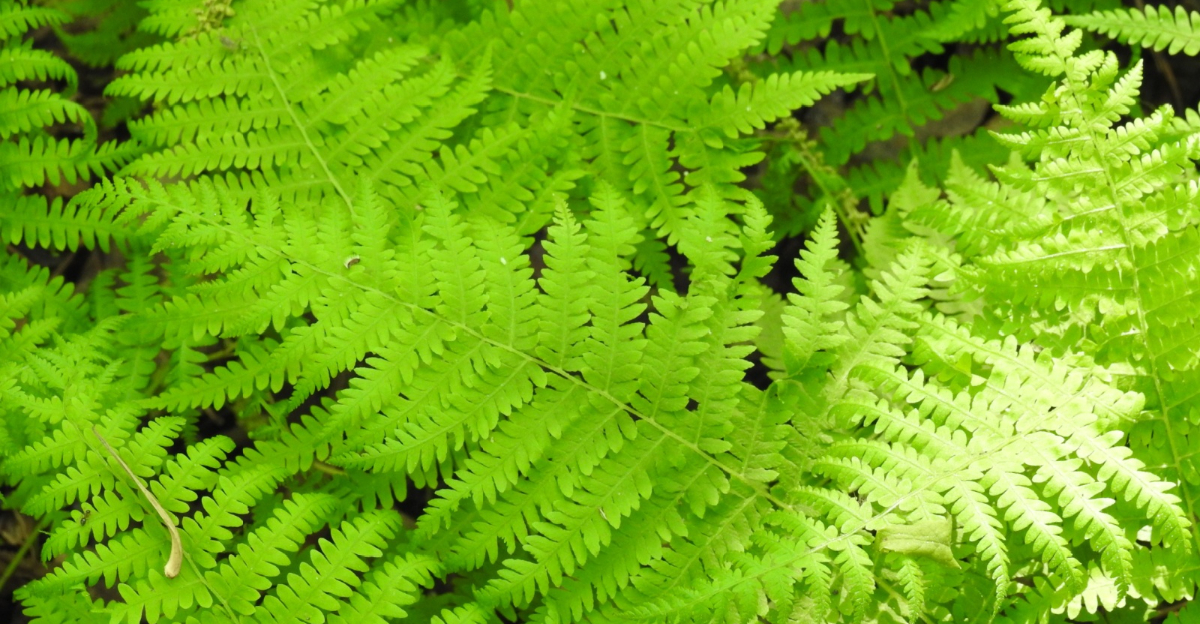
Sloped yards and heavy Georgia rainstorms are not a great combination, and anyone who has watched soil and mulch wash downhill after a summer storm already knows exactly what that means for the yard.
Clay-heavy soil on hillsides gives runoff almost nothing to hold onto, and the damage builds up faster than most homeowners expect.
Flat lawns simply don’t face the same erosion pressure that sloped yards deal with through Georgia’s intense storm season. Native plants with spreading, ground-covering habits can change that dynamic in a meaningful way.
Once established, they hold soil in place, slow runoff, and fill slopes with living texture that no amount of mulch can replicate.
Eight native options stand out as particularly strong choices for sloped Georgia yards dealing with this exact problem.
1. Hairy Elephant’s-Foot Spreads Across Dry Slopes
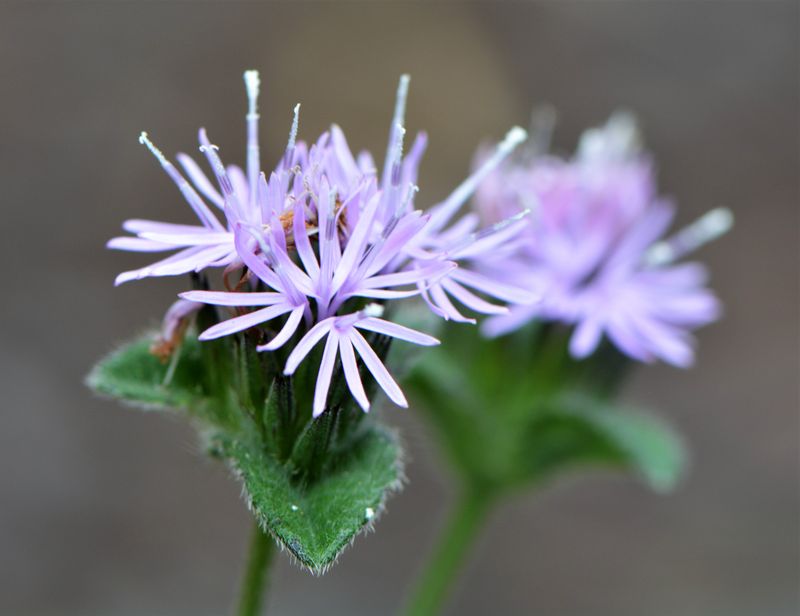
Mulch washing off a sunny bank after a storm is one of the most frustrating sights in a Georgia yard, and that is exactly the kind of spot where Hairy Elephant’s-Foot can start earning its place.
This low-growing native spreads by seed and forms a ground-hugging rosette of broad, fuzzy leaves that press firmly against the soil surface.
On dry, sunny slopes in Georgia, those wide leaves help intercept rainfall before it can dislodge loose soil particles.
Hairy Elephant’s-Foot is native to the southeastern United States and is well adapted to Georgia’s hot summers and dry, often sandy or clay-based soils.
It tends to do well in spots that other plants find too harsh, including roadsides, open pine woods, and exposed hillsides.
The plant sends up slender flower stalks in late summer with small lavender blooms that attract native pollinators.
Spacing plants roughly 12 to 18 inches apart gives them room to spread and fill in gaps over time. Once a colony gets going, the dense leaf coverage can reduce the bare soil that invites erosion.
It is not a fast spreader, so patience is part of the process, but on dry Georgia slopes where other ground covers struggle, this native holds its own with minimal care once it settles in.
2. Robin’s Plantain Covers Sun Or Part Shade
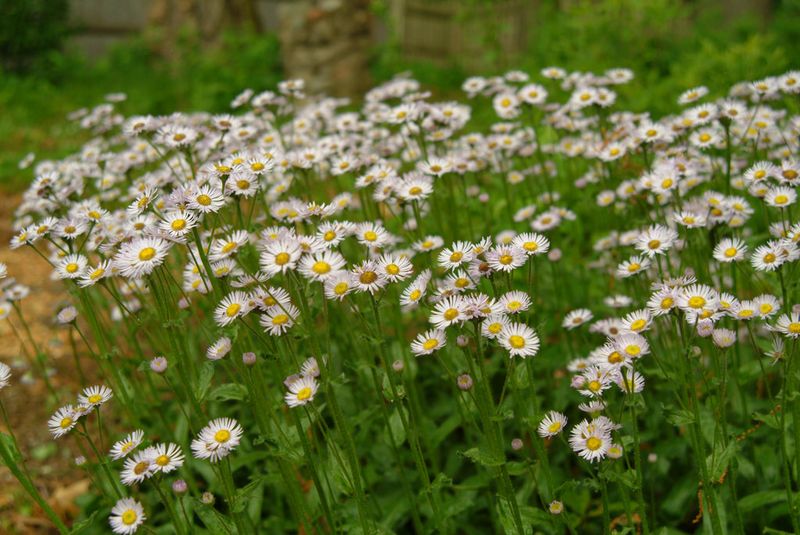
Few native wildflowers handle the transition between open sun and dappled shade as smoothly as Robin’s Plantain does on a Georgia hillside.
This low-growing perennial spreads by stolons, sending out short runners that root into the soil and gradually build a soft mat of foliage across slopes.
That spreading habit is exactly what makes it useful for homeowners trying to cover ground on banks that shift between sunlight and shade throughout the day.
Robin’s Plantain produces cheerful, daisy-like flowers in white to pale lavender from mid-spring into early summer. The blooms rise just above the foliage on slender stems, giving the slope a natural, wildflower-garden look without requiring much maintenance.
In Georgia, this plant performs well on slopes with average to slightly dry soil and tolerates the kind of brief drought spells that often follow spring rains.
Your Georgia Garden Changes Every Week. Your Plan Should Too.
Gardening in Georgia changes quickly throughout the season. Every Friday you’ll receive a simple weekly plan showing exactly what to plant, prune, fertilize, harvest, and protect so you never miss the right timing.
Planting Robin’s Plantain in drifts rather than scattered individuals helps it cover soil more efficiently. As the stolons spread and new plants root in, the colony builds a layer of leaf coverage that shields the soil from hard rain impact.
It works especially well along the upper edges of shaded banks or in areas where lawn grass thins out on a slope. Combining it with other low spreaders can improve overall coverage on larger Georgia hillsides over time.
3. Moss Phlox Mats Over Well-Drained Banks
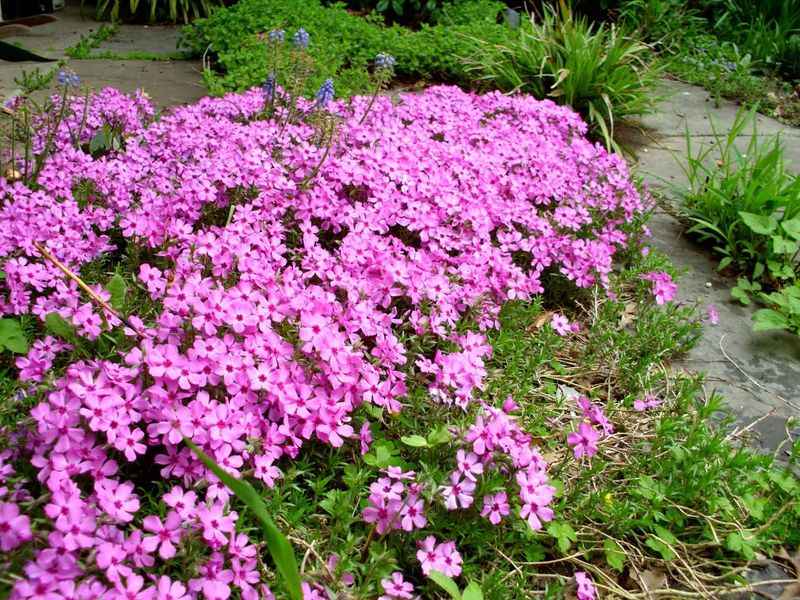
Spring in Georgia can bring a stunning show on a well-drained bank when Moss Phlox blooms in full force, turning a bare slope into a carpet of pink, white, or lavender flowers.
This mat-forming native ground cover grows only a few inches tall but spreads steadily outward, weaving a dense layer of needle-like foliage that hugs the ground tightly throughout the year.
That low, tight growth is what makes it so useful on slopes where loose soil tends to shift.
Moss Phlox is a strong fit for Georgia slopes with sandy or rocky, fast-draining soil. It does not handle standing water or consistently wet clay, so placement matters.
On south-facing or west-facing banks that dry out between rains, this plant often thrives where others struggle to hold on. The foliage stays evergreen through Georgia winters, meaning soil coverage continues even when the garden looks bare elsewhere.
Planting divisions or rooted cuttings about 12 inches apart gives each plant room to spread without crowding. Over a few growing seasons, the mats knit together and create a surface that slows water movement across the slope.
Shearing the plants lightly after bloom keeps them tidy and encourages denser growth. For dry, sunny Georgia banks where erosion is a recurring problem, Moss Phlox brings both color and practical soil coverage in one low-maintenance package.
4. Green-And-Gold Brightens Moist Sloped Beds
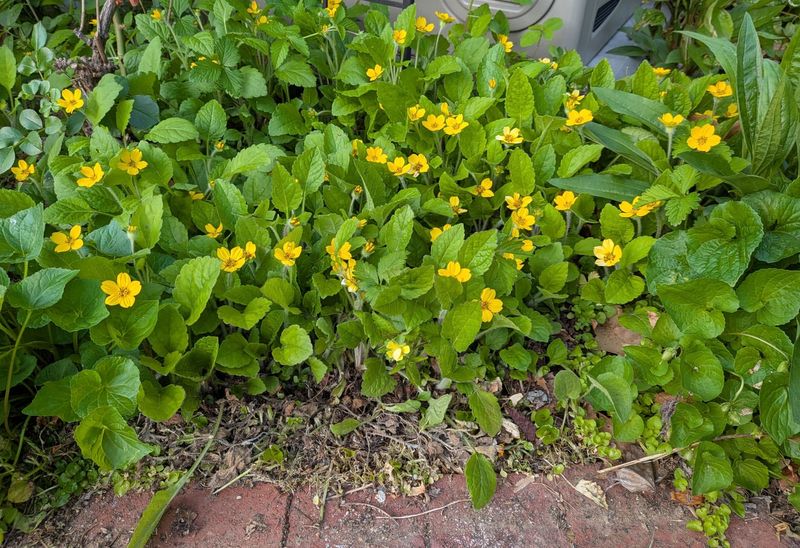
Bright yellow flowers popping up from a shaded Georgia slope in early spring is one of the small joys that Green-and-Gold delivers reliably.
This low-growing native perennial spreads by both stolons and seeds, building a dense mat of dark green foliage that covers moist, sloped beds quite well once it gets established.
The cheerful blooms appear heavily in spring and then continue sporadically through summer, making the plant attractive even when it is busy doing the practical work of covering soil.
Green-and-Gold is native to the eastern United States, including Georgia, and it adapts well to the partial shade and moisture that wooded slopes often provide.
It handles Georgia’s humid summers without much complaint and tends to fill in steadily through the growing season.
On slopes with rich, moist, well-drained soil under a light tree canopy, this plant can spread into a reliable ground cover layer over two to three growing seasons.
Spacing plants 12 to 18 inches apart gives the stolons room to run and root. As the colony expands, the overlapping foliage creates a surface that intercepts rainfall and reduces the speed at which water moves downhill.
Green-and-Gold pairs well with other native shade plants on woodland slopes, creating a layered look that feels natural in Georgia gardens.
Light mulching between new transplants helps retain moisture while the plants establish and begin spreading on their own.
5. Creeping Phlox Softens Shaded Woodland Slopes
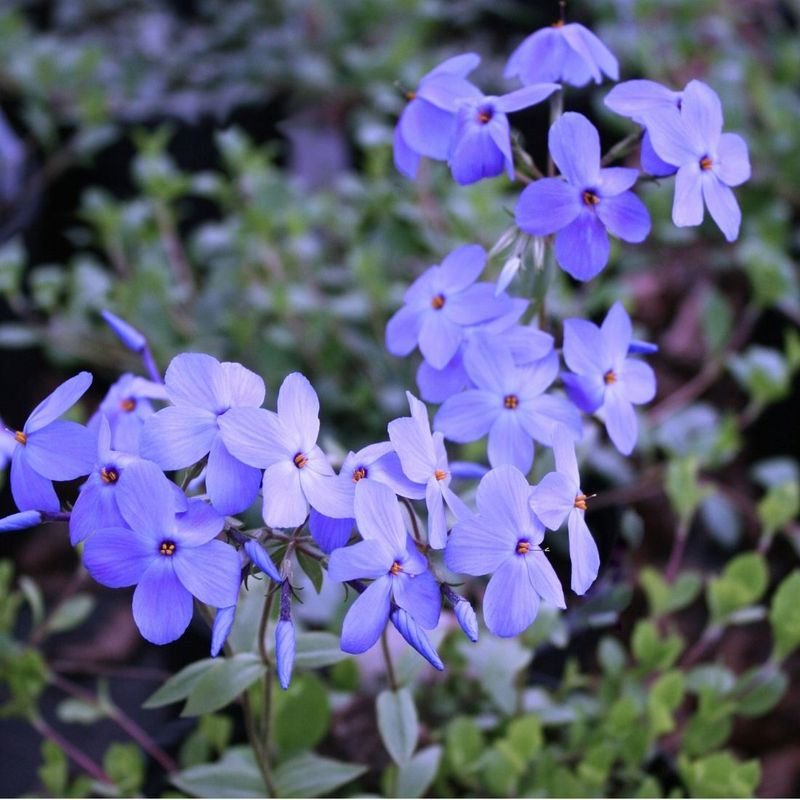
Walking through a Georgia woodland edge in April and spotting soft pink or purple blooms trailing down a shaded bank is a reminder of how beautiful native plants can be when they are matched to the right spot.
Creeping Phlox is a low-growing, stoloniferous native that spreads across shaded slopes by sending out trailing stems that root where they touch the soil.
That rooting habit is what gives it real value as a ground cover on wooded hillsides.
Unlike its cousin Moss Phlox, Creeping Phlox prefers shade to part shade and moist, humus-rich soil, making it a strong candidate for the shaded, slightly damp slopes that are common under Georgia’s hardwood trees. It forms a soft, layered mat of semi-evergreen foliage that stays relatively tidy through most of the year.
The spring bloom is a bonus that makes the practical erosion-control work it does look a lot more appealing.
Planting Creeping Phlox in groups and spacing transplants about 12 inches apart helps speed up coverage on a slope.
As the stems spread and root in, they create a network of connected plants that holds the soil surface together more effectively than scattered individuals would.
On shaded Georgia banks where tree roots make it hard to grow anything else, this native can often find enough soil between the roots to establish and spread over time.
6. Foamflower Covers Damp Shady Ground
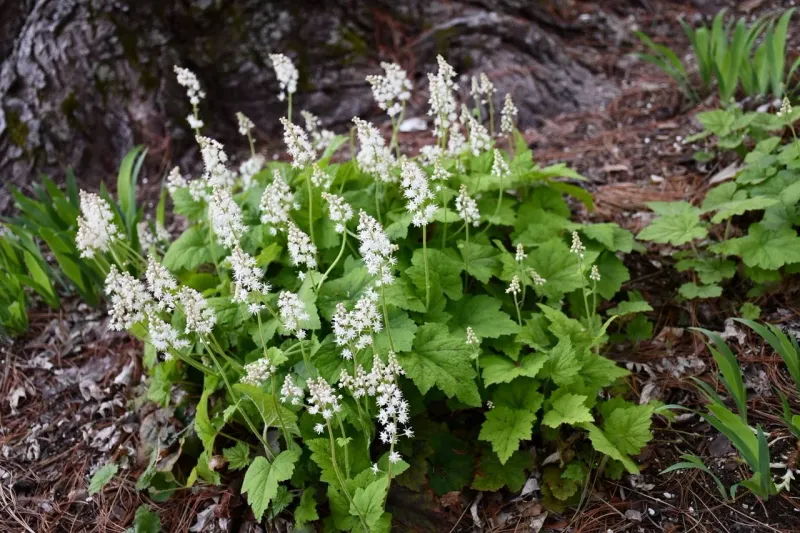
Tucked under a Georgia hardwood canopy where the soil stays consistently moist and sunlight barely filters through, Foamflower looks right at home.
This native perennial is one of the more graceful ground covers available for shaded, damp slopes, producing heart-shaped, often mottled leaves that spread into a lush, low carpet.
In spring, delicate white flower spikes rise a few inches above the foliage, giving the planting a soft, airy appearance that earns the plant its name.
Foamflower spreads through both clumping growth and short stolons, gradually building patches of coverage across moist woodland floors and shaded banks.
In Georgia, it tends to perform best in areas that mimic its natural habitat: moist, well-drained soil with plenty of organic matter, filtered light, and protection from the afternoon sun that can scorch its leaves during hot summers.
For homeowners dealing with bare, muddy banks under Georgia’s larger shade trees, Foamflower offers a combination of aesthetic appeal and practical soil coverage.
Planting in drifts and keeping the soil consistently moist during the first growing season gives transplants the best chance to establish and begin spreading.
As the patches fill in, the overlapping foliage slows the movement of water across the slope surface.
Pairing Foamflower with other shade-tolerant natives like Green-and-Gold or Christmas Fern can create a diverse, layered planting that covers more ground more efficiently.
7. Christmas Fern Holds Texture On Shaded Banks
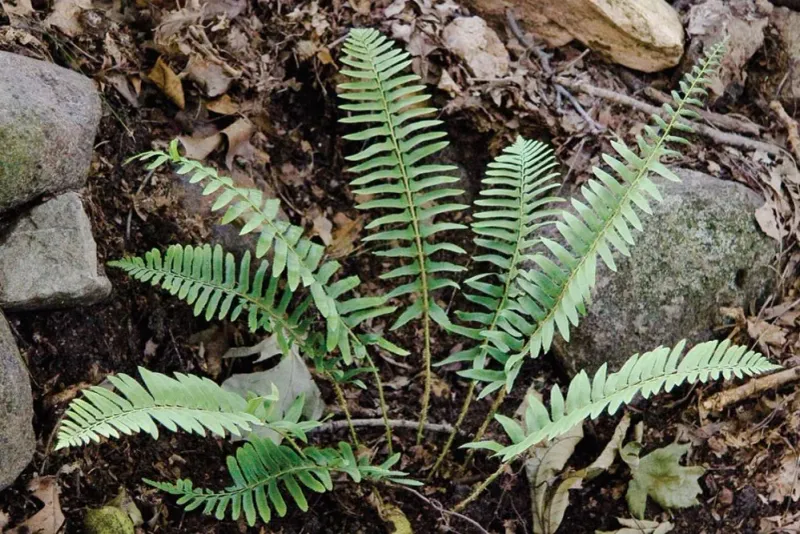
Some of the most persistent erosion problems in Georgia yards happen on shaded banks where little else seems willing to grow, and Christmas Fern is one of the more dependable natives for exactly those spots.
This evergreen fern forms dense, arching clumps of dark green fronds that remain attractive through Georgia winters, long after most other plants have gone dormant.
That year-round foliage is a practical advantage on slopes that need consistent soil coverage across all seasons.
Christmas Fern grows naturally in moist to moderately dry woodland settings throughout Georgia, often found on north-facing slopes and stream banks where tree canopy keeps conditions cool and shaded.
The clumping growth habit means it does not spread rapidly the way a stoloniferous plant would, but planting multiple clumps at 18-to-24-inch spacing gradually builds a textured, layered surface across a bank.
Over several seasons, the overlapping fronds create a canopy close to the ground that intercepts rainfall and reduces soil splash.
The root system of Christmas Fern is fibrous and relatively deep for a ground cover, which helps anchor soil on steep or unstable banks.
Combining it with spreading plants like Foamflower or Creeping Phlox can fill the gaps between clumps more quickly and create a more complete cover.
For shaded Georgia slopes that face heavy runoff from uphill surfaces or roof drainage, Christmas Fern adds reliable structure and texture that holds up well through rainy seasons.
8. New York Fern Spreads Through Moist Shade
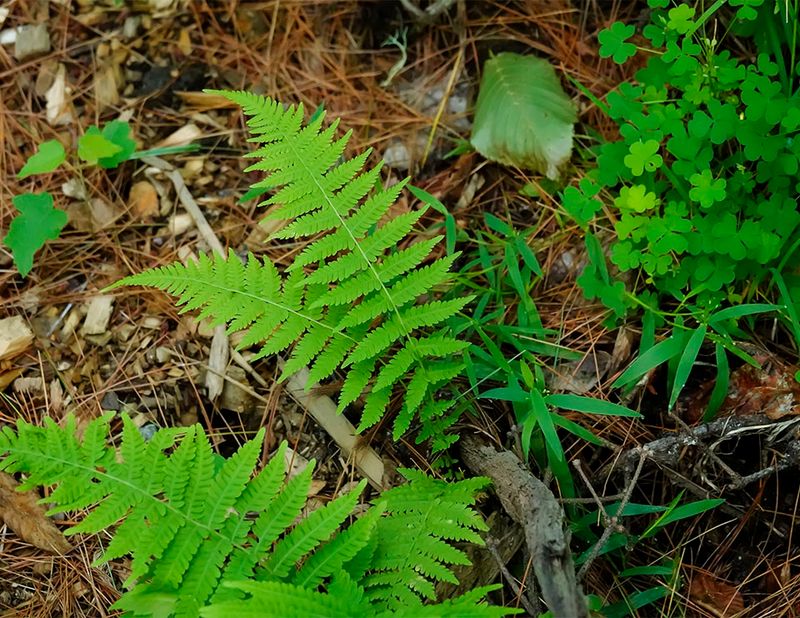
On a moist, shaded Georgia slope where runoff tends to carve small channels through bare soil after heavy rain, New York Fern offers something that clumping plants simply cannot.
Its colony-forming habit spreads steadily by underground rhizomes, gradually filling in large areas over time.
The light green, tapering fronds create a soft, layered canopy close to the ground that looks natural in Georgia woodland settings and works quietly to hold soil in place as the colony expands.
New York Fern is native to the eastern United States and grows naturally in moist, shaded woodland environments, including the kinds of sloped forest edges and stream-adjacent banks that are common in Georgia’s piedmont and mountain regions.
It prefers consistently moist, acidic soil with good organic content and does best in full to partial shade, away from the drying afternoon sun that can cause the fronds to brown during Georgia’s hottest months.
Because it spreads by rhizome rather than seed, New York Fern fills in gradually but can cover a surprisingly large area once it gets moving. Planting a few starts about 18 inches apart on a moist shaded bank gives the rhizomes room to run in multiple directions.
As the colony thickens, the dense frond coverage slows surface water movement and keeps soil from washing downhill.
For Georgia gardeners managing moist, wooded slopes, this fern brings both practical coverage and a lush, natural look that fits the landscape well.