Native Georgia Wildflowers That Handle August Heat And Drought Without Fuss
Georgia gardens do not whisper in August.
They glare. They bake. They turn unmulched soil dusty by lunch and make thirsty ornamentals look like they regret every choice that led them there.
The rain may vanish for weeks, then return as one dramatic storm that solves very little. By then, half the flower bed can look tired, crispy, or suspiciously finished.
That is where native wildflowers earn their place.
Some plants do not need pampering to survive Georgia summer. They already know the rhythm: hard sun, lean soil, dry spells, humid nights, and pollinators still looking for food when the garden feels worn out.
The trick is choosing wildflowers that like the conditions you actually have, not the fantasy bed with perfect moisture and gentle weather.
So which Georgia natives can keep color, nectar, and structure going when August turns rude?
Start with plants that prefer sharp drainage, open sun, and a gardener willing to stop overhelping.
1. Butterfly Weed Glows In Lean Soil
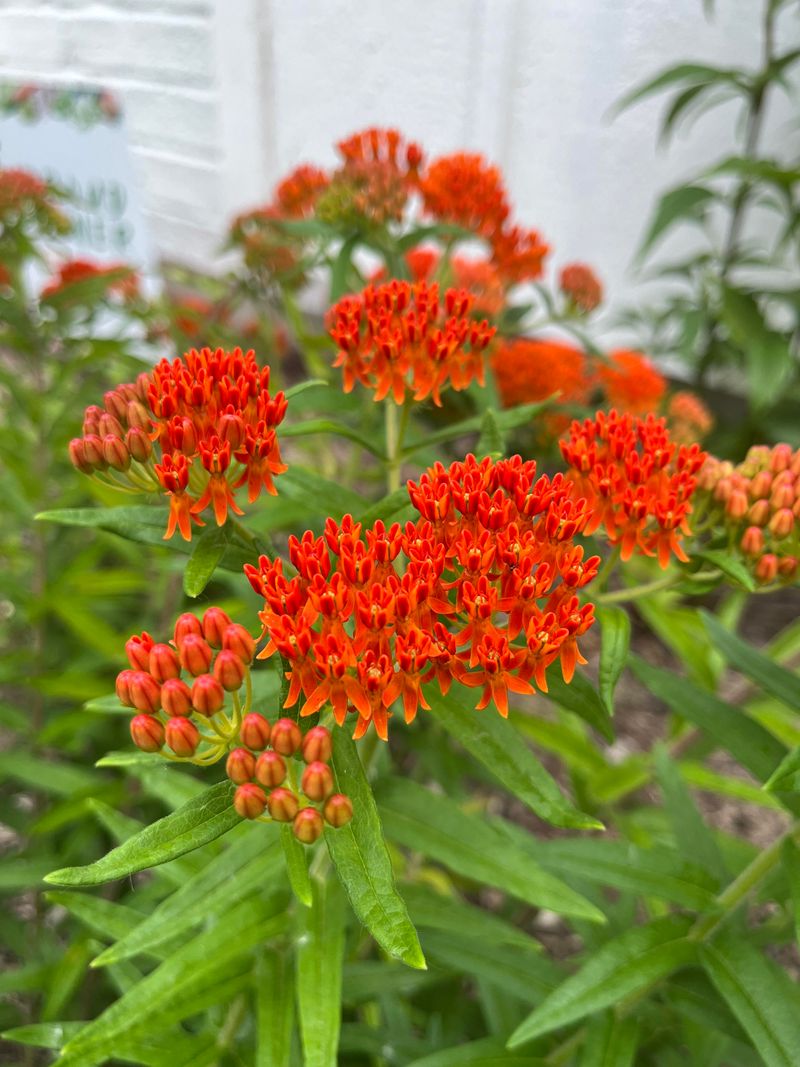
Butterfly weed is the orange spark a dry Georgia bed needs.
This native milkweed does not want rich, pampered soil. It usually performs better where the ground is lean, sunny, and well-drained.
Add too much fertilizer or compost, and the plant may grow floppy instead of flowering with that tight, bright punch gardeners want.
The taproot is the secret. It reaches down into the soil and helps the plant handle dry spells after establishment.
That same taproot also makes butterfly weed stubborn about moving. Choose the planting spot carefully, because a mature plant does not appreciate being dug up and relocated like patio furniture.
Give it full sun. Six or more hours keeps stems stronger and blooms brighter.
New plants need steady water during their first summer. That may feel odd for a drought-tough wildflower, but establishment is the difference between a plant that merely hangs on and one that returns with confidence.
Once settled, butterfly weed can handle August dry stretches far better than many bedding flowers. It may slow during the harshest heat, but it usually rebounds without turning into a daily emergency.
The flowers feed butterflies and bees, and the foliage supports monarch caterpillars. That means a few chewed leaves are not a failure. They are part of the job.
Plant three or more together for a stronger visual effect and better pollinator visibility.
Buy propagated plants from a responsible nursery. Wild patches should stay wild, especially when this plant is doing so much work for monarchs and summer color.
2. Spotted Beebalm Thrives In Dry Ground
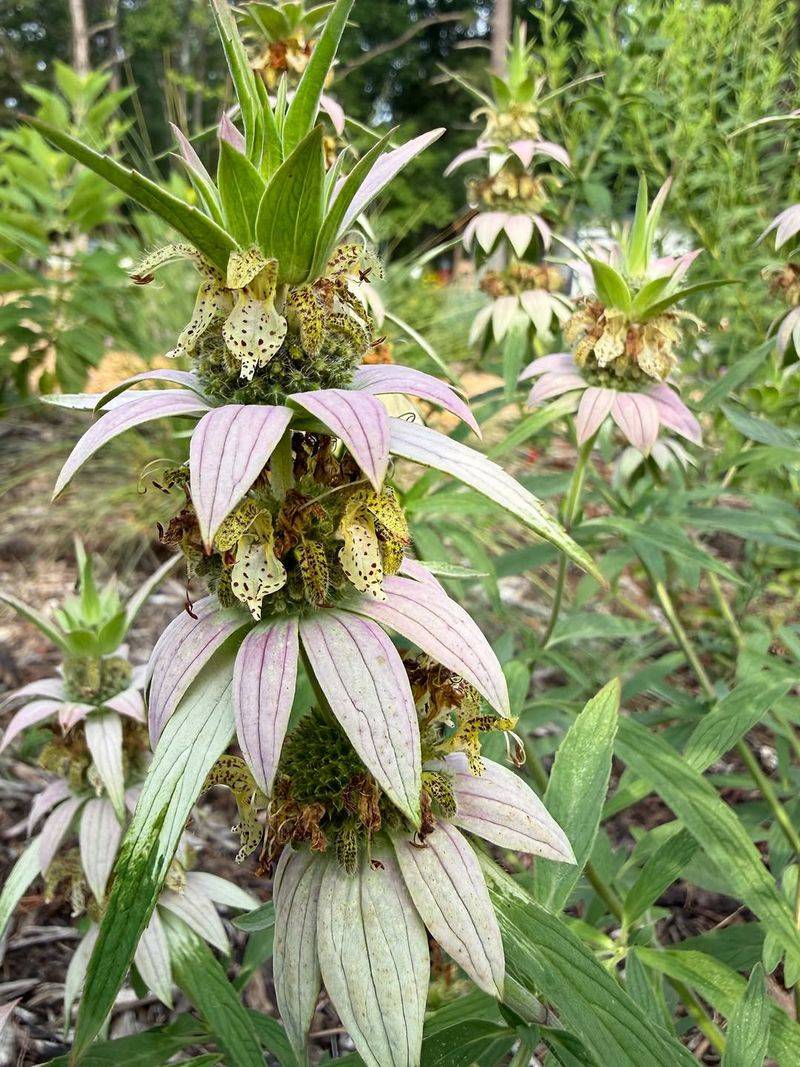
Spotted beebalm looks like the garden decided to get clever.
The flowers are small, but the stacked pinkish, lavender, or cream-colored bracts steal the show. From a distance, the plant looks soft and unusual. Up close, it becomes a pollinator hangout with serious personality.
This is a wildflower for dry, sunny, well-drained places. Sandy soil, gravelly edges, meadow beds, and lean borders can suit it beautifully.
Do not tuck it into a rich, wet bed and expect gratitude. Too much moisture can lead to weak stems and disease issues, especially during Georgia’s humid stretches.
Your Georgia Garden Changes Every Week. Your Plan Should Too.
Gardening in Georgia changes quickly throughout the season. Every Friday you’ll receive a simple weekly plan showing exactly what to plant, prune, fertilize, harvest, and protect so you never miss the right timing.
Full sun keeps it compact and floriferous. Shade makes the stems stretch, and then the whole plant can lose the sturdy look that makes it useful in a hot border.
Spotted beebalm may behave as a short-lived perennial or biennial. That sounds risky until you understand the strategy. Let a few seedheads mature, and the plant often replaces itself with new seedlings nearby.
That self-seeding habit is helpful, not usually overwhelming, when the bed has open space and light competition.
Avoid planting it where aggressive neighbors will smother young seedlings. It needs room to renew itself.
Pollinators love it. Bumblebees, native bees, wasps, and butterflies all work the unusual blooms, especially when other plants look tired from heat.
Water new plants until they settle. After that, step back.
Spotted beebalm is at its best when you stop trying to make the soil fancy and let the plant do its dry-ground magic.
3. Threadleaf Coreopsis Keeps Color Moving
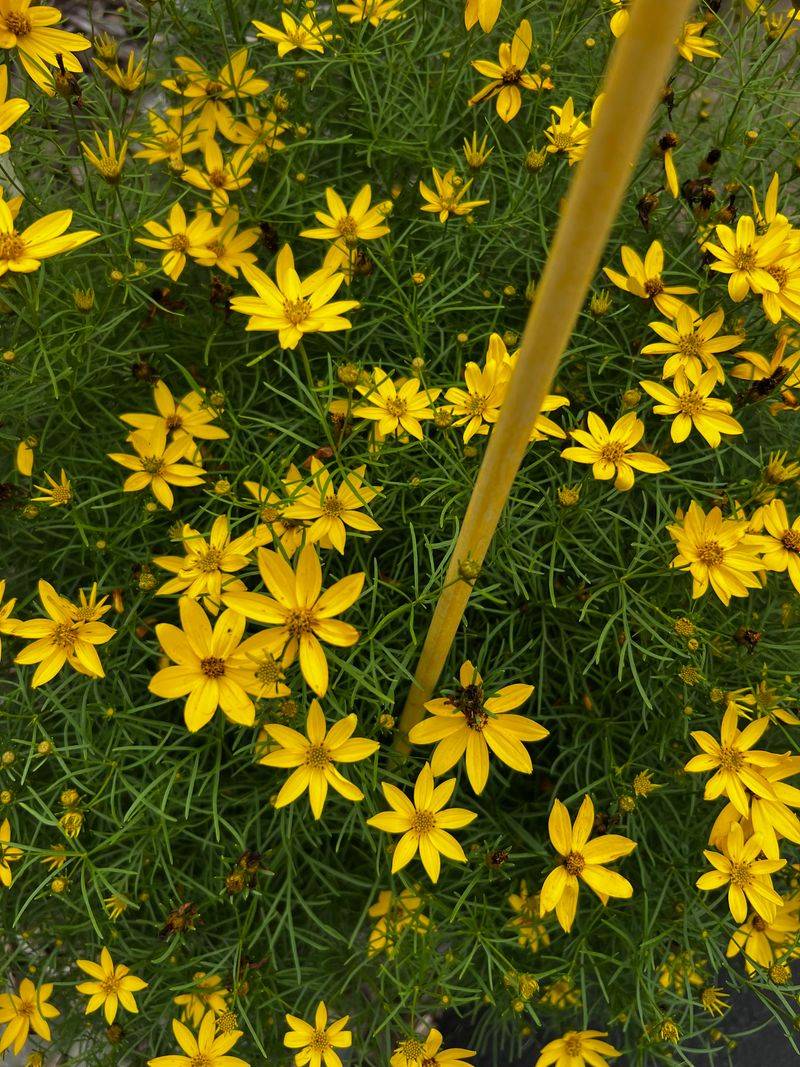
Threadleaf coreopsis brings motion to a dry summer bed.
The finely cut foliage looks light and airy, almost like green thread, and the yellow flowers hover above it like little bursts of sun. Even in August, the plant can keep the border feeling alive instead of stiff and exhausted.
This wildflower needs full sun and drainage that does not play games. Heavy clay that stays wet after rain can weaken the plant, especially during humid Georgia weather.
If your soil is dense, use a raised bed, slope, or amended planting area where water moves through more freely. Drainage matters more than richness here.
Threadleaf coreopsis does not need a feast. Too much fertility can push soft growth that leans and flops.
After the first big bloom cycle slows, cut the plant back lightly by about one-third. That quick reset can encourage fresh growth and another round of flowers later in the season.
Do not scalp it in the hottest stretch. A light trim works better than a punishment cut.
Established clumps can handle dry periods well, but new transplants need regular water through their first season. Once roots settle, the plant becomes much less needy.
Divide older clumps every few years if the center thins or flowering declines. Fresh divisions can fill another hot spot that needs color.
Pollinators visit the flowers, and the fine foliage pairs well with bolder leaves from coneflowers, goldenrods, and grasses.
Threadleaf coreopsis gives Georgia gardeners that rare August feeling: color that moves, blooms that return, and a plant that does not demand constant rescue.
4. Purple Coneflower Holds Sunny Beds
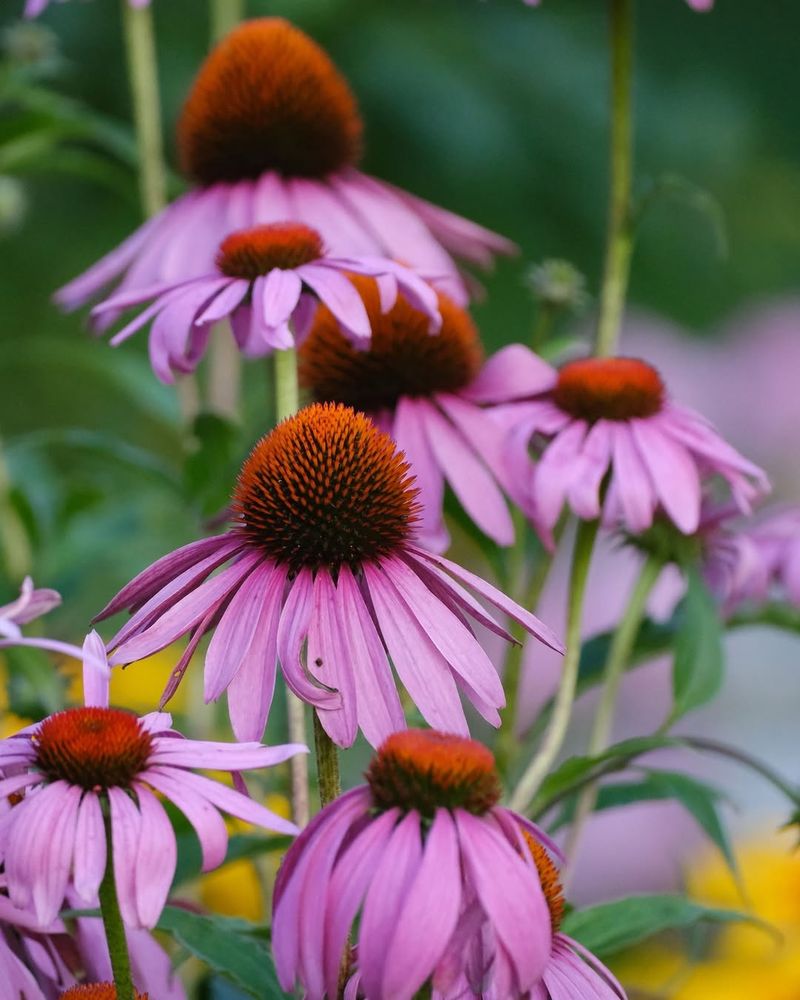
Purple coneflower is the steady worker in the sunny bed.
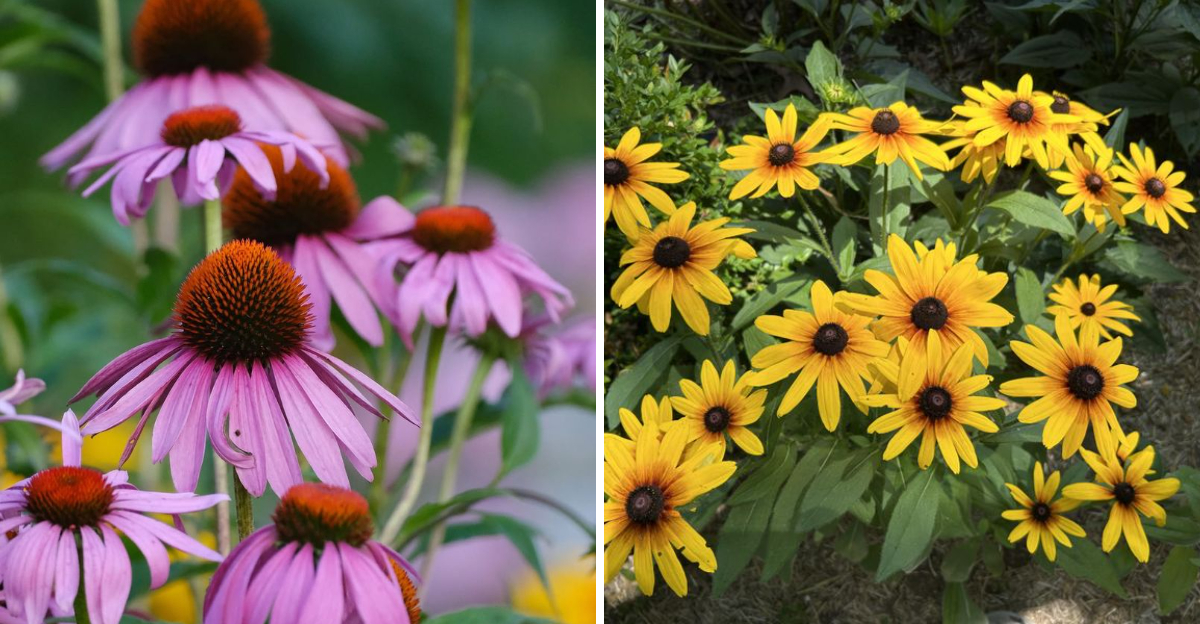
It may not look dramatic in spring, but by summer the rose-purple petals and orange-brown cones give the garden structure, color, and pollinator traffic.
Bees land on the cones. Butterflies drift through. Later, birds may pick at the seedheads if you leave them standing.
That long usefulness makes the plant valuable in August, when the garden needs more than a one-week bloom show.
Give purple coneflower full sun and soil with decent drainage. It can manage Georgia clay if water does not sit around the crown for long periods.
A little compost at planting can help heavy soil, but do not create a soggy pocket. Roots need air as much as they need moisture.
Water new plants during their first summer. Once established, they can handle dry spells with far less attention.
Trimming early flowers can encourage more bloom, but stop trimming later if you want seedheads for birds and winter structure. That balance gives you both color and wildlife value.
Space plants 18 to 24 inches apart so air can move. Humid weather can encourage powdery mildew and leaf spots, especially in crowded beds.
Do not panic over a few imperfect leaves. This plant can keep flowering even when the foliage gets a little rough.
Purple coneflower looks best in groups. A single plant can seem lonely. A cluster feels like the bed has purpose.
It is dependable, drought-tolerant once established, and generous to pollinators. Very solid behavior for a plant facing Georgia August.
5. Georgia Aster Finishes The Season
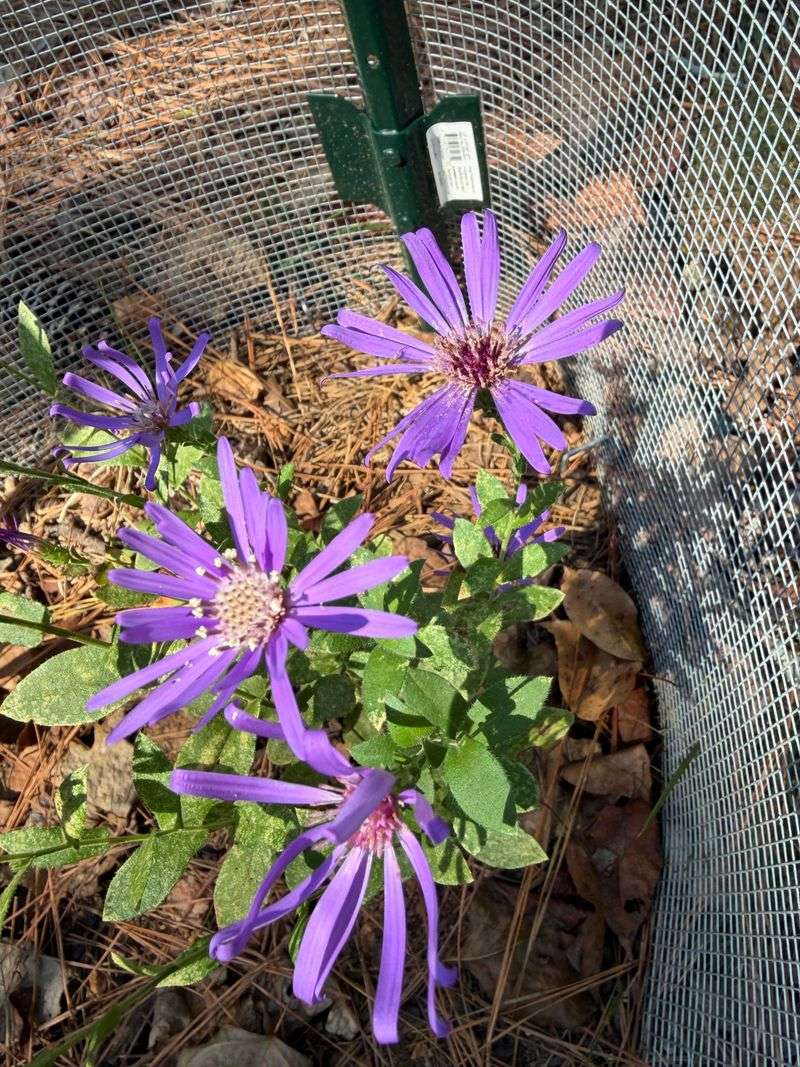
Georgia aster is not trying to win August with instant flowers.
Its strength is endurance. While earlier wildflowers carry the bed through summer, Georgia aster builds toward its late-season show, usually opening rich violet-purple flowers in September and October.
That timing matters because pollinators still need food when many summer plants are fading.
This is the plant you add for the finish.
It handles heat and dry spells once established, especially in full sun with lean, well-drained soil. Too much fertility or steady moisture can make stems tall, soft, and floppy.
Give it room toward the back of a border. Mature plants can reach several feet tall, and their height looks better when it supports the planting instead of surprising the walkway.
A light pinch earlier in the season can encourage bushier growth, but avoid heavy cutting too late or you may reduce the fall bloom.
Georgia aster deserves careful sourcing. It is a species of conservation concern, so wild collecting should never be part of the plan. Buy propagated plants from reputable native plant nurseries.
The flowers are worth the patience. Yellow centers glow against violet petals, and the color feels especially welcome when autumn light starts to soften.
Pair it with butterfly weed, coneflower, goldenrod, and native grasses so the bed does not wait until fall to look alive.
Water new plants during the first growing season. After establishment, they can handle tougher conditions with less help.
Georgia aster is the late chapter that makes the whole planting feel intentional. August sets the stage. Fall gets the applause.
6. Downy Goldenrod Feeds Late Pollinators
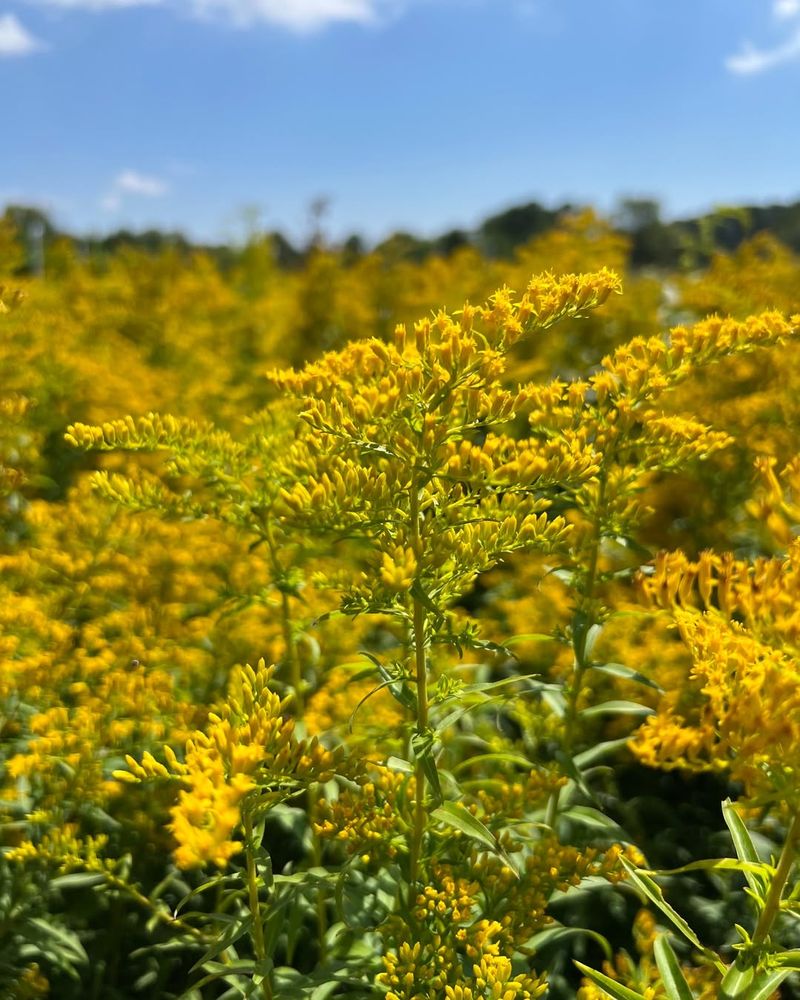
Downy goldenrod deserves a better reputation.
Goldenrods often get blamed for allergies they usually did not cause. Ragweed is the wind-pollen troublemaker blooming at the same time.
Goldenrod pollen is heavier and carried by insects, which is why the flowers are usually covered with bees, wasps, flies, and butterflies.
Downy goldenrod is especially useful for home gardens because it tends to stay more compact and manageable than some bigger, pushier goldenrods.
It brings yellow flower plumes in late summer into fall, right when pollinators need reliable food before cooler weather arrives.
Give it full sun and well-drained soil. Dry slopes, meadow edges, sandy spots, and lean borders can suit it well.
Rich or wet soil may make stems stretch and lean. This is another plant that does not need the gardener to overdo kindness.
Once established, downy goldenrod can handle August dry spells with very little fuss. New transplants still need regular water until roots settle.
Use it in a pollinator border where its late bloom can bridge the gap between summer flowers and fall asters.
The texture is different from coneflowers or coreopsis, which helps the bed feel layered rather than repetitive.
Leave some stems standing after bloom if you like winter structure and wildlife value. Cut back in late winter before fresh growth begins.
Downy goldenrod is not just a filler plant. It is late-season fuel.
When Georgia heat thins the garden’s options, this wildflower keeps the pollinator buffet open.
7. Black-Eyed Susan Shrugs Off Summer Heat
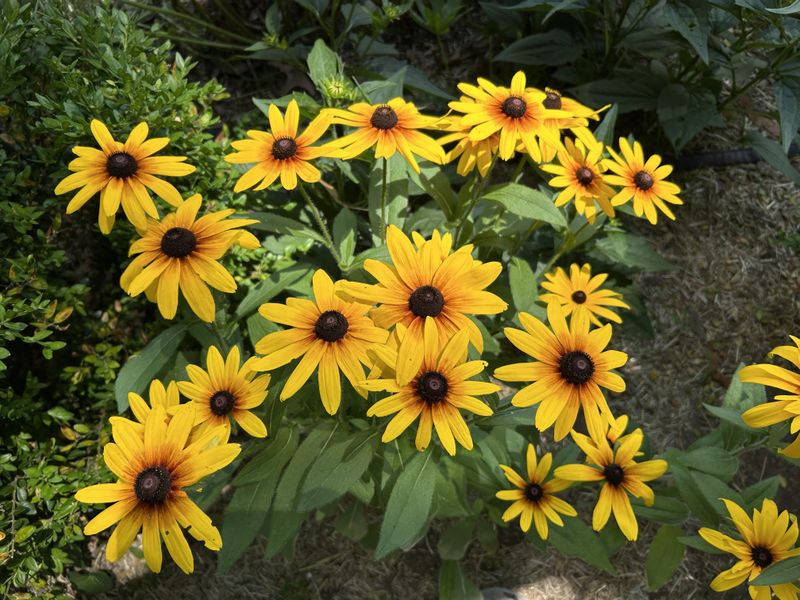
Black-eyed Susan brings pure summer confidence.
The yellow petals and dark centers look cheerful in weather that makes many flowers quit early. That is why this native has become such a reliable choice for Georgia gardeners who want color without constant fuss.
It likes full sun and well-drained soil. Once established, it can handle dry stretches and heat far better than many tender ornamentals.
New plants still need care. Water them regularly through the first summer so roots can settle before you expect drought tolerance.
Black-eyed Susan often behaves as a biennial or short-lived perennial. Individual plants may bloom hard, set seed, and fade over time. That is not a problem if you let some seedheads mature.
Self-seeding keeps the patch going. Pull extra seedlings if they appear where you do not want them, or let the colony shift naturally through the bed.
Good airflow helps in humid summers. Leaf spots can appear, especially where plants are crowded or watered overhead in the evening.
Space plants so foliage can dry between rains. Do not panic over a few spotted leaves if the plant keeps blooming.
Trim some flowers to extend the show, then leave later seedheads for birds and natural reseeding.
Black-eyed Susan pairs beautifully with purple coneflower, goldenrod, threadleaf coreopsis, and native grasses. Together, they create the kind of sunny planting that still looks alive when August tries to drain the color from everything else.
This wildflower is not fussy. It is bright, tough, generous, and perfectly suited to gardeners who have stopped begging delicate plants to survive Georgia summer.