Give Your North Carolina Mums This After Blooming So They Come Back Next Fall

Mums are sold like cut flowers. Buy them, enjoy them for a few weeks, and toss them when the color fades. Yet some gardeners have the same plants flowering in the same spot for years.
Their secret is not luck or a special variety. It is a short list of things done right after the blooms end, and one thing in particular that most people skip. A mum left sitting in its nursery pot rarely survives.
One given the right start often thrives. Another common habit, cutting the stems down in November, may hurt more than it helps.
North Carolina’s mild winters make a comeback possible, but only if the plant gets what it needs. A few small choices now decide whether you buy new ones next year.
1. Get Potted Mums Into The Ground Now
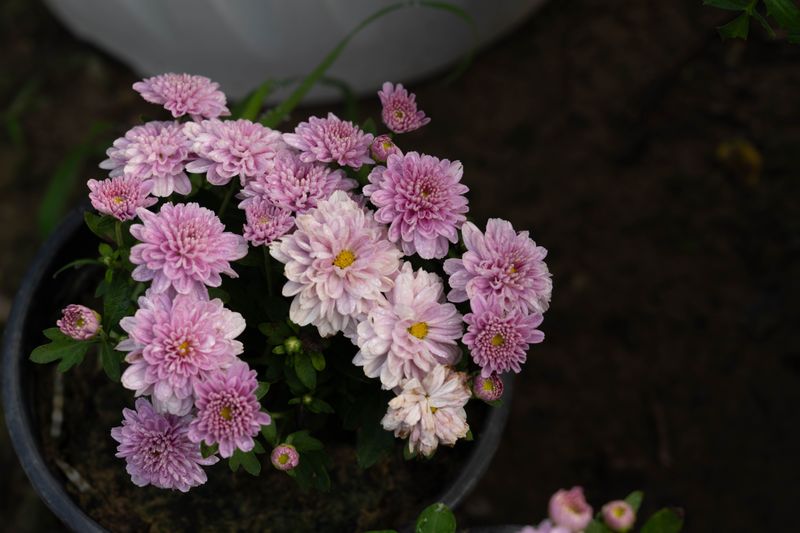
Garden centers sell millions of mums every fall, and most of them stay in their plastic pots until the flowers fade. That small pot is fine for a few weeks of color. For winter, though, it is a pretty rough home.
Roots in a container get hit by cold from every side, including the bottom. The thin plastic walls offer almost no protection, so a chilly night can reach the whole root ball at once.
Pots also dry out fast, which leaves roots thirsty and weak right when they need strength the most.
Soil in the ground works like a cozy blanket. It holds warmth longer and keeps moisture steadier, so roots stay protected while the air above swings from warm to frosty.
A mum planted in the garden simply has a much better shot at sending up fresh shoots next spring.
Timing matters, so plant as soon as the blooms start to fade. Pick a sunny spot with soil that drains well, since mums love at least six hours of sun. Dig a hole a bit wider than the pot and set the plant at the same depth it grew before.
Before planting, check the roots. If they wrap around in tight circles, gently tease them apart with your fingers so they can spread into the new soil. Fill in around the plant, press lightly, and give it a deep, slow drink of water.
Here in North Carolina, the coldest weather usually holds off until December or January in much of the state. Getting mums planted early gives roots a few extra weeks to grow and settle in. Those weeks can make all the difference come spring.
2. Leave The Stems Standing Through Winter
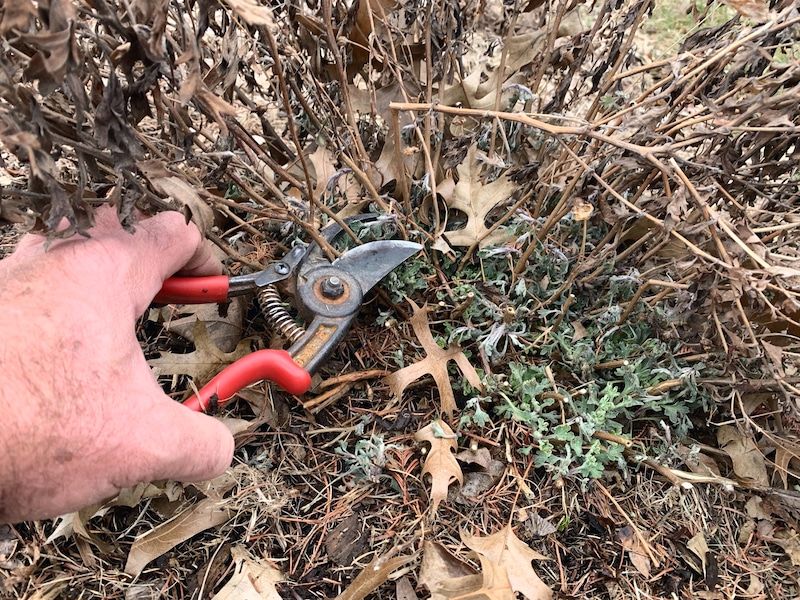
Grabbing the pruners feels natural once your mums turn brown and scraggly. Plenty of tidy gardeners do it every November. Hold off, though, because those tired stems still have an important job to do.
At the base of every mum sits the crown, the spot where next year’s shoots will pop up. Old stems act like a little fence around it. They catch fallen leaves and mulch, which creates a natural layer of cover right where the plant needs it most.
Your North Carolina Garden Changes Every Week. Your Plan Should Too.
Gardening in North Carolina changes quickly throughout the season. Every Friday you’ll receive a simple weekly plan showing exactly what to plant, prune, fertilize, harvest, and protect so you never miss the right timing.
Standing stems also help keep water from pooling around the crown. When stems are cut flat to the ground, rain and melting frost can collect in the open center. That soggy spot can lead to rot, and a rotted crown rarely bounces back.
Want a neater look? Go ahead and snip off the faded flower heads. That cleans things up without taking away the helpful structure underneath, and your garden will look cared for rather than messy.
The real trimming waits until early spring. Watch the base of the plant for small green shoots poking through. Once you see them, you know the crown made it through, and it is safe to clear away the old growth.
North Carolina winters can be tricky. One week brings a hard freeze, and the next feels almost like spring.
Those repeated freeze and thaw cycles put a lot of stress on bare, unprotected crowns, so a few brown stems are a small price to pay for a healthy plant. Think of them as winter armor that costs you nothing at all.
3. Mulch After The First Hard Freeze

Pine straw is practically the official mulch of North Carolina, and your mums will be glad you have some on hand. A good layer of mulch can be the secret that brings them back strong. Timing, though, is everything.
Wait until after the first hard freeze before you spread it. A hard freeze usually means temperatures dip into the mid to upper 20s, and it signals the plant to slow down for winter. Mulching too early can keep the soil warm and invite pests or rot.
So why bother at all? Mulch keeps soil temperatures steadier through the season. Without it, the ground freezes and thaws over and over, and that motion can push shallow roots right up out of the soil.
Gardeners call this frost heaving, and mums are easy victims because their roots stay close to the surface.
Spread about 2 to 3 inches of pine straw or shredded leaves around each plant. Keep it light and fluffy instead of packed down tight. Leave a little breathing room around the crown, since a thick, damp pile pressed against it can cause trouble.
Come spring, look for green shoots at the base. Pull the mulch back gently so the soil can warm up and the new growth gets plenty of light and air.
Gardeners in the Piedmont and the Mountains will see the biggest payoff. Those regions get many freeze and thaw swings each winter, sometimes several in a single week.
Even along the coast, a light layer helps hold moisture and protect roots during surprise cold snaps.
4. Make Sure The Soil Drains Well

Many people blame the cold when their mums fail to return. Surprisingly, the real culprit is often wet feet. Mums handle chilly weather pretty well, but cold, soggy soil is a whole different story.
When water sits around the roots for days, the crown and roots start to rot. Cold weather slows the plant down, so it cannot recover from that damage the way it might in summer. By spring, a mum that looked fine in December may never wake up.
The fix starts before you even plant. Choose a spot where water drains away quickly after a rain. A simple test helps: dig a hole about a foot deep, fill it with water, and see how long it takes to empty.
If water still sits there after a few hours, that spot needs help. Heavy clay benefits a lot from compost.
Work a few inches of it into the soil to loosen things up and help water move through. Skip low spots in the yard where puddles tend to form, even if the sun there looks perfect.
Still struggling with wet ground? Raised beds and gentle slopes are wonderful options. Lifting the roots just a few inches above the surrounding soil can keep them from sitting in water all winter long.
Anyone who has gardened in the Piedmont knows that sticky red clay well. It holds water like a sponge, and winter rains can keep it soggy for days at a time. Giving your mums better drainage is one of the smartest moves you can make for a comeback next fall.
5. Water During Dry Spells

Faded flowers might make a mum look finished for the year. Underground, however, the story is very different. Roots keep growing all through fall and even during mild winter days, quietly building strength for spring.
That growth needs water. A plant that heads into winter dry and stressed has fewer reserves to draw on when the cold arrives. Well-watered mums, on the other hand, go into dormancy healthy and ready to bounce back.
Newly planted mums need the most attention. Give them a deep soaking once or twice a week whenever rain stays away. A long, slow drink beats a quick sprinkle, since deep water encourages roots to reach down into the soil.
Keep it up until the ground cools off in late fall. Not sure if your plant is thirsty? Stick a finger a few inches into the soil near the base. If it feels dry at that depth, grab the hose or watering can.
If it still feels moist, wait a day or two and check again, because too much water can cause problems of its own.
Some towns set limits on outdoor watering during dry times. Hand watering with a can or a hose with a shutoff nozzle is often still allowed, so check your local rules. It also lets you aim water right at the roots without wasting a drop.
Much of North Carolina has dealt with drought conditions this year. Dry soil in fall can sneak up on gardeners who assume cooler weather means less watering. A little extra care now keeps your mums on track for a beautiful return.
6. Skip Fertilizer Until Spring

Feeding a plant seems like a kind thing to do. With mums in the fall, though, that bag of fertilizer can actually cause harm. Sometimes the best help is simply putting the scoop down.
Fertilizer tells a plant to grow, and that is the opposite of what a mum should be doing right now. Fresh shoots pushed out in autumn stay soft and tender.
They do not have time to toughen up before frost arrives, so the first cold night can damage them and weaken the whole plant.
On top of that, mums are getting ready to rest. As they move toward dormancy, they stop taking up nutrients very well. Much of that fertilizer just sits in the soil or washes away with the next rain, which wastes money and can pollute nearby streams.
So hold off through fall and winter. Let your mums settle down naturally and save their energy for later. They have everything they need stored in their roots.
Spring is the time to break out the plant food. Once you see healthy new growth at the base, give a light feeding with a balanced fertilizer, such as one labeled 10-10-10. A layer of compost works well too and improves the soil at the same time.
North Carolina falls can be long and pleasant, with warm afternoons stretching into November.
Those mild days make it easy for a fed mum to start growing again when it should be slowing down. Skipping fertilizer keeps your plant in step with the season, which sets it up for a much stronger spring.
7. Cut Back And Divide In Spring

Early spring brings one of the most exciting moments for any mum grower. Tiny green shoots start peeking up from the base of the plant. Now it is finally time to tidy up and give your mums a fresh start.
Begin by cutting the old brown stems down to a few inches above the ground. Clearing them away opens up space, light, and air for the new shoots. Be careful not to snip the fresh growth while you work.
Every two to three years, your mums will also need dividing. Over time, a clump grows crowded, and the center often turns woody and weak. Crowded plants compete for water and food, so they bloom less and look tired.
Dividing is easier than it sounds. Dig up the whole clump with a shovel or garden fork, then shake off some soil so you can see the roots. Pull or cut the clump into smaller sections, each with several healthy shoots and a good chunk of roots attached.
Keep the lively outer pieces, since they are the youngest and strongest parts. The old center can go in the compost pile. Replant the sections at the same depth, about 18 inches apart, and water them well.
Bonus: you end up with free plants to fill new spots or share with friends and neighbors. North Carolina mums tend to wake up early, often in March in warmer parts of the state.
Watching for those first shoots and acting quickly gives the new divisions plenty of time to settle in before summer heat arrives.
8. Pinch In Spring And Summer For A Full Fall Show

Those perfect round mums at the garden center did not grow that way by accident. Growers pinch them again and again to get that full, dome shape. The good news is that you can do the very same thing at home with nothing but your fingers.
Left alone, a mum grows tall and lanky. The stems often flop over in the wind or rain, and the plant may bloom in late summer instead of fall. That is not the cheerful autumn display most people hope for.
Pinching changes everything. When you remove the tip of a stem, the plant sends out two or more side branches instead. More branches mean more flower buds, and the plant stays short, sturdy, and rounded.
Start once new shoots reach about 4 to 6 inches tall. Pinch off the top inch or so with your thumb and finger, or use clean scissors. As the side shoots grow a few more inches, pinch those too, repeating every few weeks.
Mark your calendar for early July, though. That is about when pinching should stop. Mums set their flower buds as days grow shorter in late summer, and they need time to form those buds before fall arrives.
Pinching too late can leave you with fewer blooms. North Carolina’s long growing season is a gift, but it also gives mums extra time to stretch out and get leggy.
Regular pinching keeps them in check. By October, you will have a compact plant covered in color, proof that all your care since last fall truly paid off.